
Stegosaurus
Stegosaurus armatus
"Armored roof lizard"
About this species
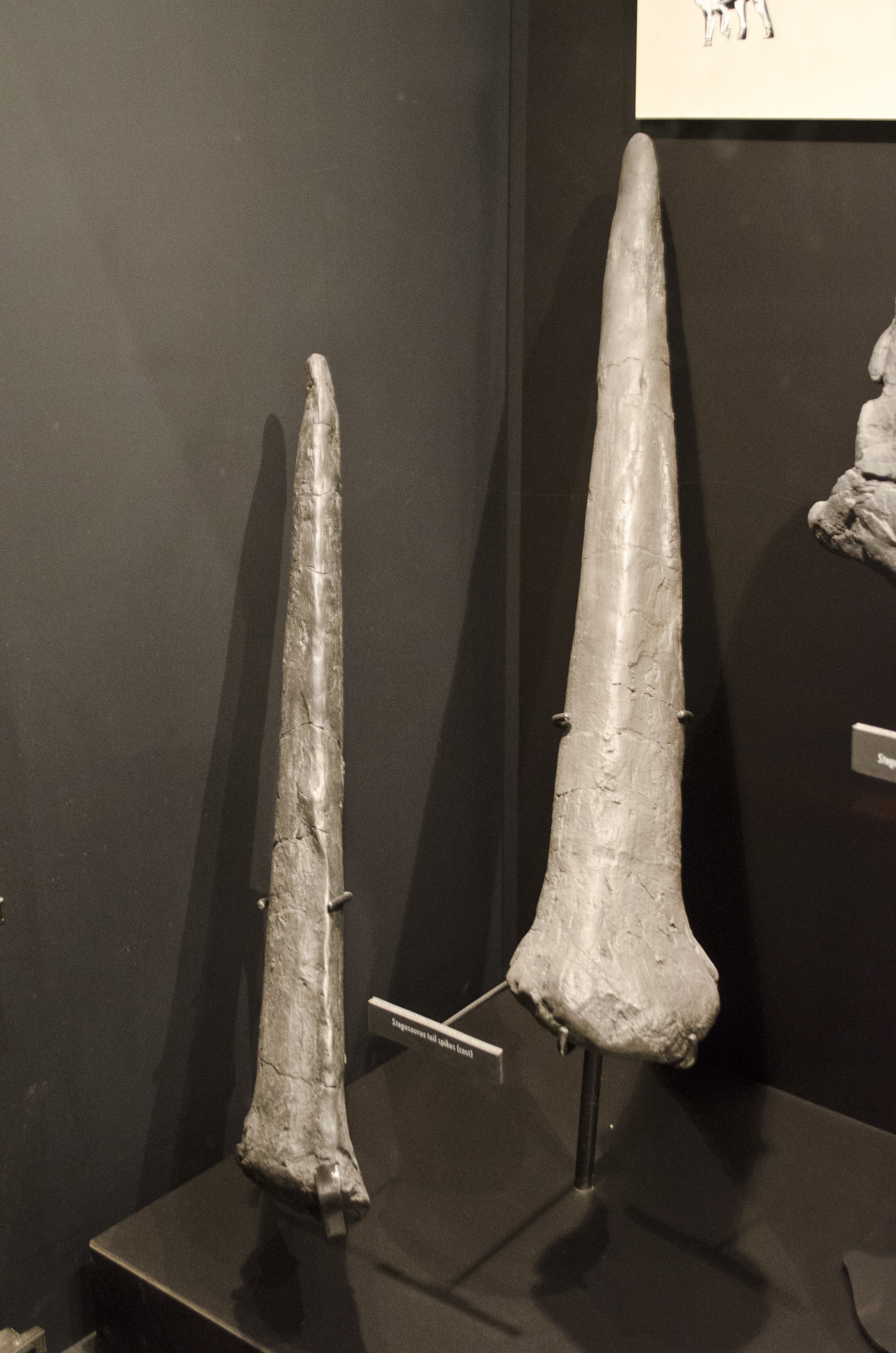
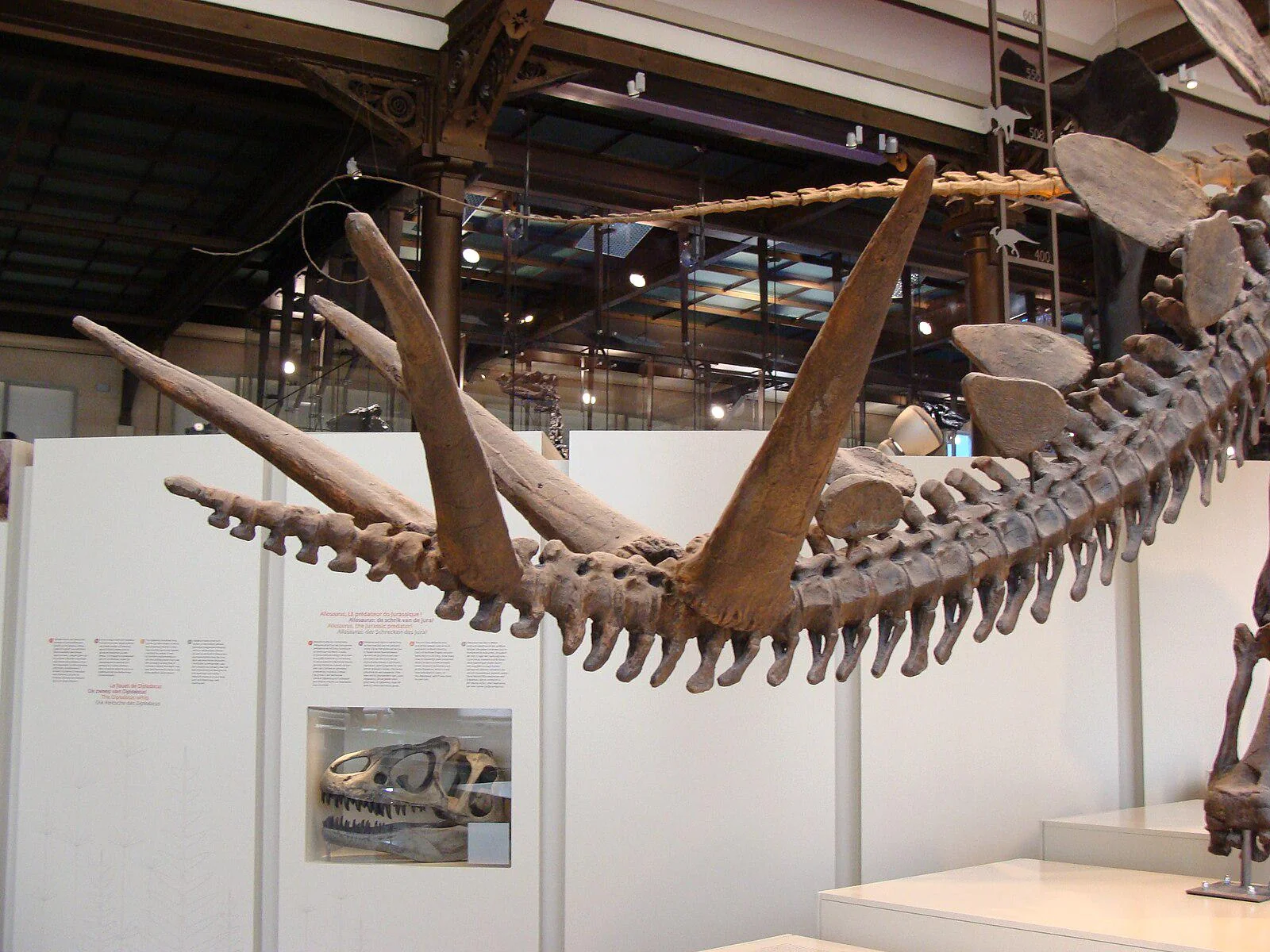
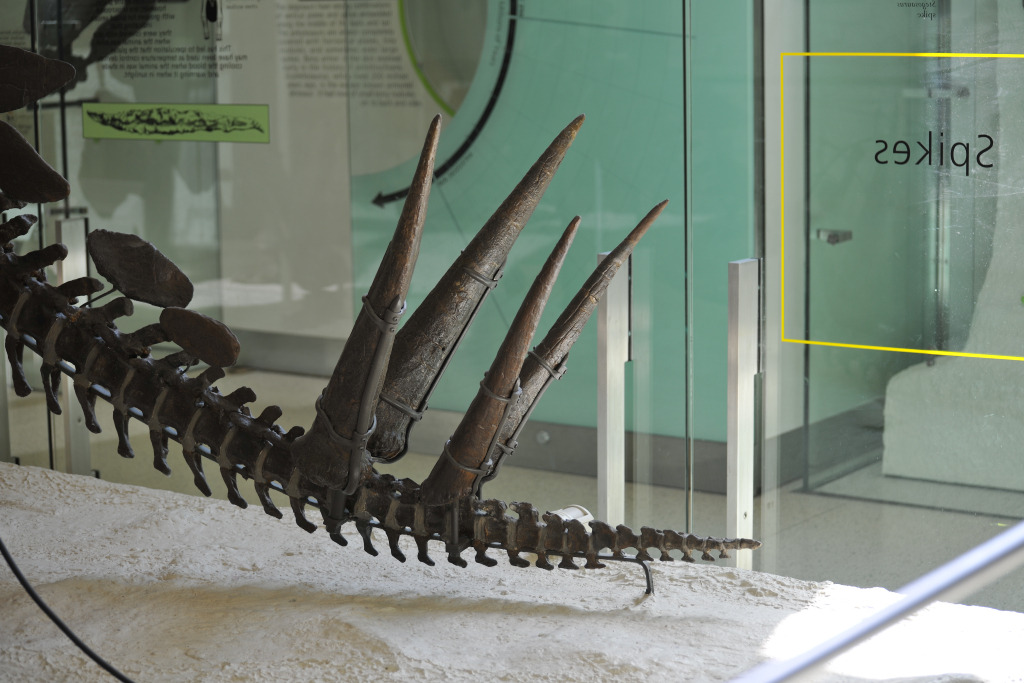
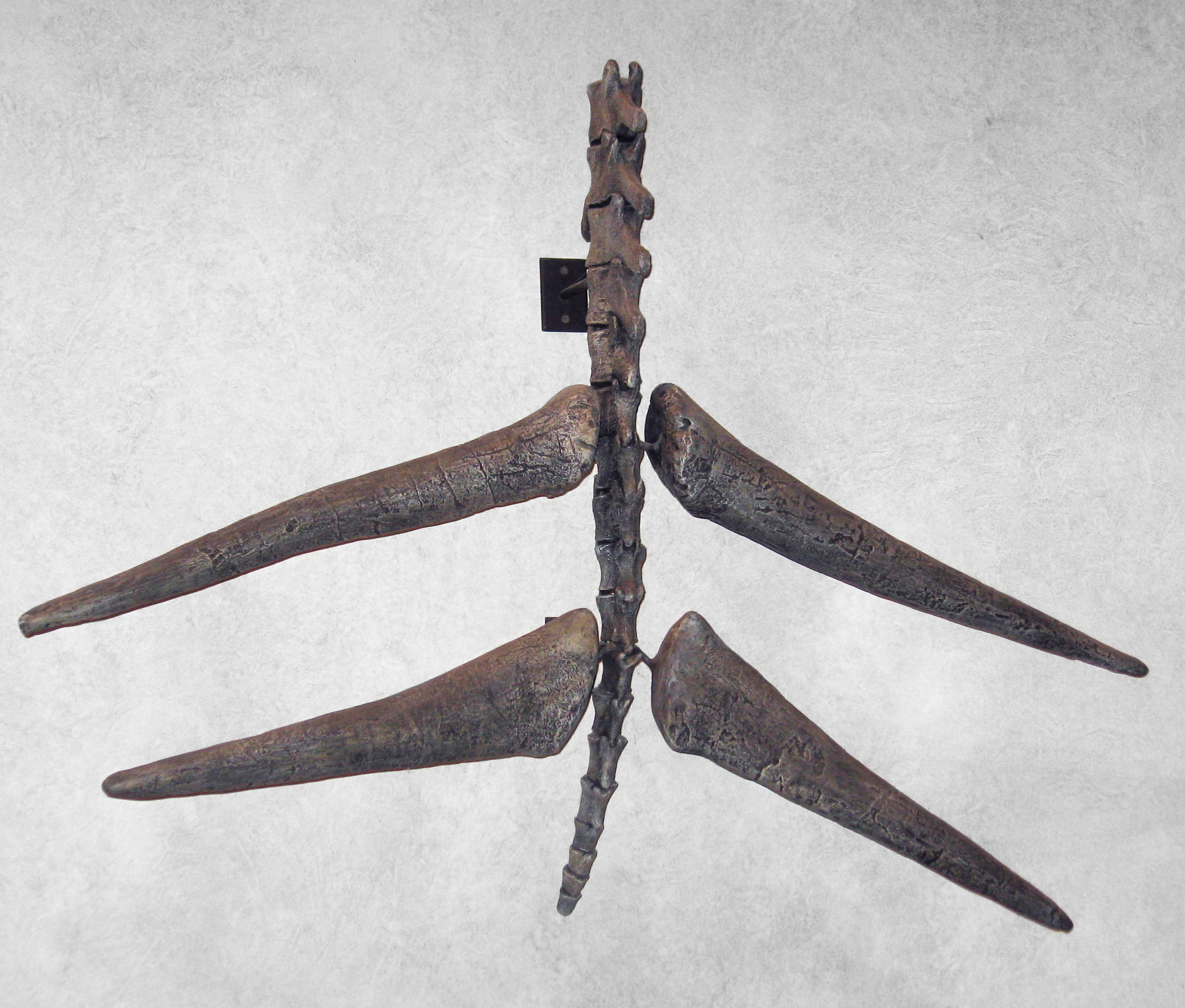
Stegosaurus armatus is one of the most recognizable dinosaurs of the Jurassic, famous for its two alternating rows of dorsal bony plates and four tail spikes, the so-called thagomizer. It lived approximately 155 to 150 million years ago in the Morrison Formation of the western United States. Up to 9 meters long and weighing around 5,400 kg, it was a large herbivore that browsed low vegetation with small teeth and a horny beak. Its brain was proportionally tiny, roughly 80 grams. The dorsal plates, sheathed in keratin, were likely used for visual recognition between individuals and possibly for thermoregulation. Fóssil evidence confirms the thagomizer was an effective defensive weapon: an Allosaurus vertebra was found with a puncture matching Stegosaurus spike dimensions, with healed bone around the wound.
Geological formation & environment
The Morrison Formation is an Upper Jurassic sedimentary unit (Kimmeridgian-Tithonian, 156 to 147 Ma) covering over 1.5 million km² in the western United States, one of the world's richest dinosaur deposits. Its origin is fluvial and lacustrine, deposited in semi-arid floodplains when North America was approximately 15 to 20 degrees north of the equator. The Morrison dinosaur fauna includes Allosaurus, Apatosaurus, Diplodocus, Brachiosaurus, Camarasaurus, and several species of Stegosaurus and Stegosauria. Major excavation sites include Dinosaur National Monument (Utah/Colorado), Garden Park (Colorado), and Como Bluff (Wyoming).
Image gallery


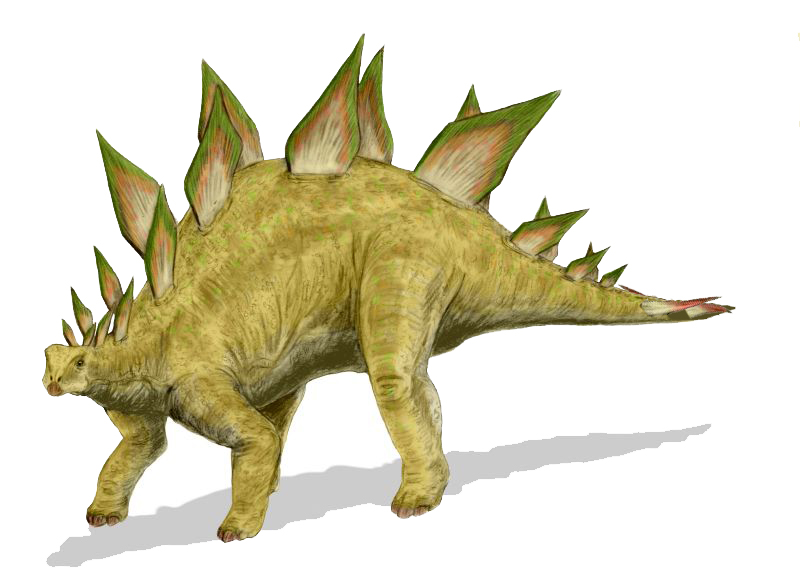
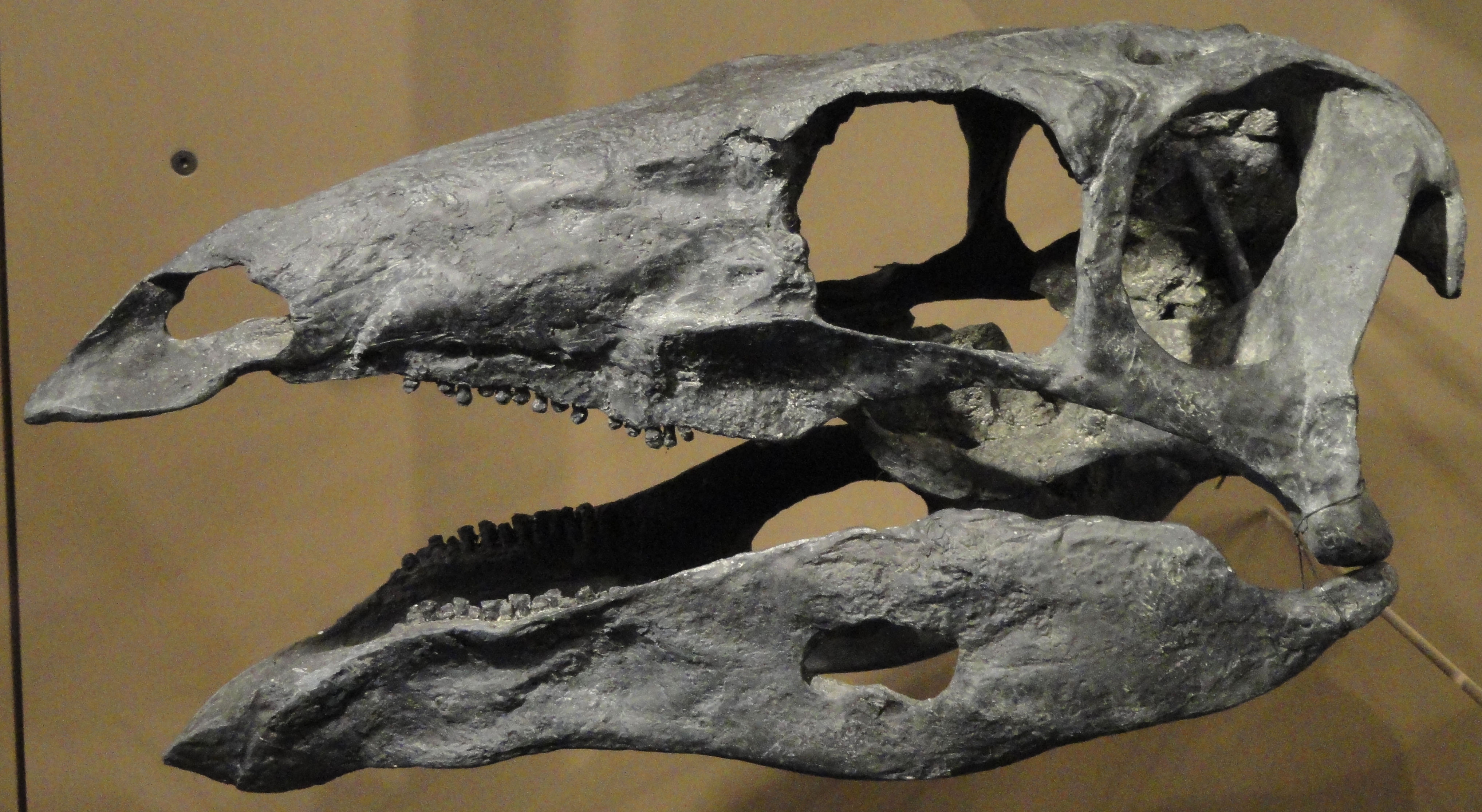
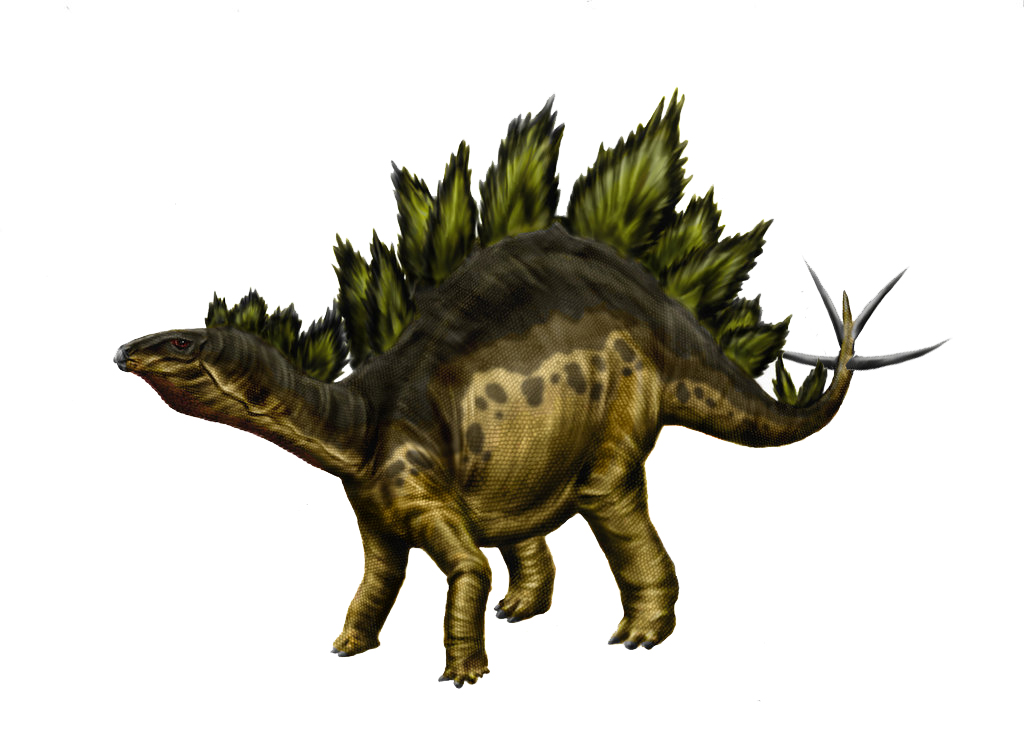
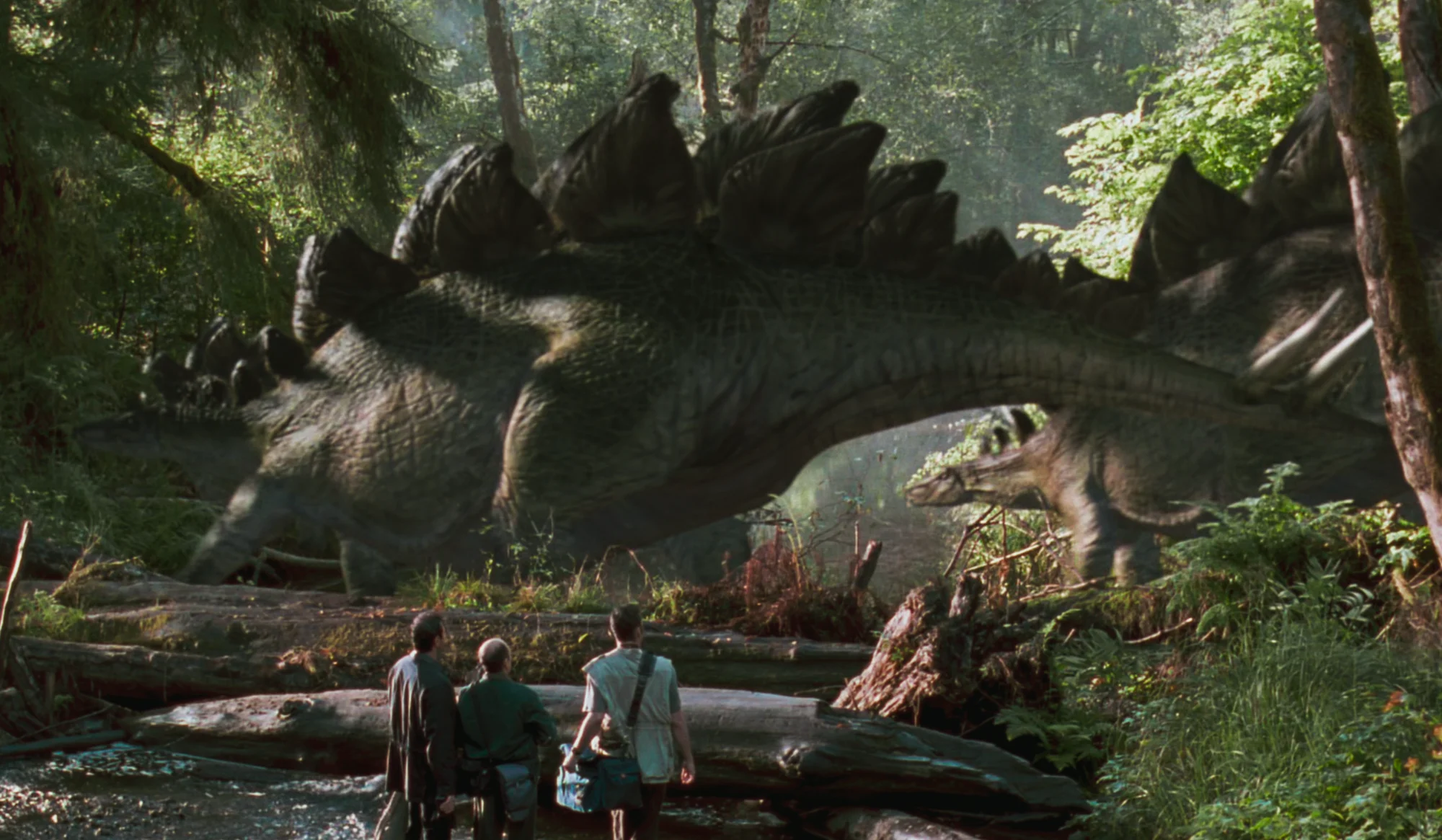
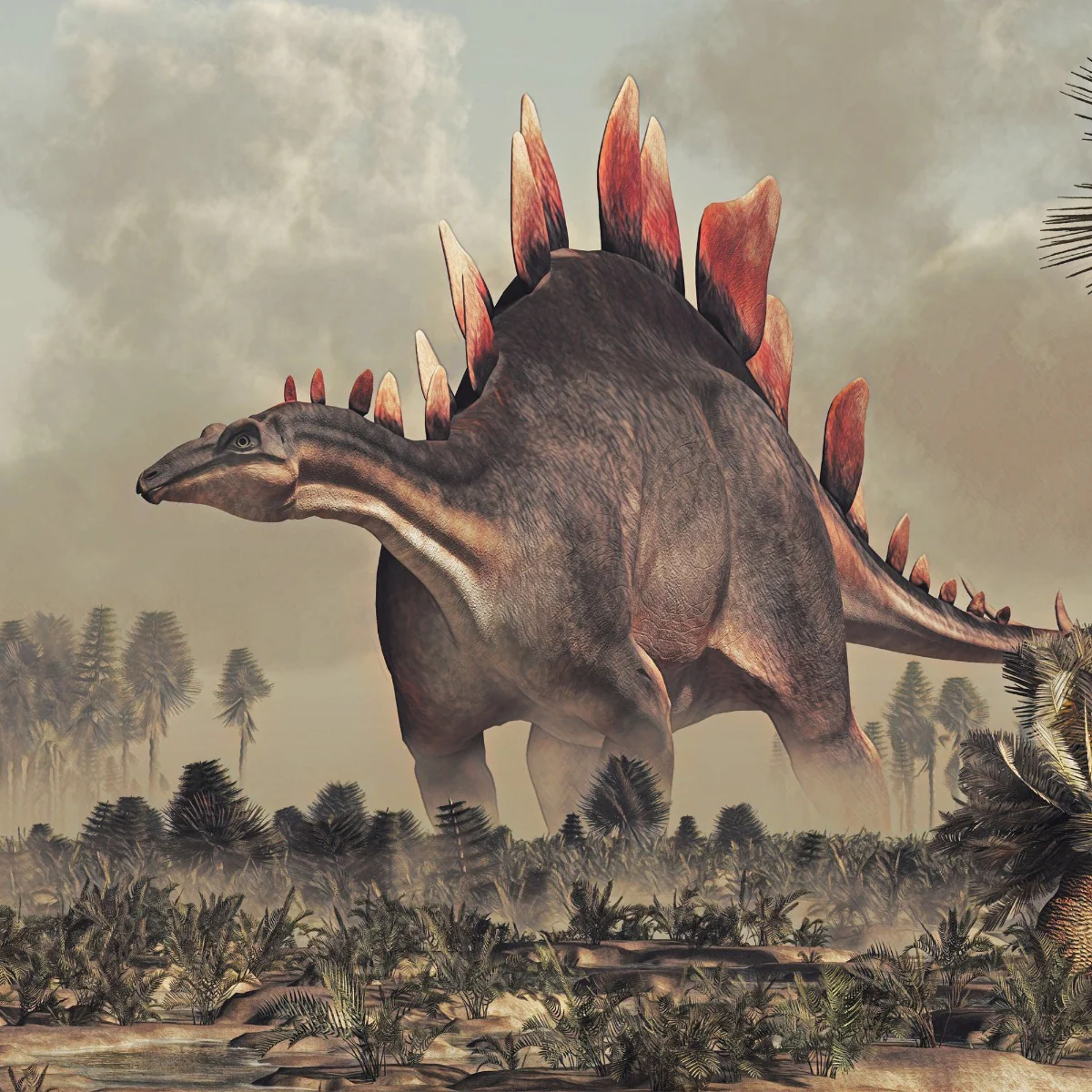
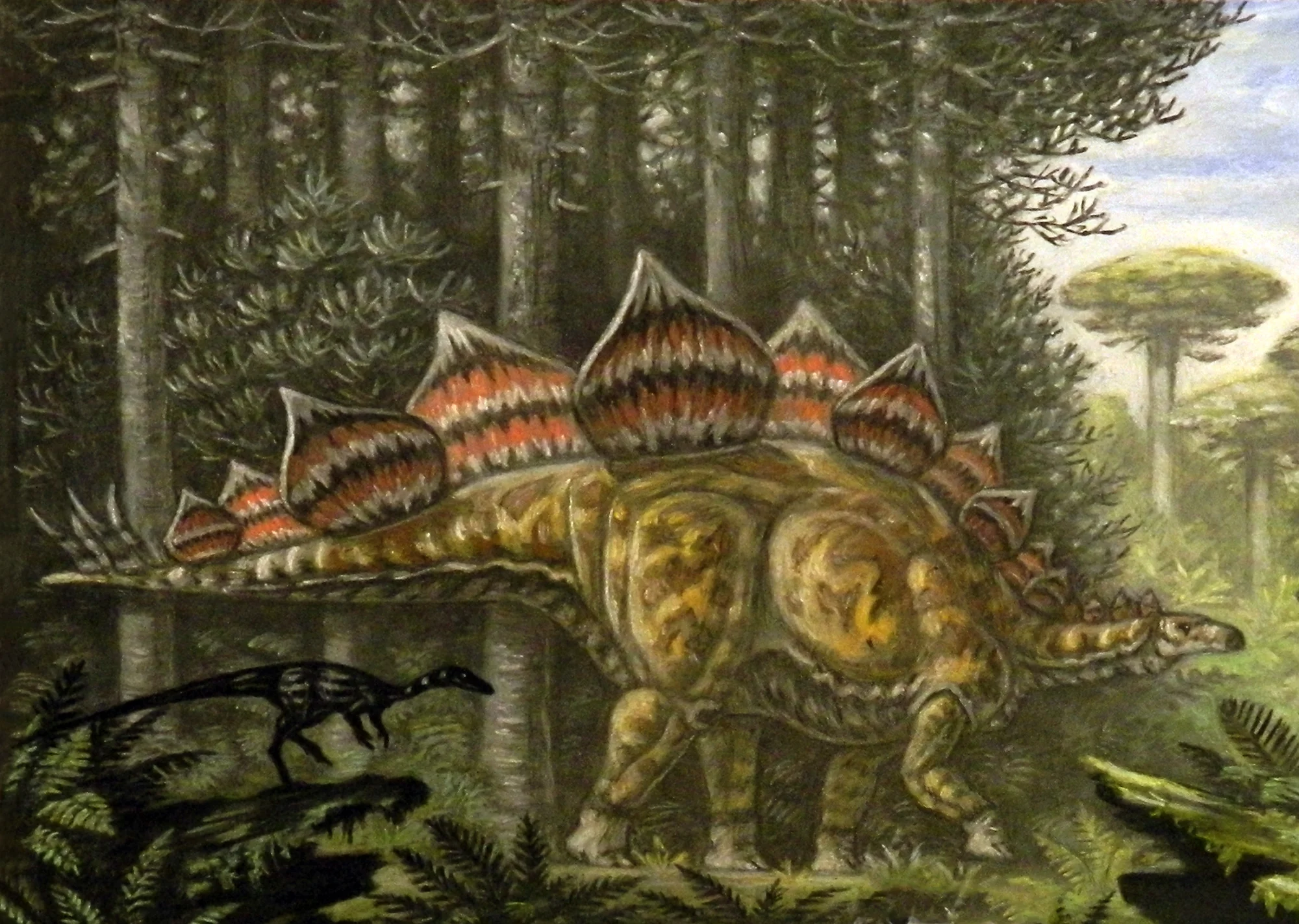
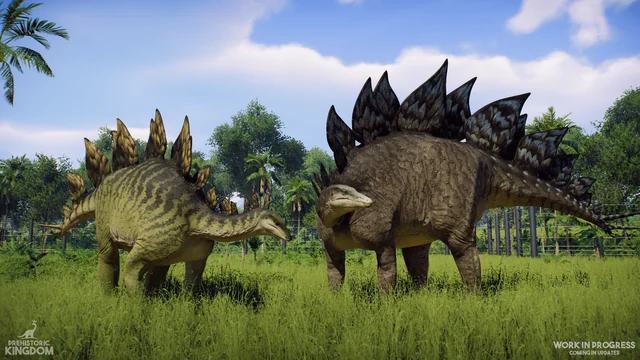
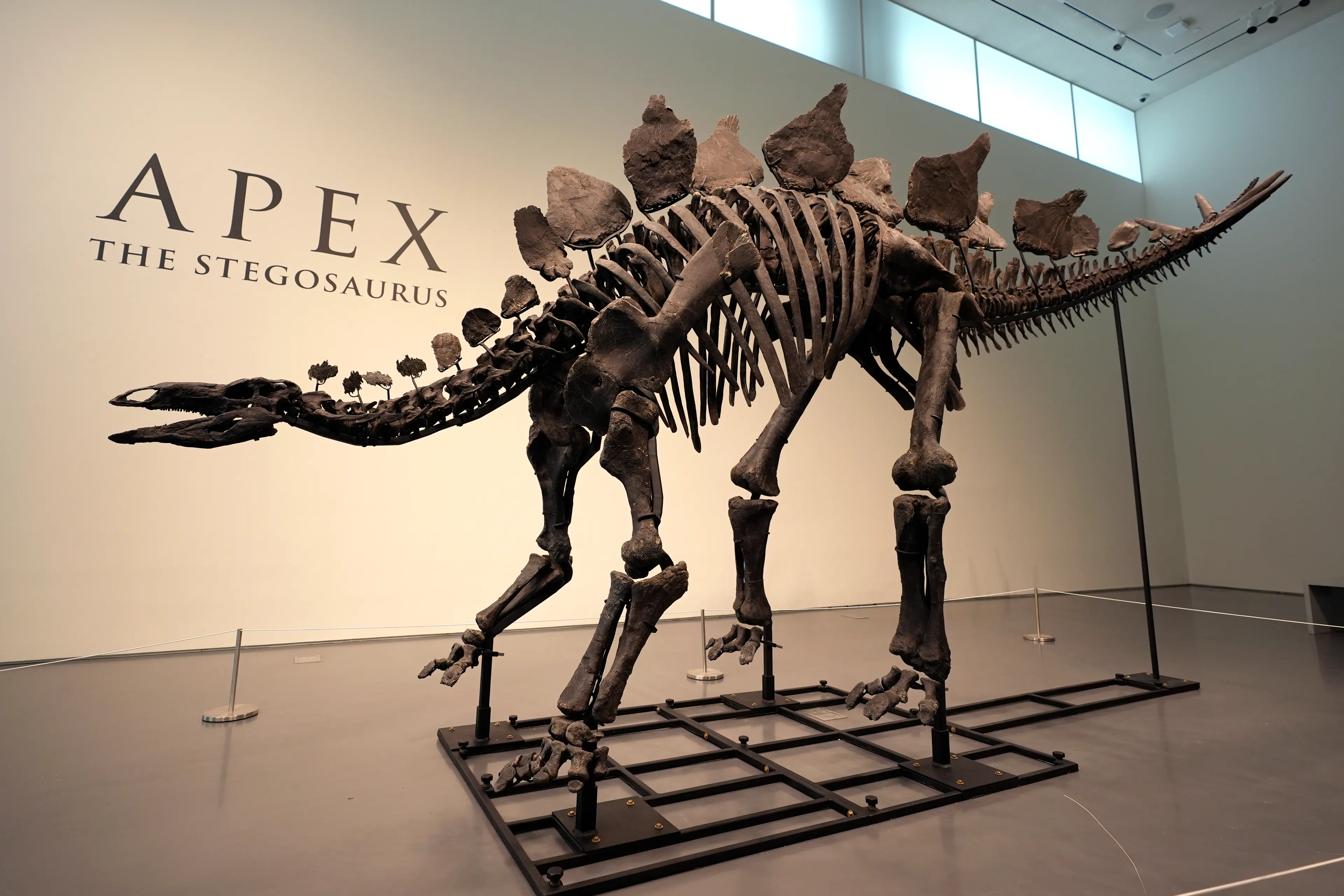
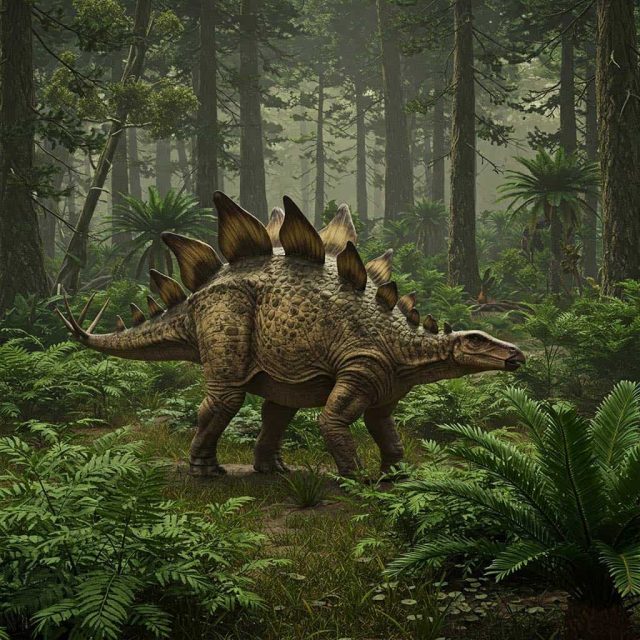
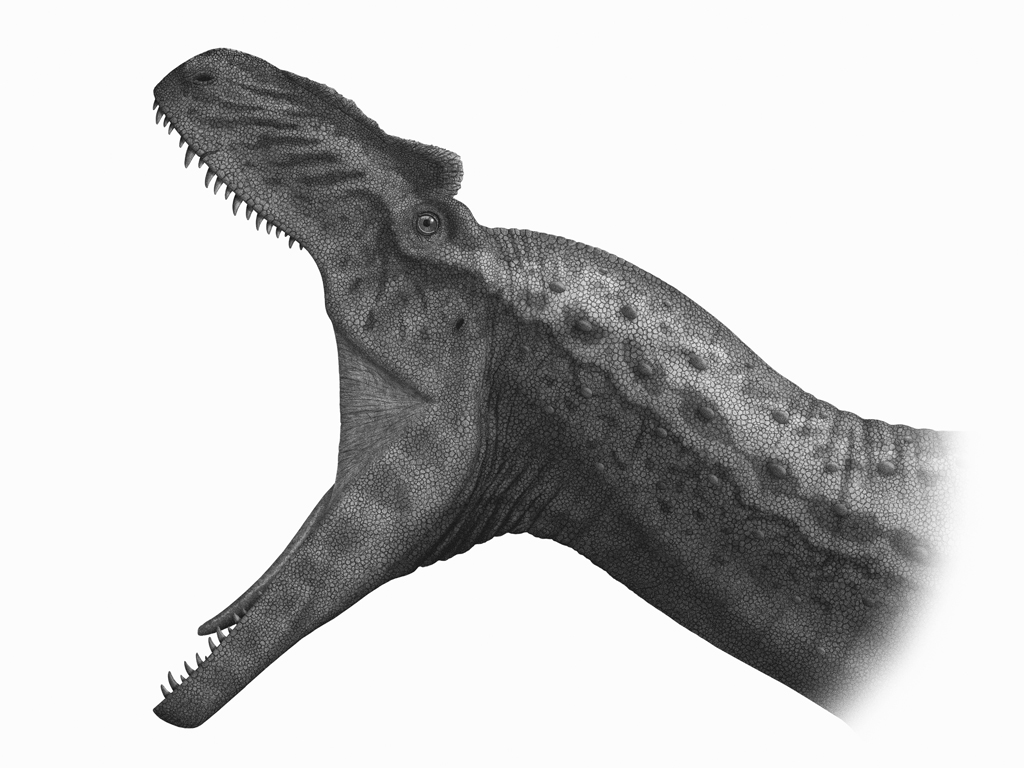
Life reconstruction of Stegosaurus stenops based on the Sophie specimen (NHMUK PV R36730), by Fred Wierum (2022).
Fred Wierum, CC BY-SA 4.0
Ecology and behavior
Habitat
Stegosaurus inhabited the semi-arid floodplains and riparian forests of the Morrison Formation, a Late Jurassic sedimentary deposit covering over 1.5 million km² in the western United States. The paleoclimate featured alternating wet and dry seasons, with vegetation composed primarily of ferns, horsetails, cycads, and low-growing conifers. Stegosaurus browsed at approximately 1 meter above ground, consistent with its short-neck and low-head anatomy. It shared its habitat with Apatosaurus, Diplodocus, Camarasaurus, and Brachiosaurus (herbivores), as well as predators Allosaurus and Ceratosaurus (Foster, 2024). Ichnological studies reveal that stegosaurs moved in multigenerational groups, with adults and juveniles sharing trackways (Maidment et al., 2015). The vast extent of the Morrison Formation indicates the genus had wide geographic distribution across the Laurasian subcontinent.
Feeding
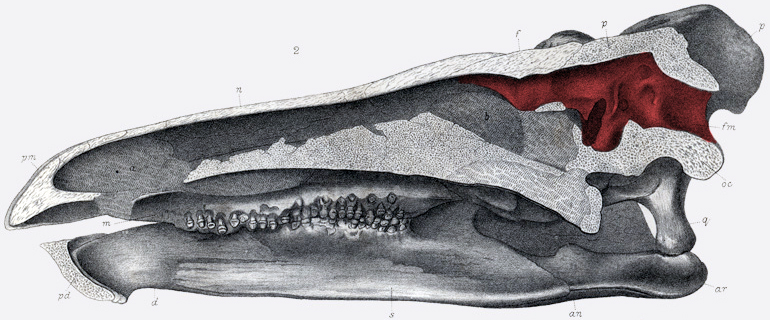
Stegosaurus was a herbivore specialized in consuming low-growing vegetation. Its teeth were small, triangular, and had horizontal wear facets, indicating exclusively orthal (up-and-down) jaw movements, without the lateral grinding capacity found in other ornithischians. The absence of front teeth was compensated by a horny beak (rhamphotheca). The teeth were not tightly packed in a dental battery, suggesting Stegosaurus did not process food as efficiently as ceratopsids or hadrosaurs. Biomechanical analyses indicate the diet consisted mainly of ferns, cycads, and low-energy shrubs, compensated by large intake volumes (Galton, 2010). The estimated maximum walking speed of 15 to 18 km/h was not favorable for long-distance foraging migration. Stegosaurus likely also consumed aquatic plants along riverbanks, given that parts of the Morrison Formation record seasonal fluvial mudflat environments.
Behavior and senses
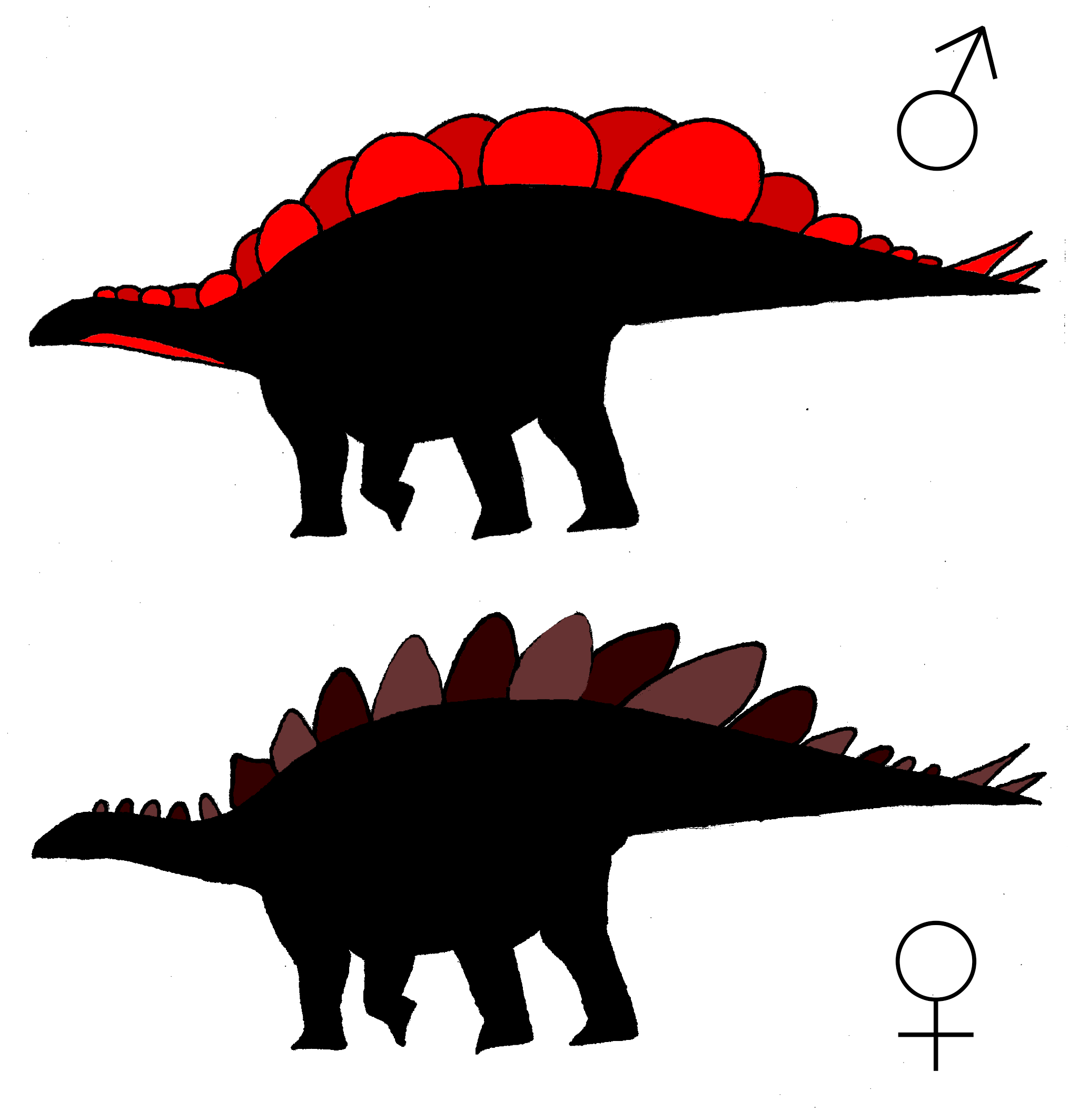
Stegosaurus behavior has been studied primarily through bite marks, bone injuries, and ichnology. There is direct evidence of combat with Allosaurus: a punctured predator vertebra with a circular hole matching Stegosaurus tail spike dimensions, with infectious osteitis around it, indicates a successful defensive strike by the herbivore (Maidment et al., 2015). Approximately 9.8% of examined tail spines show fractures or lesions, confirming active use of the thagomizer. The dorsal plates were likely used for intraspecific signaling: studies suggest sexual dimorphism, with wide plates in males and taller plates in females. Fóssil trackways indicate gregarious behavior with parental care, as juvenile footprints appear associated with adults. Feeding behavior was likely non-selective for plant species, prioritizing easily accessible ground-level plants.
Physiology and growth
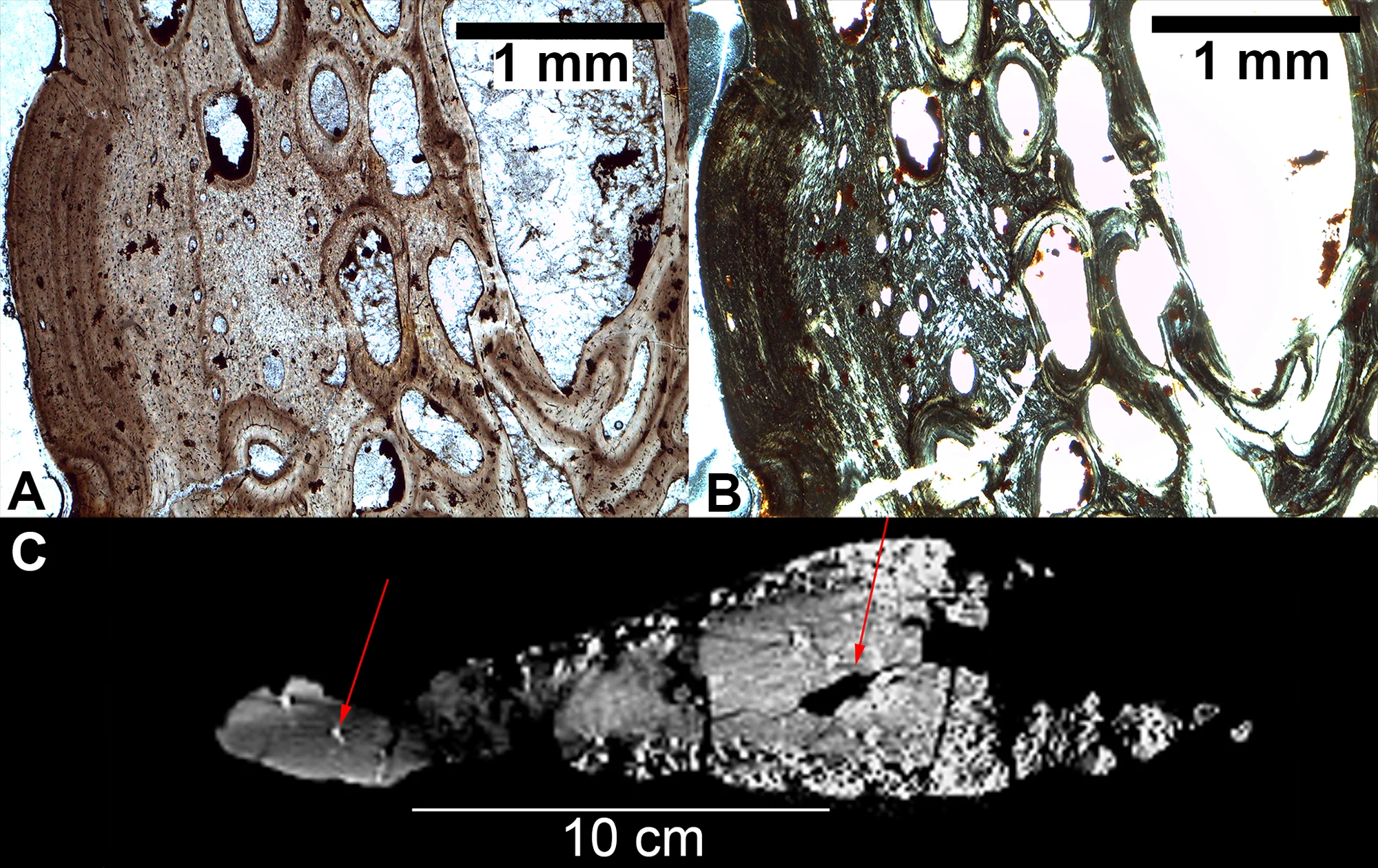
Stegosaurus physiology combines intermediate metabolic traits with unique structural adaptations. The brain was proportionally tiny, approximately 80 grams for an animal of over 5 tonnes, but the sacral plexus (spinal cord expansion near the pelvic girdle) was much larger than the skull, generating the popular myth of a 'second brain,' which was in reality a neural plexus controlling hind limb motor function. The dorsal plates had dense internal vascularization, suggesting a secondary thermoregulatory role via convective heat exchange (Farlow et al., 1976). A 2022 spectroscopic study suggests ectothermic or intermediate metabolism, distinct from the endothermic pattern of theropods (Wiemann et al., 2022). The forelimbs were much shorter than the hindlimbs, forcing an inclined posture that brought the head close to the ground. Bone histology indicates relatively slow growth compared to theropods in the same ecosystem.
Paleogeography
Continental configuration

Scotese & Vérard · CC BY 4.0 · Jurassic, ~155 Ma
Fossil sites
Slate Weasel, Domínio Público
During the Kimmeridgiano-Titoniano (~155–150 Ma), Stegosaurus armatus inhabited the fragmenting Pangea. North America and Europe were still close, and the North Atlantic was just beginning to open. Climate was warm and humid globally, with no polar ice caps.
Bone Inventory
The holotype YPM 1850, collected by Arthur Lakes in 1877 near Morrison, Colorado, is extremely fragmentary, with only caudal vertebrae, a partial dermal plate, and some postcranial elements. For this reason, S. armatus has been considered a nomen dubium since 2013, when the ICZN designated S. stenops as the type species of the genus. More complete specimens such as USNM 4934 and NHMUK PV R36730 (Sophie, ~85% complete) belong to S. stenops and well represent the genus anatomy.
Found elements
Inferred elements
Scientific Literature
15 papers in chronological order — from the original description to recent research.
New order of extinct Reptilia (Stegosauria) from the Jurassic of the Rocky Mountains
Marsh, O.C. · American Journal of Science
Founding paper in which Marsh describes Stegosaurus armatus based on holotype YPM 1850, collected by Arthur Lakes. Marsh establishes the new order Stegosauria, recognizing that the dorsal plates represented an unprecedented structure among known reptiles. This work initiated decades of debate about plate function and arrangement and defined the diagnostic characters of the genus that persist in the literature to this day.


Principal characters of American Jurassic dinosaurs, Part III
Marsh, O.C. · American Journal of Science
Marsh presents additional Stegosaurus material including new specimens from the Morrison Formation and refines the genus diagnosis. In this paper he first proposes the plates formed a single central row, an interpretation corrected decades later. The article consolidates Stegosaurus as a central member of the Late Jurassic North American fauna and expands the known material base for the genus.


Osteology of the armoured Dinosauria in the United States National Museum, with special reference to the genus Stegosaurus
Gilmore, C.W. · United States National Museum Bulletin
Fundamental osteological monograph by Charles Gilmore based on material from the U.S. National Museum, especially specimen USNM 4934. Gilmore systematically documents all skeletal elements, confirms the alternating arrangement of plates in two rows, and describes cranial and postcranial morphology in detail. It remained an essential reference on Stegosaurus anatomy for decades and is still cited in modern work on the genus.


Plates of the dinosaur Stegosaurus: forced convection heat loss fins?
Farlow, J.O., Thompson, C.V. & Rosner, D.E. · Science
Pioneering study in which Farlow and colleagues experimentally test the thermoregulatory hypothesis for Stegosaurus plates using physical models in a wind tunnel. Results demonstrate the plates would be efficient convective heat radiators if supplied with blood. The work quantifies for the first time the heat dissipation capacity of the plates and establishes the thermoregulatory hypothesis that dominated the paleontológical literature for decades.


The evolution and function of thyreophoran dinosaur scutes: implications for plate function in stegosaurs
Main, R.P., de Ricqlès, A., Horner, J.R. & Padian, K. · Paleobiology
Main et al. perform comparative histological analysis of plates and scutes from thyreophorans including Stegosaurus, Kentrosaurus, and ankylosaurs. Results show dense internal vascularization of Stegosaurus plates, suggesting active blood supply. The authors conclude that the plates served primarily for intraspecific display, with thermoregulation as a secondary function, revising decades of consensus built on Farlow et al. (1976).

Evidence for predator-prey relationships: examples for Allosaurus and Stegosaurus
Carpenter, K., Sanders, F., McWhinney, L. & Wood, L. · The Carnivorous Dinosaurs
Carpenter and colleagues document direct evidence of predator-prey interaction between Allosaurus and Stegosaurus in the Morrison Formation. The work describes an Allosaurus caudal vertebra with a circular puncture matching Stegosaurus tail spike dimensions, with peripheral osteitis proving the predator survived the wound. This is the most direct fóssil evidence yet found of defensive thagomizer use as an actual weapon.

Systematics and phylogeny of Stegosauria (Dinosauria: Ornithischia)
Maidment, S.C.R., Norman, D.B., Barrett, P.M. & Upchurch, P. · Journal of Systematic Palaeontology
Comprehensive phylogenetic analysis of Stegosauria by Maidment and colleagues, including 27 taxa and 96 characters. The study revises relationships within Stegosauria and Thyreophora, resolves the position of several dubious species, and establishes revised diagnoses for the major clades. Stegosauridae is recovered as a monophyletic group with robust support, providing the modern phylogenetic framework for the group.


Long and girdle bone histology of Stegosaurus: implications for growth and life history
Redelstorff, R. & Sander, P.M. · Journal of Vertebrate Paleontology
Redelstorff and Sander conduct the first extensive histological analysis of long and girdle bones from four nearly complete Stegosaurus skeletons from the Morrison Formation, housed at the Sauriermuseum Aathal. Inner cortex shows fibrolamellar bone with longitudinal primary osteons indicating rapid juvenile growth, while outer cortex displays parallel-fibered bone marking slowdown. The pattern suggests a lower metabolic rate than theropods or sauropods of equivalent body size.


A model for the bite mechanics in the herbivorous dinosaur Stegosaurus (Ornithischia, Stegosauridae)
Reichel, M. · Swiss Journal of Geosciences
Reichel builds three-dimensional Stegosaurus tooth models and applies finite element analysis to quantify bite force distribution along the tooth row. Results show a maximum force of 275 N at the posterior teeth and demonstrate that the homodont morphology efficiently dissipated stress during biting. The work concludes that Stegosaurus was capable of processing small branches, providing the first quantitative biomechanical model for feeding in the genus.

Exceptional stegosaur integument impressions from the Upper Jurassic Morrison Formation of Wyoming
Christiansen, N.A. & Tschopp, E. · Swiss Journal of Geosciences
Christiansen and Tschopp describe exceptionally preserved skin impressions associated with Stegosaurus material from the Morrison Formation of Wyoming. The impressions reveal non-overlapping polygonal scales without specialized keratin structures beyond the bony plates. This is the first detailed Stegosaurus integument description based on directly associated material, providing concrete data on the animal's skin texture.


Species of plated dinosaur Stegosaurus (Morrison Formation, Late Jurassic) of western USA: new type species designation needed
Galton, P.M. · Swiss Journal of Geosciences
Galton reviews valid Stegosaurus species in the Morrison Formation and argues for the need to designate a new type species for the genus, since the S. armatus holotype is too fragmentary for reliable diagnosis. The work evaluates the taxonomic status of S. stenops, S. ungulatus, and S. mjosi and provides the rationale that led the ICZN to designate S. stenops as the type species in 2013, making S. armatus a nomen dubium.


Ontogenetic histology of Stegosaurus plates and spikes
Hayashi, S., Carpenter, K., Watabe, M. & McWhinney, L. · Palaeontology
Hayashi and colleagues analyze histological sections of Stegosaurus plates and spikes at different ontogenetic stages. Results show that plates grew rapidly in juveniles and slowed in adults, with internally reduced vascularization at maturity. Spikes showed a different growth pattern from plates, suggesting distinct functions for the two structures throughout the animal's life.
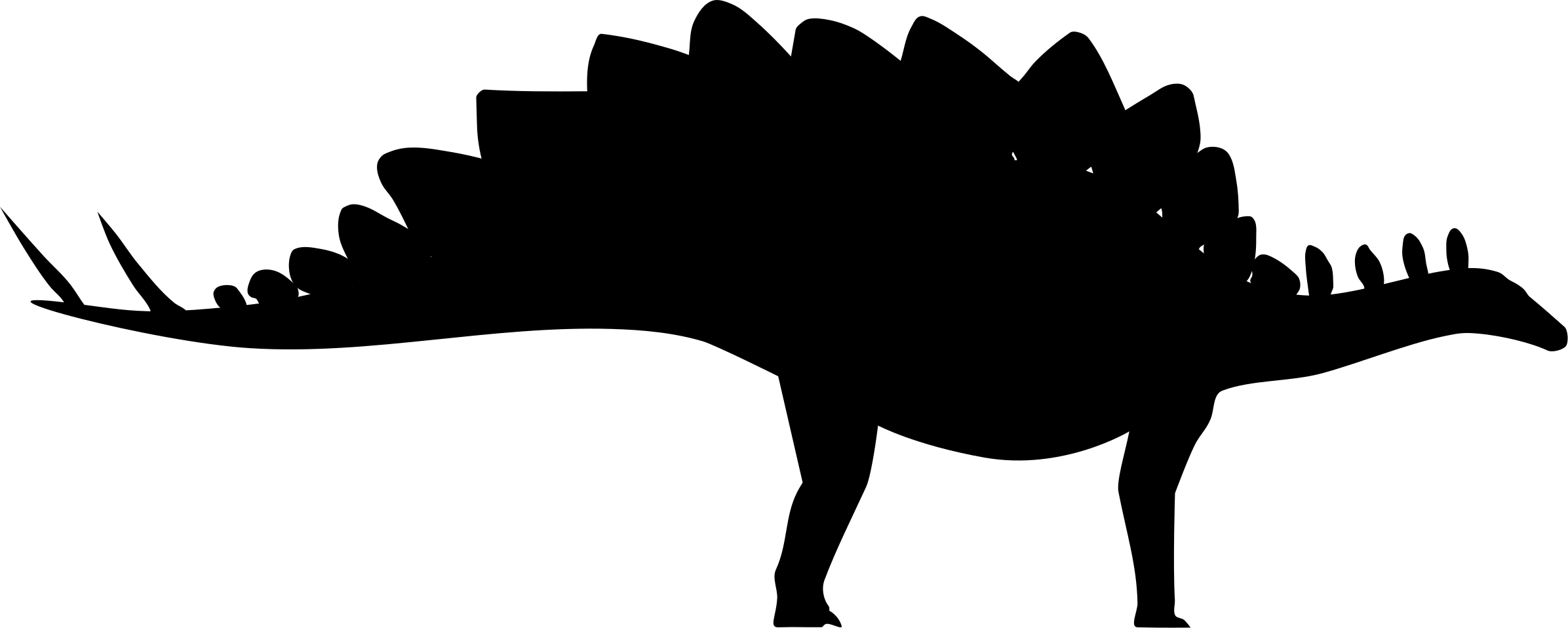
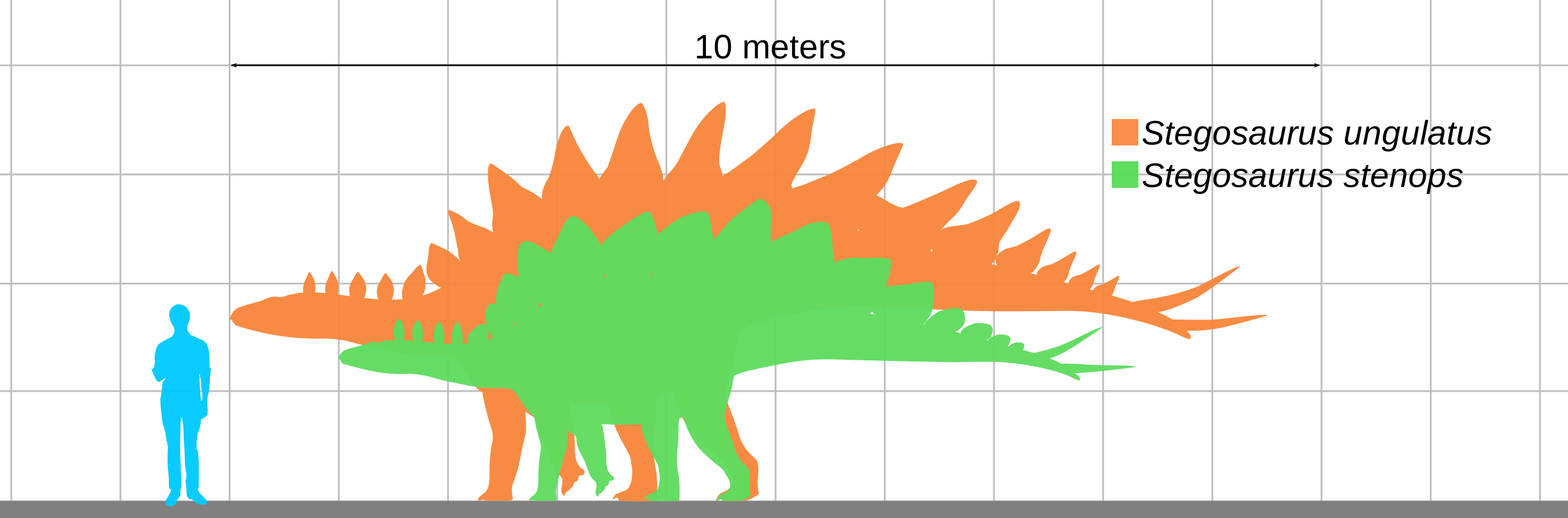
The postcranial skeleton of an exceptionally complete individual of the plated dinosaur Stegosaurus stenops (Dinosauria: Thyreophora) from the Upper Jurassic Morrison Formation of Wyoming, U.S.A.
Maidment, S.C.R., Brassey, C. & Barrett, P.M. · PLOS ONE
Detailed description of the Sophie specimen (NHMUK PV R36730), the most complete Stegosaurus ever found with approximately 85% of the skeleton preserved. Maidment and colleagues perform a complete morphological analysis and estimate a body mass of 1,600 kg for this young individual. The work revises posture, limb proportions, and plate morphology, becoming the primary anatômical reference for the genus and redefining Stegosaurus biology.


Evidence for sexual dimorphism in the plated dinosaur Stegosaurus mjosi (Ornithischia, Stegosauria) from the Morrison Formation (Upper Jurassic) of western USA
Saitta, E.T. · PLOS ONE
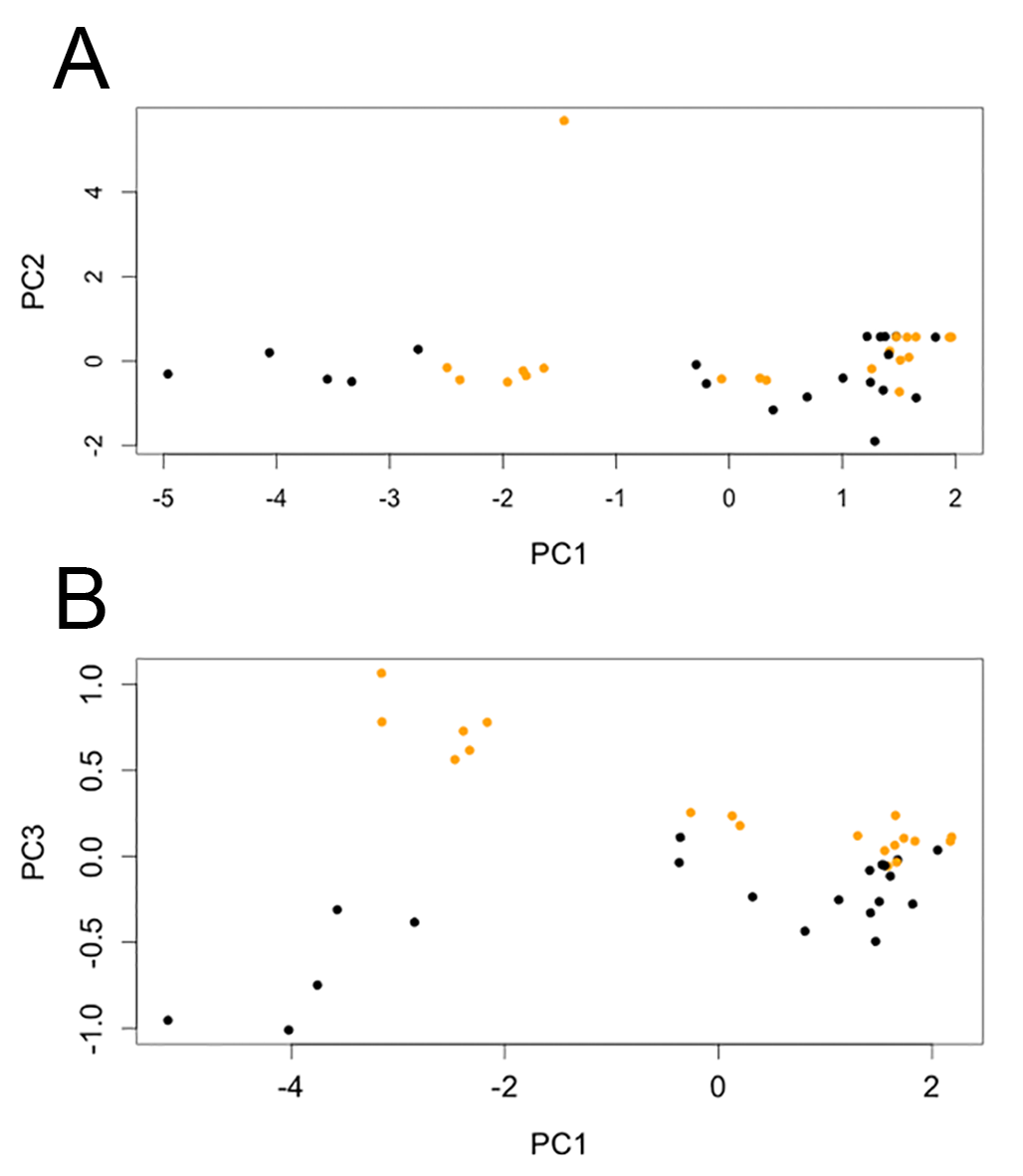
Saitta statistically analyzes dorsal plate morphology in Stegosaurus mjosi and identifies two distinct morphotypes: wide oval plates versus tall narrow plates. Using principal component analysis and hypothesis testing, the author rules out ontogenetic and intraspecific variation as explanations, concluding the dimorphism most likely reflects sexual difference with males having wide plates for display. It is the first study to quantify sexual dimorphism in stegosaurs.
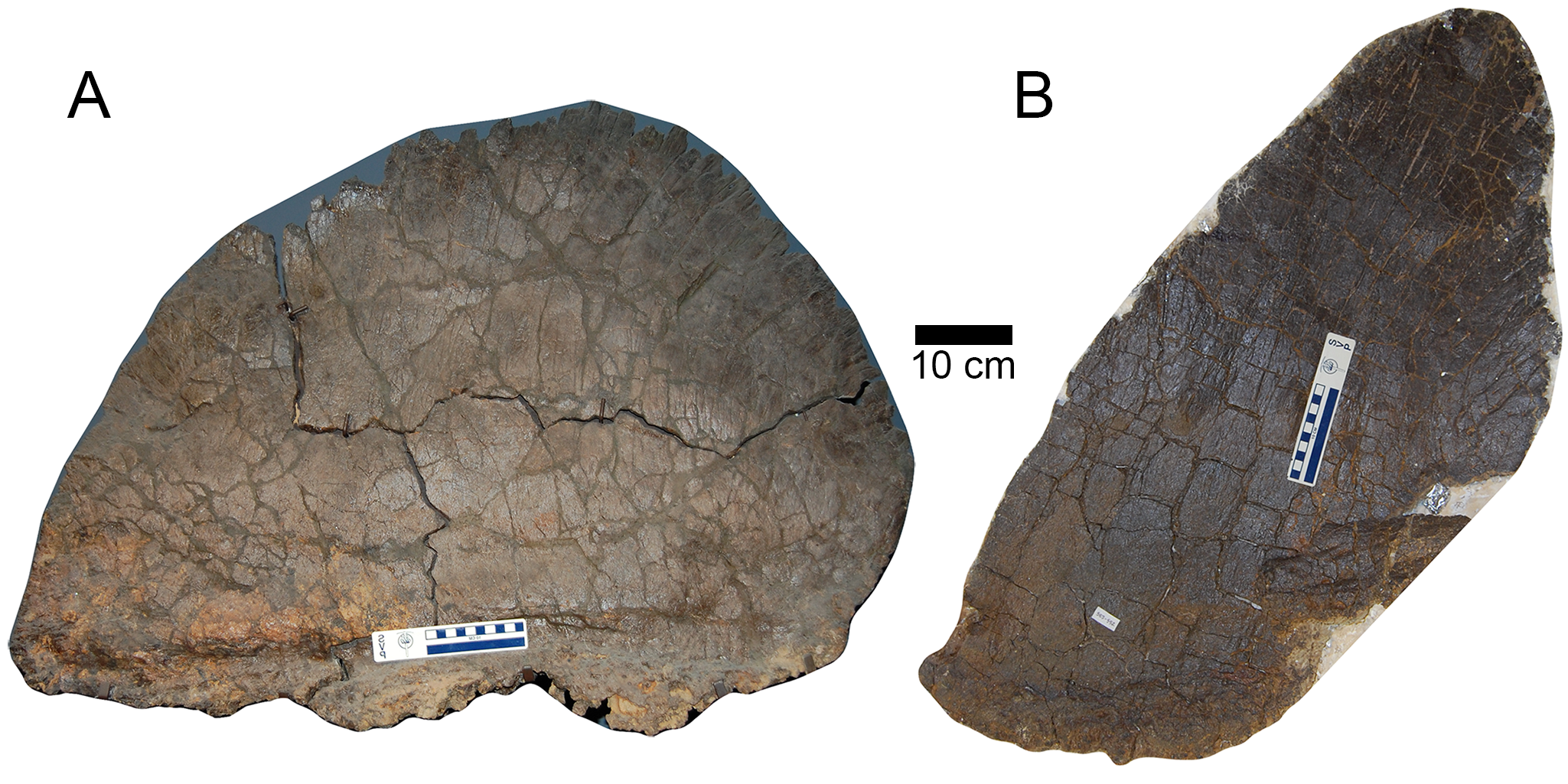
A new phylogeny of Stegosauria (Dinosauria, Ornithischia)
Raven, T.J. & Maidment, S.C.R. · Palaeontology
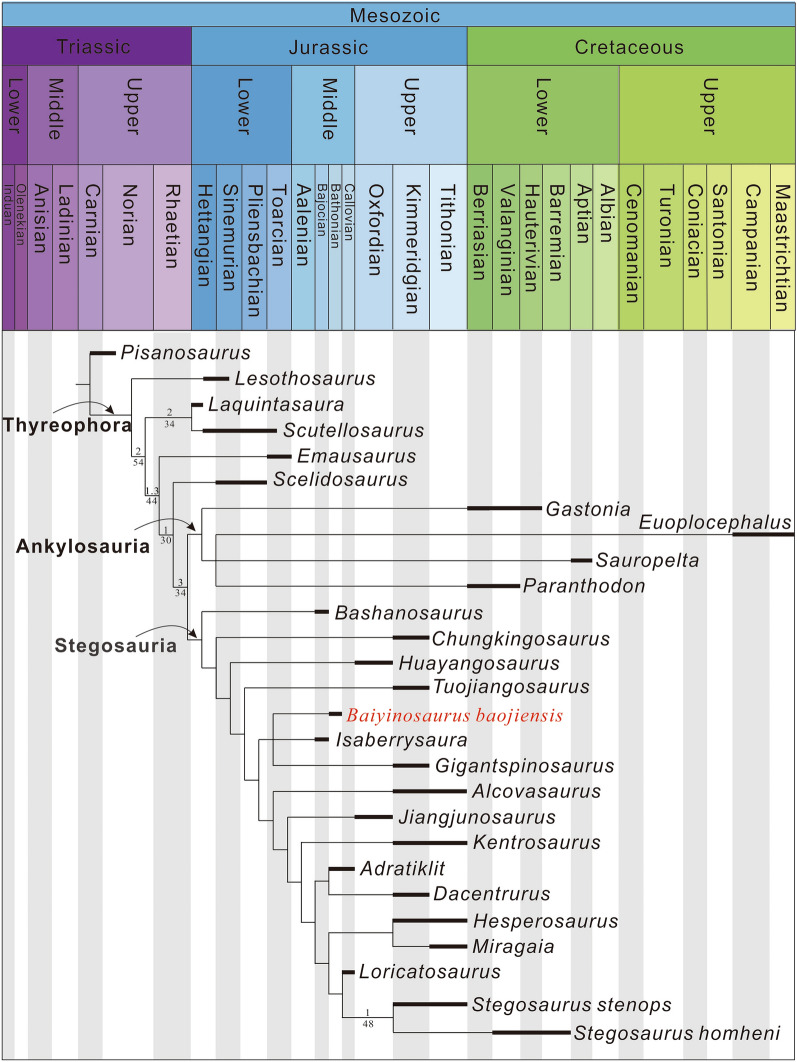
Raven and Maidment revise Stegosauria phylogeny with cladistic analysis including new taxa described after 2008. The study identifies new synapomorphies for Stegosauridae, revises the position of Miragaia, Hesperosaurus, and Loricatosaurus, and discusses group biogeography. The new topology implies at least two independent colonizations of Europe by stegosaurs during the Jurassic, with implications for group biogeography.


Classification
Discovery
Fun fact
An Allosaurus vertebra from the Morrison Formation shows a circular puncture matching Stegosaurus tail spike dimensions, with healed bone tissue around it, proving the thagomizer was not merely ornamental: the Stegosaurus survived the encounter, and the predator left wounded.
Last reviewed: April 24, 2026