
Sauropelta
Sauropelta edwardsorum
"Edwards's lizard shield"
About this species
Sauropelta edwardsorum was one of the largest nodosaurids of the Early Cretaceous in North America. Measuring approximately 5.2 to 6 meters in length and weighing up to 2 metric tons, it was a heavily armored herbivore from the Cloverly Formation of present-day Wyoming and Montana. Its most distinctive feature was a row of enormous lateral spines along its neck and shoulders that increased progressively in size toward the torso. Unlike ankylosaurids, it lacked a tail club, but its body was densely covered with osteoderms. The long tail, composed of more than fifty vertebrae, accounted for nearly half the animal's total length. Described by John Ostrom in 1970, it is considered one of the best-understood nodosaurids in science.
Geological formation & environment
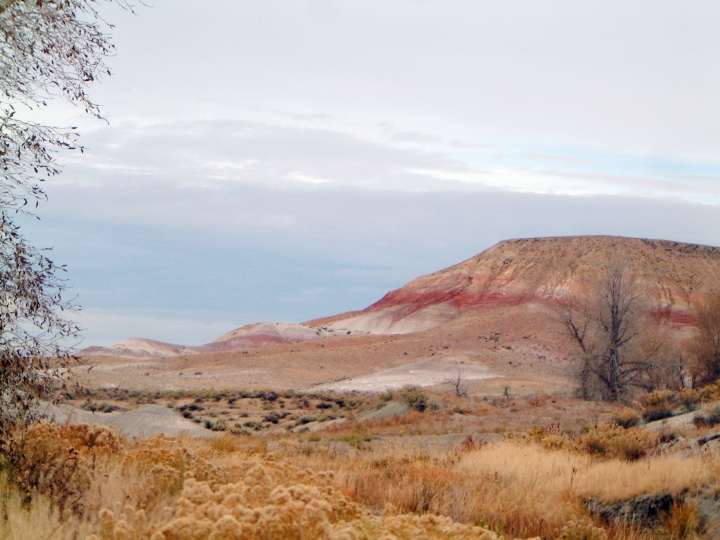
The Cloverly Formation is an Albian (Early Cretaceous, ~108 to 115 Ma) geological unit exposed in Wyoming, Montana, and parts of Colorado and Utah. Deposited in low-altitude alluvial environments, flood plains, and meandering river channels, the formation represents the environment where Sauropelta lived. The climate during deposition was warm and humid, with higher mean annual temperatures than the present-day northwestern United States. The Cloverly vertebrate fauna, well documented by Oreska et al. (2013), is dominated by Tenontosaurus tilletti as the most abundant herbivore and Deinonychus antirrhopus as the medium-sized predator. Sauropelta was the largest armored herbivore in the ecosystem. The formation was designated a U.S. National Natural Landmark in 1973.
Image gallery


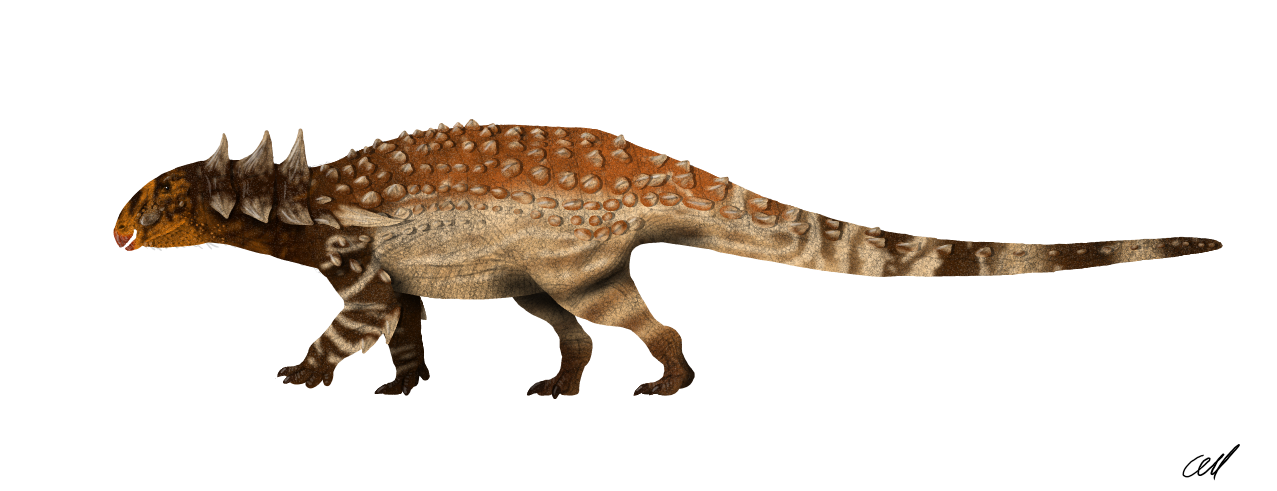



Modern scientific reconstruction of Sauropelta edwardsorum by Emily Willoughby. The artist, recognized for her paleontological accuracy, depicts the animal with erect posture, dense armor, and the characteristic cervical and shoulder spines.
Emily Willoughby, CC BY-SA 4.0
Ecology and behavior
Habitat
Sauropelta inhabited the alluvial plains and riparian forests of the Cloverly Formation in present-day Wyoming and Montana during the Albian of the Early Cretaceous (~108 to 115 Ma). The environment had a warm, humid climate with meandering rivers draining toward the proto-oceanic basin of the Western Interior Seaway, which had not yet fully expanded to the latitude of the Cloverly Formation. Vegetation consisted of conifer forests along rivers, fern meadows, and growing diversity of primitive angiosperms. The ecosystem included other large herbivores, especially the ornithopod Tenontosaurus tilletti, and predators such as Deinonychus antirrhopus and the large theropod Acrocanthosaurus atokensis.
Feeding
Sauropelta was a herbivore specialized in low, dense vegetation close to the ground. Its broad, triangular skull with leaf-shaped teeth was adapted for cutting and processing tough vegetation such as conifer leaves, ferns, and possible primitive angiosperms. The position of the head, close to the ground due to body proportions, limited access to tall vegetation but allowed efficient grazing on fern carpets and low shrubs. Biomechanical analyses of related nodosaurids indicate the group processed tougher foods than ankylosaurids, with a relatively stronger and more efficient bite for its size (Button et al., 2023).
Behavior and senses
Sauropelta's behavior is inferred primarily from its morphology. The extensive armor and enormous cervical spines suggest the animal relied on passive defense against predators. The neck spines, which increased progressively in size toward the shoulders, protected the most vulnerable region of the body from attacks by theropods like Deinonychus. Indirect evidence suggests Deinonychus avoided adult Sauropelta, preferring Tenontosaurus as prey. There is no evidence of gregarious behavior, and the animal may have been solitary or lived in small family groups. The ossification of tail tendons made it relatively rigid, preventing its use as a weapon but contributing to locomotor stability.
Physiology and growth
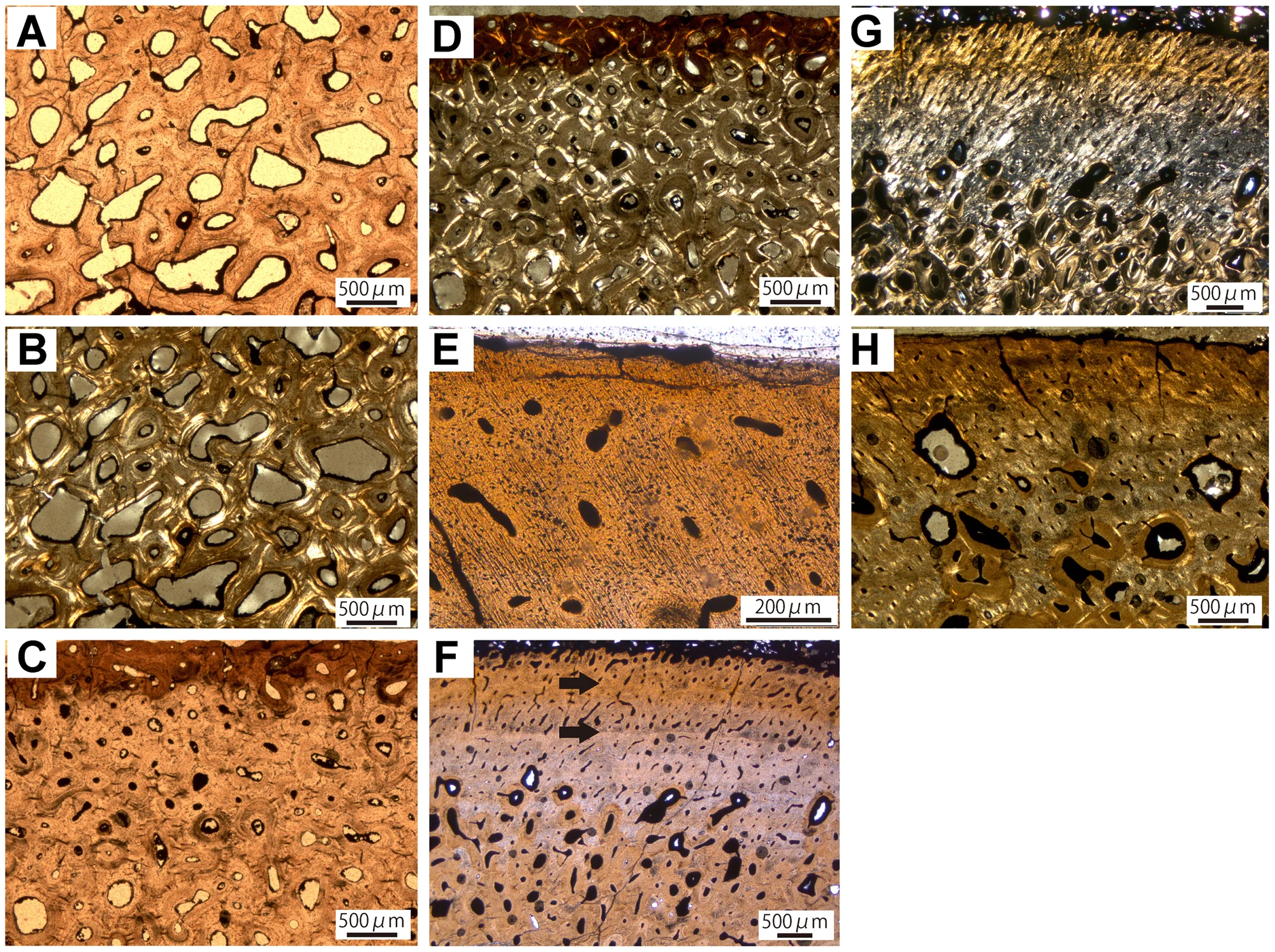
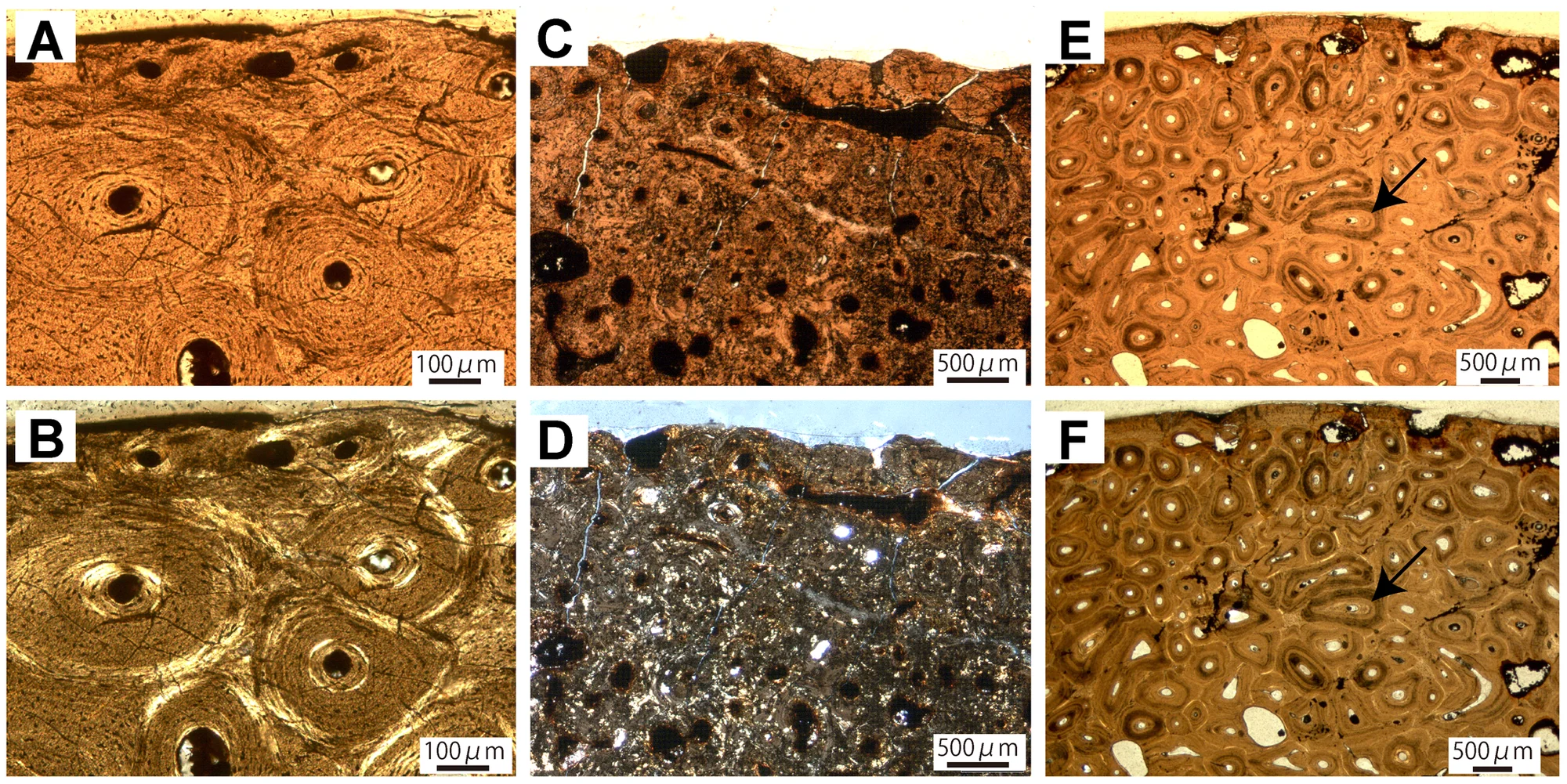
Sauropelta likely had an intermediate metabolism, consistent with the fibrolamellar histological pattern of moderate growth documented by Stein et al. (2013) for nodosaurids. Constant calcium mining for osteoderm production throughout life imposed high physiological demands on bone metabolism. The animal weighed between 1.5 and 2 metric tons and likely grew slowly over several years until reaching adult size. Thermoregulation may have been aided by the vascular osteoderms of the armor, which could absorb solar heat. The graviportal posture and body size suggest Sauropelta was a slow-moving animal, relying on physical endurance and passive protection rather than speed.
Paleogeography
Continental configuration

Scotese & Vérard · CC BY 4.0 · Cretaceous, ~105 Ma
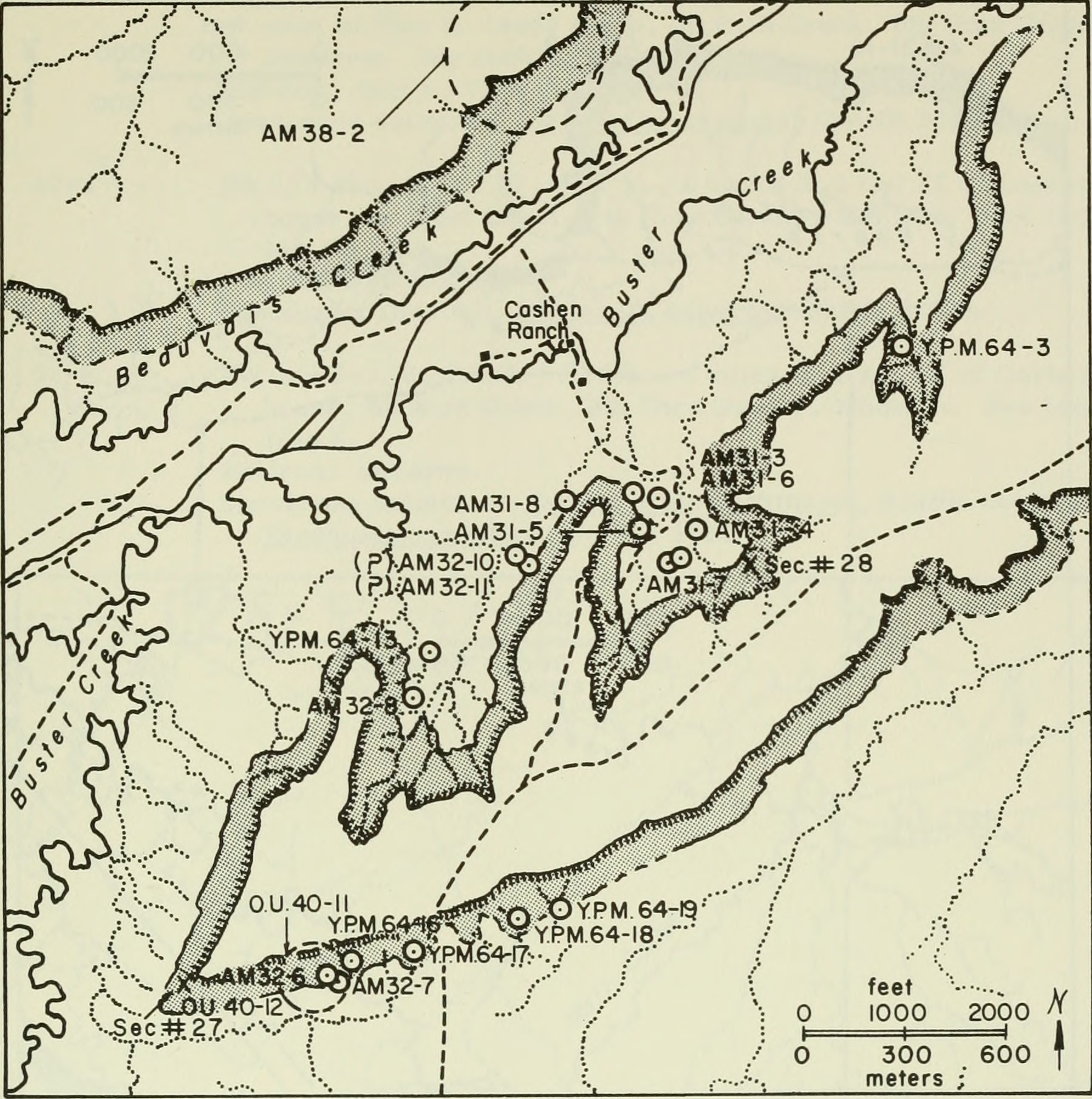
Fossil sites

Paleobiology Database, CC BY-SA 3.0
During the Albiano (~115–108 Ma), Sauropelta edwardsorum inhabited Laramidia, the western half of present-day North America, separated from the east by the Western Interior Seaway, a shallow sea dividing the continent. The continents were in very different positions: India was drifting toward Asia, Antarctica was still connected to Australia, and South America was an isolated island.
Bone Inventory
Based on multiple partial specimens. The holotype (AMNH 3032) is a partial skeleton. Specimen AMNH 3036, with armor preserved in situ, is one of the most complete nodosaurid skeletons ever found and is on display at the American Museum of Natural History in New York. Specimen AMNH 3035 preserves the cervical armor and most of the skull.
Found elements
Inferred elements
Scientific Literature
15 papers in chronological order — from the original description to recent research.
Stratigraphy and paleontology of the Cloverly Formation (Lower Cretaceous) of the Bighorn Basin area, Wyoming and Montana
Ostrom, J.H. · Bulletin of the Peabody Museum of Natural History
The founding monograph for Sauropelta edwardsi (spelling later corrected to edwardsorum). Based on six Yale Peabody Museum expeditions to the Bighorn Basin between 1962 and 1967, Ostrom describes the first specimens of this nodosaurid, including holotype AMNH 3032. The work establishes the species' basic morphology: extensive armor, pronounced cervical spines, absence of a tail club, and leaf-shaped teeth. It also describes the detailed stratigraphy of the Cloverly Formation and its faunal context, which included Deinonychus and Tenontosaurus. This 234-page bulletin remains the primary reference for all subsequent research on Sauropelta and the Cloverly Formation.
Skeletal reconstruction and life restoration of Sauropelta (Ankylosauria: Nodosauridae) from the Cretaceous of North America
Carpenter, K. · Canadian Journal of Earth Sciences
The first detailed skeletal reconstruction of Sauropelta, carried out by Kenneth Carpenter based on multiple partial specimens from the Cloverly Formation. The work assembles a composite skeleton of the animal, mapping the in situ osteoderms and establishing postcranial anatomy. Carpenter demonstrates that Sauropelta's tail was extraordinarily long, with over fifty caudal vertebrae accounting for nearly half the total body length. The work also consolidates the pattern of cervical and lateral spines, describing two pairs of rows along the neck and a gradual size decrease toward the pelvic girdle. This reconstruction became the standard anatomical reference for the species for decades.
Ankylosauria
Vickaryous, M.K., Maryanska, T. & Weishampel, D.B. · The Dinosauria, 2nd edition (University of California Press)
An encyclopedic reference chapter consolidating knowledge on Ankylosauria at the turn of the 21st century. Vickaryous and colleagues present the most comprehensive taxonomic review of the group to that point, positioning Sauropelta as a basal nodosaurid and discussing its anatomy in comparison with other family members. The chapter covers cranial morphology, dermal armor patterns, phylogeny, and paleobiology, including body mass estimates and locomotion inferences. Sauropelta's phylogenetic position as a basal nodosaurid close to Silvisaurus and Pawpawsaurus is established in this foundational reference.
Phylogeny of the ankylosaurian dinosaurs (Ornithischia: Thyreophora)
Thompson, R.S., Parish, J.C., Maidment, S.C.R. & Barrett, P.M. · Journal of Systematic Palaeontology
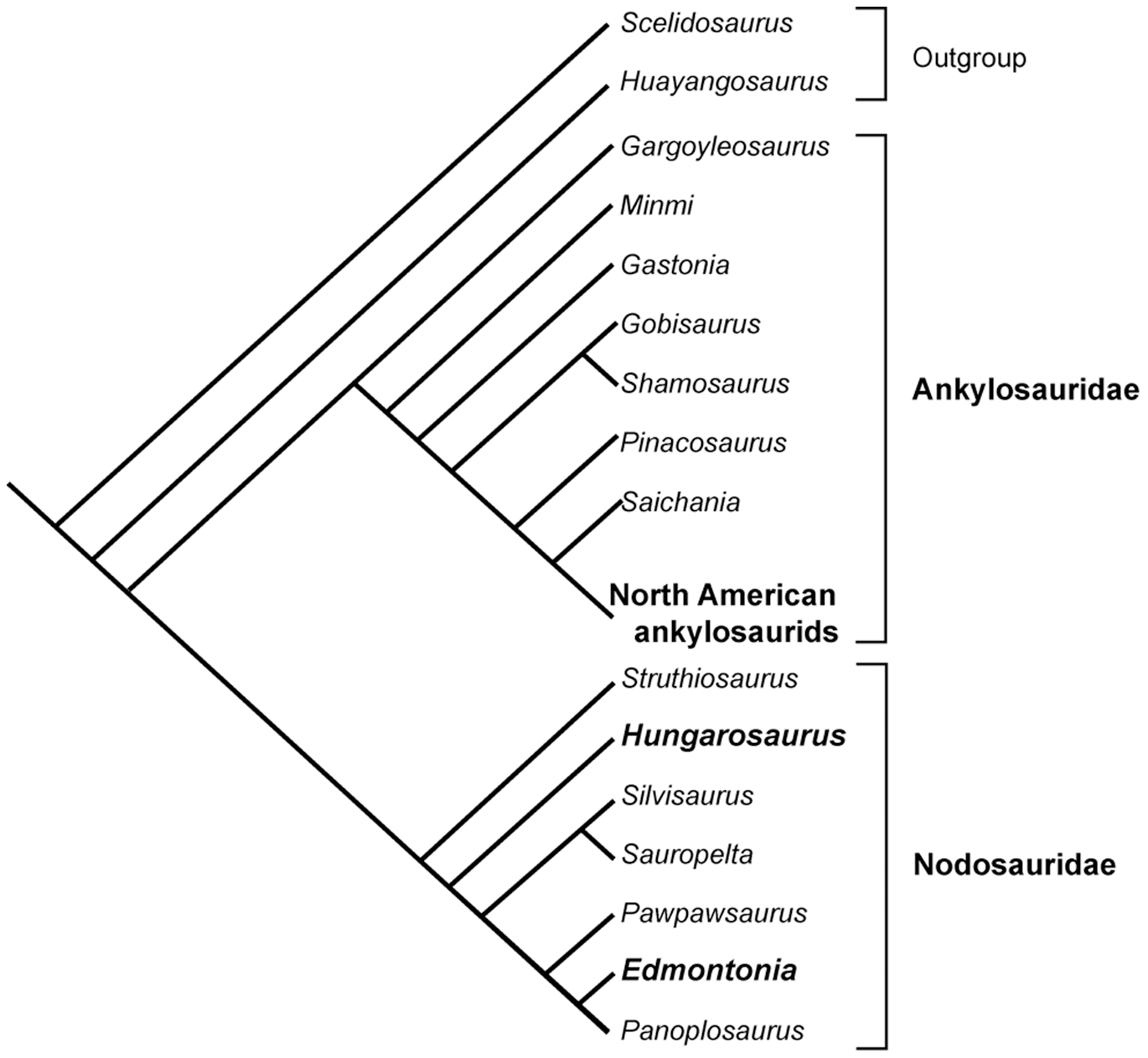
The most comprehensive phylogenetic analysis of Ankylosauria conducted until 2012. Thompson and colleagues maintain the traditional Ankylosauridae/Nodosauridae dichotomy and place Sauropelta within Nodosauridae. The study incorporates most taxa then known and uses an expanded character matrix relative to previous works. For Nodosauridae, results reveal that forms previously classified as 'polacanthids' or basal ankylosaurids are actually nodosaurids. Sauropelta's position as a basal nodosaurid is confirmed, resolved as the sister group of more derived forms like Panoplosaurus and Edmontonia. The work serves as the phylogenetic foundation for subsequent studies of the group.

Histology of ankylosaur osteoderms: implications for systematics and function
Scheyer, T.M. & Sander, P.M. · Journal of Vertebrate Paleontology
The first detailed comparative study of ankylosaur osteoderm histology, including Sauropelta material (DMNH 18203) from the Cloverly Formation. Scheyer and Sander reveal that nodosaurid osteoderms have an external cortex with two orthogonal layers of structural fibers rotated 45° to each other, a structure fundamentally different from that found in ankylosaurids. Sauropelta's cervical spines have abundant internal spongiosa covered by thin compact bone, combining lightness with structural resistance. The work demonstrates that these histological differences have systematic value and are consistent with the phylogenetic separation of the two families. The function of these structures, discussed in detail, points to a primary defensive role with a possible thermoregulatory component.
Function and evolution of ankylosaur dermal armor
Hayashi, S., Carpenter, K., Scheyer, T.M., Watabe, M. & Suzuki, D. · Acta Palaeontologica Polonica
A study combining histological and biomechanical analysis of osteoderms from different ankylosaur groups, including Sauropelta, to determine their functions. Results show that polacanthid spines and ankylosaurid plates have lower bone strength than spines and clubs of other ankylosaurs, suggesting functions more related to display and thermoregulation than pure defense. For Sauropelta specifically, the large cervical spines with abundant spongiosa would have fulfilled a primary defensive role against predators like Acrocanthosaurus. This paper is the central reference for discussing armor structure function in nodosaurids.
Long bone histology and growth patterns in ankylosaurs: implications for life history and evolution
Stein, M., Hayashi, S. & Sander, P.M. · PLOS ONE
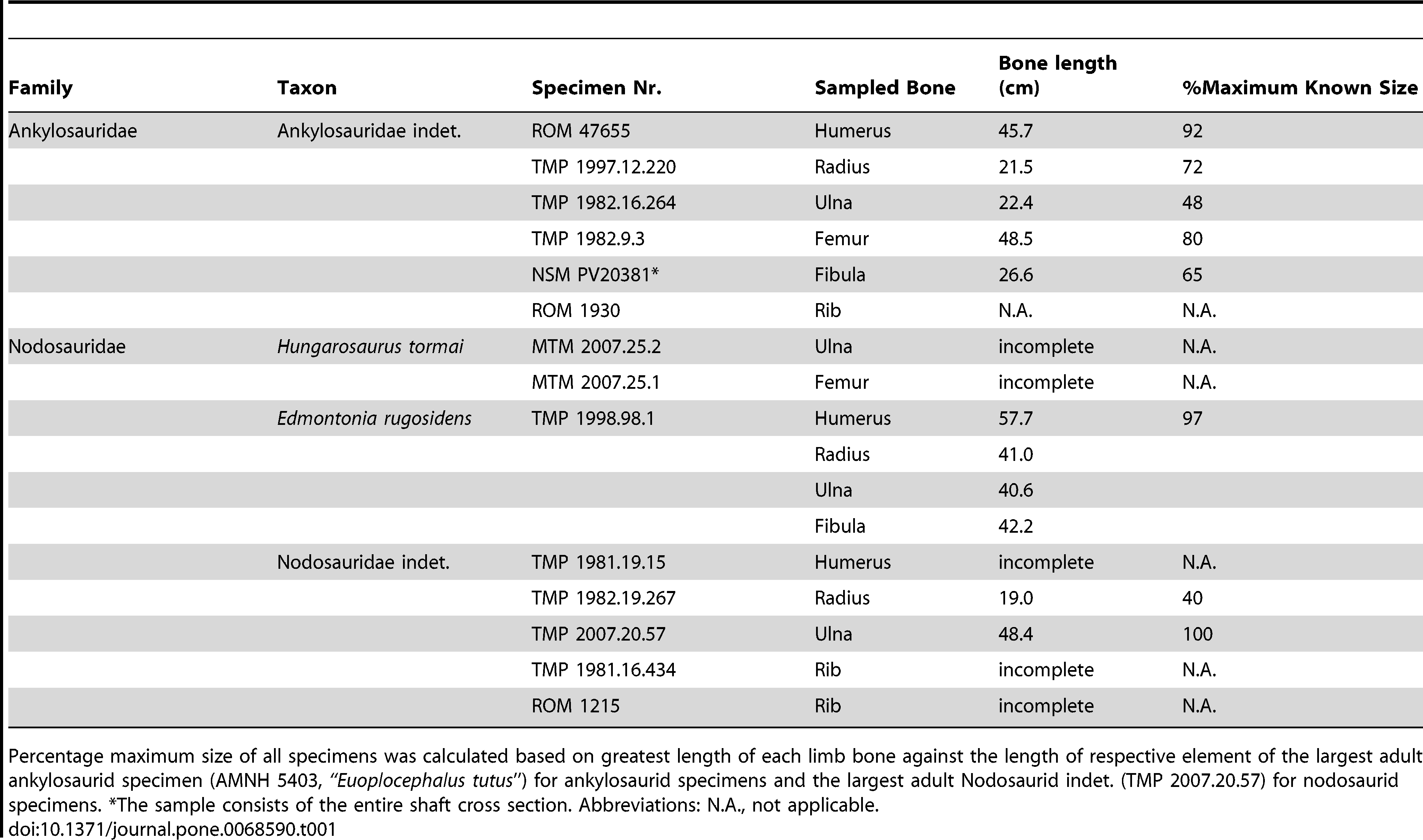
The first systematic description of ankylosaur long bone histology, with material from ankylosaurids and nodosaurids including Edmontonia rugosidens (Nodosauridae). The research reveals that ankylosaur long bones are characterized by fibrolamellar architecture with reduced vascularization, indicating slow growth rates compared to other dinosaurs. A unique trait of ankylosaurs is extensive early remodeling of primary tissues driven by dermal armor mineralization, which demands high amounts of calcium. The study establishes that nodosaurids and ankylosaurids share this basic histological pattern with variations among taxa. Life history inferences suggest greater longevity and later sexual maturity than most other dinosaurs of similar size.
Vertebrate paleontology of the Cloverly Formation (Lower Cretaceous), I: faunal composition, biogeographic relationships, and sampling
Oreska, M.P.J., Carrano, M.T. & Dzikiewicz, K.M. · Journal of Vertebrate Paleontology
Comprehensive survey of the vertebrate fauna of the Cloverly Formation, the original habitat of Sauropelta edwardsorum. Oreska and colleagues conducted systematic sampling of microfossil bonebeds that nearly doubled the known vertebrate diversity of the formation. The fauna includes, alongside Sauropelta, Deinonychus, Tenontosaurus, Zephyrosaurus, Microvenator, crocodilians, turtles, lizards, and triconodont mammals. The study establishes the biogeographic relationships of the fauna, with affinities to other Early Cretaceous faunas of North America. The environment is described as low-altitude alluvial plains draining toward the Western Interior Seaway interior, with riparian forests dominated by conifers.

The basal nodosaurid ankylosaur Europelta carbonensis n. gen., n. sp. from the Lower Cretaceous (Lower Albian) Escucha Formation of northeastern Spain
Kirkland, J.I., Alcalá, L., Loewen, M.A., Espílez, E., Mampel, L. & Wiersma, J.P. · PLOS ONE
Description of Europelta carbonensis, a new basal nodosaurid from the Early Cretaceous of Spain, with phylogenetic analysis placing it close to Sauropelta within Nodosauridae. The work includes Sauropelta as comparative material (AMNH 3016, 3032, 3035, 3036) and clarifies the basal anatomy of the family. Kirkland and colleagues demonstrate that nodosaurids had early origin and diversification, with European and North American forms sharing anatomical features derived from a common ancestor. The study contributes to understanding Nodosauridae biogeography and the morphology of basal forms like Sauropelta, whose cranial and postcranial characters are compared in detail with the new Spanish taxon.
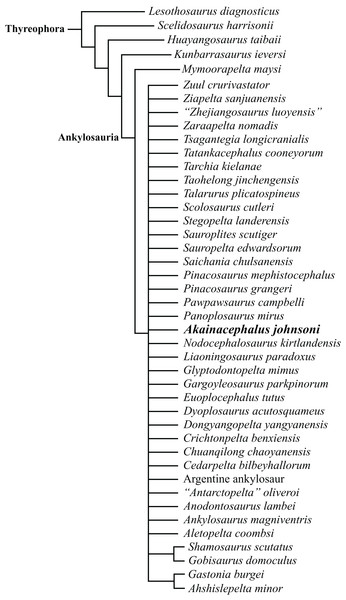
A new southern Laramidian ankylosaurid, Akainacephalus johnsoni gen. et sp. nov., from the upper Campanian Kaiparowits Formation of southern Utah, USA
Wiersma, J.P. & Irmis, R.B. · PeerJ
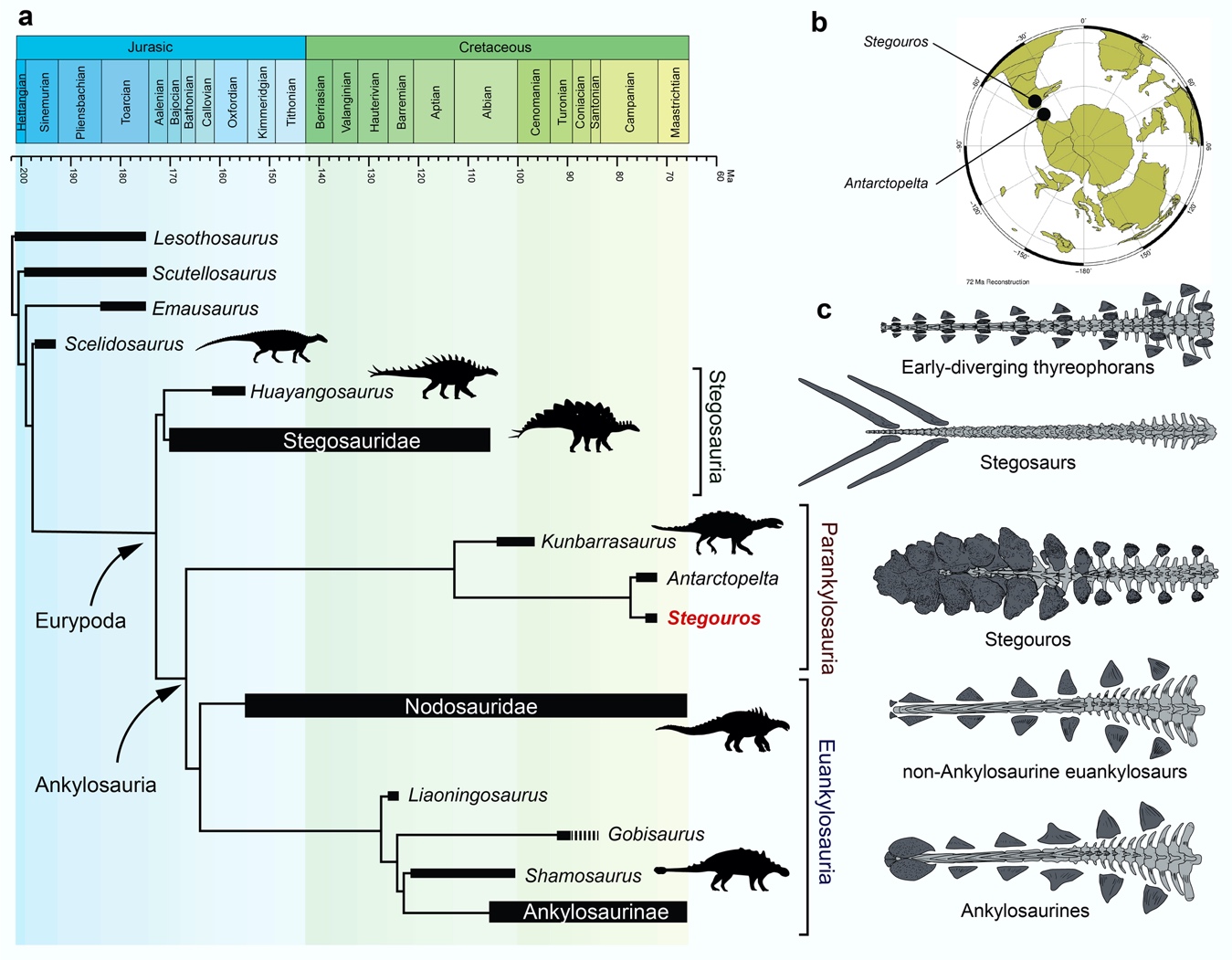
Description of Akainacephalus johnsoni, a new ankylosaurid from the upper Campanian of Utah, with comprehensive phylogenetic analysis of Ankylosauria using the Arbour and Evans (2017) character matrix. The strict consensus analysis of 1990 most parsimonious trees positions Sauropelta as a basal nodosaurid, confirming its relatively derived position relative to polacanthids but basal to later nodosaurids like Edmontonia. The cladogram published in Wikimedia Commons clearly shows Sauropelta's position in the tree topology. This work updates Ankylosauria phylogenetic relationships with modern data and serves as a reference for positioning Sauropelta in the context of the group.


Paleodiversity of Late Cretaceous Ankylosauria from Mexico and their phylogenetic significance
Rivera-Sylva, H.E., Frey, E., Palomino-Sánchez, F.J., Guzmán-Gutierrez, J.R. & Orgeira-Martínez, J.A. · Swiss Journal of Palaeontology
Review of the paleodiversity of Late Cretaceous ankylosaurs from Mexico, with phylogenetic analysis positioning Sauropelta as a basal nodosaurid and reference for comparison with the Mexican taxa. Rivera-Sylva and colleagues document representatives of Ankylosauria in Mexico and examine their relationships with North and South American forms. For Nodosauridae, results are consistent with Sauropelta as a basal form, corroborating analyses by Thompson et al. (2012) and Wiersma and Irmis (2018). The work contributes to understanding the distribution of Ankylosauria in the Late Cretaceous of Latin America and its connections with older forms like Sauropelta.


Divergent strategies in cranial biomechanics and feeding ecology of the ankylosaurian dinosaurs
Button, D.J., Zanno, L.E. & Barrett, P.M. · Scientific Reports
The first finite element analysis (FEA) and lever mechanics study applied simultaneously to a nodosaurid and ankylosaurid to compare feeding strategies. Using 3D models of the skulls of Panoplosaurus mirus (Nodosauridae) and Euoplocephalus tutus (Ankylosauridae), the authors demonstrate that mandibular stress levels are higher in Euoplocephalus, while Panoplosaurus had a proportionally stronger and more efficient bite. Results indicate that nodosaurids like Sauropelta processed tougher foods (hard vegetation, including conifer leaves and ferns), while ankylosaurids specialized in softer vegetation. The work establishes biomechanical bases for understanding the ecological differences between the two families throughout the Cretaceous.

Review of Lower and Middle Cretaceous ankylosaurs from North America
Carpenter, K. & Kirkland, J.I. · New Mexico Museum of Natural History and Science Bulletin
Comprehensive taxonomic review of all known Lower and Middle Cretaceous ankylosaurs from North America. Carpenter and Kirkland consolidate knowledge on Sauropelta edwardsi and other contemporaneous or temporally close nodosaurids, such as Silvisaurus condrayi from the Middle Cretaceous of Kansas. The work discusses taxonomy, comparative anatomy, and stratigraphic distribution of these forms, establishing the evolutionary context for understanding Sauropelta as one of the most basal and oldest nodosaurids of North America. The review confirms the correct nomenclature as edwardsorum (emended by Olshevsky in 1991) and clarifies controversial morphological aspects of the AMNH specimens.

Neuroanatomy of the nodosaurid Struthiosaurus austriacus (Dinosauria: Thyreophora) supports potential ecological differentiations within Ankylosauria
Schade, M., Stumpf, S., Kriwet, J., Kettler, C. & Pfaff, C. · Scientific Reports
CT-based study of the braincase of the nodosaurid Struthiosaurus austriacus reveals fundamental neuroanatomical differences between nodosaurids and ankylosaurids, with direct implications for understanding Sauropelta's ecology. Nodosaurids show a relatively short cochlear duct, lack of floccular recess, short anterior semicircular canal, and less elaborate nasal passages, indicating lesser reliance on hearing and a more passive defensive style than ankylosaurids. A network of vascular canals surrounding the brain cavity supports special thermoregulatory adaptations within Ankylosauria. These neuroanatomical data are consistent with the hypothesis that nodosaurids like Sauropelta occupied distinct ecological niches, relying primarily on their passive defensive armor rather than active behavioral responses to predators.

Ecohydrology and paleoenvironment of the Cretaceous (Albian) Cloverly Formation: insights from multi-taxon oxygen isotope analysis of vertebrate phosphates
Maloney, K.M., Grandstaff, B.S., D'Emic, M.D. & Grandstaff, D.E. · Frontiers in Earth Science
The most recent study on the paleoenvironment of the Cloverly Formation, applying oxygen isotope analysis to phosphates from over 100 fossil individuals of multiple vertebrate taxa to quantitatively reconstruct the ecological and hydrological conditions of Sauropelta's ecosystem. Results provide estimates of water and air temperature during the Albian, reveal habitat preferences of different vertebrates, and reconstruct the ecohydrological regime of the basin. The work confirms an alluvial plain environment with low-energy rivers, elevated mean annual temperature, and abundant permanent water resources, consistent with the sustainable herbivore biomass represented by Sauropelta and Tenontosaurus. This is the most modern and quantitative study on the paleoenvironment where Sauropelta lived.


Famous museum specimens
AMNH 3036
American Museum of Natural History, Nova York, EUA
One of the most complete nodosaurid skeletons ever found, with armor preserved in situ. On permanent display at the American Museum of Natural History in New York. Includes vertebrae, ribs, pelvic girdle, limbs, and extensive osteoderm covering.
AMNH 3035
American Museum of Natural History, Nova York, EUA
Specimen preserving the cervical armor and most of the skull, missing only the snout tip. The skull measures 35 centimeters wide at the widest point behind the eyes. This specimen was fundamental for establishing the cranial morphology of Sauropelta.
DMNH 18206
Denver Museum of Nature and Science, Denver, EUA
Specimen with isolated osteoderms from the Cloverly Formation, Wyoming. The material (designated DMNH 18203 in histological analyses) was used by Scheyer and Sander (2004) in the pioneering study of Sauropelta osteoderm histology, revealing the unique internal structure of nodosaurid armor plates.
In cinema and popular culture
Sauropelta edwardsorum never achieved the same media profile as Ankylosaurus or Triceratops, but its presence in popular culture has grown progressively. The animal appears in children's educational series like Dinosaur Train and Dino Dan, where its distinctive visual appearance, with the enormous cervical spines, facilitates immediate identification by young audiences. In video games, Sauropelta gained significant visibility through its inclusion in the park simulator Jurassic World Evolution (2018) and Jurassic World Evolution 2 (2021), where it is presented as the most antisocial herbivore in the game, living in pairs and repelling aggressors with its lateral spines. The game representation correctly captures the absence of a tail club, the trait distinguishing nodosaurids from ankylosaurids. In paleoart, Sauropelta has been depicted by artists like Emily Willoughby and John Conway, who contributed to consolidating the modern image of the animal as a robust, well-protected herbivore of the Early Cretaceous of North America.
Classification
Discovery
Fun fact
Sauropelta's neck spines were not just decoration: the bases of each pair of cervical spines were fused together, drastically restricting neck mobility. Instead of turning its head sideways, Sauropelta likely moved like a tank, turning its whole body to change direction, a defensive strategy that kept the spines always pointing toward any lateral threat.
Last reviewed: April 24, 2026