
Plateosaurus
Plateosaurus engelhardti
"Engelhardt's flat lizard"
About this species
Plateosaurus engelhardti is the most abundant dinosaur of the European Triassic and one of the earliest large herbivores in dinosaur history. Described by Hermann von Meyer in 1837, it is known from hundreds of specimens collected in Germany, Switzerland, and France, making it one of the best-documented species in the fossil record. Up to 10 meters long and over 4 tonnes, it was an obligate biped, unable to use its hands for quadrupedal locomotion. Its bone histology revealed a unique growth pattern: individuals of the same species could reach very different body sizes depending on environmental conditions, a phenomenon called developmental plasticity.
Geological formation & environment
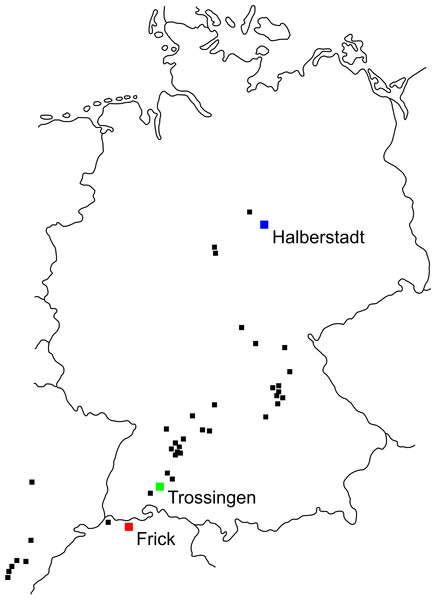
The Knollenmergel Formation (part of the Upper Keuper, Norian) is a succession of reddish and greenish marls deposited in floodplains during the Late Triassic of Central Europe. The formation is famous for concentrating hundreds of Plateosaurus skeletons in extensive bonebeds at the sites of Trossingen, Halberstadt, and Frick. Sedimentological conditions indicate a semiarid environment with seasonal flooding, where dinosaurs died individually trapped in mud. The absence of other vertebrates in the accumulations is notable and still the subject of scientific debate.
Image gallery


Modern scientific reconstruction of Plateosaurus engelhardti in lateral view, showing the obligate bipedal posture and general body morphology.
DataBase Center for Life Science (DBCLS) — CC BY 4.0
Ecology and behavior
Habitat
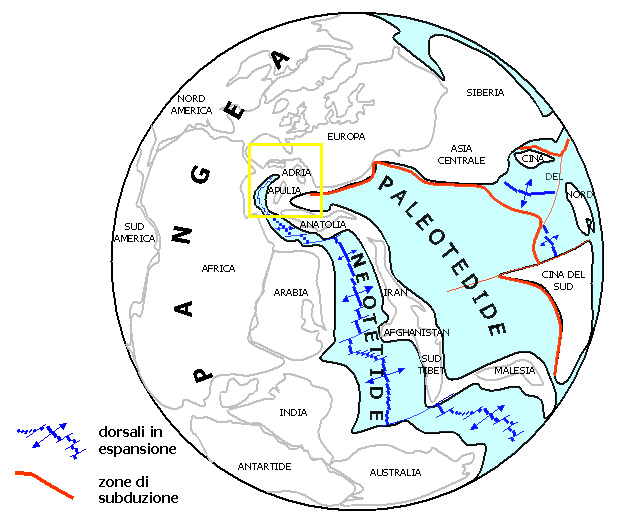
Plateosaurus lived on the floodplains of the Late Triassic in Central Europe, on a continent then joined to other landmasses in the Pangaea configuration. The climate was semiarid to subtropical, with pronounced dry seasons that likely caused individual mortalities in mud. Flora was dominated by tree ferns, primitive conifers, cycads, and horsetails. Taphonomic evidence indicates animals lived solitarily or in small groups, not in large migratory herds as Huene proposed.
Feeding
Plateosaurus dentition was leaf-shaped and serrated, suitable for processing terrestrial vegetation. The narrow skull and teeth distributed along the jaw suggest the animal was a specialized herbivore, likely stripping leaves and young branches from shrubs and low trees. The ability to adopt a bipedal posture allowed reaching vegetation at heights unavailable to other contemporary herbivores, providing a significant ecological advantage in the European Late Triassic.
Behavior and senses
Taphonomic analyses of the Knollenmergel bonebeds indicate Plateosaurus did not live in migratory herds, but in dispersed populations that met death individually by becoming trapped in mud during dry seasons. A 2024 study suggested the animal could use its tail as a third support point at rest, a tripodal posture similar to modern kangaroos. Developmental plasticity indicates an unusual environmental sensitivity for a non-avian dinosaur.
Physiology and growth
Plateosaurus bone histology revealed rapid growth with fibro-lamellar complex interrupted by lines of arrested growth (LAGs), suggesting elevated metabolism but determinate growth. The lung structure was reconstructed as similar to the continuous-flow system of birds, with air sacs, allowing high respiratory efficiency. The unique body size plasticity among non-avian dinosaurs suggests sensitivity to nutritional and environmental conditions during growth, possibly regulated by hormones similar to those of modern reptiles.
Paleogeography
Continental configuration

Scotese & Vérard · CC BY 4.0 · Triassic, ~225 Ma
Fossil sites
Casliber, Wikimedia Commons — CC0 domínio público
During the Noriano (~214–204 Ma), Plateosaurus engelhardti inhabited Pangea, the single supercontinent joining all modern continents. Climate was dry and hot across much of the continental interior.
Bone Inventory
Hundreds of specimens known, including fully articulated complete skeletons from Trossingen (Germany) and Frick (Switzerland). It is one of the most complete dinosaurs in the fossil record, covering all age ranges and size variations.
Found elements
Inferred elements
Scientific Literature
15 papers in chronological order — from the original description to recent research.
Mitteilung über neue Wirbelthiere aus dem Lias und Keuper (Communication on new vertebrates from the Lias and Keuper)
Meyer, H. von · Neues Jahrbuch für Mineralogie, Geognosie, Geologie und Petrefaktenkunde
Foundational work in which Hermann von Meyer officially named the genus Plateosaurus and the species P. engelhardti based on bone fragments collected by Johann Friedrich Engelhardt in Bavaria, Germany. The publication established the scientific name that has remained in use for nearly two centuries, making P. engelhardti one of the first European dinosaurs to be formally described. Although the type material is fragmentary and difficult to diagnose, the name holds nomenclatural priority over all later proposed synonyms for the group.
Vollständige Osteologie eines Plateosauriden aus dem schwäbischen Keuper (Complete osteology of a plateosaurid from the Swabian Keuper)
Huene, F. von · Geologische und Paläontologische Abhandlungen
Friedrich von Huene conducted the Trossingen excavations between 1921 and 1923 and published the first complete osteological description of Plateosaurus. The work provided detailed illustrations of the articulated skeleton and became the fundamental reference for all subsequent research on the species. Huene interpreted the animal as capable of quadrupedal locomotion, an interpretation revised decades later. Von Huene's skeletal reconstructions influenced the view of Plateosaurus for generations of paleontologists and scientific artists.

Cranial anatomy of the prosauropod dinosaur Plateosaurus from the Knollenmergel (Middle Keuper, Upper Triassic) of Germany
Galton, P.M. · Geologica et Palaeontologica
Peter Galton produced the first modern and detailed redescription of the cranial anatomy of Plateosaurus, documenting the skull's bony elements based on Trossingen specimens. The work identified diagnostic characters of the genus in the skull and established dental morphology as evidence of a herbivorous diet. Galton contributed extensively to Plateosaurus taxonomy over decades, revising species assigned to the genus and consolidating the group's nomenclature in Europe.
The prosauropod dinosaur Plateosaurus MEYER, 1837 (Saurischia: Sauropodomorpha). I. The syntypes of P. engelhardti MEYER, 1837 (Upper Triassic, Germany), with notes on other European prosauropods with 'distally straight' femora
Galton, P.M. · Neues Jahrbuch für Geologie und Paläontologie - Abhandlungen
Galton reviewed the original syntypes of Plateosaurus engelhardti and discussed the taxonomic status of the genus's type species. The work documented the history of the type material, identified which fragments belong to the original syntypal set, and evaluated characters distinguishing P. engelhardti from other European prosauropods with distally straight femora. This review initiated the modern debate about the diagnostic validity of the taxon, which would lead to ICZN nomenclatural decisions in the following decade.
The Norian Plateosaurus bonebeds of central Europe and their taphonomy
Sander, P.M. · Palaeogeography, Palaeoclimatology, Palaeoecology
P. Martin Sander conducted the first systematic taphonomic analysis of the Plateosaurus bonebeds in Central Europe, covering the three main sites: Halberstadt, Trossingen, and Frick. The work documented the sedimentological characteristics of the Knollenmergel deposits and proposed that animals died individually in floodplain mud, not as a result of mass migrations as Huene proposed. This interpretation profoundly changed the understanding of Plateosaurus behavior and ecology, discarding the idea of migratory herds.


Plateosaurus engelhardti Meyer, 1837 (Dinosauria: Sauropodomorpha) aus dem Feuerletten (Mittelkeuper; Obertrias) von Bayern
Moser, M. · Zitteliana B
Markus Moser conducted the most comprehensive investigation ever performed on all Plateosaurus material from Germany and Switzerland, concluding that all specimens belong to the same species as the type material of P. engelhardti. The work selected a lectotype from the syntypal fragments and proposed a detailed osteological redescription based on hundreds of specimens. Moser also revised the genus taxonomy and synonymized several previously distinct taxa, simplifying the group's nomenclature.
Developmental plasticity in the life history of a prosauropod dinosaur
Sander, P.M. & Klein, N. · Science
Study published in Science that revealed a revolutionary discovery about Plateosaurus biology: unlike nearly all other known dinosaurs, individuals of this species grew to drastically different sizes (from 4.8 to 10 meters) depending on environmental factors, a phenomenon called developmental plasticity. Histology of 50 bones from approximately 27 individuals showed determinate growth with lines of arrested growth (LAGs), similar to modern reptiles in some characteristics but with faster growth rates.

The digital Plateosaurus I: body mass, mass distribution, and posture assessed using CAD and CAE on a digitally mounted complete skeleton
Mallison, H. · Palaeontologia Electronica
Heinrich Mallison created a three-dimensional digital model of the complete Plateosaurus skeleton to precisely calculate body mass, mass distribution, and assess possible postures using CAD and computer-aided engineering software. The study demonstrated that the animal's center of gravity lay over the hindlimbs, confirming obligate bipedal locomotion. Estimated body mass ranged from 600 to 1,000 kg for median specimens, well below previous estimates based on cruder methods.

The digital Plateosaurus II: an assessment of the range of motion of the limbs and vertebral column and of previous reconstructions using a digital skeletal mount
Mallison, H. · Acta Palaeontologica Polonica
The second study in the 'Digital Plateosaurus' series, in which Mallison assessed the range of motion of each skeletal joint and the vertebral column using the digital model. The work demonstrated that the forelimb had very limited range of motion, allowing only grasping of objects placed ventrally to the anterior trunk, confirming the hand could not be pronated for ground support. The analysis definitively invalidated quadrupedal reconstructions of Plateosaurus and consolidated the scientific consensus on its obligate bipedal locomotion.


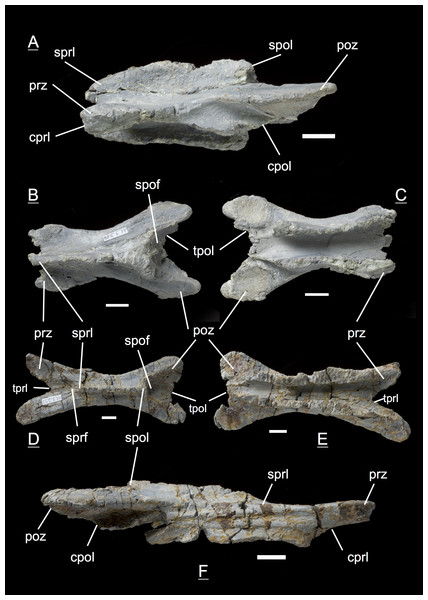
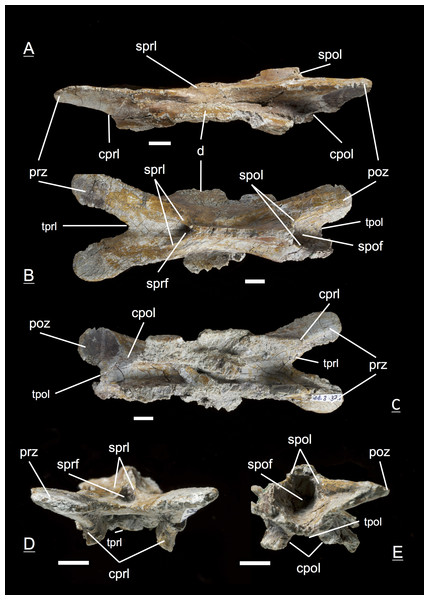
The first juvenile specimens of Plateosaurus engelhardti from Frick, Switzerland: isolated neural arches and their implications for developmental plasticity in a basal sauropodomorph
Hofmann, R. & Sander, P.M. · PeerJ
First study to document juvenile specimens of Plateosaurus engelhardti from Frick (Switzerland) based on isolated neural arches. The work analyzed neurocentral suture closure as an indicator of skeletal maturity and corroborated the developmental plasticity hypothesis proposed by Sander and Klein (2005). The discovery demonstrated that smaller and larger individuals of the same species could reach skeletal maturity at very different body sizes, with no deterministic relationship between size and age, a phenomenon with no parallel in other non-avian dinosaurs.


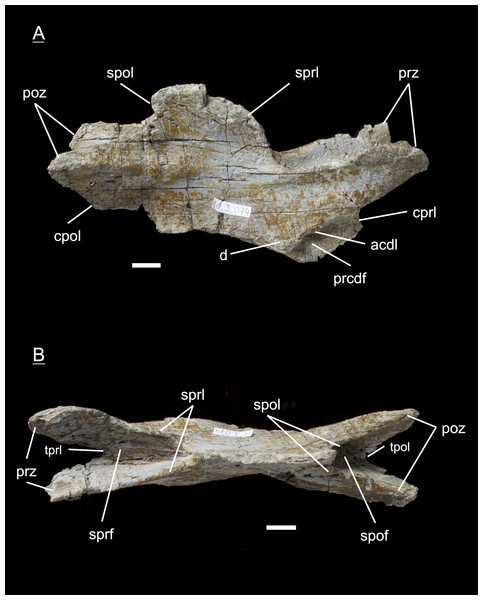
Redescription of a nearly complete skull of Plateosaurus (Dinosauria: Sauropodomorpha) from the Late Triassic of Trossingen (Germany)
Prieto-Márquez, A. & Norell, M.A. · American Museum Novitates
Detailed redescription of the nearly complete skull AMNH FARB 6810, the best Plateosaurus skull ever prepared with individualized elements, collected in 1925 at Trossingen. The work documented the three-dimensional morphology of each cranial element and provided crucial information about skull anatomy, which is rare to preserve in basal sauropodomorphs. The analysis identified diagnostic characters of the genus and discussed the phylogenetic implications of cranial anatomy for Plateosaurus relationships within Sauropodomorpha.

Comparative cranial myology and biomechanics of Plateosaurus and Camarasaurus and evolution of the sauropod feeding apparatus
Button, D.J., Barrett, P.M. & Rayfield, E.J. · Palaeontology
Comparative study between the basal sauropodomorph Plateosaurus and the derived sauropod Camarasaurus using 3D models of cranial musculature and finite element analysis (FEA) to track the evolution of the feeding apparatus along the sauropodomorph phylogeny. The work revealed that Plateosaurus had more moderate jaw musculature and a less powerful bite than derived sauropods, suggesting significant differences in diet and food processing between the two groups.


Taphonomy, deposition and pedogenesis in the Upper Triassic dinosaur beds of Trossingen
Müller, R.T. et al. · Palaeobiodiversity and Palaeoenvironments
Analysis integrating taphonomic, sedimentological, and pedogenetic data to reconstruct deposition conditions in the Trossingen dinosaur beds, the site that produced the greatest number of Plateosaurus skeletons. The work documented new excavations at the original Obere Mühle site from 2007 and revealed that animals died individually stuck in floodplain mud during drought periods, not in mass mortality events as previously proposed. This interpretation has implications for understanding the European Norian paleoclimate.

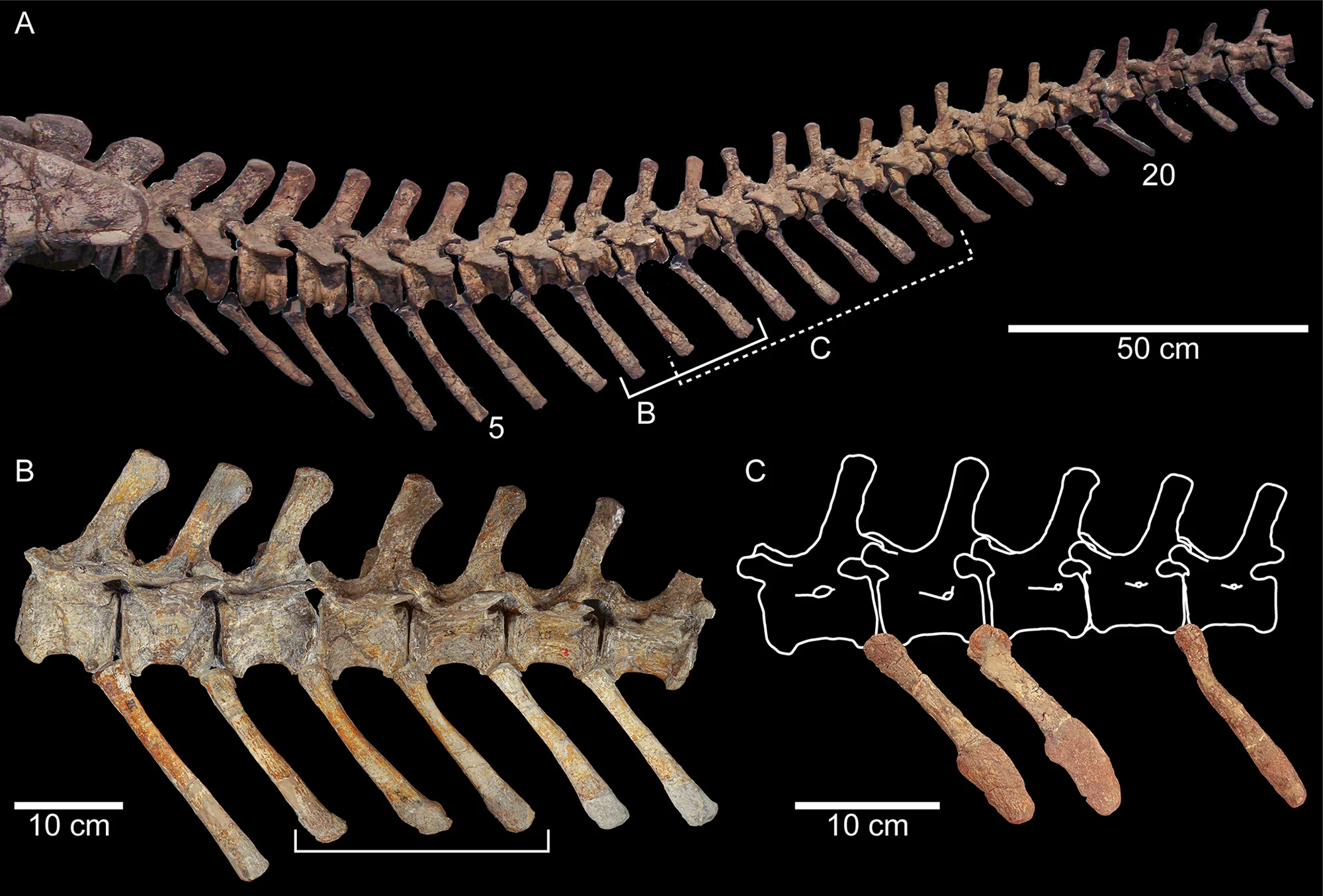
Paleobiological implications of chevron pathology in the sauropodomorph Plateosaurus trossingensis from the Upper Triassic of SW Germany
Schaeffer, J. et al. · PLOS ONE
Recent study using computed tomography (CT) to analyze pathologies in the chevrons (ventral caudal bones) of multiple Plateosaurus trossingensis specimens from the SMNS. The analysis revealed lesions consistent with intensive tail use as support, suggesting the animal could sit in a tripodal posture using the tail as a third support, similar to some modern birds and kangaroos. The work also included new reconstructions of caudal musculature based on comparative anatomy with crocodilians.

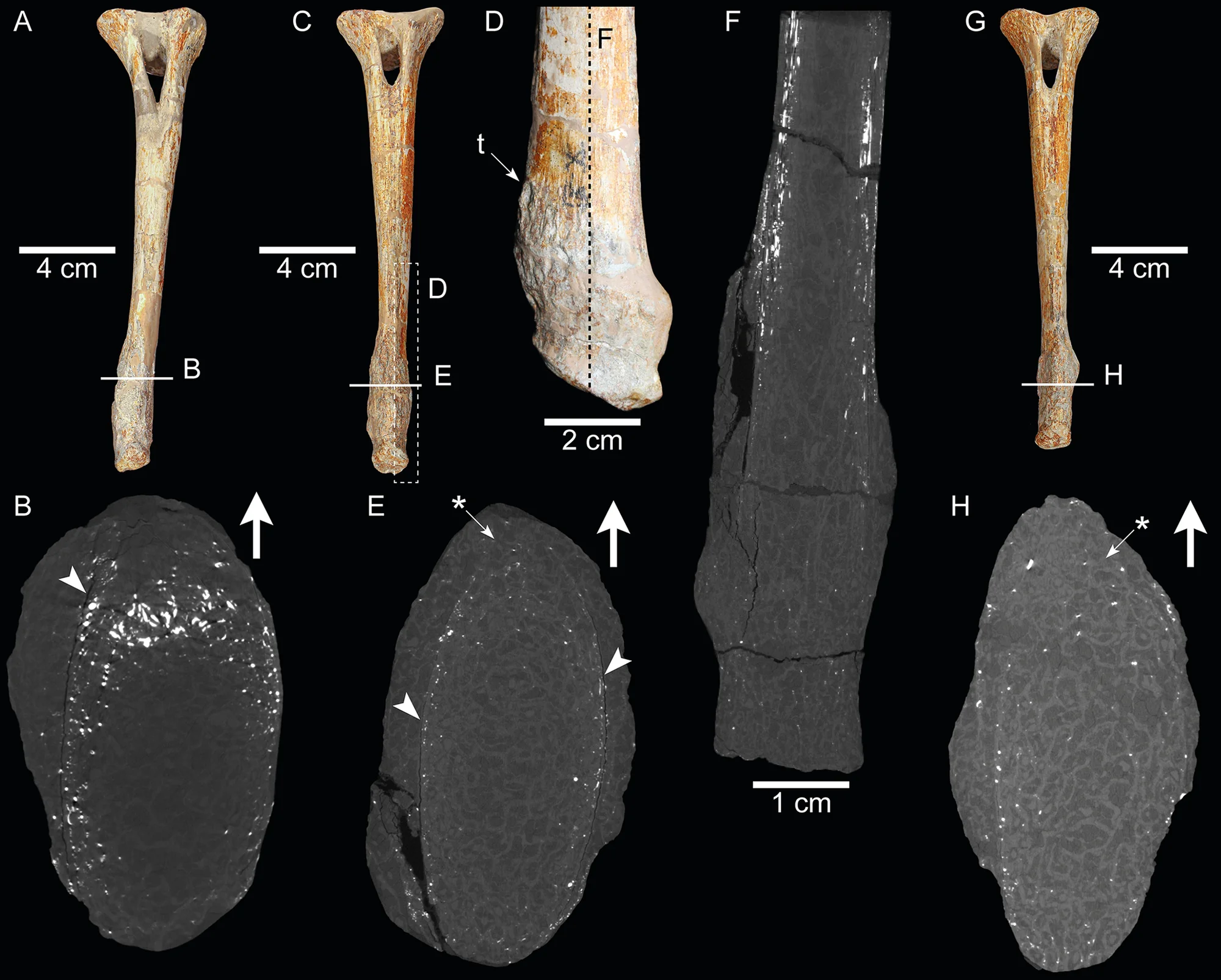
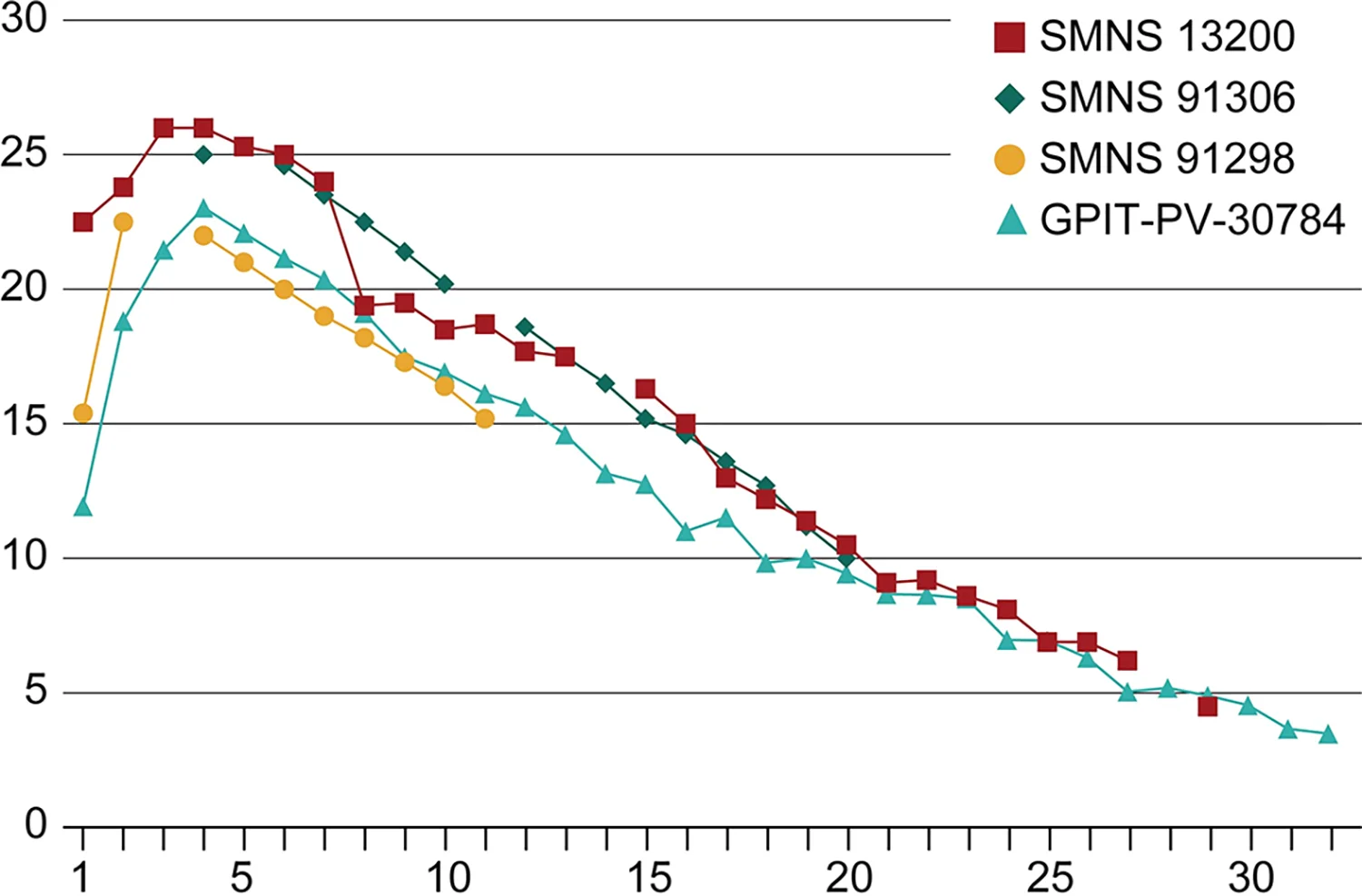
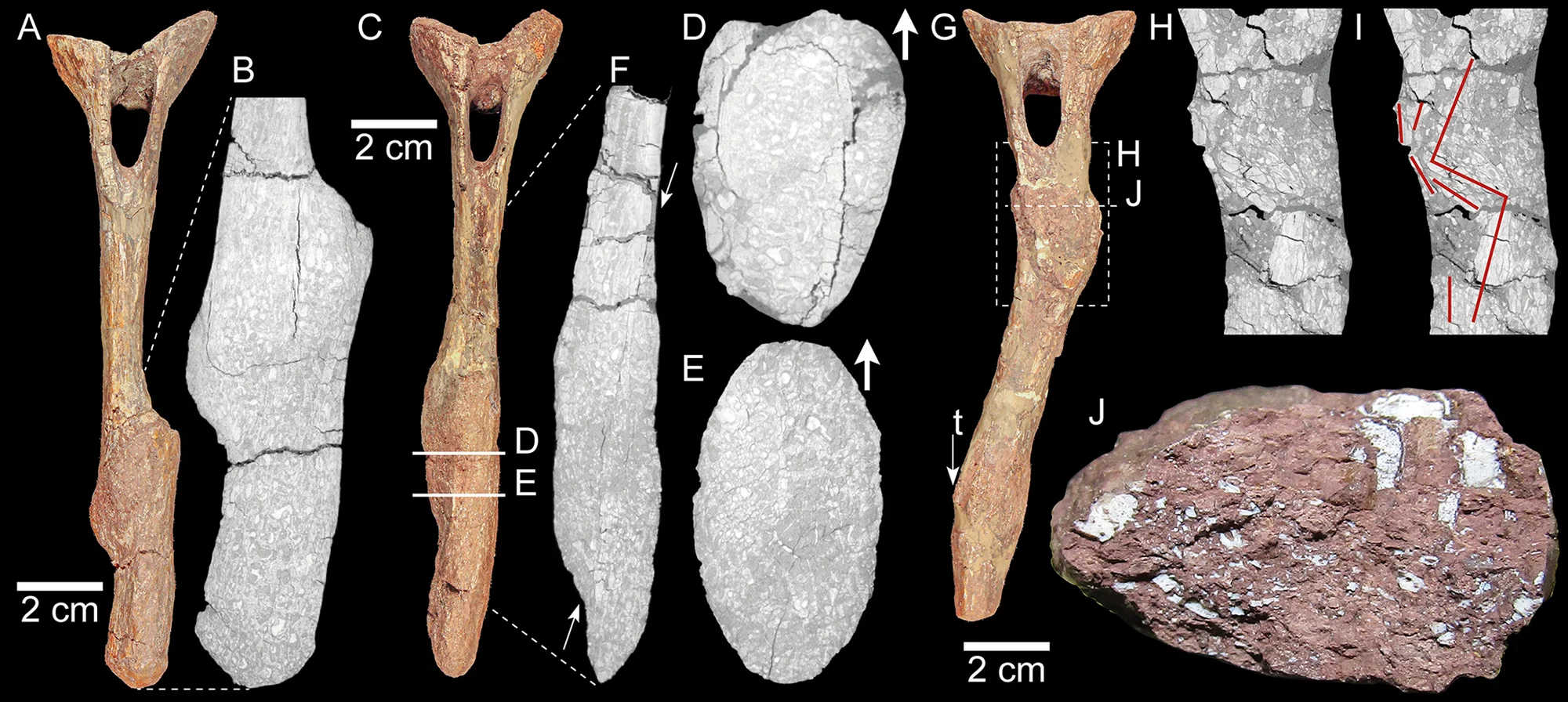
Osteological redescription of the holotype of Plateosaurus trossingensis (Dinosauria: Sauropodomorpha) from the Upper Triassic of SW Germany and its phylogenetic implications
Schaeffer, J. · Journal of Systematic Palaeontology
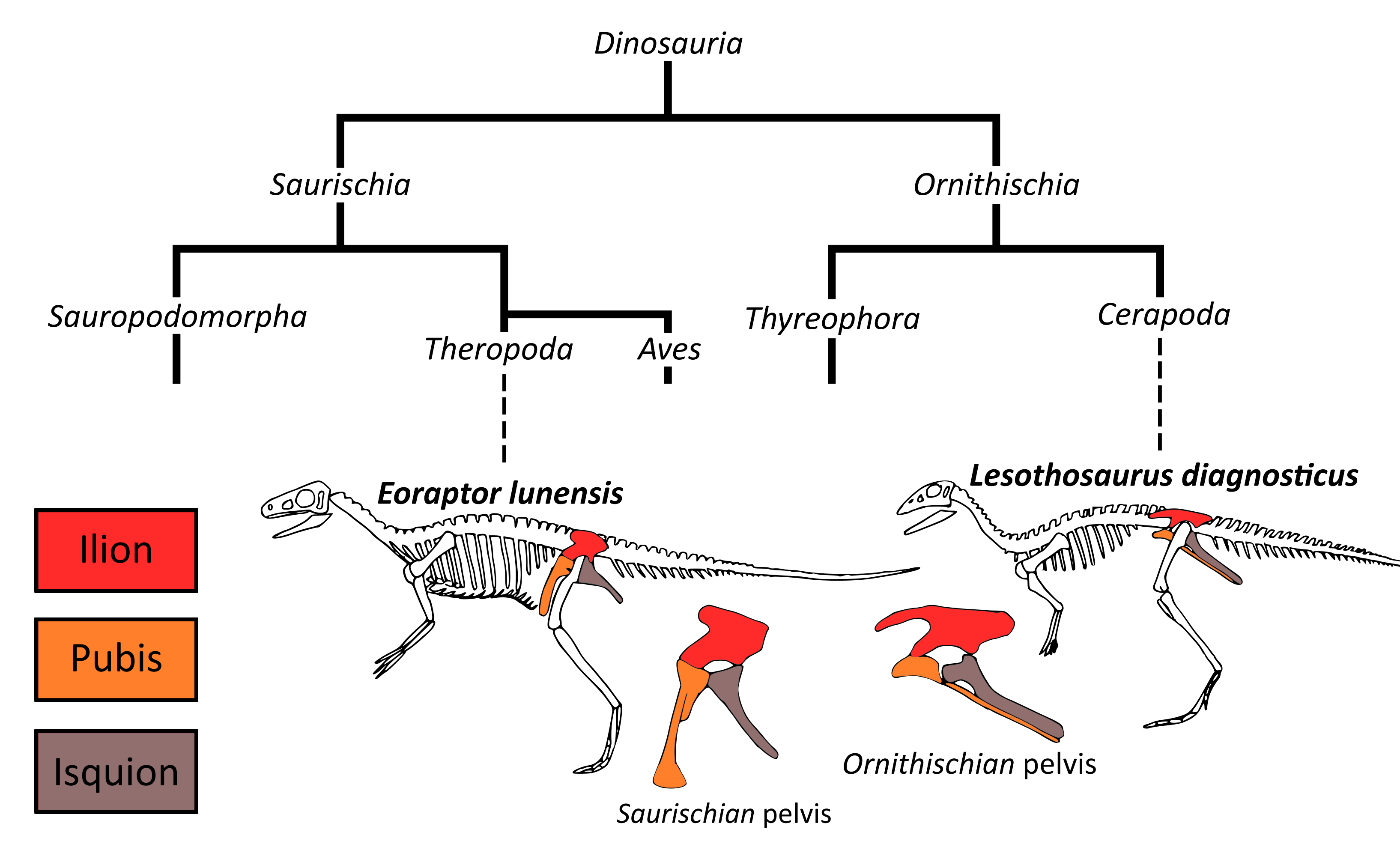
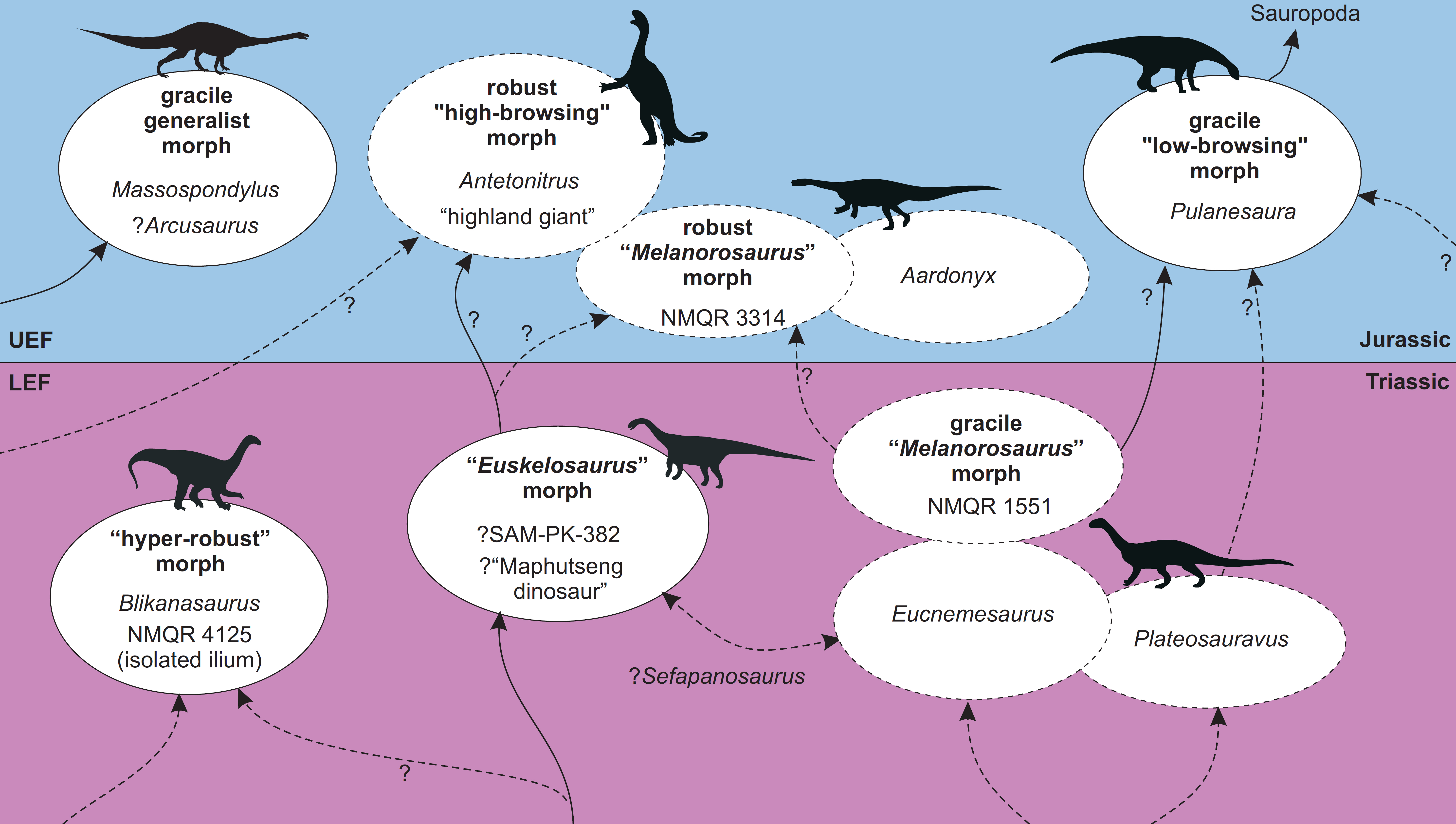
Complete osteological redescription of the holotype of Plateosaurus trossingensis (SMNS 13200) with an updated phylogenetic analysis using the character matrix of Rauhut et al. (2020). The study recovered P. trossingensis within Plateosauridae together with Sellosaurus and Unaysaurus. The work provided the most detailed anatomical documentation ever produced for a Plateosaurus type specimen, with implications for the phylogeny of basal sauropodomorphs and the nomenclatural stability of the most abundant dinosaur group of the European Triassic.
Famous museum specimens
SMNS 13200
Staatliches Museum für Naturkunde Stuttgart, Stuttgart, Alemanha
Nearly complete and articulated skeleton, excavated in 1911 from the Knollenmergel beds of Trossingen. It is the standard specimen for morphological description of the species and the basis for Mallison's (2010) digital model. It served as the basis for numerous anatomy, biomechanics, and histology studies.
Coleção do Sauriermuseum Frick (múltiplos espécimes)
Sauriermuseum Frick, Frick, Suíça
The Sauriermuseum Frick houses hundreds of Plateosaurus specimens excavated in ongoing excavations since 1976. The Frick site is considered the most productive still-active site for the species, yielding specimens from various age groups including the first juveniles documented by Hofmann and Sander (2014).
GPIT 1 (Plateosaurus engelhardti)
Institut für Geowissenschaften, Universidade de Tübingen, Tübingen, Alemanha
Specimen GPIT 1, one of the most complete Plateosaurus skeletons in existence and the basis for the mount displayed at the Tübingen Paleontological Museum. It was used in Mallison's (2010) study to create the three-dimensional digital model that demonstrated the obligate bipedal locomotion of the species.
In cinema and popular culture
Plateosaurus had a discreet but consistent presence in popular culture and dinosaur documentaries. Its most notable appearance was in the first episode of Walking with Dinosaurs (BBC, 1999), where it arrived in herds at Coelophysis territory, foreshadowing the dominance of large herbivores. However, that production depicted the animal as a quadruped, an inaccuracy that later studies definitively corrected. As paleontological research advanced and scientifically rigorous documentaries proliferated, Plateosaurus began to be correctly shown as an obligate biped in productions like Prehistoric Planet (Apple TV+, 2022) and in Steven Spielberg's Netflix series The Dinosaurs (2026). The latter highlighted its role as one of the first truly gigantic dinosaurs and evolutionary precursor to the great sauropods. Plateosaurus never achieved the popular fame of T. rex or Triceratops, but is treated with growing respect in scientific circles as the clearest window into the origin and early evolution of large herbivorous dinosaurs.
Classification
Discovery
Fun fact
Plateosaurus is the most common dinosaur in Europe: more than 100 complete or nearly complete specimens are known, along with hundreds of fragments from over 50 localities in Germany, Switzerland, and France. Remarkably, adults of the same species could range from 4.8 to over 10 meters in length depending on environmental conditions during growth, a phenomenon with no parallel among known non-avian dinosaurs.
Last reviewed: April 24, 2026