
Pachycephalosaurus
Pachycephalosaurus wyomingensis
"Thick-headed lizard from Wyoming"
About this species
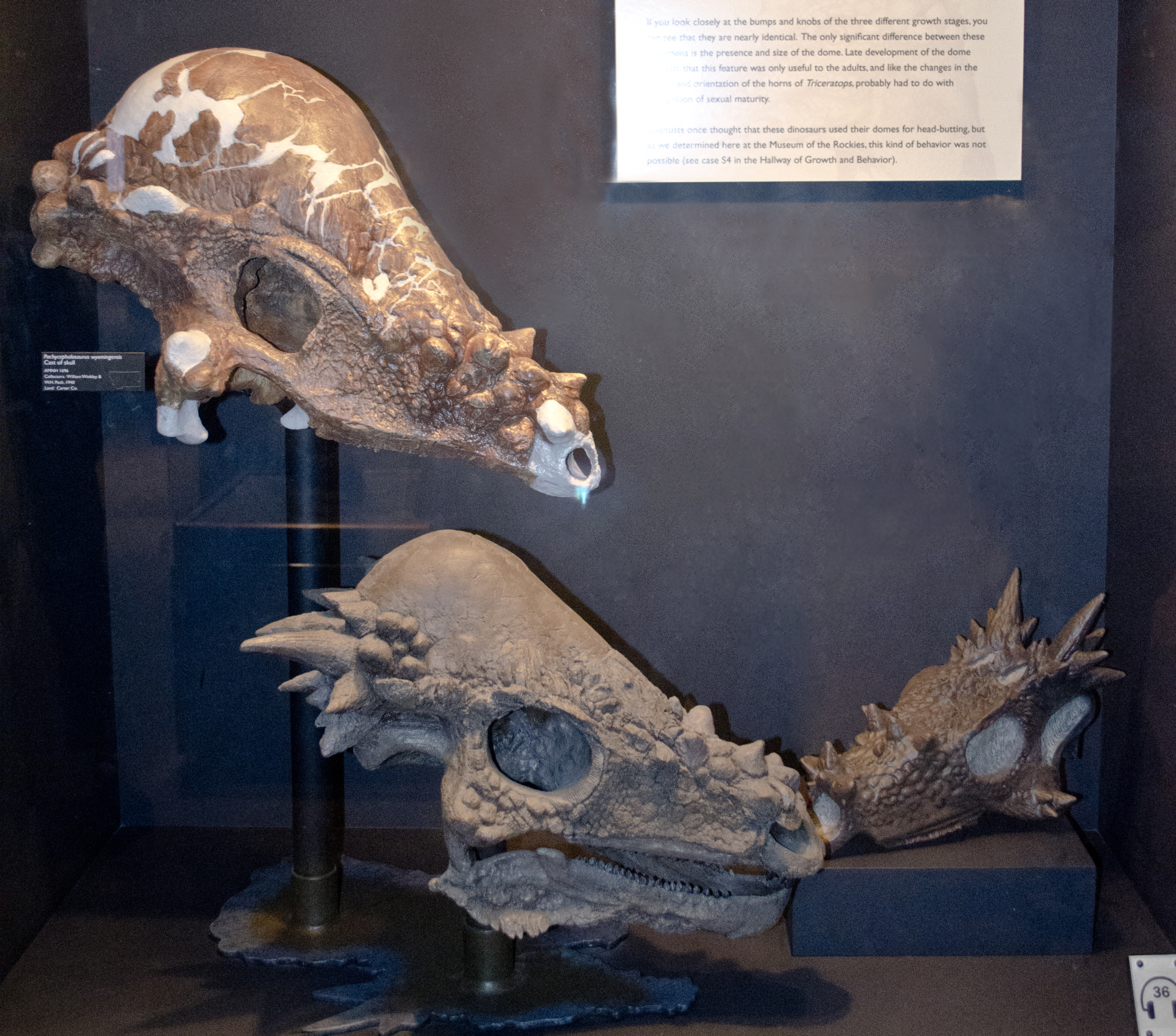
Pachycephalosaurus wyomingensis is the largest and most famous of the pachycephalosaurids, a group of bipedal ornithischian dinosaurs known for the thick bony dome atop their skull. It lived at the end of the Cretaceous, 70 to 66 million years ago, on the coastal plains and angiosperm forests of what is now Montana, Wyoming, South Dakota, and Alberta. Its frontoparietal dome could reach 25 centimeters in thickness, composed of dense fibrolamellar bone. Studies have revealed that Dracorex hogwartsia and Stygimoloch spinifer were actually juvenile forms of the same species. The dome likely functioned in intraspecific combat, similar to modern bighorn sheep.
Geological formation & environment
The Hell Creek Formation is one of the most studied geological formations in the world, exposed in the northern Great Plains of North America (Montana, North Dakota, South Dakota, and Wyoming). Dated to the upper Maastrichtian, it represents the last ~1.5 million years of the Mesozoic. Deposited by meandering rivers on a coastal alluvial plain, the formation preserved an extraordinary fauna, including Tyrannosaurus rex, Triceratops, Edmontosaurus, Ankylosaurus, and Pachycephalosaurus wyomingensis. The dominant vegetation consisted of angiosperms, with a subtropical humid climate.
Image gallery
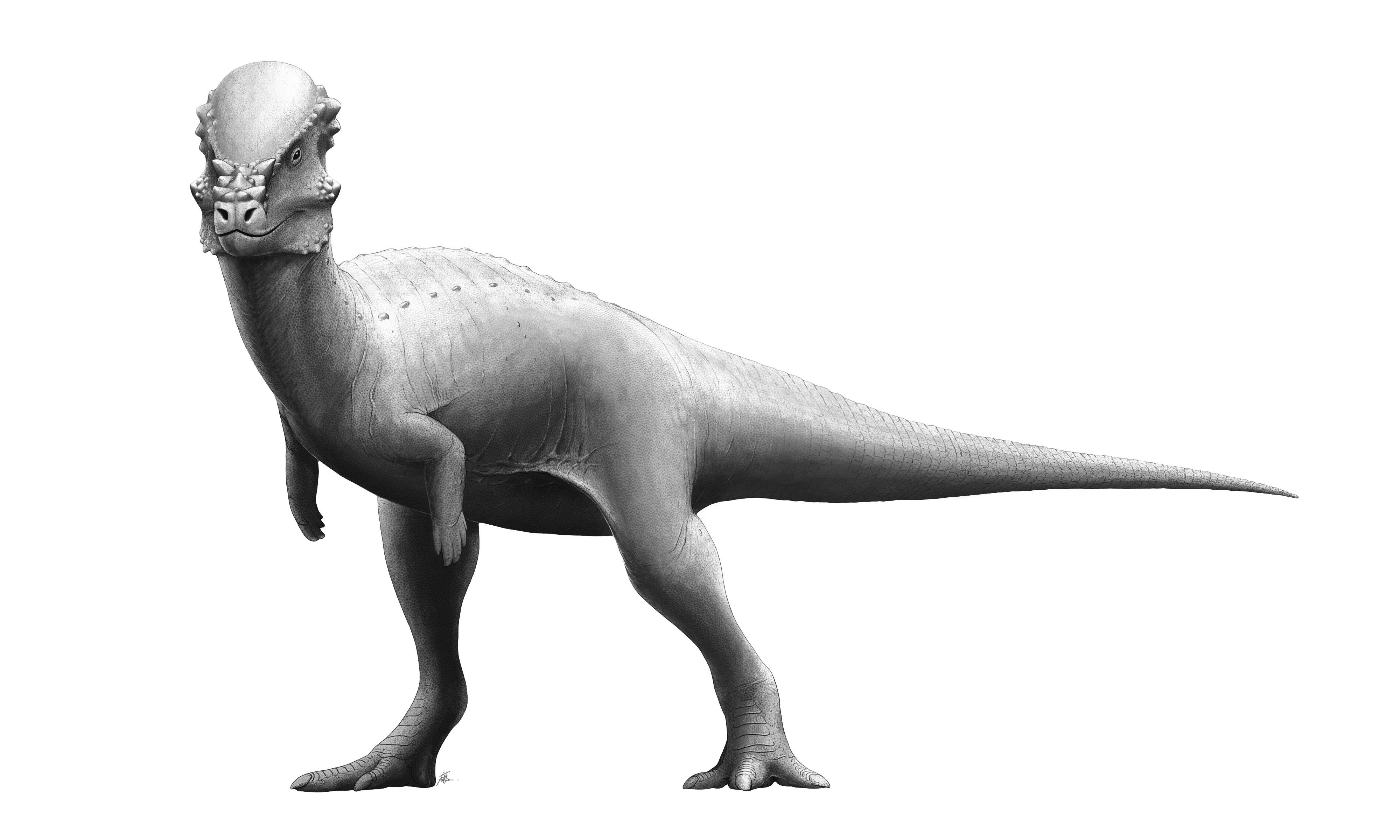


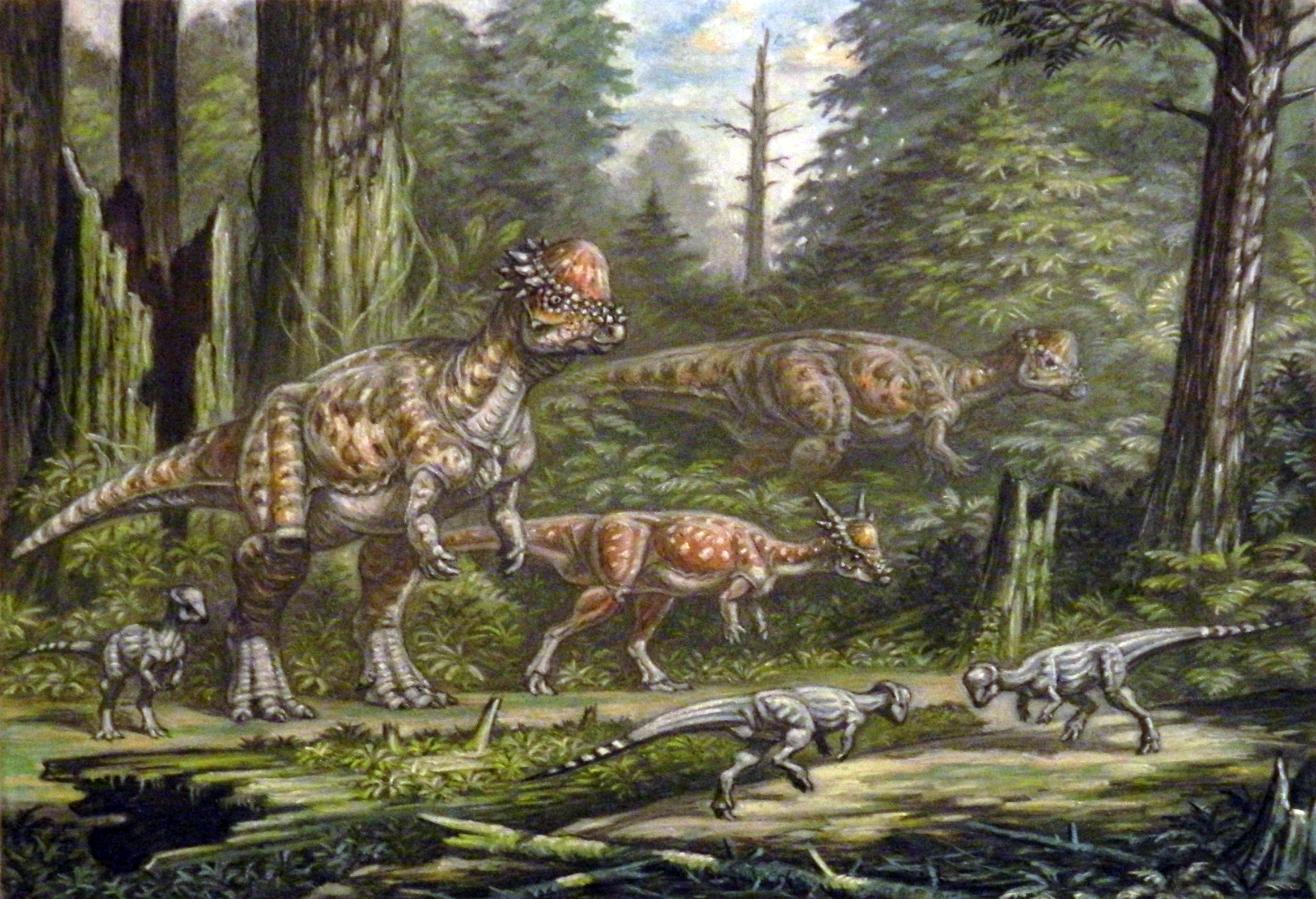


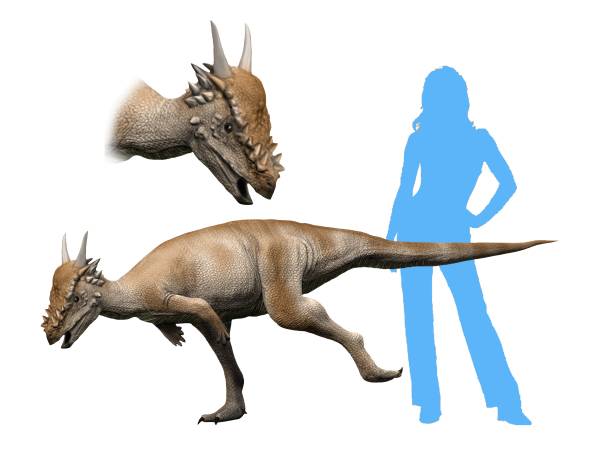
Reconstruction of Pachycephalosaurus wyomingensis based on the 'Sandy' specimen, by Fred Wierum (2016). This is considered one of the most scientifically grounded reconstructions of the species.
Fred Wierum — CC BY 4.0
Ecology and behavior
Habitat
Pachycephalosaurus wyomingensis inhabited the coastal plains and angiosperm forests of the Hell Creek Formation and Lance Formation in latest Cretaceous North America. The environment was an extensive alluvial plain drained by meandering rivers, with vegetation dominated by angiosperms and subtropical humid climate. The region lay east of the rising Laramide Orogeny and west of the retreating Western Interior Seaway. Tyrannosaurus, Triceratops, Edmontosaurus, and Ankylosaurus were contemporaries.
Feeding
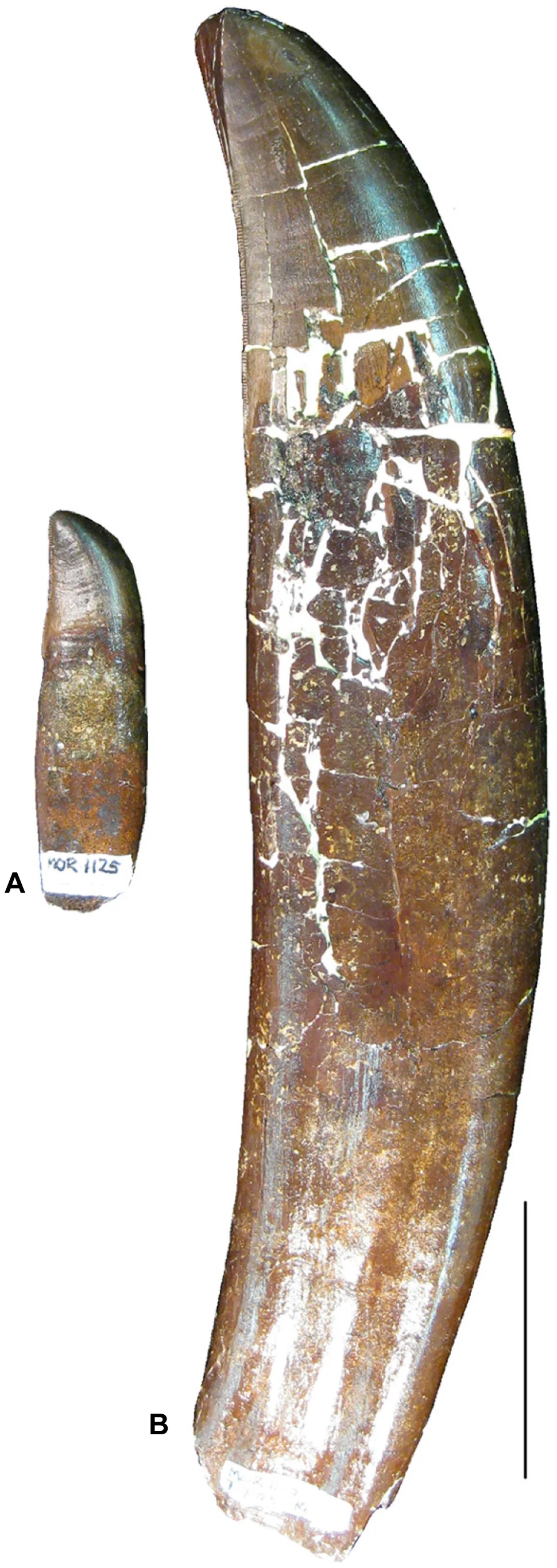
Presumed herbivore with small, leaf-shaped, serrated, and foliated teeth unsuitable for tough fibrous vegetation. Diet likely consisted of angiosperm leaves, seeds, fruits, and possibly occasional insects or other protein items. Some slightly recurved anterior teeth resemble those of carnivores, raising unresolved questions about possible opportunistic omnivory. The long hind limbs suggest the animal traveled long distances in search of food.
Behavior and senses
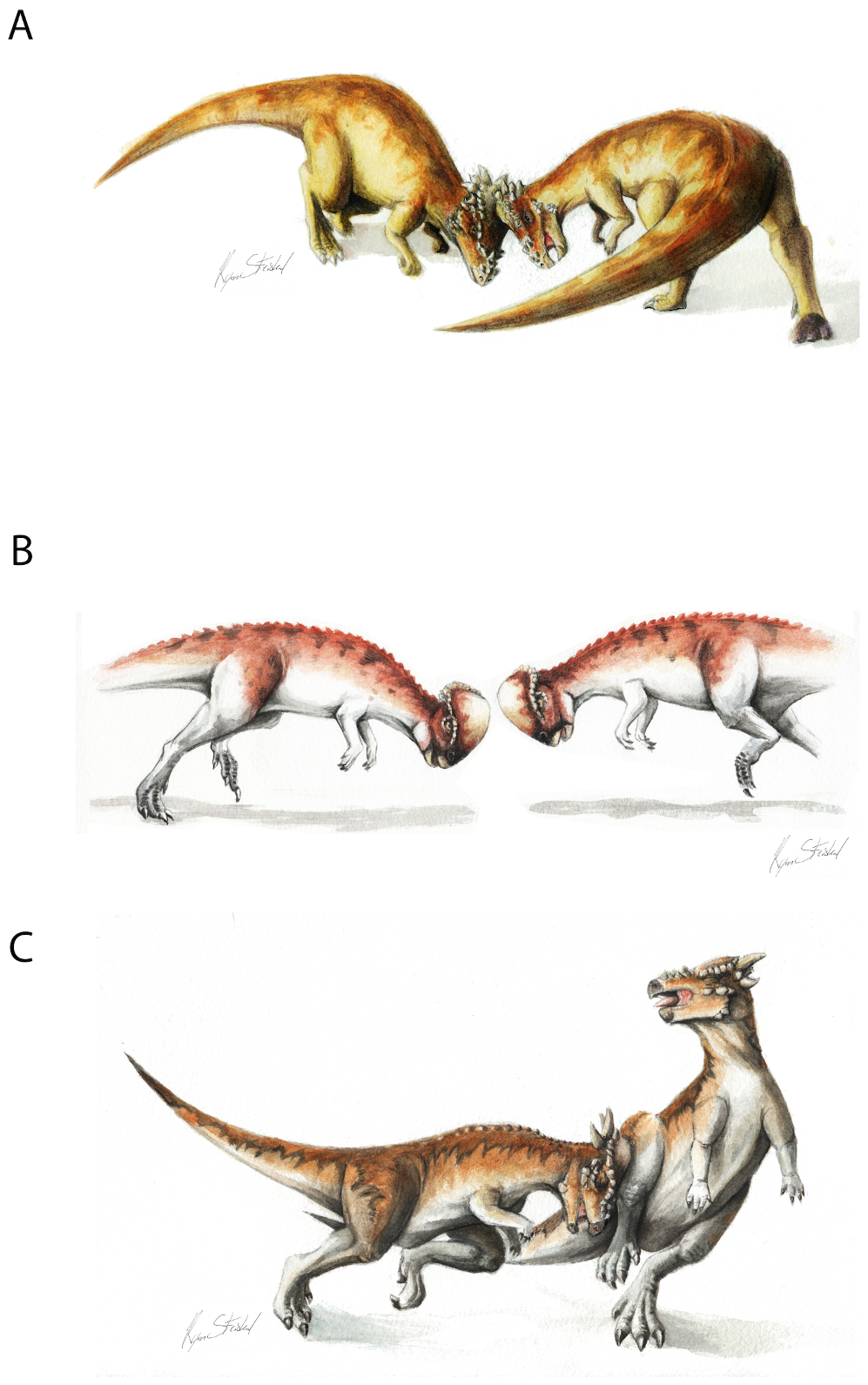
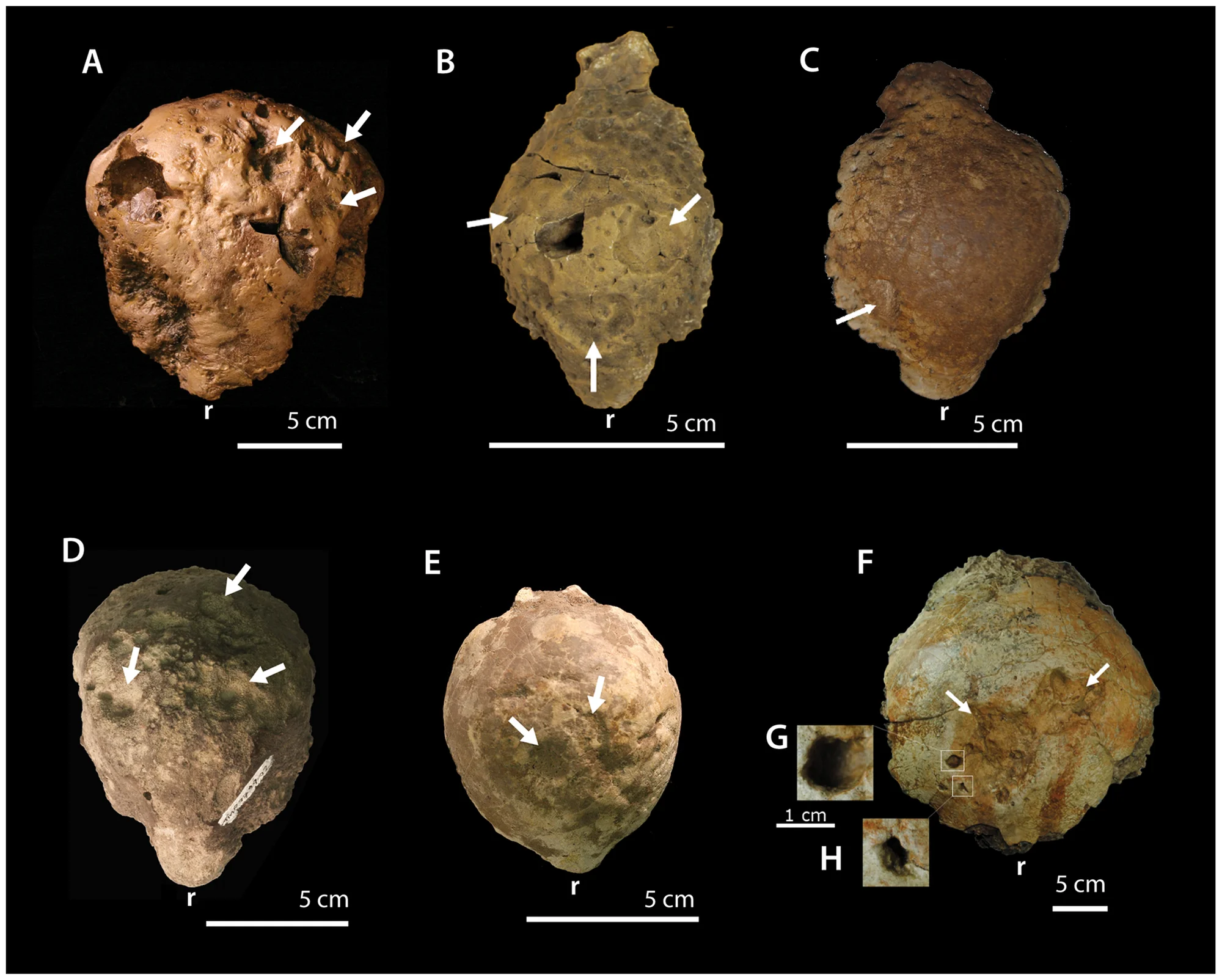
The most documented behavior is agonistic: 22% of adult specimens with developed domes show cranial lesions consistent with impact trauma and secondary osteomyelitis, indicating frequent combat. The head-on butting hypothesis is supported by biomechanical analyses and comparison with modern combative bovids. Alternatives include lateral flank-butting. The absence of lesions in juvenile (flat-headed) forms suggests agonistic behavior was exclusive to dome-bearing adults, possibly related to competition for territory or sexual partners.
Physiology and growth
The frontoparietal dome was composed of dense fibrolamellar bone containing fibroblasts capable of rapid remodeling, an adaptation for recovery from repeated traumatic injury. Fibrolamellar bone, associated with elevated metabolism, suggests endothermy, consistent with other latest Cretaceous ornithischians. Ontogenetic growth of the dome was controlled by metaplasia, direct transformation of fibrous tissue into bone, enabling the drastic cranial remodeling from juvenile to adult stage. The bipedal stance, with long hind limbs and an S-shaped neck, allowed agile locomotion.
Paleogeography
Continental configuration

Scotese & Vérard · CC BY 4.0 · Cretaceous, ~105 Ma
Fossil sites

Megaraptor-The-Allo — CC0 Domínio Público
During the Maastrichtiano (~70–66 Ma), Pachycephalosaurus wyomingensis inhabited Laramidia, the western half of present-day North America, separated from the east by the Western Interior Seaway, a shallow sea dividing the continent. The continents were in very different positions: India was drifting toward Asia, Antarctica was still connected to Australia, and South America was an isolated island.
Bone Inventory
Pachycephalosaurus wyomingensis is known mainly from skulls and cranial dome fragments. The holotype USNM 12031 preserves only the upper portion of the skull. Specimen AMNH 1696 includes a nearly complete skull. Postcranial material for the species is rare and frequently attributed with caution.
Found elements
Inferred elements
Scientific Literature
15 papers in chronological order — from the original description to recent research.
A new species of troodont dinosaur from the Lance Formation of Wyoming
Gilmore, C.W. · Proceedings of the United States National Museum
The founding paper of the species. Charles Whitney Gilmore describes specimen USNM 12031, collected in 1930 by George Fryer Sternberg from the Lance Formation of Niobrara County, Wyoming. Gilmore assigns the material to the genus Troodon as T. wyomingensis, identifying the thick frontoparietal dome as a diagnostic character. The assignment to Troodon would be corrected in 1943 when Brown and Schlaikjer established the genus Pachycephalosaurus. The holotype, deposited at the National Museum of Natural History, consists mainly of the upper portion of the skull with partially preserved dome. This article marks the starting point of the species' scientific nomenclature and is the mandatory reference point for all subsequent literature on P. wyomingensis.
A study of the troödont dinosaurs with the description of a new genus and four new species
Brown, B. & Schlaikjer, E.M. · Bulletin of the American Museum of Natural History
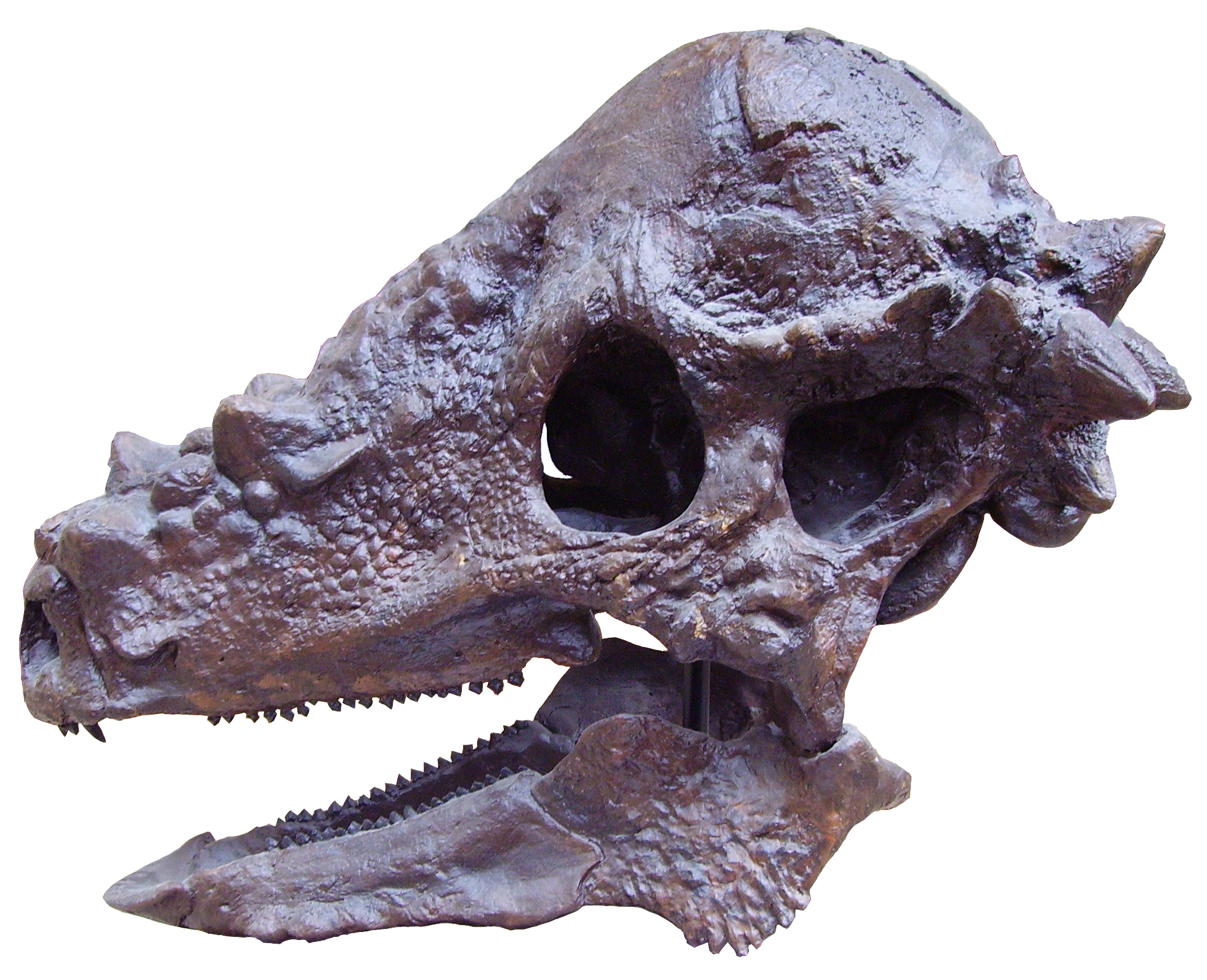
Seminal work establishing the genus Pachycephalosaurus. Barnum Brown and Erich Maren Schlaikjer describe more complete material, including specimen AMNH 1696 from the Hell Creek Formation of Ekalaka, Montana, preserving a nearly complete skull. The generic name references the exceptionally thick frontoparietal dome. The authors name P. grangeri as the type species and P. reinheimeri as a second species, and transfer Gilmore's T. wyomingensis to the new genus. The 1983 taxonomic revision later recognized P. wyomingensis as the only valid species, having been described before the others. Specimen AMNH 1696 remains the fundamental reference for the genus' cranial anatomy.
A taxonomic review of the Pachycephalosauridae (Dinosauria: Ornithischia)
Sullivan, R.M. · New Mexico Museum of Natural History and Science Bulletin
Comprehensive taxonomic review of all known pachycephalosaurid taxa. Sullivan systematically evaluates the validity and synonymy of multiple taxa based on cranial morphology. The work confirms P. wyomingensis as the valid name for the species previously known under multiple synonyms such as P. grangeri and P. reinheimeri, resolving decades of nomenclatural confusion. Sullivan analyzes diagnostic characters including frontoparietal dome shape, squamosal ornamentation, and overall skull morphology, and provides an updated taxonomic key for the family. This paper is the standard reference for the nomenclature and classification of all pachycephalosaurids known at the time of publication.


Structural mechanics of pachycephalosaur crania permitted head-butting behavior
Snively, E. & Cox, A. · Palaeontologia Electronica
The first detailed computational biomechanical study of the pachycephalosaurid cranial dome. Snively and Cox apply finite element analysis (FEA) to 2-D and 3-D models of the dorsal crania of Homalocephale and Pachycephalosaurus to test whether domes could withstand head-butting impacts. The result is affirmative: for a Pachycephalosaurus weighing ~488 kg, closing speed would be 6.7 m/s at impact, generating 127.3 megapascals of von Mises stress — below the 200-300 MPa fracture threshold of bone. The study shows stress and strain dissipate efficiently through the dorsal skull before reaching the braincase, ruling out the risk of brain damage. Published in open access in Palaeontologia Electronica.
Extreme Cranial Ontogeny in the Upper Cretaceous Dinosaur Pachycephalosaurus
Horner, J.R. & Goodwin, M.B. · PLOS ONE
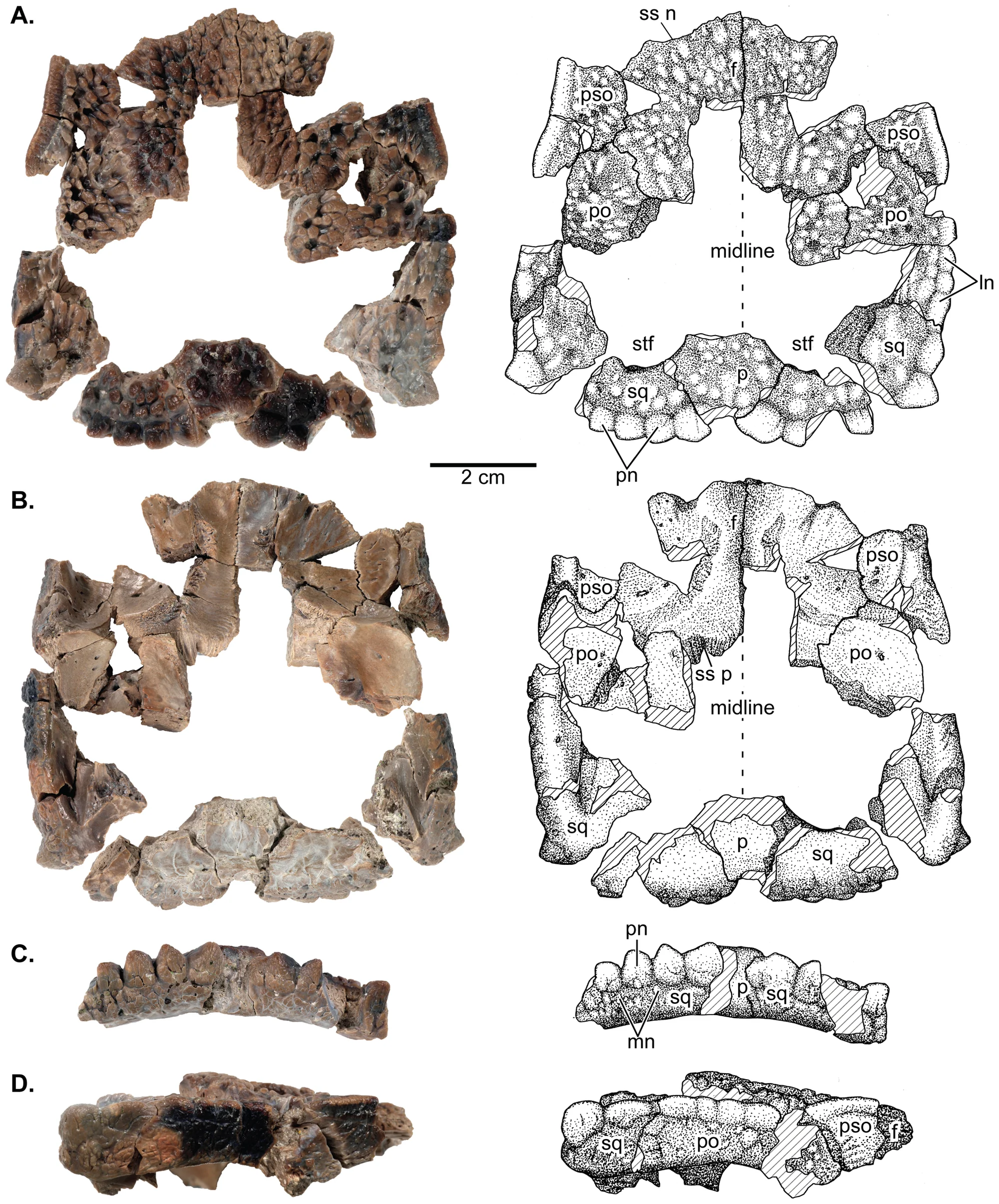
Revolutionary work that reinterprets all Late Cretaceous pachycephalosaurid diversity. Horner and Goodwin use cranial histology, comparative morphology, and computed tomography to demonstrate that Dracorex hogwartsia (juvenile) and Stygimoloch spinifer (subadult) are ontogenetic stages of Pachycephalosaurus wyomingensis (adult). The diagnostic characters of the three 'species' are actually traits that change during growth: the frontoparietal dome inflates progressively, temporal fenestrae close, and squamosal ornaments transition from long pointed spines to more robust, blunt forms. The mechanism is metaplasia, or direct transformation of fibrous tissue into bone, enabling rapid cranial remodeling. The study significantly reduces Maastrichtian pachycephalosaurid diversity and has become a mandatory reference in the field.
Cranial Ontogeny in Stegoceras validum (Dinosauria: Pachycephalosauria): A Quantitative Model of Pachycephalosaur Dome Growth and Variation
Schott, R.K., Evans, D.C., Goodwin, M.B., Horner, J.R., Brown, C.M. & Longrich, N.R. · PLOS ONE
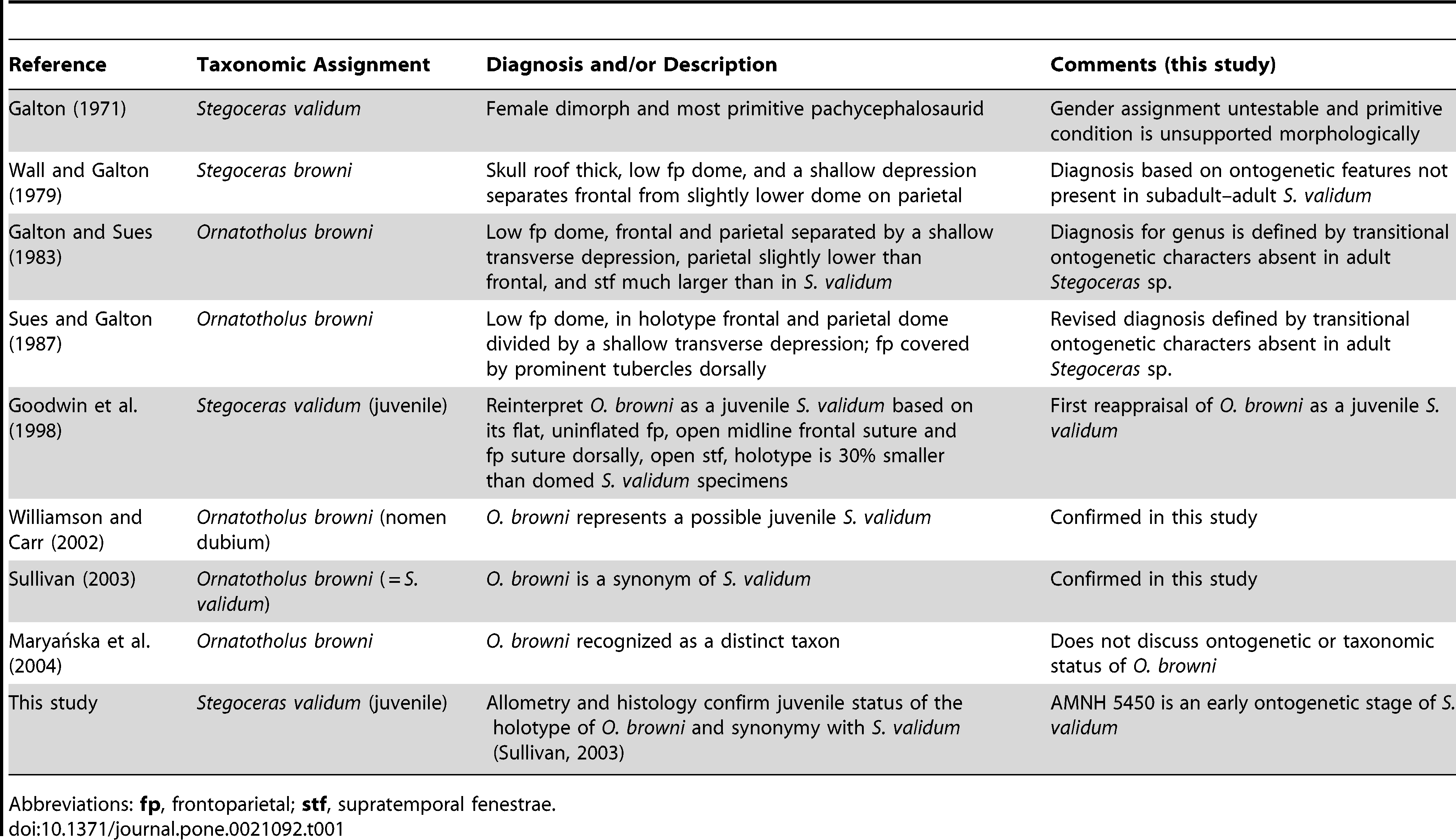
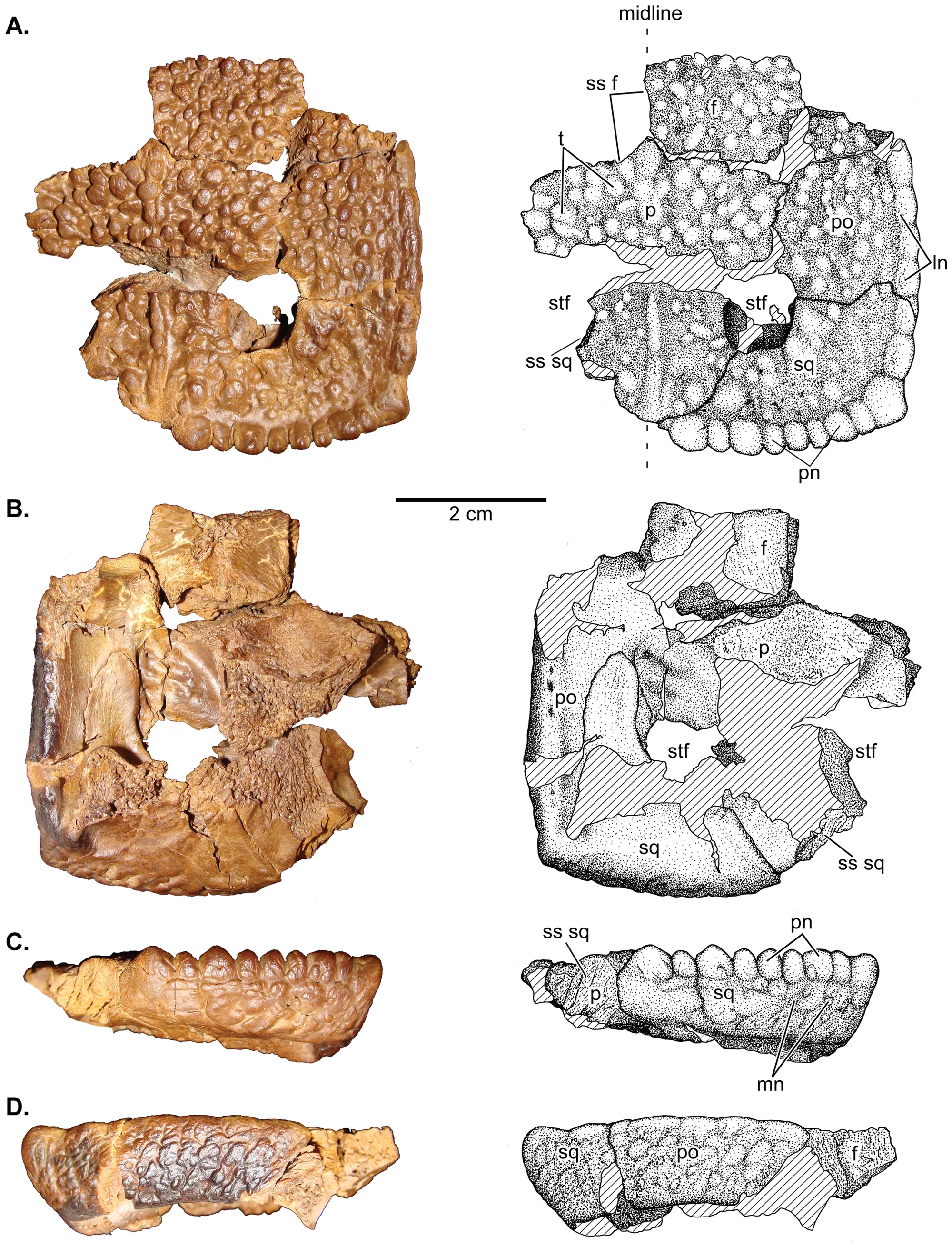
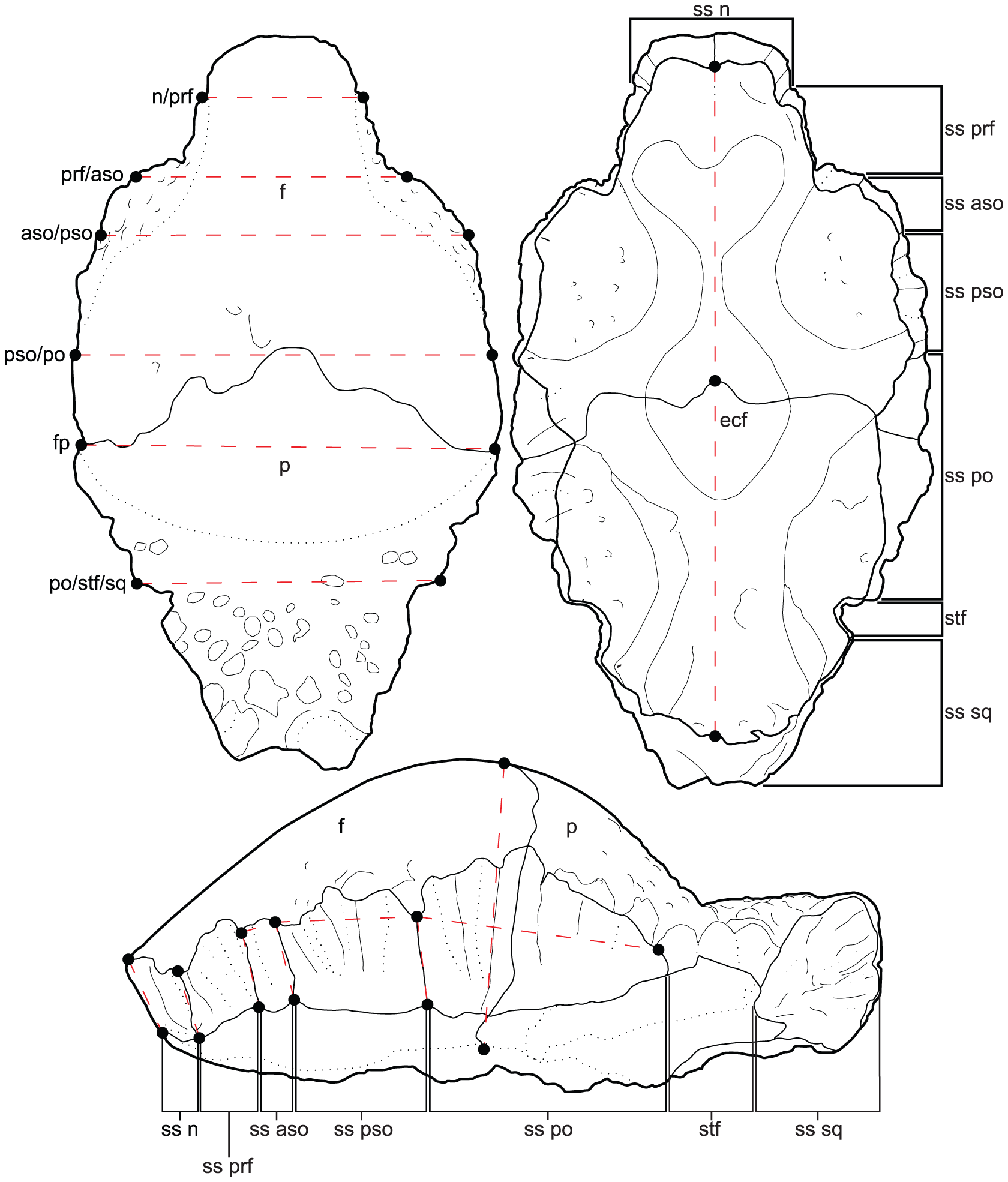
This paper extends the ontogenetic model proposed by Horner and Goodwin (2009) for Pachycephalosaurus, applying it quantitatively to Stegoceras validum. Schott et al. combine squamosal ornamentation diagnosis, allometric dome growth analysis, and bone histology to confirm that flat-headed specimens are juveniles of Stegoceras, and synonymize Ornatotholus browni with S. validum. The model provides the quantitative basis lacking for evaluating pachycephalosaurid ontogeny: the dome grows positively allometrically and bone vascularity decreases with size, indicators of skeletal maturity. Direct implications for P. wyomingensis: the same criteria apply to confirm that flat-headed forms are juveniles.

Cranial Pathologies in a Specimen of Pachycephalosaurus
Peterson, J.E. & Vittore, C.P. · PLOS ONE
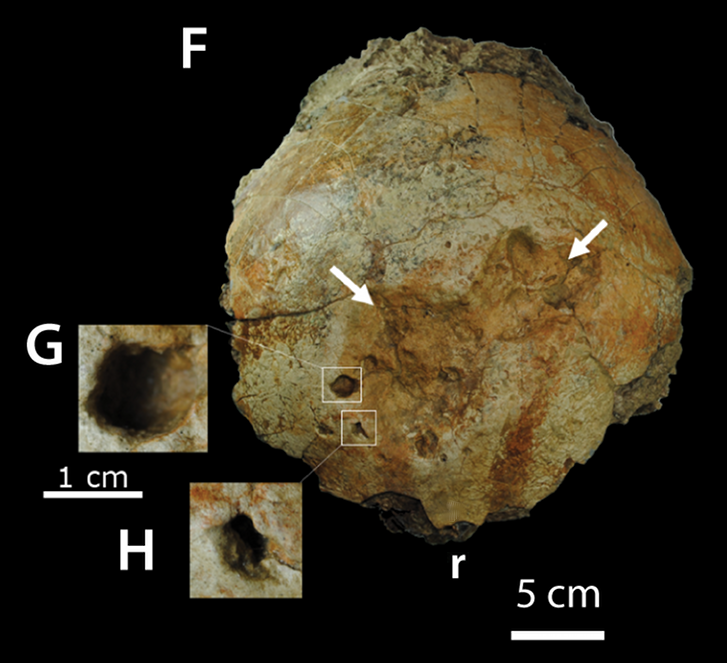
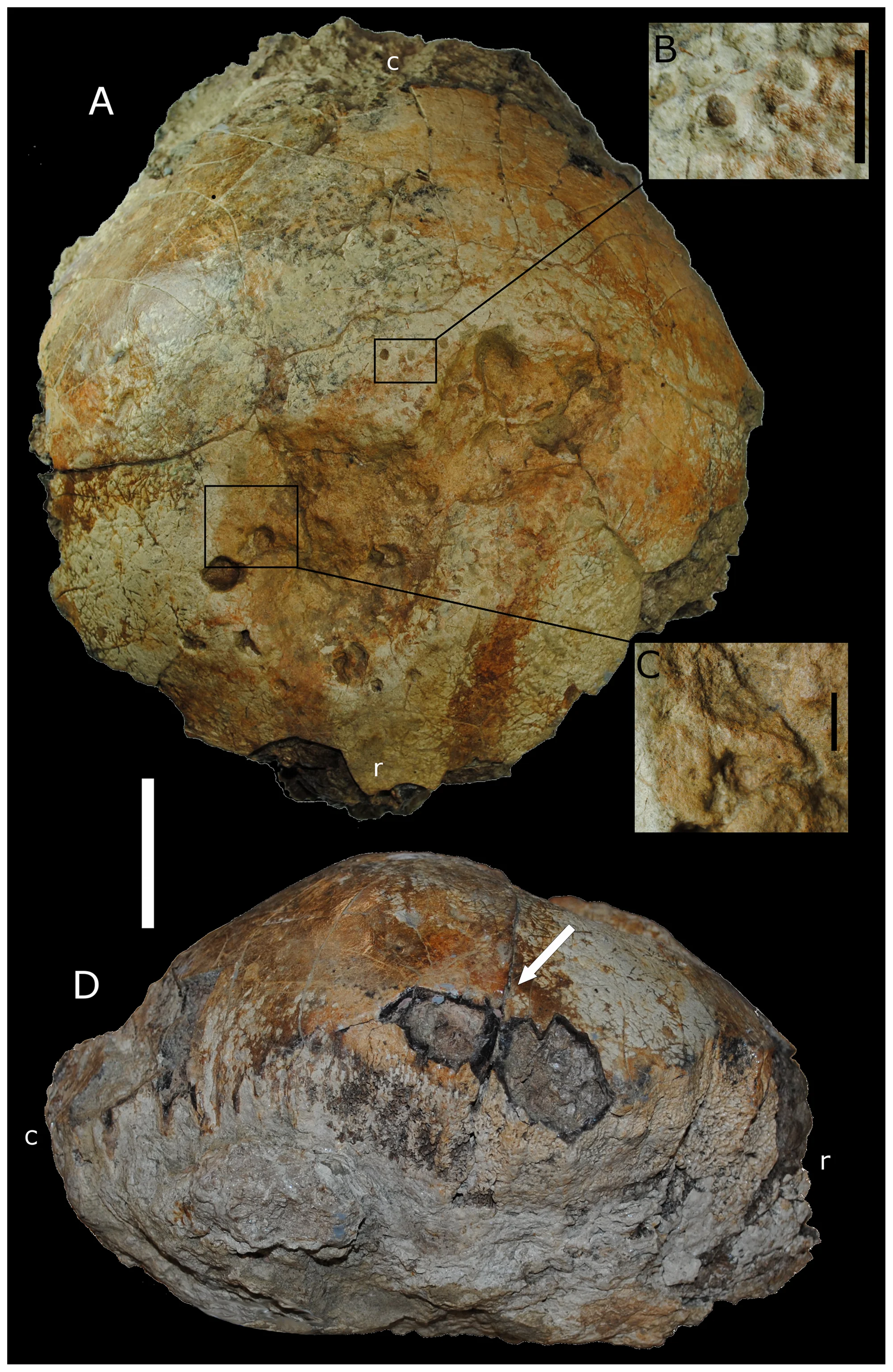
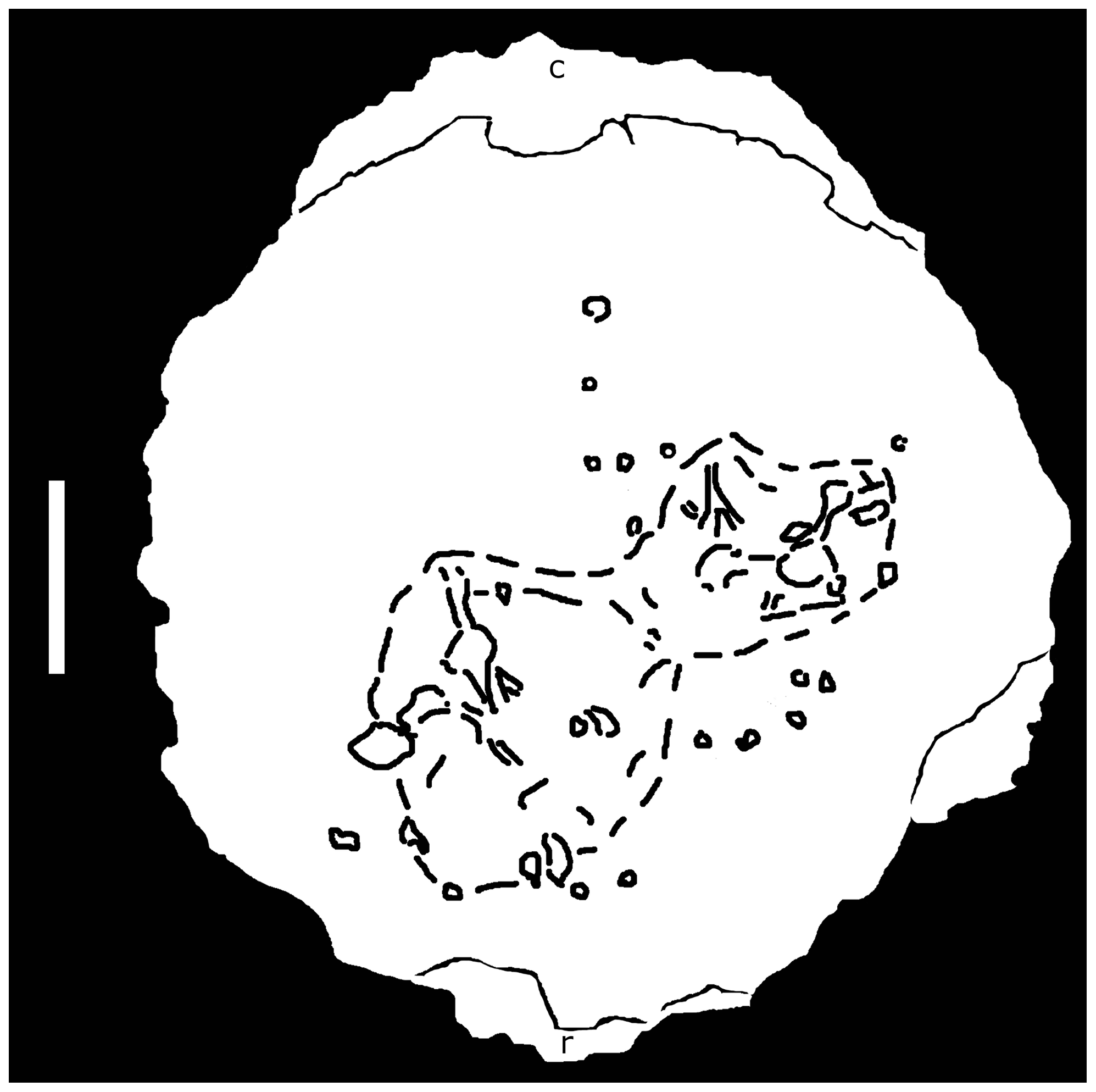
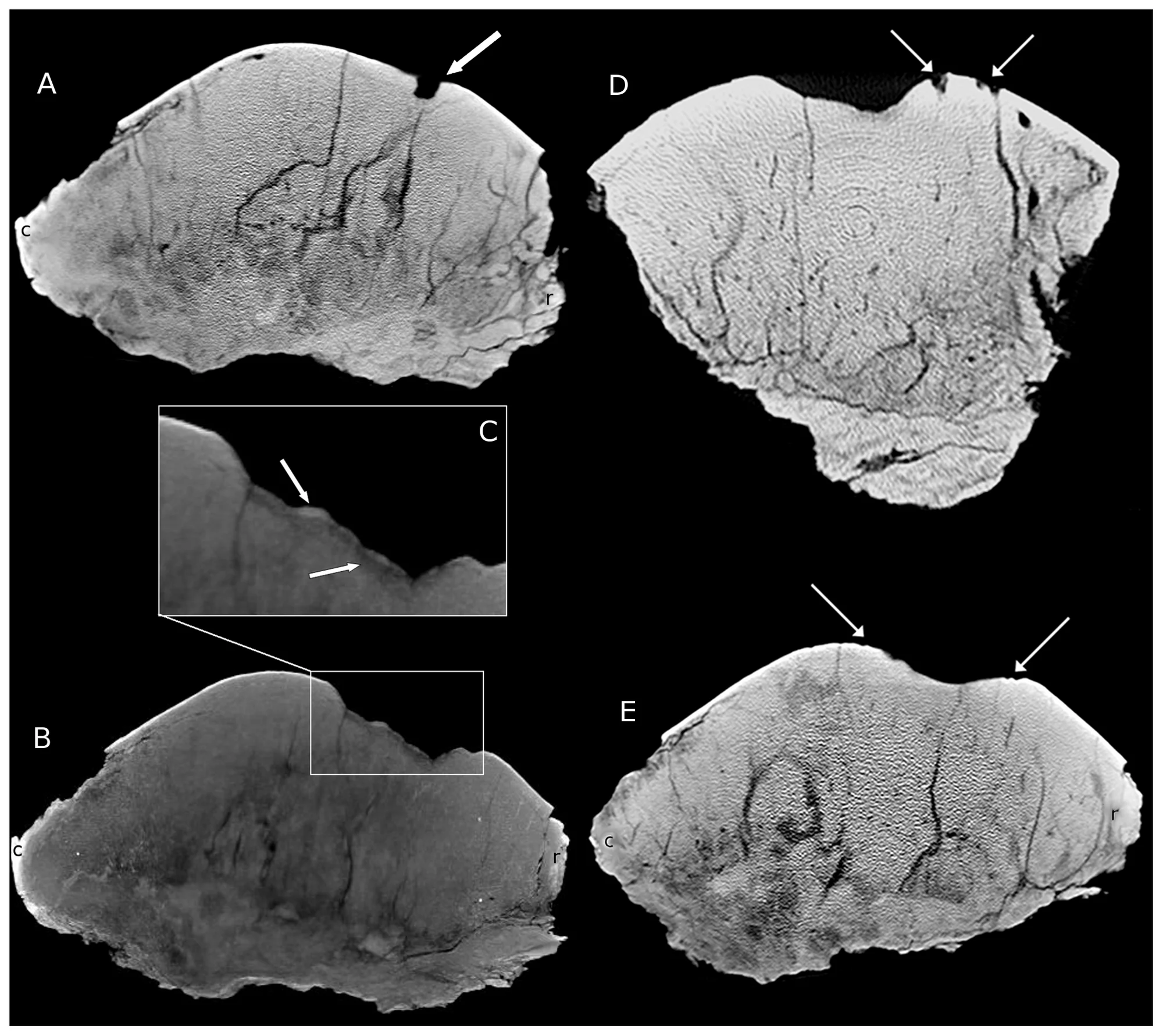
First systematic study of cranial pathology in a specimen identified as Pachycephalosaurus wyomingensis (specimen BMR P2001.4.1 from Burpee Museum of Natural History). Peterson and Vittore describe two large oval depressions on the dorsal dome surface, accompanied by numerous circular pits. Computed tomography reveals the lesions penetrate deeply into the bone. Comparative analysis with modern birds with traumatic cranial infection indicates the structures are pathological lesions resulting from traumatic injury followed by secondary osteomyelitis. The study provides direct physical evidence that the Pachycephalosaurus dome sustained damage consistent with agonistic combat, establishing the foundation for the broader work of Peterson et al. (2013).

Distributions of Cranial Pathologies Provide Evidence for Head-Butting in Dome-Headed Dinosaurs (Pachycephalosauridae)
Peterson, J.E., Dischler, C. & Longrich, N.R. · PLOS ONE
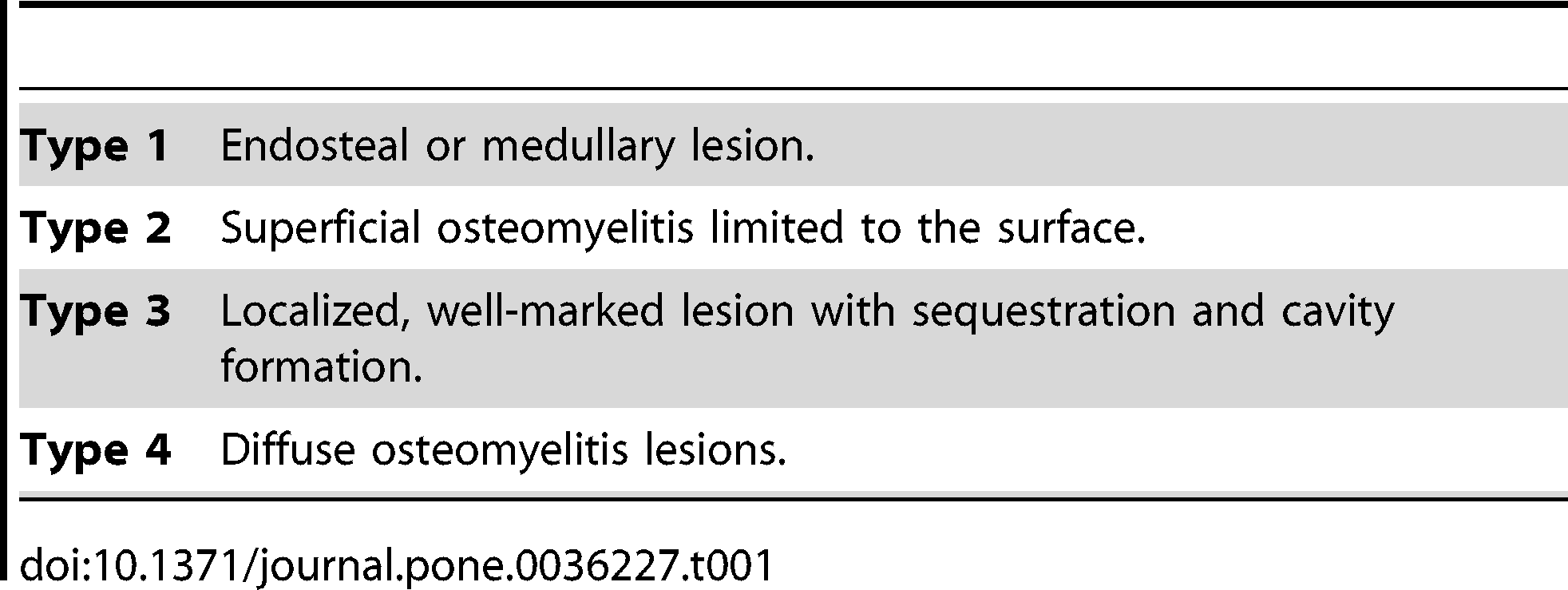
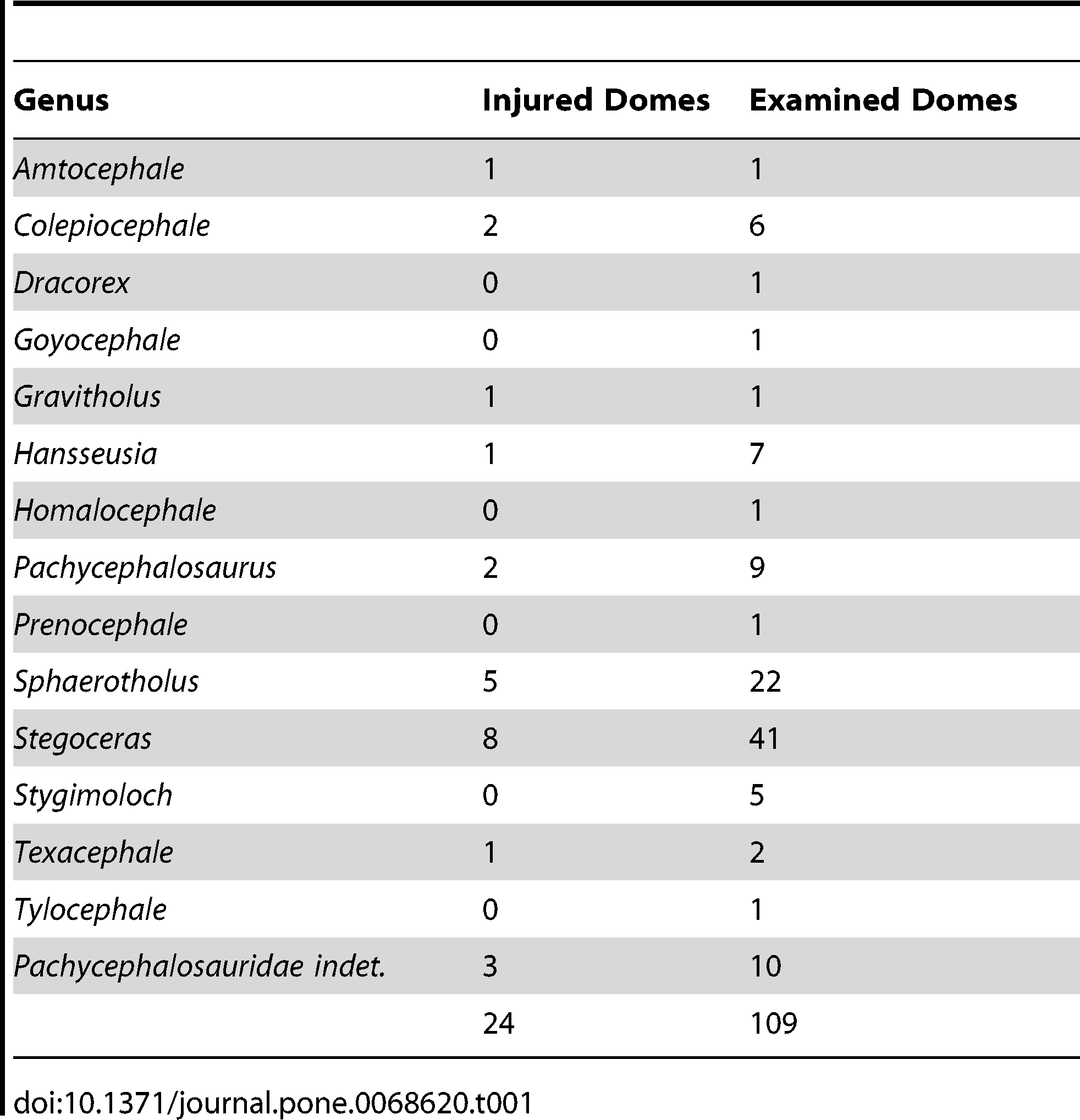
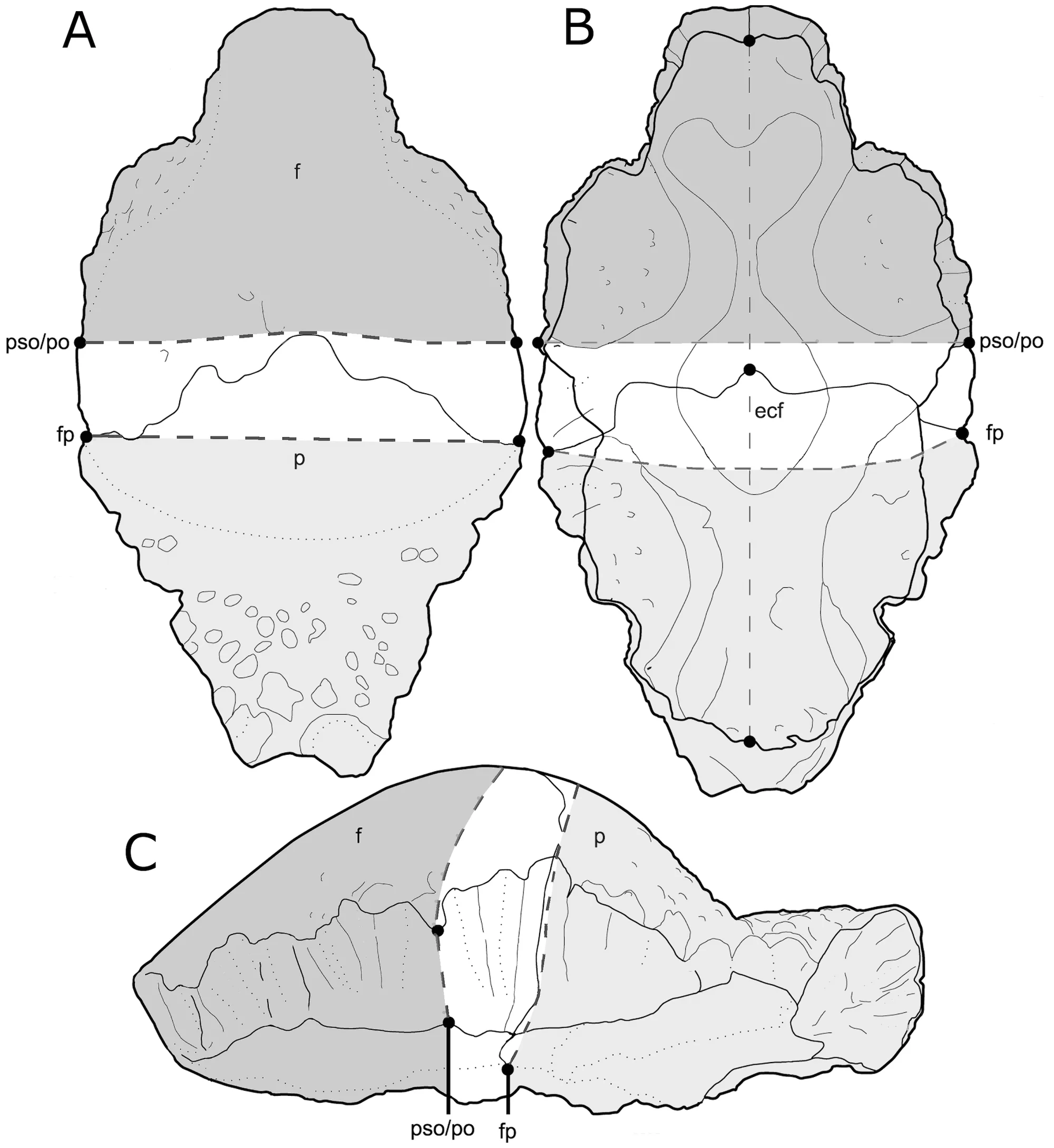
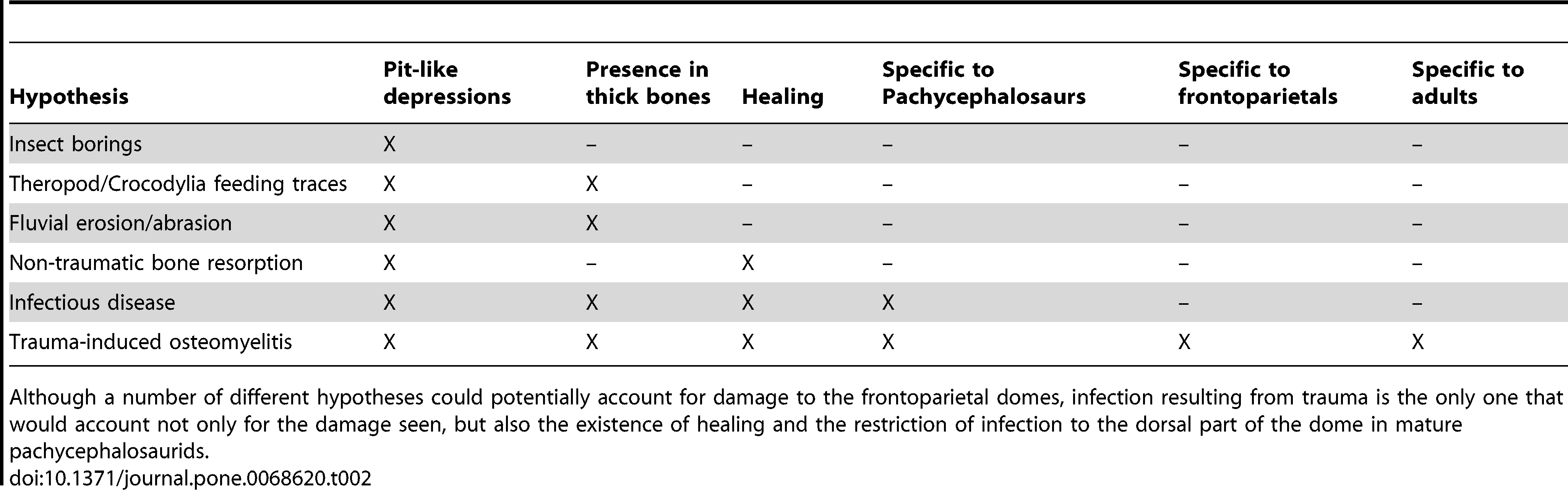
Definitive study on head-butting behavior in pachycephalosaurids, based on systematic analysis of 109 skull domes from adult specimens. Peterson, Dischler, and Longrich find that 22% of adult specimens with developed domes display pathological lesions concentrated at the dome apex, consistent with chronic osteomyelitis from repeated trauma and secondary infection. Flat-headed morphs, interpreted as juveniles or females, show no pathologies. The distribution pattern of lesions, fibrolamellar bone composition with fibroblasts capable of rapid remodeling, and comparison with modern combative bovids support head-to-head and/or head-to-flank combat as habitual behavior in fully-domed adult pachycephalosaurids.
Common Functional Correlates of Head-Strike Behavior in the Pachycephalosaur Stegoceras validum (Ornithischia, Dinosauria) and Combative Artiodactyls
Snively, E. & Theodor, J.M. · PLOS ONE
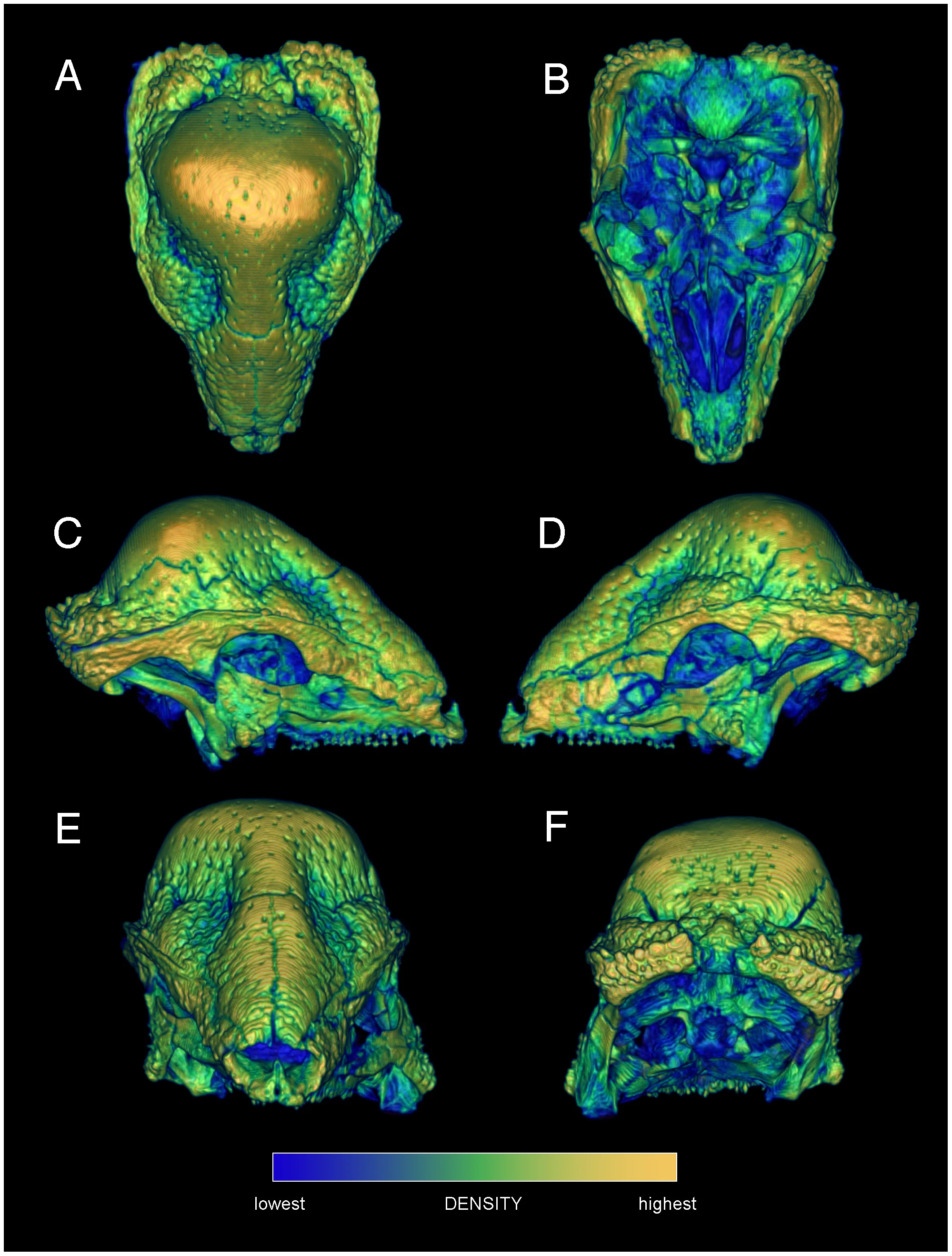
Innovative comparative study demonstrating functional correlates between head-strike combat in pachycephalosaurids and modern combative artiodactyls. Snively and Theodor perform computed tomography and finite element analysis on ten artiodactyls and the pachycephalosaurids Stegoceras validum and Prenocephale prenes, comparing internal cranial structure and stress patterns during simulated impacts. Recursive partitioning shows Stegoceras morphology fits head-strike behavior comparably to the duiker and musk ox, with lower stress and higher safety factors than giraffe, pronghorn, or llama. Results have direct implications for Pachycephalosaurus, which shares the same basic cranial morphology on a larger scale.
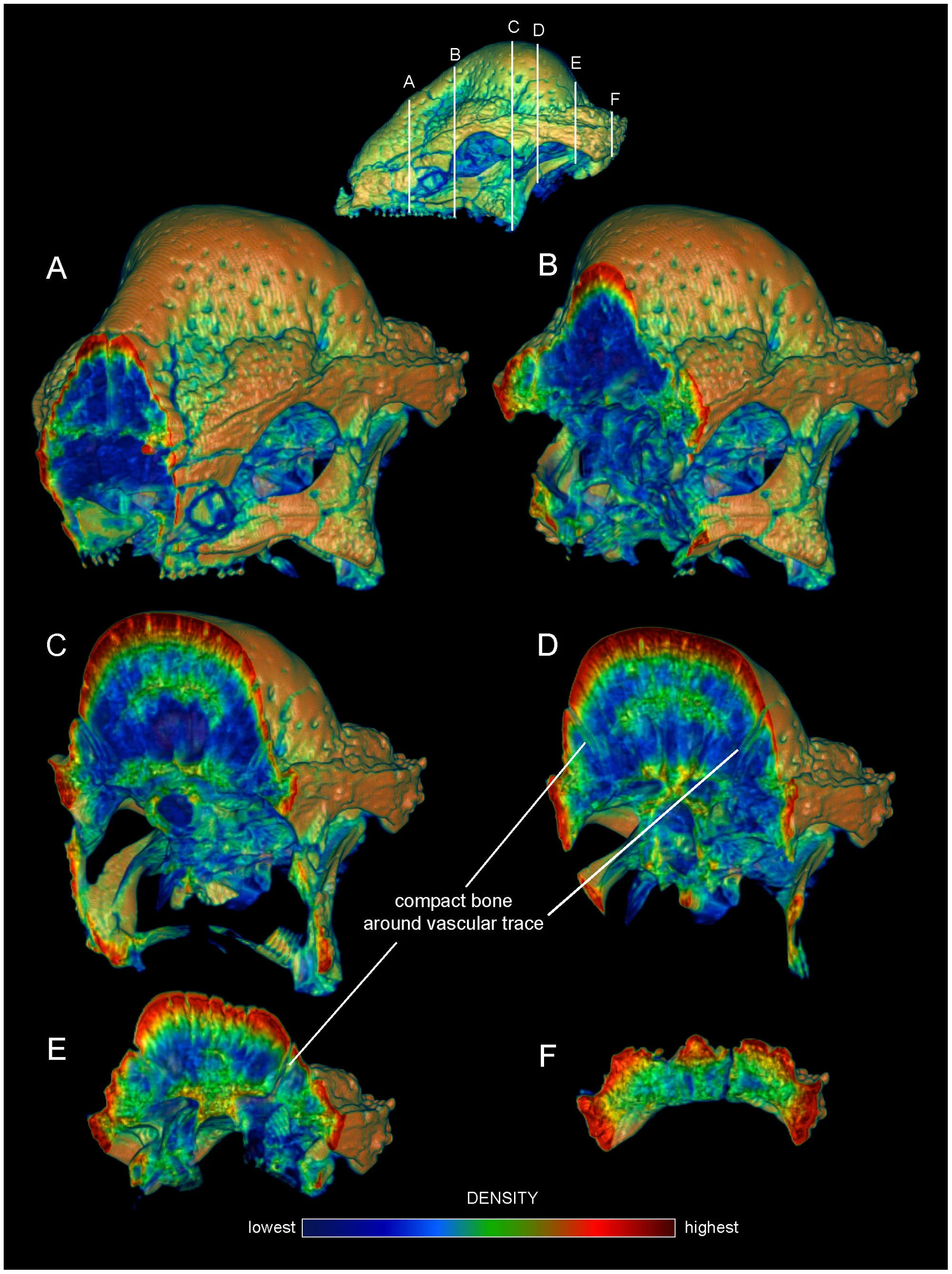
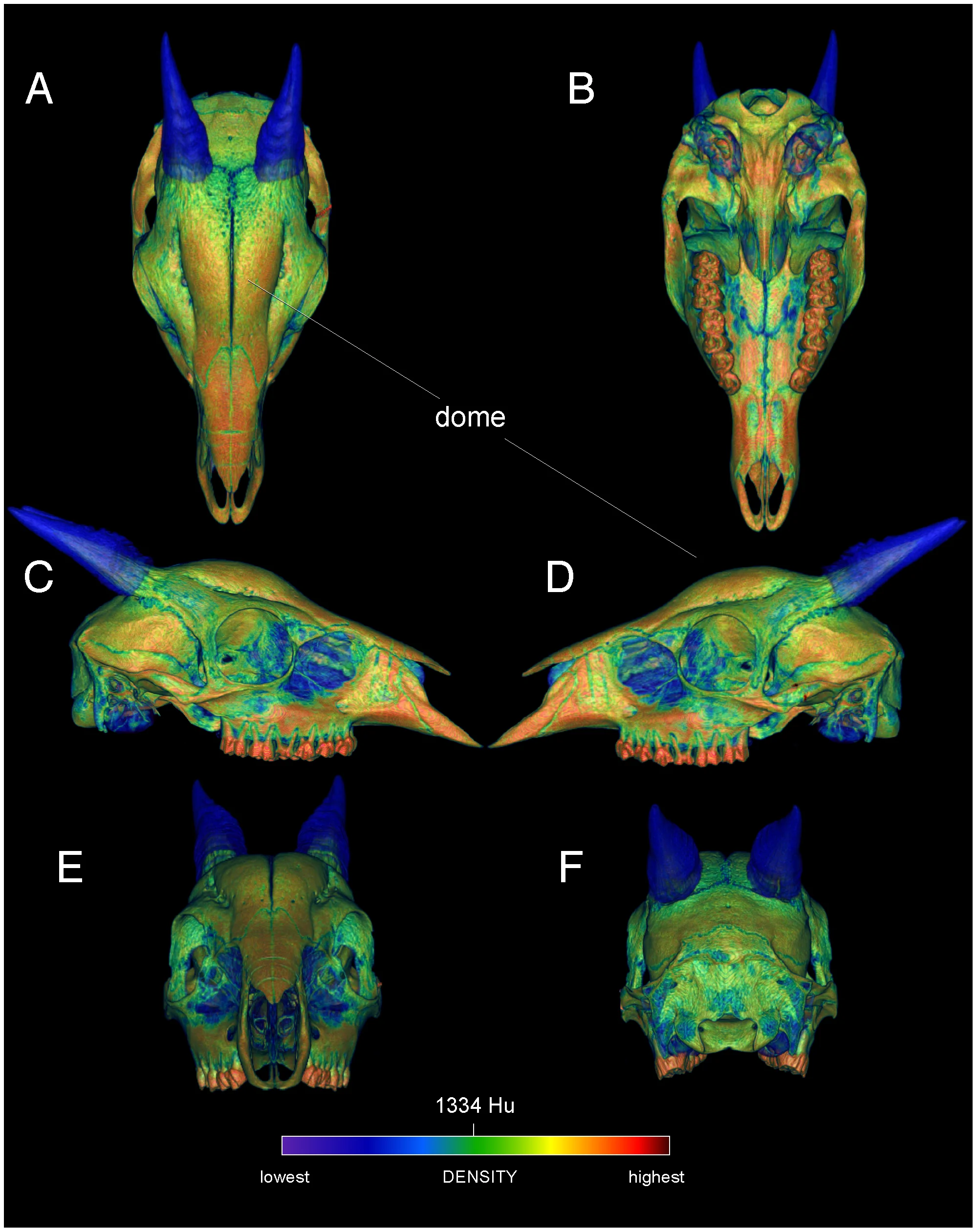
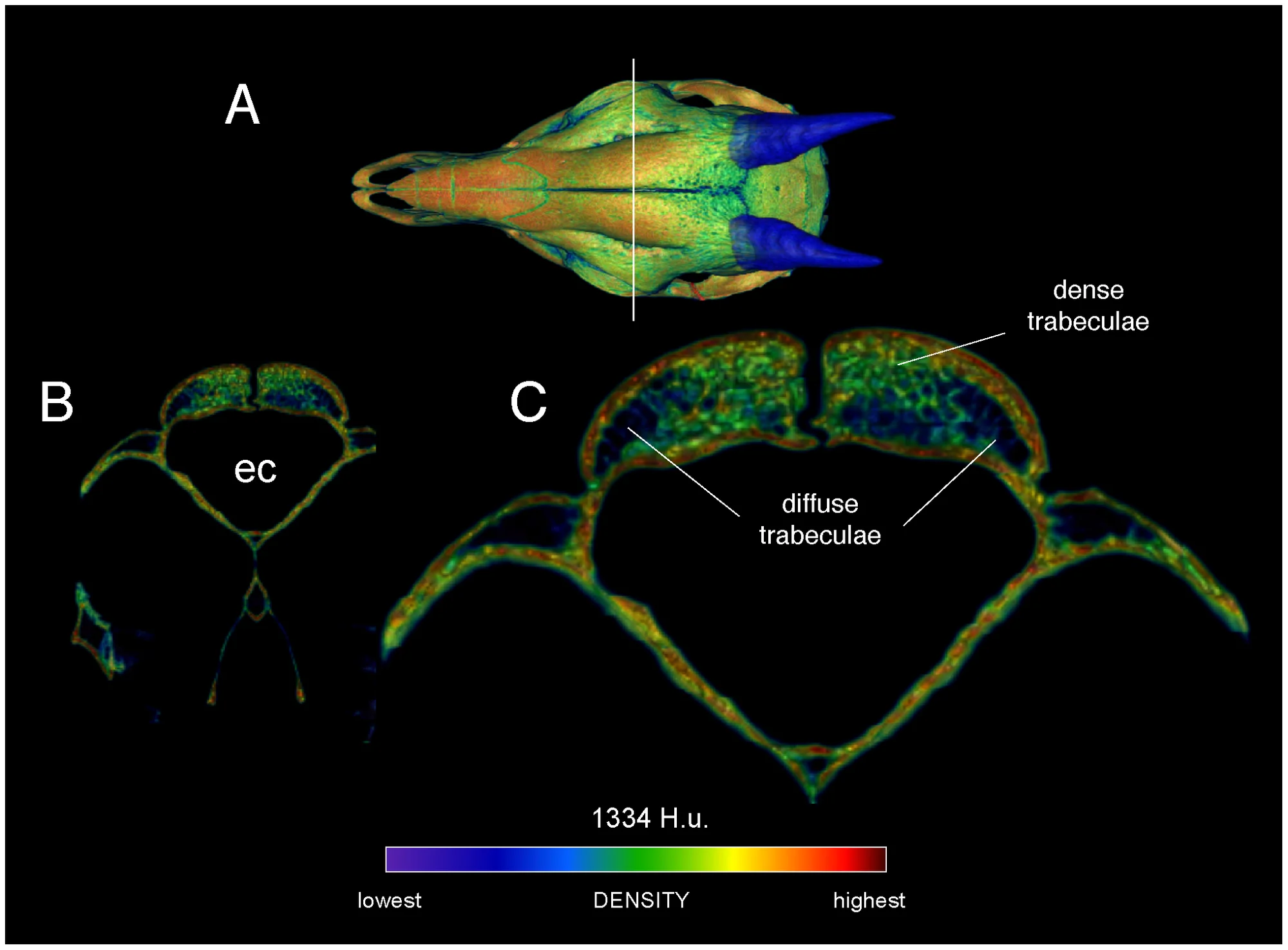
Dinosaur Census Reveals Abundant Tyrannosaurus and Rare Ontogenetic Stages in the Upper Cretaceous Hell Creek Formation (Maastrichtian), Montana, USA
Horner, J.R., Goodwin, M.B. & Myhrvold, N. · PLOS ONE
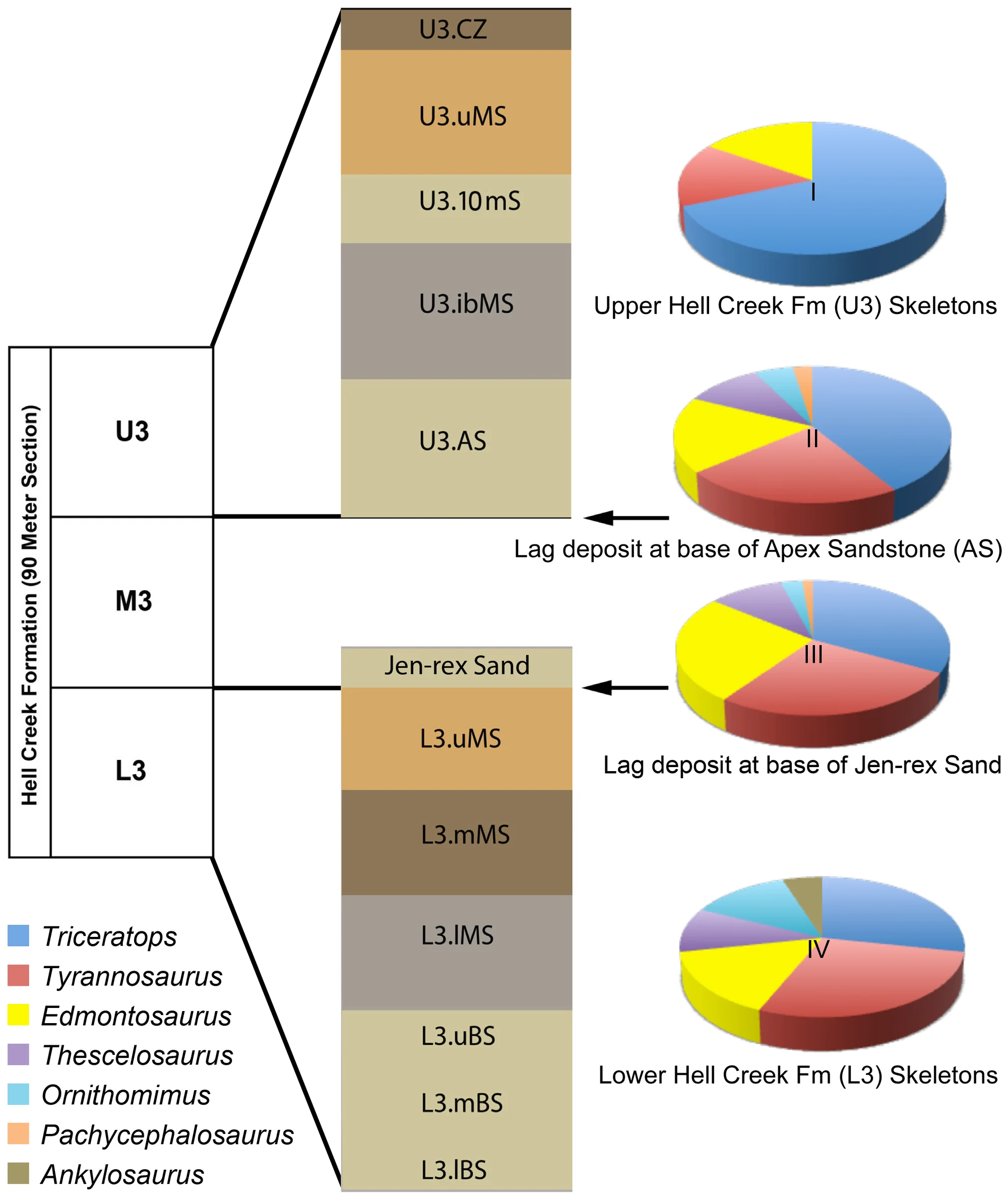
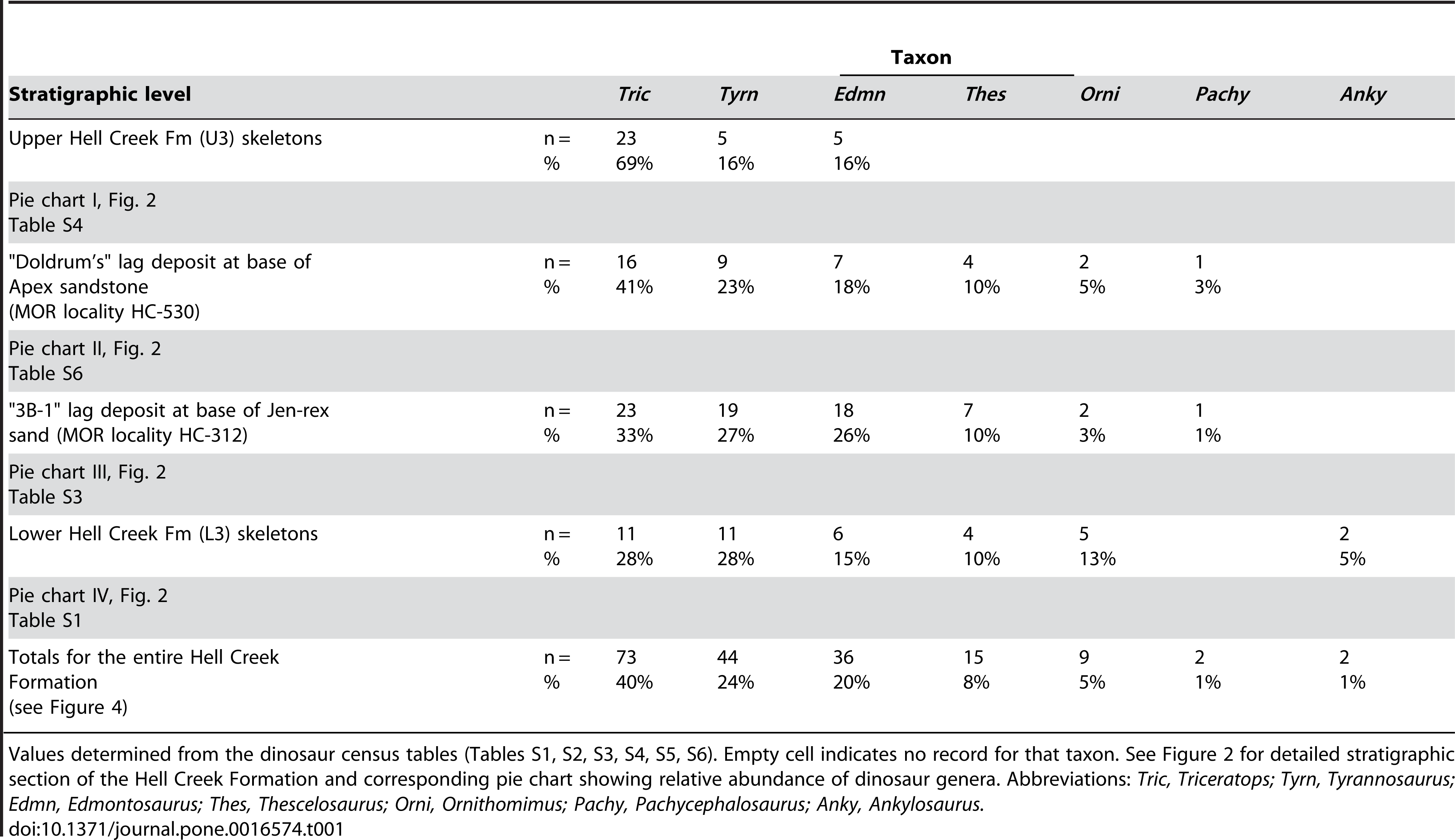
Systematic dinosaur census conducted over a decade (Hell Creek Project, 1999-2009) in the Hell Creek Formation of northeastern Montana. Horner, Goodwin, and Myhrvold combine geographic, taphonomic, stratigraphic, phylogenetic, and ontogenetic data to investigate the relative abundance of large dinosaurs preserved in the formation. The surprising result is that skeletal assemblages consist primarily of subadults or small adults, with small juveniles and large adults being rare. Pachycephalosaurus is one of the documented taxa, providing fundamental ecological context for understanding the species' distribution in the latest Maastrichtian ecosystem, approximately 66 million years ago.

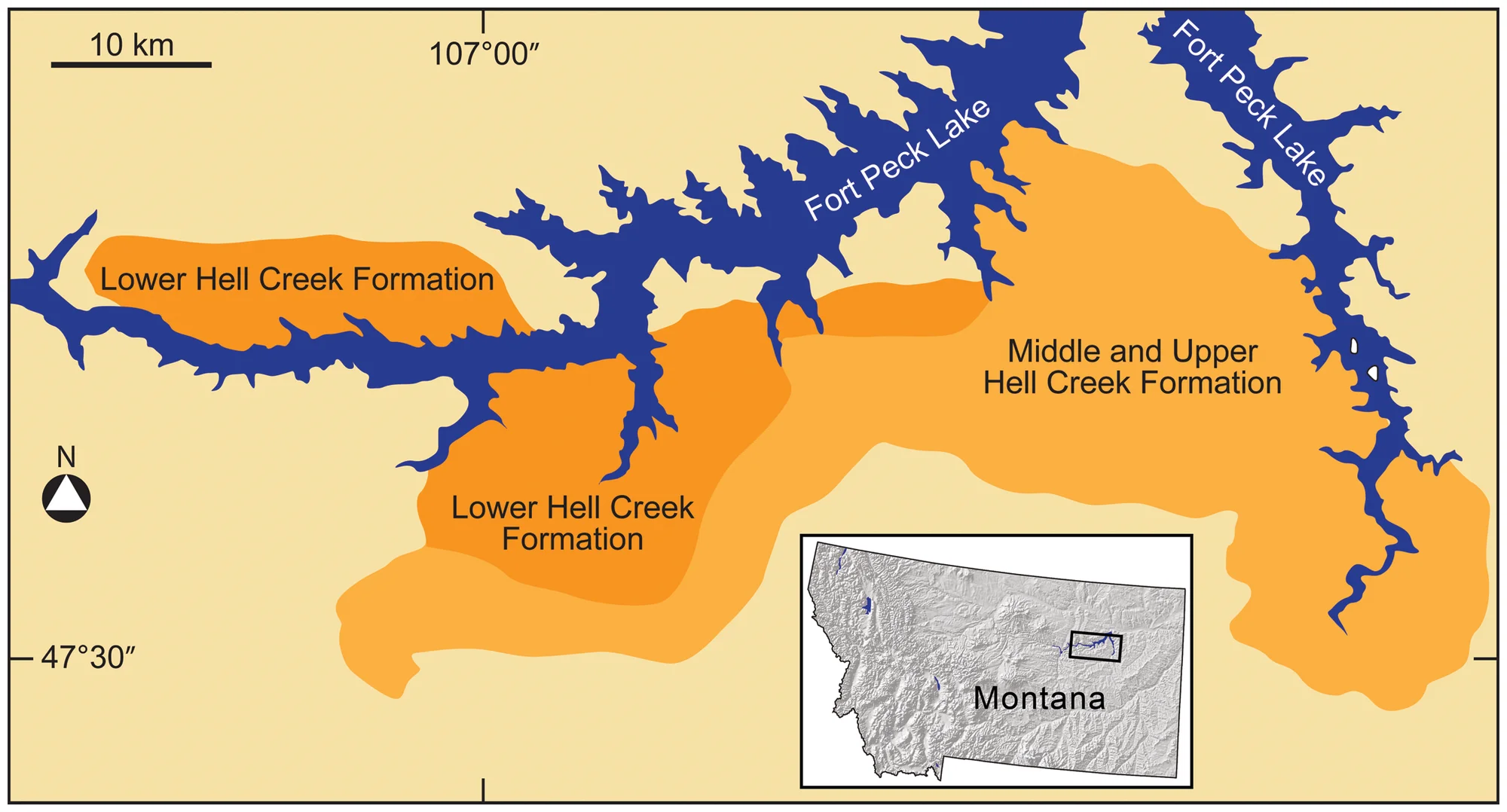
The oldest North American pachycephalosaurid and the hidden diversity of small-bodied ornithischian dinosaurs
Evans, D.C., Schott, R.K., Larson, D.W., Brown, C.M. & Ryan, M.J. · Nature Communications
Evans et al. describe Acrotholus audeti, the oldest North American pachycephalosaurid, from the Santonian of Alberta. The phylogenetic analysis published in this work is one of the most robust for the group, positioning Pachycephalosaurus wyomingensis within Pachycephalosauridae and providing the evolutionary context for the species. The study reveals that small-bodied pachycephalosaurid diversity was significantly underestimated due to the low preservation potential of their fossils. The cranial dome, being extremely dense, has far greater preservation potential than the rest of the skeleton, explaining the sampling bias in the fossil record. Published in Nature Communications as open access.


The early expression of squamosal horns and parietal ornamentation confirmed by new end-stage juvenile Pachycephalosaurus fossils from the Upper Cretaceous Hell Creek Formation, Montana
Goodwin, M.B. & Evans, D.C. · Journal of Vertebrate Paleontology
Goodwin and Evans describe new end-stage juvenile Pachycephalosaurus specimens from the Hell Creek Formation of Montana, including three bone fragments collected from two bonebeds in Garfield County. High-resolution CT of the slightly thickened, undomed parietal reveals dense cortex, highly cancellous interior with irregularly shaped erosion cavities, and bony trabeculae indicative of primary fast-growing bone. The study confirms the earliest expression of squamosal nodes, parietal ornamentation, and jugal morphology in the smallest and presumably youngest known individuals, definitively reinforcing the ontogenetic hypothesis of Horner and Goodwin (2009).


The smallest pachycephalosaurid (Dinosauria: Ornithischia) from the Hell Creek Formation, Garfield County, Montana, USA
Woodruff, D.C., Carr, T.D., Storrs, G.W., Wosik, M. & Parsons, W.L. · Cretaceous Research
Woodruff et al. describe Platytholus clemensi, the smallest known pachycephalosaurid from the Hell Creek Formation. The specimen consists of a flat-fronted cranial dome lacking any frontoparietal dome inflation. This work provides new evidence for the ontogenetic continuum of pachycephalosaurids in the latest Cretaceous of North America, complementing Goodwin and Evans (2016) data on juveniles. Histological analysis confirms the specimen is a young individual with primary fast-growing bone tissue, not a flat-morphology adult representing a distinct species. The paper has direct implications for understanding how diverse the pachycephalosaurid fauna of the Hell Creek Formation truly was.


Two new species of small-bodied pachycephalosaurine (Dinosauria, Marginocephalia) from the uppermost Cretaceous of North America suggest hidden diversity in well-sampled formations
Woodruff, D.C., Fowler, D.W. & Horner, J.R. · Papers in Palaeontology
Woodruff, Fowler, and Horner describe two new small-bodied pachycephalosaurine dinosaurs from North America: Sphaerotholus lyonsi (Dinosaur Park Formation, Alberta) and S. triregnum (Hell Creek Formation, Montana), each represented by an isolated squamosal. The study demonstrates that even in highly sampled formations like Hell Creek, where P. wyomingensis is the best-known species, undocumented pachycephalosaurid diversity remains. The dense cranial dome of P. wyomingensis, with its superior preservation potential, contrasts with the fossil record bias against smaller group members. Published in Papers in Palaeontology in 2023.


Squamosal ontogeny and variation in the pachycephalosaurian dinosaur Stegoceras validum Lambe, 1902, from the Dinosaur Park Formation, Alberta
Schott, R.K. & Evans, D.C. · Journal of Vertebrate Paleontology
Schott and Evans conduct detailed analysis of squamosal ontogeny in Stegoceras validum from the Dinosaur Park Formation, Alberta, revealing extreme morphological variation during growth, including changes in size, shape, fusion, and ornamentation of the cranial dome. The work provides a fundamental methodological framework for evaluating ontogenetic variation in other pachycephalosaurids, including directly Pachycephalosaurus wyomingensis. Analysis of the squamosal as a diagnostic structure is especially relevant because this bone is often the only one preserved in fragmentary specimens, making its ontogenetic and taxonomic interpretation critical for pachycephalosaurid paleontology.

Famous museum specimens
USNM 12031 (Holótipo)
Museu Nacional de História Natural, Smithsonian Institution, Washington D.C.
Holotype of Pachycephalosaurus wyomingensis, collected from the Lance Formation of Niobrara County, Wyoming. Consists mainly of the upper portion of the skull with a partially preserved frontoparietal dome. Originally described by Gilmore (1931) as Troodon wyomingensis, it is the nomenclatural reference point for the species.
AMNH 1696
Museu Americano de História Natural, Nova York
Nearly complete skull collected from the Hell Creek Formation of Ekalaka, Carter County, Montana. It was the type specimen of Pachycephalosaurus grangeri described by Brown and Schlaikjer (1943) and is today recognized as P. wyomingensis. This specimen has the most complete skull known for the genus and is the fundamental anatomical reference.
Royal Ontario Museum specimen
Royal Ontario Museum, Toronto, Canadá
Partial skull on display at the Royal Ontario Museum in Toronto, one of the best preserved outside the United States. The specimen is frequently used in educational exhibits and didactic materials about the cranial dome morphology of pachycephalosaurids.
In cinema and popular culture
Pachycephalosaurus wyomingensis is one of the most recognizable dinosaurs in popular culture, even without the iconic status of Tyrannosaurus or Triceratops. Its cinematic debut in the blockbuster The Lost World: Jurassic Park (1997) was memorable: a male charges against an InGen hunters' vehicle in the stampede scene, with an animatronic practical effect built specifically for the film. In Jurassic World (2015), the species appears as a park attraction in the Pachy Arena, where visitors watch the animals collide against target objects. The franchise's ultimate irony is that Stygimoloch, which takes Pachycephalosaurus' role in Jurassic World: Fallen Kingdom (2018), is today considered by science to be a juvenile stage of the same species. The most scientifically accurate depiction came in 2023 with the Prehistoric Planet series (Apple TV+), where Pachycephalosaurus is portrayed with vivid dome colors, correct combat posture, and sexual dimorphism, reflecting decades of paleontological advances on the species.
Classification

Discovery
Fun fact
Pachycephalosaurus wyomingensis' dome can be 25 centimeters thick, thicker than many construction lumber planks. But the most surprising fact is that two dinosaurs paleontologists once considered completely different species, Dracorex hogwartsia and Stygimoloch spinifer, were actually the same animal at different growth stages, like a butterfly and its caterpillar.
Last reviewed: April 24, 2026