Oviraptor
Oviraptor philoceratops
"Egg thief that loves ceratopsians"
About this species
Oviraptor philoceratops is one of the most misunderstood dinosaurs in paleontological history. Described by Henry Fairfield Osborn in 1924 from fossils found in the Djadochta Formation of Mongolia, its name means 'egg thief that loves ceratopsians' — an unjust accusation: the animal was actually a devoted parent, brooding its own eggs when it was surprised and buried by a sandstorm 75 million years ago. Around 2 meters long, with a toothless beak, a bony crest on the skull similar to a cassowary, and a feathered body, this agile omnivore inhabited the semiarid forests of the Gobi Desert during the Campanian.
Geological formation & environment
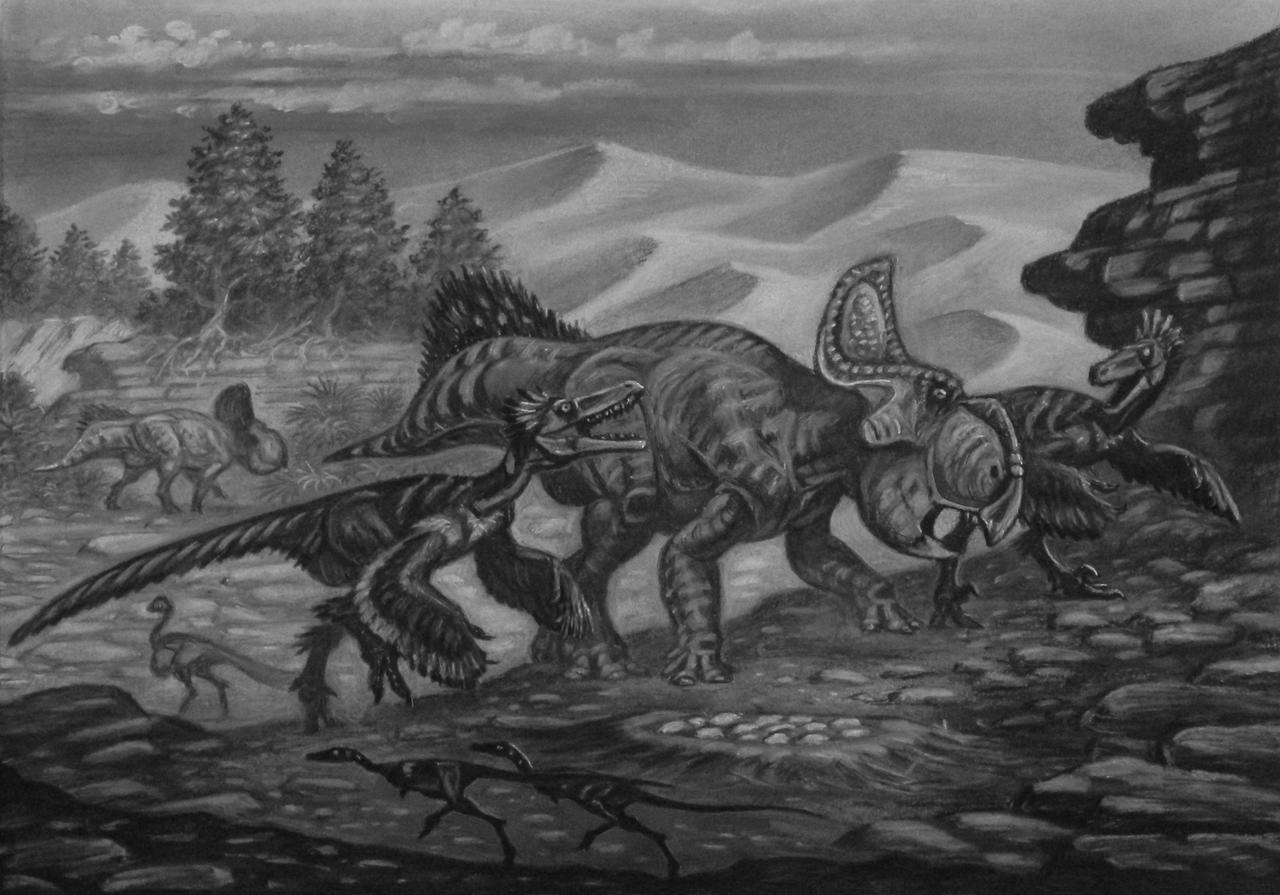
The Djadochta Formation (also spelled Djadokhta) is a late Campanian (~75-71 Ma) geological unit located in the Gobi Desert of Mongolia and northern China. It consists mainly of red aeolian sandstones deposited in dunes and semiarid alluvial plains. It is considered one of the most fossiliferous Cretaceous formations in Asia, having yielded Velociraptor mongoliensis, Protoceratops andrewsi, Shuvuuia deserti, Psittacosaurus, and numerous lizards, mammals, and invertebrates. The most famous localities are the Flaming Cliffs (Bayn Dzak), where the Third Central Asiatic Expedition discovered the first Oviraptor fossils in 1923.
Image gallery





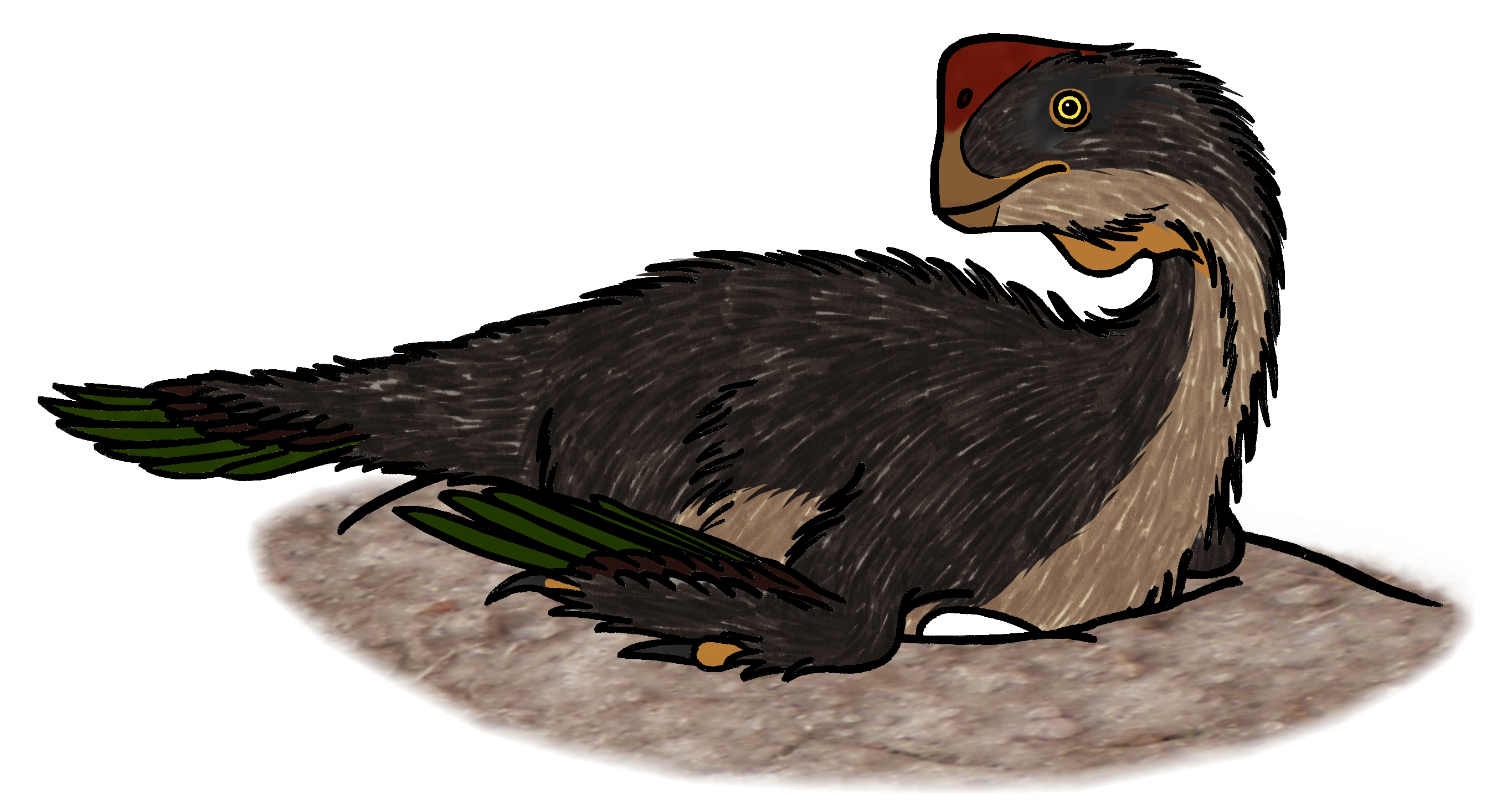
Life restoration of Oviraptor philoceratops by PaleoNeolitic (2021, CC BY 4.0), showing complete plumage, colorful cranial crest, and agile horizontal posture. This is one of the most up-to-date representations of the animal, incorporating feather evidence from close relatives.
PaleoNeolitic / Wikimedia Commons — CC BY 4.0
Ecology and behavior
Habitat
Oviraptor philoceratops inhabited the semiarid environment of the Djadochta Formation in the late Campanian (~75-71 Ma) of central Mongolia, corresponding to the present-day Gobi Desert. The paleosystem was characterized by sand dunes, intermittent alluvial plains, and sparse shrubs. The climate was seasonal, with dry and wet seasons. Protoceratops andrewsi was the dominant herbivore, alongside Velociraptor mongoliensis, Shuvuuia deserti, and various lizards and small mammals.
Feeding
Oviraptor was likely an opportunistic omnivore. The deep, robust toothless beak combined with powerful jaw muscles documented in close relatives like Citipati allowed crushing varied foods. The diet probably included fruits, seeds, tubers, small vertebrates, eggs, and invertebrates. Jaw morphology is more compatible with soft vegetation and moderately hard foods than with hard materials like shells or carapaces, as revised by Longrich et al. (2010).
Behavior and senses
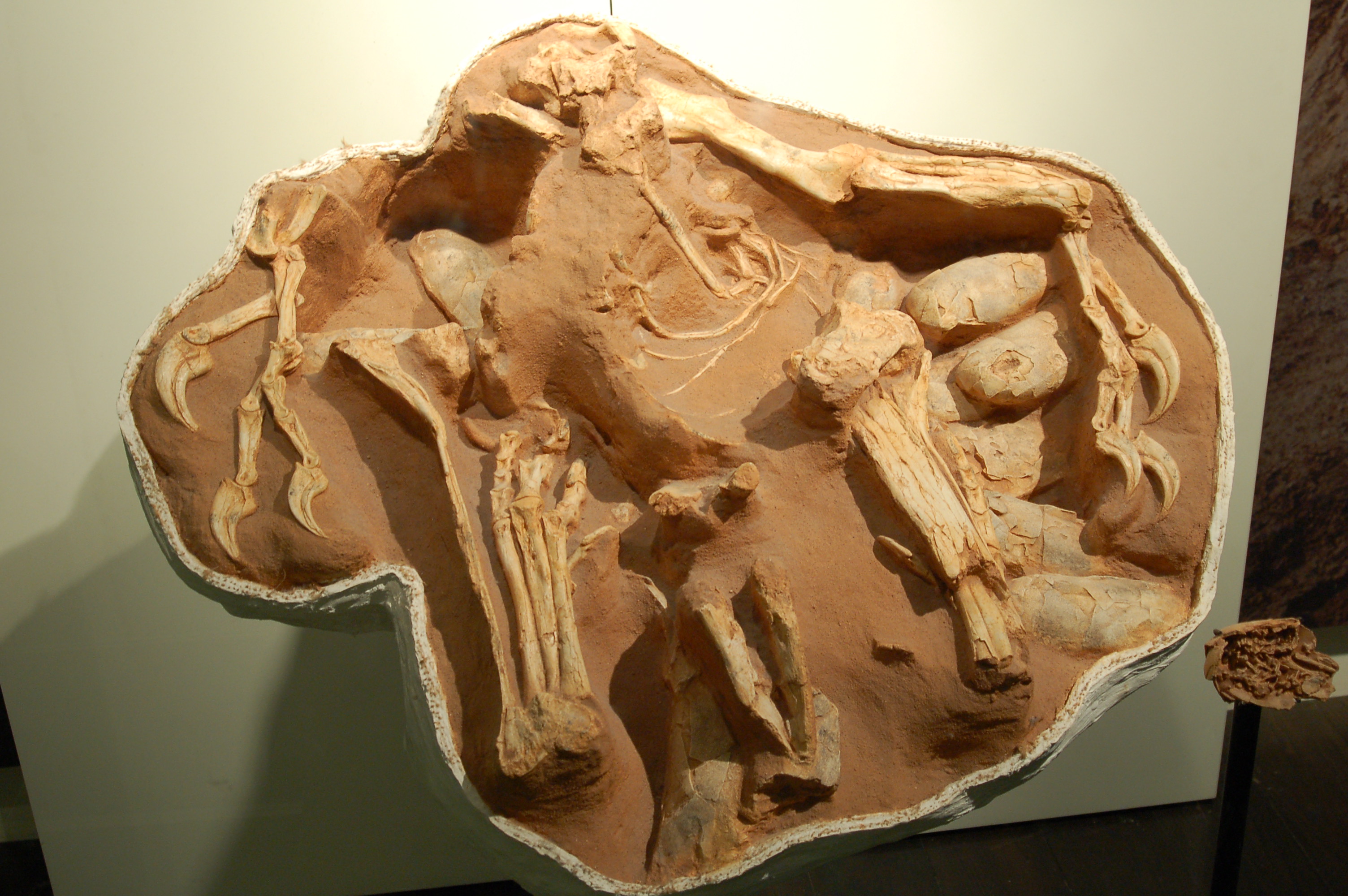
Oviraptor's reproductive behavior is the best documented among non-avian dinosaurs. The holotype was found over a nest of eggs in brooding posture, and evidence of multiple oviraptorosaurs in identical positions has been collected since. The feathered forelimbs were extended over the nest rim to protect the eggs, exactly like modern birds. Eggs were arranged in pairs in radial formation around a central empty space where the adult sat. This level of parental care implies sophisticated social behavior and possible vocalization for communication between partners.
Physiology and growth
Oviraptor was certainly endothermic (warm-blooded), as indicated by active brooding behavior — only animals with elevated metabolism can maintain egg temperature through their body. Osteohistological analysis of close relatives like Citipati and Oksoko reveals rapid growth with annual lines of arrested growth (LAGs), a pattern typical of modern birds and mammals. Body feathers and feathered forelimbs served for thermoregulation and possibly sexual display with the colorful crest.
Paleogeography
Continental configuration

Scotese & Vérard · CC BY 4.0 · Cretaceous, ~105 Ma
Fossil sites

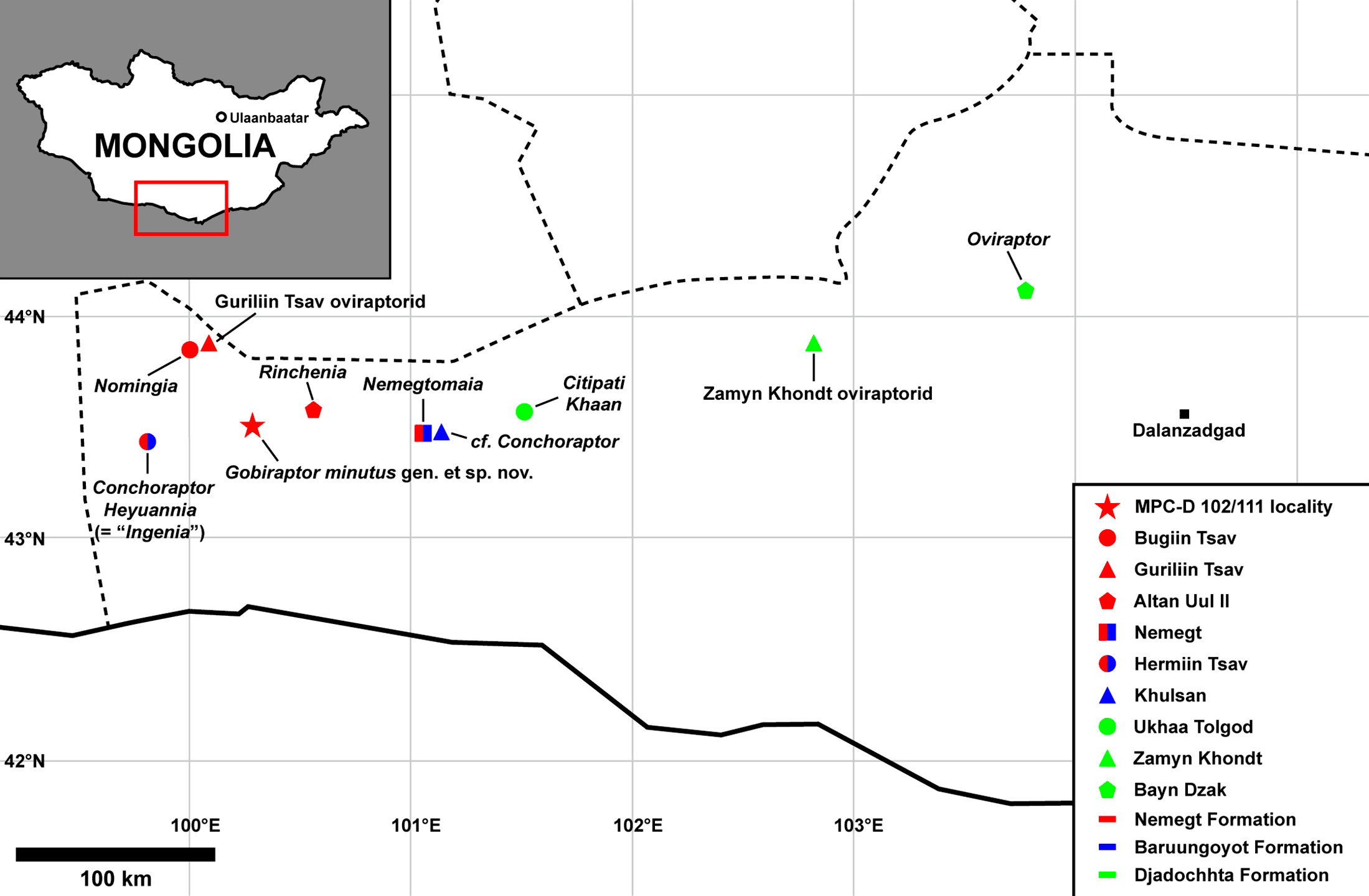
Tsogtbaatar et al. / PLOS ONE — CC BY 2.5
During the Campaniano (~75–71 Ma), Oviraptor philoceratops inhabited Laramidia, the western half of present-day North America, separated from the east by the Western Interior Seaway, a shallow sea dividing the continent. The continents were in very different positions: India was drifting toward Asia, Antarctica was still connected to Australia, and South America was an isolated island.
Bone Inventory
The holotype AMNH 6517 is a partial skeleton including skull, neck, shoulder, and forelimb, found in association with a nest of eggs. Additional material includes isolated eggs and postcranial fragments from other Djadochta Formation localities.
Found elements
Inferred elements
Scientific Literature
15 papers in chronological order — from the original description to recent research.
Three new Theropoda, Protoceratops zone, central Mongolia
Osborn, H.F. · American Museum Novitates
Founding paper naming and describing Oviraptor philoceratops based on holotype AMNH 6517, a partial skeleton found atop a nest of eggs initially attributed to Protoceratops. Osborn describes the shortened, deep skull, toothless beak, cranial crest, and general forelimb morphology. The mistaken interpretation that the animal was preying on ceratopsian eggs generated the 'egg thief' name and dominated paleontology for 70 years. The original work also describes Velociraptor mongoliensis and Saurornithoides mongoliensis from the same expedition. This paper is the mandatory starting point for any study of the species.

New light on the skull anatomy and systematic position of Oviraptor
Osmólska, H. · Nature
Fundamental work by Halszka Osmólska reassessing Oviraptor cranial anatomy from more completely prepared material. The analysis reveals previously unknown palatal and braincase details, clearly establishing Oviraptoridae as distinct from Ornithomimidae, with which it had frequently been confused. Osmólska documents the unique palatine processes, reduced infratemporal fenestrae, and mandible morphology that would become diagnostic for the group. This study redefined the systematic position of oviraptorids and directly influenced all subsequent phylogenetic analyses of the family.

Carnivorous dinosaurs from the Cretaceous of Mongolia
Barsbold, R. · Transactions of the Joint Soviet-Mongolian Paleontological Expedition
Comprehensive review by Rinchen Barsbold of Cretaceous carnivorous dinosaurs from Mongolia, establishing revised Oviraptoridae systematics. Barsbold describes new oviraptorid specimens and provides the most complete anatomical treatment of the group to date, including detailed postcranial description of several taxa. The work confirms Oviraptoridae as a cohesive family within Theropoda and establishes the synapomorphies uniting the group: toothless beak, pneumatized skull, elongated forelimbs, and characteristic pelvic morphology.
A theropod dinosaur embryo and the affinities of the Flaming Cliffs dinosaur eggs
Norell, M.A. et al. · Science
Revolutionary paper that exonerated Oviraptor after 70 years of ill repute. Norell and colleagues describe a theropod embryo found inside an egg from the Flaming Cliffs locality, Mongolia. Morphological analysis of the embryo reveals diagnostic oviraptorid characters, definitively proving that the eggs associated with the Oviraptor holotype belonged to the animal itself. The longstanding hypothesis that the specimen was stealing Protoceratops eggs was refuted: Oviraptor was brooding its own clutch when it was buried. This discovery, published in Science, revolutionized understanding of dinosaur reproductive behavior.

A nesting dinosaur
Norell, M.A. et al. · Nature
Norell and colleagues describe an adult oviraptorid specimen preserved in brooding posture atop a nest of eggs in the Gobi Desert. The animal was in the exact position an adult bird occupies when incubating: forelimbs spread symmetrically over the nest rim, body centered over the eggs. This brooding posture, identical to that of modern birds, confirms parental care behavior and establishes a direct behavioral link between non-avian dinosaurs and birds. Published in Nature, this paper is the second in a series progressively demonstrating that oviraptorosaurs were devoted parents with sophisticated reproductive behavior.

Cranial anatomy of Citipati osmolskae (Theropoda, Oviraptorosauria), and a reinterpretation of the holotype of Oviraptor philoceratops
Clark, J.M., Norell, M.A. & Rowe, T. · American Museum Novitates
Clark, Norell, and Rowe resolve a fundamental taxonomic confusion: for decades, the so-called Oviraptor brooding specimens, including 'Big Mama,' actually belonged to Citipati osmolskae, a distinct oviraptorid with a much larger crest. The study uses CT scanning of the Oviraptor philoceratops holotype to reveal the specimen is more fragmentary than thought, and that many anatomical characters attributed to Oviraptor were erroneously projected from Citipati. The paper redefined what we actually know about Oviraptor philoceratops anatomy versus what we infer from close relatives.


A new oviraptorosaur (Dinosauria: Oviraptorosauria) from the Late Cretaceous of southern China and its paleoecological implications
Lü, J. et al. · PLOS ONE
Lü and colleagues describe Nankangia jiangxiensis, a new oviraptorosaur from the Upper Cretaceous of China, based on partial skeletal remains. Phylogenetic analysis using a matrix of 42 taxa and 182 characters positions the new taxon among derived oviraptorosaurs, contributing to understanding of group diversification in Asia. The study discusses ecological partitioning among sympatric species: oviraptorosaurs with different jaw morphologies occupied distinct feeding niches.

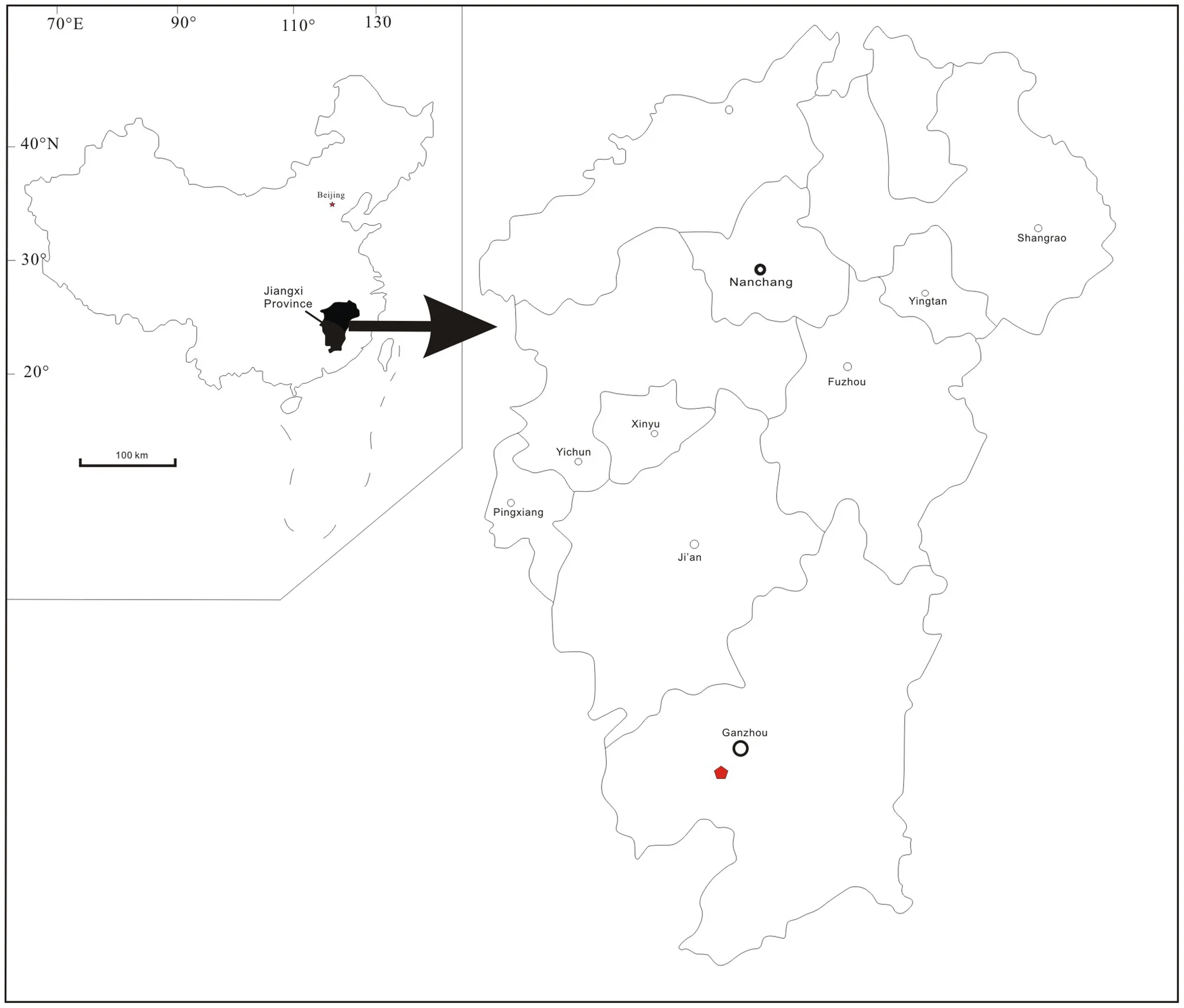
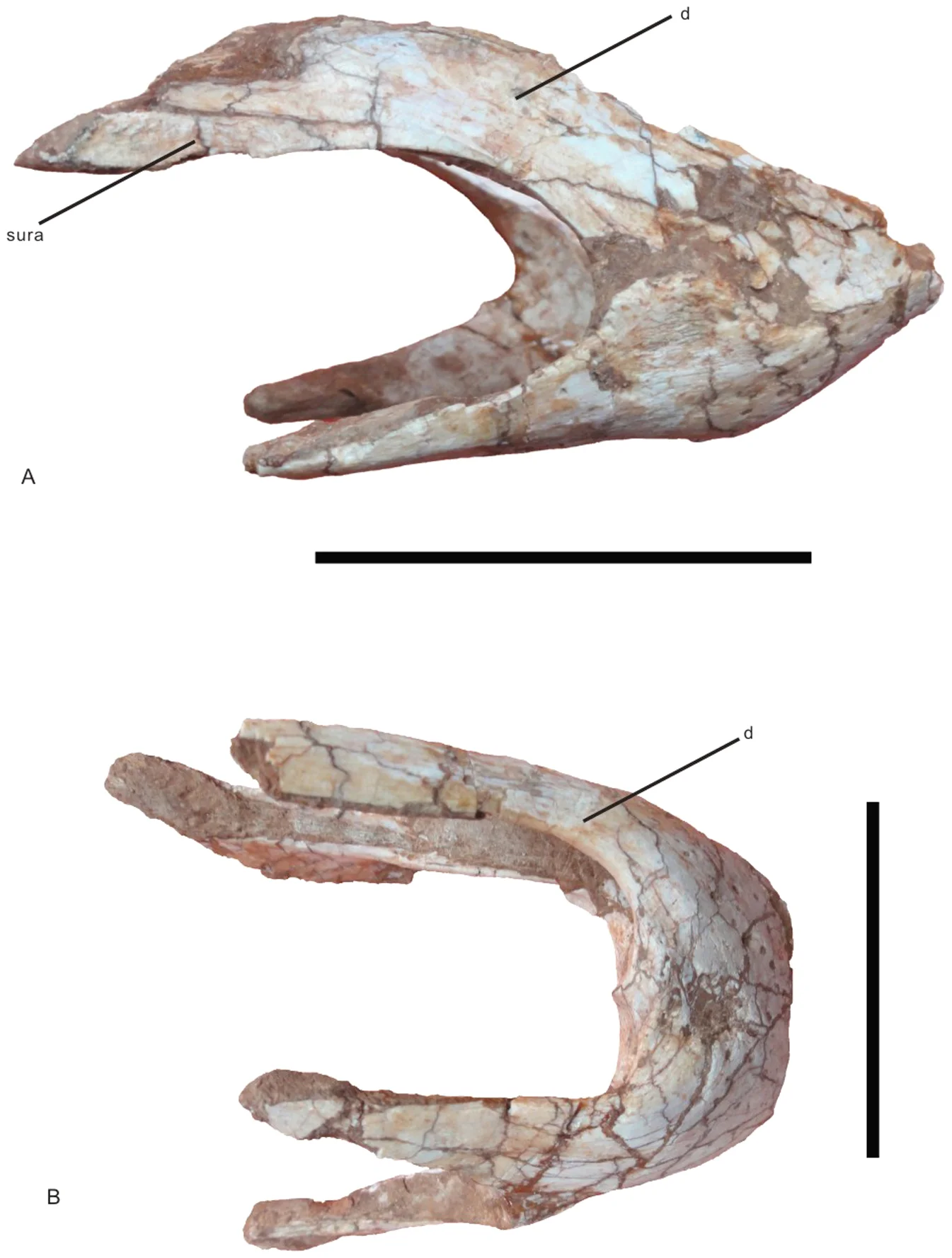
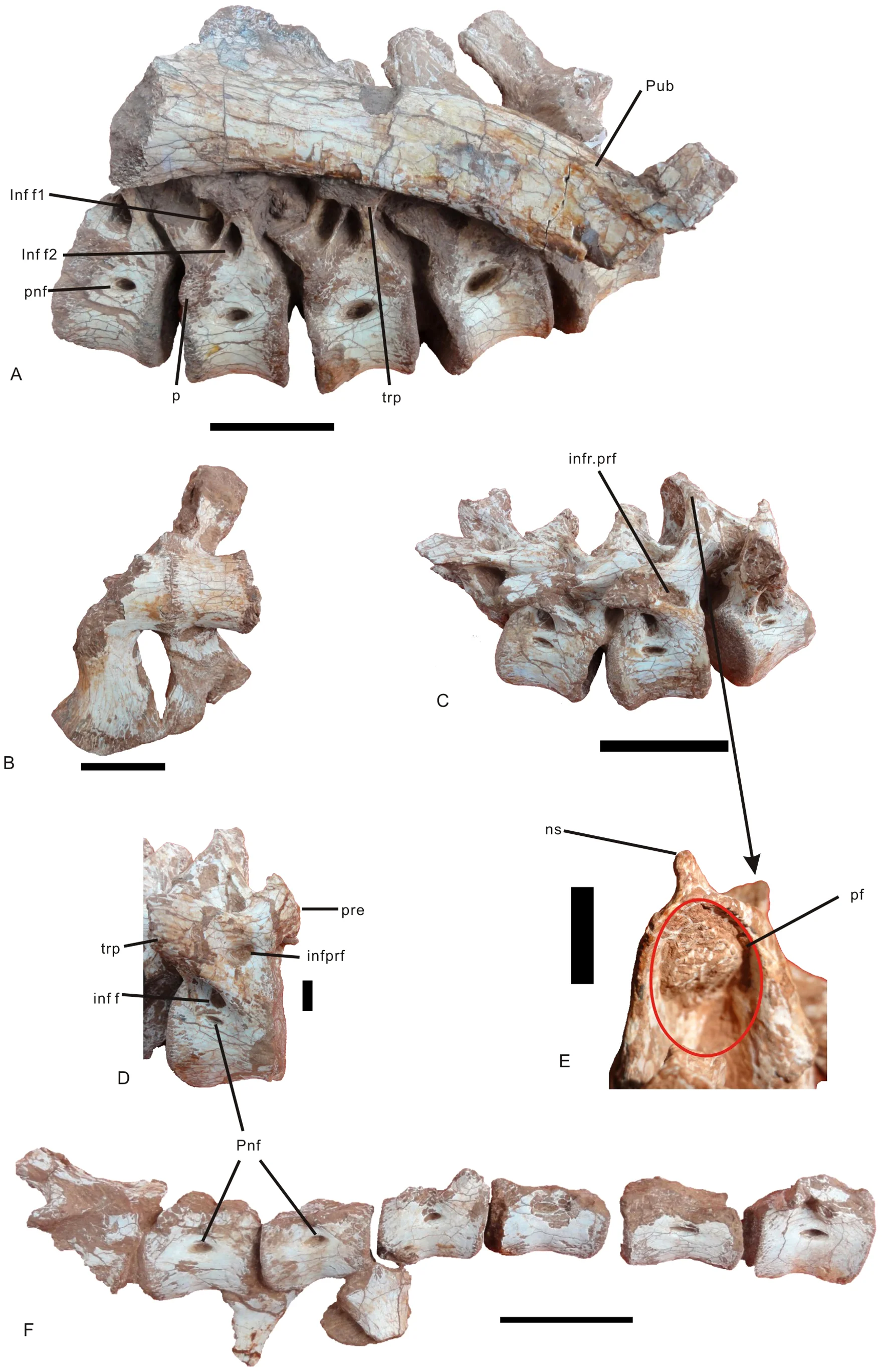
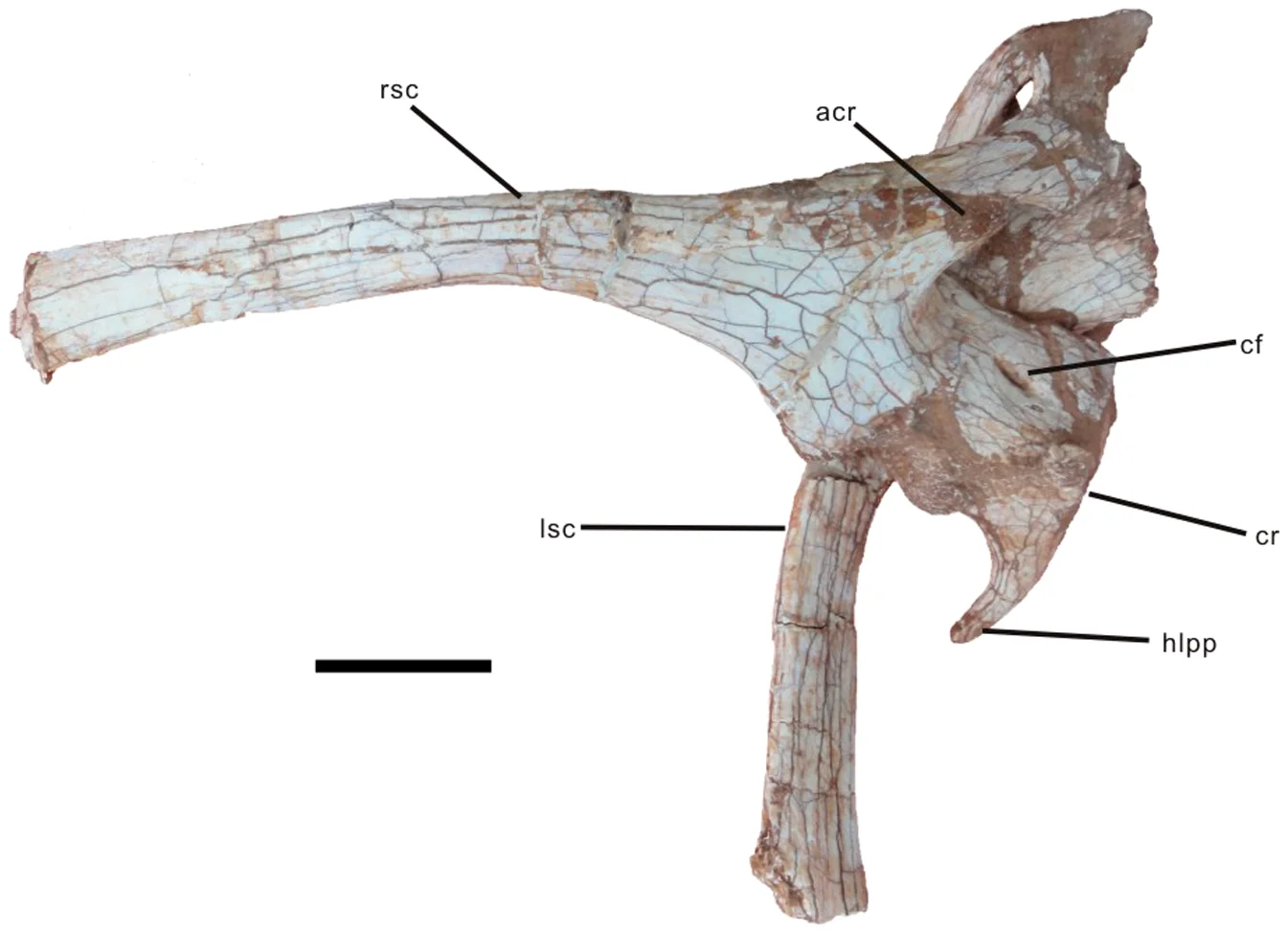
A new large-bodied oviraptorosaurian theropod dinosaur from the latest Cretaceous of western North America
Lamanna, M.C. et al. · PLOS ONE
Lamanna and colleagues describe Anzu wyliei, an enormous caenagnathid oviraptorosaurian from the Upper Cretaceous of the USA, nicknamed the 'chicken from hell.' The phylogenetic analysis confirms caenagnathid monophyly and clarifies relationships between the two major groups of North American and Asian oviraptorosaurs. The study positions Oviraptor within Oviraptoridae as distinct from Caenagnathidae, contributing to understanding of clade biogeography.
A new two-fingered dinosaur sheds light on the radiation of Oviraptorosauria
Funston, G.F. et al. · Royal Society Open Science
Funston and colleagues describe Oksoko avarsan, a new two-fingered oviraptorid from the Late Cretaceous of Mongolia. Phylogenetic analysis recovers Oviraptor as more basal than Citipati within Oviraptoridae, leading to the creation of the new clade Citipatiinae for the derived crested oviraptorids. This repositioning of Oviraptor as a more primitive Oviraptoridae member has implications for interpreting ancestral characters of the group. Osteohistological analysis reveals rapid early growth patterns consistent with endothermic metabolism.


A new baby oviraptorid dinosaur (Dinosauria: Theropoda) from the Upper Cretaceous Nemegt Formation of Mongolia
Lee, S. et al. · PLOS ONE
Lee and colleagues describe Gobiraptor minutus, a new baby oviraptorid from the Upper Cretaceous of Mongolia. Osteohistological analysis reveals the individual was juvenile at death, with mandible features suggesting specialized feeding on hard materials. Phylogenetic analysis using a 42-taxon, 257-character matrix positions Gobiraptor among derived oviraptorids and includes Oviraptor philoceratops as a basal group member. The study contributes to understanding oviraptorid diversity in the Nemegt Formation.
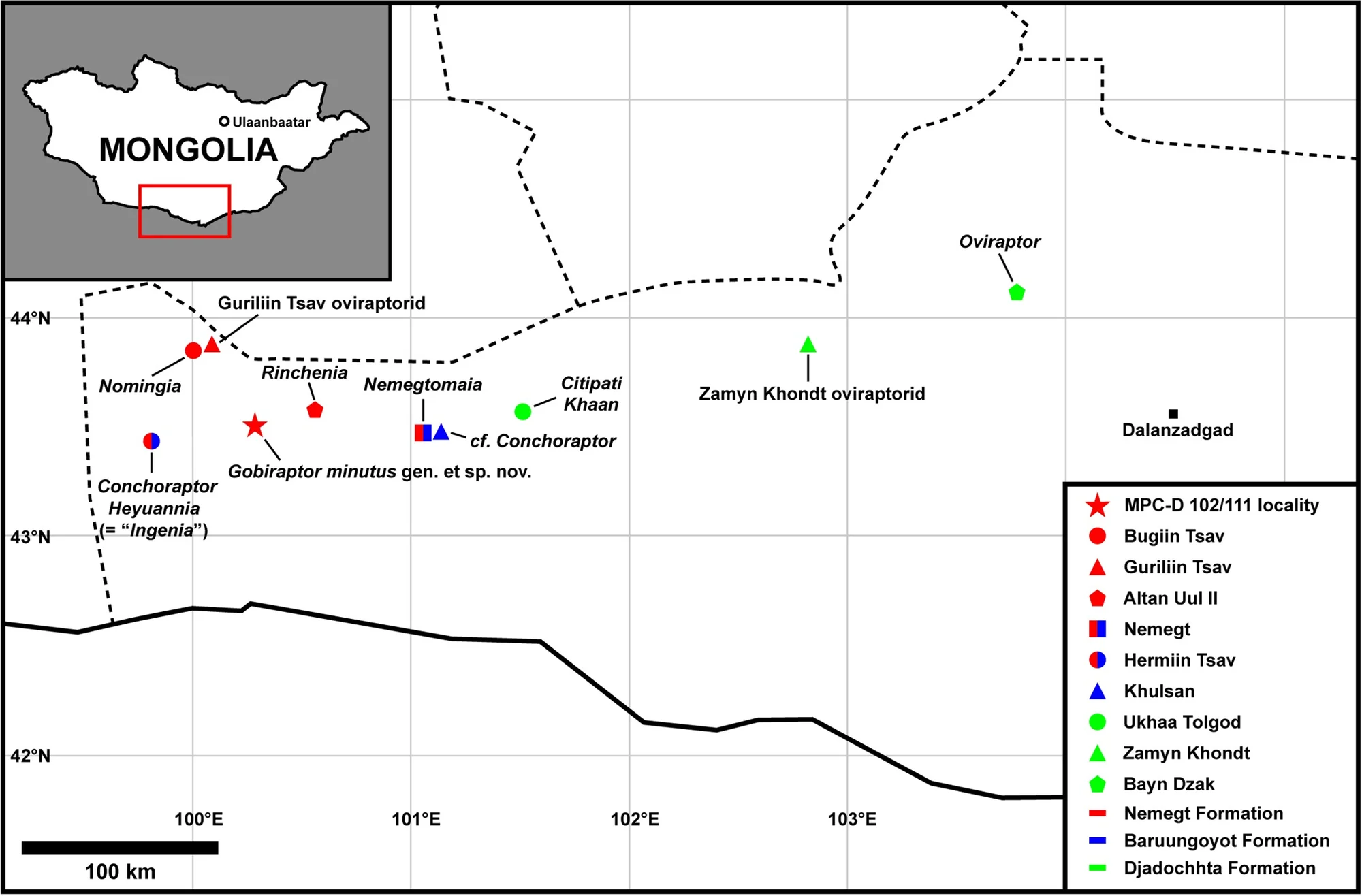
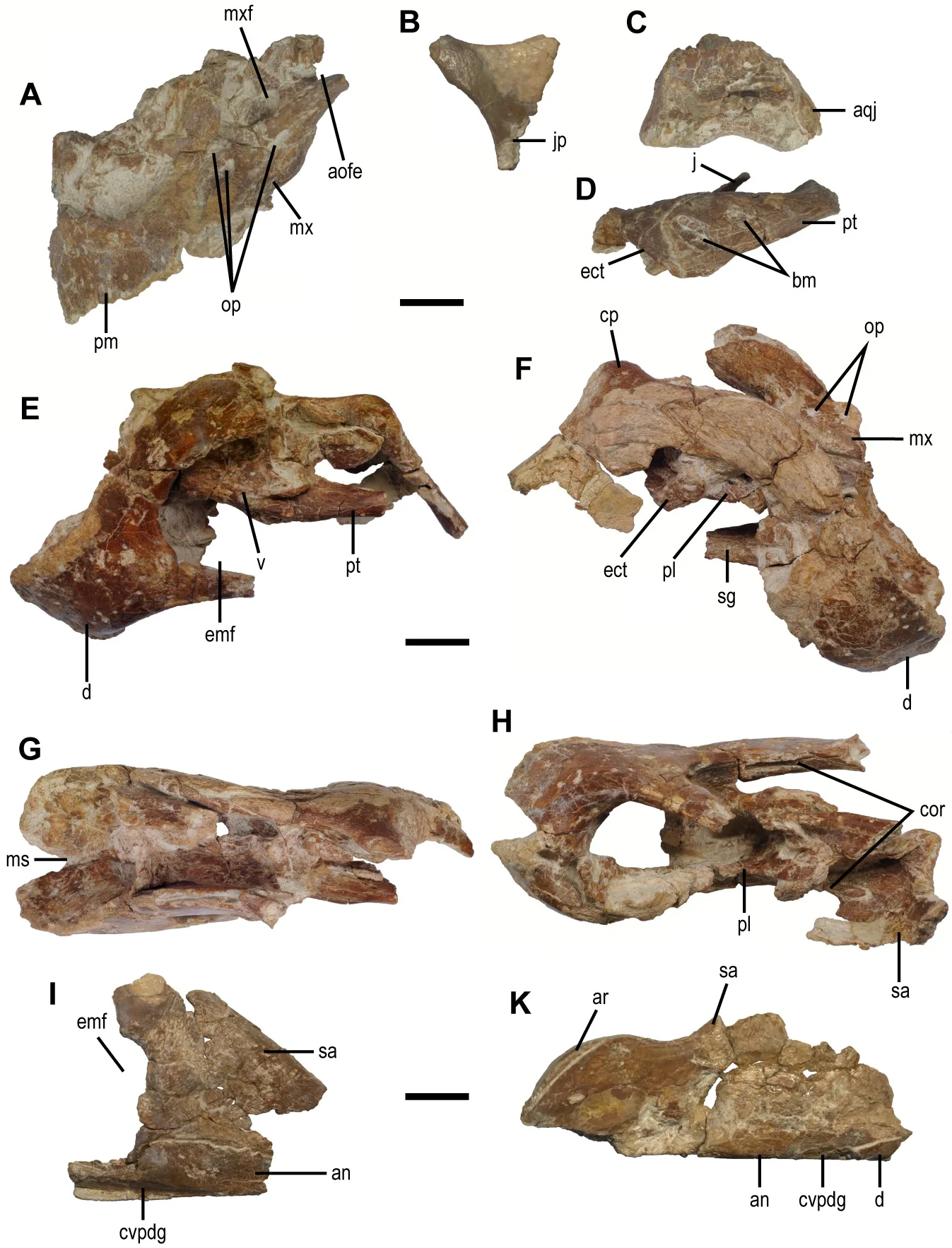
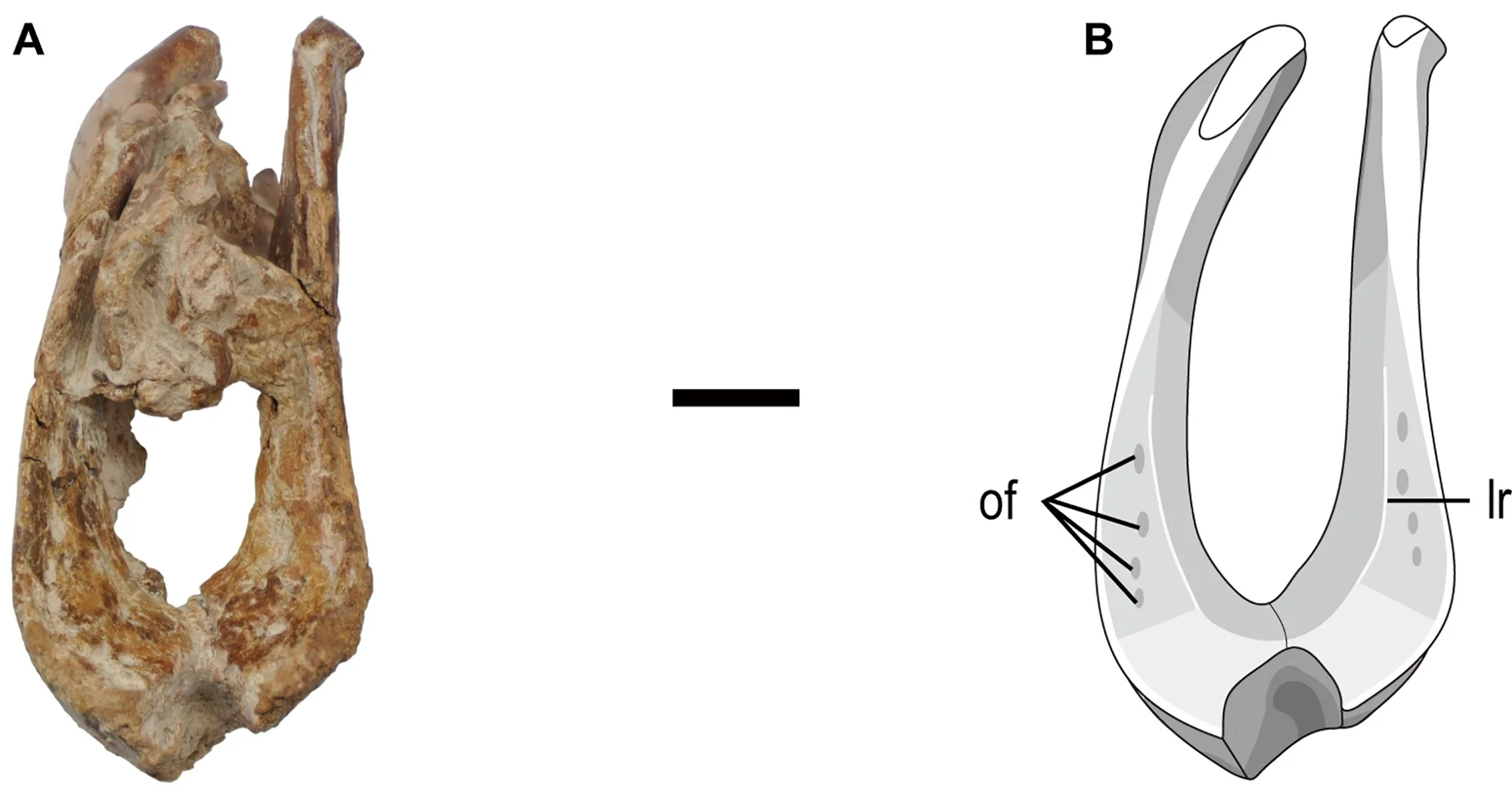
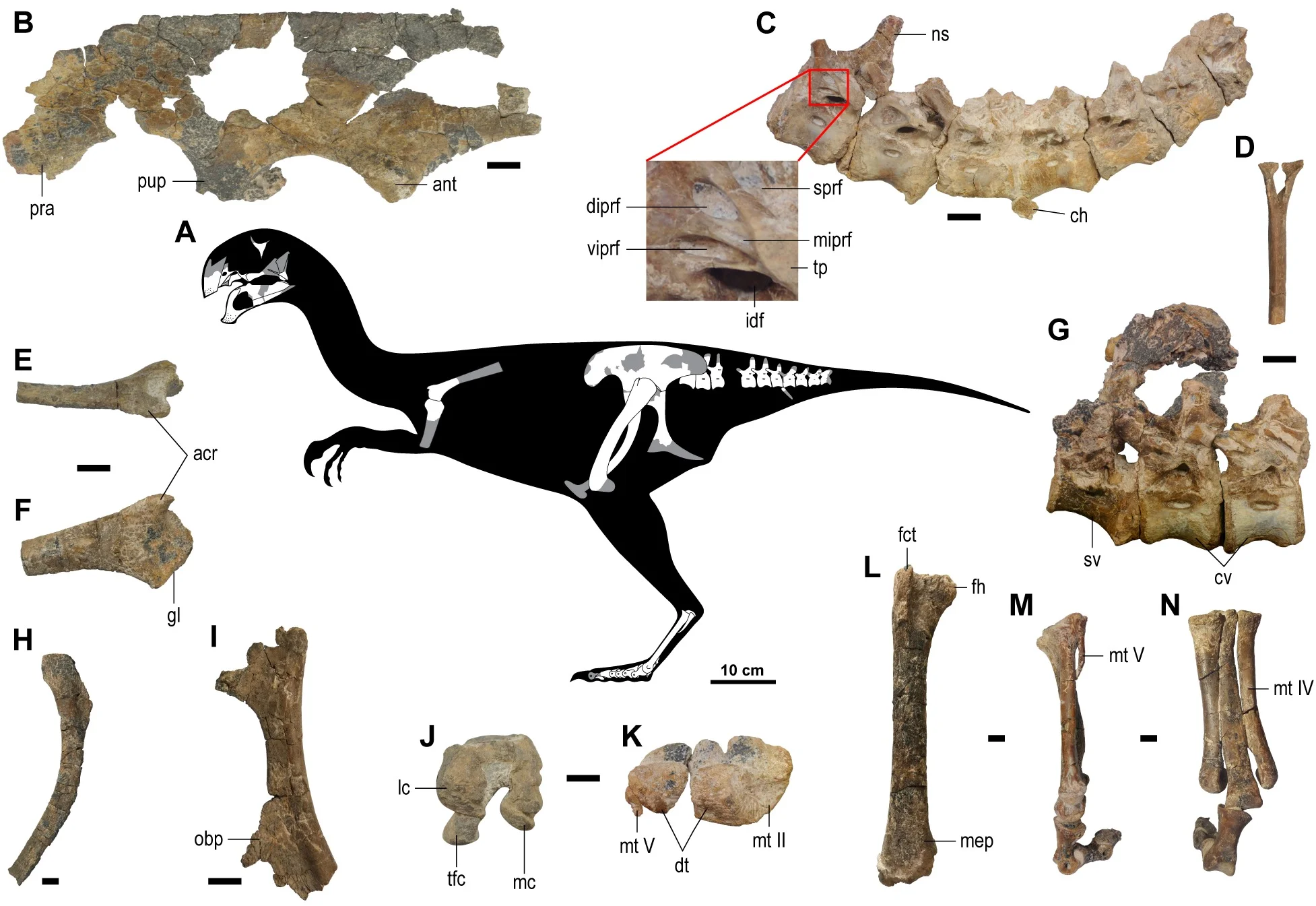
Toothless, 'cutting-edge' beaks in oviraptorid dinosaurs from the Late Cretaceous of Mongolia
Longrich, N.R. et al. · Proceedings of the Royal Society B
Longrich and colleagues reassess the durophagous hypothesis for oviraptorids, which proposed the robust beak was adapted for crushing mollusks or hard seeds. Detailed mandible morphology analysis and comparison with modern specialist birds indicates morphology is more compatible with soft plants, fruits, and tubers than hard materials. This dietary revision has direct implications for Oviraptor philoceratops, suggesting it was omnivorous or opportunistic herbivore.

Cranial muscle reconstructions quantify adaptation for high bite forces in Oviraptorosauria
Meade, L.E. & Ma, W. · Scientific Reports
Meade and Ma reconstruct oviraptorosaur cranial musculature using computational musculoskeletal modeling, focusing on Citipati osmolskae as representative oviraptorid. Results reveal surprisingly high bite force capacity relative to body size, greater than expected for a strict herbivore. Jaw gape angle and muscle strain pattern analysis indicates behavioral versatility in feeding, compatible with omnivorous diet. Data are directly applicable to Oviraptor philoceratops given its close relationship to Citipati.

Feather quill knobs in the dinosaur Velociraptor
Turner, A.H. et al. · Science
Turner and colleagues document feather quill knobs on the ulna of Velociraptor mongoliensis, confirming large secondary feathers in this Gobi Desert dromaeosaurid. Although focused on Velociraptor, the paper has direct implications for Oviraptor: both dinosaurs coexisted in the same geological formation (Djadochta), had similar size, and were close relatives within Maniraptora. The confirmed presence of elaborate plumage in Velociraptor is strong indirect evidence that Oviraptor philoceratops was also fully feathered.
Dinosaurs: A Concise Natural History
Fastovsky, D.E. & Weishampel, D.B. · Cambridge University Press
Fastovsky and Weishampel synthesize paleontological knowledge on oviraptorosaurs in a broad natural history context, covering ecology, behavior, and biogeography with special focus on the Djadochta Formation paleoenvironment. The chapter on reproductive behavior discusses implications of oviraptorosaur nesting discoveries for understanding dinosaur endothermy and avian origins. The synthesis covers probable diet (omnivorous), speculated social structure, and how parental behavior documented in Oviraptor is among the strongest evidence that non-avian dinosaurs shared complex behaviors with modern birds.

Reconstruction of oviraptorid clutches illuminates their unique nesting biology
Yang, T.-R. et al. · Acta Palaeontologica Polonica
Yang and colleagues analyze multiple complete oviraptorid egg clutches from the Upper Cretaceous of China to reconstruct nest architecture and incubation behavior. Analysis reveals eggs were arranged in pairs in radial formation around a central empty space, over which the adult positioned itself to brood. Comparison with modern birds and crocodilians shows oviraptorosaur nesting strategy was unique, combining active incubation features with crocodilian nest aspects, suggesting an evolutionary transition in reproductive behavior. Results have direct implications for interpreting the Oviraptor philoceratops holotype nest.


Famous museum specimens
AMNH 6517 (holótipo)
American Museum of Natural History, Nova York, EUA
The holotype of Oviraptor philoceratops, collected at the Flaming Cliffs (Bayn Dzak) of Mongolia in 1923. Includes partial skull, cervical vertebrae, shoulder and forelimb, found atop a nest of eggs (AMNH 6508). This is the specimen that generated the mistaken 'egg thief' name.
AMNH FR 6508 (ninho holótipo)
American Museum of Natural History, Nova York, EUA
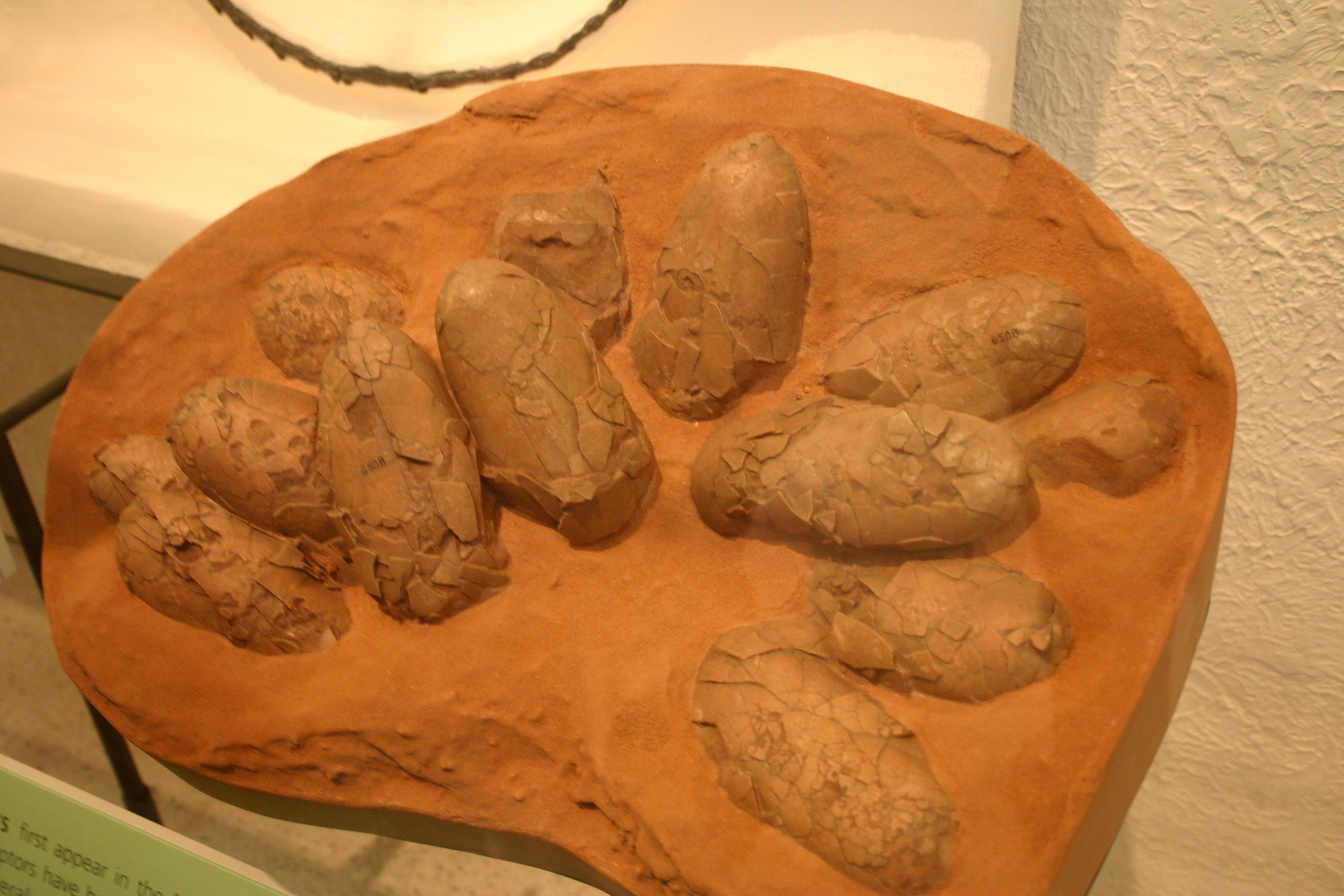
The egg nest associated with holotype AMNH 6517, initially attributed to Protoceratops and later confirmed as an oviraptorid nest. Contains elongatoolithid eggs arranged in double radial arrangement — the characteristic reproductive architecture of oviraptorosaurs.
Espécime 100/79-A (oviraptorídeo não nomeado)
Museu Natural de História da Mongólia, Ulaanbaatar
Partial skull of an unnamed oviraptorid in lateral view, from the Djadochta Formation. Preserves the characteristic cranial morphology of the group with typical crest and beak, contributing to understanding of morphological variation within Oviraptoridae.
In cinema and popular culture
Oviraptor philoceratops carries one of the most ironic narratives in paleontology's pop culture legacy: named the 'egg thief' in 1924, it spent decades as the Cretaceous villain, always depicted stealing Protoceratops eggs in books and scientific illustrations. When science exonerated it in 1994, popular culture was slow to follow. The BBC documentary Planet Dinosaur (2011) pioneered depicting the correct parental behavior with quality animation. Jurassic World: Dominion (2022) curiously perpetuated the outdated myth in the film's prologue, again placing the animal as an egg thief, despite its feathered visual design being the most accurate in the franchise to date. In animation, the character Ruby in The Land Before Time popularized oviraptorids for children worldwide as gentle and protective animals, reflecting, perhaps by accident, what science would discover about the species' actual parental behavior. Oviraptor's journey through pop culture mirrors the evolution of science itself: from scaly, malicious reptile to feathered, caring dinosaur.
Classification

Discovery
Fun fact
Oviraptor means 'egg thief' in Latin, but the animal was completely innocent: in 1924, Henry Fairfield Osborn found its skeleton atop a nest of eggs and concluded it was stealing Protoceratops eggs. Only 70 years later, in 1994, Mark Norell proved the eggs belonged to Oviraptor itself — the animal was being an exemplary parent, brooding its offspring, when it was buried by a sandstorm.
Last reviewed: April 24, 2026