Minmi
Minmi paravertebra
"From Minmi, with lateral vertebrae (paravertebrae)"
About this species
Minmi paravertebra was a small ankylosaur from the Early Cretaceous of Australia, only 3 meters long and weighing around 300 kg. Its most distinctive feature is the paravertebrae: horizontally oriented ossified plates running along the sides of the vertebrae, a structure unique among armored dinosaurs. It was the first thyreophoran discovered in the Southern Hemisphere. A remarkable specimen preserved intact stomach contents, including plant fragments, seeds, and angiosperm fruits, offering a rare window into the diet and ecology of these animals over 110 million years ago.
Geological formation & environment
The Bungil Formation, formerly known as the Wallumbilla Formation, is located in the Surat Basin, Queensland, Australia. It dates from the Valanginian to Aptian (133 to 120 Ma). It is composed primarily of siltstones and mudstones with intercalated sandstone and thin coal seams, indicating low-energy environments such as floodplains, shallow lagoons, and coastal transition zones. The formation has preserved both the Minmi paravertebra holotype and material of other Australian Cretaceous vertebrates. The coal seams reflect abundant vegetation in humid high-latitude environments, with Australia close to the Antarctic Circle.
Image gallery
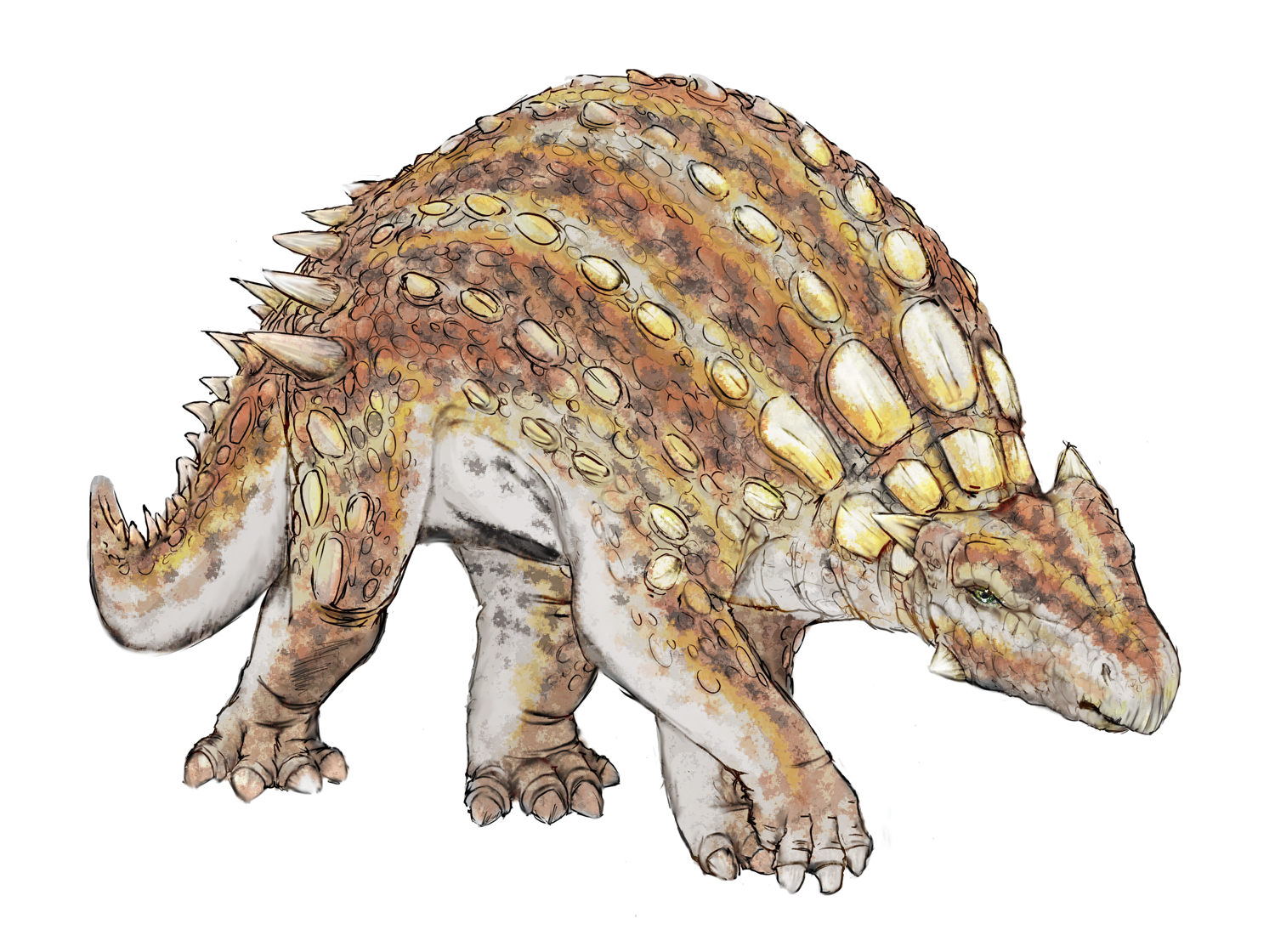


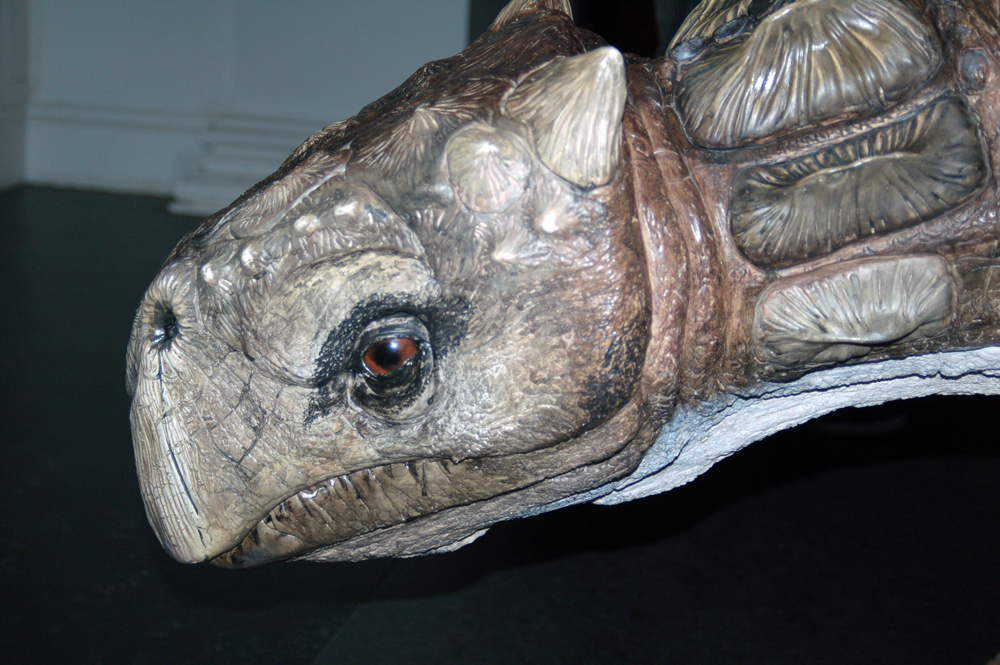


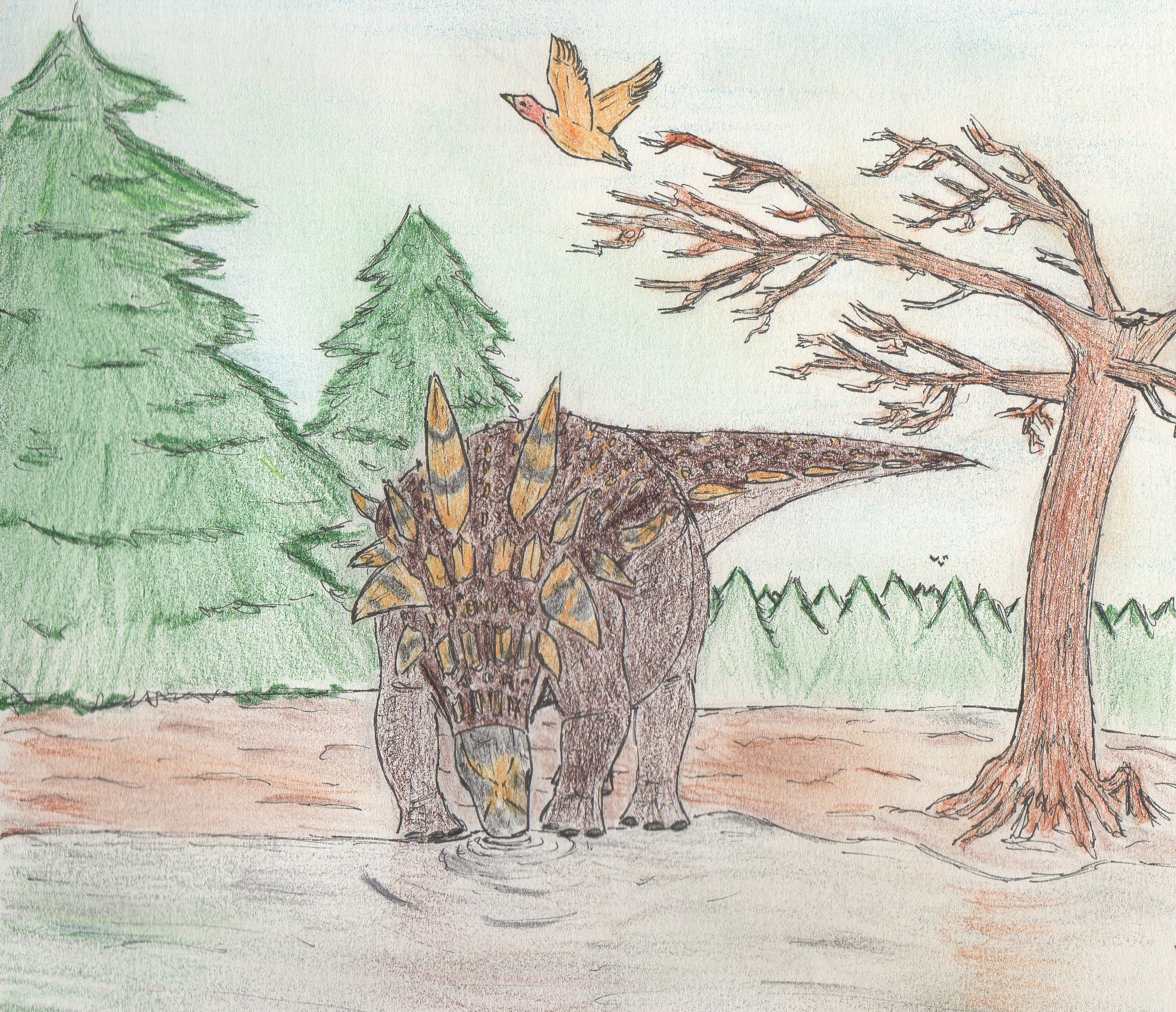
Reconstruction of Minmi paravertebra by Mariana Ruiz (LadyofHats), depicting the small ankylosaur with its armor plates and proportionally long limbs relative to its body.
Mariana Ruiz (LadyofHats), domínio público
Ecology and behavior
Habitat
Minmi paravertebra inhabited coastal and lacustrine environments of the Early Cretaceous of Australia, approximately 119 to 113 million years ago. The Bungil Formation represents a sequence of siltstones, mudstones, and sandstones with coal, indicating low-energy environments including floodplains, lagoons, and wetlands. Aptian Australia was at higher latitudes than today, close to the Antarctic Circle, with well-marked seasons and periods of polar darkness. The flora included ferns, conifers, cycads, and the earliest angiosperms.
Feeding
Direct dietary evidence comes from the preserved stomach contents of specimen QM F1801 (Kunbarrasaurus, but likely similar to Minmi): plant fragments 0.6–2.7 mm, seeds 0.3 mm, and angiosperm fruiting bodies 4.5 mm. Minmi was a low-grazing herbivore, consuming ground-level plants such as herbaceous angiosperms, ferns, and possibly mosses. With relatively long limbs for an ankylosaur, it could access vegetation at different heights, but likely concentrated on plants below 50 cm from the ground.
Behavior and senses
Minmi's behavior is inferred from indirect evidence. The small size and extensive armor suggest a solitary animal or one living in small groups, relying on passive armor as the primary defense against predators such as spinosaurids and other theropods of Cretaceous Australia. Unlike advanced ankylosaurids, Minmi did not possess the tail club used as an active weapon. Its low-grazing feeding behavior likely involved slow movement through the low-growing vegetation of floodplains.
Physiology and growth
With proportionally longer limbs than other ankylosaurs, Minmi may have been more agile than its heavily armored Northern Hemisphere relatives. The paravertebrae, unique horizontal bony structures, likely increased trunk rigidity without adding excessive weight. The ventral armor, unusual among ankylosaurs, suggests adaptation to predators attacking from below, such as aquatic crocodylomorphs in the lacustrine environments Minmi frequented. As an ornithischian dinosaur, it probably had an intermediate metabolism between modern birds and reptiles.
Paleogeography
Continental configuration

Scotese & Vérard · CC BY 4.0 · Cretaceous, ~105 Ma
Fossil sites
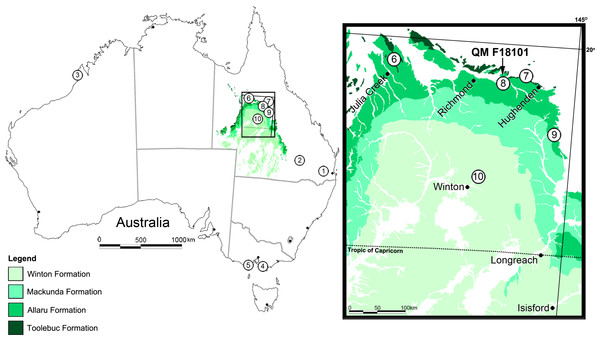
Leahey et al. 2015, PeerJ, CC BY 4.0
During the Aptiano (~119–113 Ma), Minmi paravertebra inhabited Laramidia, the western half of present-day North America, separated from the east by the Western Interior Seaway, a shallow sea dividing the continent. The continents were in very different positions: India was drifting toward Asia, Antarctica was still connected to Australia, and South America was an isolated island.
Bone Inventory
The holotype QM F10329 consists of eleven dorsal vertebrae, ribs, a right hindlimb, and ventral armor plates, lacking a skull. Additional specimens (QM F33286, QM F33565, QM F33566, QM F119849) provide supplementary material, including a left foot described in 2023. Specimen QM F1801, previously referred to as Minmi sp., was reclassified as Kunbarrasaurus ieversi in 2015.
Found elements
Inferred elements
Scientific Literature
15 papers in chronological order — from the original description to recent research.
An ankylosaur (Ornithischia: Reptilia) from the Lower Cretaceous of southern Queensland
Molnar, R.E. · Memoirs of the Queensland Museum
Molnar's (1980) founding paper formally describes and names Minmi paravertebra based on holotype specimen QM F10329, collected near Roma, Queensland. The generic name refers to Minmi Crossing, the find locality, while the specific name alludes to the paravertebrae: horizontally oriented ossified plates running laterally along the dorsal vertebrae, a structure previously unknown in any dinosaur. Molnar identifies the animal as a small ornithischian ankylosaur, noting the absence of a skull in the holotype. This was the first thyreophoran formally described from the Southern Hemisphere, marking the beginning of the Australian armored dinosaur record.


The paravertebral elements of the Australian ankylosaur Minmi (Reptilia: Ornithischia, Cretaceous)
Molnar, R.E. & Frey, E. · Neues Jahrbuch für Geologie und Paläontologie, Abhandlungen
Molnar & Frey deepen the analysis of Minmi's paravertebrae, the horizontal bony elements lateral to the vertebrae that gave the animal its name. The paper provides detailed morphological description, comparing them with ossified tendons in other ornithischians. The authors conclude the paravertebrae are unique in morphology and anatomical position: unlike the longitudinally oriented ossified tendons of hadrosaurs and iguanodonts, Minmi's paravertebrae project horizontally to the flanks. This arrangement suggests a function of lateral support for the vertebral column, possibly increasing trunk rigidity. This is the most detailed anatomical study of the species' diagnostic structures.

Preliminary report on a new ankylosaur from the Early Cretaceous of Queensland, Australia
Molnar, R.E. · Memoirs of the Queensland Museum
Molnar provides a preliminary description of specimen QM F1801, a nearly complete skeleton with preserved skull, provisionally referred to as Minmi sp. The material was found at Marathon Station, Queensland in 1989. At approximately 95% completeness, it represented at the time the most complete ankylosaur from Gondwana. The specimen includes articulated armor, a well-preserved skull, and stomach contents. Molnar notes differences from the Minmi paravertebra holotype and acknowledges the material may belong to a different genus, which would only be confirmed in 2015 by Leahey et al., when the animal was renamed Kunbarrasaurus ieversi.

Gut Contents of a Small Ankylosaur
Molnar, R.E. & Clifford, H.T. · Journal of Vertebrate Paleontology
Molnar & Clifford analyze preserved stomach contents from specimen QM F1801 (then referred to as Minmi sp., now Kunbarrasaurus), an extraordinarily rare find in paleontology: direct evidence of what the animal ate. Contents include plant fragments 0.6–2.7 mm in size, seeds 0.3 mm, and angiosperm fruiting bodies 4.5 mm. The authors conclude the animal was a low-level grazer, consuming low-growing herbaceous plants, ferns, and flowering plants close to the ground. This is one of the first direct demonstrations of ankylosaur diet and the first evidence of angiosperm consumption by a Gondwanan armored dinosaur.
Phylogeny of the ankylosaurian dinosaurs (Ornithischia: Thyreophora)
Thompson, R.S., Parish, J.C., Maidment, S.C.R. & Barrett, P.M. · Journal of Systematic Palaeontology
Thompson et al. perform a comprehensive phylogenetic analysis of ankylosaurs using 44 taxa and 110 morphological characters. Minmi paravertebra is recovered as a basal ankylosaurian outside both major recognized clades: Ankylosauridae (with tail club) and Nodosauridae (without tail club). This basal position is consistent with the presence of primitive features, such as the paravertebrae, absent in advanced ankylosaurids and nodosaurids. The work proposes revised diagnoses for major clades and serves as the standard phylogenetic reference for subsequent Mesozoic ankylosaur studies.

Cranial osteology of the ankylosaurian dinosaur formerly known as Minmi sp. (Ornithischia: Thyreophora) from the Lower Cretaceous Allaru Mudstone of Richmond, Queensland, Australia
Leahey, L.G., Molnar, R.E., Carpenter, K., Witmer, L.M. & Salisbury, S.W. · PeerJ
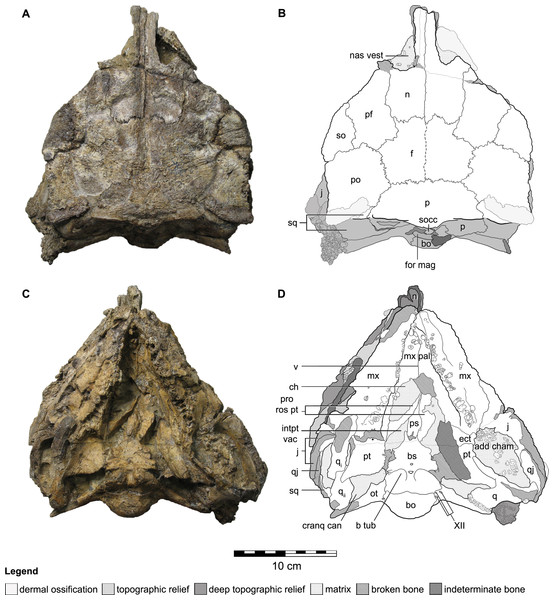
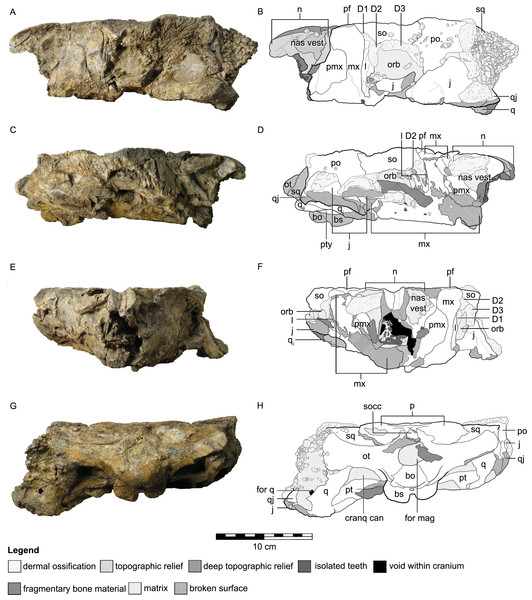
Leahey et al. provide detailed description of the cranial osteology of specimen QM F18101, previously referred to as Minmi sp., using CT scanning to reveal internal nasal cavity and endocranium anatomy. Phylogenetic analysis demonstrates the material differs sufficiently from Minmi paravertebra to justify a new genus and species: Kunbarrasaurus ieversi gen. et sp. nov. The paper also presents a locality map of Australian thyreophorans. The reclassification clarifies that Minmi paravertebra is known only from the postcranial holotype QM F10329, and that the Australian ankylosaur record is represented by at least two distinct genera.
Systematics, phylogeny and palaeobiogeography of the ankylosaurid dinosaurs
Arbour, V.M. & Currie, P.J. · Journal of Systematic Palaeontology
Arbour & Currie perform a comprehensive systematic revision of ankylosaurid dinosaurs with high-resolution phylogenetic analysis. Minmi paravertebra, positioned outside Ankylosauridae sensu stricto, is used as a reference to calibrate diagnostic characters. Biogeographic analysis discusses dispersal patterns between Laurasia and Gondwana during the Cretaceous, explaining how ankylosaur lineages reached Australia. The work revises diagnoses of all major clades and presents the most complete global distribution map to date. It provides the fundamental phylogenetic framework for understanding Minmi's position among ankylosaurs.

First evidence of ankylosaurian dinosaurs (Ornithischia: Thyreophora) from the mid-Cretaceous (late Albian-Cenomanian) Winton Formation of Queensland, Australia
Leahey, L.G. & Salisbury, S.W. · Alcheringa: An Australasian Journal of Palaeontology
Leahey & Salisbury describe new ankylosaur evidence from the Winton Formation of Queensland, extending the Australian armored dinosaur record into the mid-Cretaceous (late Albian to Cenomanian). The material was found after the Minmi record in the Bungil Formation (Aptian) and demonstrates ankylosaurs persisted in Australia for at least 20 million years after Minmi. The specimen cannot be confidently referred to any known genus, suggesting greater ankylosaur diversity in Australia than the fossil record currently indicates.
Ornithischian remains from the Chorrillo Formation (Upper Cretaceous), southern Patagonia, Argentina, and their implications on ornithischian paleobiogeography in the Southern Hemisphere
Rozadilla, S., Novas, F.E., Agnolín, F., Manabe, M. & Tsuihiji, T. · Cretaceous Research
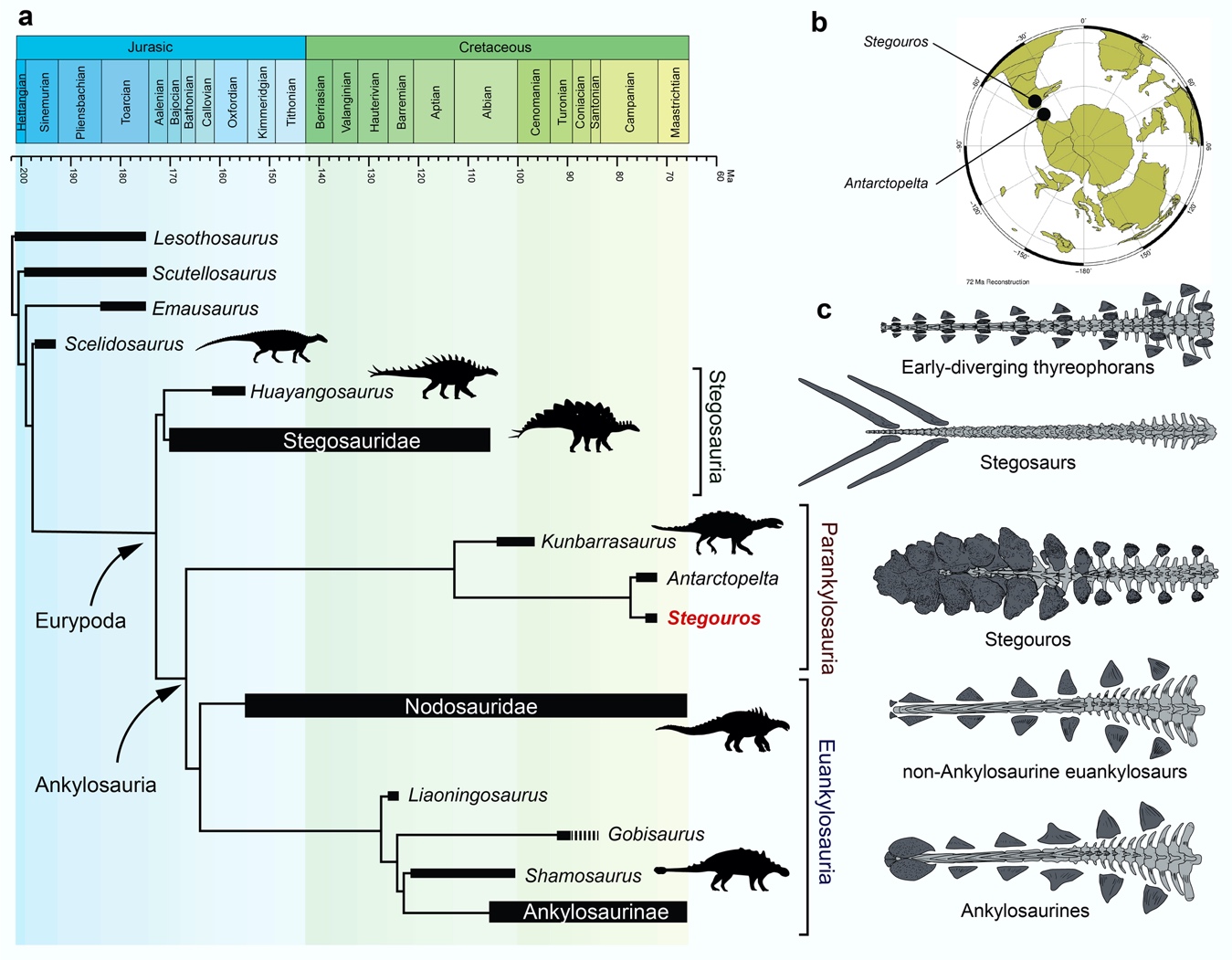
Rozadilla et al. describe ornithischian remains from the Upper Cretaceous of Patagonia and analyze them in a Southern Hemisphere biogeographic context. Phylogenetic analysis recovers these specimens within Parankylosauria, the basal ankylosaur clade that includes Australian taxa Minmi paravertebra and Kunbarrasaurus ieversi. The study demonstrates that Parankylosauria was distributed across Gondwana, with representatives in Australia, Argentina, and Antarctica, suggesting the lineage diversified early in Gondwanan history. This context expands the understanding of Minmi's position as a member of the Gondwanan parankylosaur group.

The phylogenetic relationships and evolutionary history of the armoured dinosaurs (Ornithischia: Thyreophora)
Raven, T.J., Barrett, P.M., Joyce, C.B. & Maidment, S.C.R. · Journal of Systematic Palaeontology
Raven et al. publish the most comprehensive phylogenetic analysis of Thyreophora through 2023, with 107 taxa and 369 characters. Minmi paravertebra is recovered within Parankylosauria as a basal member, integrated into the Gondwanan clade. The work resolves deep-level relationships between Stegosauria and Ankylosauria, and proposes revised higher-level taxonomy. Minmi's position in the cladogram confirms its importance as one of the earliest and most basal representatives of Parankylosauria, with implications for Southern Hemisphere Cretaceous biogeography.

New specimens of Minmi paravertebra (Dinosauria: Thyreophora) from the Lower Cretaceous Bungil Formation of Queensland, Australia
Poropat, S.F., Bell, P.R., Hart, L.J., Salisbury, S.W. & Kear, B.P. · Alcheringa: An Australasian Journal of Palaeontology
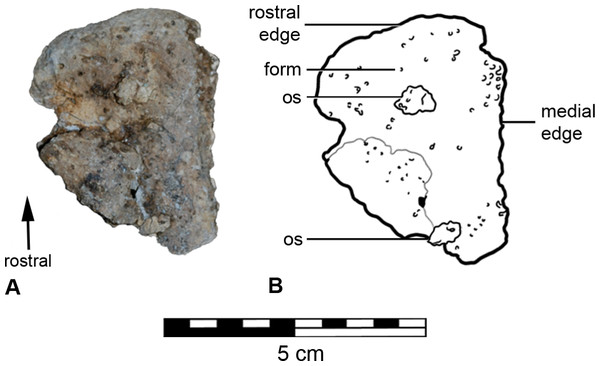
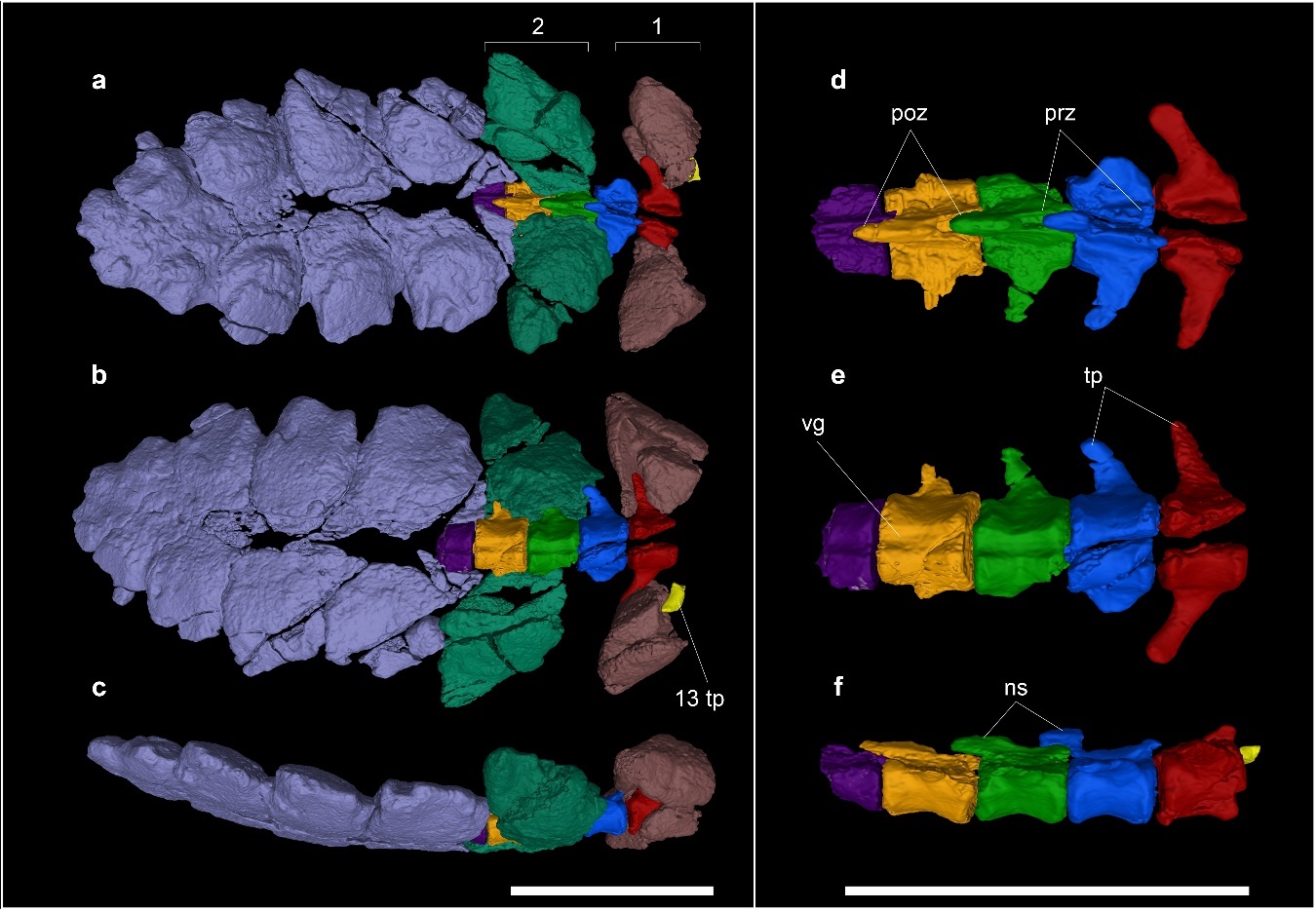
Poropat et al. describe new specimens of Minmi paravertebra from the Bungil Formation, Queensland: QM F33286, QM F33565, QM F33566, and QM F119849. The material includes a left foot in plantar view (scale 2 cm), significantly expanding knowledge of the postcranial anatomy of this species, previously known mainly from the holotype. The work provides the most detailed osteological descriptions of Minmi paravertebra in over four decades since Molnar's (1980) original description, becoming the updated anatomical reference for the species.

A comprehensive phylogenetic analysis on early ornithischian evolution
Fonseca, A.O., Reid, I.J., Venner, A., Duncan, R.J., Garcia, M.S. & Müller, R.T. · Journal of Systematic Palaeontology
Fonseca et al. perform a comprehensive phylogenetic analysis of early ornithischian evolution, including basal thyreophorans. Minmi paravertebra is analyzed within the ornithischian framework, contributing to understanding of the initial diversification of armored dinosaurs in Gondwana. The work examines relationships between early thyreophorans and more derived ankylosaurs, positioning Minmi as a link between Gondwanan forms and Laurasian lineages. It provides relevant data on biogeography and divergence timing of parankylosaurs.


The Basal Nodosaurid Ankylosaur Europelta carbonensis n. gen., n. sp. from the Lower Cretaceous (Lower Albian) Escucha Formation of Northeastern Spain
Kirkland, J.I., Alcalá, L., Loewen, M.A., Espílez, E., Mampel, L. & Wiersma, J.P. · PLOS ONE
Kirkland et al. describe Europelta carbonensis, a new basal nodosaurid from the Early Cretaceous of Spain, with a complete phylogenetic analysis of ankylosaurs. Minmi paravertebra is included in the comparative phylogenetic matrix as a basal ankylosaurian outgroup. The work establishes the Struthiosaurinae clade for European nodosaurids. The analysis places Minmi outside the derived clades Ankylosauridae and Nodosauridae, consistent with its status as a basal Gondwanan ankylosaur. Published in PLOS ONE, the work includes a distribution map of nodosaurids and polacanthids that documents the biogeography of the group.

A new southern Laramidian ankylosaurid, Akainacephalus johnsoni gen. et sp. nov., from the upper Campanian Kaiparowits Formation of southern Utah, USA
Wiersma, J.P. & Irmis, R.B. · PeerJ
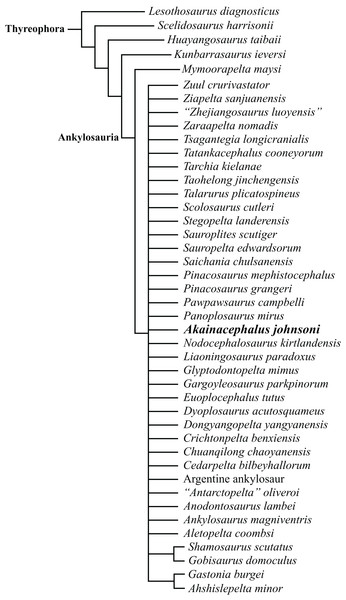
Wiersma & Irmis describe Akainacephalus johnsoni, a new ankylosaurid from the Kaiparowits Formation of Utah, and perform a comprehensive ankylosaurid phylogenetic analysis using the Arbour & Evans (2017) character matrix. Minmi paravertebra is included as a basal outgroup. The published cladograms (Figures available on Wikimedia Commons) represent the strict consensus of 1990 equally most parsimonious trees, placing Minmi outside the derived Ankylosauridae clades. The analysis demonstrates that many North American Campanian ankylosaurids have Asian origin via Beringia.
New remains of the armored dinosaur Patagopelta cristata Riguetti et al. 2022 (Ornithischia, Parankylosauria) from the Late Cretaceous of Patagonia, Argentina
Agnolín, F.L., Rozadilla, S., García Marsà, J., Álvarez Nogueira, R., Miner, S., Álvarez-Herrera, G., Novas, F.E. & Pol, D. · Historical Biology
Agnolín et al. describe new remains of Patagopelta cristata from the Late Cretaceous of Patagonia and analyze them within Parankylosauria. Phylogenetic analysis recovers Minmi paravertebra as a basal parankylosaur, confirming the Gondwanan radiation of this ankylosaur clade. The work demonstrates that Parankylosauria included forms from the Early Cretaceous of Australia (Minmi, ~119–113 Ma) to the Late Cretaceous of Patagonia (~70 Ma), documenting 50 million years of Gondwanan history for the group. Minmi remains the oldest and most basal member of Parankylosauria.
Famous museum specimens
QM F10329 (Holótipo)
Queensland Museum, Brisbane, Queensland, Austrália
Holotype of Minmi paravertebra, collected near Roma, Queensland. Includes eleven dorsal vertebrae, ribs, right hindlimb, and ventral armor plates. The first thyreophoran fossil discovered in the Southern Hemisphere.
QM F1801 (Kunbarrasaurus ieversi)
Queensland Museum, Brisbane, Queensland, Austrália
Previously referred to as Minmi sp. and later reclassified as Kunbarrasaurus ieversi (Leahey et al. 2015). It is the most complete ankylosaur from all of Gondwana, with a preserved skull and intact stomach contents showing plant fragments, seeds, and fruits.
AM F35259
Australian Museum, Sydney, Nova Gales do Sul, Austrália
Referred specimen of Minmi paravertebra at the Australian Museum in Sydney. Fragmentary postcranial material that contributes to knowledge of the anatomical diversity of the species.
In cinema and popular culture
Minmi paravertebra has a modest presence in global popular culture, directly reflecting the lower visibility of Australian dinosaurs compared to North American and Asian species. Unlike Ankylosaurus or Triceratops, Minmi has never starred in a Hollywood film or in a central episode of a high-audience documentary. Its most significant appearance is indirect: documentaries like 'Walking with Dinosaurs' (BBC, 1999), 'Planet Dinosaur' (BBC, 2011), and 'Australia's First 4 Billion Years' (PBS/NOVA, 2013) mention or contextualize the Australian Cretaceous fauna in which Minmi fits. In Australian museums, especially the Queensland Museum and the Australian Museum in Sydney, Minmi models and replicas (often confused with Kunbarrasaurus) are displayed for local audiences. In Australian popular paleontology, Minmi is celebrated as a pioneer: the first formally described Gondwanan thyreophoran. This status as 'first from the Southern Hemisphere' secures it space in Australian textbooks and national exhibitions.
Classification
Discovery
Fun fact
Minmi paravertebra holds the record for the dinosaur scientific name with the fewest letters: just 5 (Minmi). Additionally, a specimen attributed to the genus preserved stomach contents with angiosperm seeds and fruits, making it one of the only dinosaurs with direct evidence that it ate flowering plants, when those plants were still conquering the world.
Last reviewed: April 24, 2026