
Euoplocephalus
Euoplocephalus tutus
"Well-armored and protected head"
About this species
Euoplocephalus tutus is the best-documented ankylosaur in the history of paleontology: more than 40 specimens have been collected since the original description in 1902, including several complete skulls, dermal armor in association, and at least one complete tail with preserved bony club. It lived in the late Campanian of the Cretaceous, approximately 76.5 to 66 million years ago, in North America, with records in Alberta (Canada) and possibly Montana (USA). It is the only ankylosaur for which sufficient material exists to characterize individual and ontogenetic morphological variation within the species with any degree of confidence. The animal had extensive dermal armor composed of osteoderms of multiple types: large flat plates on the back, cones or spines along the flanks, smaller scales filling the spaces between larger ones, and a hardened skin covering over the skull. Notably, Euoplocephalus had ossified eyelids, a unique adaptation protecting the eyes from predatory attacks. The tail terminated in a bony club (fused tail osteoderm, the 'golf club') whose size and robustness were analyzed by Arbour (2009) as sufficient to generate impact forces capable of fracturing bones of large predators like Tyrannosaurus and Gorgosaurus. In terms of systematics, the history of Euoplocephalus is complex. Many ankylosaur specimens from Alberta were originally referred to E. tutus based on the assumption that there would be only one ankylosaur species per formation. More recent research by Arbour and Currie (2013, 2015) reassessed this material and concluded that several specimens previously referred to E. tutus belong to distinct genera and species (such as Scolosaurus cutleri, Anodontosaurus lambei, and Dyoplosaurus acutosquameus). After this revision, the number of specimens truly referable to E. tutus decreased, but the taxon remains the best-characterized ankylosaur of the Campanian of North America. Arbour's (2009) biomechanical analysis of the tail club is one of the most cited results in ankylosaur paleobiology: using structural mechanics models and comparisons with modern hammers, Arbour demonstrated that the E. tutus club could generate impact forces of 2-6 kN, sufficient to fracture the ribs or tibiae of Tyrannosaurus or Gorgosaurus. Tail musculature, inferred from well-developed transverse processes, was capable of moving the club in high-speed lateral arcs. This analysis changed the scientific understanding of the tail club from a possible display ornament to an active and effective defensive weapon.
Geological formation & environment
Euoplocephalus tutus is known primarily from two Campanian geological formations of Alberta: the Dinosaur Park Formation (~76.5-75 Ma) and the Horseshoe Canyon Formation (~73-66 Ma). The Dinosaur Park Formation represents coastal and alluvial plain environments adjacent to the Western Interior Seaway, with a warm and humid subtropical climate. The Horseshoe Canyon Formation is slightly younger and represents more continental environments with seaway regression. The occurrence of E. tutus in both formations indicates the species persisted for at least 10 Ma of geological history, or that E. tutus morphology was conserved across this interval. The Dinosaur Park Formation (UNESCO World Heritage Site since 1979) is considered the most dinosaur-diverse formation of the Late Cretaceous in the world, with more than 35 described species. In addition to E. tutus, it preserves Chasmosaurus belli, Centrosaurus apertus, Styracosaurus albertensis, Gorgosaurus libratus, Edmontosaurus, Lambeosaurus, Corythosaurus, and dozens of other species. The faunal richness of this formation results from the combination of high habitat diversity (riparian forests, coastal plains, deltas) and excellent preservation quality of the fluvial and deltaic sediments.
Image gallery


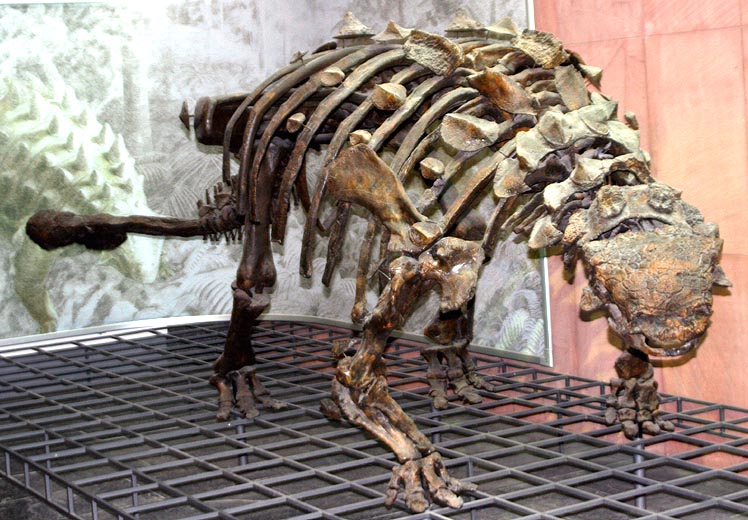
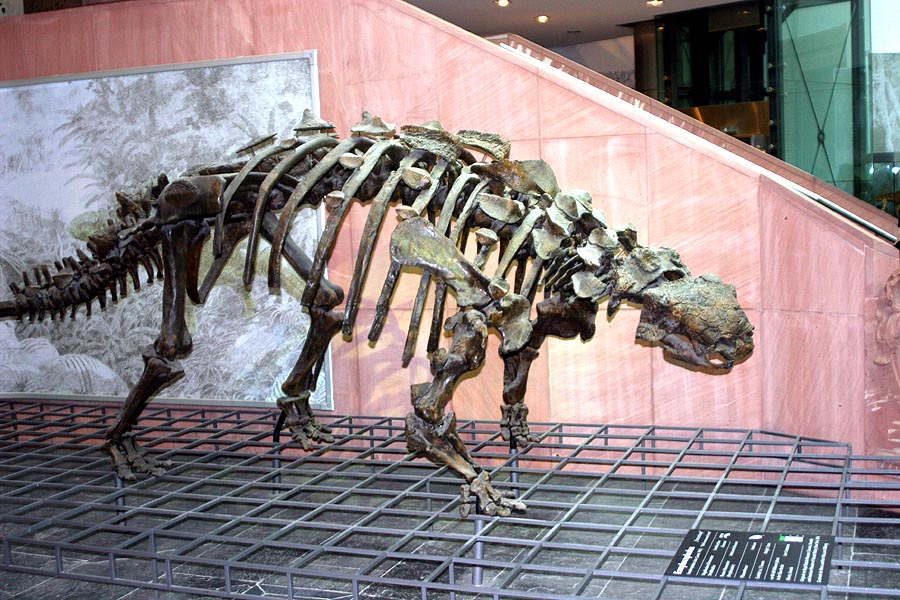
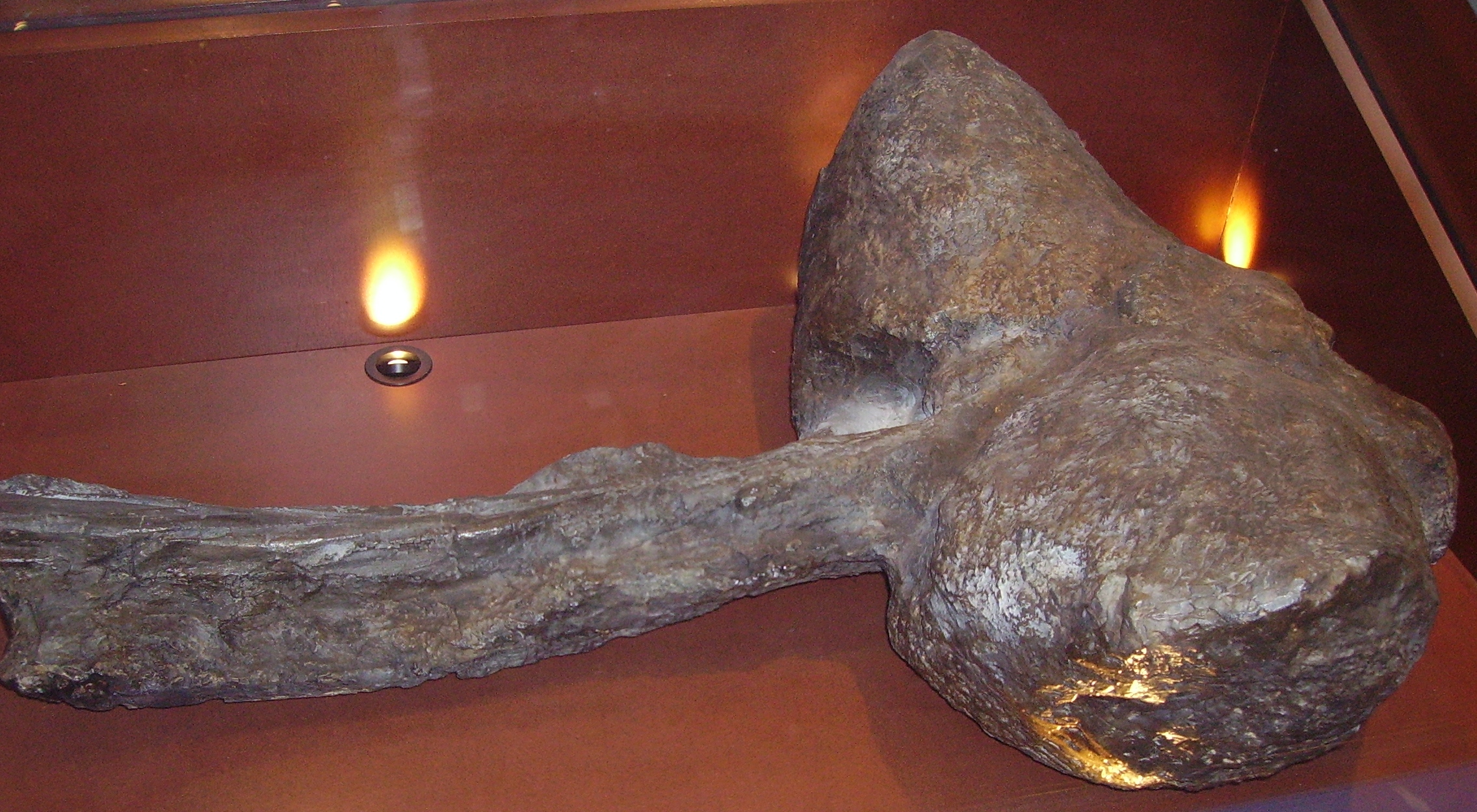

Black-and-white scientific reconstruction of Euoplocephalus tutus by Nobu Tamura, white background. Lateral view showing the complete osteoderm armor and characteristic tail club.
CC BY-SA 3.0
Ecology and behavior
Habitat
Euoplocephalus tutus inhabited the coastal and subtropical alluvial plains of the Dinosaur Park and Horseshoe Canyon formations of Alberta during the late Campanian (76.5-66 Ma). The environment was warm and humid, with an average annual temperature of ~17-20°C and influence from the nearby Western Interior Seaway. Vegetation was dominated by low-growing angiosperms, ferns, palms, and conifers in riparian areas. Associated fauna included the tyrannosaurids Gorgosaurus libratus and Daspletosaurus torosus as main predators, ceratopsids (Chasmosaurus, Centrosaurus), hadrosaurids (Edmontosaurus, Lambeosaurus), and other ankylosaurs (Scolosaurus, Anodontosaurus). E. tutus likely occupied lowland habitat with dense vegetative cover where its low stature and armor were most advantageous.
Feeding
Euoplocephalus tutus was a low-level herbivore, specialized in vegetation close to the ground. The wide snout and horny beak were suited for cutting angiosperms, ferns, and other low-growing plants. The moderate bite force, inferred from cranial morphology (Mallon and Anderson, 2013), suggests specialization in less fibrous plants than those consumed by stronger-biting ceratopsids. The leaf-shaped teeth typical of ankylosaurids are suitable for processing soft to moderately hard plant material. The metabolism of a ~2,500 kg animal would have required voluminous and continuous vegetation ingestion to maintain energy balance.
Behavior and senses
The behavior of Euoplocephalus tutus is inferred primarily from its morphology. The extensive dermal armor, including ossified eyelids, indicates an animal highly specialized in passive defense. The tail club, whose effectiveness as an active defensive weapon was demonstrated by Arbour (2009), suggests a combined active-passive defensive strategy: when threatened, E. tutus likely crouched to protect the unarmored ventrum and used the tail club in high-speed lateral swings. There is no direct evidence of gregariousness such as bone beds, suggesting E. tutus was more solitary than the co-occurring ceratopsids and hadrosaurids. The low profile allowed locomotion in dense vegetation where large bipedal predators would have difficulty maneuvering.
Physiology and growth
Euoplocephalus tutus was likely mesothermic to endothermic, with elevated metabolism relative to modern reptiles. Ankylosaur bone histology shows fibrolamellar tissue with relatively rapid growth in juveniles and slower in adults. The dermal armor, with rich vascularization inferred from vascular marks on the osteoderm surface, may have had secondary thermoregulatory function in addition to protection: exposure of highly vascularized osteoderms to sunlight would facilitate heat absorption, while shade would cool the animal. The weight of the dermal armor (estimated at 200-400 kg in adults) was compensated by a robust pelvic and limb structure. The ossified eyelids are a unique structure implying specific adaptation to the threat of direct eye attacks by predators.
Paleogeography
Continental configuration

Scotese & Vérard · CC BY 4.0 · Cretaceous, ~105 Ma
Fossil sites

CC BY-SA 3.0
During the Campaniano (~76.5–66 Ma), Euoplocephalus tutus inhabited Laramidia, the western half of present-day North America, separated from the east by the Western Interior Seaway, a shallow sea dividing the continent. The continents were in very different positions: India was drifting toward Asia, Antarctica was still connected to Australia, and South America was an isolated island.
Bone Inventory
Based on more than 40 specimens collected over more than a century. Holotype CMN 210 consists of a partial skull. Subsequent specimens include complete skulls (CMN 0210, CMN 8530), dermal armor in situ, and extensive post-cranial material. After the revision by Arbour and Currie (2013), the number of specimens truly referable to E. tutus was reduced, but even so this is the ankylosaur species with the largest number of documented anatomical elements. The tail club is known from complete specimens. Complete skin and internal organs are not preserved.

Found elements
Inferred elements
Scientific Literature
12 papers in chronological order — from the original description to recent research.
New genera and species from the Belly River Series (mid-Cretaceous)
Lambe, L.M. · Contributions to Canadian Palaeontology
Lawrence Lambe describes new dinosaur taxa from the Belly River Series of Alberta, including fragmentary ankylosaur material referred to a new genus and species that will eventually be recognized as Euoplocephalus tutus. The original material (holotype CMN 210) consists mainly of cranial fragments collected by T.C. Weston in 1897. This is the founding paper establishing the scientific record of E. tutus. Lambe initially names the material as Stereocephalus tutus (a name preoccupied by an insect), forcing later renaming to Euoplocephalus by Lambe in 1910. The original publication as Contributions to Canadian Palaeontology vol. 3 marks the beginning of more than a century of research on this taxon.
The Ankylosauria
Coombs, W.P. · Columbia University (PhD Thesis)
Coombs conducts the most comprehensive review of Ankylosauria undertaken to date, examining all known taxa. The work includes detailed descriptions of Euoplocephalus tutus based on all specimens available at the time, establishing the systematic framework for ankylosaur research that dominates the field for the subsequent three decades. Coombs's review consolidates E. tutus as the type ankylosaur of the Campanian of Alberta and reassesses the referral of several specimens previously attributed to other taxa. The work also proposes the tail club function as an active defensive weapon, a hypothesis that would be quantitatively confirmed by Arbour (2009) decades later.
The families of the ornithischian dinosaur order Ankylosauria
Coombs, W.P. · Palaeontology
Coombs reviews the higher taxonomy of Ankylosauria, recognizing two families: Ankylosauridae and Nodosauridae. The distinction between families is based primarily on the presence or absence of a tail club: Ankylosauridae have a club (like Euoplocephalus), while Nodosauridae do not. The work establishes E. tutus's position in Ankylosauridae and provides characters distinguishing the two groups, a systematic framework that remains essentially valid today, although with refinements. Coombs's (1978) classification of Ankylosauria is the foundation on which all modern ankylosaur systematics was built.
Estimating impacts forces of tail club strikes by ankylosaurid dinosaurs
Arbour, V.M. · PLOS ONE
Arbour conducts a biomechanical analysis of the tail clubs of ankylosaurid dinosaurs, including Euoplocephalus tutus, estimating impact forces using structural mechanics models. Results indicate tail clubs could generate impact forces of 2-6 kN, sufficient to cause cortical bone failure in large theropod predators such as Tyrannosaurus and Gorgosaurus. The analysis considers tail muscle force (inferred from transverse processes), the club's moment of inertia, and angular velocity at the end of the swing. Also calculated are the stresses that the impact forces would generate in the cortical bone of typical predators, confirming the club was an effective active weapon. This paper is the most cited work on ankylosaur club defensive function and changed the scientific understanding of Euoplocephalus defensive behavior.
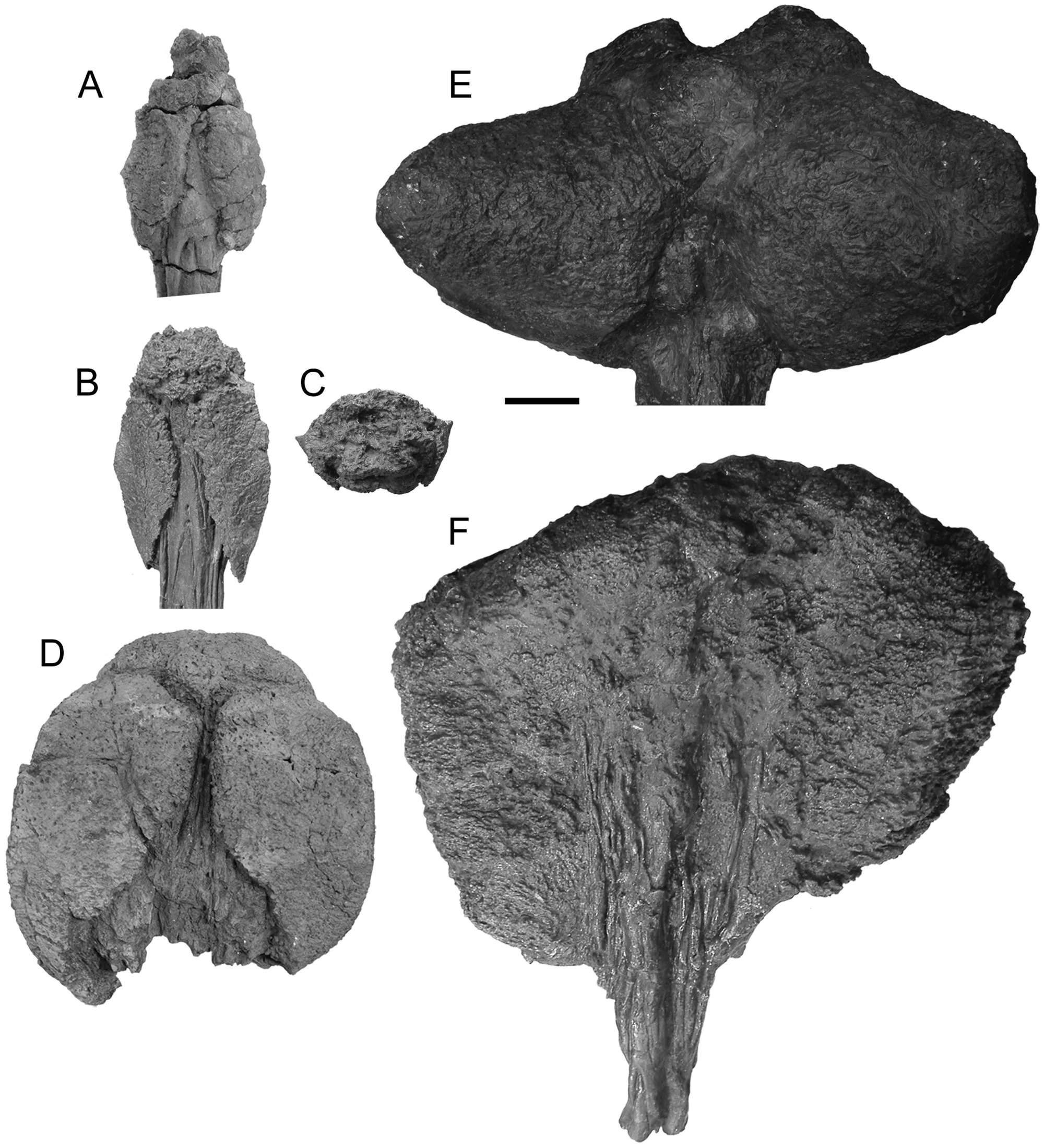
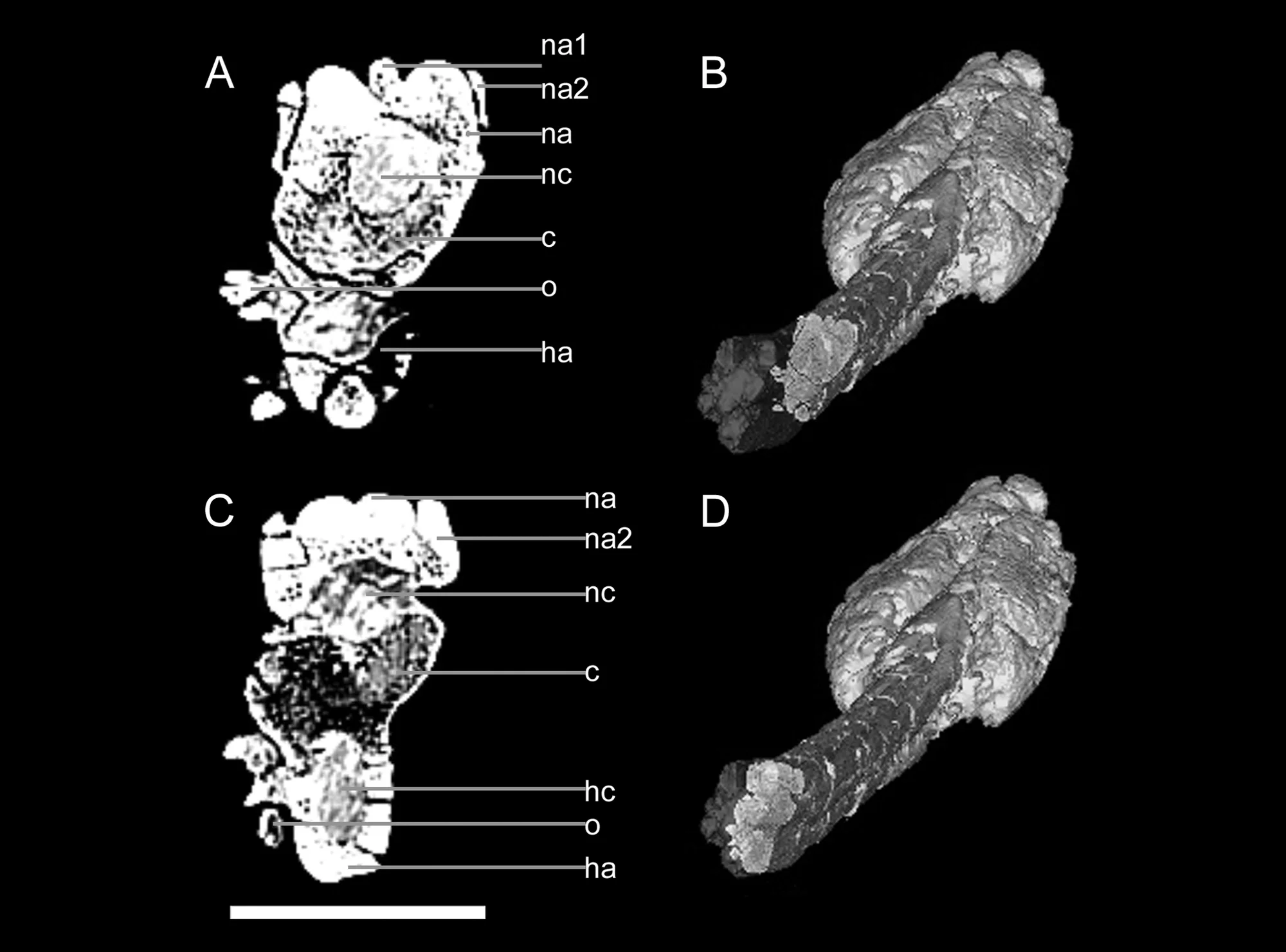
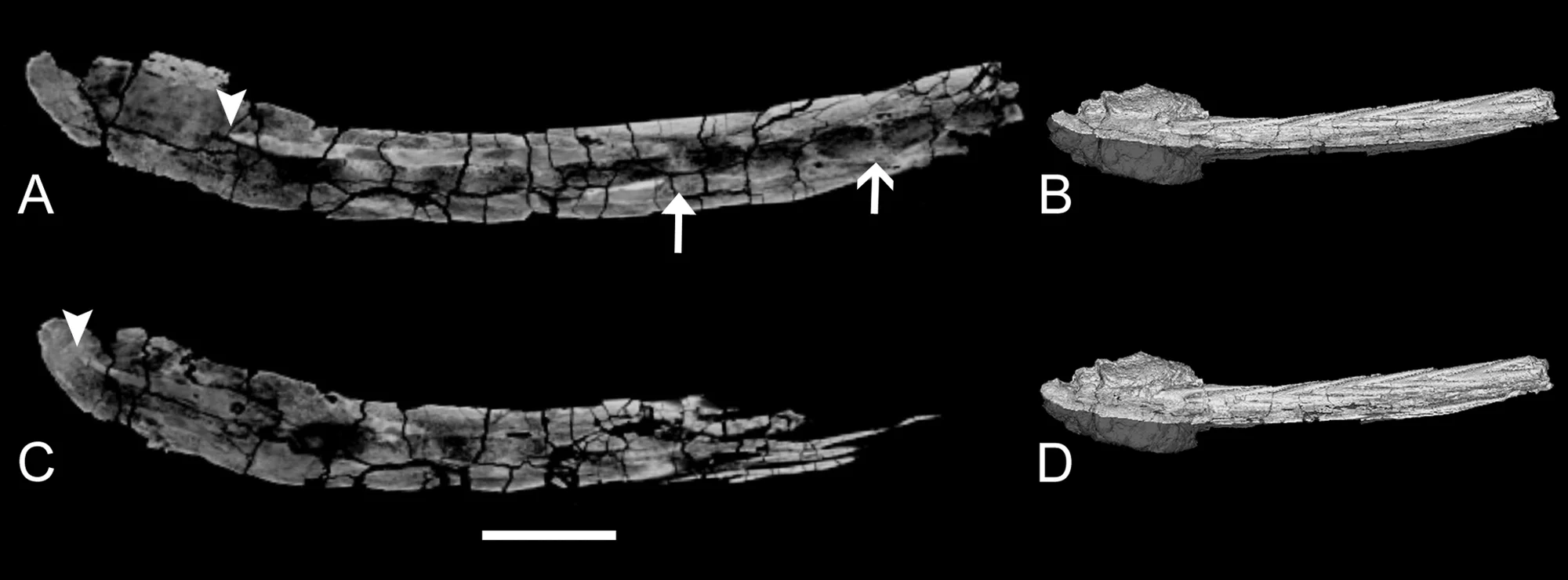
Euoplocephalus tutus and the diversity of ankylosaurid dinosaurs in the Late Cretaceous of Alberta, Canada, and Montana, USA
Arbour, V.M. & Currie, P.J. · PLOS ONE
Arbour and Currie present a comprehensive revision of ankylosaurid dinosaurs from the Late Cretaceous of Alberta and Montana. Multiple specimens previously referred to Euoplocephalus tutus are reassigned to other genera and species, including Scolosaurus cutleri, Anodontosaurus lambei, and Dyoplosaurus acutosquameus. Euoplocephalus tutus is redefined based on specimens from the Dinosaur Park Formation. This revision is fundamental for the modern systematics of North American Campanian ankylosaurids and demonstrates that ankylosaur diversity was greater than previously recognized. The work establishes clear diagnostic characters for distinguishing E. tutus from its close relatives.


Skeletal and dermal armor reconstruction of Euoplocephalus tutus (Ornithischia: Ankylosauridae) from the Late Cretaceous Oldman Formation of Alberta
Carpenter, K. · Canadian Journal of Earth Sciences
Carpenter examines articulated armor of Euoplocephalus tutus from the Oldman Formation of Alberta to reconstruct the complete skeletal and dermal armor arrangement. The work demonstrates that osteoderm shape and size varied considerably along the neck, back, and tail, correcting previous reconstructions that showed uniformly shaped keeled plates in orderly longitudinal and transverse rows with large spines projecting laterally from the flanks. This is the first anatomically accurate reconstruction of E. tutus armor based on in situ articulated material, published in the Canadian Journal of Earth Sciences, volume 19, pages 689-697.


A redescription of the skull of Euoplocephalus tutus (Archosauria: Ornithischia): a foundation for comparative and systematic studies of ankylosaurian dinosaurs
Vickaryous, M.K. & Russell, A.P. · Zoological Journal of the Linnean Society
Vickaryous and Russell present a comprehensive osteological redescription of the skull of Euoplocephalus tutus, subdividing the skull into five mutually exclusive topographic regions to assign individual elements with the assistance of outgroup comparison. The species is characterized by a distinctive pattern of cranial sculpturing across the preorbital area, relatively small variably fluted teeth lacking a cingulum, a modified ossified palpebral, and a shallow nasal vestibule. Published in the Zoological Journal of the Linnean Society, volume 137, pages 157-186, this is the most detailed cranial redescription of the species available, becoming a required reference for systematic comparisons of ankylosaurids.


The paranasal air sinuses of predatory and armored dinosaurs (Archosauria: Theropoda and Ankylosauria) and their contribution to cephalic structure
Witmer, L.M. & Ridgely, R.C. · The Anatomical Record
Witmer and Ridgely apply CT scanning and 3D visualization to the skull of Euoplocephalus tutus and the nodosaurid Panoplosaurus mirus to document nasal cavities and paranasal air sinuses. The most striking result is the revelation that the nasal cavity of Euoplocephalus follows a path of twists and turns far more complex than previously believed, forming a series of loops that triple the effective length of the nasal airway. Published in The Anatomical Record, volume 291, pages 1362-1388, the paper established that the convoluted nasal passages of ankylosaurids likely functioned as heat exchangers and/or olfactory enhancers, changing the understanding of these animals' cephalic physiology.
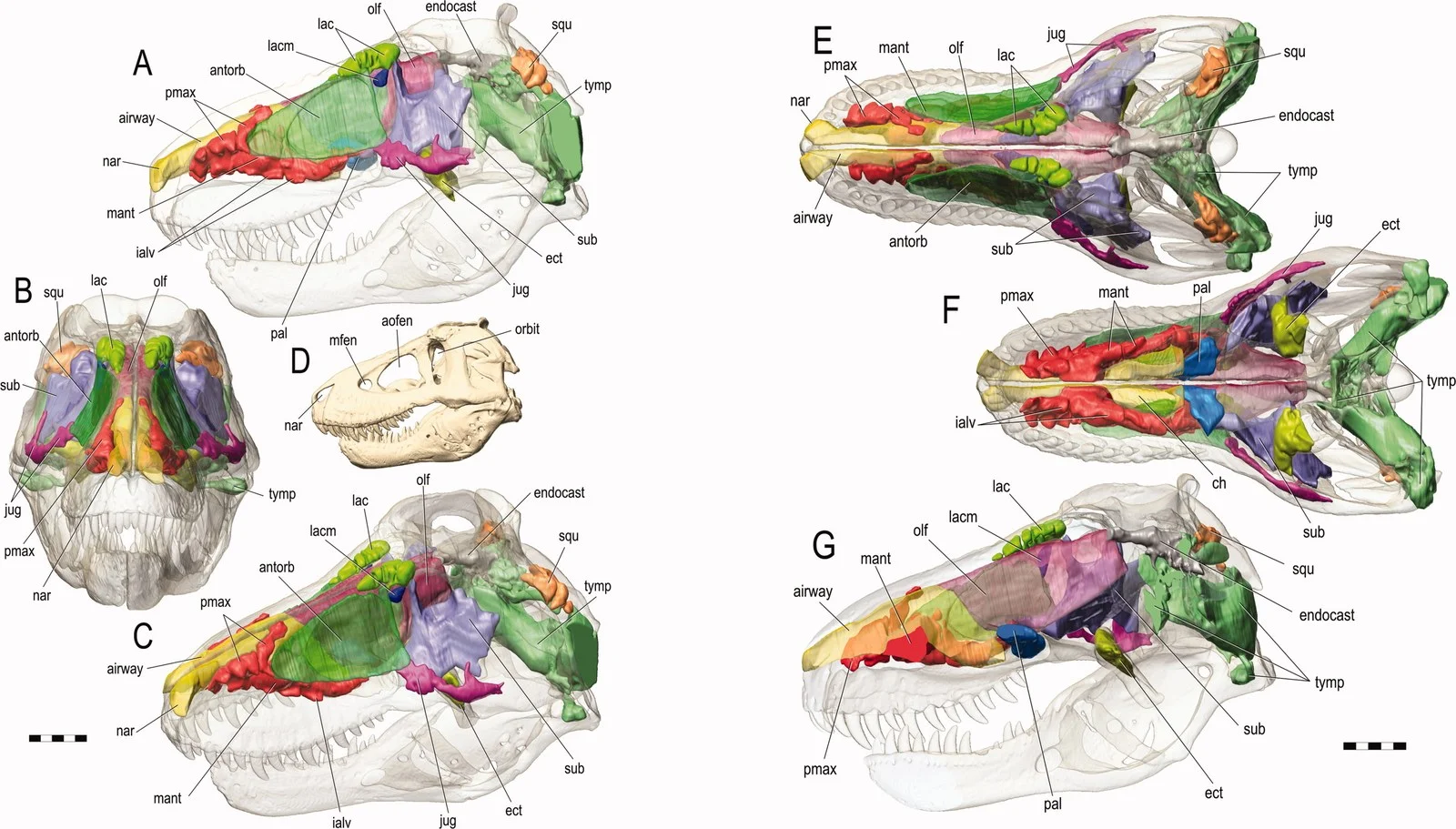
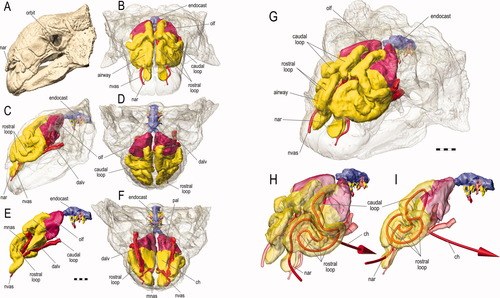
The internal cranial morphology of an armoured dinosaur Euoplocephalus corroborated by X-ray computed tomographic reconstruction
Miyashita, T., Arbour, V.M., Witmer, L.M. & Currie, P.J. · Journal of Anatomy
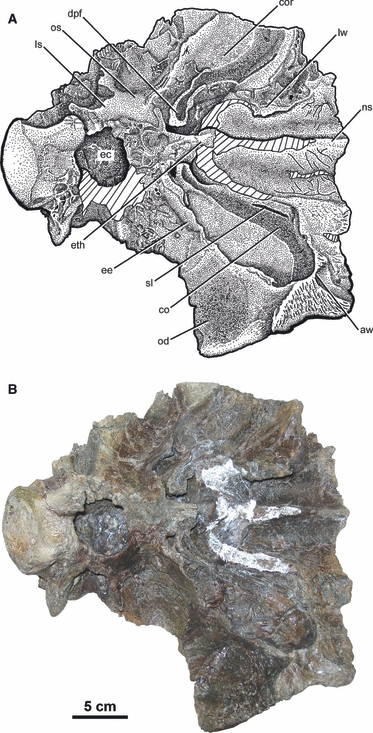
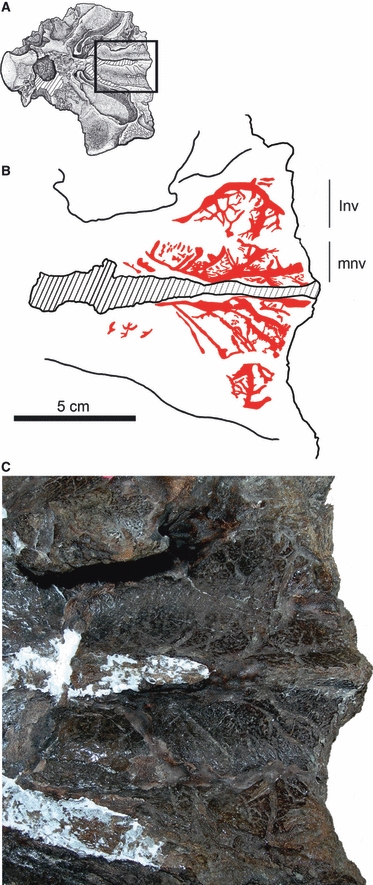
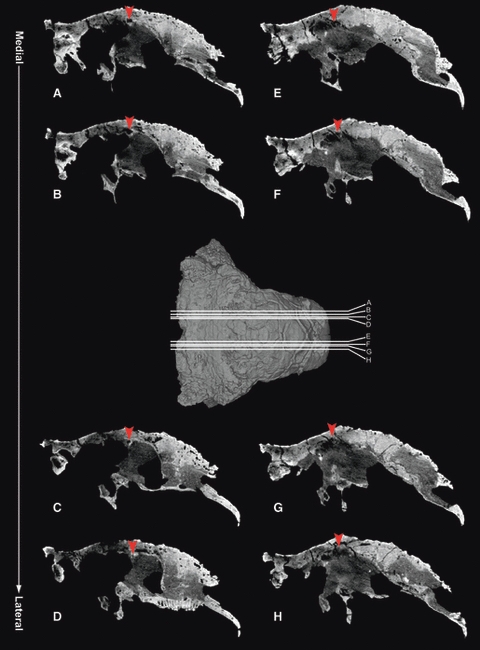
Miyashita and collaborators combine direct osteological observation and CT reconstruction to document the internal cranial anatomy of Euoplocephalus tutus, including the olfactory region, endocranial cavity, inner ear, and vascular impressions in the nasal cavity. The olfactory region likely occupied a volume larger than the endocranial cavity, suggesting elevated olfactory acuity. The tuning frequency of the reconstructed inner ear indicates the animal could detect low-frequency sounds, possibly linked to vocalization through the looping nasal passages. Published in the Journal of Anatomy, volume 219, pages 661-675, the paper corroborates and complements the findings of Witmer and Ridgely (2008) on Euoplocephalus nasal passages.
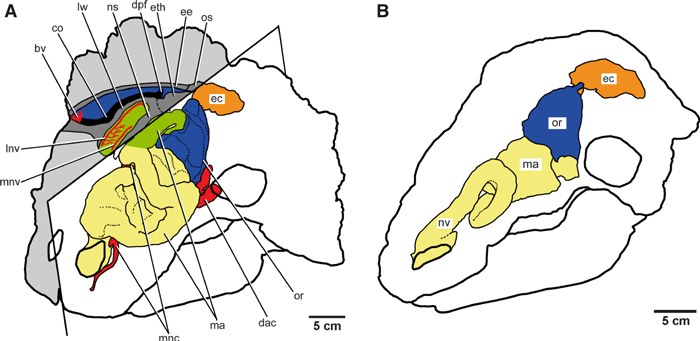
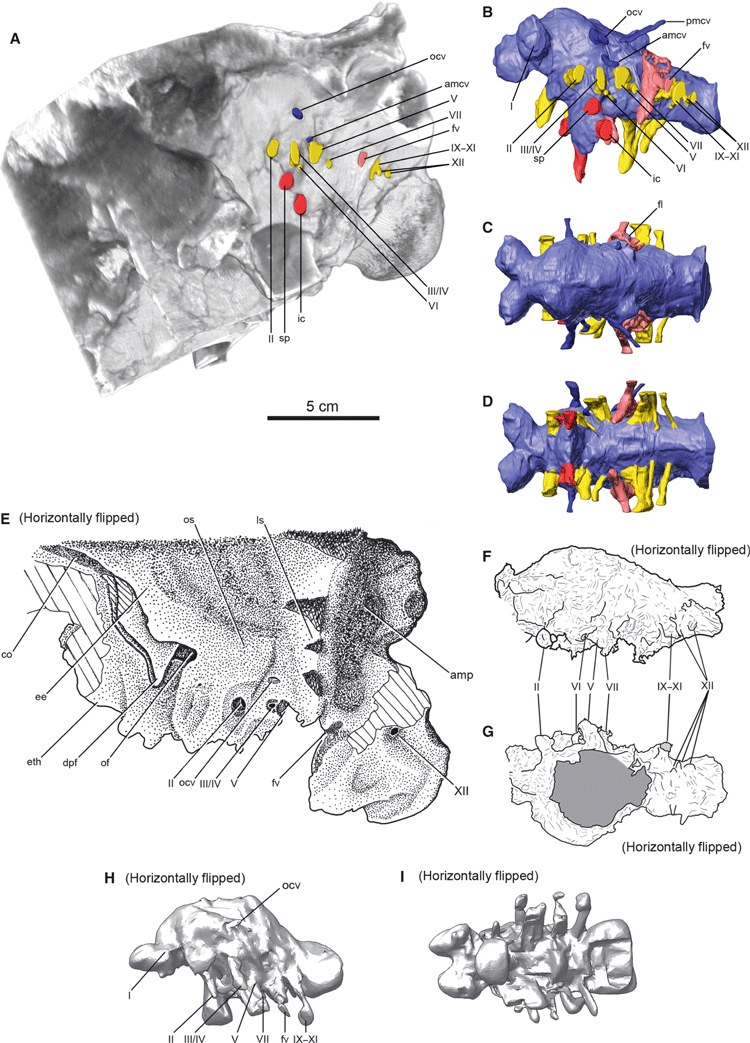
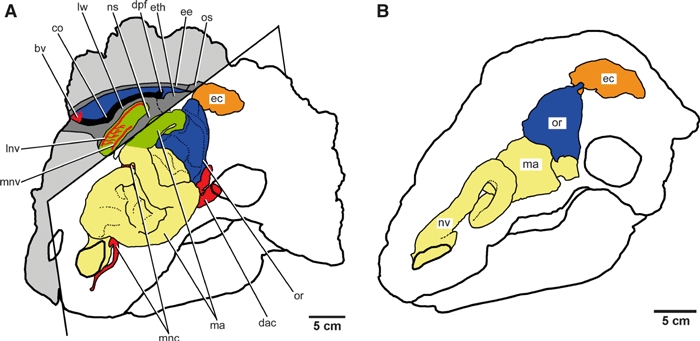
Epidermal and dermal integumentary structures of ankylosaurian dinosaurs
Arbour, V.M., Burns, M.E., Bell, P.R. & Currie, P.J. · Journal of Morphology
Arbour and collaborators examine fossilized skin impressions of ankylosaur specimens, including material referred to Euoplocephalus, to characterize epidermal and dermal integumentary structures. Osteoderms were covered by a single epidermal scale, but millimeter-sized ossicles could be present under polygonal basement epidermal scales. Epidermal scale architecture is presented as a taxonomically useful character for distinguishing ankylosaurid taxa. Published in the Journal of Morphology, volume 275, pages 39-50, this paper complements Carpenter's (1982) osteoderm data with direct evidence of the epidermal covering of these elements.


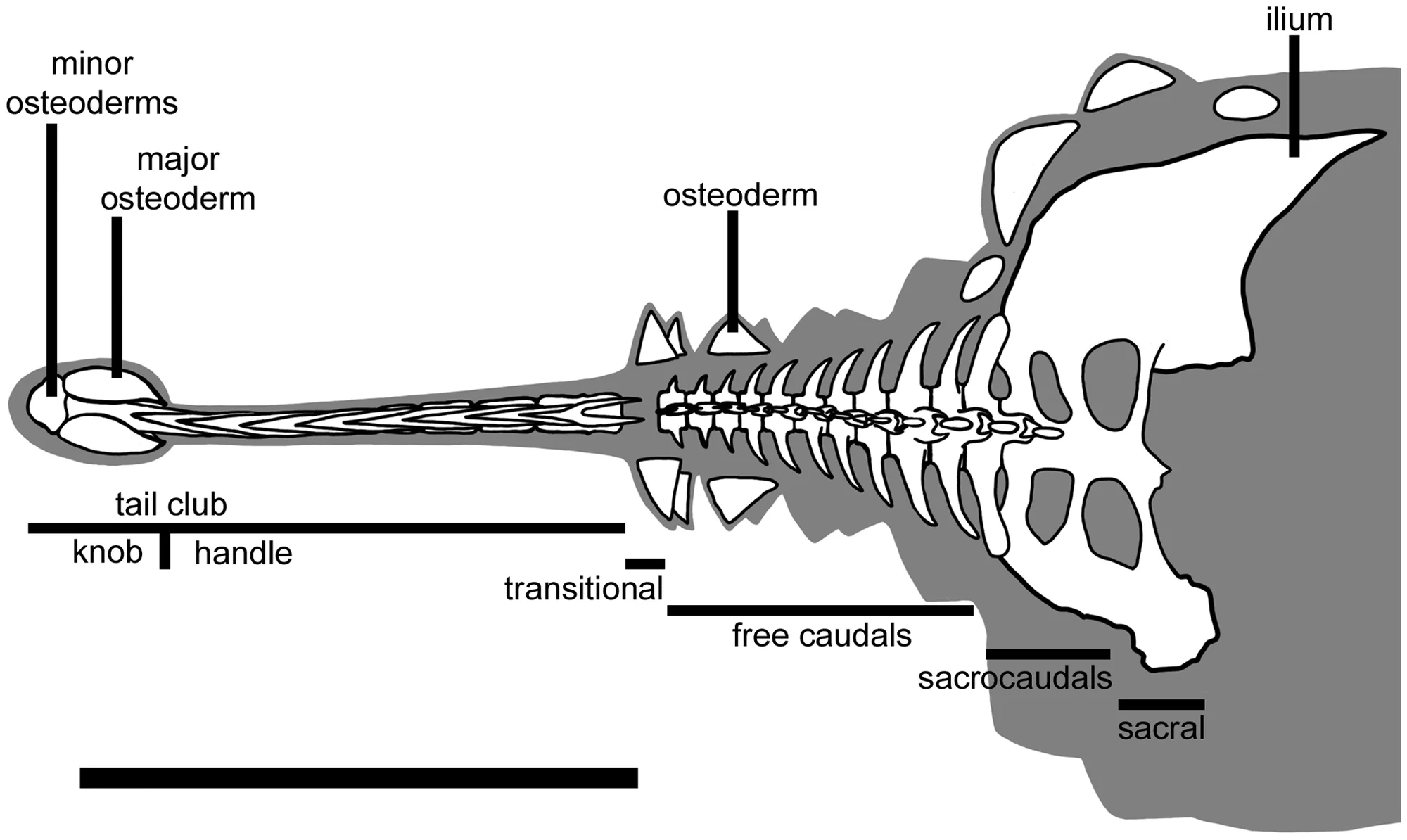
Ankylosaurid dinosaur tail clubs evolved through stepwise acquisition of key features
Arbour, V.M. & Currie, P.J. · Journal of Anatomy
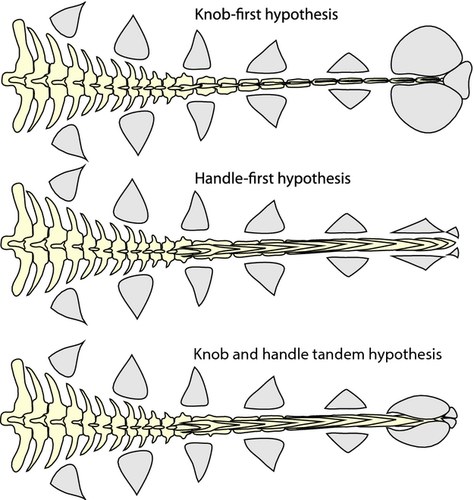
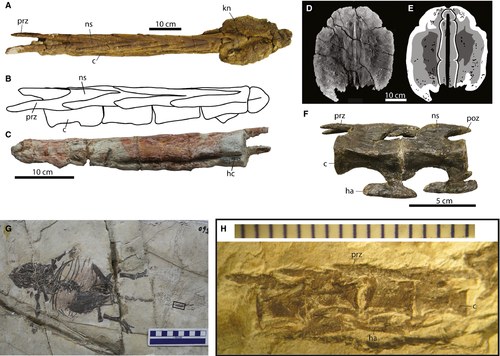
Arbour and Currie demonstrate through phylogenetic analysis that the ankylosaurid tail club evolved gradually, in steps: modifications to the distal caudal vertebrae preceded modifications to the terminal osteoderms. Elongated prezygapophyses were present in the ancestor of all ankylosaurines more derived than Crichtonpelta, and the terminal club knob was likely present in the ancestor of the clade including Euoplocephalus tutus and Ankylosaurus magniventris. Published in the Journal of Anatomy, volume 227, pages 514-523, this paper complements Arbour's (2009) biomechanical analysis with an evolutionary context for the development of the club as a defensive weapon, showing that the complete club was a relatively late acquisition within Ankylosaurinae.
Unusual cranial and postcranial anatomy in the archetypal ankylosaur Ankylosaurus magniventris
Arbour, V.M. & Mallon, J.C. · FACETS
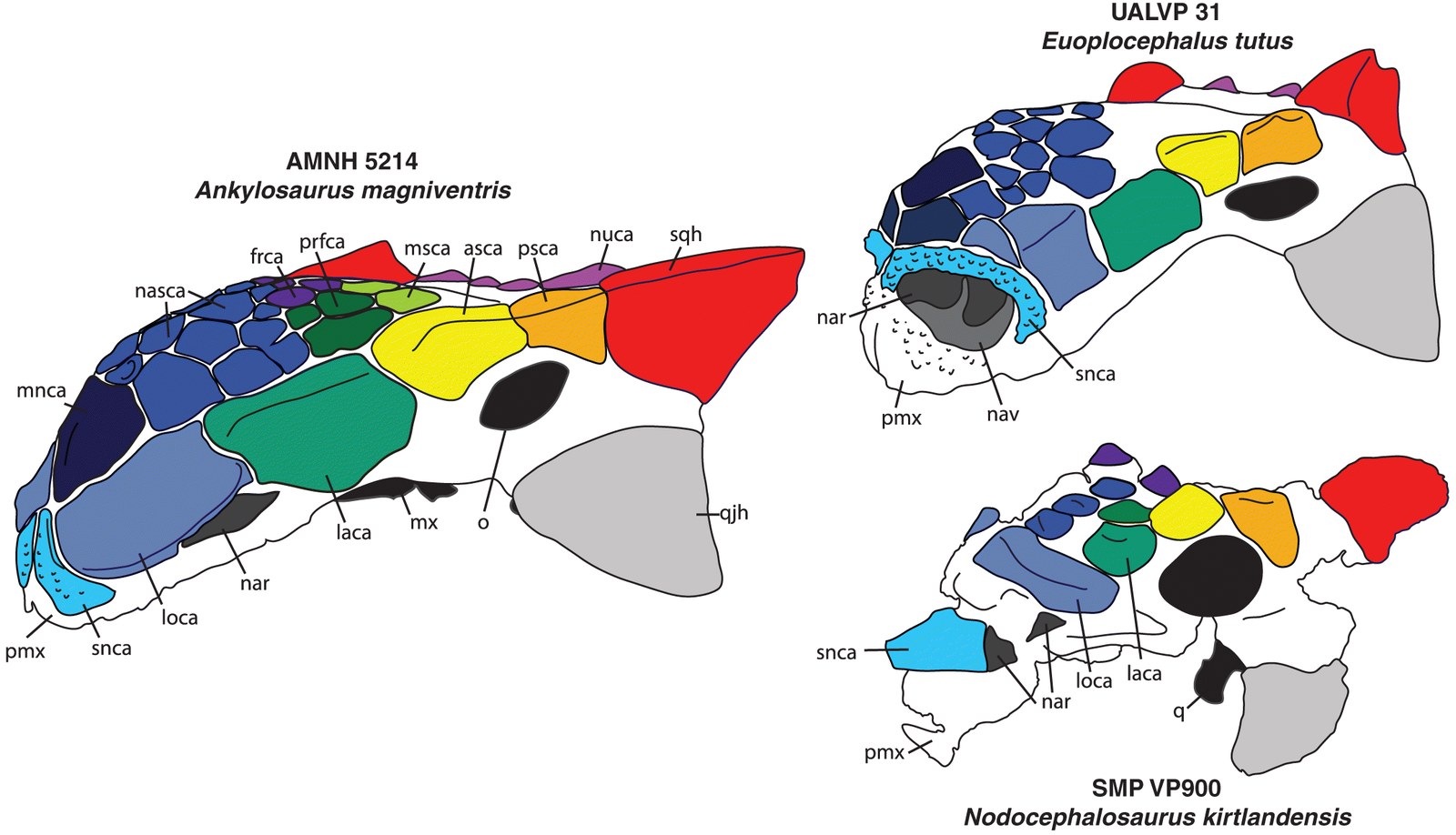
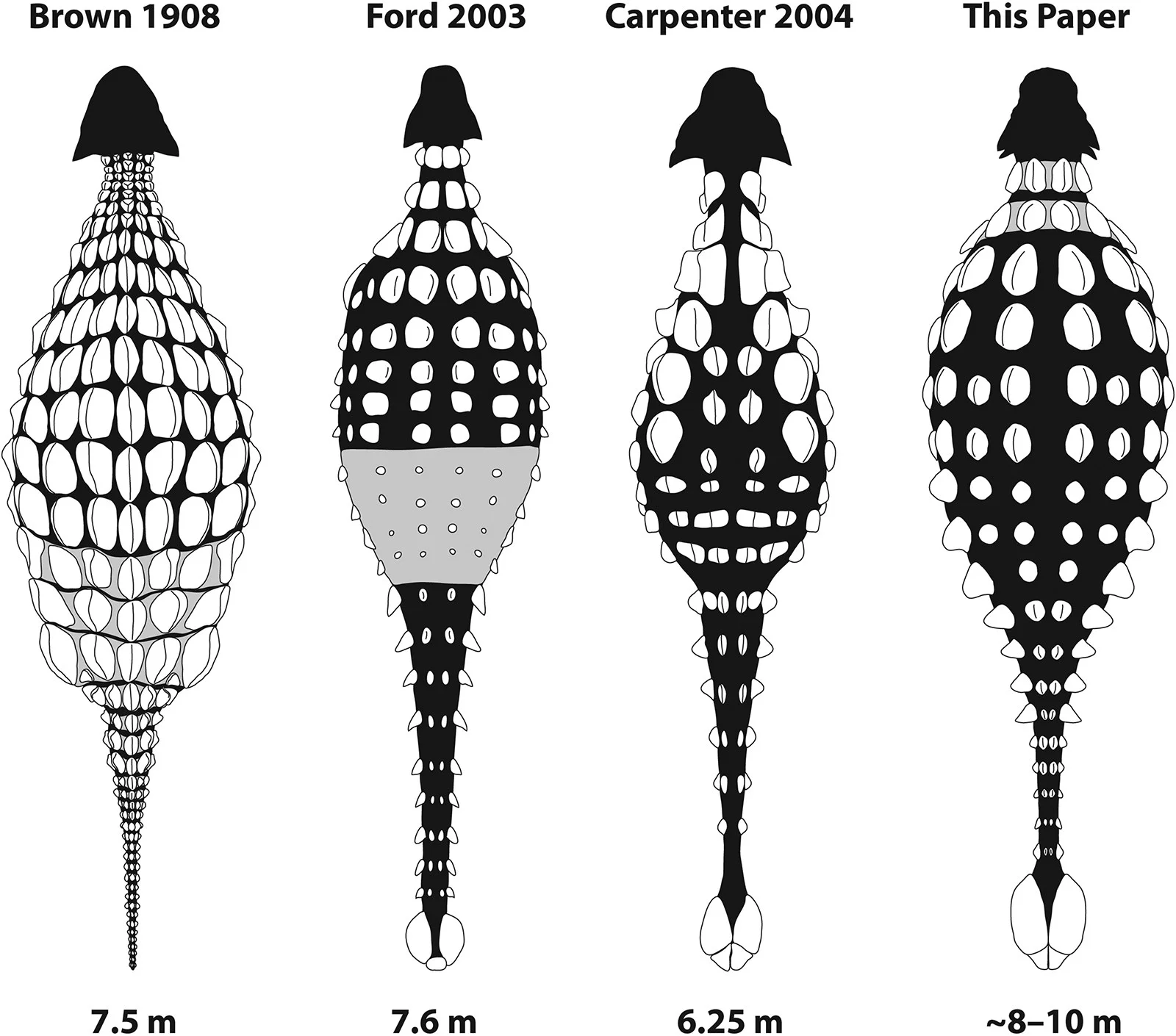
Although the paper focuses on Ankylosaurus magniventris, Arbour and Mallon use Euoplocephalus tutus as the primary comparative standard in virtually every anatomical section, making this work indispensable for understanding Euoplocephalus by contrast. The authors demonstrate that the largest known Ankylosaurus skull (CMN 8880, 64.5 cm long and 74.5 cm wide) is over one and a half times wider than Euoplocephalus skulls of similar length, establishing Euoplocephalus as the reference for typical cranial proportions of North American ankylosaurines. Direct specimen comparisons show Euoplocephalus presents an anterior nasal vestibule with forward-facing nostrils partially roofed by an arched supranarial caputegulum, while Ankylosaurus has displaced that structure laterally. The revised armor hypothesis uses the well-preserved cervical half rings of Euoplocephalus (AMNH 5406) as the structural model to reconstruct osteoderm arrangement of the fragmentary Ankylosaurus holotype. These detailed contrasts — documented in side-by-side comparisons of skulls, caputegulae, and osteoderms — consolidate Euoplocephalus as the anatomical reference taxon for Ankylosaurinae and demonstrate which characters are genus-specific versus shared within the clade.
Famous museum specimens

CMN 210
Canadian Museum of Nature, Ottawa, Canadá
Holotype of Euoplocephalus tutus (originally described as Stereocephalus tutus by Lambe in 1902, renamed Euoplocephalus tutus in 1910). Consists of cranial fragments collected by T.C. Weston in 1897 from the Dinosaur Park Formation of Alberta.
ROM 784
Royal Ontario Museum, Toronto, Canadá
One of the most complete specimens of Euoplocephalus tutus, displayed in the Royal Ontario Museum's dinosaur gallery. Includes complete skull, significant portion of post-cranial skeleton, and dorsal osteoderms in association. One of the most publicly viewed specimens at Canadian museums.
AMNH 5403
American Museum of Natural History, Nova York, Estados Unidos
Euoplocephalus tutus specimen at the AMNH including skull and post-cranial material with associated osteoderms. Collected by Barnum Brown and crew during AMNH expeditions to Alberta in the early 20th century. Fundamental for 20th-century comparative anatomical descriptions.
NHMUK R5161
Natural History Museum, Londres, Reino Unido
Euoplocephalus tutus specimen at the Natural History Museum in London, part of the collections obtained during British and Canadian expeditions to Dinosaur Provincial Park in the early decades of the 20th century.
TMP 1991.127.0001
Tyrrell Museum of Palaeontology, Drumheller, Canadá
Euoplocephalus tutus specimen at the Royal Tyrrell Museum including near-complete skull and post-cranial elements. The museum located in Drumheller, Alberta, near the main collection localities, holds one of the most extensive collections of North American Campanian ankylosaur material.
In cinema and popular culture
Euoplocephalus tutus has always lived in the shadow of Ankylosaurus magniventris in pop culture: although it is the best-documented ankylosaur scientifically, the genus Ankylosaurus captured the public's imagination by being larger and having been named first. Even so, E. tutus has consistent presence in high-quality science documentaries. Walking with Dinosaurs (BBC, 1999) was probably the first mass media appearance that brought the animal to global audiences, correctly showing the tail club as an active weapon. The Prehistoric Planet series (Apple TV+, 2022) offered the most accurate reconstruction available, incorporating modern biomechanical data from Arbour's (2009) analysis. In the Jurassic World franchise, an ankylosaur of similar morphology to E. tutus had a memorable moment in Jurassic World: Fallen Kingdom (2018), when it actively uses the tail club against the Indoraptor. Although the animal is not specifically identified as E. tutus, the scene popularized the idea of the tail club as an active weapon, consistent with modern paleontology. In science communication literature, Arbour's (2009) analysis of tail club impact force generated headlines like 'the ankylosaur's tail was capable of fracturing T. rex bones', making E. tutus a frequently cited example of active and effective defensive adaptation.
Classification

Discovery
Fun fact
Euoplocephalus tutus is the only known non-avian dinosaur that had ossified eyelids: small bony plates that covered and protected the eyes. In life, the animal could close these bony eyelids like a shield, making it virtually impenetrable from all directions. Combined with the tail club capable of fracturing tyrannosaurid bones and the complete dorsal armor, E. tutus was probably the hardest dinosaur to kill in late Campanian North America.
Last reviewed: April 24, 2026