
Coelophysis
Coelophysis bauri
"Hollow form (referring to its hollow bones)"
About this species
Coelophysis bauri is one of the oldest and best-known dinosaurs in the world. It lived in the Late Triassic, 215 to 200 million years ago, in what is now the southwestern United States. At up to 3 meters long and roughly 20 kg, it was an agile, fast predator built to chase small prey at high speed. Its hollow bones, which gave the genus its name, were an adaptation to reduce weight without sacrificing structural strength. In 1947, hundreds of skeletons were discovered at Ghost Ranch, New Mexico, forming one of the largest Triassic dinosaur deposits ever found. Coelophysis was the second dinosaur to travel to space: a skull was carried aboard the Space Shuttle Endeavour in 1998.
Geological formation & environment
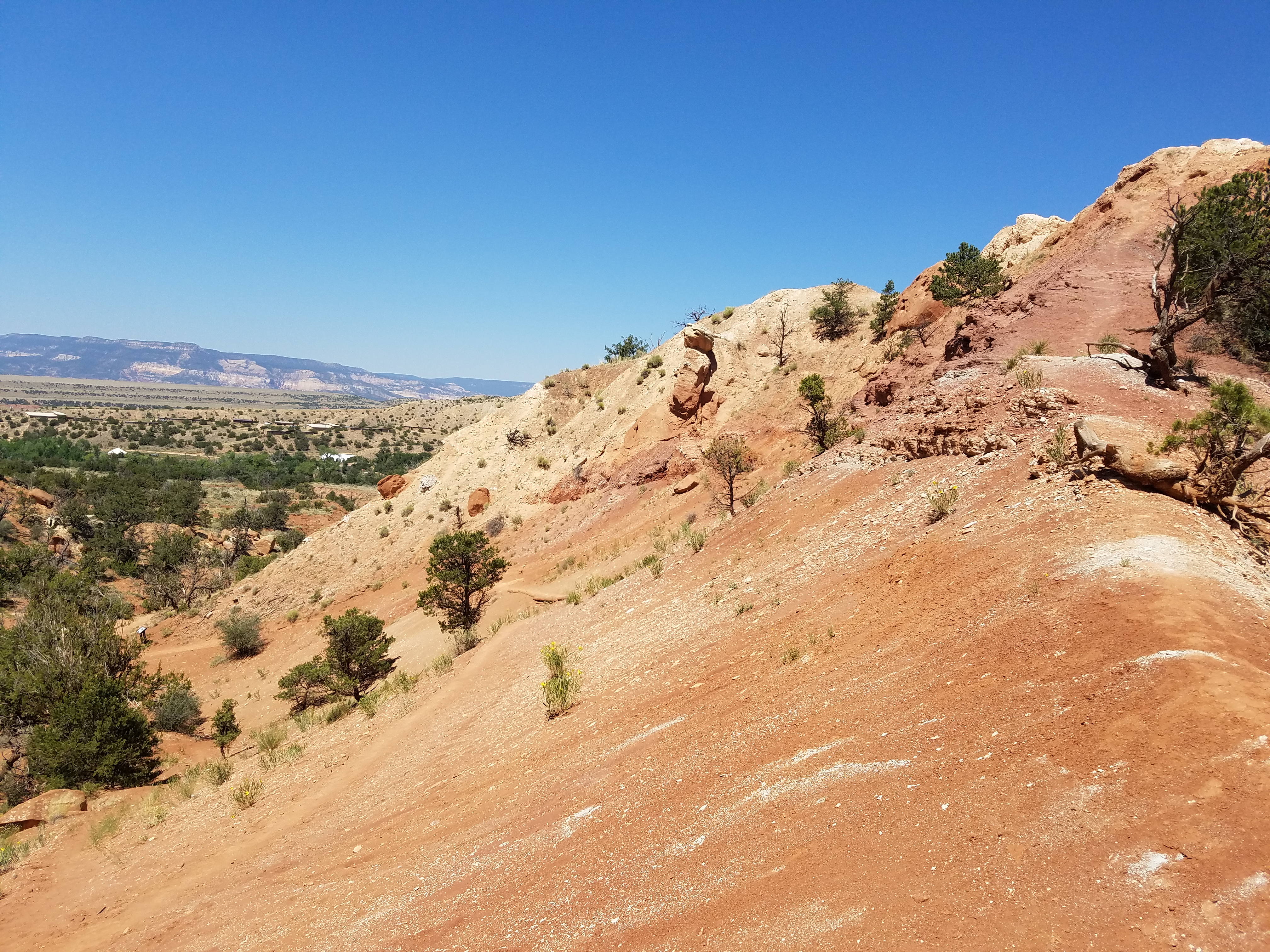
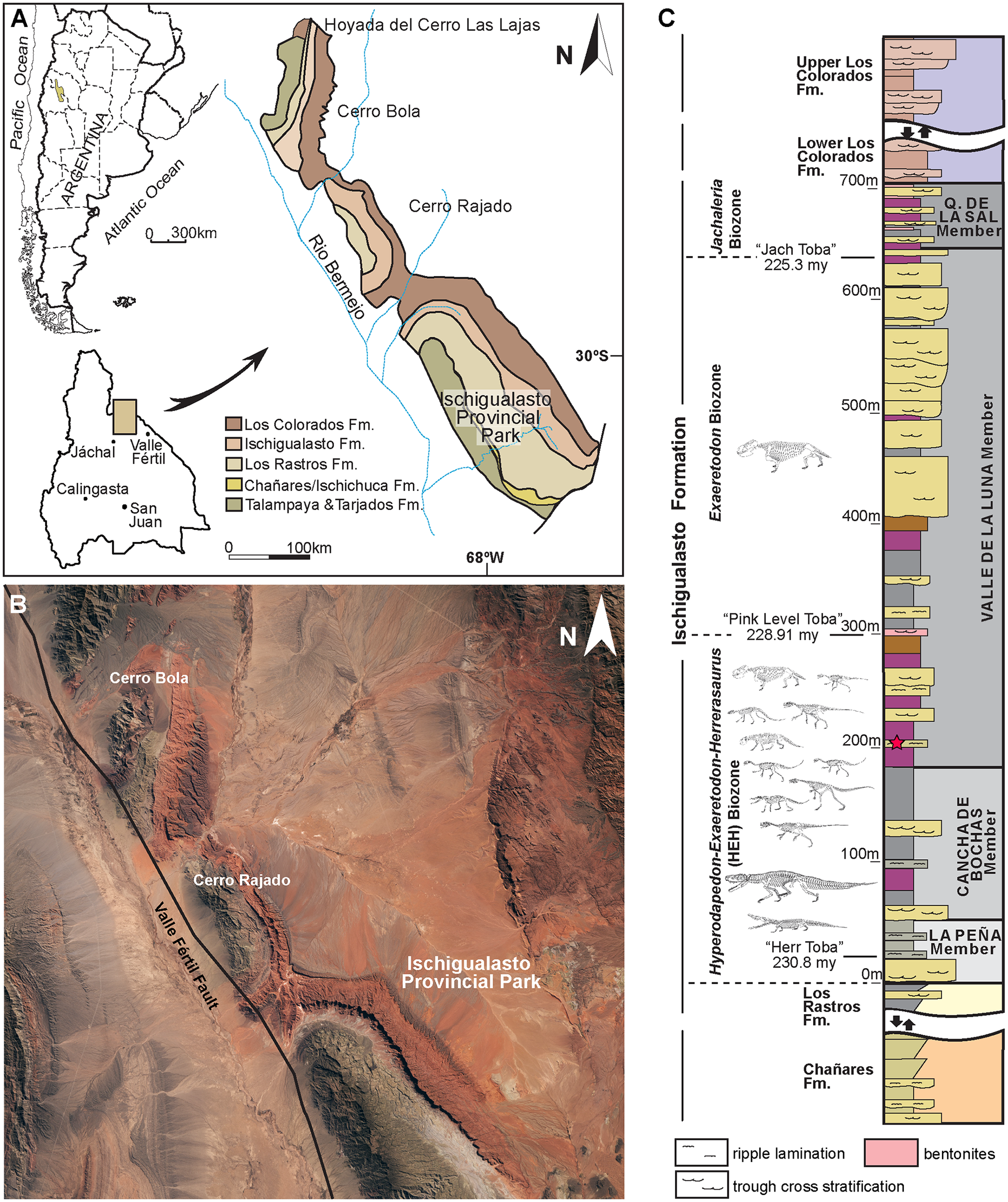
Coelophysis bauri is found in the Chinle Formation, exposed in New Mexico, Arizona, and other areas of the southwestern United States. The deposits date from the Upper Norian to Rhaetian (~215-200 Ma). The most famous site is the Whitaker Quarry (also called the Coelophysis Quarry) at Ghost Ranch, Rio Arriba County, New Mexico. The environment was a semi-arid alluvial plain with a monsoonal climate, crossed by seasonal rivers that created intense drought conditions followed by catastrophic floods. Vegetation included primitive conifers, cycadophytes, and ferns. Contemporary fauna included phytosaurs (Redondasaurus), aetosaurs (Typothorax), the large rauisuchian Postosuchus, basal crocodylomorphs such as Hesperosuchus, and other early dinosaurs. The formation is exceptional because flash floods rapidly buried carcasses gathered around water points, creating extraordinary fossilization conditions.
Image gallery


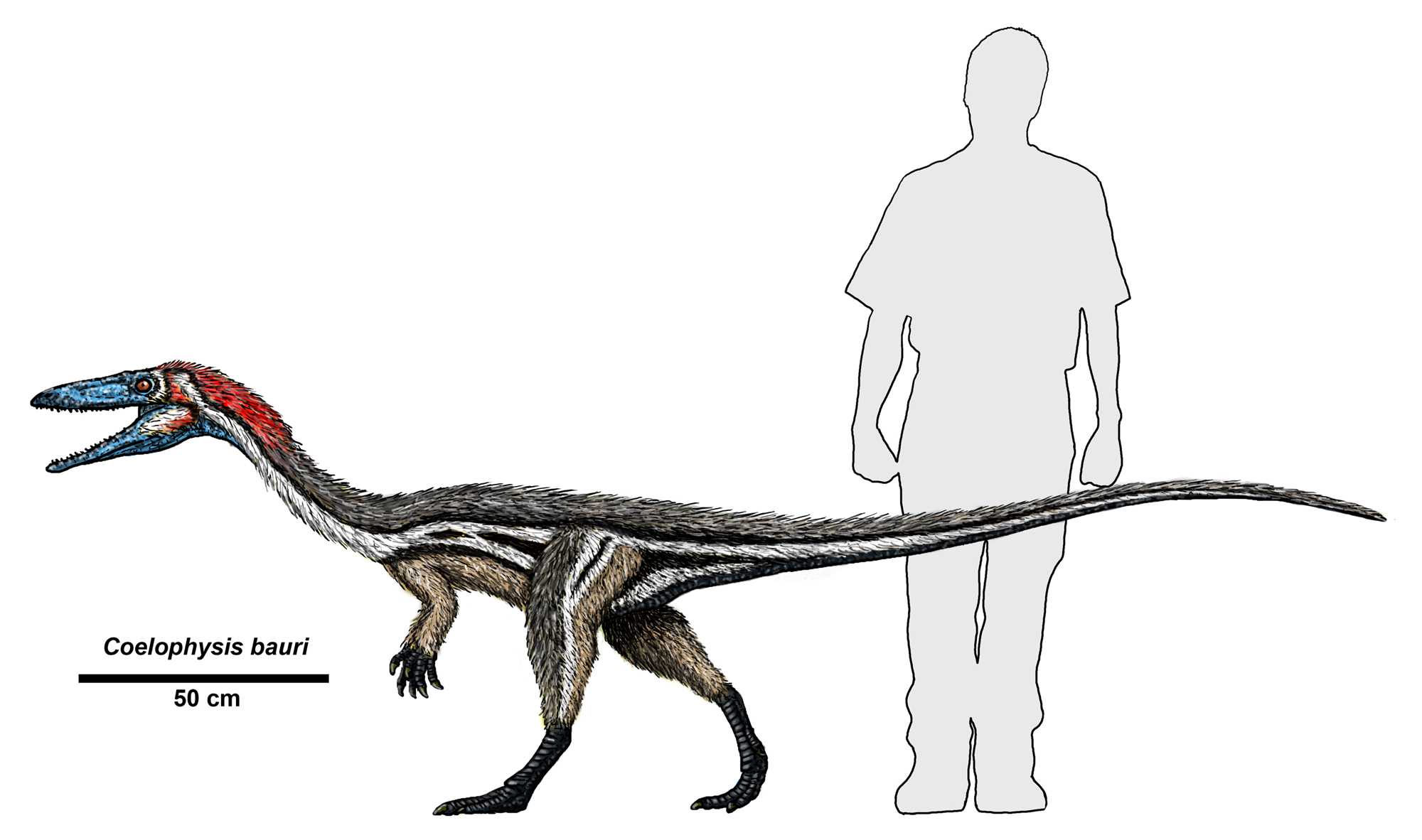


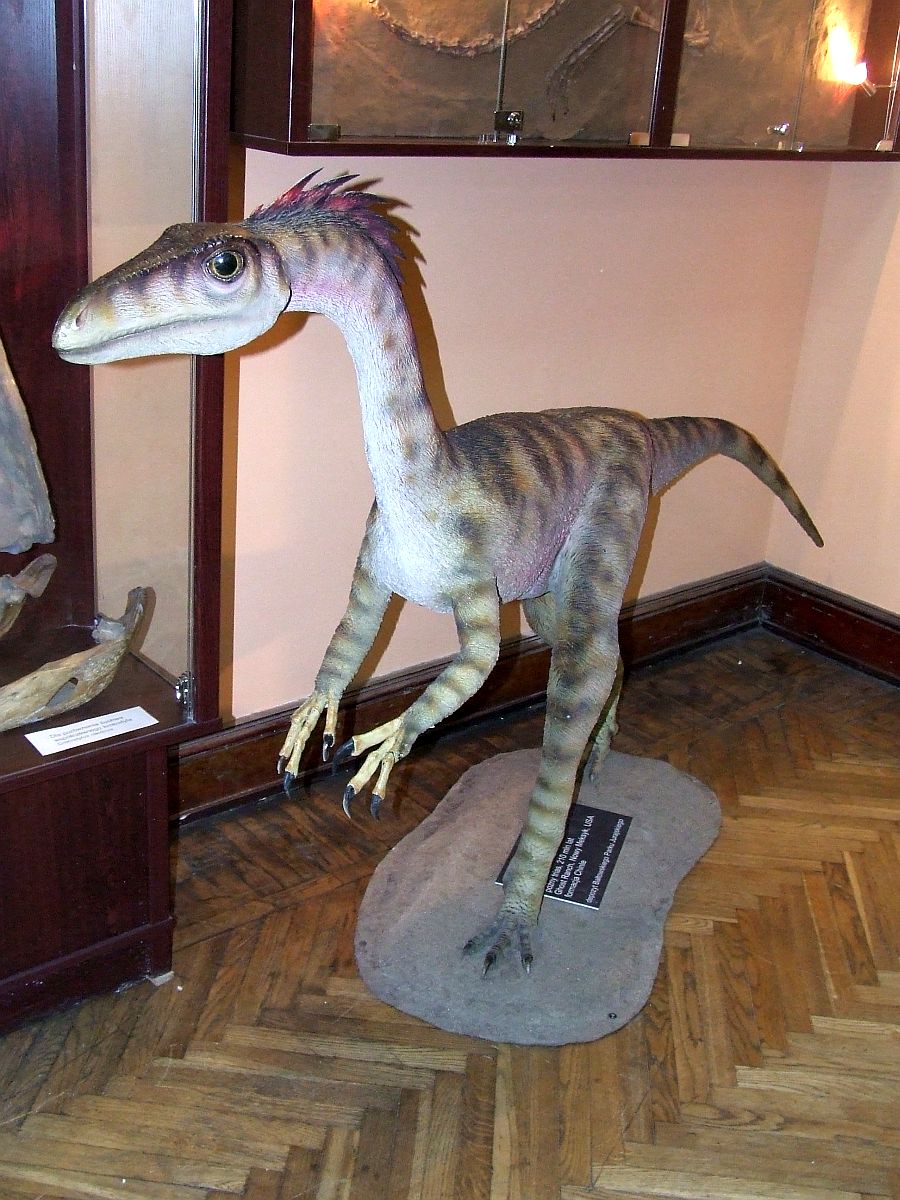
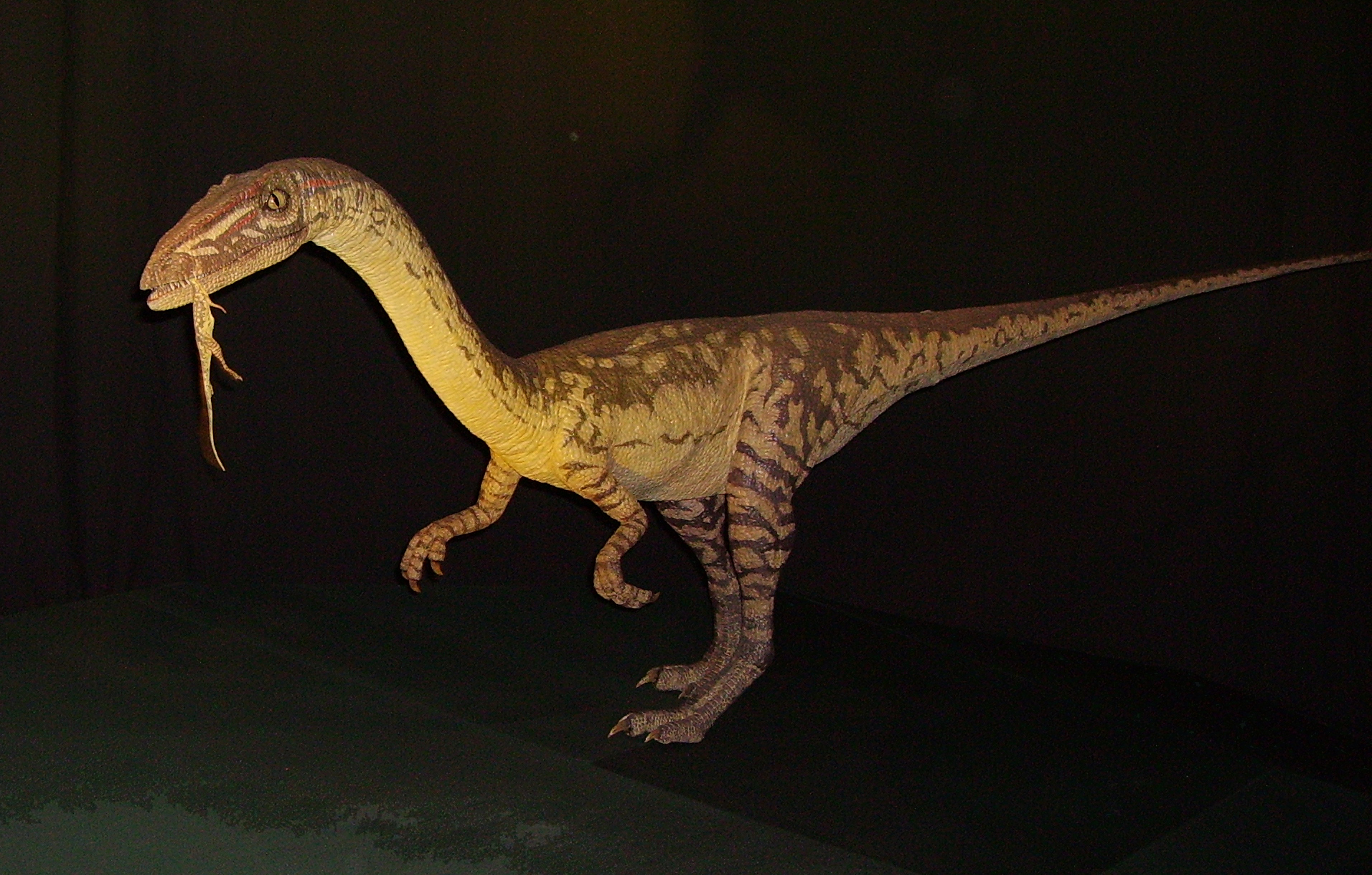
Life restoration of Coelophysis bauri by MakairodonX (2026), showing the animal with filamentous covering based on its phylogenetic position as a basal neotheropod.
MakairodonX, CC BY-SA 4.0
Ecology and behavior
Habitat
Coelophysis bauri inhabited the semi-arid plains and river valleys of the Chinle Formation, which extended across present-day New Mexico, Arizona, and possibly other areas of the southwestern United States 215-200 million years ago. The climate was warm and monsoonal, with intense seasonal rains followed by periods of severe drought. The paleogeographic position was near the equator, at approximately 12 degrees north latitude. Vegetation was dominated by primitive conifers, cycadophytes, tree ferns, and ferns. The environment was shared with other early dinosaurs, phytosaurs such as Redondasaurus, aetosaurs such as Typothorax, and the large predatory rauisuchian Postosuchus. Basal crocodylomorphs such as Hesperosuchus were also present and constituted part of Coelophysis's diet. Taphonomic evidence from Ghost Ranch suggests the animals gathered around water sources during drought periods, creating the conditions for catastrophic burial by flash floods.
Feeding
Coelophysis was a predator of small, fast-moving prey. The dentition consisted of 26 maxillary and 27 dentary teeth, all recurved, sharp, and finely serrated, adapted for grasping and cutting small prey rather than processing meat from larger animals. Biomechanical analysis by Therrien & Henderson (2011) demonstrated that the bite was relatively weak compared to later theropods, confirming Coelophysis was not a predator of large herbivores. Prey included primitive lizards, basal crocodylomorphs such as Hesperosuchus (confirmed by Nesbitt et al., 2006), insects, and possibly fish. The arms were flexible with good range of motion, but bone structure suggests they were not particularly strong; they were used to grasp small prey. Hunting strategy was likely high-speed pursuit followed by rapid, precise strikes with the elongated snout.
Behavior and senses
The question of Coelophysis social behavior is debated. The accumulation of hundreds of specimens at Ghost Ranch initially suggested gregarious behavior, but Schwartz & Gillette (1994) argued the accumulation resulted from catastrophic flood mortality, not necessarily from social behavior. The animals may have gathered around water resources during droughts without forming permanent packs. Binocular vision with forward-facing eyes, comparable to modern raptorial birds, suggests a highly visual, diurnal predator. The presence of two morphotypes (gracile and robust) is interpreted as sexual dimorphism. Barta et al. (2022) revealed highly variable growth trajectories, suggesting maturation did not follow a rigid schedule. Sexual maturity was reached at 2-3 years of age, with full adult size by age 8.
Physiology and growth
Coelophysis bauri had hollow (pneumatic) bones, the characteristic that gave the genus its name. This construction reduced body weight without compromising structural strength, a fundamental adaptation for fast bipedal locomotion. The animal weighed only 15-25 kg despite reaching 3 meters in length. The furcula (equivalent to the 'wishbone' of birds) is the oldest known in dinosaurs, establishing Coelophysis as fundamental evidence of the dinosaur-bird relationship. Barta et al. (2022) demonstrated that growth was highly variable between individuals, possibly representing a primitive Dinosauria condition. Sexual maturity was reached early (2-3 years) compared to full adult size (8 years), and Rinehart et al. (2009) estimated 24-26 eggs per clutch with 31-33.5 mm diameter. Locomotion was exclusively bipedal, with long, gracile legs providing high running speed.
Paleogeography
Continental configuration

Scotese & Vérard · CC BY 4.0 · Triassic, ~225 Ma
Fossil sites

Jeff Martz / National Park Service, dominio publico
During the Noriano-Rhaetiano (~215–200 Ma), Coelophysis bauri inhabited Pangea, the single supercontinent joining all modern continents. Climate was dry and hot across much of the continental interior.
Bone Inventory
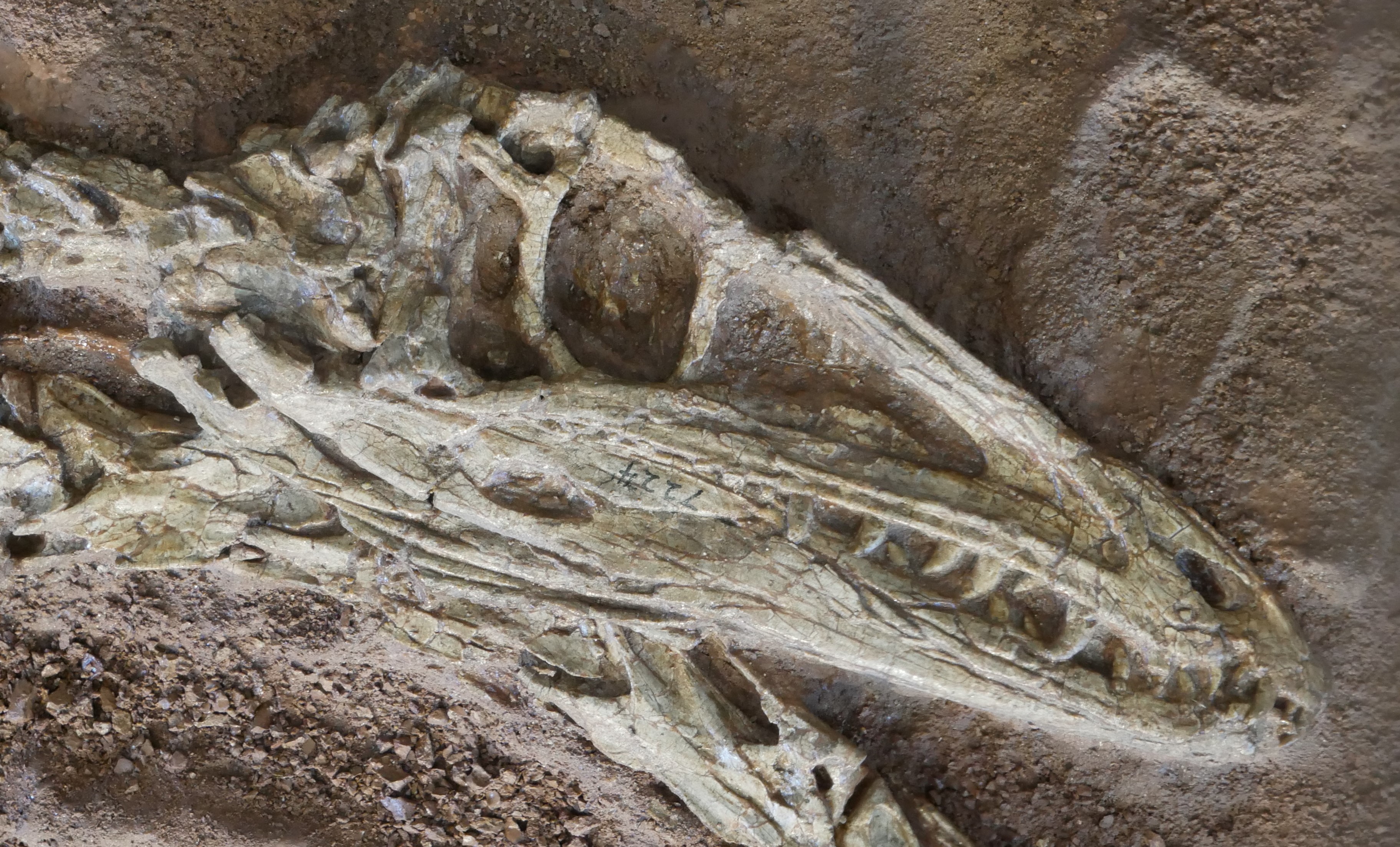
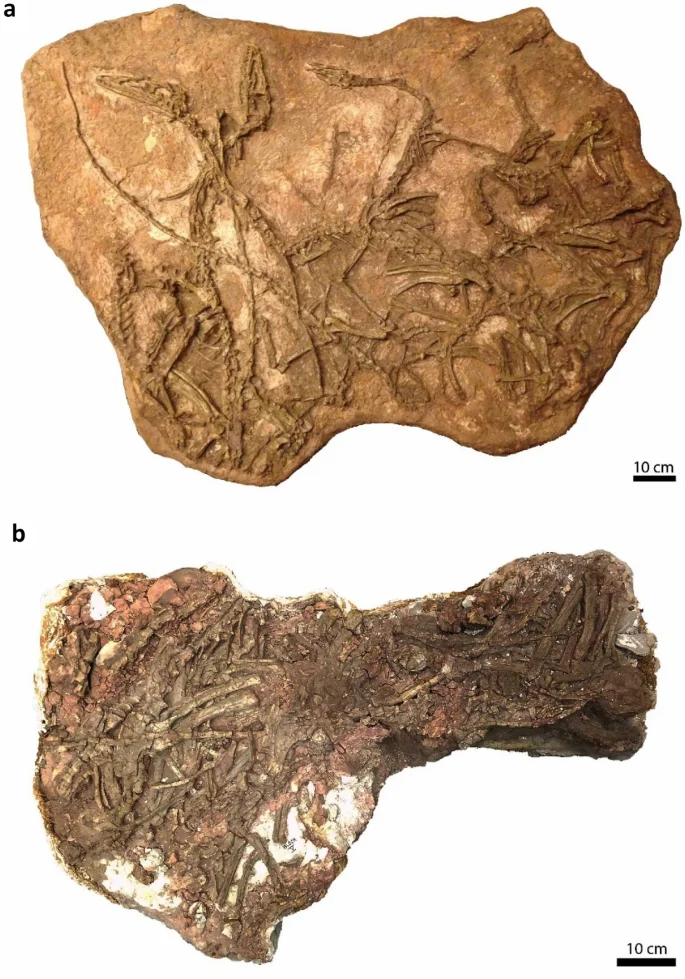
Based on multiple specimens from Ghost Ranch (Whitaker Quarry). The neotype AMNH 7224, designated by the ICZN in 1996 (Opinion 1842), is a nearly complete skeleton. Over 1,000 specimens have been recovered in total, including adults, subadults, and juveniles, allowing virtually complete anatomical reconstruction.

Found elements
Inferred elements
Scientific Literature
15 papers in chronological order — from the original description to recent research.
On a new genus of Triassic Dinosauria
Cope, E.D. · American Naturalist
The founding paper of Coelophysis taxonomy. Edward Drinker Cope describes fragmentary material collected by David Baldwin in 1881 from the Chinle Formation of Rio Arriba County, New Mexico. Cope initially named the material Coelurus bauri in 1887, but in 1889 established the genus Coelophysis to accommodate anatomical differences. The generic name, from the Greek koilos (hollow) and physis (form), refers to the remarkably hollow construction of the vertebral and limb bones. The species C. bauri honors the German paleontologist Georg Baur. The original material was fragmentary, consisting mainly of vertebrae and partial limb bones, which would generate decades of taxonomic confusion until the mass discovery at Ghost Ranch in 1947.

A Saurischian Dinosaur from the Triassic of Brazil
Colbert, E.H. · American Museum Novitates
Edwin Colbert reports the initial discovery of hundreds of Coelophysis skeletons at the Whitaker Quarry, Ghost Ranch, New Mexico, during the summer of 1947. The American Museum of Natural History expedition, led by Colbert with George Whitaker and Tom Ierardi, uncovered one of the densest accumulations of dinosaur skeletons ever recorded in Triassic sediments. George Simpson described the find as the greatest ever made in the Triassic of North America. The deposit included complete and articulated skeletons of adults, subadults, and juveniles, providing unprecedented data on growth and variation in an early theropod.


The Triassic dinosaur genera Podokesaurus and Coelophysis
Colbert, E.H. · American Museum Novitates
Colbert provides the first detailed osteological comparison between Coelophysis bauri from Ghost Ranch and Podokesaurus holyokensis from the Early Jurassic of Massachusetts. The analysis demonstrates that both genera share fundamental anatomical features but are distinct taxa. This work is significant because it establishes the initial anatomical framework for understanding coelophysoid diversity and evolution across the Triassic-Jurassic boundary. Colbert describes in detail the skull, vertebral column, pelvic girdle, and limbs, creating the foundation for all subsequent descriptions of Coelophysis until the publication of his definitive monograph in 1989.


On the type material of Coelophysis Cope (Saurischia: Theropoda) and a new specimen from the Petrified Forest of Arizona
Padian, K. · The Beginning of the Age of Dinosaurs
Padian reexamines the original type material of Coelophysis bauri collected by David Baldwin and described by Cope. The analysis reveals that the lectotype (a partial sacrum, AMNH 2722) is inadequate for diagnosis, raising questions about the genus validity as applied to the abundant Ghost Ranch material. This work is crucial because it triggered the taxonomic controversy that would last a decade: whether the Ghost Ranch material truly belonged to Cope's genus Coelophysis. The issue would only be resolved by the ICZN in 1996, with the designation of neotype AMNH 7224. Padian also describes a new specimen from the Petrified Forest of Arizona, expanding the known geographic range of early coelophysoid theropods.


The Triassic Dinosaur Coelophysis
Colbert, E.H. · Museum of Northern Arizona Bulletin
The definitive monograph on Coelophysis bauri, based on decades of study of the Ghost Ranch material. Colbert provides comprehensive osteological descriptions, growth series analysis, taphonomic interpretation of the bonebed, and ecological reconstruction. The work documents two distinct morphs (gracile and robust) interpreted as sexual dimorphism: the gracile morph has a longer skull and neck with shorter arms, while the robust morph has a shorter skull and neck with longer arms. The taphonomic interpretation suggests the animals died in a catastrophic event, possibly a flash flood that buried a group gathered around a water source. This monograph remained the primary reference on the species for over two decades.


Rioarribasaurus, a new name for a Late Triassic dinosaur from New Mexico (USA)
Hunt, A.P. & Lucas, S.G. · Palaontologische Zeitschrift
Hunt and Lucas argue that the Ghost Ranch theropod cannot be referred to Coelophysis because Cope's original type material is non-diagnostic. They erect a new genus, Rioarribasaurus colberti, for the Ghost Ranch specimens, with the species name honoring Edwin Colbert. This paper triggered one of the most heated taxonomic controversies of 20th-century paleontology. The scientific community was divided: on one side, those defending the technical validity of the reclassification; on the other, those arguing that abandoning the name Coelophysis, already widely established in the literature and popular culture, would cause more confusion than clarity. The issue was resolved by the ICZN in 1996, which conserved the name Coelophysis and designated AMNH 7224 as the neotype.

Geology and taphonomy of the Coelophysis quarry, Upper Triassic Chinle Formation, Ghost Ranch, New Mexico
Schwartz, H.L. & Gillette, D.D. · Journal of Paleontology
Detailed geological and taphonomic analysis of the Coelophysis Quarry at Ghost Ranch. The bone-bearing strata are abandoned channel deposits within a siltstone overbank sequence. The mass accumulation is interpreted as the result of a catastrophic flooding event that concentrated and buried Coelophysis and other vertebrate carcasses. Sedimentological evidence indicates rapid burial in a semi-arid floodplain environment with seasonal precipitation. The study is fundamental for understanding why so many skeletons were preserved together: not through obligate social behavior, but through a mass mortality event affecting animals gathered around water resources during the dry season.

Oldest records of the Late Triassic theropod dinosaur Coelophysis bauri
Lucas, S.G. & Heckert, A.B. · New Mexico Museum of Natural History and Science Bulletin
Lucas and Heckert identify and describe the oldest known specimens of Coelophysis bauri from the Petrified Forest Member of the Chinle Formation, extending the stratigraphic range of the species into the Revueltian land vertebrate faunachron. These specimens are older than the main Ghost Ranch assemblage and demonstrate that Coelophysis persisted across a significant span of Late Triassic time. The paper is important because it shows the species was not restricted to a single temporal event but represented a stable component of the North American Triassic fauna for millions of years.

Prey choice and cannibalistic behaviour in the theropod Coelophysis
Nesbitt, S.J. et al. · Biology Letters
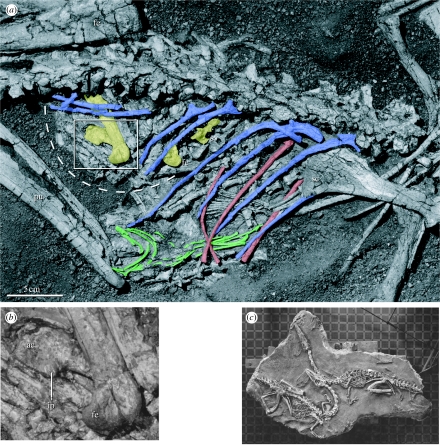
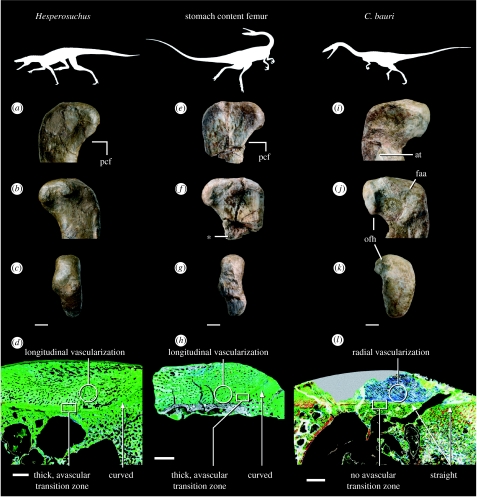
Study that definitively refutes the cannibalism hypothesis in Coelophysis. Nesbitt et al. reexamine the supposed gut contents in Ghost Ranch specimens that had been identified as juvenile Coelophysis ingested by adults. Comparative morphological analysis reveals that the ingested bones lack any synapomorphies of Coelophysis, Theropoda, or even Dinosauria; instead, they are consistent with early Crocodylomorpha, probably Hesperosuchus. These findings overturn the long-standing hypothesis that Coelophysis was cannibalistic, an idea that had become a central part of the popular narrative about the animal since Colbert's 1989 monograph.

The paleobiology of Coelophysis bauri (Cope) from the Upper Triassic (Apachean) Whitaker quarry, New Mexico, with detailed analysis of a single quarry block
Rinehart, L.F. et al. · New Mexico Museum of Natural History and Science Bulletin
Comprehensive paleobiological study of Coelophysis bauri based on detailed analysis of Ghost Ranch specimens. Rinehart et al. cover growth ontogeny, reproductive biology (estimating 24-26 eggs per clutch with 31-33.5 mm diameter), visual acuity comparable to modern raptorial birds, sexual dimorphism between gracile and robust morphs, and population structure. The study estimates sexual maturity at 2-3 years and full adult size by age 8. Vision analysis reveals Coelophysis was diurnal, with excellent depth perception and accommodation similar to eagles and hawks, but with limited night vision. It also documents evidence of food regurgitation in a juvenile specimen.

The early evolution of archosaurs: relationships and the origin of major clades
Nesbitt, S.J. · Bulletin of the American Museum of Natural History
Comprehensive phylogenetic analysis of Archosauria, including 80 taxa and 412 characters, that places Coelophysis bauri firmly within Theropoda as a member of Coelophysidae, a clade of early neotheropods. The analysis recovers Coelophysidae as monophyletic, including Coelophysis, Megapnosaurus (Syntarsus), and related taxa. This monumental 292-page work provides the most comprehensive framework for understanding the evolutionary relationships of early dinosaurs and is widely cited as a fundamental phylogenetic reference. The position of Coelophysis as one of the most basal theropods is confirmed with strong statistical support.


Biomechanical modeling of Coelophysis bauri: possible feeding methods and behavior of a Late Triassic theropod
Therrien, F. & Henderson, D.M. · New Mexico Museum of Natural History and Science Bulletin
Biomechanical analysis of the skull and jaws of Coelophysis bauri using finite element analysis and beam theory. The study models bite forces and stress distribution to infer feeding ecology. Results suggest Coelophysis had a relatively weak bite compared to later theropods, consistent with predation on small, fast-moving prey rather than large herbivores. The elongated snout and numerous small teeth are interpreted as adaptations for rapid, precision strikes. The work confirms Coelophysis occupied an ecological niche as a predator of smaller prey, complementing the anatomical observations of Colbert (1989).


Dental histology of Coelophysis bauri and the evolution of tooth attachment tissues in early dinosaurs
Hendrikx, C. et al. · Journal of Morphology
First detailed dental histological study of Coelophysis bauri. Thin sections of teeth reveal the microstructure of attachment tissues including acellular cementum, periodontal ligament space, and alveolar bone. Coelophysis possessed a thecodont tooth attachment similar to that of mammals and crocodilians. Comparison with other early dinosaurs reveals evolutionary trends in tooth attachment tissue complexity across Dinosauria. The study is significant because it demonstrates that sophisticated tooth attachment and replacement mechanisms were already present in the earliest dinosaurs, not an innovation of more derived groups.


The evolution of the manus of early theropod dinosaurs is characterized by high inter- and intraspecific variation
Barta, D.E. et al. · Journal of Anatomy
Detailed study of hand (manus) anatomy in early theropods, with extensive data from Coelophysis bauri. The analysis reveals that hand morphology in early dinosaurs was far more variable than previously recognized, both within and between species. Coelophysis had four digits with three functional ones, and significant variation in digit proportions exists among Ghost Ranch specimens. This variability complicates phylogenetic analyses that rely on hand characters. The work is important because it questions the reliability of hand characters in cladistics of basal theropods.

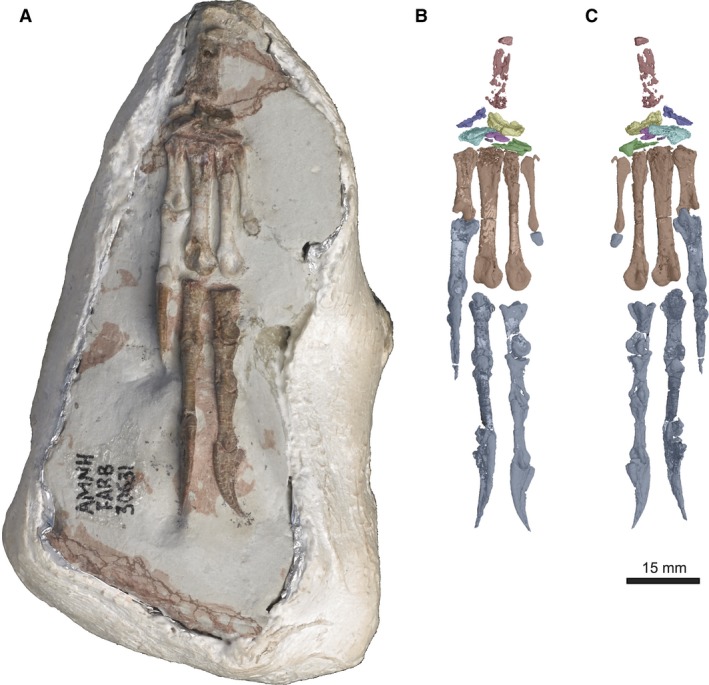
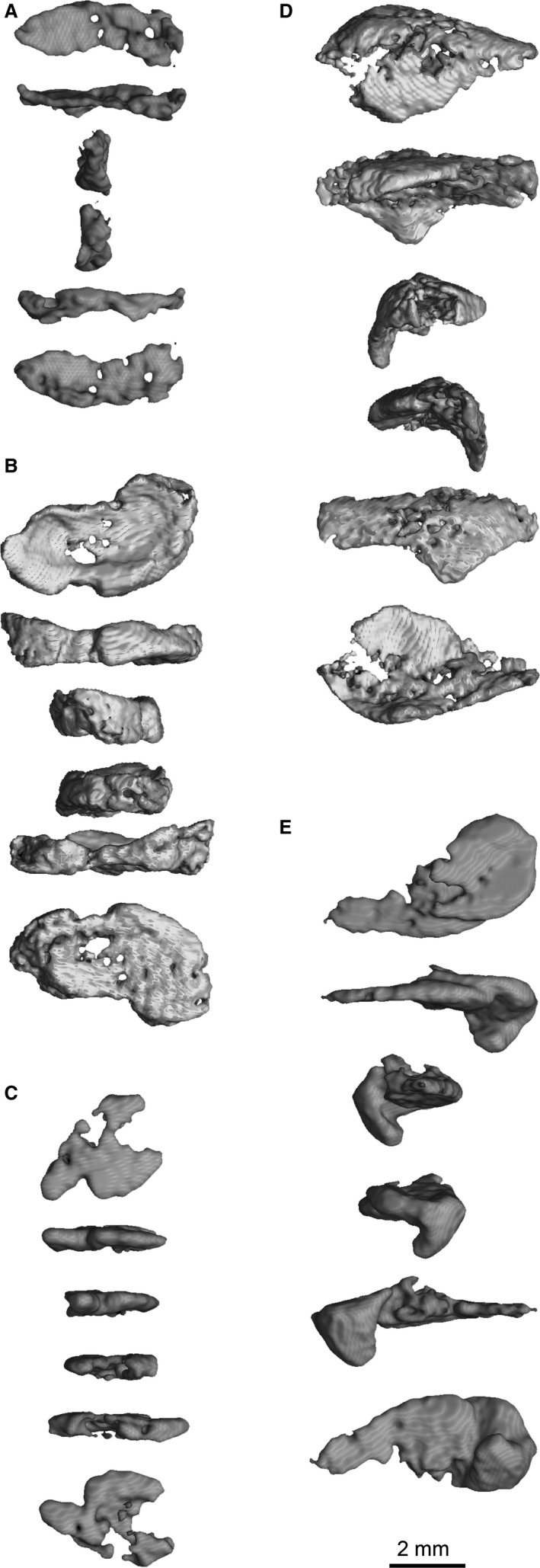
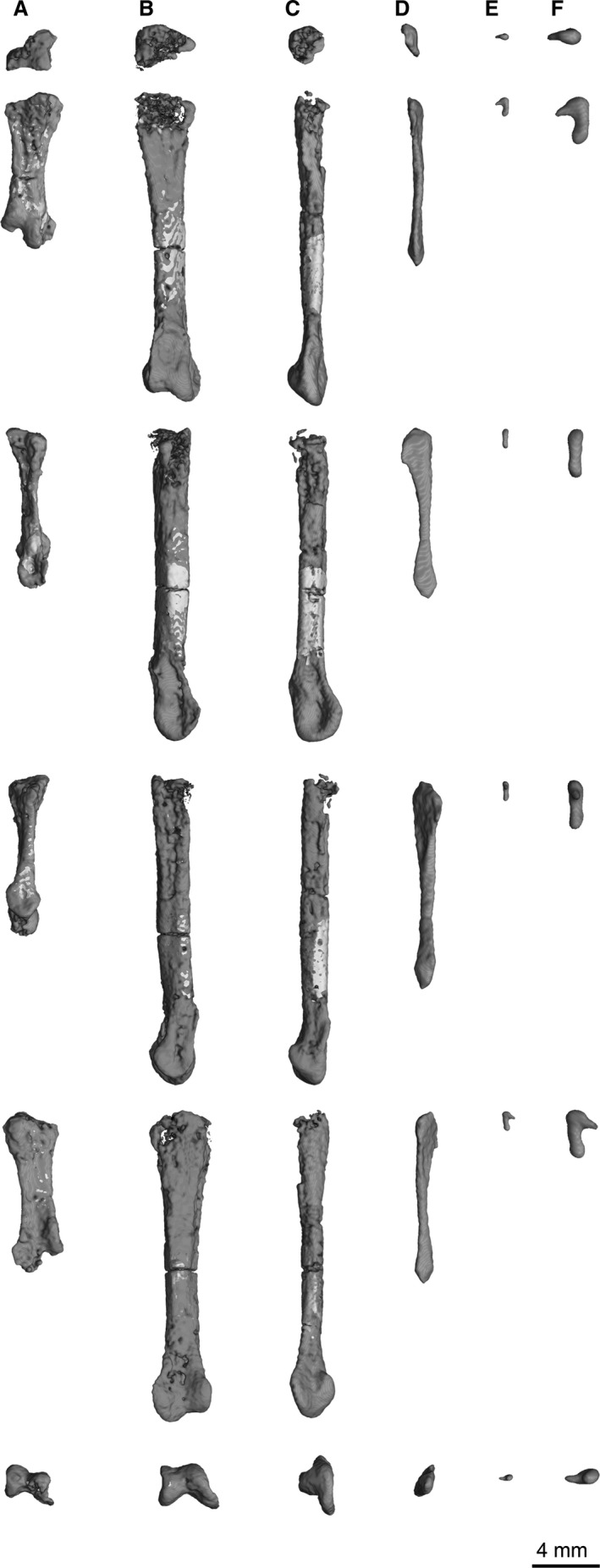
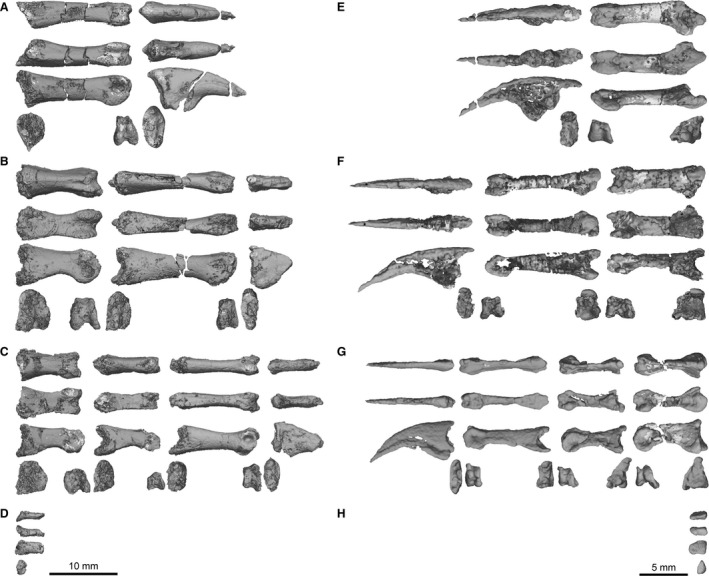
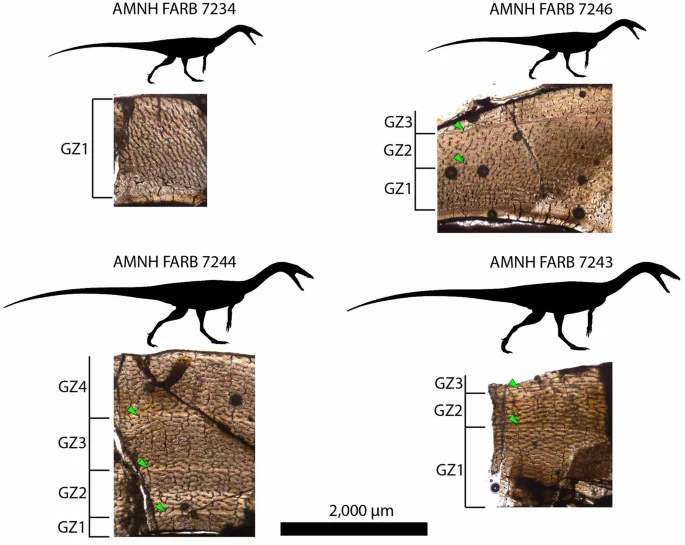
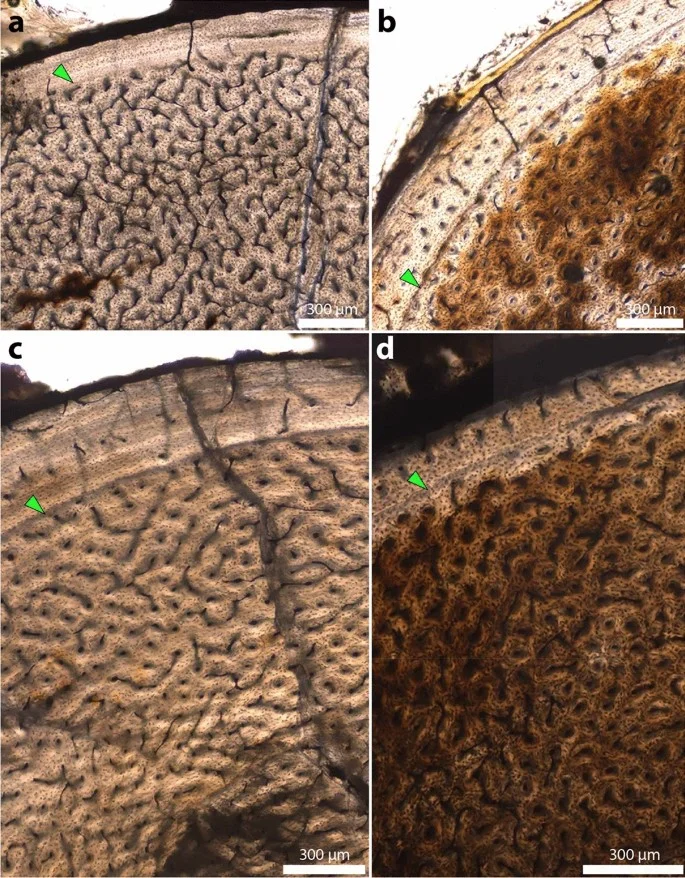
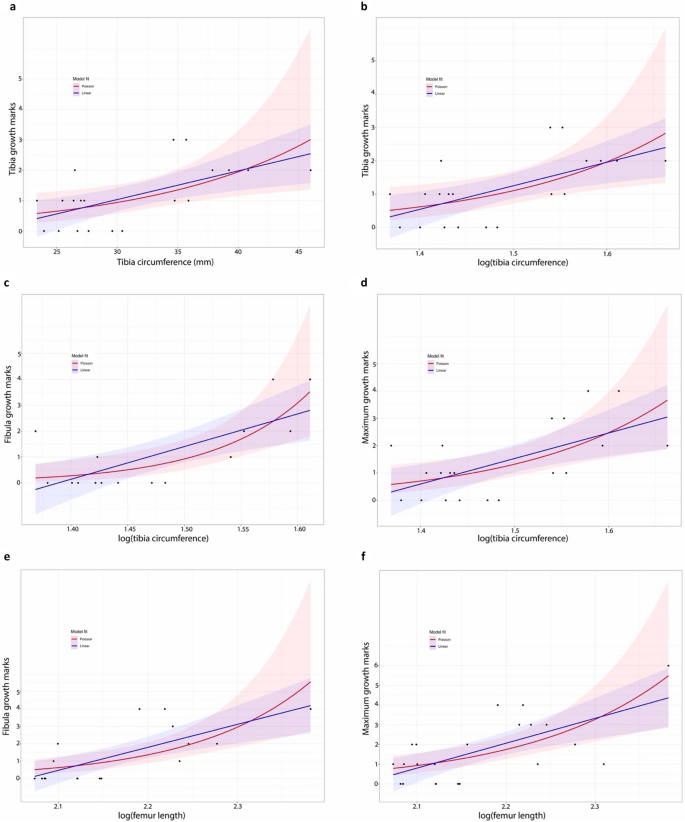
Osteohistology of a Triassic dinosaur population reveals highly variable growth trajectories typified early dinosaur ontogeny
Barta, D.E., Griffin, C.T. & Norell, M.A. · Scientific Reports
Osteohistological analysis of multiple Coelophysis bauri specimens from Ghost Ranch reveals highly variable individual growth trajectories. Unlike the predictable growth curves of later derived dinosaurs, Coelophysis shows marked differences in growth rate and pattern between individuals of similar size. This variability may represent a primitive condition for Dinosauria, suggesting that the more canalized growth seen in derived groups evolved later. The study is published in Scientific Reports with open access, including detailed histological images of bone cross-sections and comparative growth charts.

Famous museum specimens
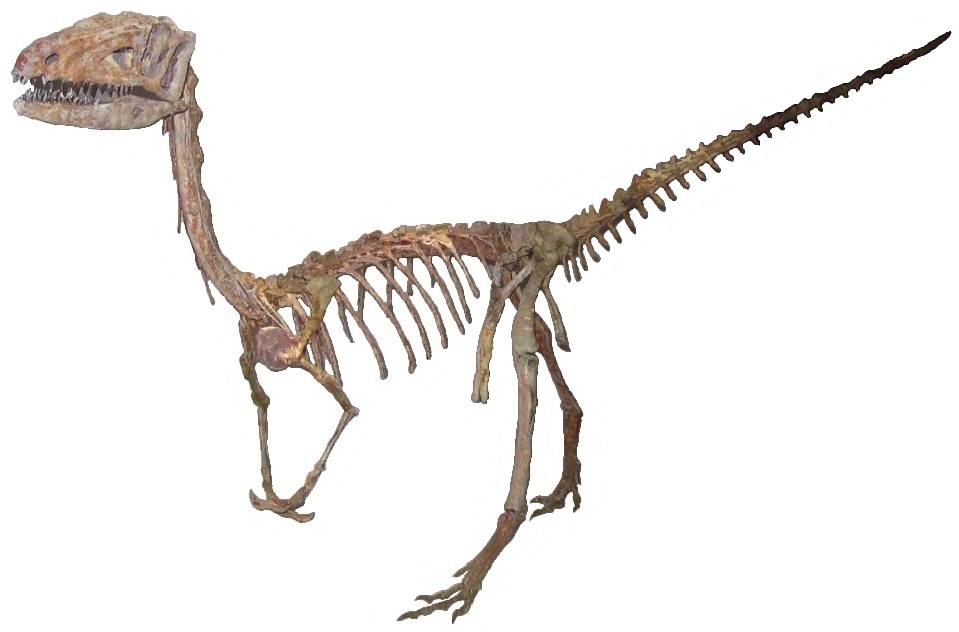
AMNH 7224 (neotipo)
American Museum of Natural History, Nova York
Neotype designated by the ICZN in 1996 (Opinion 1842). Nearly complete skeleton, one of the best-preserved Triassic theropods. Replaced Cope's fragmentary original lectotype (AMNH 2722).
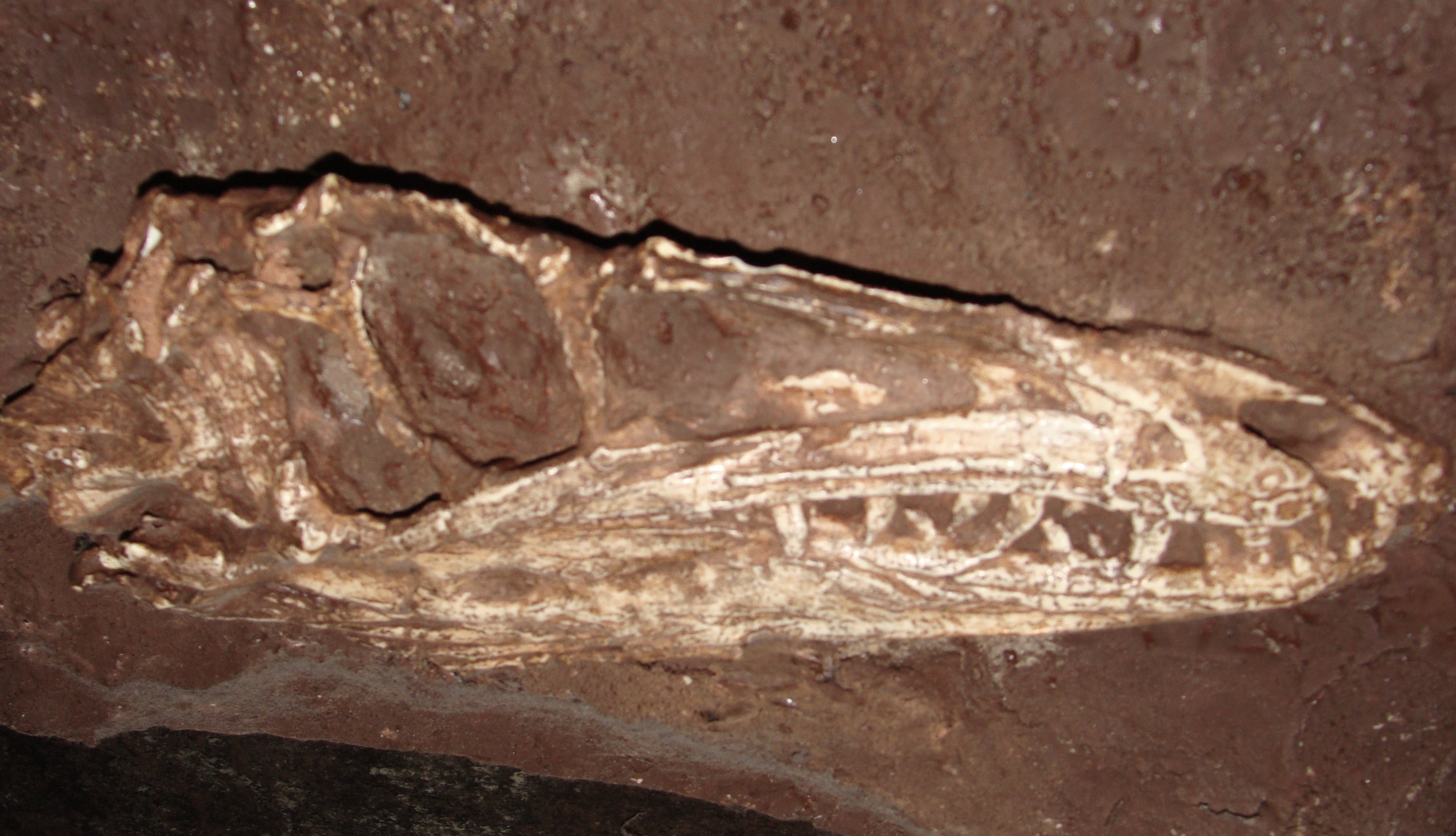
NMMNH P-42200
New Mexico Museum of Natural History and Science, Albuquerque
Specimen with complete preserved skull. Coelophysis is the official state fossil of New Mexico since 1981 and the museum's symbol.
In cinema and popular culture
Coelophysis bauri occupies a unique place in popular culture as the most widely represented Triassic dinosaur in documentaries and educational media. Its landmark television debut came in 1999 with BBC's Walking with Dinosaurs, where it starred in the episode New Blood, set on the semi-arid plains of the Late Triassic. The production, pioneering in its use of CGI for paleontological reconstructions, depicted Coelophysis hunting in packs, enduring droughts, and controversially practicing cannibalism. This last scene followed the interpretation accepted at the time, based on Colbert's 1989 monograph, which would be refuted by Nesbitt et al. in 2006. In 2001, When Dinosaurs Roamed America opened with Coelophysis as the program's first dinosaur, hunting small prey and escaping phytosaurs. In 2007, the IMAX documentary Dinosaurs Alive!, narrated by Michael Douglas, brought Coelophysis to giant screens by depicting the American Museum of Natural History's research at Ghost Ranch. Beyond documentaries, Coelophysis appears in the games Jurassic World Evolution (2018) and Jurassic World Evolution 3 (2025) as a playable species. The cinematic representation of Coelophysis has evolved over the years: from models with cannibalism in the 1990s to more accurate reconstructions emphasizing agility, keen vision, and its role as a small-bodied generalist predator.
Classification

Discovery
Fun fact
Coelophysis was the second dinosaur to travel to space. A skull from the Carnegie Museum of Natural History flew aboard the Space Shuttle Endeavour on the STS-89 mission in January 1998, even visiting the Russian space station Mir.
Last reviewed: April 24, 2026