
Camarasaurus
Camarasaurus supremus
"Supreme chambered lizard"
About this species
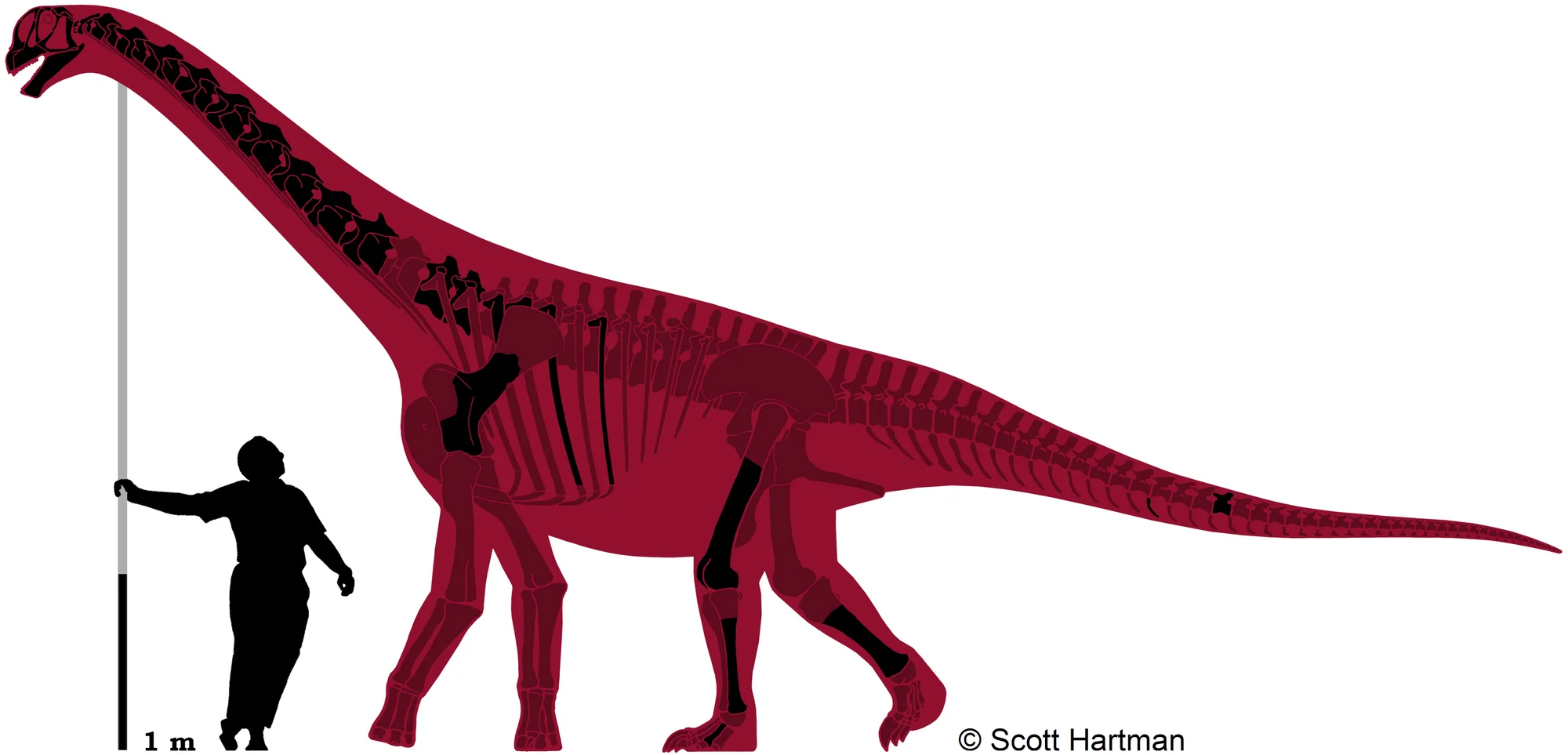
Camarasaurus supremus is the type species and largest member of the genus Camarasaurus, the most common sauropod of the Morrison Formation. Described by Edward Drinker Cope in 1877 from material discovered in Colorado, it was one of the first large North American sauropods to be studied systematically. It is distinguished by its tall, short skull with enormous external nostrils and particularly robust spoon-shaped teeth, adapted for a diet of tough vegetation such as tree ferns and conifers. At up to 23 meters in length and over 40 tonnes, it was the largest herbivore of its ecosystem.
Geological formation & environment
The Morrison Formation (155-148 Ma) is one of the most studied geological units in North American paleontology. Deposited during the Late Jurassic (Kimmeridgian-Tithonian) by rivers and lakes in an extensive alluvial plain covering what are now Colorado, Wyoming, Utah, Montana, New Mexico, and other western American states, the Morrison preserves the most diverse dinosaur fauna in North America, including at least six sauropod genera (Camarasaurus, Diplodocus, Brachiosaurus, Apatosaurus, Brontosaurus, Barosaurus), as well as Allosaurus, Stegosaurus, Ceratosaurus, and dozens of other taxa.
Image gallery
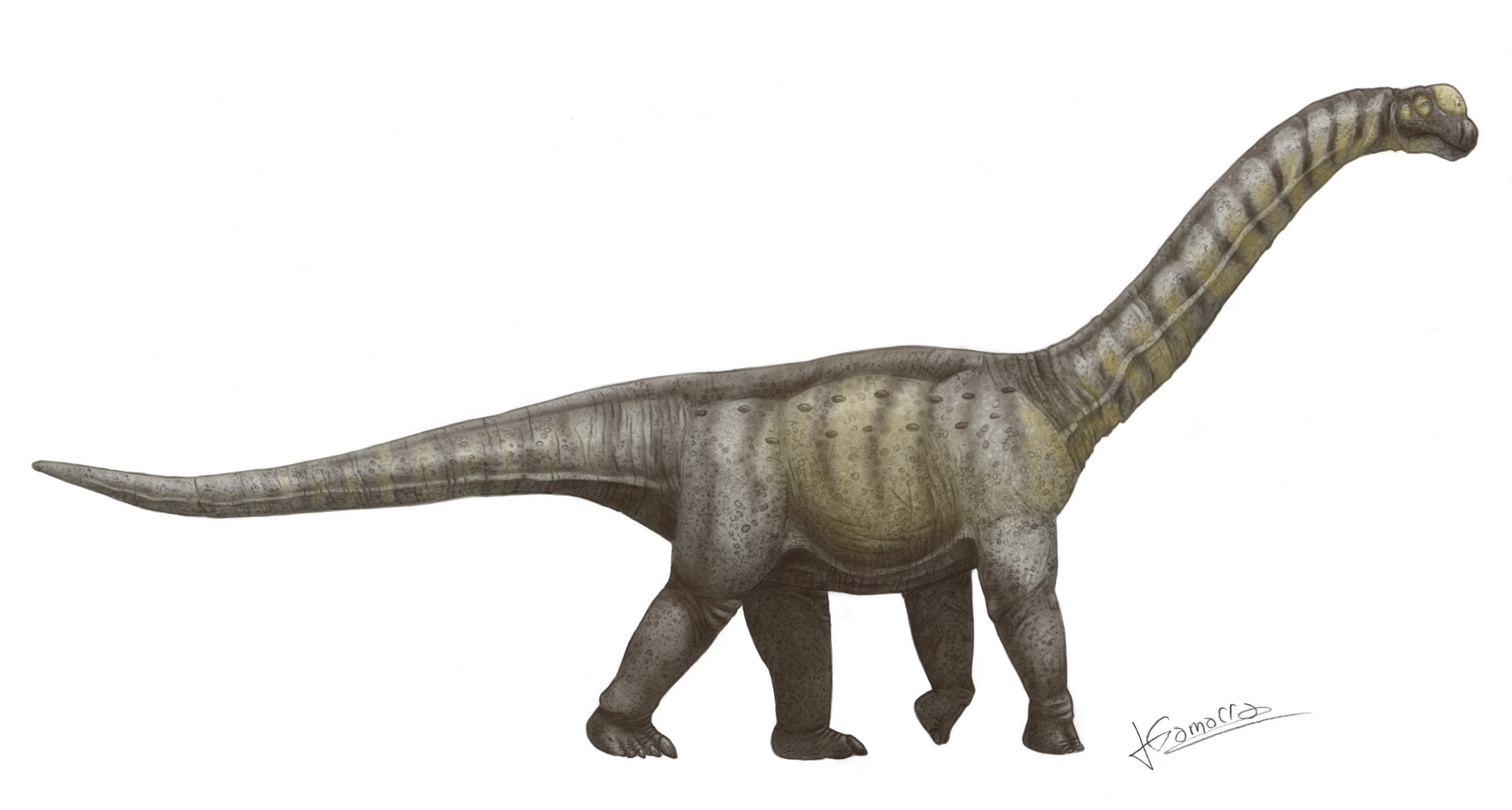
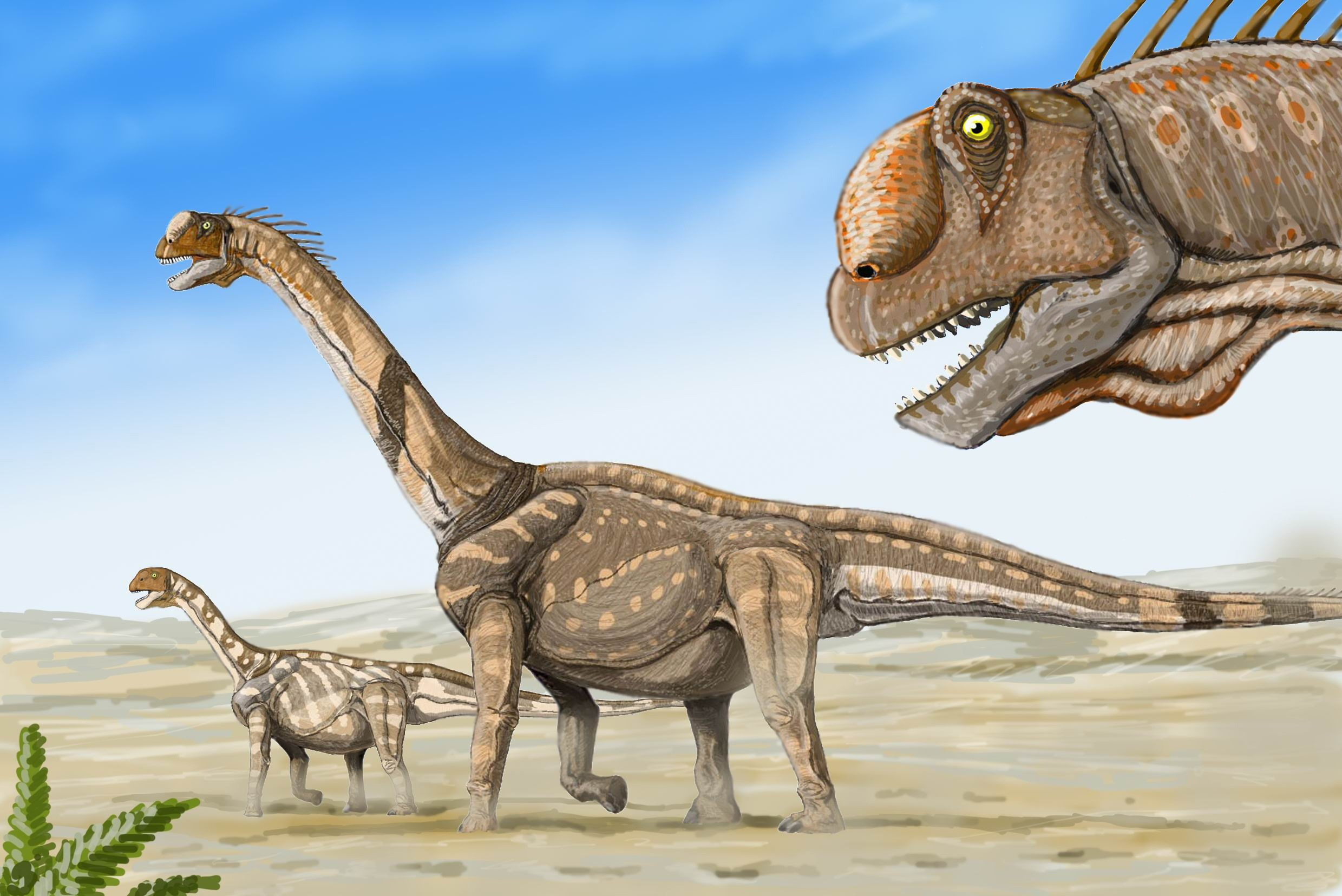

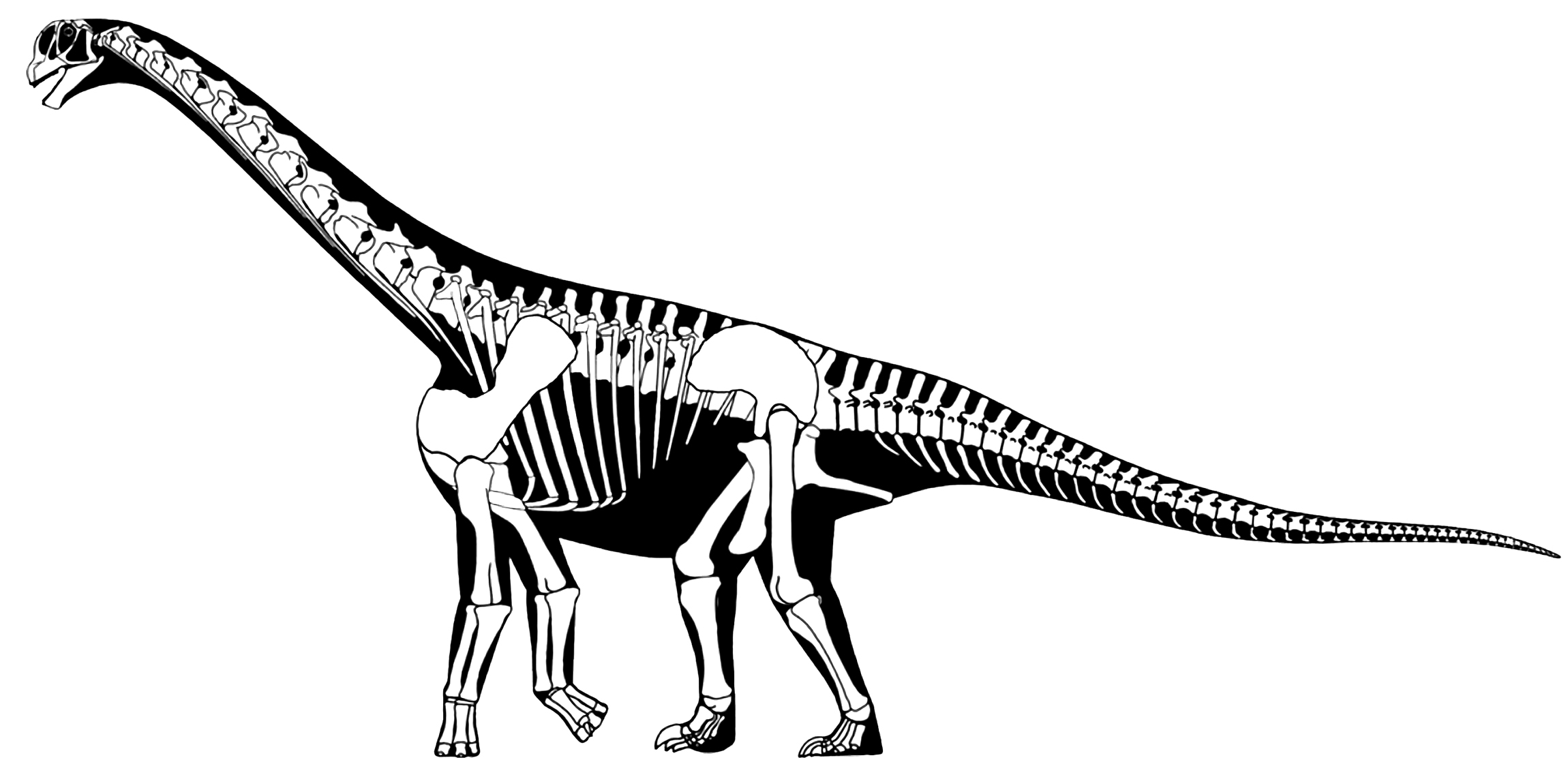

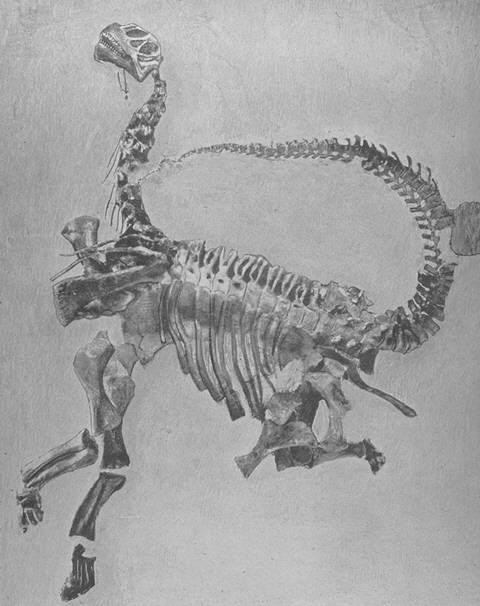




Life reconstruction of Camarasaurus supremus by Jesus Gamarra (CC BY-SA 4.0). The type species of the genus reached up to 23 meters in length and over 40 tonnes.
Jesus Gamarra — CC BY-SA 4.0
Ecology and behavior
Habitat
Camarasaurus supremus inhabited the seasonally dry alluvial plains of the Morrison Formation in Late Jurassic western North America (~155-145 Ma). The ecosystem was a semi-arid subtropical savanna with meandering rivers and shallow lakes that partially dried in dry seasons. Vegetation included conifers (Araucaria, Brachyphyllum), tree ferns, ginkgos, cycads, and horsetails. Camarasaurus coexisted with Allosaurus (main predator), Stegosaurus, Diplodocus, Brachiosaurus, Apatosaurus, Ceratosaurus, and Brontosaurus.
Feeding
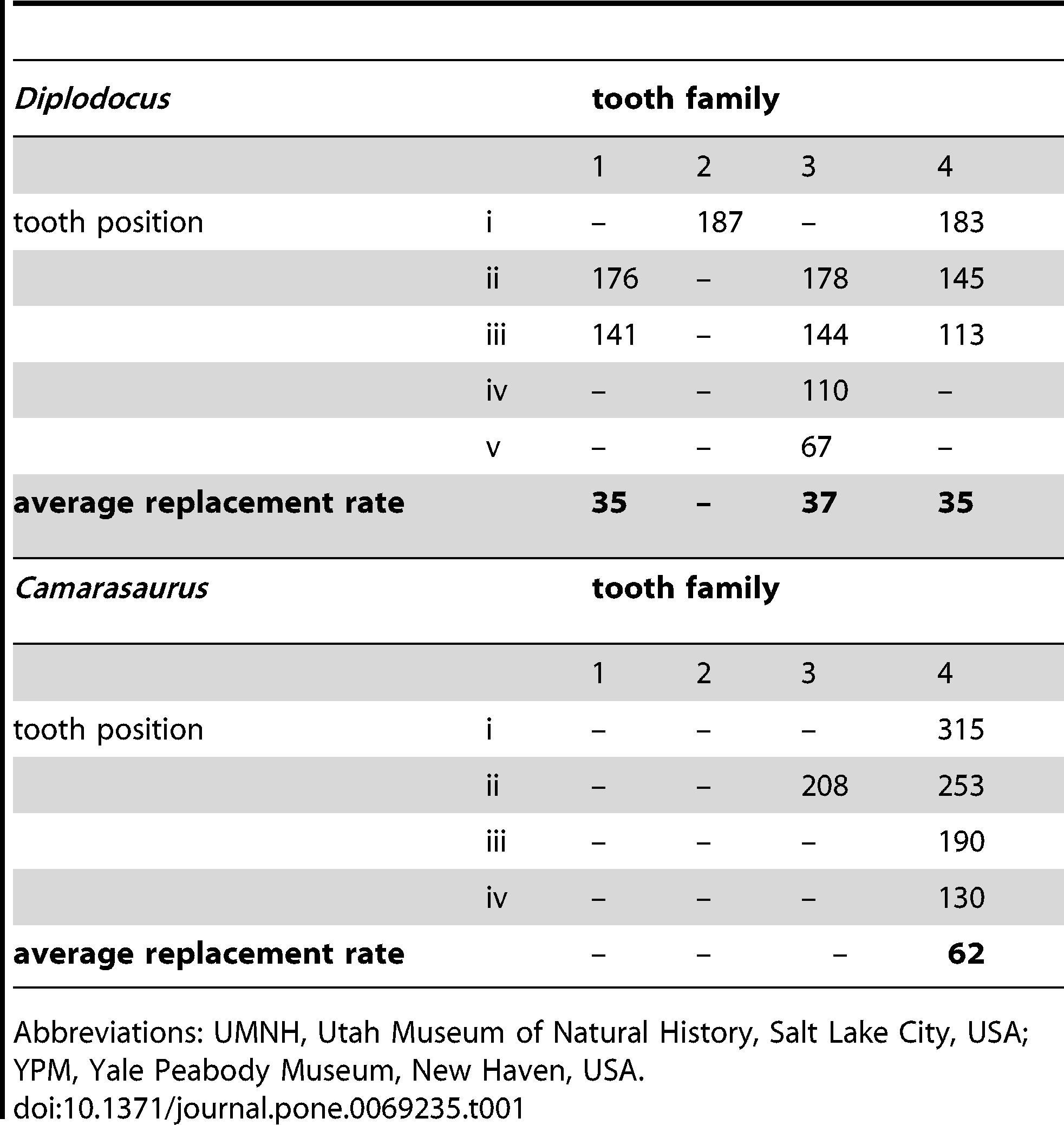
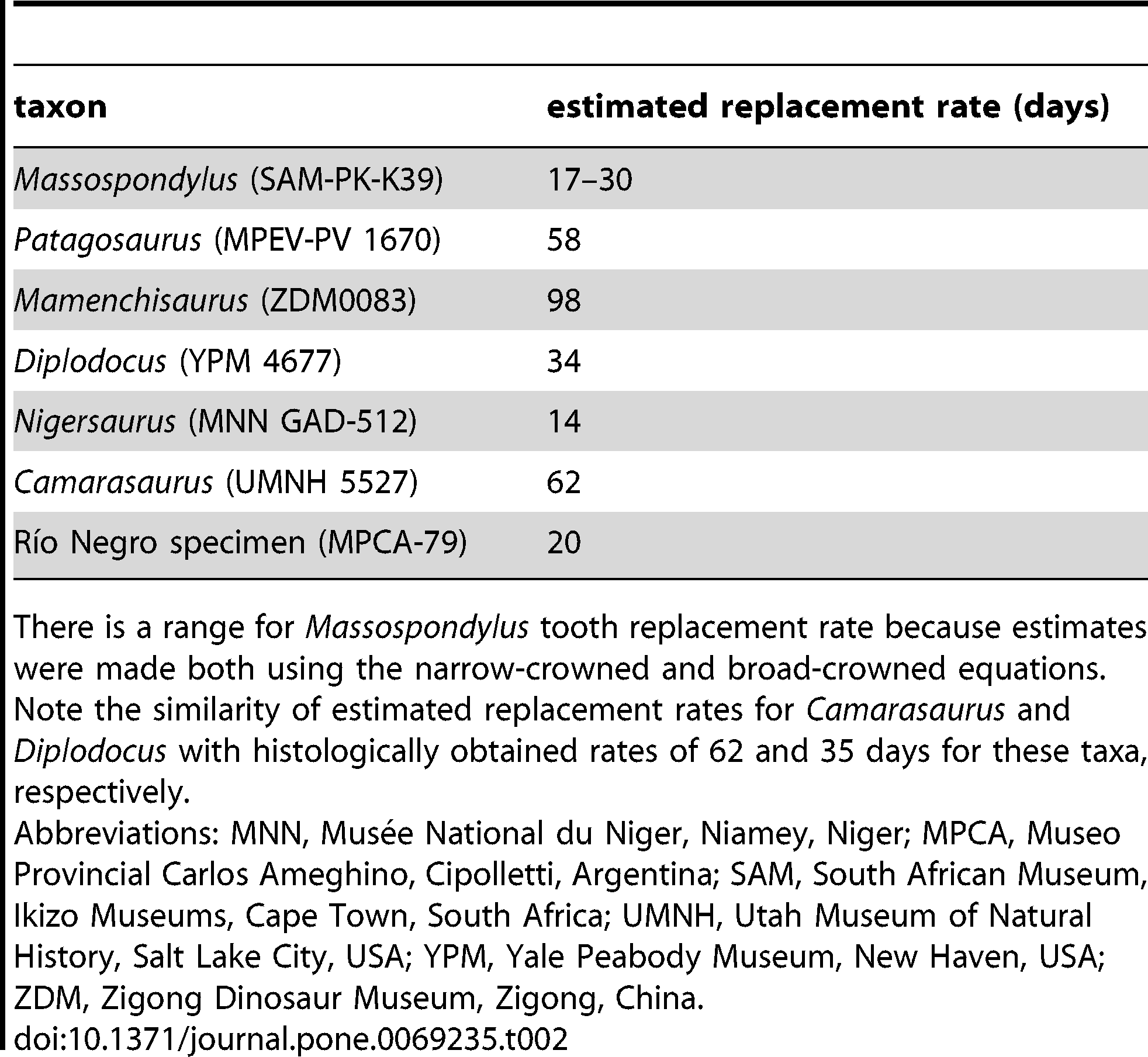
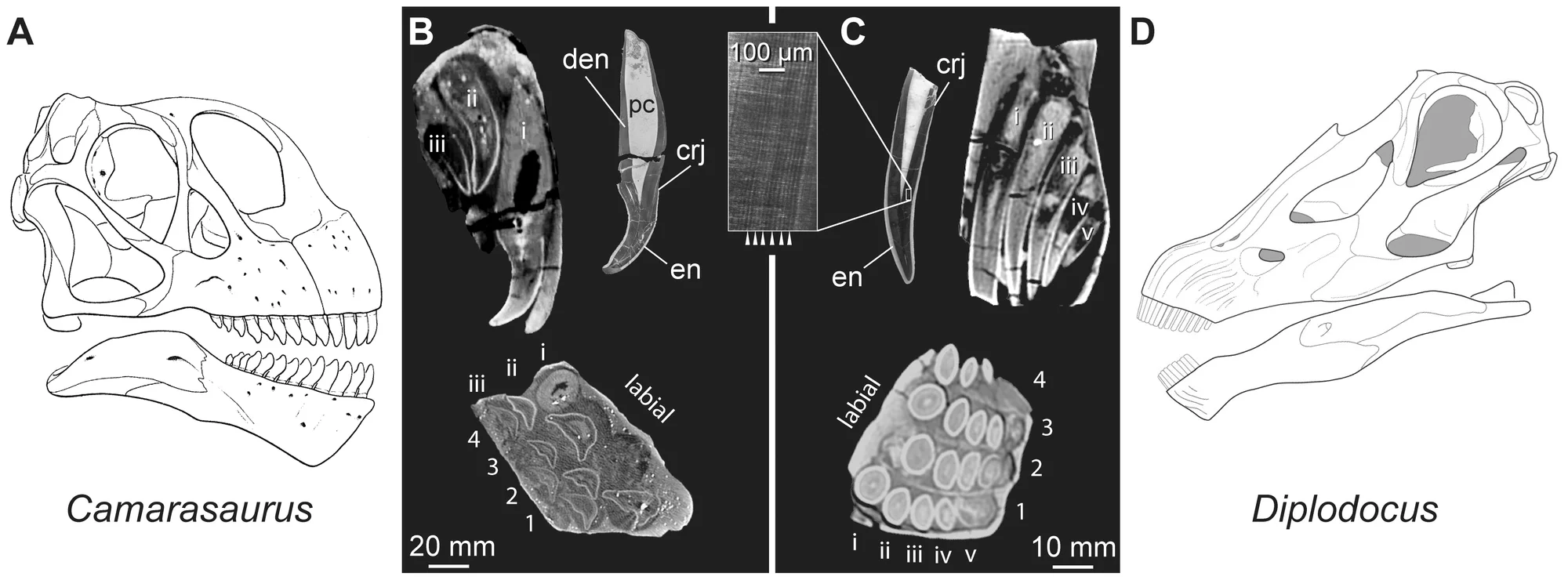
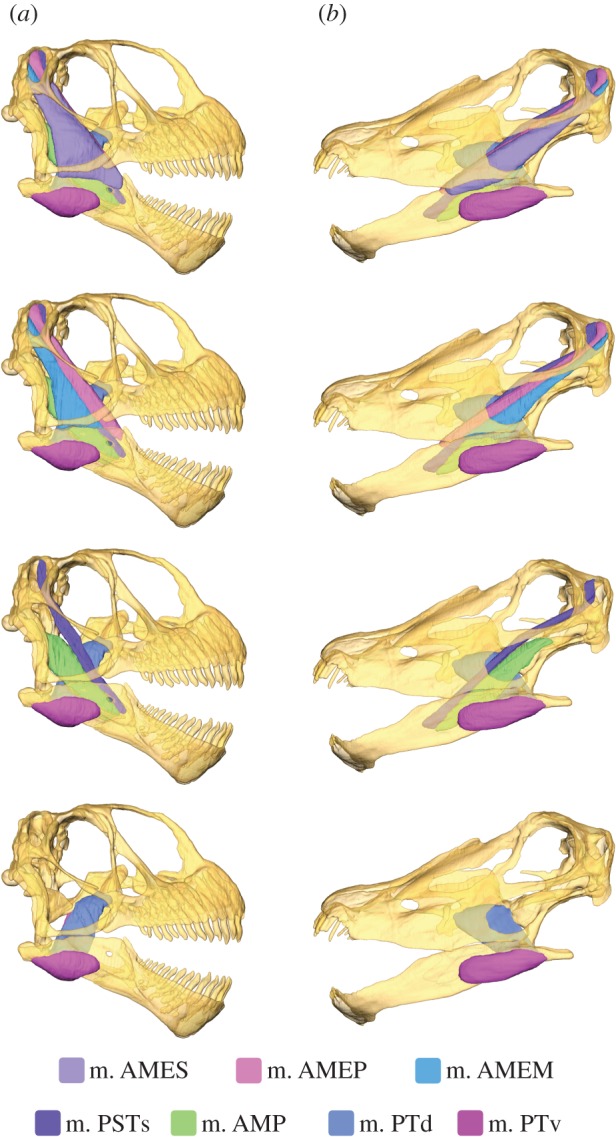
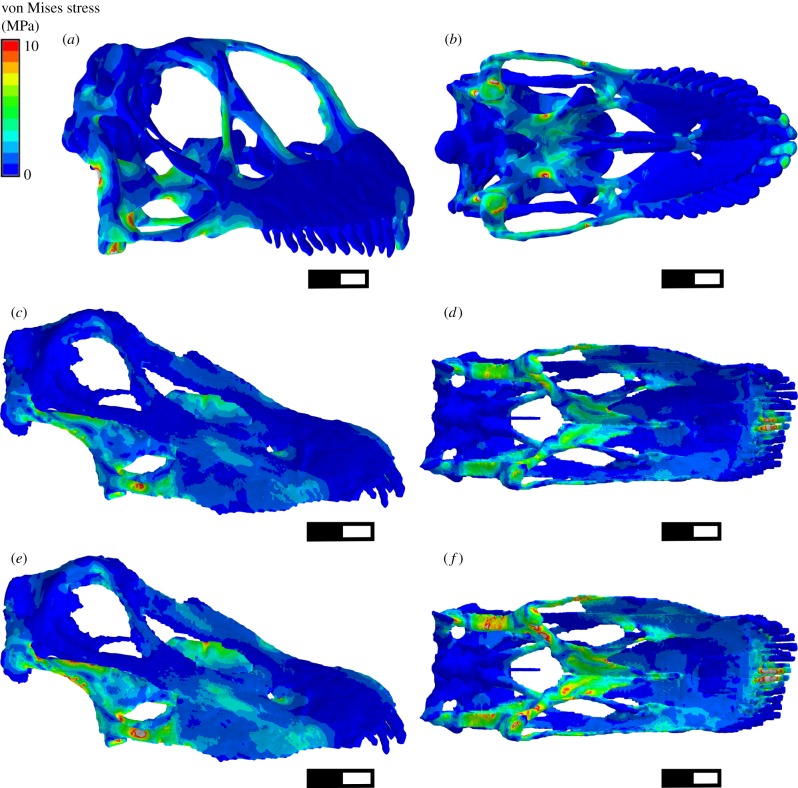
Medium-stratum browser specialized in tough vegetation. The tall, short skull with robust spatulate teeth generated bite forces substantially greater than contemporary diplodocoids (Button et al. 2014), enabling processing of conifer branches, tree fern fronds, and other high-cellulose and high-silica plants. Dental microwear (Fiorillo 1998) confirms a diet of hard, abrasive material. It replaced each tooth every 62 days (D'Emic et al. 2013), but the large tooth volume resulted in a higher volumetric renewal rate than Diplodocus.
Behavior and senses
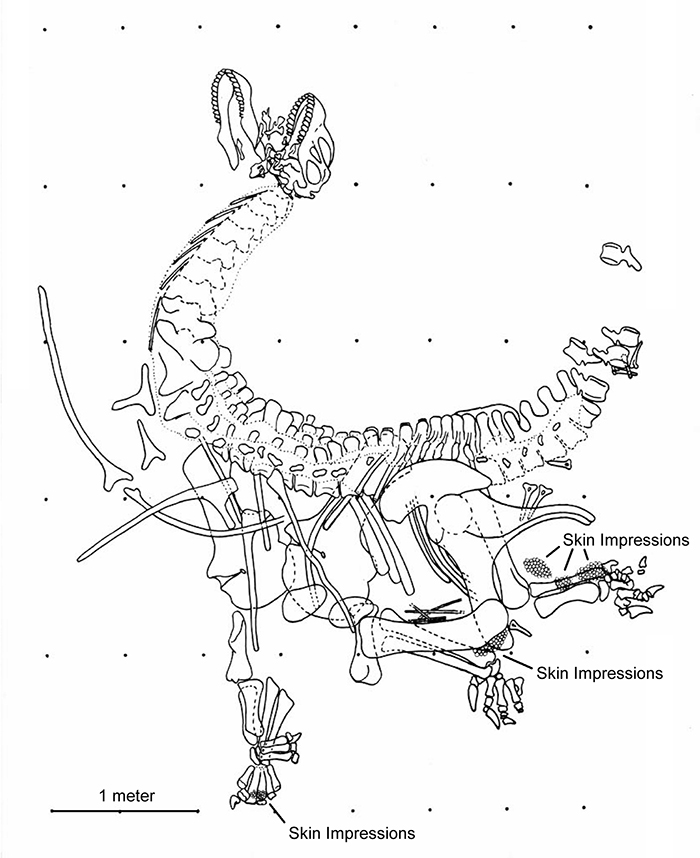
Evidence of gregariousness comes from multiple finds of specimens of the same species in association in the Morrison Formation, suggesting herd behavior. Allosaurus bite marks on Camarasaurus bones document predation or scavenging by this theropod. Analysis of juvenile specimens in association with adults may indicate parental behavior or juvenile tolerance within the group. The 'E.T.' specimen (SMA 0002) with articulated autopodials preserved skin impressions, but with no indication of display or communication structures.
Physiology and growth
Bone histology (Griebeler et al. 2013; Wiersma-Weyand & Sander 2017) demonstrates rapid growth with fibroreticular tissue in juveniles and fibrolamellar tissue in adults, confirming elevated metabolism incompatible with ectothermy. Camarasaurus reached sexual maturity around 10-15 years and maximum adult size around 20 years. Vertebral pneumatization (pleurocoels) reduced skeleton weight without compromising resistance — a crucial adaptation for supporting the neck and trunk of a 35-tonne animal. Skin impressions show mosaic scales without specialized thermoregulatory structures.
Paleogeography
Continental configuration

Scotese & Vérard · CC BY 4.0 · Jurassic, ~155 Ma
Fossil sites

Das steinerne Herz — Domínio Público
During the Kimmeridgiano-Titoniano (~155–145 Ma), Camarasaurus supremus inhabited the fragmenting Pangea. North America and Europe were still close, and the North Atlantic was just beginning to open. Climate was warm and humid globally, with no polar ice caps.
Bone Inventory
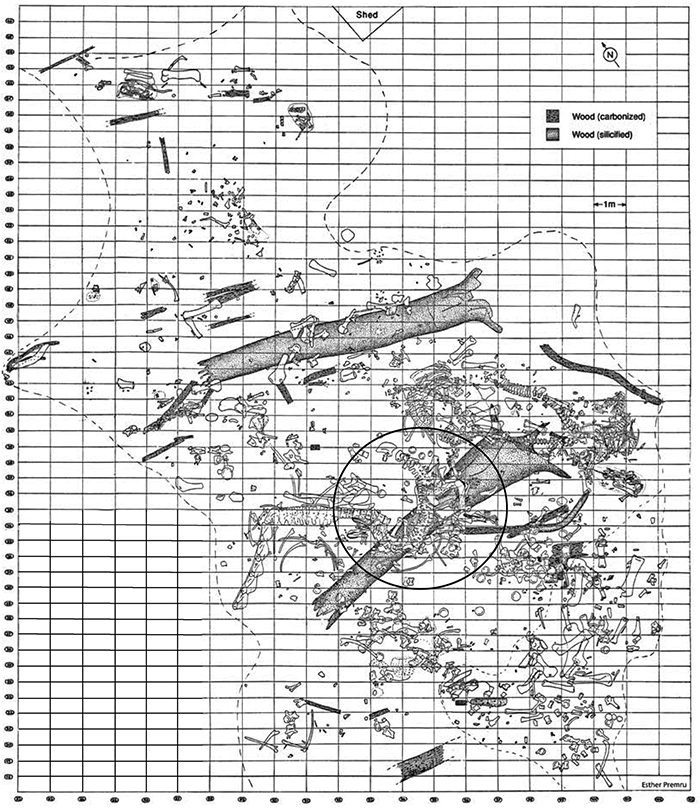
Multiple excellent specimens are known. Specimen CM 11338, described by Gilmore in 1925, is a nearly complete articulated juvenile Camarasaurus lentus skeleton, permitting study of virtually all skeletal elements in association. For C. supremus, material includes dorsal vertebrae, partial skull, and postcranial elements from the Garden Park fauna (Colorado), along with a robust specimen record throughout the Morrison Formation.
Found elements
Inferred elements
Scientific Literature
15 papers in chronological order — from the original description to recent research.
On a gigantic saurian from the Dakota epoch of Colorado
Cope, E.D. · Palaeontological Bulletin
Founding paper for the study of Camarasaurus supremus, published in 1877 during the 'Bone Wars' between Cope and Marsh. From gigantic dorsal vertebrae found at Garden Park, Colorado, by Oramel William Lucas, Cope proposes the new genus Camarasaurus ('chambered lizard') in reference to pleurocoels, air cavities in the vertebrae that lighten the structure without compromising strength. Cope estimates the animal would have been over 60 feet in length. The material also included rib fragments and other postcranial bones. The work establishes the taxonomic foundation for all subsequent research on the species and inaugurates the systematic study of North American sauropods from the Morrison Formation.
Camarasaurus, Amphicoelias, and other sauropods of Cope
Osborn, H.F. & Mook, C.C. · Memoirs of the American Museum of Natural History
Fundamental monograph defining Camarasaurus anatomy for generations of researchers. Osborn and Mook systematically describe the robust skull with large external nostrils, the short cervical vertebrae compared to other sauropods, and the general appendicular skeleton structure. The work includes detailed plates of all skeletal elements known for C. supremus and C. lentus, comparing them with Cope's material. The authors also revise the synonymy of names Cope proposed for different parts of the skeleton. This monograph remains the primary reference for Camarasaurus morphology and formed the basis for all 20th and 21st century comparative studies. The anatomical diagnosis established by Osborn and Mook for C. supremus — especially dorsal vertebrae proportions — is still used in modern literature.

A nearly complete articulated skeleton of Camarasaurus, a saurischian dinosaur from the Dinosaur National Monument, Utah
Gilmore, C.W. · Memoirs of the Carnegie Museum
Gilmore describes specimen CM 11338 from Dinosaur National Monument, Utah, still the most complete and best-preserved Camarasaurus known. A juvenile at approximately 75% of adult size, the skeleton was found articulated — bones in original anatomical position — which is exceptionally rare in sauropods. The work includes the first complete skeletal reconstruction of a sauropod based on a single individual, executed by Sidney Prentice under Gilmore's direction. All cranial elements are present, including the characteristically tall, short skull with large temporal and orbital fenestrae. Gilmore documents limb proportions, the complete dental formula (4 premaxillary, 9-10 maxillary, 13 dentary per side), and vertebral morphology across all regions of the spine. This monograph remains the mandatory starting point for any anatomical study of Camarasaurus.


The osteology of Camarasaurus lewisi (Jensen, 1988)
McIntosh, J.S., Miller, W.E., Stadtman, K.L. & Gillette, D.D. · BYU Geology Studies
McIntosh and colleagues revise the specimen originally described by James Jensen in 1988 as new genus Cathetosaurus lewisi, from Colorado and Utah. Systematic analysis of cranial and postcranial osteology demonstrates the material belongs to genus Camarasaurus, reclassified as C. lewisi. The work examines dorsal and cervical vertebrae in detail, skull morphology, and pectoral girdle, comparing them to C. supremus, C. grandis, and C. lentus. This taxonomic revision consolidates understanding of valid species within Camarasaurus and serves as a reference for subsequent discussions about the validity of C. lewisi as distinct from C. grandis — a debate that remains open in modern literature.

Species-based morphological variation and ontogenetic change in Camarasaurus (Dinosauria, Sauropoda) from the Morrison Formation
Ikejiri, T. · Journal of Vertebrate Paleontology
Ikejiri performs the most rigorous quantitative analysis of morphology within Camarasaurus, measuring 74 morphological variables in 28 specimens representing all recognized species and different ontogenetic stages. The work demonstrates that C. supremus, C. grandis, C. lentus, and C. lewisi differ in diagnostic proportions of the dorsal vertebrae, especially in the relative length of spinous processes and the depth of pleurocoels. Crucially, the analysis separates true interspecific variation from ontogenetic changes — demonstrating that juveniles of large species (C. supremus) can be morphologically confused with adults of smaller species (C. lentus). The study establishes objective morphometric criteria for species identification within Camarasaurus that are used as a reference in all subsequent comparative studies.
A nomenclature for vertebral fossae in sauropods and other saurischian dinosaurs
Wilson, J.A., D'Emic, M.D., Ikejiri, T., Moacdieh, E.M. & Whitlock, J.A. · PLoS ONE
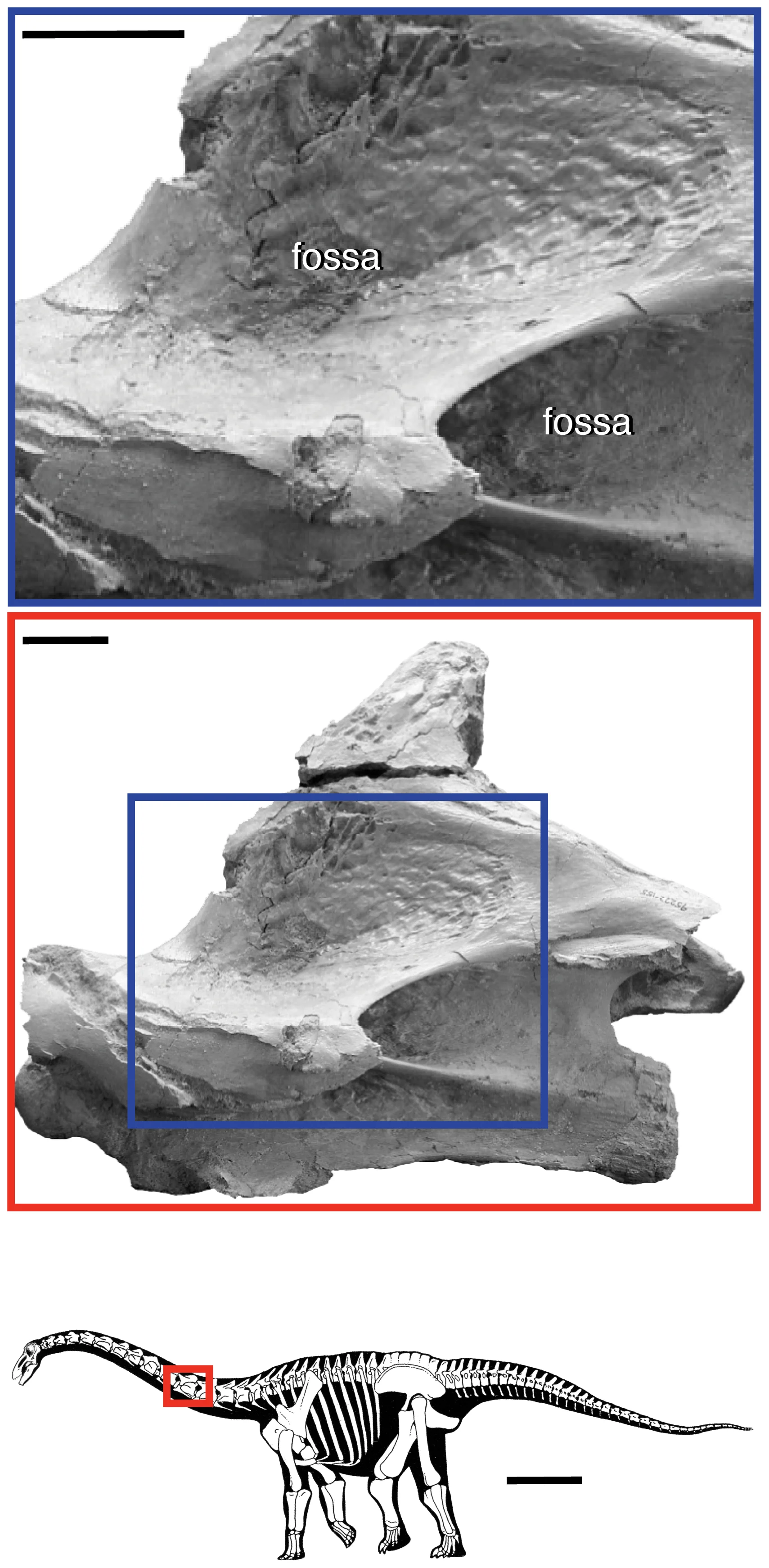
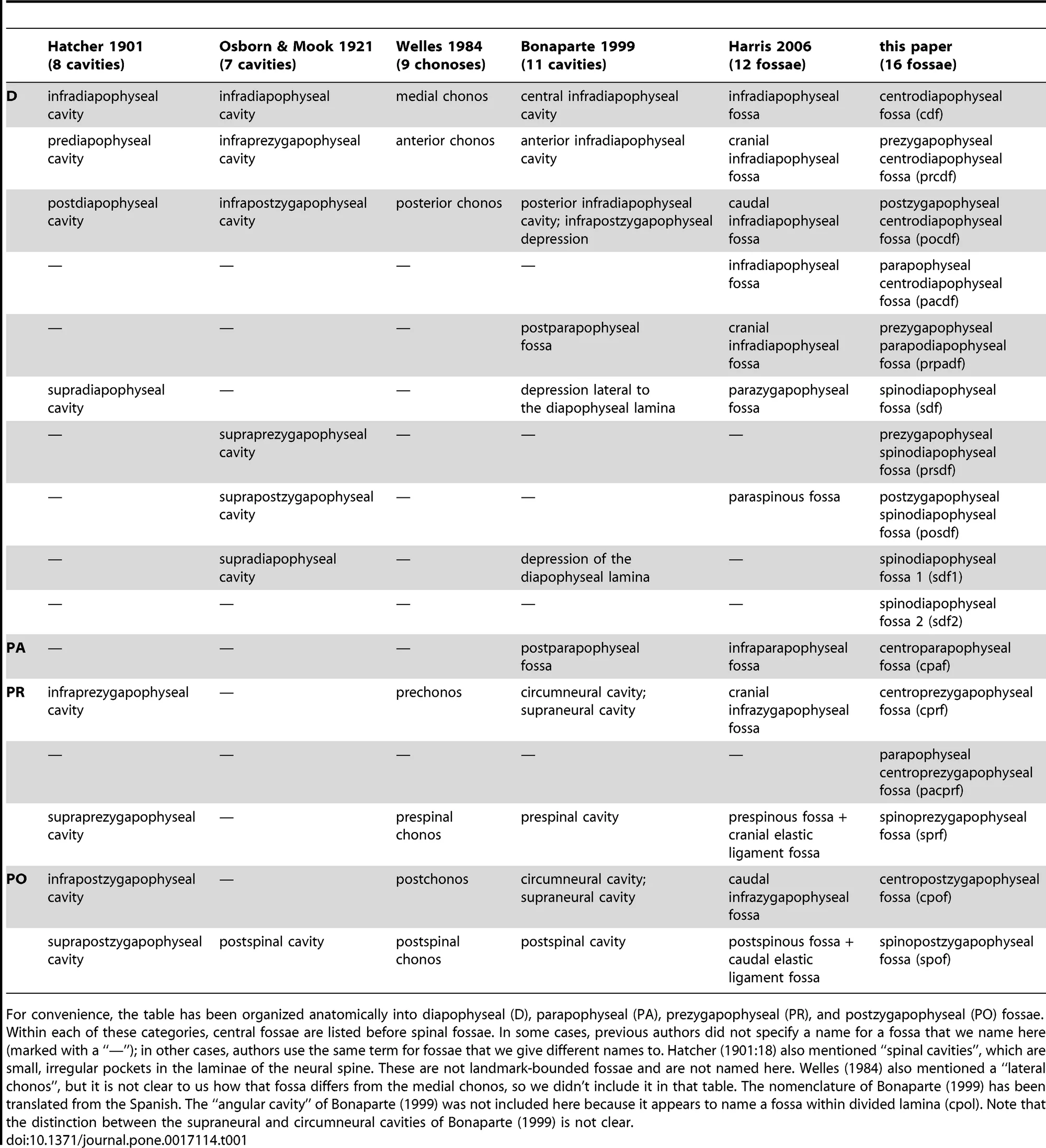
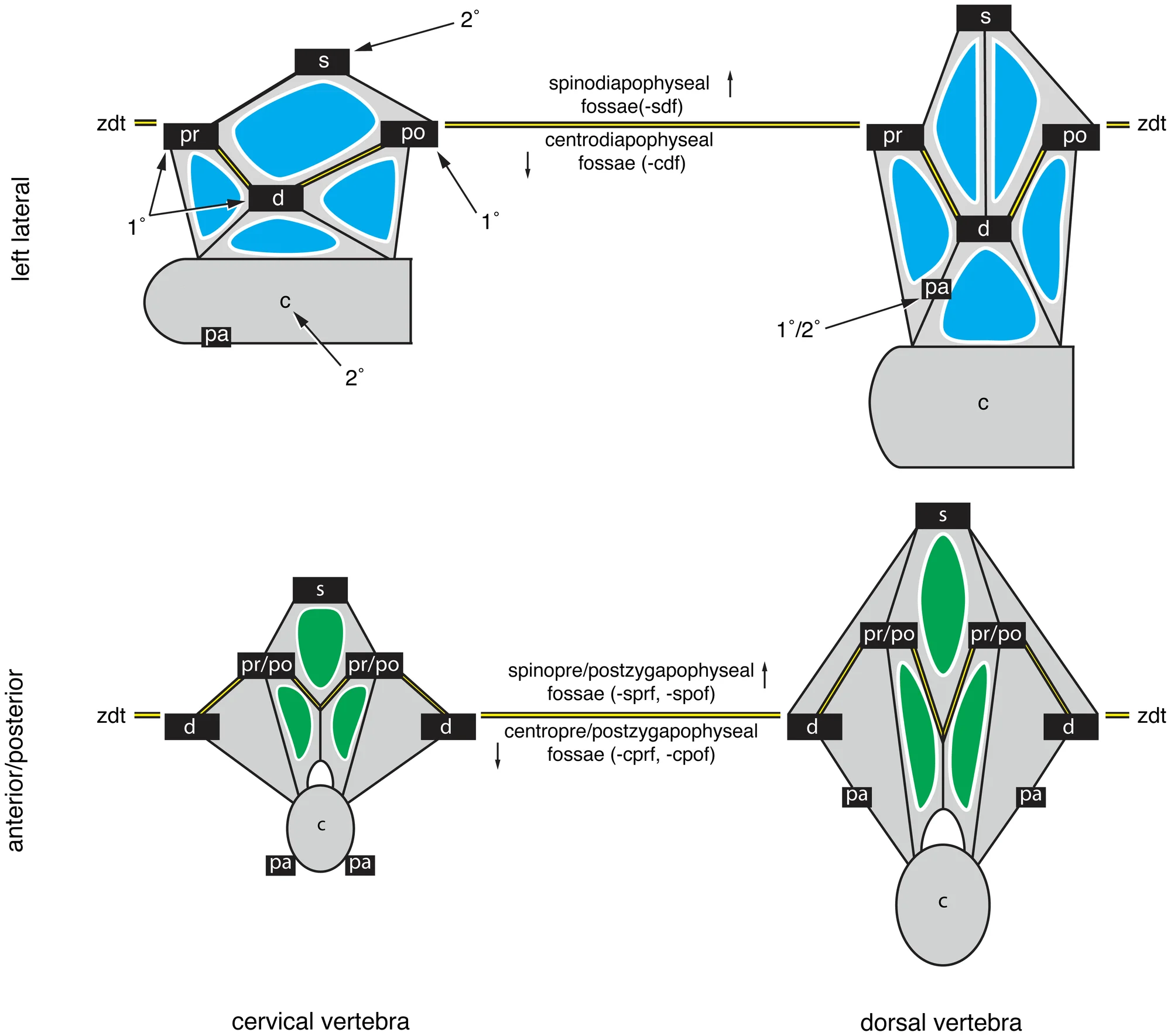
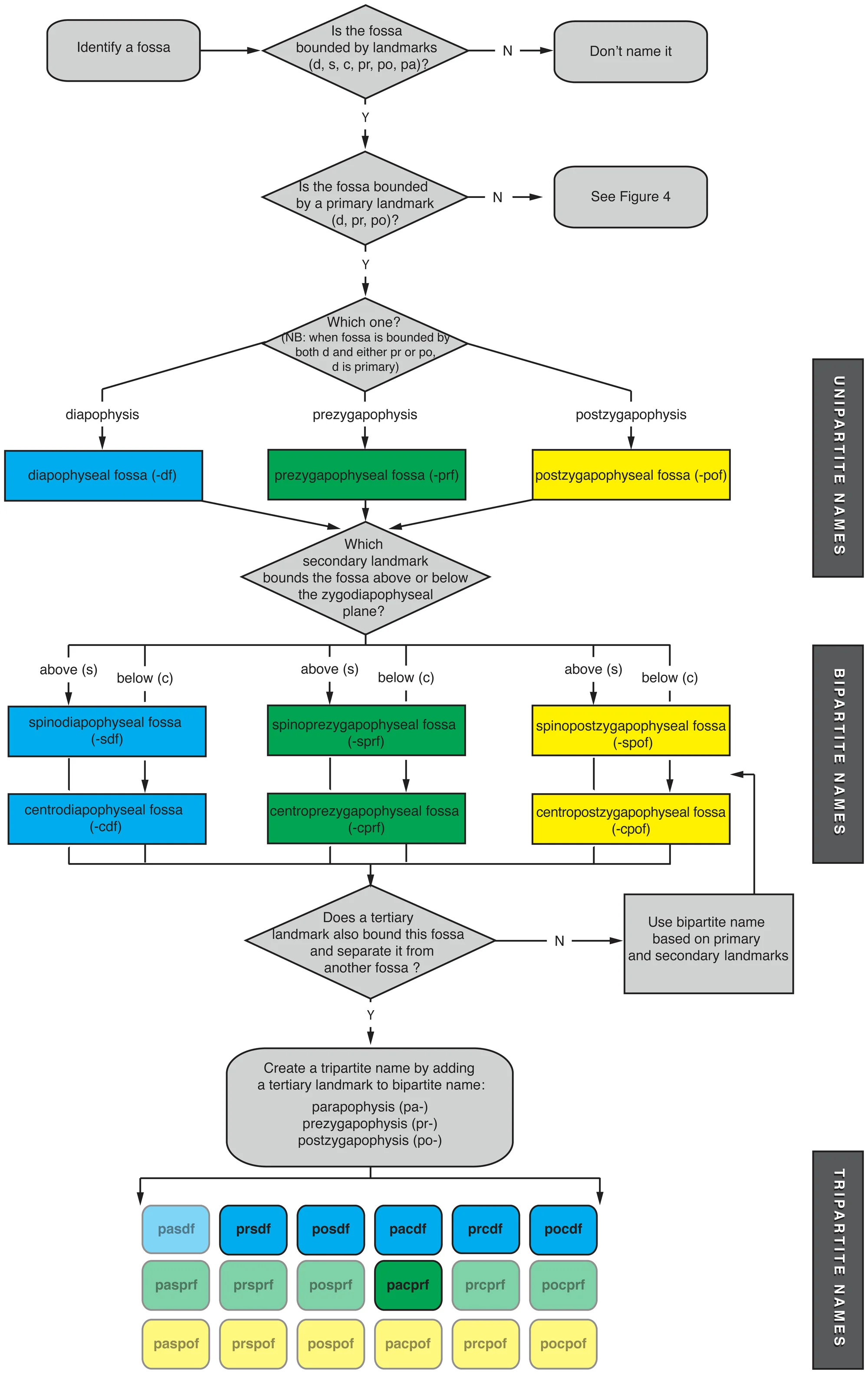
Wilson and colleagues propose a standardized nomenclature system for external fossae (cavities) in the neural arch of saurischian dinosaur vertebrae, resolving decades of inconsistent terminology in the literature. The system uses hierarchical anatomical landmarks to name each fossa based on the laminae that bound it. Camarasaurus supremus is used as the central reference taxon: Figure 9 of the paper shows representative C. supremus vertebrae with all fossae identified and named by the new system. The work has enormous practical importance since vertebral fossae are key diagnostic features in sauropod phylogenies — without standardized nomenclature, comparisons between studies were imprecise. Publication in PLoS ONE with open access and the clarity of the proposed system led to its universal adoption in subsequent paleontological literature.


Evolution of high tooth replacement rates in sauropod dinosaurs
D'Emic, M.D., Whitlock, J.A., Smith, K.M., Fisher, D.C. & Wilson, J.A. · PLoS ONE
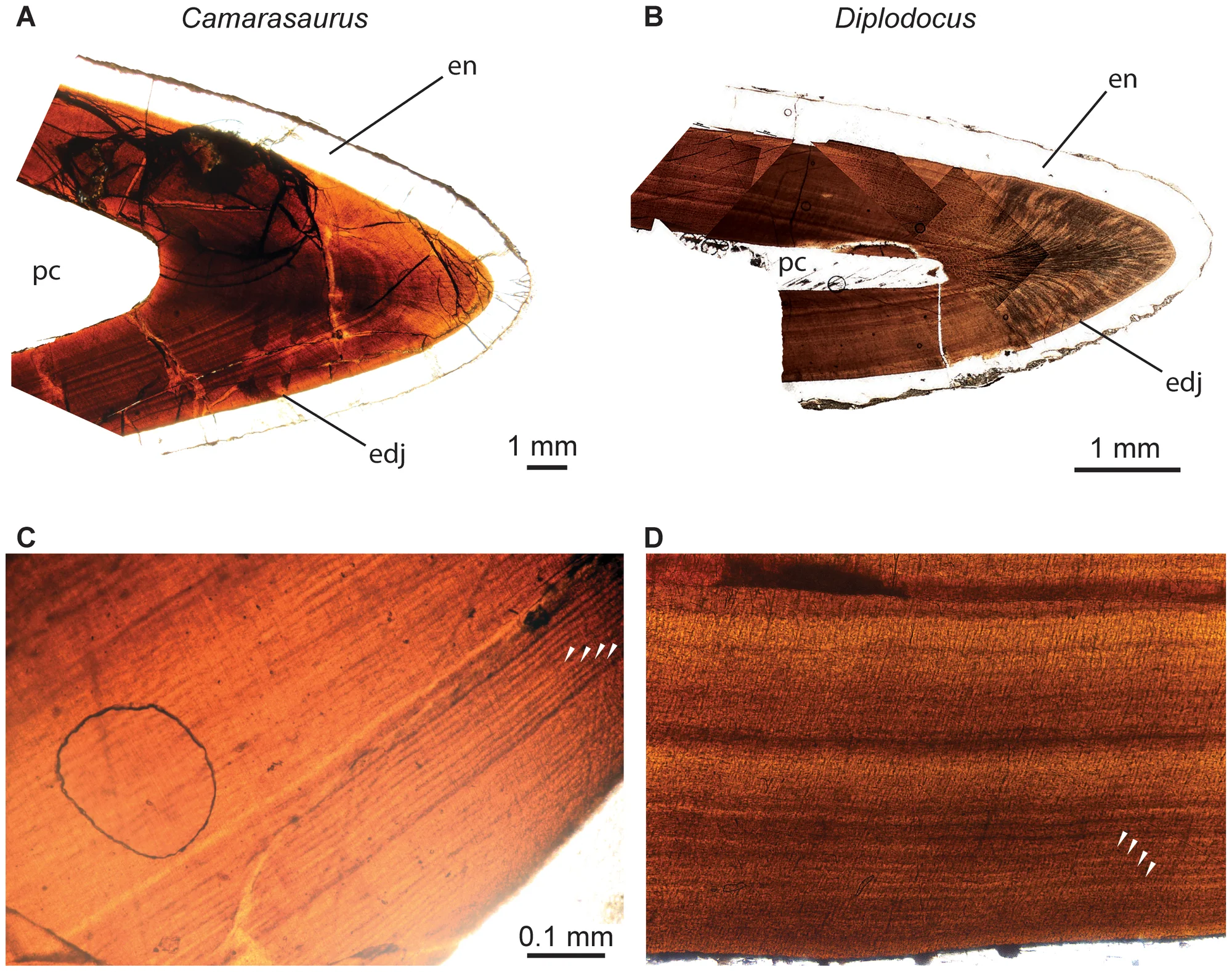
D'Emic and colleagues apply dental histology techniques to Camarasaurus and Diplodocus, counting incremental lines of von Ebner in dentin to determine formation time for each tooth. The result is counterintuitive: although Camarasaurus replaces each tooth more slowly (62 days versus Diplodocus's 35 days), its teeth are approximately 10 times larger in volume, so the total volumetric replacement rate is substantially higher. This difference reflects distinct feeding strategies: Camarasaurus, with its robust spoon-shaped teeth, processed tough vegetation (conifers, tree ferns) that wore teeth rapidly, requiring constant renewal. Diplodocus, with pencil-shaped cylindrical teeth, grazed softer vegetation with lower wear rates. The paper demonstrates how feeding ecology shapes dental biology in giant herbivores.
Cranial biomechanics underpins high sauropod diversity in resource-poor environments
Button, D.J., Rayfield, E.J. & Barrett, P.M. · Proceedings of the Royal Society B: Biological Sciences
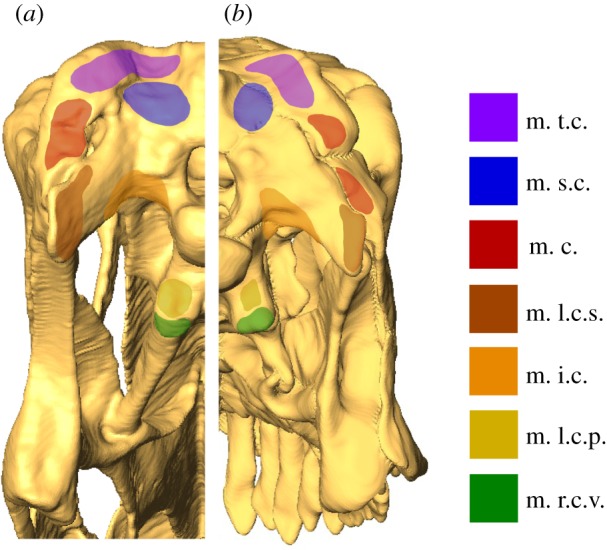
Button, Rayfield, and Barrett use finite element analysis (FEA) to model the cranial biomechanics of Camarasaurus and Diplodocus, two sauropods that coexisted in the Morrison Formation despite their colossal size. Results demonstrate fundamental differences: Camarasaurus's tall, robust skull with spatulate teeth and broad pterygoid musculature generated bite forces substantially superior to Diplodocus. This bite power allowed Camarasaurus to process hard, tough vegetation — conifer branches, fern fronds — while Diplodocus, with weaker bite, specialized in soft, low-growing vegetation. Dietary niche partitioning based on cranial biomechanics explains how two giant herbivores could coexist in the same ecosystem without direct competition, one of the greatest enigmas of Morrison Formation ecology.

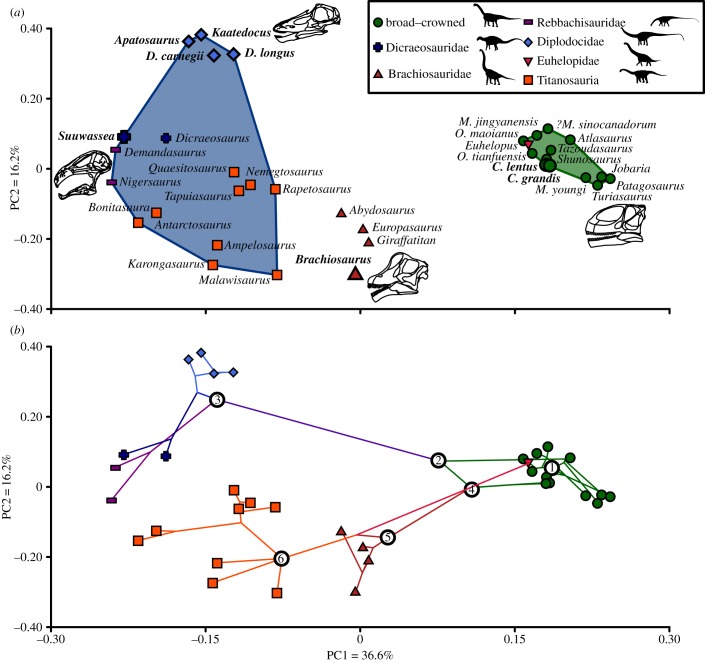
Aging, maturation and growth of sauropodomorph dinosaurs as deduced from growth curves using long bone histological data
Griebeler, E.M., Klein, N. & Sander, P.M. · PLoS ONE
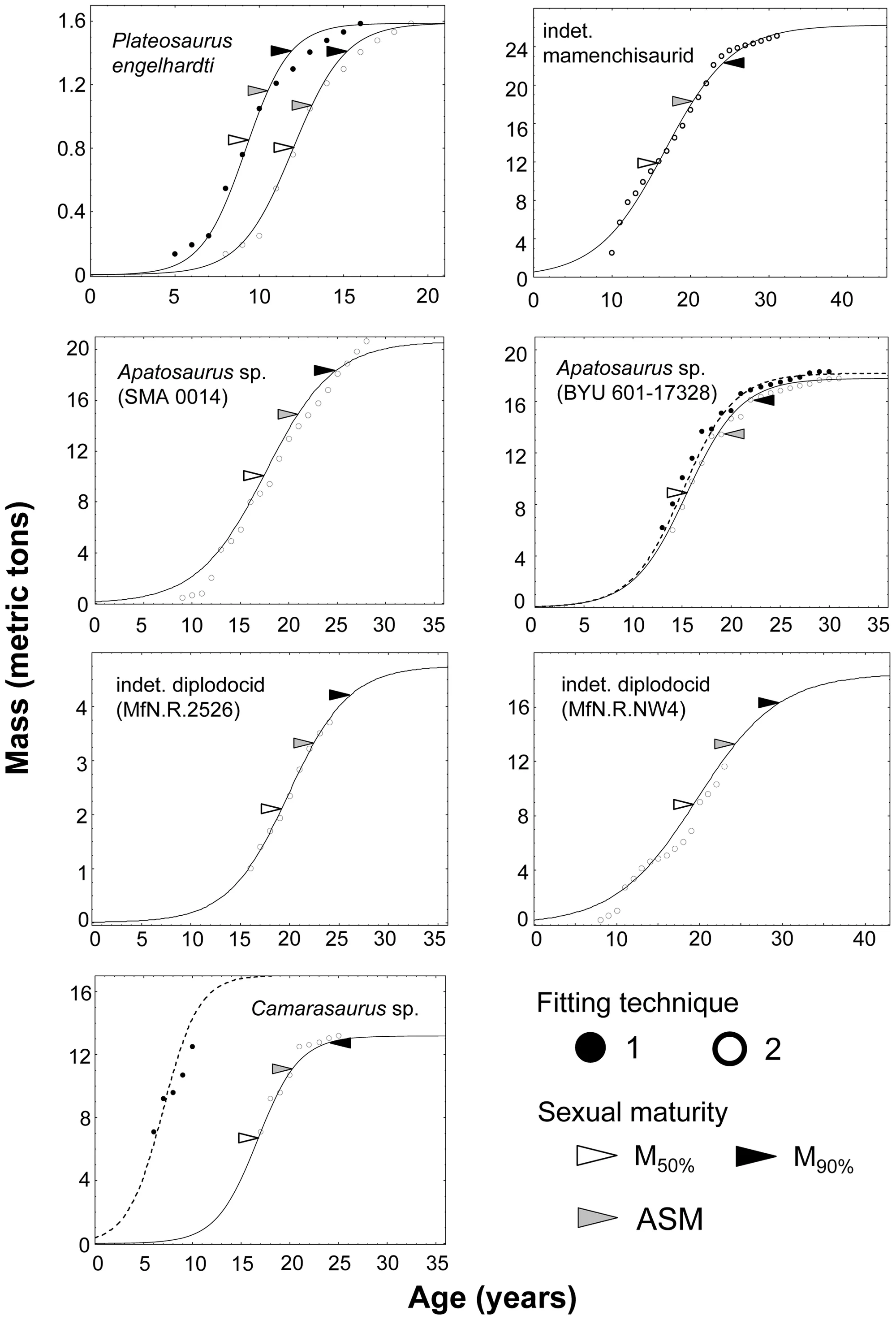
Griebeler, Klein, and Sander analyze annual growth rings ('lines of arrested growth', LAGs) in cross-sections of long bones from seven sauropods, including a Camarasaurus sp. femur (CM 36664, 1,452 mm long, ~93% of maximum adult size). Applying four mathematical growth models, the authors estimate Camarasaurus reached sexual maturity around 10-15 years and maximum size around 20 years, with growth rates intermediate between theropod dinosaurs and large mammals. The study contributes to the debate on sauropod metabolism: growth rates are consistent with endothermy, differing significantly from any living ectothermic reptile. Comparative analysis with modern ratites and mammalian megaherbivores reveals functional similarities in growth patterns between the groups, despite their large taxonomic differences.
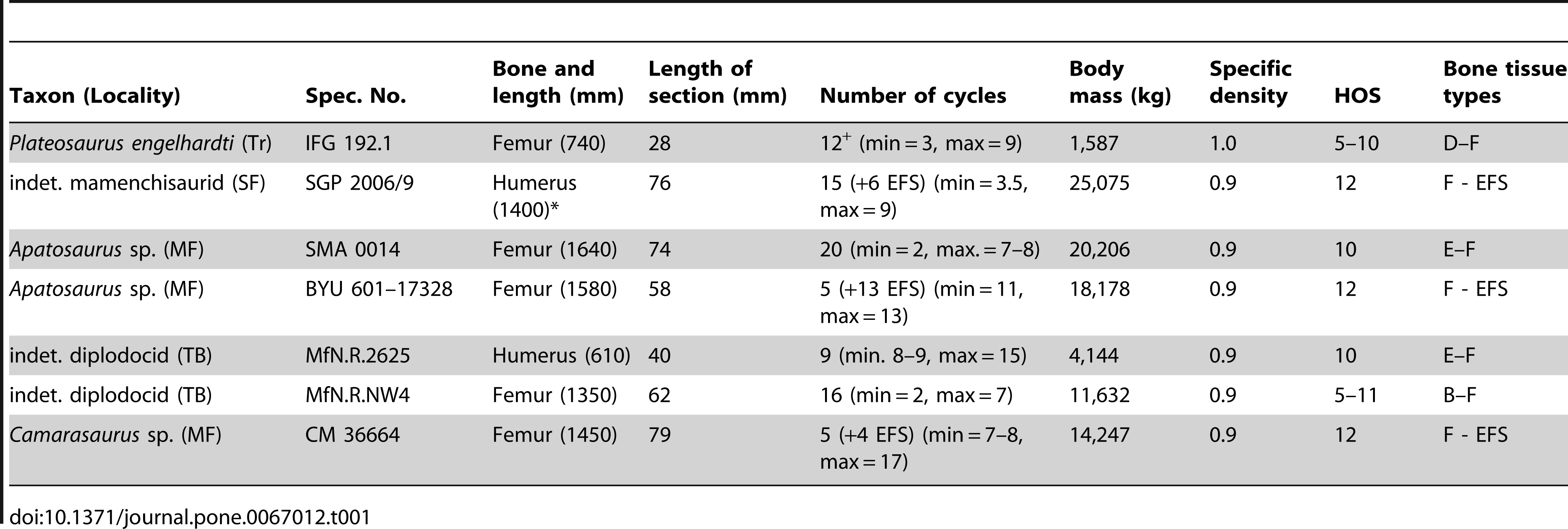
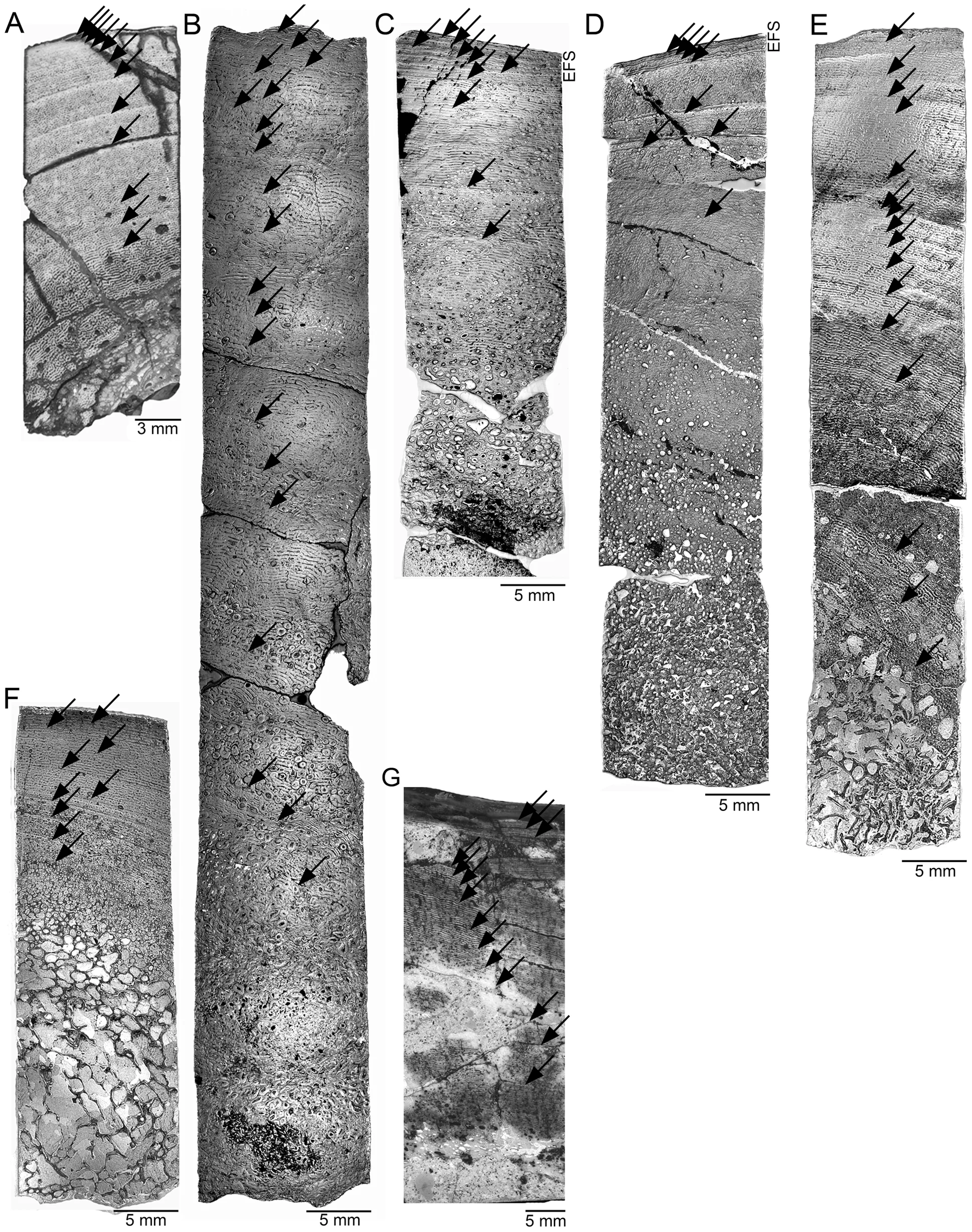
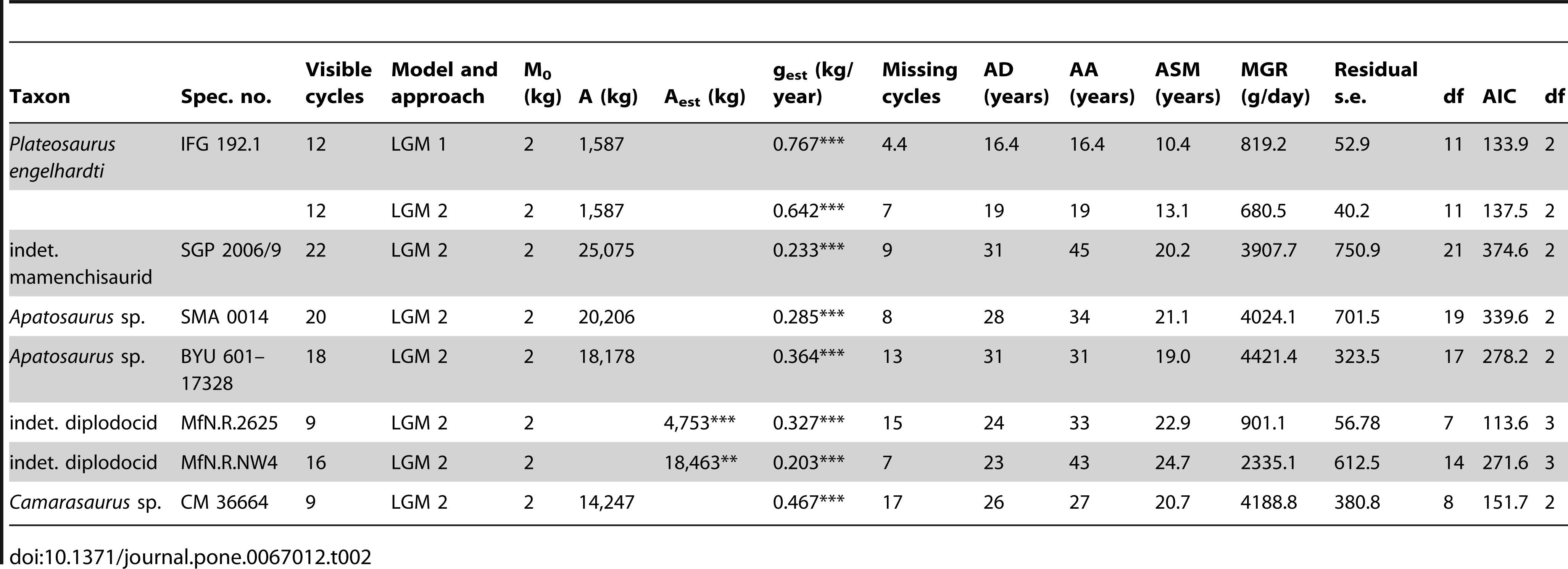
The first specimen of Camarasaurus (Dinosauria: Sauropoda) from Montana: The northernmost occurrence of the genus
Woodruff, D.C. & Foster, J.R. · PLoS ONE
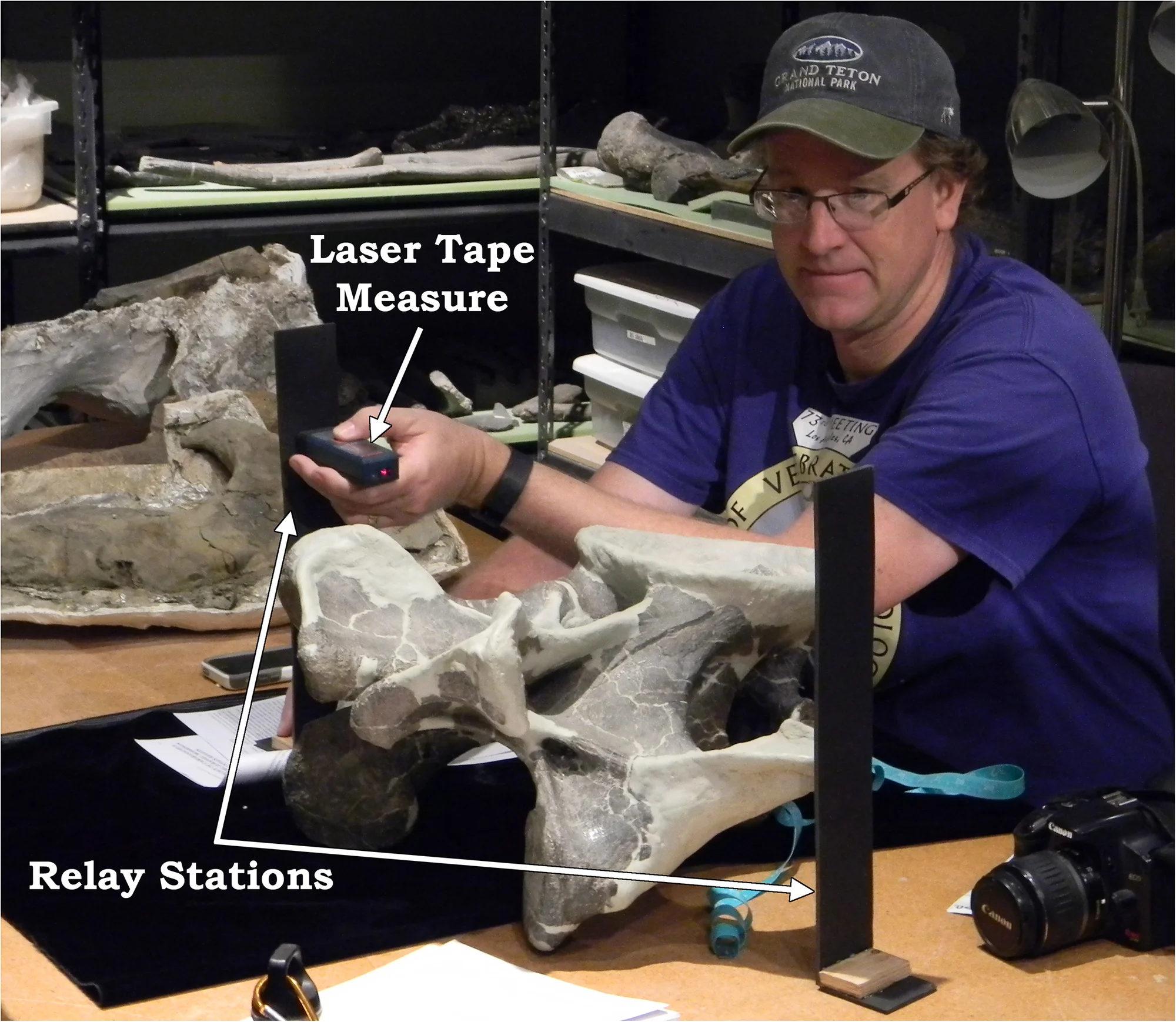
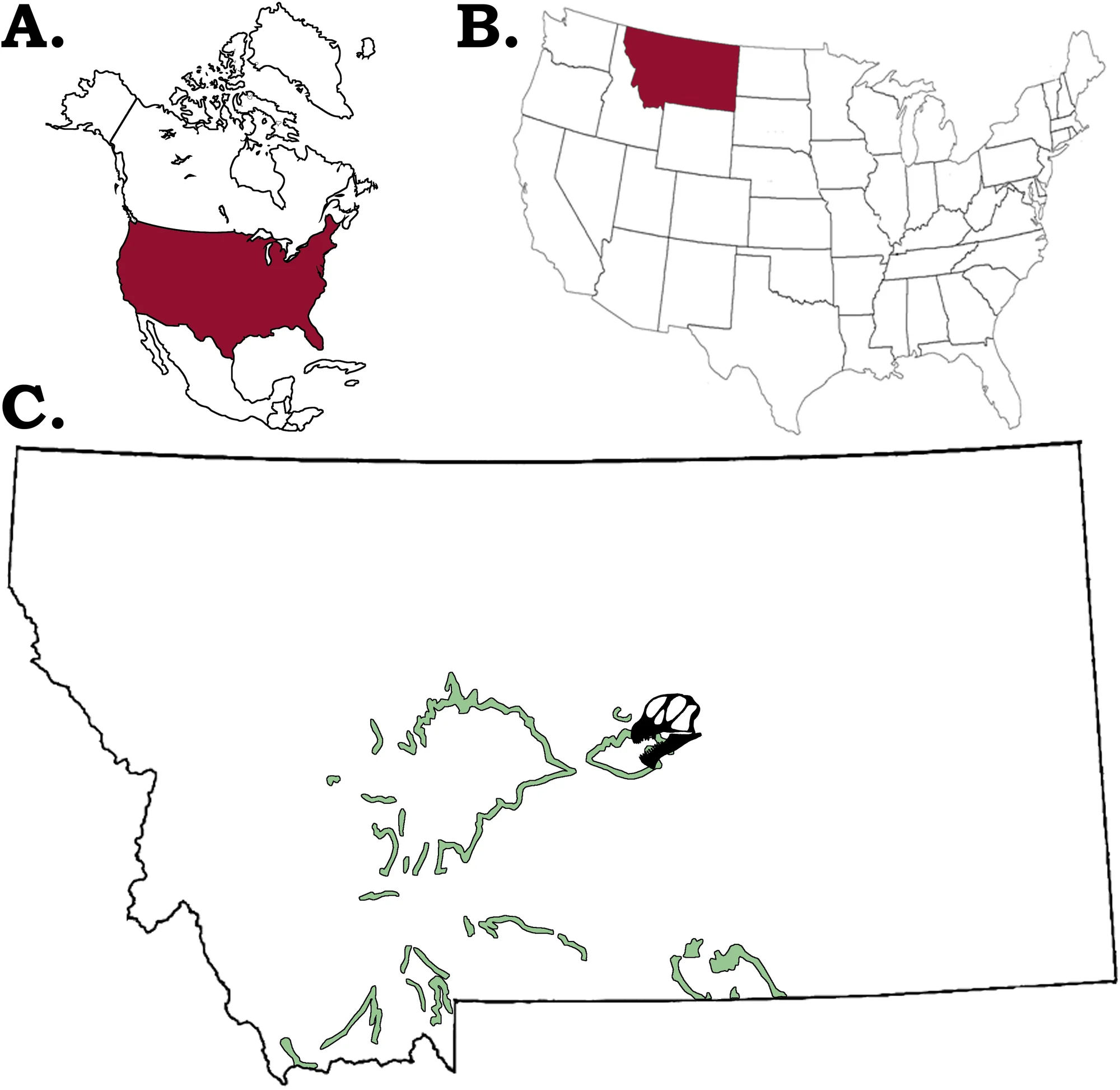
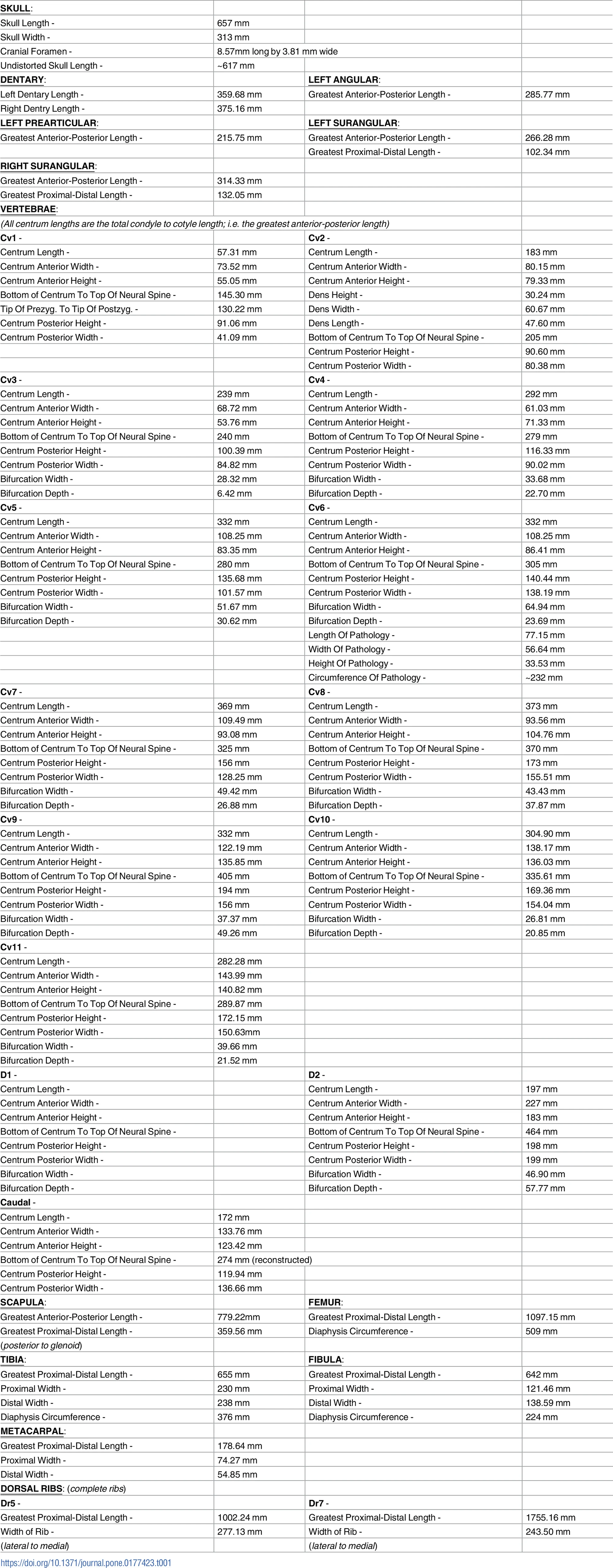
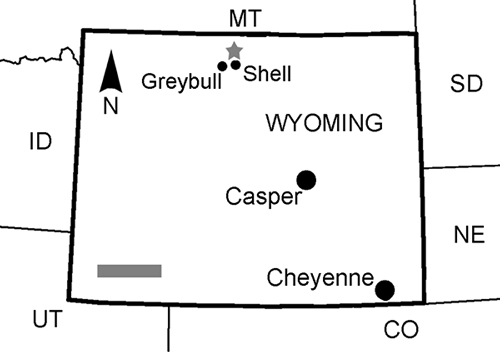
Woodruff and Foster describe specimen GPDM 220 from the Little Snowy Mountains of central Montana, the first confirmed Camarasaurus from that American state and the northernmost geographic record of the genus in the Morrison Formation. The specimen, collected by the Great Plains Dinosaur Museum, preserves a partial skull (dentaries, surangular, angular, prearticular), 11 cervical vertebrae, dorsal vertebrae, dorsal ribs, and hindlimb elements. Particularly notable is a cervical vertebra with a large ventral bone pathology, possible evidence of trauma or infection. Dental analysis reveals spatulate teeth with diagnostic Camarasaurus characteristics. The work expands the paleobiogeographic range of the genus and provides new data on regional morphological variation of Camarasaurus across the Morrison Formation.
Dental microwear patterns of the sauropod dinosaurs Camarasaurus and Diplodocus: evidence for resource partitioning in the Late Jurassic of North America
Fiorillo, A.R. · Historical Biology
Fiorillo analyzes dental microwear of Camarasaurus and Diplodocus using scanning electron microscopy (SEM), revealing diagnostic differences in wear patterns that reflect distinct diets. Camarasaurus teeth show wide, deep, randomly oriented scratches and numerous pits — indicators of processing hard, abrasive plant material such as conifer branches and high-silica fern fronds. In contrast, Diplodocus teeth exhibit finer, unidirectional scratches, suggesting softer vegetation scraping. The work provides direct evidence of dietary niche partitioning between the two Morrison Formation sauropods — one of the first empirical demonstrations of ecological separation in coexisting herbivorous dinosaurs. Fiorillo's results are corroborated and expanded by subsequent cranial biomechanics (Button et al. 2014) and dental histology (D'Emic et al. 2013) work.
Neck posture and feeding habits of two Jurassic sauropod dinosaurs
Stevens, K.A. & Parrish, J.M. · Science
Stevens and Parrish build three-dimensional digital models of Camarasaurus and Diplodocus cervical vertebrae to determine neutral neck posture — the one minimizing muscular effort — using principles of joint biomechanics. Results are revealing: while Diplodocus would maintain the neck in horizontal or slightly downward position (favoring ground-level grazing), Camarasaurus could raise the neck at angles up to 40° above horizontal, enabling reaching medium-height vegetation at 4-9 meters above ground. The paper, published in Science, triggered one of the greatest debates in modern paleontology: critics such as Taylor, Wedel, and Naish (2009) argue that in living animals the neck would habitually be more elevated. The study establishes, regardless, that Camarasaurus and Diplodocus exploited distinct vegetation strata.

Inferences of diplodocoid (Sauropoda: Dinosauria) feeding behavior from snout shape and microwear analyses
Whitlock, J.A. · PLoS ONE
Whitlock uses Camarasaurus as a fundamental external comparison taxon in his analysis of diplodocoid feeding. Three quantitative snout morphology indices are developed and applied to skulls of multiple sauropods, and dental microwear patterns are documented by microscopy. Camarasaurus, with its tall, wide snout, serves as a contrast pole to the narrow, elongated snouts of Diplodocus, Nigersaurus, and other diplodocoids. Camarasaurus microwear data confirm processing of tough vegetation (deep scratches, numerous pits), in contrast to scraping patterns observed in flat-snouted diplodocoids. The work contributes to understanding of sauropod ecological diversification and reinforces Camarasaurus's central role as a morphological and ecological reference point in Morrison Formation sauropod paleontology.


Articulated bone sets of manus and pedes of Camarasaurus (Sauropoda, Dinosauria)
Tschopp, E., Wings, O., Frauenfelder, T. & Brinkmann, W. · Palaeontologia Electronica
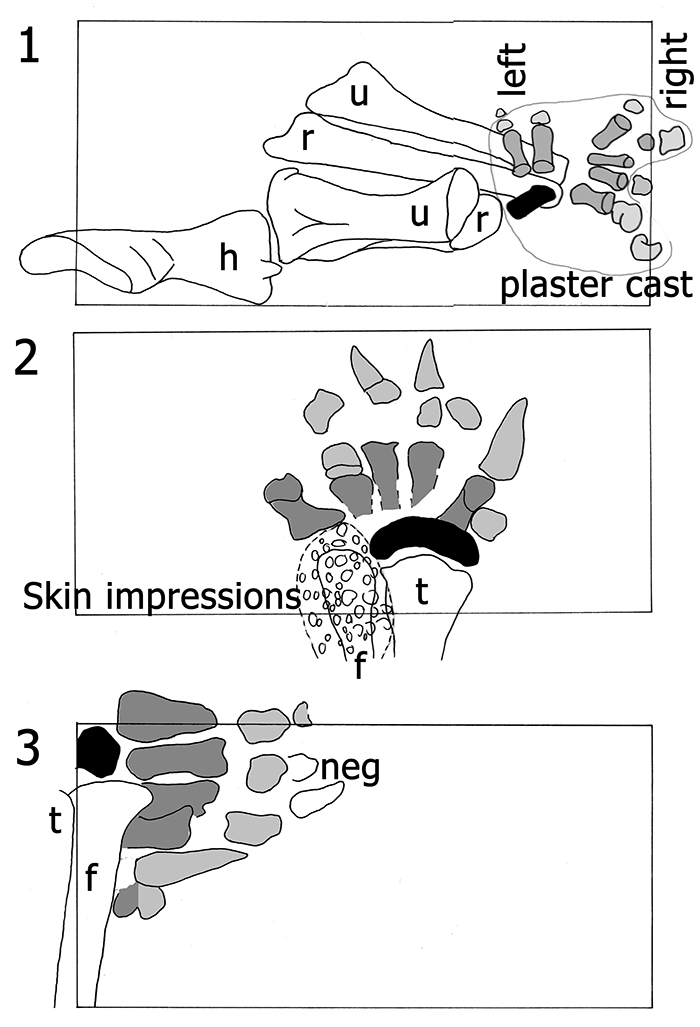
Tschopp and colleagues describe specimen SMA 0002, nicknamed 'E.T.', from the Sauriermuseum Aathal (Switzerland), which preserves articulated hands and feet of Camarasaurus with soft tissue impressions. This is the first time complete Camarasaurus autopodials are documented with integument evidence. The authors build physical and digital 3D models of the distal limbs and use these models to generate experimental trackways, testing hypotheses about Camarasaurus footprint morphology and comparing them with Morrison Formation trackways attributed to sauropods. Skin impressions reveal irregular scales in a mosaic pattern, with no evidence of specialized dermal structures. The work is fundamental for understanding Camarasaurus locomotion and ichnology and inaugurates systematic use of 3D modeling in sauropod experimental ichnology.


Bone histology of the Morrison Formation titanosauriform sauropod Camarasaurus: implications for life history and palaeobiological comparisons
Wiersma-Weyand, K. & Sander, P.M. · PeerJ
Wiersma-Weyand and Sander conduct a comprehensive bone histological analysis of multiple Camarasaurus specimens, examining the internal microstructure of femora, tibiae, and other long bones. The work documents compact fibrolamellar bone tissue with lines of arrested growth (LAGs) in adult specimens and rapidly deposited fibroreticular bone tissue in juveniles, indicative of rapid growth in the young phase. Analysis of the external fundamental system (EFS) in mature specimens confirms the animal ceased linear growth after reaching adult size. The histological pattern is incompatible with ectothermy and confirms elevated metabolism similar to birds and mammals. The study also identifies extensive bone remodeling marks in adult specimens, indicating high metabolic activity throughout life.


Famous museum specimens
.JPG)
CM 11338 (Camarasaurus lentus juvenil)
Carnegie Museum of Natural History, Pittsburgh, EUA
The most complete and best articulated specimen of any Camarasaurus ever found. Juvenile C. lentus collected at Dinosaur National Monument, Utah, in 1922, and described by Gilmore (1925). Preserves virtually all skeletal elements in original anatomical position, including complete skull, all vertebrae, and most limb bones. It is the reference specimen for Camarasaurus anatomy and the basis for the first complete skeletal reconstruction based on a single individual.
SMA 0002 ('E.T.')
Sauriermuseum Aathal, Aathal-Seegräben, Suíça
The only known Camarasaurus specimen with articulated hands and feet preserving soft tissue and skin impressions. Nicknamed 'E.T.' by preparators, it was described in detail by Tschopp et al. (2015) in Palaeontologia Electronica. Skin impressions reveal irregular scales in a mosaic pattern. The specimen was used to build 3D models that allowed inference of Camarasaurus footprint morphology and comparison with Morrison Formation trackways.
TMP 1984.161.0008 (Camarasaurus supremus)
Royal Tyrrell Museum of Palaeontology, Drumheller, Canadá
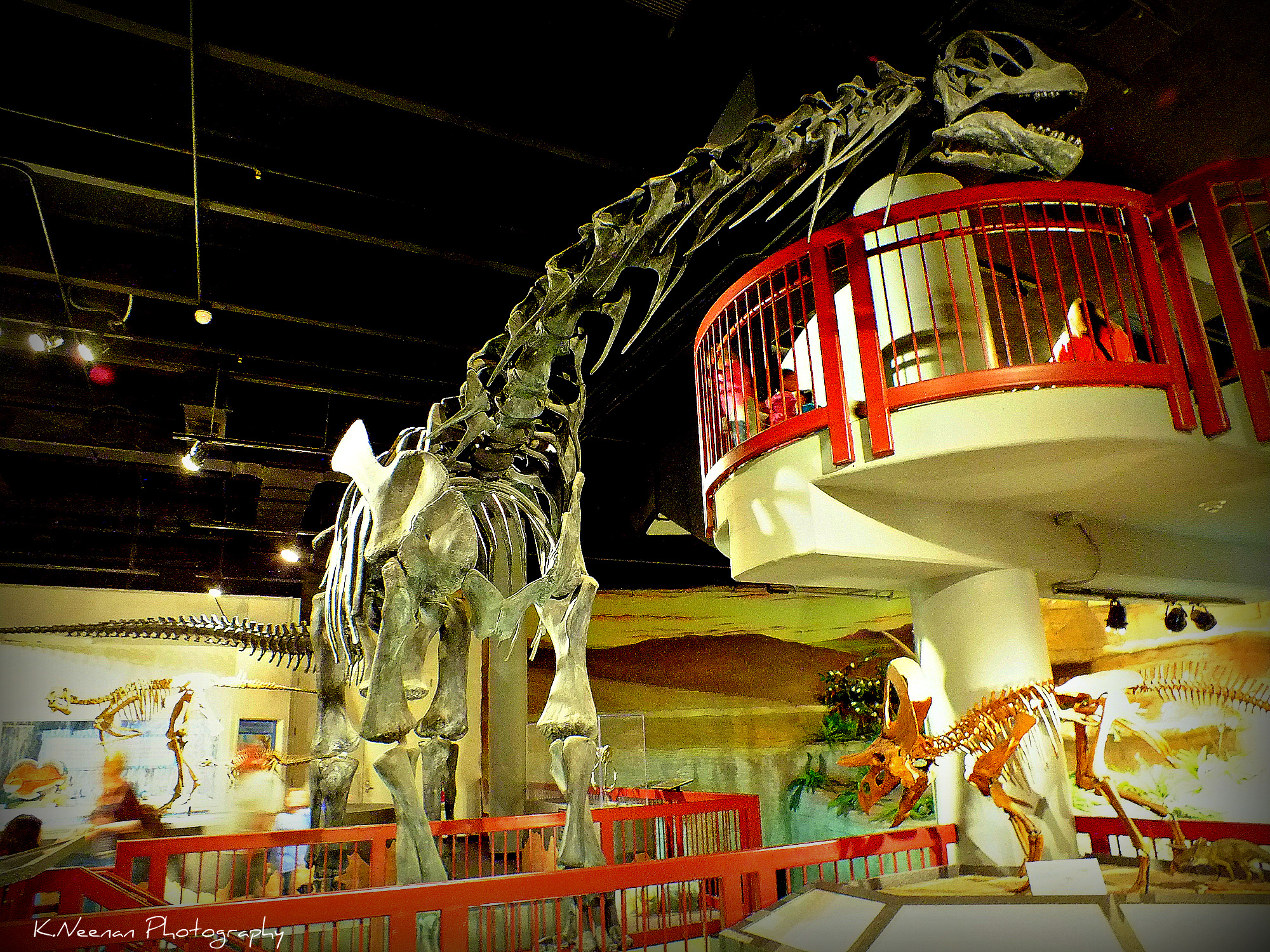
One of the main Camarasaurus supremus specimens on public display. The mounted skeleton at the Royal Tyrrell Museum is frequently photographed and is a reference for the type species morphology. The museum displays two Camarasaurus specimens side by side, along with other Morrison Formation dinosaurs, in a diorama illustrating the Late Jurassic fauna.
In cinema and popular culture
Camarasaurus did not achieve the cinematic fame of Brachiosaurus or Diplodocus, but its presence in popular culture grows consistently as the public becomes more familiar with Morrison Formation paleontology. In the documentary 'When Dinosaurs Roamed America' (Discovery Channel, 2001), the sauropod appears in herd form in the Late Jurassic episode, consolidating its image as a gregarious herbivore. 'Jurassic Fight Club' (History Channel, 2008) dedicated a full episode to a multi-species confrontation in which Camarasaurus falls prey to Allosaurus, drawing on real bite mark evidence found on fossil bones. In video games, 'Jurassic World Evolution 2' (2021) includes the animal as a park attraction with detailed behavior. In card games and educational toys, Camarasaurus is frequently used as a Morrison sauropod representative, thanks to the richness of its fossil record that allows for detailed reconstructions.
Classification

Discovery
Fun fact
Camarasaurus supremus was the most abundant sauropod of the Morrison Formation — its fossils are so common in the American West that paleontologists collecting other dinosaurs frequently encounter Camarasaurus parts 'along the way.' Despite this, the genus was long studied from fragmentary material: only in 1925, nearly 50 years after its original description, did Gilmore publish the first reconstruction based on a complete skeleton.
Last reviewed: April 24, 2026