Baryonyx
Baryonyx walkeri
"Walker's heavy claw"
About this species
Baryonyx walkeri is one of the best-documented piscivorous dinosaurs in the history of paleontology. It lived during the Barremian of the Early Cretaceous, approximately 130 to 125 million years ago, on the fluvial floodplains of what is now Surrey, England. At roughly 9.5 meters long and an estimated 1.7 metric tons, it had a long, narrow snout similar to a gharial's, packed with finely striated conical teeth. The first-finger claw, about 31 centimeters long, gave the animal its name. The holotype NHMUK PV R9951, discovered by William Walker in 1983, was found with fish scales and juvenile iguanodontid bones in the stomach region, providing direct evidence that Baryonyx fed on both fish and terrestrial prey.
Geological formation & environment
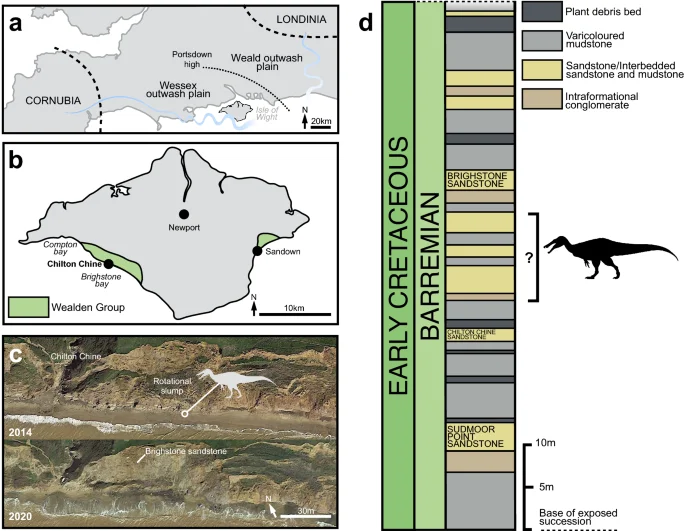
The Weald Clay Formation (part of the Wealden Group) is an Early Cretaceous sedimentary unit (Hauterivian to Barremian, ~133–125 Ma) deposited in a fluvial and lacustrine environment in southeastern England. During this period, the region was covered by the 'Wealden Lake,' an extensive freshwater to brackish system with two large rivers. The humid subtropical climate sustained forests of conifers, ferns, and horsetails. The formation preserved a rich fauna: crocodiles, pterosaurs, turtles, fish like Scheenstia, and dinosaurs including iguanodontids, sauropods, and multiple spinosaurids. The Smokejacks Clay Pit in Ockley, Surrey, where the Baryonyx holotype was found, is one of the most famous paleontological sites in Europe.
Image gallery


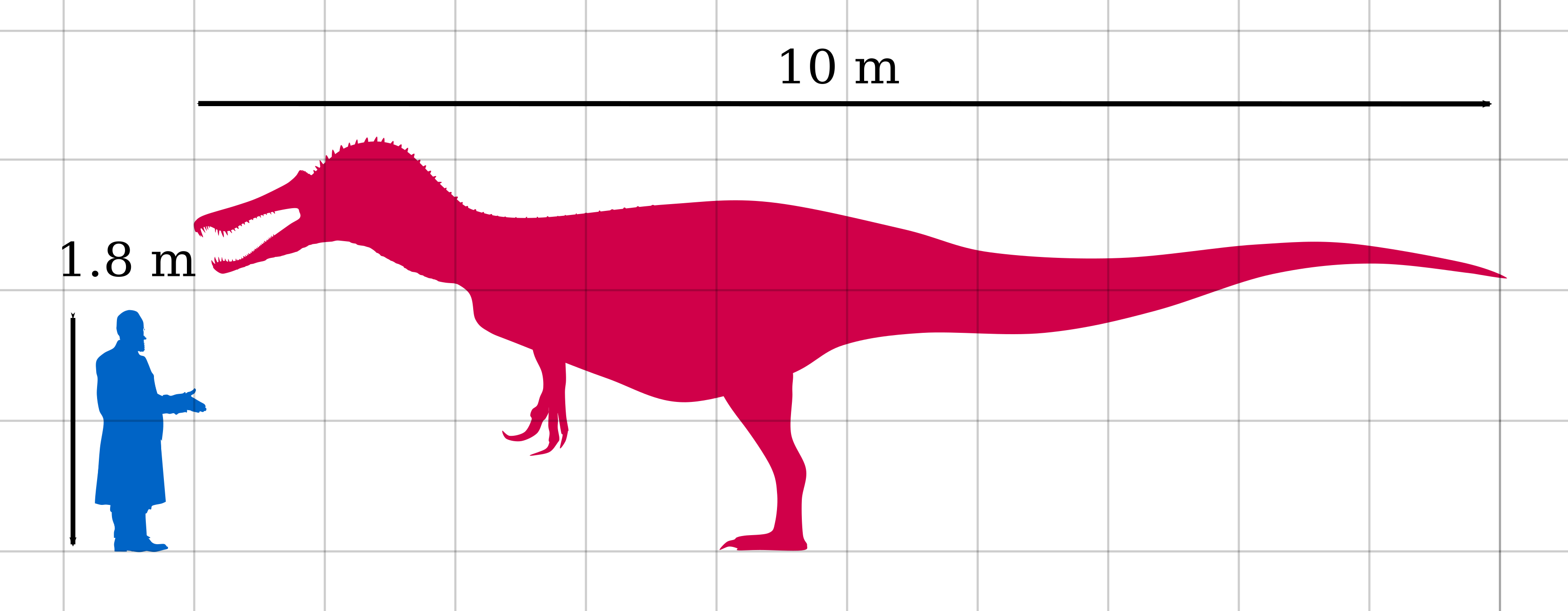


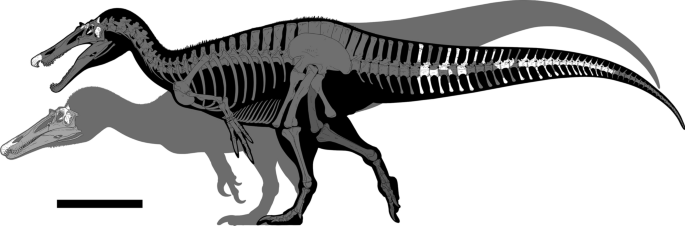
Scientific reconstruction of Baryonyx walkeri by Robinson Kunz and Rebecca Slater, based on Scott Hartman's skeletal. Shows the elongated crocodilian snout, enormous thumb claw, and modern horizontal posture.
Robinson Kunz / Rebecca Slater, CC BY-SA 3.0 — Wikimedia Commons
Ecology and behavior
Habitat
Baryonyx walkeri inhabited the fluvial floodplains of what is now southeastern England during the early Barremian (~130–125 Ma). The region was covered by the so-called Wealden Lake, an extensive freshwater to slightly brackish system with two large rivers draining from the north. The climate was subtropical, similar to today's Mediterranean, with dense vegetation of ferns, horsetails, lycophytes, and conifers. Baryonyx shared the environment with crocodiles, pterosaurs, turtles, fish like Scheenstia, and dinosaurs including ornithopods, sauropods, and theropods from other groups.
Feeding
Baryonyx is the only non-avian theropod with direct and unequivocal evidence of piscivory: scales and teeth of the fish Scheenstia mantelli were found in the stomach region of the holotype. Along with them were partially digested juvenile iguanodontid bones, confirming a mixed diet. The elongated snout, conical teeth with fine ridges and no lateral serrations, terminal rosette, and robust forelimbs with enormous claws converge on a feeding mode similar to gharials and herons: fish capture by lateral head movement in water and dismemberment of larger prey with the claws.
Behavior and senses
There is no direct evidence of social behavior in Baryonyx. The discovery of a single holotype suggests the animal may have been solitary or lived in low population densities. The presence of diverse stomach contents indicates opportunistic behavior: Baryonyx took fish when available but would not hesitate to capture small terrestrial dinosaurs. The enormous thumb claw is frequently interpreted as a multifunctional tool: catching fish in water, pinning larger prey to the ground, or digging. The 2023 neurological analysis suggests low-frequency auditory capabilities, possibly useful for detecting sounds of prey in water.
Physiology and growth
Histological analysis of the Portuguese specimen ML 1190 (Mateus et al., 2011), long referred to Baryonyx walkeri before being redesignated as Iberospinus natarioi, revealed annual growth lines (LAGs) suggesting Barremian spinosaurids grew relatively slowly, reaching adult size between 9 and 12 years. The English holotype is also interpreted as a subadult. Baryonyx's bone pneumaticity is comparable to that of derived coelurosaurs, suggesting endothermic ('warm-blooded') metabolism. The neurological analysis by Barker et al. (2023) revealed that despite highly modified skulls, the brain organization of baryonychines was conservative, with moderate olfaction and low-frequency hearing.
Paleogeography
Continental configuration

Scotese & Vérard · CC BY 4.0 · Cretaceous, ~105 Ma
Fossil sites

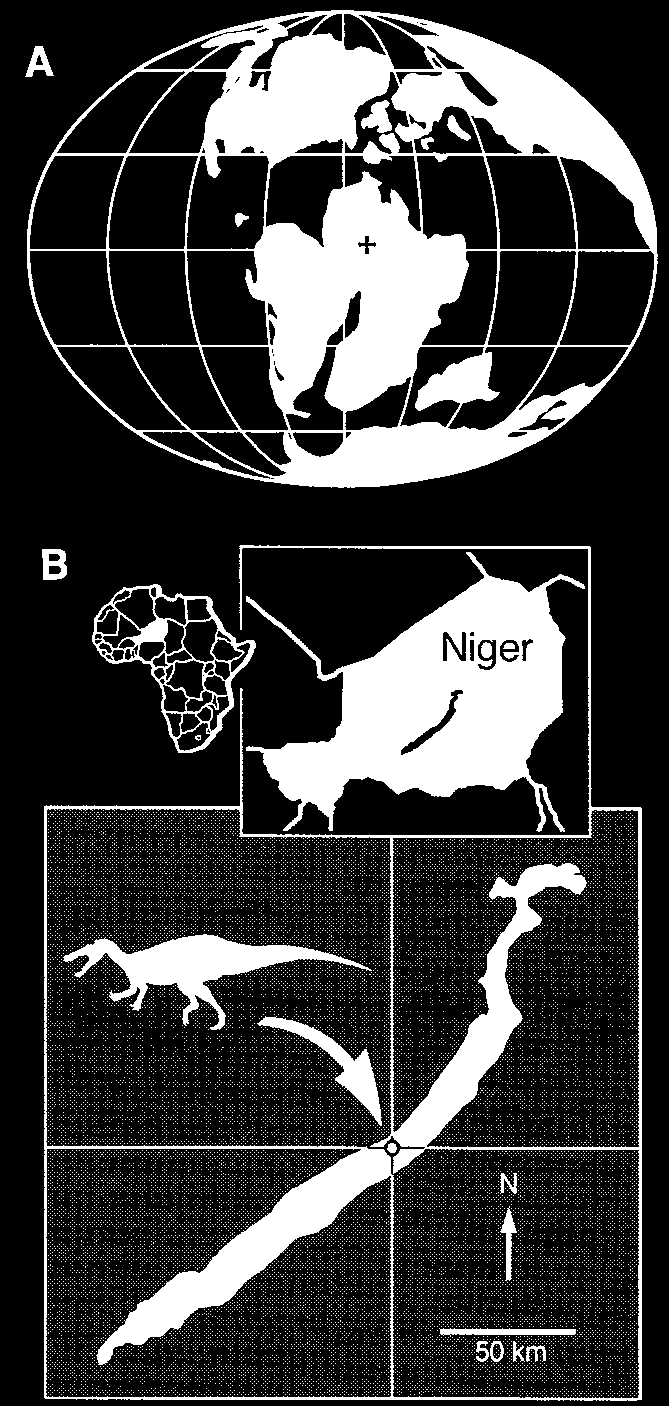
Barker, Naish & Gostling (2021) / Dan Folkes — CC BY 4.0
During the Barremiano (~130–125 Ma), Baryonyx walkeri inhabited Laramidia, the western half of present-day North America, separated from the east by the Western Interior Seaway, a shallow sea dividing the continent. The continents were in very different positions: India was drifting toward Asia, Antarctica was still connected to Australia, and South America was an isolated island.
Bone Inventory
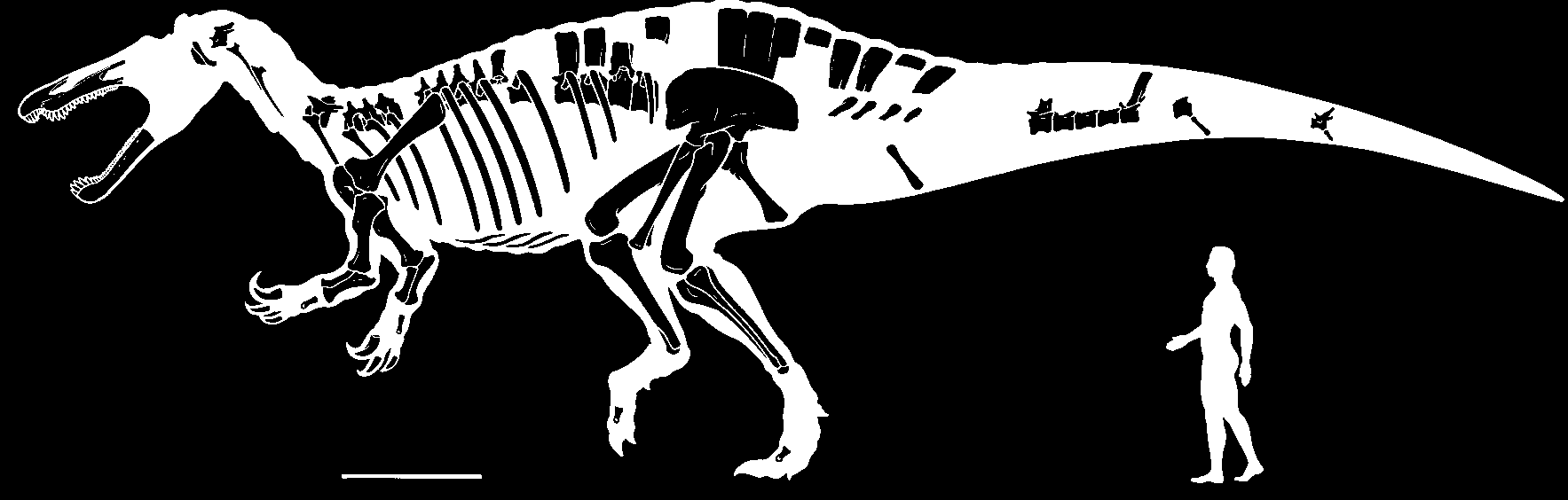
The holotype NHMUK PV R9951 represents approximately 65% of the skeleton and is the only specimen securely referred to Baryonyx walkeri. About 2 metric tons of rock matrix were extracted in 54 blocks, and preparation took six years. Cranial elements include premaxillae, left maxilla, nasals, lacrimal, postorbital, braincase, both dentaries, and posterior lower jaw bones. The postcranium includes cervical, dorsal, and caudal vertebrae, ribs, sternum, both scapulae and coracoids, both humeri, left radius and ulna, phalanges, hip bones, femur, fibula, and foot bones. The holotype likely represented a subadult individual, based on histological evidence.
Found elements
Inferred elements
Scientific Literature
15 papers in chronological order — from the original description to recent research.
Baryonyx, a remarkable new theropod dinosaur
Charig, A.J. & Milner, A.C. · Nature
The founding paper describing Baryonyx walkeri for the first time, based on holotype NHMUK PV R9951 collected by William Walker at Smokejacks Clay Pit, Surrey. Charig and Milner characterize the new genus by its extremely elongated and narrow skull, resembling a crocodilian's, the enormous curved claw on the first finger (about 31 cm along the curve), finely striated conical teeth, and direct evidence of piscivory: scales of the fish Scheenstia mantelli and juvenile iguanodontid bones were found in the stomach region. The specimen, then classified as the first demonstrably piscivorous theropod dinosaur, generated enormous scientific and media interest. The species was named after its discoverer, nicknamed 'Claws' by journalists in a play on the film Jaws. This paper is the mandatory starting point for any research on the taxon.
Baryonyx walkeri, a fish-eating dinosaur from the Wealden of Surrey
Charig, A.J. & Milner, A.C. · Bulletin of the Natural History Museum (Geology Series)
The definitive osteological monograph on Baryonyx walkeri, published eleven years after the 1986 preliminary description. In 60 pages with detailed illustrations, Charig and Milner systematically describe every skeletal element of holotype NHMUK PV R9951, from premaxilla to tail tip. The work catalogs the diagnostic characters of the skull: terminal rosette with 6–7 teeth in the premaxilla, 32 teeth in the dentary, some with up to 8 internal ridges, sagittal crest on the nasals with a characteristic transverse termination, and subrostral notch between upper and lower jaws. The study discusses Baryonyx's phylogenetic position relative to Spinosaurus and other theropods, confirming the creation of Spinosauridae and the subfamily Baryonychinae. It includes detailed analysis of fish scales and teeth found in the stomach, identified as belonging to Scheenstia mantelli (formerly Lepidotes). This work is the primary anatomical reference for the species.
A long-snouted predatory dinosaur from Africa and the evolution of spinosaurids
Sereno, P.C., Beck, A.L., Dutheil, D.B., Gado, B., Larsson, H.C.E., Lyon, G.H., Marcot, J.D., Rauhut, O.W.M., Sadleir, R.W., Sidor, C.A., Varricchio, D.J., Wilson, G.P. & Wilson, J.A. · Science
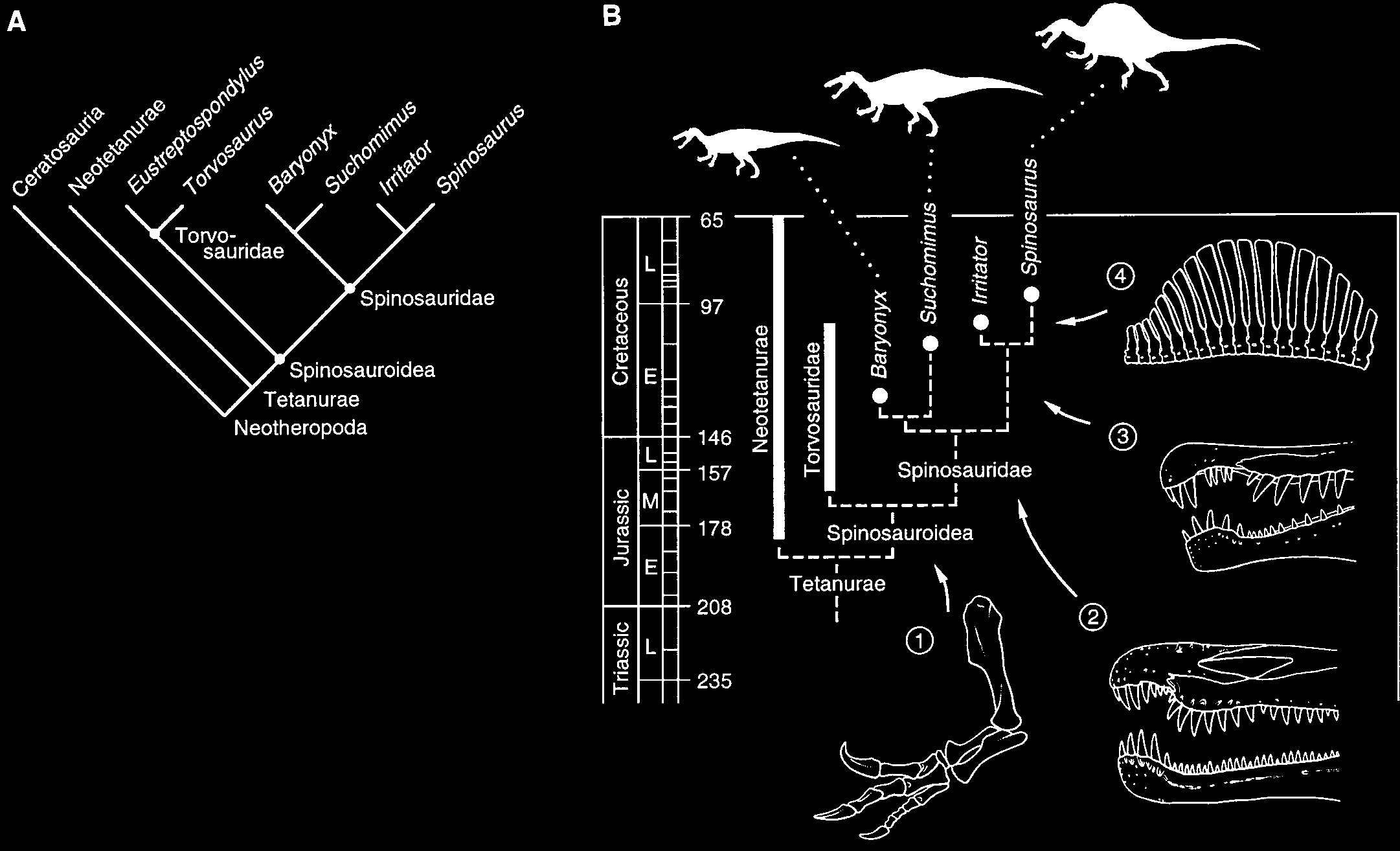
Sereno and colleagues describe Suchomimus tenerensis, a new spinosaurid from Niger, and present the first formal cladistic analysis for the entire Spinosauridae family. The 45-character matrix positions Suchomimus as the sister taxon of Baryonyx within Baryonychinae, a group defined by the presence of a terminal dental rosette, finely striated teeth, and lack of a denticulate crest. Spinosaurines (Spinosaurus, Irritator) form the sister group, characterized by more elongated neural spines and distinct cranial morphology. The study establishes that Baryonyx and Suchomimus share more than 15 synapomorphies, confirming their close phylogeny. It also proposes that spinosaurids originated in Gondwana and dispersed to Laurasia, with Baryonyx representing an isolated European lineage. This paper defines the phylogenetic framework within which Baryonyx is understood today.
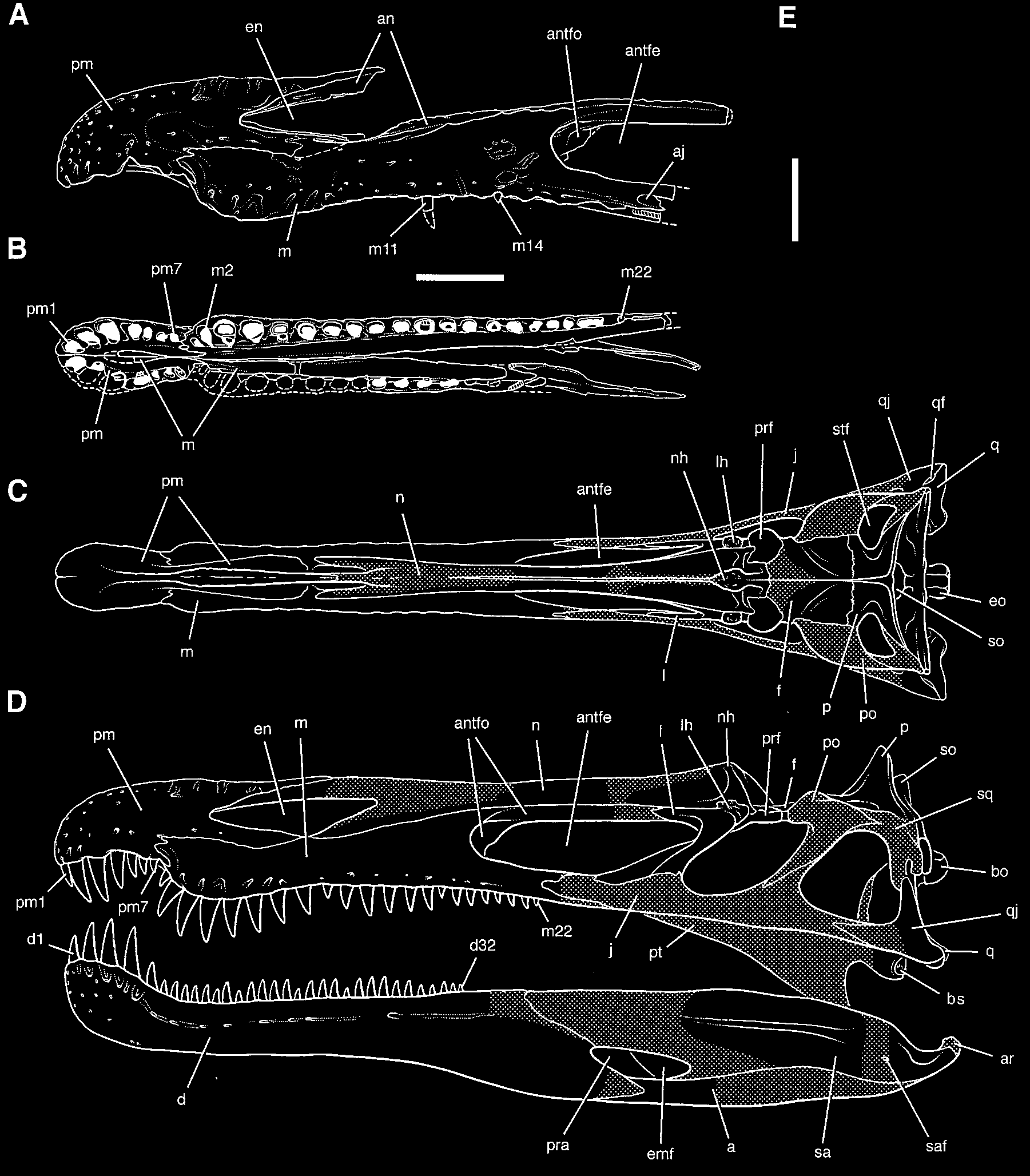
Functional morphology of spinosaur 'crocodile-mimic' dinosaurs
Rayfield, E.J., Milner, A.C., Bui Xuan, V. & Young, P.G. · Journal of Vertebrate Paleontology
Rayfield and colleagues apply finite element analysis (FEA) to the snout of Baryonyx walkeri and compare stress and strain patterns with those of two modern crocodilians: Alligator mississippiensis (generalist) and Gavialis gangeticus (fish specialist). Results show that Baryonyx's snout is functionally most similar to the gharial's: it efficiently resists lateral bending forces generated during fish capture, but is relatively weak against vertical forces associated with biting large terrestrial prey. The study quantifies for the first time the functional mechanics of a piscivorous theropod skull, confirming that the elongated snout morphology is not only convergent with crocodilians but serves an analogous function. Secondarily, the work shows that the subrostral notch and terminal rosette increased contact surface area with slippery prey. This paper became a key reference for discussions of the degree of piscivorous specialization in spinosaurids.
Oxygen isotope evidence for semi-aquatic habits among spinosaurid theropods
Amiot, R., Buffetaut, E., Lecuyer, C., Wang, X., Boudad, L., Ding, Z., Fourel, F., Hutt, S., Martineau, F., Medeiros, A., Mo, J., Simon, L., Suteethorn, V., Sweetman, S., Tong, H., Zhang, F. & Zhou, Z. · Geology
Amiot and colleagues analyze oxygen isotope composition of tooth enamel from four spinosaurid genera across four continents: Baryonyx (England), Irritator (Brazil), Siamosaurus (Thailand), and Spinosaurus (North Africa). The delta 18O values of spinosaurids are consistently lower than those of contemporaneous terrestrial theropods and cluster near those of turtles and modern crocodilians, animals that spend considerable time in aquatic environments. The study provides the first geochemical evidence, independent of stomach content fossils, that spinosaurids including Baryonyx had semi-aquatic habits and dependence on aquatic resources for feeding. The result is consistent with the hypothesis that spinosaurids evolved convergently with crocodiles and herons, patrolling riverbanks and capturing fish with their snouts. For Baryonyx specifically, the study reinforces the reading of the stomach contents documented by Charig & Milner (1986, 1997).

A new specimen of the theropod dinosaur Baryonyx from the early Cretaceous of Portugal and taxonomic validity of Suchosaurus
Mateus, O., Araujo, R., Natario, C. & Castanhinha, R. · Zootaxa
Mateus and colleagues describe a partial spinosaurid specimen from the Papo Seco Formation (Barremian) of Portugal, initially referring it to Baryonyx walkeri. The specimen (ML 1190), which includes a partial dentary, isolated teeth, pedal ungual, two calcanea, presacral and caudal vertebrae, pubis fragments, scapula, and rib fragments, is the most complete dinosaur from the Early Cretaceous of Portugal. Histological analysis of the dorsal ribs reveals annual growth marks (LAGs) indicating the individual was 9–12 years old at death and had not yet completed growth, classifying it as a subadult. The paper also reassesses the taxonomic validity of Suchosaurus cultridentis, concluding it is a distinct taxon based on tooth morphology. Subsequently, in 2022, additional material led Mateus & Estraviz-López to reinterpret this specimen as a new genus, Iberospinus natarioi, demonstrating the continued relevance of this discovery.

Feeding mechanics in spinosaurid theropods and extant crocodilians
Cuff, A.R. & Rayfield, E.J. · PLOS ONE
Cuff and Rayfield expand the biomechanical analysis of Rayfield et al. (2007), applying beam theory and CT data to the snout of Baryonyx walkeri and Spinosaurus aegyptiacus, comparing results with three crocodilian species: Gavialis gangeticus, Crocodylus niloticus, and Alligator mississippiensis. Results reveal ecological differentiation within Spinosauridae: Baryonyx displays resistance to lateral bending, characteristic of snouts specialized for fishing (like the gharial), while Spinosaurus shows greater resistance to vertical loading, suggesting capacity to process larger or more resistant prey. The study demonstrates that spinosaurids were not an ecologically homogeneous group but had different specializations within the broad category of piscivores. The Portuguese specimen ML 1190 from Mateus et al. (2011) was included as likely subadult, with implications for ontogenetic interpretations of cranial biomechanics. This paper is fundamental for understanding functional differences between Baryonyx and its relatives.
Spinosaur taxonomy and evolution of craniodental features: Evidence from Brazil
Sales, M.A.F. & Schultz, C.L. · PLOS ONE
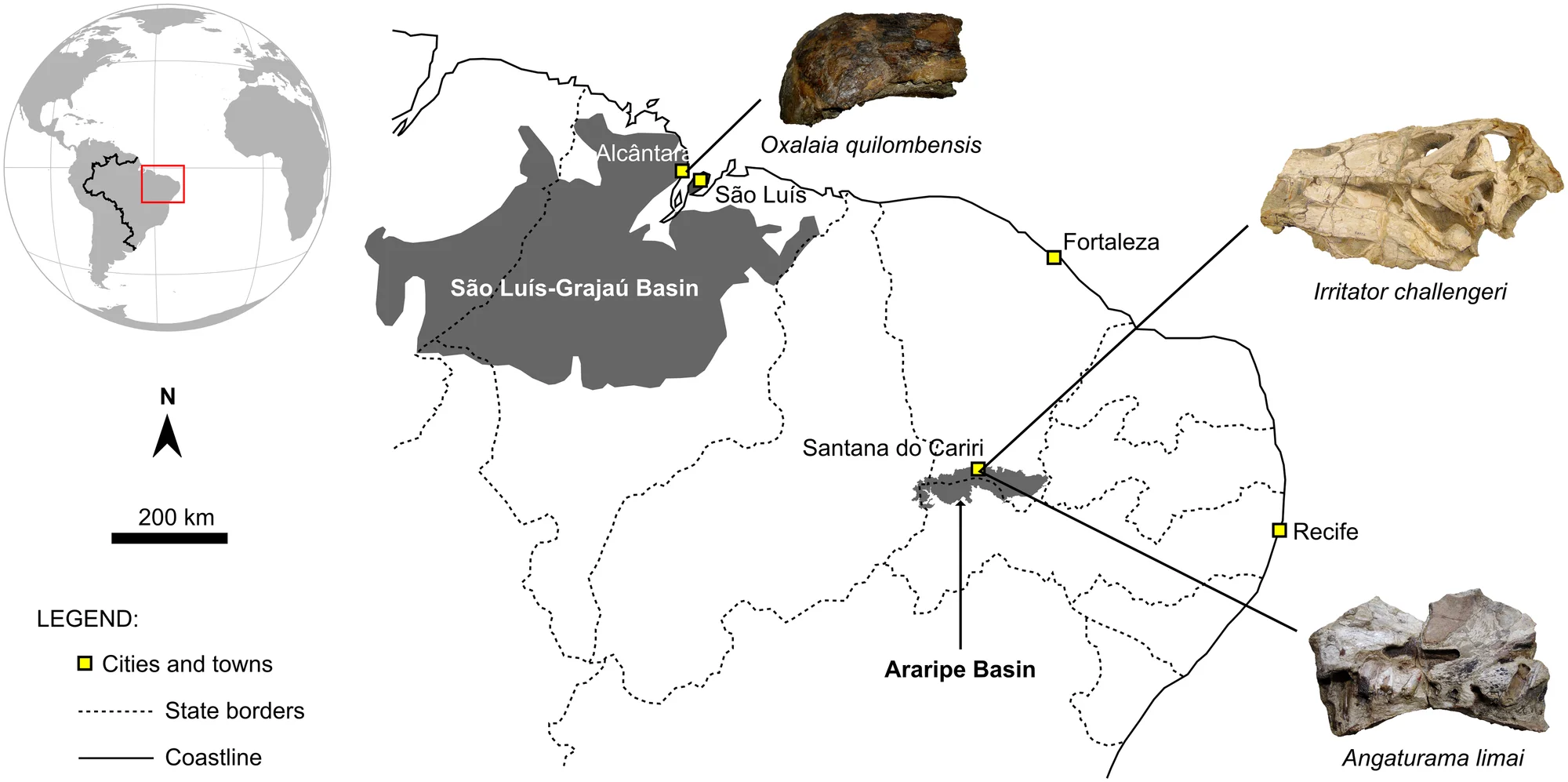
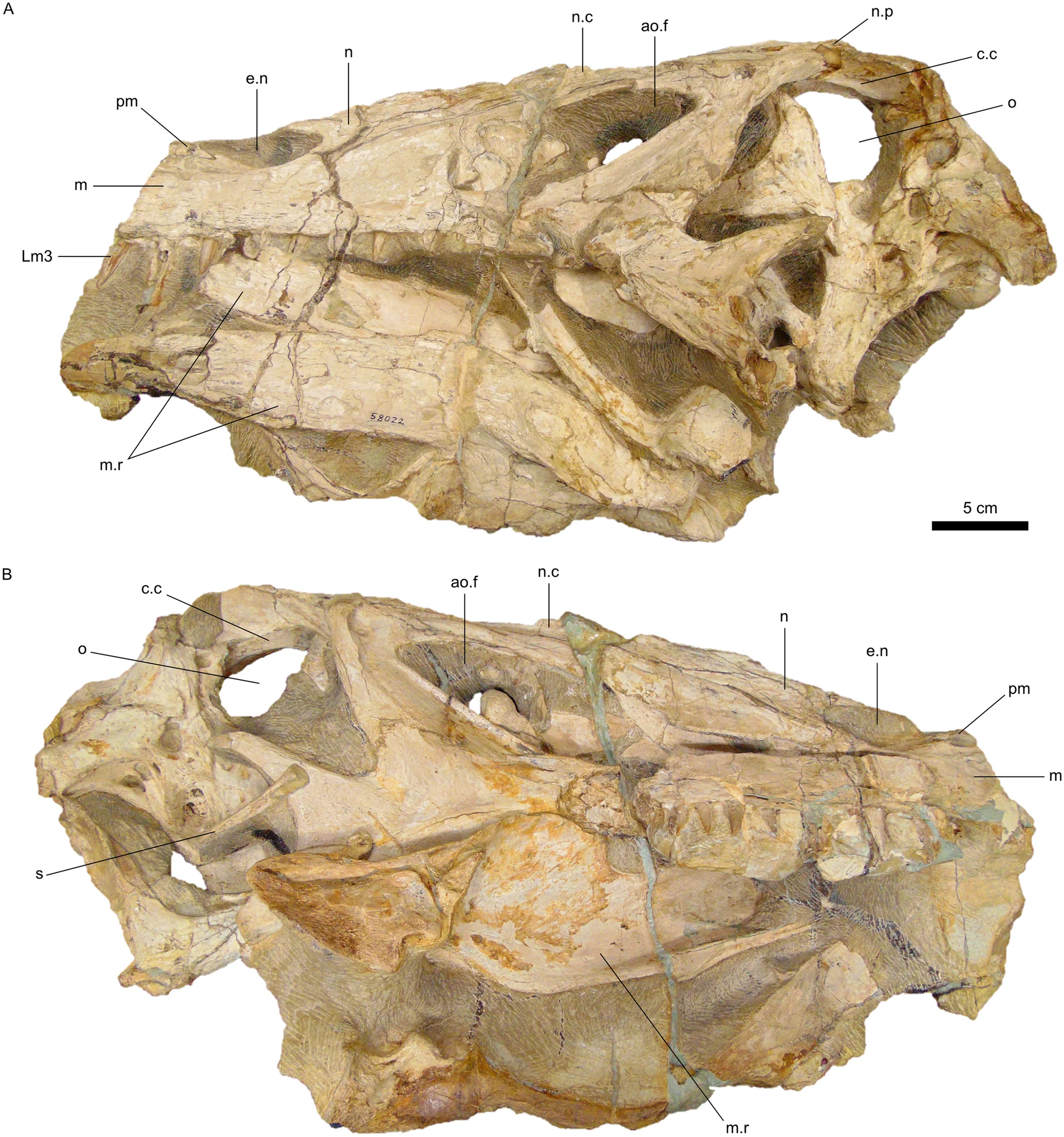
Sales and Schultz reanalyze the Brazilian spinosaurids Irritator challengeri and Angaturama limai, concluding they cannot belong to the same individual, contrary to previous belief. Comparative analysis includes Baryonyx as a reference taxon for baryonychines. The work identifies that differences in external nares position and size between Baryonychinae (with more anteriorly positioned nares) and Spinosaurinae (with more retracted nares) may reflect distinct feeding habits and degrees of olfactory dependence during hunting. Baryonyx, with relatively anteriorly positioned nares, would rely more on visual detection of prey at the water surface, while spinosaurines with more retracted nares would have more developed olfaction. The phylogenetic analysis of Sales & Schultz (2017) recovers Baryonyx and Suchomimus as a sister clade within Baryonychinae, in a basal position relative to spinosaurines. The study contributes to refining differential ecology within Spinosauridae.
New spinosaurids from the Wessex Formation (Early Cretaceous, UK) and the European origins of Spinosauridae
Barker, C.T., Hone, D.W.E., Naish, D., Cau, A., Lockwood, J.A.F., Foster, B., Clarkin, C.E., Schneider, P. & Gostling, N.J. · Scientific Reports
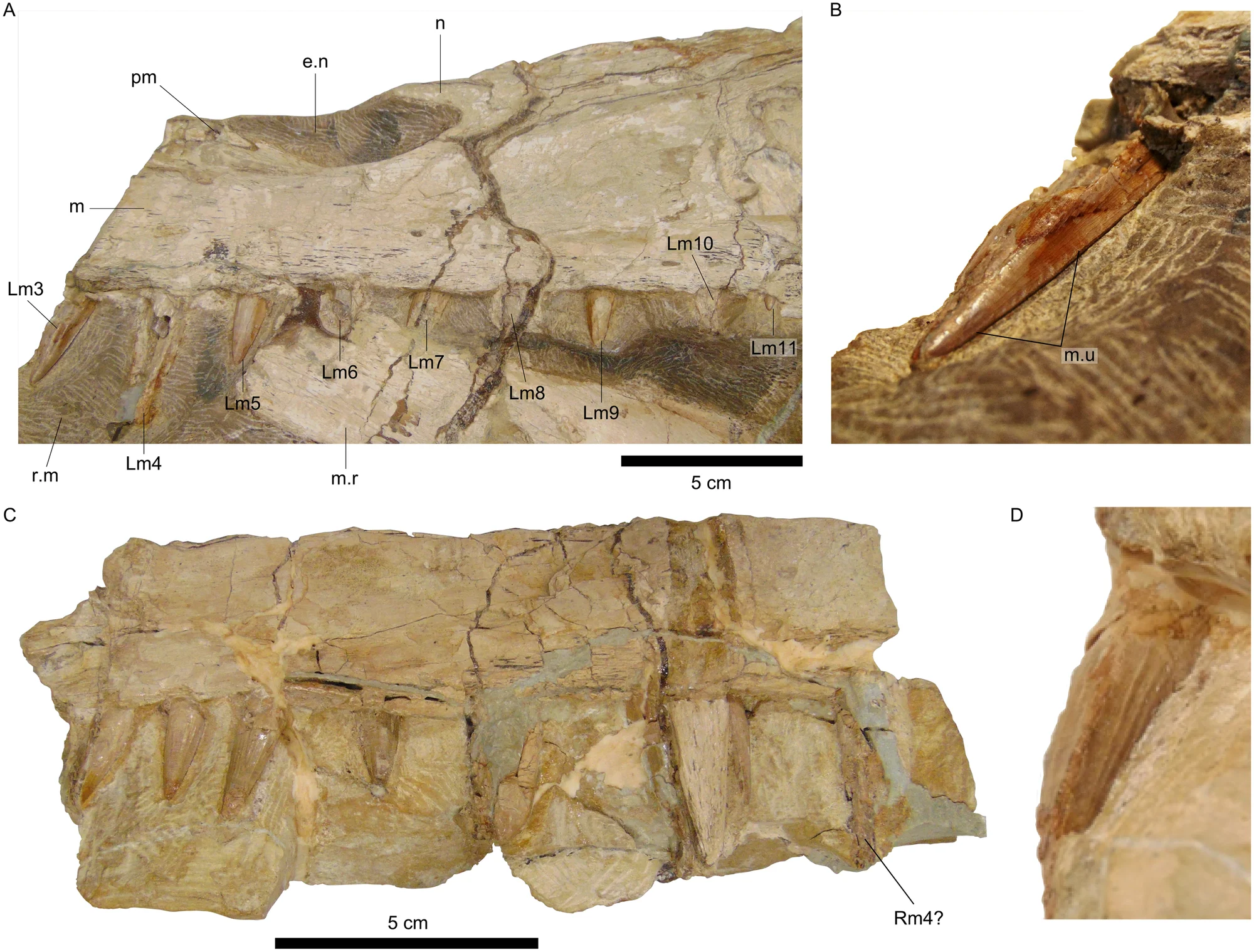
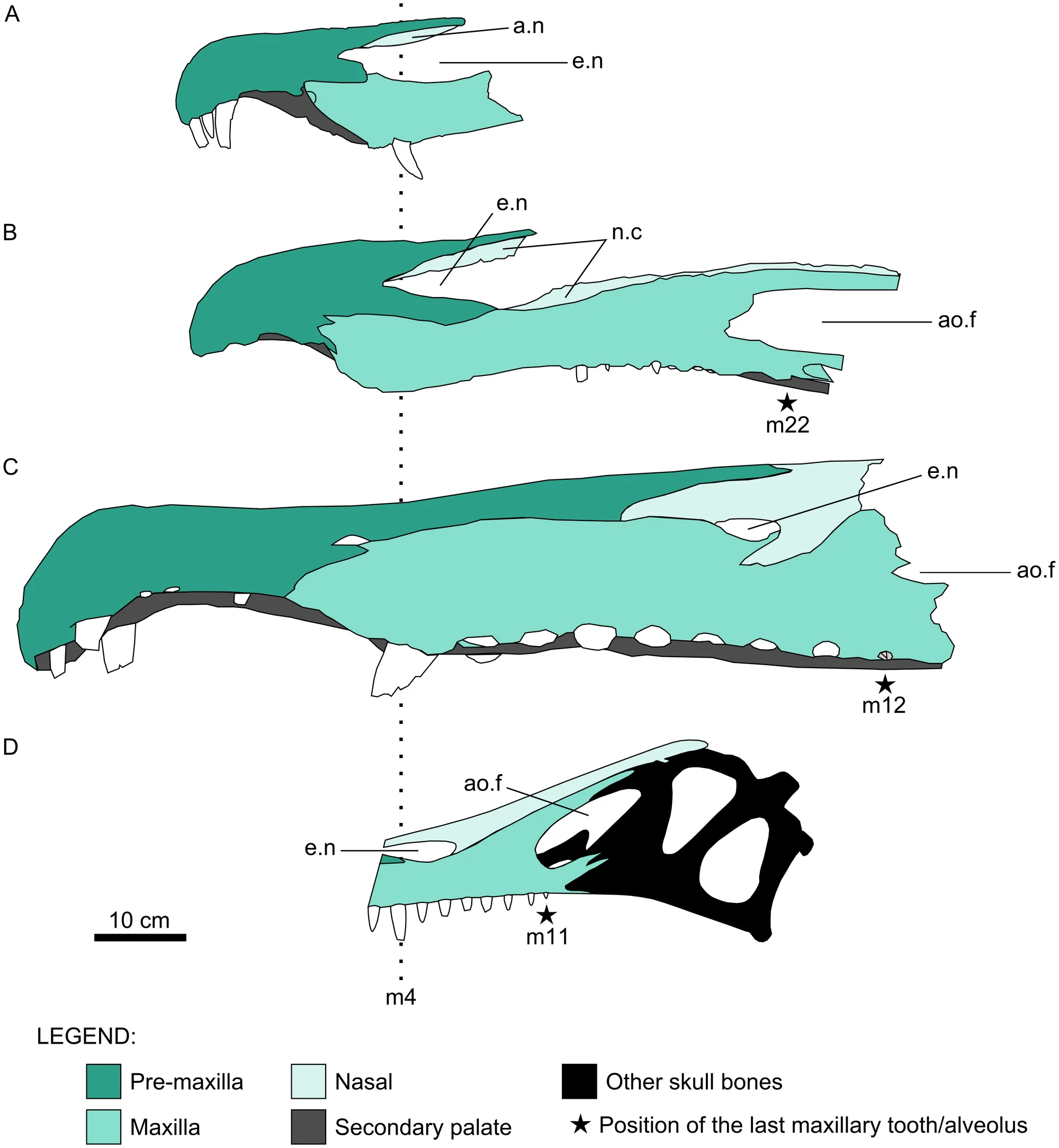
Barker and colleagues describe two new baryonychine spinosaurids from the Wessex Formation (Barremian) of the Isle of Wight: Ceratosuchops inferodios and Riparovenator milnerae. Phylogenetic analyses using parsimony and Bayesian techniques place both within a new clade, Ceratosuchopsini, which also includes Suchomimus but differs from Baryonyx walkeri, which remains as the most basal taxon within Baryonychinae. This result breaks with the earlier view of Baryonyx and Suchomimus as sister taxa, refining the group's phylogeny. The paleogeographic reconstruction suggests that spinosaurids originated in Europe and later dispersed to Africa, positioning the Baryonyx lineage as possibly close to the root of the entire Spinosauridae family. The paper also shows that the Wealden of the United Kingdom harbored greater spinosaurid diversity than previously suspected, with at least three distinct genera in the same time interval and region.


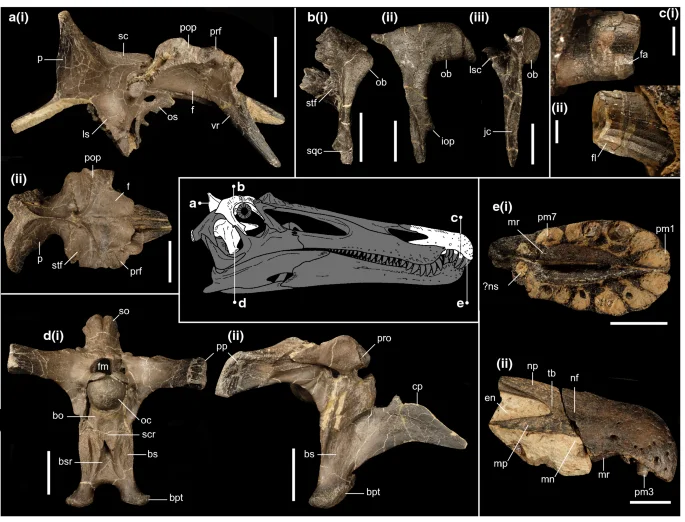
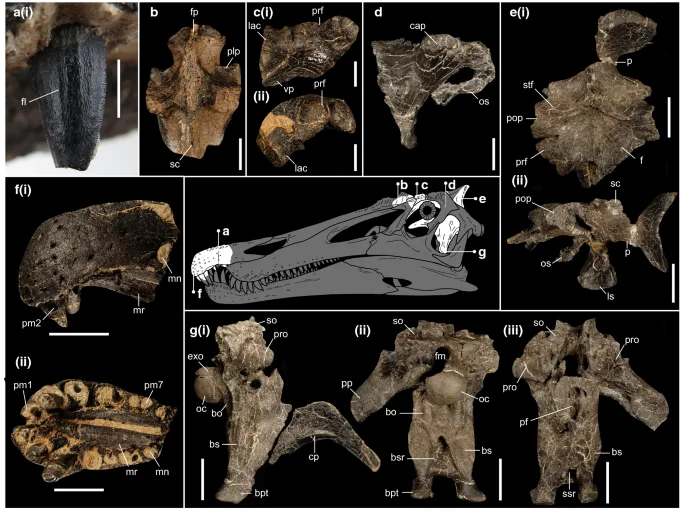
A new theropod dinosaur from the early cretaceous (Barremian) of Cabo Espichel, Portugal: Implications for spinosaurid evolution
Mateus, O. & Estraviz-Lopez, D. · PLOS ONE
Mateus and Estraviz-Lopez reassessed the Portuguese specimen ML 1190, previously referred to Baryonyx walkeri, and with additional material collected in 2020, described it as a new genus and species: Iberospinus natarioi. Phylogenetic analysis positions Iberospinus as the sister taxon to the Baryonyx-Suchomimus clade, outside Spinosaurinae when Vallibonavenratrix cani is excluded. The work demonstrates that baryonychine diversity in the Early Cretaceous of Europe was greater than previously supposed, with at least four distinct genera in the region: Baryonyx, Suchomimus (derived, present in Africa), Iberospinus, and the two new Isle of Wight taxa described by Barker et al. (2021). For Baryonyx walkeri specifically, the paper confirms that the English holotype is the only specimen securely referable to the species, clearing taxonomic confusion generated by the erroneous referral of Portuguese material. Iberospinus presents as unique character a single Meckelian foramen and straight dentary profile.
Modified skulls but conservative brains? The palaeoneurology and endocranial anatomy of baryonychine dinosaurs (Theropoda: Spinosauridae)
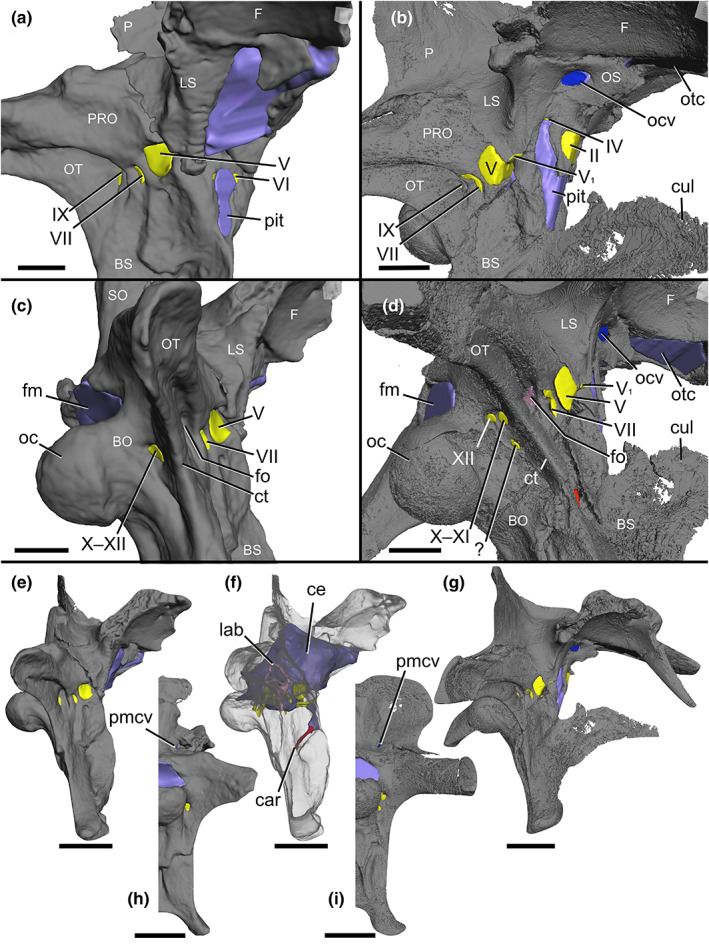
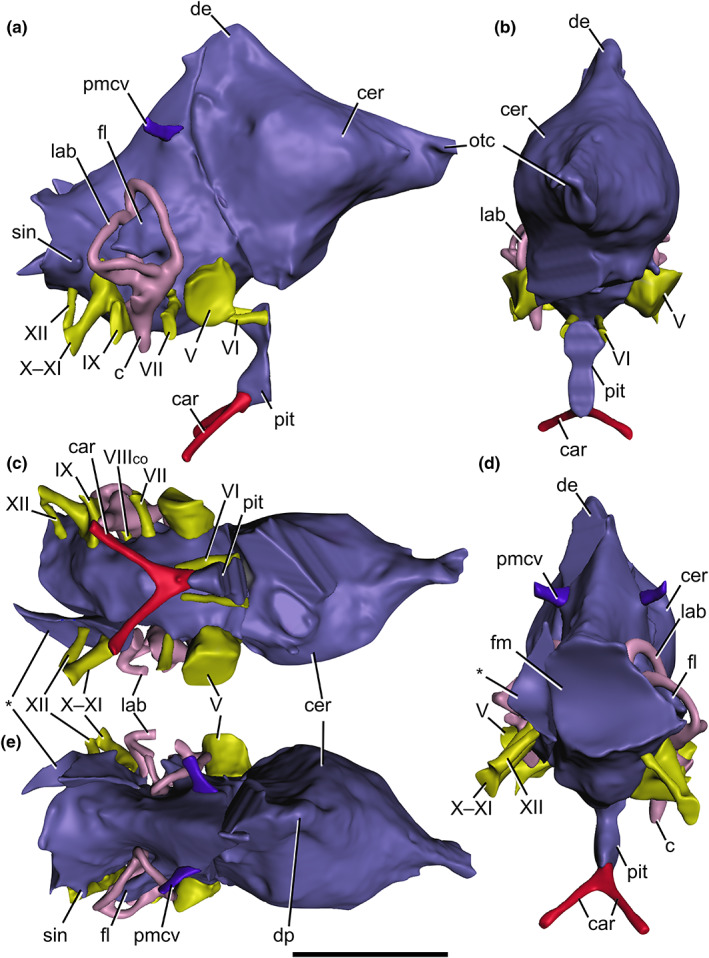
Barker, C.T., Naish, D., Trend, J., Michels, L.V., Witmer, L., Ridgely, R., Rankin, K., Clarkin, C.E., Schneider, P. & Gostling, N.J. · Journal of Anatomy
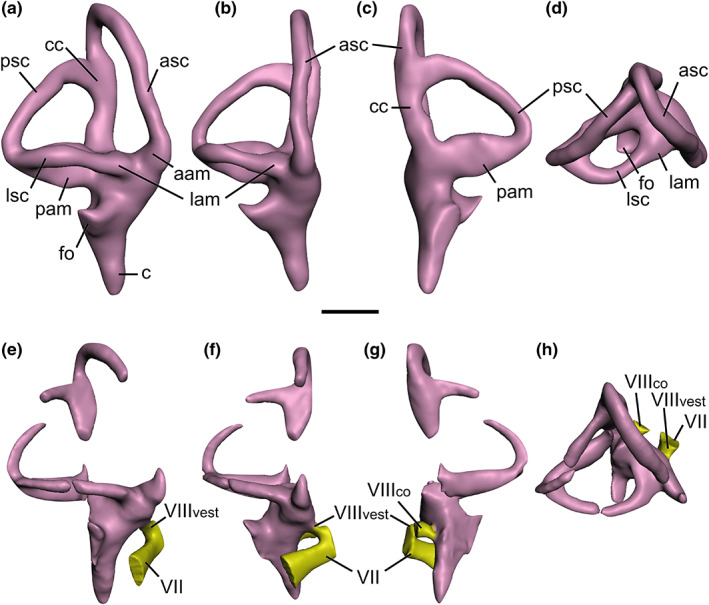
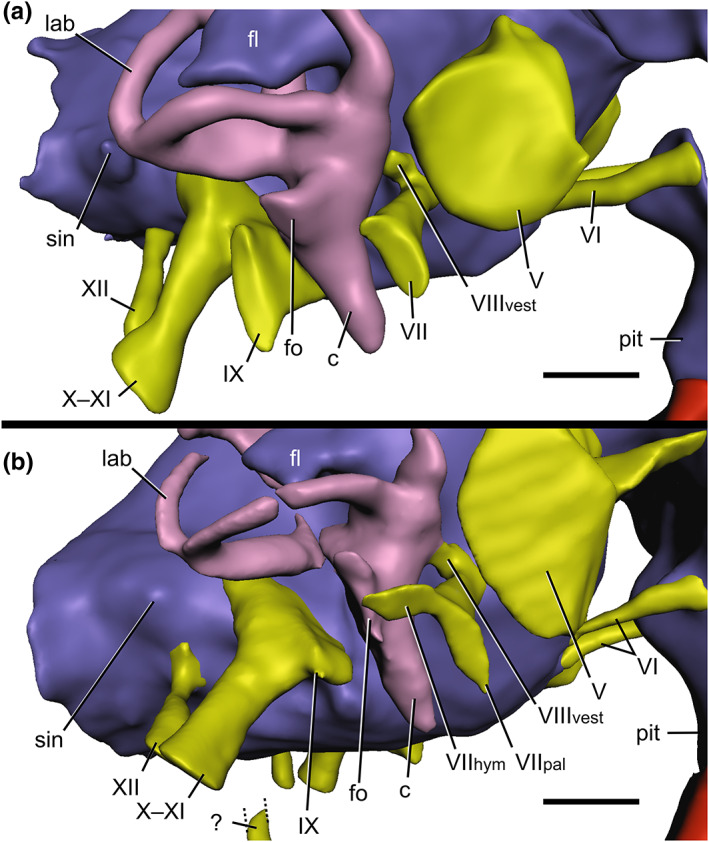
Barker and colleagues reconstruct the brain endocasts of Baryonyx walkeri (holotype NHMUK PV R9951) and Ceratosuchops inferodios using micro-focus computed tomographic scanning, the most precise technique available for paleontological neuroanatomy. Results reveal a paradox: despite baryonychines having highly modified skulls for aquatic feeding, with elongated snouts and crocodilian morphology, their brain organization is surprisingly conservative relative to other theropods. Neurosensory capabilities include low-frequency hearing and non-exceptional olfaction. The floccular lobe, associated with gaze stabilization during head movements, differs morphologically from spinosaurines, suggesting that Baryonyx had less developed visual stabilization mechanisms. The study applies high-resolution paleontological neuroimaging techniques to Baryonyx for the first time, opening a new investigative window on the behavior and sensory capabilities of spinosaurids.

The systematic position of Baryonyx walkeri, in the light of Gauthier's reclassification of the Theropoda
Charig, A.J. & Milner, A.C. · Dinosaur Systematics: Approaches and Perspectives (Cambridge University Press)
A transitional work reassessing the phylogenetic position of Baryonyx walkeri in the light of Gauthier's (1986) cladistic reclassification of theropods. Charig and Milner examine whether Baryonyx fits among megalosaurids (like Megalosaurus), carnosaurs (like Allosaurus), or represents a distinct lineage. The analysis concludes that Baryonyx has a unique combination of characters separating it from all these groups, justifying the creation of Spinosauridae as its own family. The work is particularly important for establishing, for the first time, the synapomorphies of Spinosauridae that would later allow recognition of other family members such as Suchomimus and Irritator. The discussion includes the degree of bone pneumaticity in Baryonyx, comparable to derived coelurosaurs, and the possible relationship with Torvosaurus. This paper represents the formalization of the systematic context in which Baryonyx would be understood until Sereno et al. (1998).
Fish-eating theropods: A short review of the systematics, biology and palaeobiogeography of spinosaurs
Milner, A.C. · Journees de Paleontologie (Aspects of Theropod Paleobiology)
Angela Milner, co-describer of Baryonyx, presents a comprehensive review of spinosaurids known to 2003: Baryonyx, Spinosaurus, Suchomimus, Irritator, Angaturama, and Cristatusaurus. The work synthesizes the evidence for piscivory in spinosaurids, with special emphasis on Baryonyx, whose stomach contents remain the only case of directly documented piscivory in the group. Milner discusses shared morphological adaptations (elongated snout, conical teeth, dental rosette, robust forelimbs with large claws) and differences between Baryonychinae and Spinosaurinae. The review addresses the historical biogeography of the family, proposing a dispersal route from Gondwana to Laurasia in the Early Cretaceous, with Baryonyx as an isolated Laurasian representative. The paper also discusses the comparative ecology of spinosaurids, suggesting they inhabited fluvial and coastal zones, competing with crocodilians but occupying a distinct ecological niche through their capacity to pursue terrestrial prey. This paper is the most complete synthetic reference on the group before the 2014 discoveries (aquatic Spinosaurus).
Morphofunctional analysis of the quadrate of Spinosauridae (Dinosauria: Theropoda) and the presence of Spinosaurus and a second spinosaurine taxon in the Cenomanian of North Africa
Hendrickx, C., Mateus, O. & Buffetaut, E. · PLOS ONE
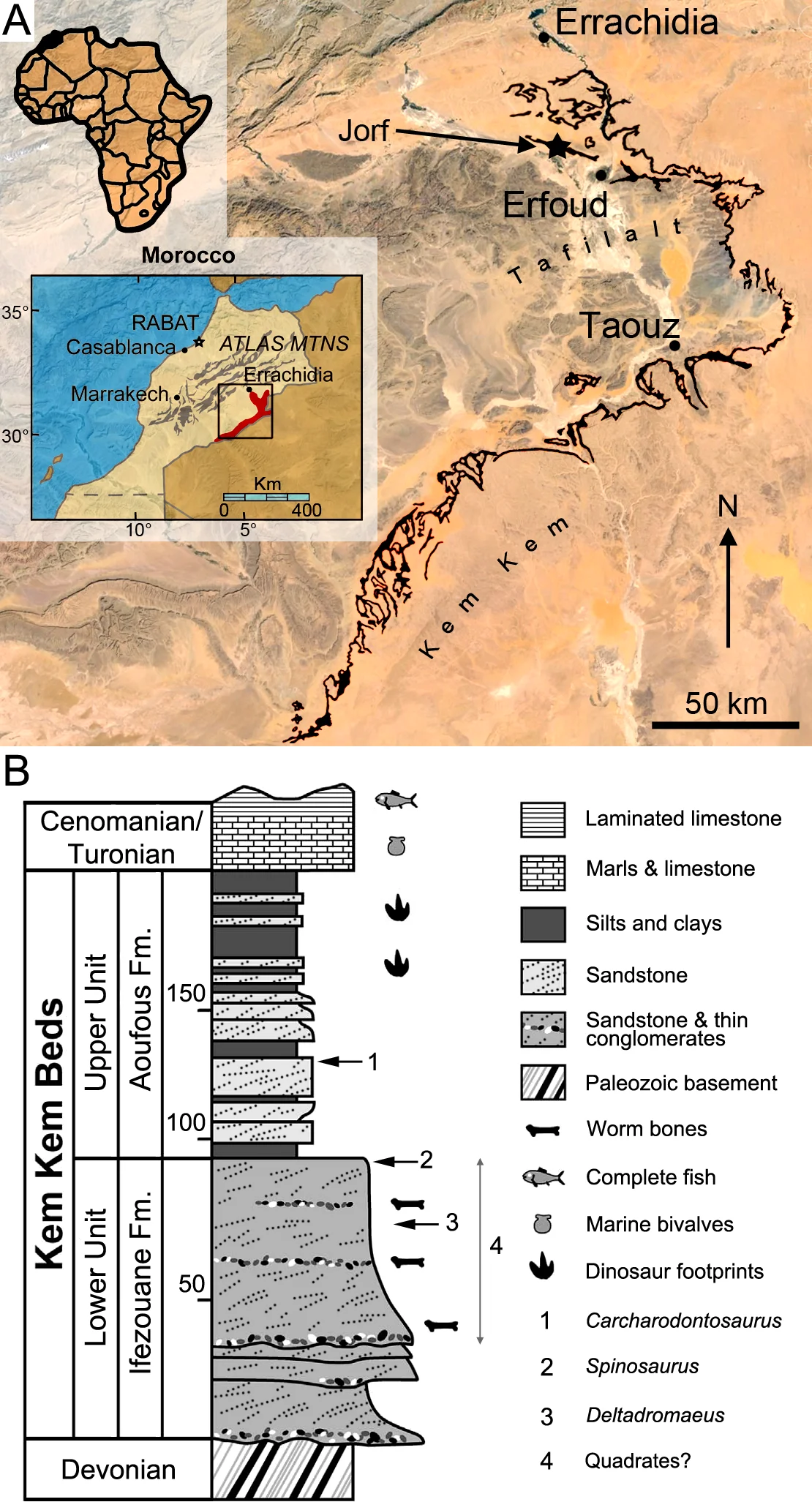
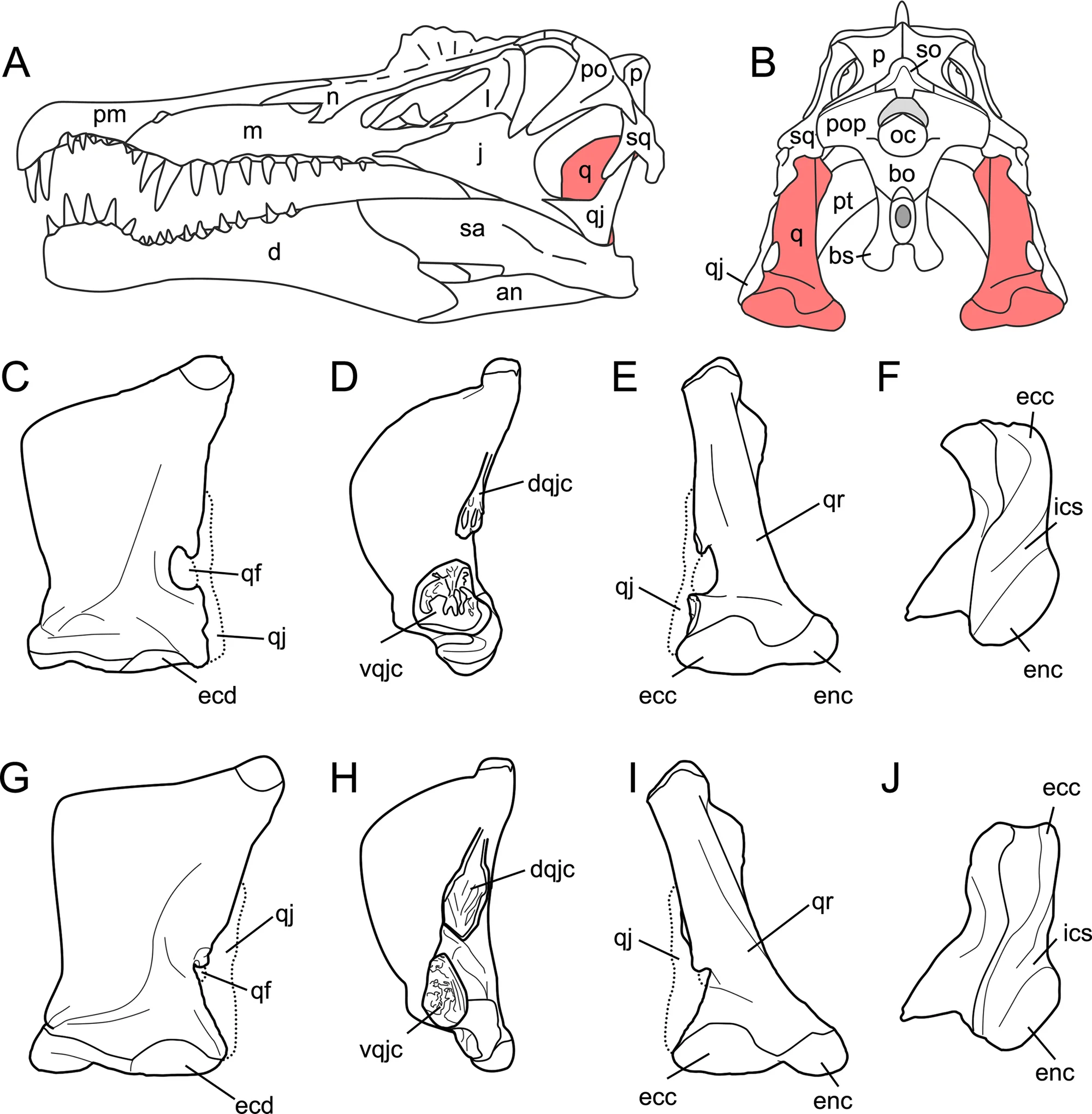
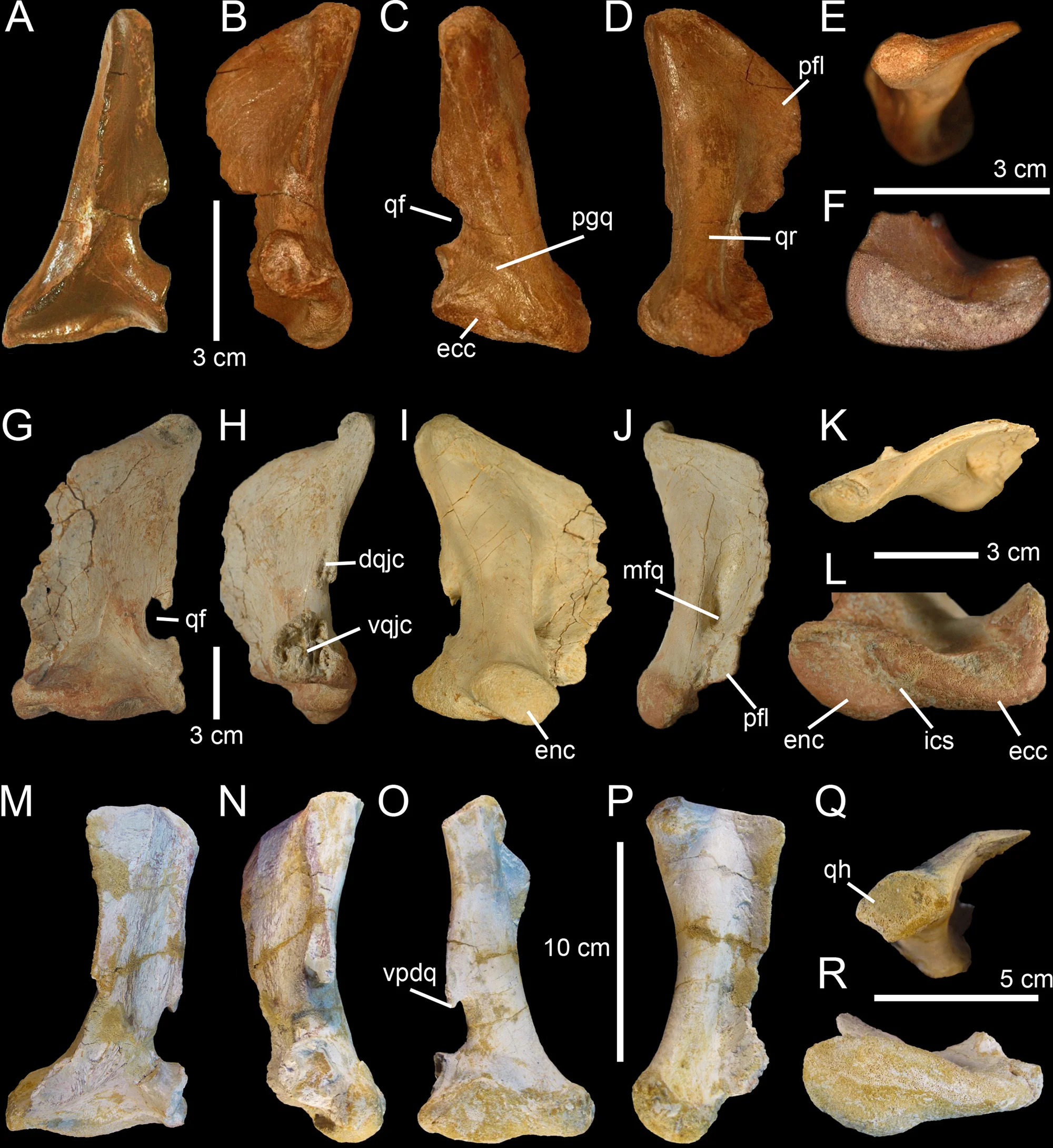
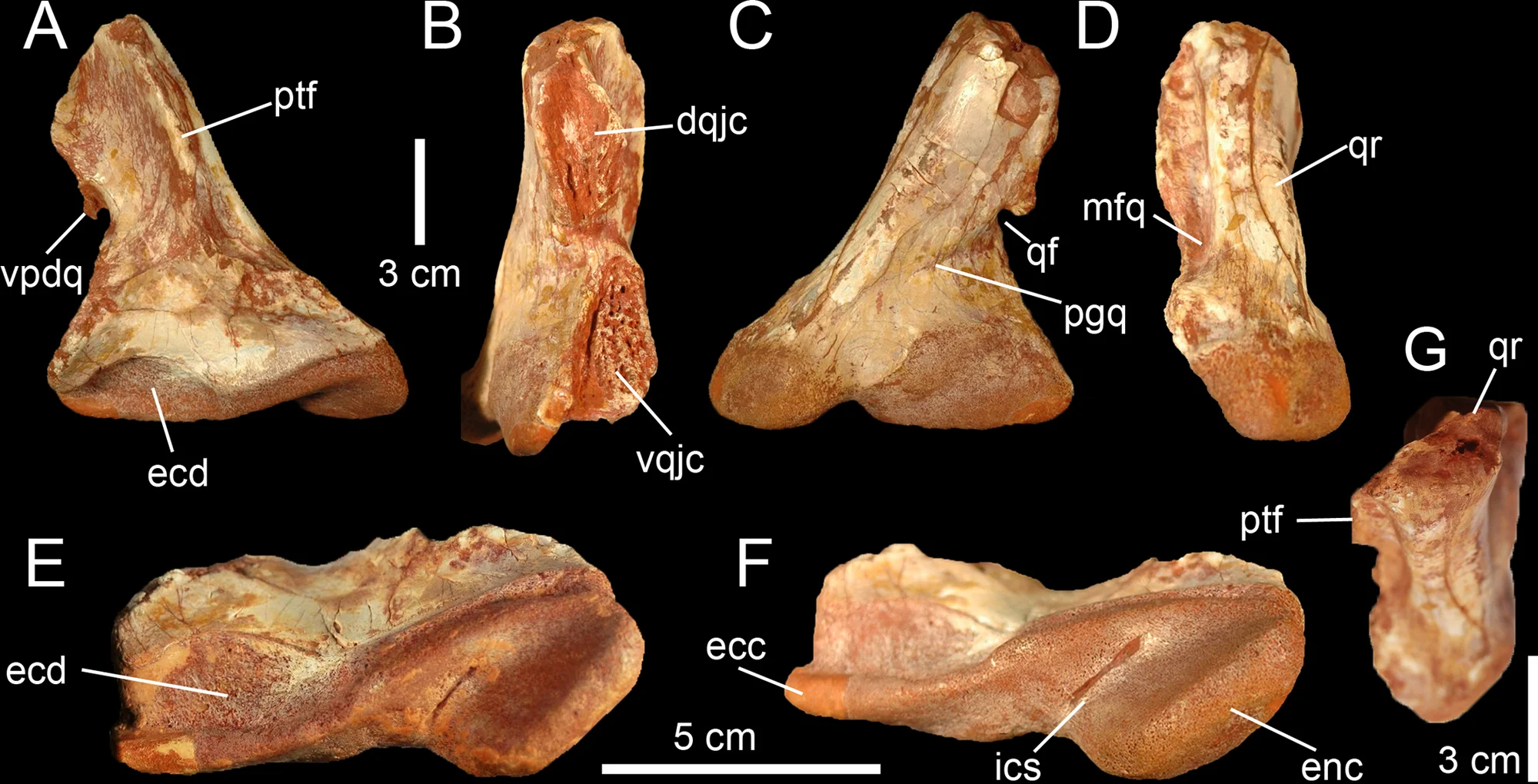
Hendrickx, Mateus, and Buffetaut analyze six quadrate bones from the Kem Kem beds of Morocco, identifying two spinosaurine morphotypes and proposing they represent adult and juvenile Spinosaurus aegyptiacus plus a second spinosaurine taxon. The analysis includes the quadrate of Baryonyx walkeri as a comparison element within Spinosauridae. The morphofunctional study is particularly innovative: it demonstrates that mature spinosaurids could laterally displace mandibular rami during jaw opening, expanding the pharynx analogously to a pelican, facilitating capture of large fish. This capacity for mandibular dilation, documented in Baryonyx and spinosaurines, represents a notable functional convergence with birds and crocodilians. The work provides new data on spinosaurid diversity and reveals aspects of feeding mechanics not identified in previous snout FEA studies.
Isolated tooth reveals hidden spinosaurid dinosaur diversity in the British Wealden Supergroup (Lower Cretaceous)
Barker, C.T., Naish, D. & Gostling, N.J. · PeerJ
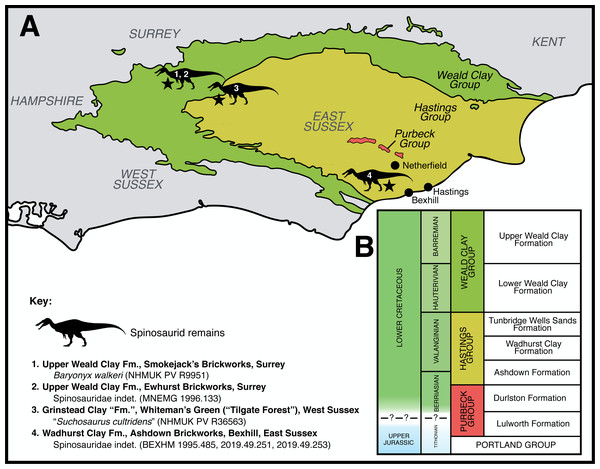
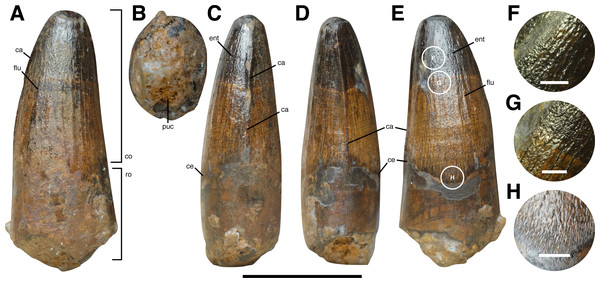
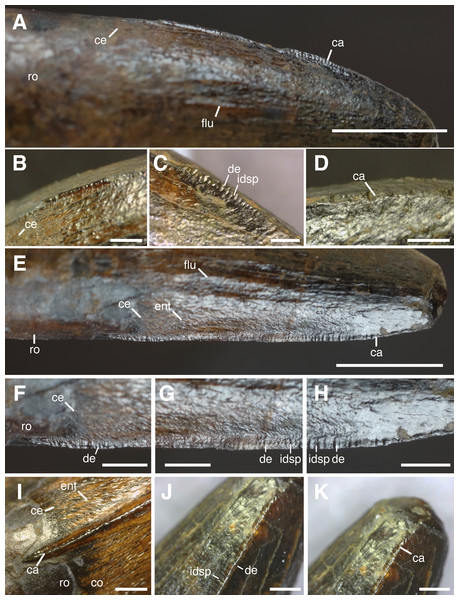
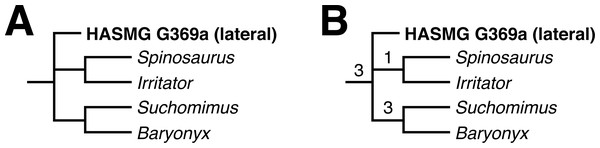
Barker, Naish, and Gostling analyze an isolated spinosaurid tooth (HASMG G369a) from the British Wealden Supergroup, conducting detailed morphometric and phylogenetic analyses. The central result is that the tooth does not associate with Baryonyx walkeri in any analysis, suggesting it represents a distinct, as yet undescribed, spinosaurid taxon. This finding has direct implications for interpreting the Baryonyx holotype: for decades, virtually every spinosaurid tooth from the British Wealden was automatically referred to Baryonyx walkeri for lack of comparative material. The work demonstrates this practice was mistaken and that the actual spinosaurid diversity in Early Cretaceous Britain was greater than thought. Combined with the findings of Barker et al. (2021) and Barker et al. (2023), the study points to a particularly rich spinosaurid ecosystem in the Wealden, with at least four or five distinct lineages coexisting in the region during the Barremian.


Famous museum specimens
NHMUK PV R9951 (Holótipo)
Natural History Museum, Londres, Reino Unido
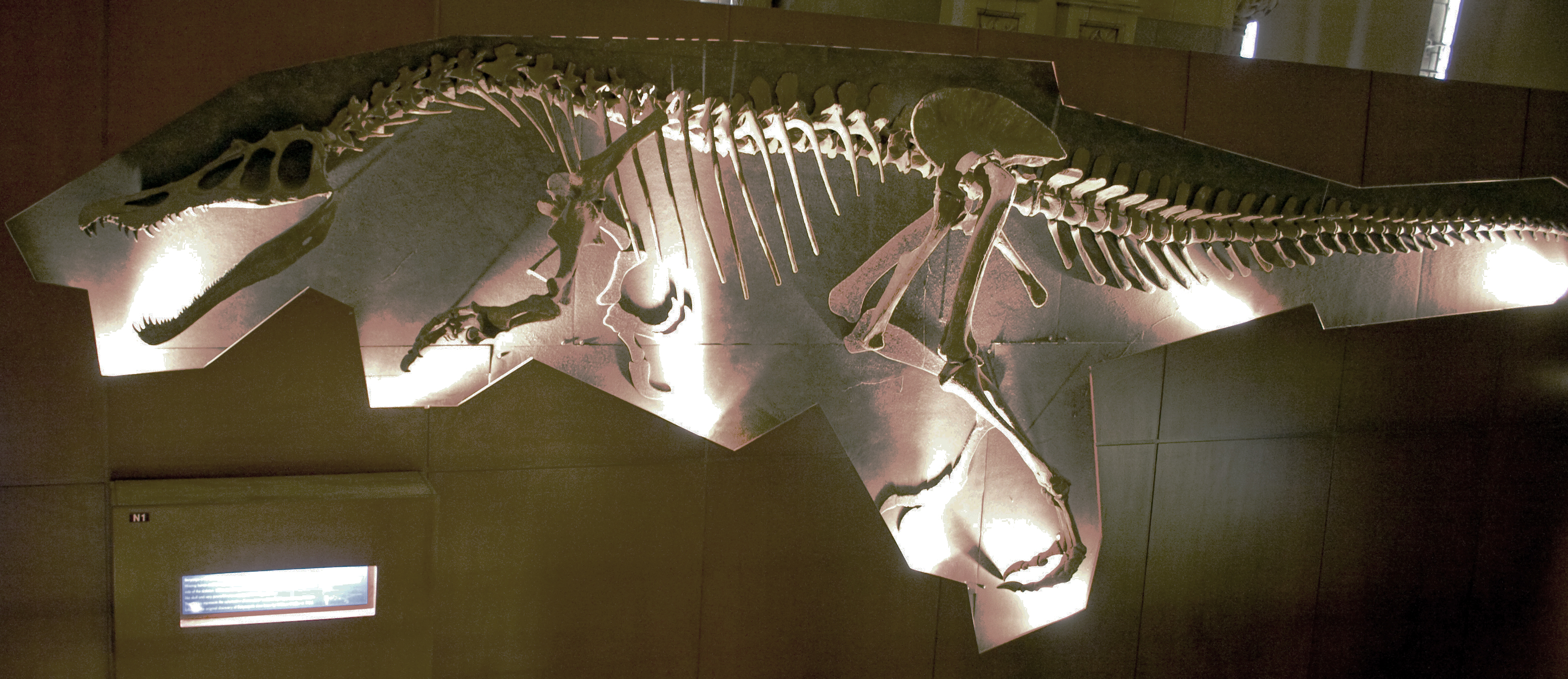
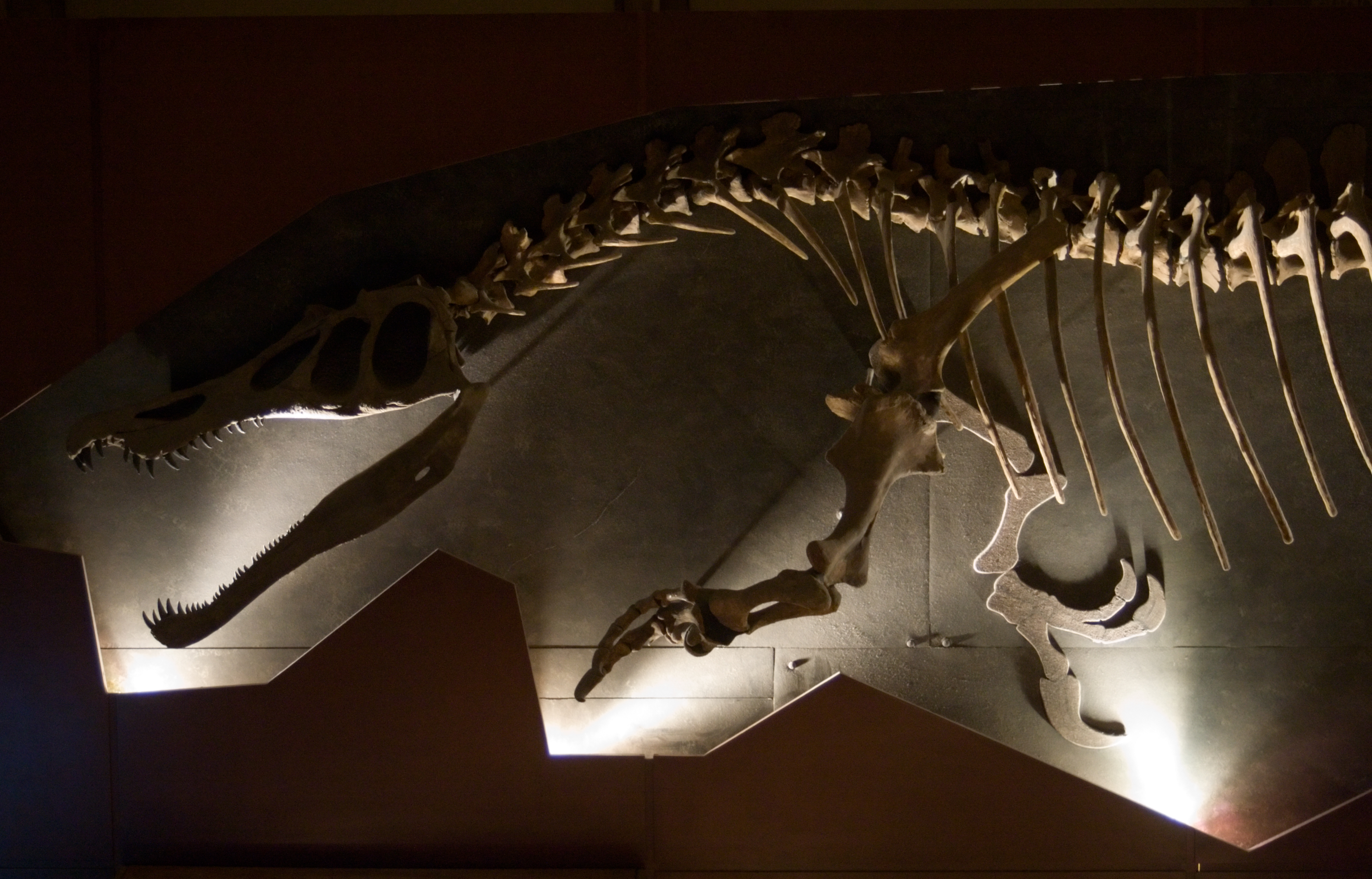
The holotype and only specimen securely referred to Baryonyx walkeri. Discovered in January 1983 at Smokejacks Clay Pit, Surrey. Represents a subadult individual. The mounted skeleton is permanently exhibited in the Dinosaur Gallery of the Natural History Museum London.
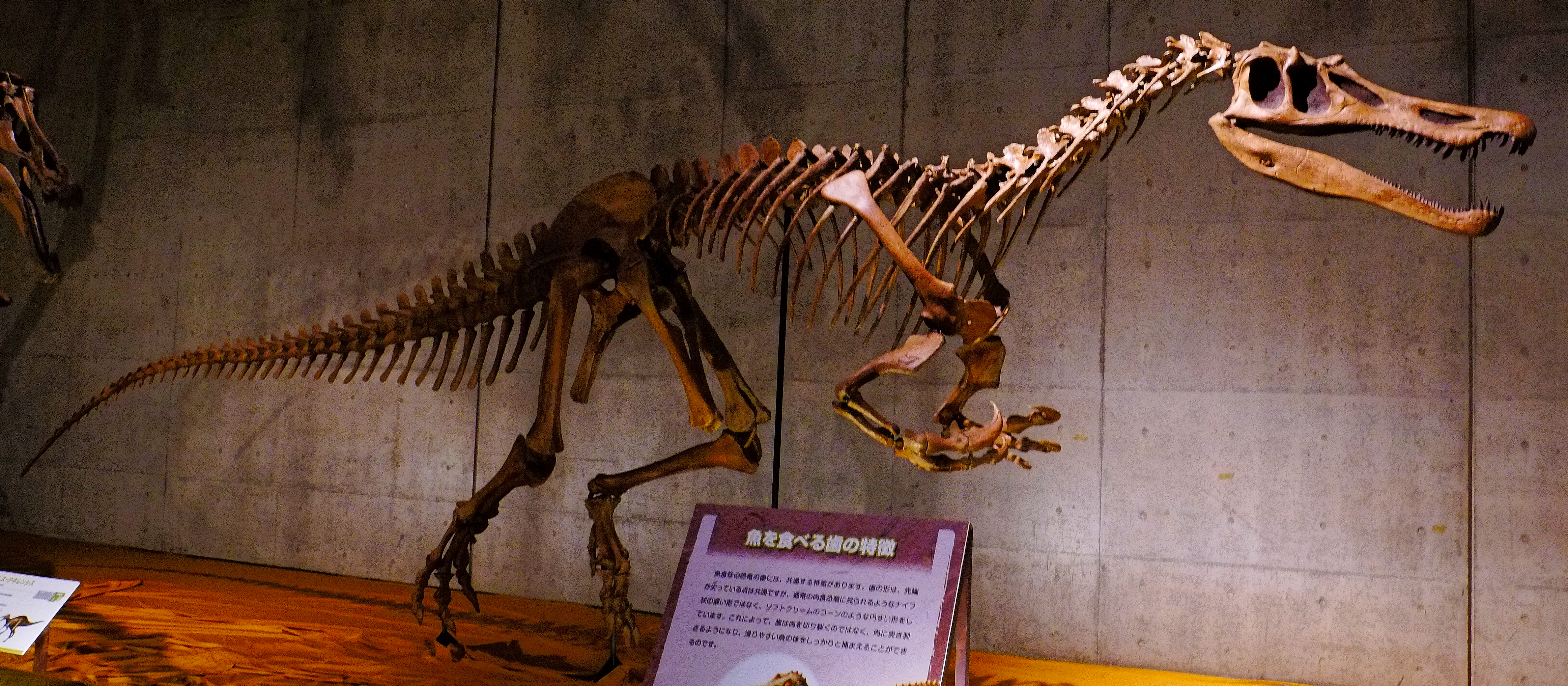
Réplica Montada (National Museum of Nature and Science, Tokyo)
National Museum of Nature and Science, Tokyo, Japão
High-fidelity replica of the Baryonyx walkeri holotype, displayed at the National Museum of Nature and Science in Tokyo. The replica allows the Japanese public to appreciate the complete morphology of the animal, including the elongated snout and the thumb claw.
In cinema and popular culture
Baryonyx walkeri made its major cinematic debut decades after its scientific prominence. While T. rex dominated screens since the 1990s with Jurassic Park, Baryonyx only achieved a starring role in 2018, with Jurassic World: Fallen Kingdom, directed by J.A. Bayona. The lava-flooded tunnel scene, where a Baryonyx pursues Claire Dearing and Franklin Webb, was memorable enough to launch the animal into popular culture and secure its return in the animated series Jurassic World: Camp Cretaceous (2020), where a trio of Baryonyx with individual names, Grim, Chaos, and Limbo, became recurring characters. Before that, Baryonyx had appeared discretely in scientific documentaries, including a BBC special in 1987 shortly after its formal description, and in Planet Dinosaur (BBC, 2011). The franchise film depictions fall short by lacking proto-feathers, showing proportionally small forelimbs, and portraying excessively aggressive behavior for an animal whose fossils suggest fishing specialization. However, the aquatic environment shown in Dominion (2022) and the general elongated snout morphology are reasonably faithful to science. In games, Baryonyx appears in Jurassic World Evolution 2 with semi-aquatic behavior that better reflects the scientific data.
Classification
Discovery
Fun fact
When William Walker found the enormous claw in January 1983 at the Surrey clay pit, he had no idea what he was holding. A construction worker during his off hours, Walker wrapped the bone in his jacket and took it home. It was later discovered that the 31-centimeter curved claw belonged to a dinosaur entirely new to science. The discovery was so striking that Baryonyx gained the popular nickname 'Claws' in British newspapers, a play on the title of the horror film 'Jaws,' which dominated box offices at the time.
Last reviewed: April 24, 2026