
Argentinosaurus
Argentinosaurus huinculensis
"Argentina lizard from Huincul"
About this species
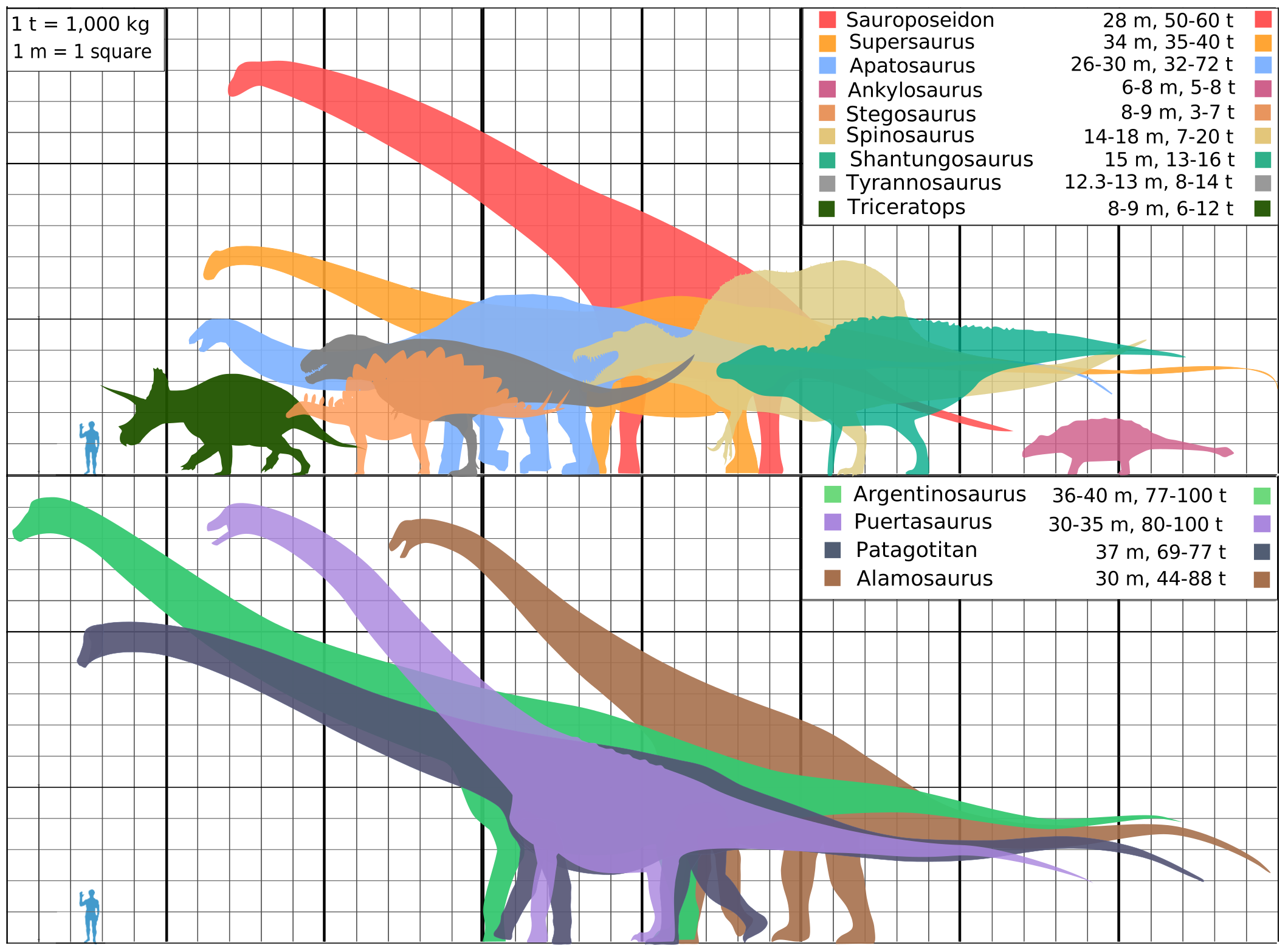
Argentinosaurus huinculensis is arguably the largest land animal that ever lived, with length estimates between 30 and 35 meters and mass up to 80 tonnes. Discovered in 1987 in Neuquén, Argentine Patagonia, and formally described in 1993 by José Bonaparte and Rodolfo Coria, it belongs to the clade Lognkosauria, a group of giant titanosaurs exclusive to South America. Its fossil record is fragmentary: only a few dorsal vertebrae, ribs, and part of the sacrum have been found, yet they are sufficient to confirm its extraordinary size. It coexisted with the largest terrestrial predator of the Cretaceous, Giganotosaurus carolinii, in a fauna that continues to fascinate paleontologists worldwide.
Geological formation & environment
The Huincul Formation (formerly called the Huincul Member of the Río Limay Formation) is a Late Cretaceous geological unit (Cenomanian, approximately 97-93 Ma) of the Neuquén Basin in Argentine Patagonia. Composed mainly of yellowish and greenish sandstones of fine-to-medium grain, some tuffaceous, it was deposited in a continental environment with rivers and floodplains. It is one of the most fossiliferous formations in South America, housing Argentinosaurus huinculensis, Giganotosaurus carolinii, Mapusaurus roseae, and several other dinosaurs, pterosaurs, and crocodilians.
Image gallery




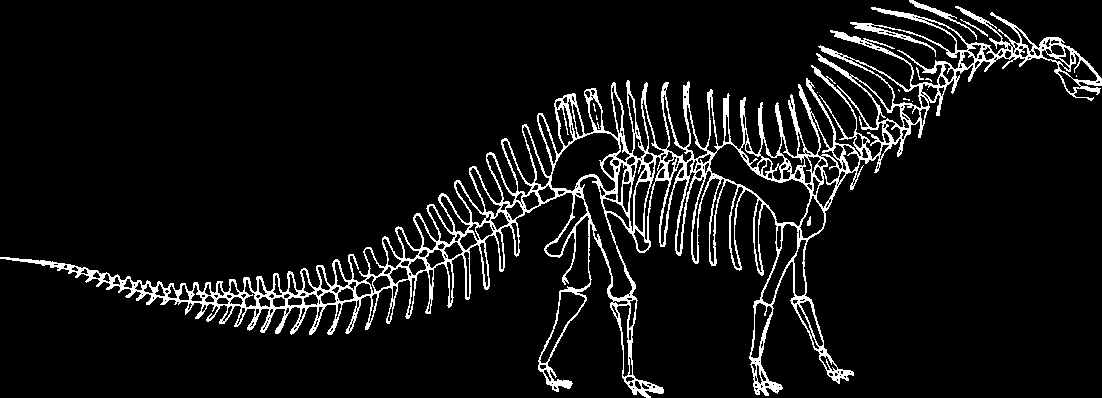
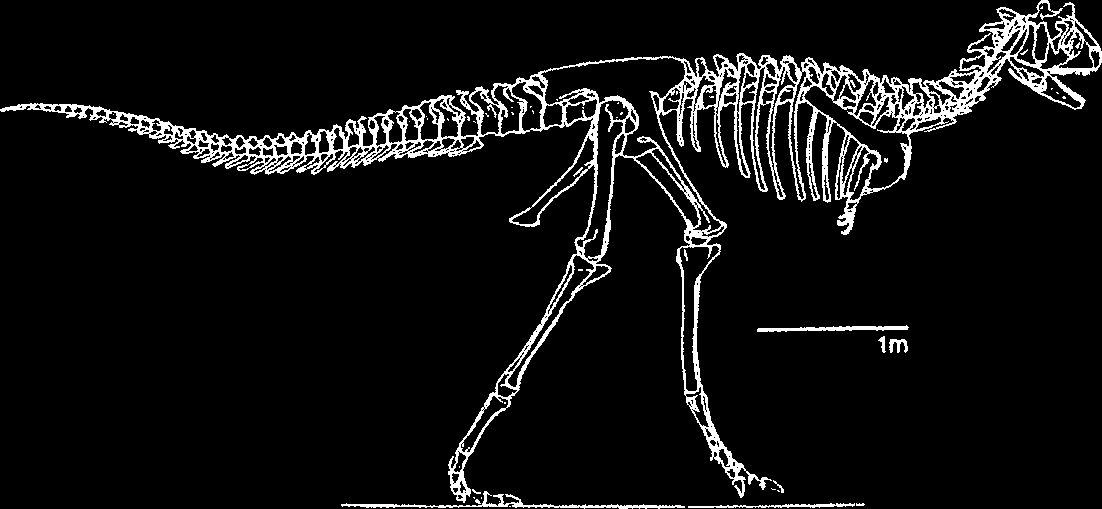
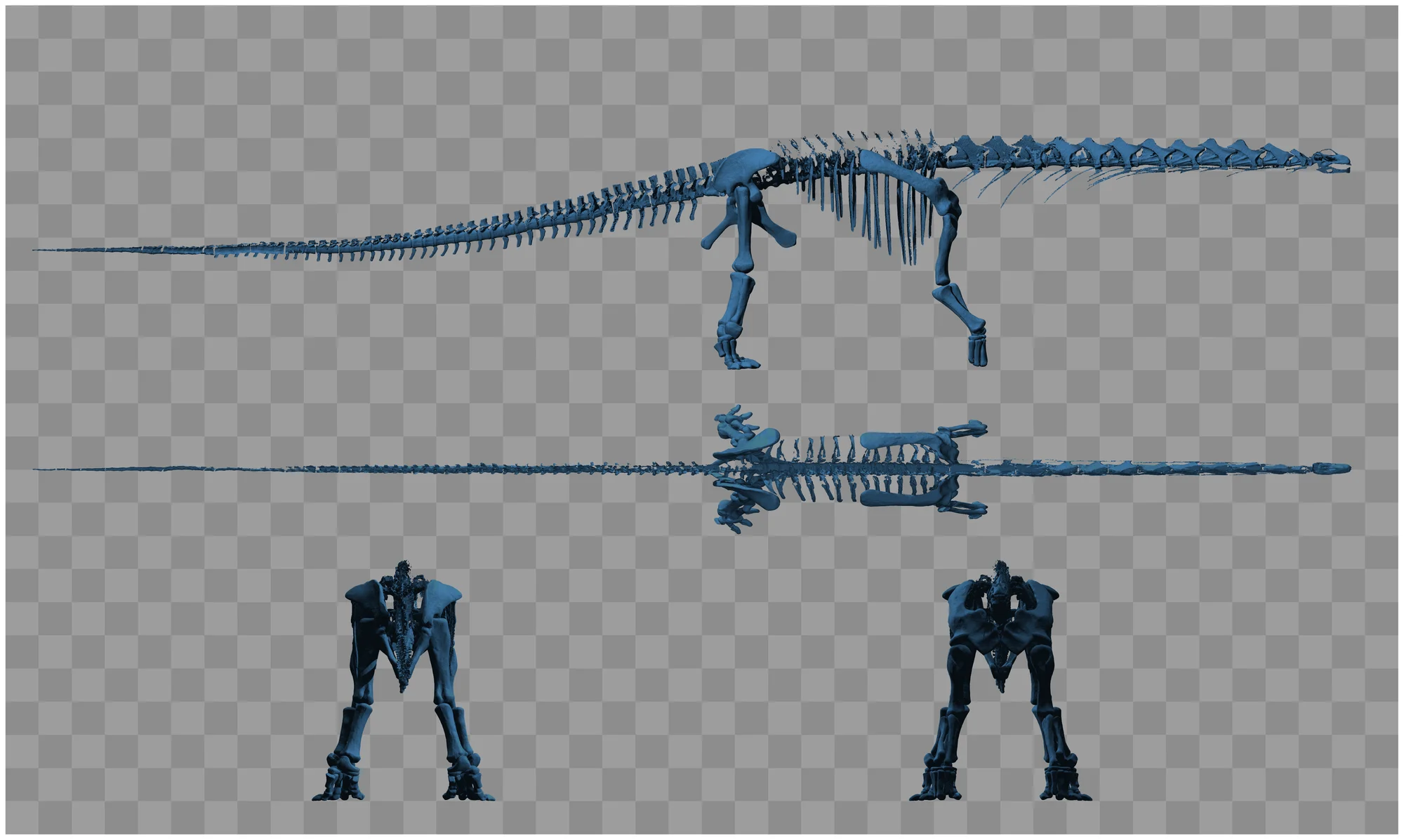
Skeletal reconstruction of Argentinosaurus huinculensis showing the full body extent, with known fossil elements highlighted.
Slate Weasel / Domínio Público
Ecology and behavior
Habitat
Argentinosaurus inhabited the plains and open forests of the Huincul Formation, in present-day Neuquén, Argentina, during the Cenomanian, approximately 95 to 97 million years ago. The paleoclimate was warm and relatively dry in some seasons, with vegetation of conifers, cycads, and ferns. The ecosystem was one of the richest of the Cretaceous: in addition to Argentinosaurus, it included carcharodontosaurids like Giganotosaurus carolinii and Mapusaurus roseae, other sauropods like Limaysaurus, and various small herbivores and omnivores.
Feeding
With a neck of approximately 10-12 meters, Argentinosaurus could reach vegetation at heights and distances inaccessible to any other animal in its ecosystem. Its simple, pencil-shaped teeth were adapted for rapidly harvesting large quantities of vegetation without extensive chewing, using a highly efficient digestive system to process plant material. Energy consumption estimates for a 73-tonne animal suggest need for tonnes of vegetation per day, requiring nearly continuous feeding.
Behavior and senses
Given the fragmentary fossil record, Argentinosaurus behavior is largely inferred by comparison with more complete sauropods. It likely lived in groups or herds, which provided protection for vulnerable young against predators like Mapusaurus. Eggs were likely buried in communal nests, as documented for other titanosaurs. Adults of 73 tonnes were practically invulnerable to predators, but young were frequent targets.
Physiology and growth
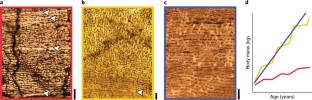
Bone histology of related titanosaurs indicates rapid growth with fibrolamellar tissue, evidencing elevated metabolism similar to modern birds. The pneumatized skeleton, with air chambers in vertebrae and ribs that could reduce mass by up to 20%, was fundamental for making the mechanical structure of a 73-tonne animal viable. The respiratory system with air sacs, similar to birds, was necessary to efficiently oxygenate a body of this magnitude.
Paleogeography
Continental configuration

Scotese & Vérard · CC BY 4.0 · Cretaceous, ~105 Ma
Fossil sites
Slate Weasel / Domínio Público
During the Cenomaniano (~97–93 Ma), Argentinosaurus huinculensis inhabited Laramidia, the western half of present-day North America, separated from the east by the Western Interior Seaway, a shallow sea dividing the continent. The continents were in very different positions: India was drifting toward Asia, Antarctica was still connected to Australia, and South America was an isolated island.
Bone Inventory
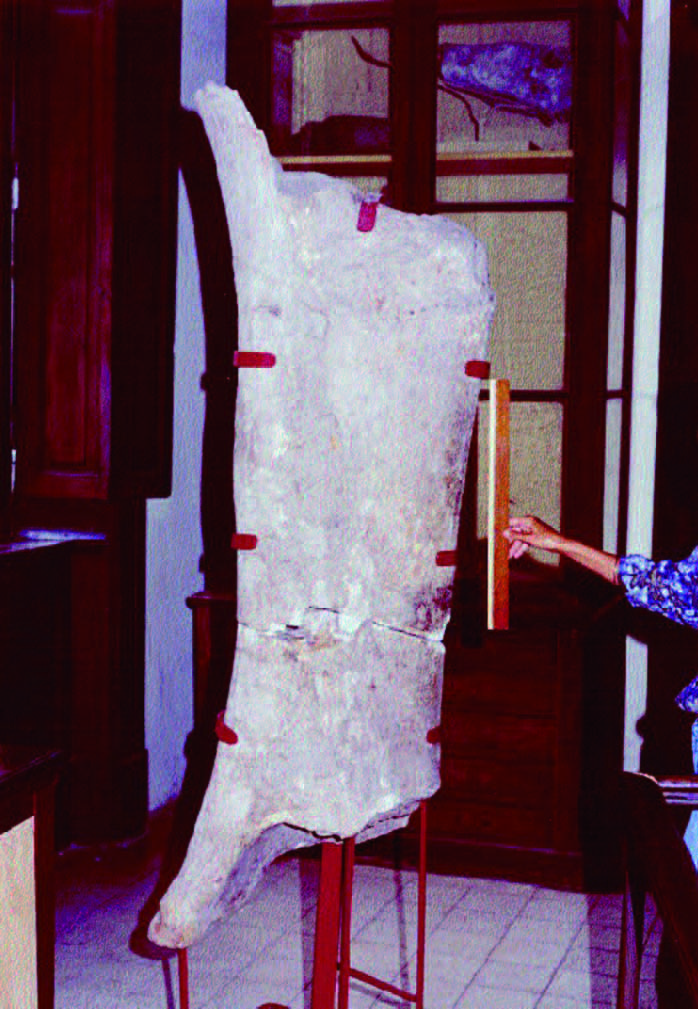
The holotype (MCF-PVPH 1) consists of only seven dorsal vertebrae, sacral vertebrae (first through fifth), sacral ribs, dorsal rib fragments, and fragmentary femur elements. It is one of the most incomplete among the largest known dinosaurs, making precise size and mass estimates uncertain.

Found elements
Inferred elements
Scientific Literature
15 papers in chronological order — from the original description to recent research.
Un nuevo y gigantesco saurópodo titanosaurio de la Formación Río Limay (Albiano-Cenomaniano) de la Provincia del Neuquén, Argentina
Bonaparte, J.F. e Coria, R.A. · Ameghiniana
Founding paper naming and describing Argentinosaurus huinculensis, based on holotype MCF-PVPH 1 collected from a ranch near Plaza Huincul, Neuquén. Bonaparte and Coria describe the animal's dorsal vertebrae, ribs, and sacrum, concluding it represents a titanosaur of previously unseen proportions. The paper establishes that the ribs were hollow, unlike other sauropods, and that it had hyposphene-hypantrum articulations in the vertebrae, leading the authors to propose the family Andesauridae grouping Argentinosaurus with Andesaurus and Epachthosaurus. Although Andesauridae is no longer accepted, this paper's historical importance is incalculable as the first record of the largest known land animal.
Giants and bizarres: body size of some southern South American Cretaceous dinosaurs
Mazzetta, G.V., Christiansen, P. e Farina, R.A. · Historical Biology
Mazzetta, Christiansen, and Farina present the most rigorous mass estimation study for Argentinosaurus, using regressions based on long bone measurements from sauropods of known mass. Results indicate a most likely mass of 73 tonnes (60-88 tonne confidence range), making Argentinosaurus the largest land animal with good documentation. The paper also estimates the size of other South American Cretaceous giants, such as theropod Giganotosaurus, and discusses how biological limits impose constraints on maximum dinosaur size. This 73-tonne estimate remains the most cited in the scientific literature.
March of the titans: the locomotor capabilities of sauropod dinosaurs
Sellers, W.I., Margetts, L., Coria, R.A. e Manning, P.L. · PLOS ONE
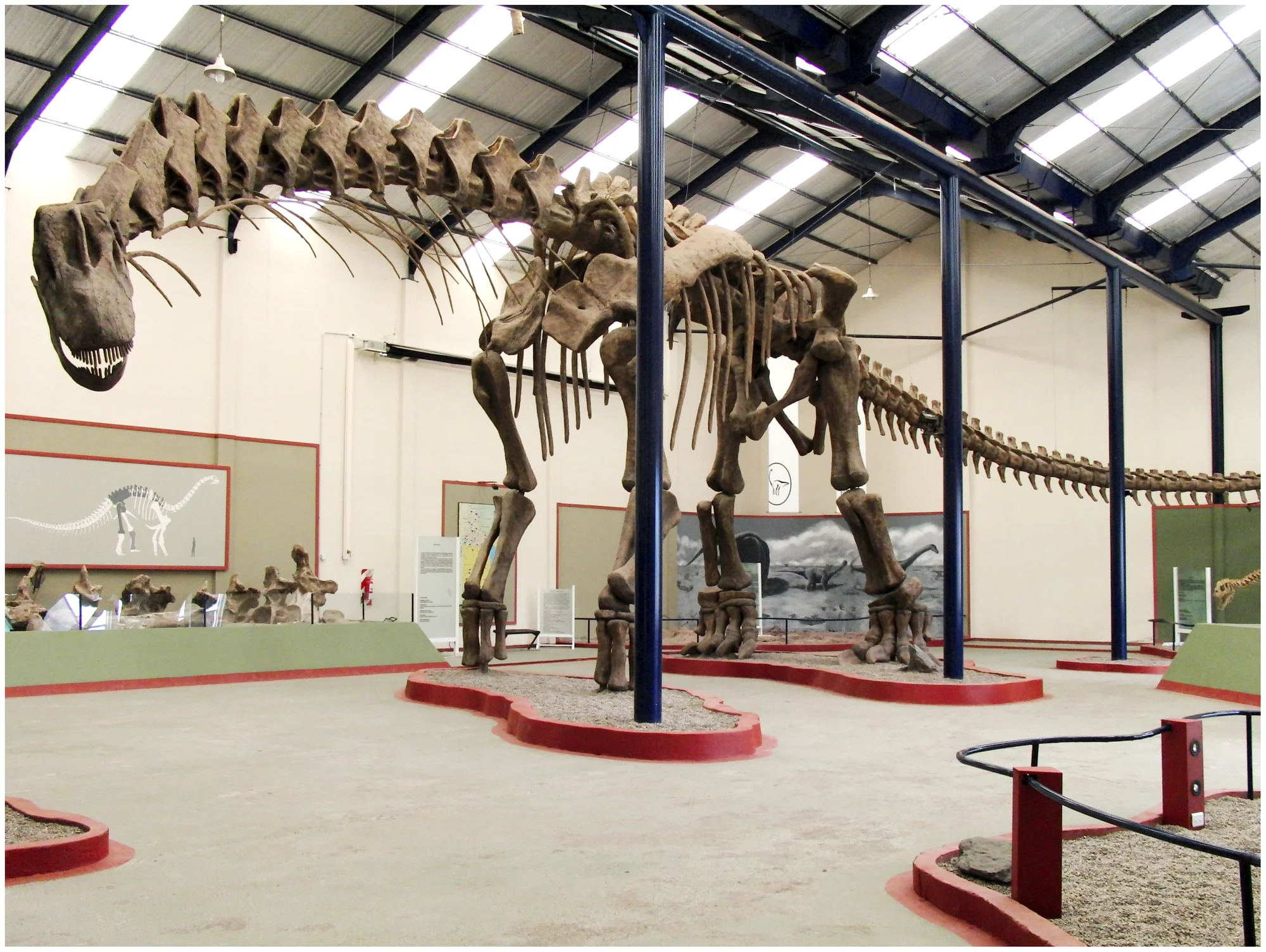
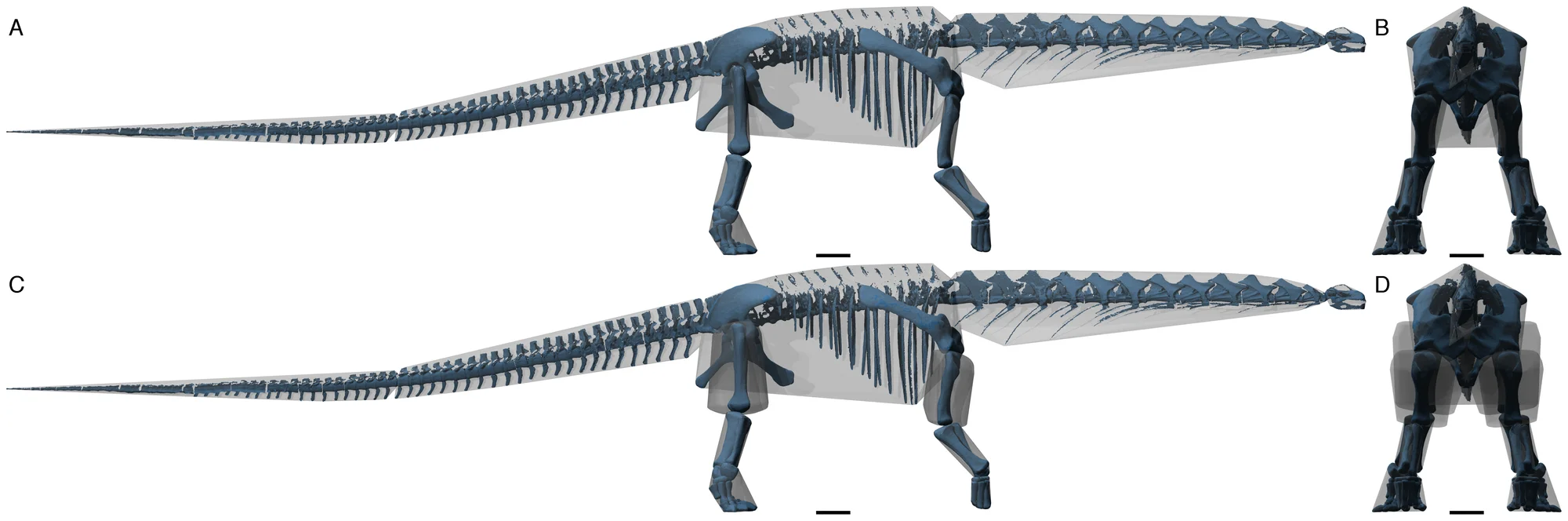
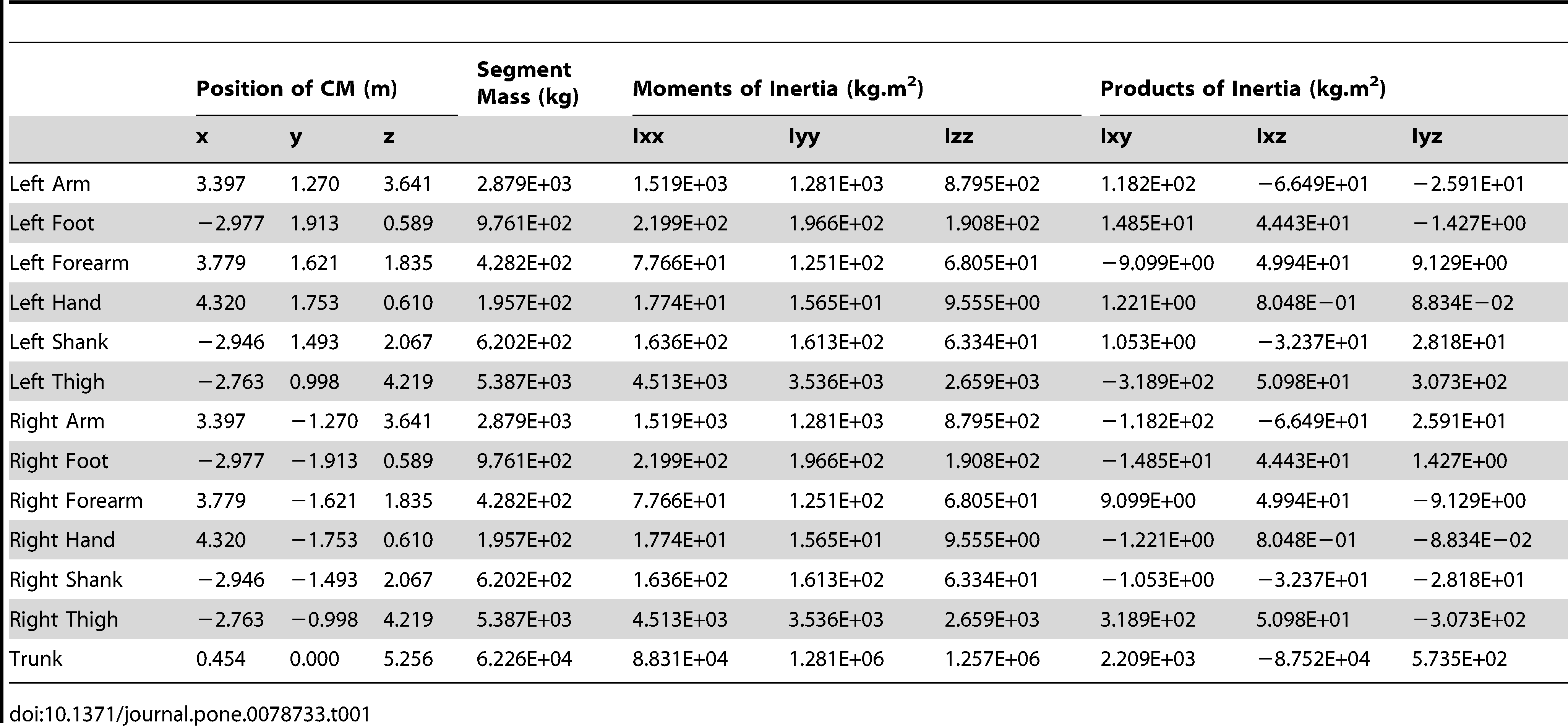
Sellers and colleagues create the first complete computational musculoskeletal model of a giant dinosaur, based on laser scanning of the Argentinosaurus skeletal reconstruction at the Museo Municipal Carmen Funes. Using genetic algorithms and forward dynamic simulation, the model generates walking gaits with minimum metabolic cost. The mass estimate of 83.2 tonnes using the convex hull method is the highest ever proposed for the species. Maximum walking speed is estimated at approximately 2 m/s (7 km/h), revealing the animal moved slowly but with energetic efficiency. The paper demonstrates that reduced ankle joint range of motion was necessary to support the colossal mass.
A gigantic, exceptionally complete titanosaurian sauropod dinosaur from southern Patagonia, Argentina
Lacovara, K.J., Lamanna, M.C., Ibiricu, L.M., Poole, J.C., Schroeter, E.R., Ullmann, P.V., Voegele, K.K., Boles, Z.M., Carter, A.M., Fowler, E.K., Egerton, V.M., Moyer, A.E., Coughenour, C.L., Schein, J.P., Harris, J.D., Martínez, R.D. e Novas, F.E. · Scientific Reports
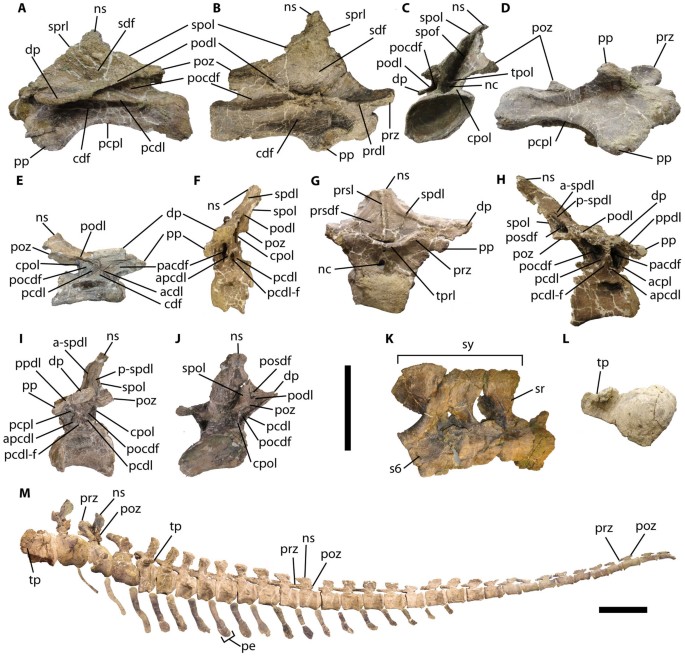
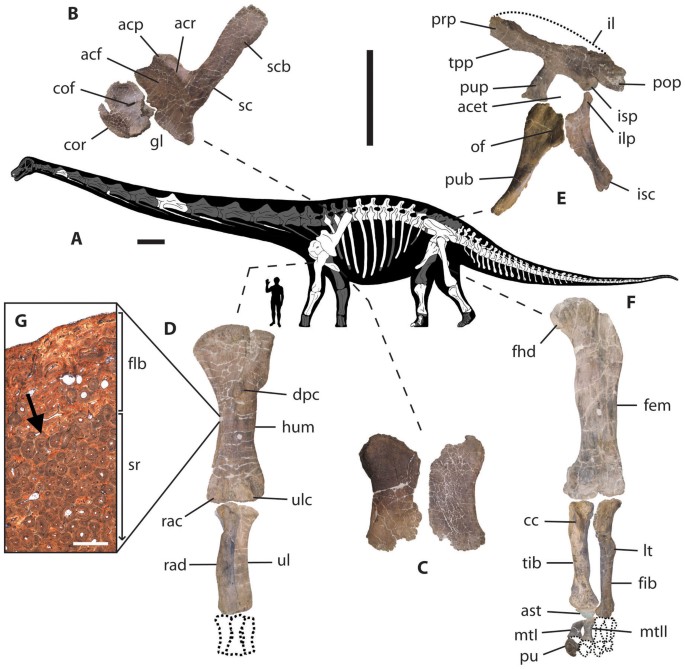
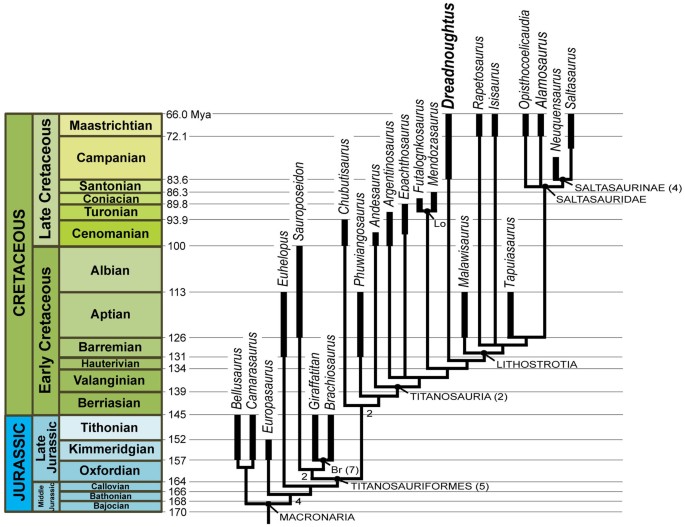
Lacovara and colleagues describe Dreadnoughtus schrani from the Cerro Fortaleza Formation, Patagonia, with approximately 70% of the postcranial skeleton preserved, making it the most complete of the known giant titanosaurs. The estimated mass of 59.3 tonnes for an individual still growing demonstrates that other giants like Argentinosaurus, estimated at 73-83 tonnes, were effectively larger. The work provides the most complete anatomical context available for comparison with Argentinosaurus, whose fossil record is very fragmentary. Published open-access in Scientific Reports.


A new giant titanosaur sheds light on body mass evolution among sauropod dinosaurs
Carballido, J.L., Pol, D., Otero, A., Cerda, I.A., Salgado, L., Garrido, A.C., Ramezani, J., Cúneo, N.R. e Krause, J.M. · Proceedings of the Royal Society B: Biological Sciences
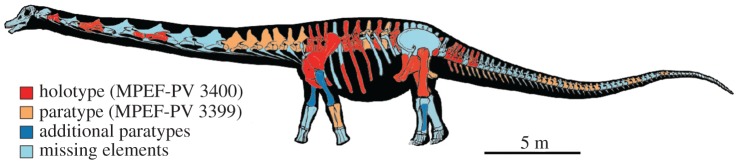
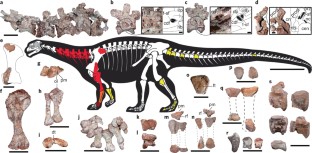
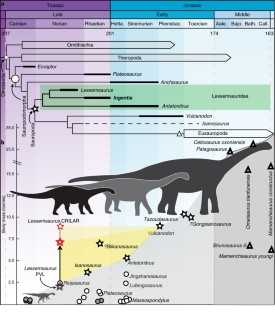
Carballido and colleagues describe Patagotitan mayorum from the Candeleros Formation, Patagonia, represented by at least six specimens with excellent preservation. Phylogenetic analysis recovers Argentinosaurus as sister taxon to Patagotitan within Lognkosauria, confirming this clade included the largest land animals ever. Patagotitan's mass is estimated at 69 tonnes, slightly below the most accepted estimate for Argentinosaurus (73 tonnes). The paper establishes Lognkosauria as the sauropod group that achieved the greatest body masses in the history of life on Earth.

![Phylogenetic relationships of Patagotitan mayorum and body mass evolution in Somphospondyli. Reduced strict consensus tree (excluding Sauroposeidon , Ligabuesaurus and Trigonosaurus ) calibrated against age. Branch colours indicates body mass inferred through scaling equation [ 37 ] and continuous character optimization in TNT (ancestral branches). See electronic supplementary material for complete phylogenetic analysis, body mass optimization and taxon definitions followed here.](/images/species/argentinosaurus-huinculensis/papers/6840d96b08-12.jpg)
A gigantic new dinosaur from Argentina and the evolution of the sauropod hind foot
González Riga, B.J., Lamanna, M.C., Ortiz David, L.D., Calvo, J.O. e Coria, J.P. · Scientific Reports
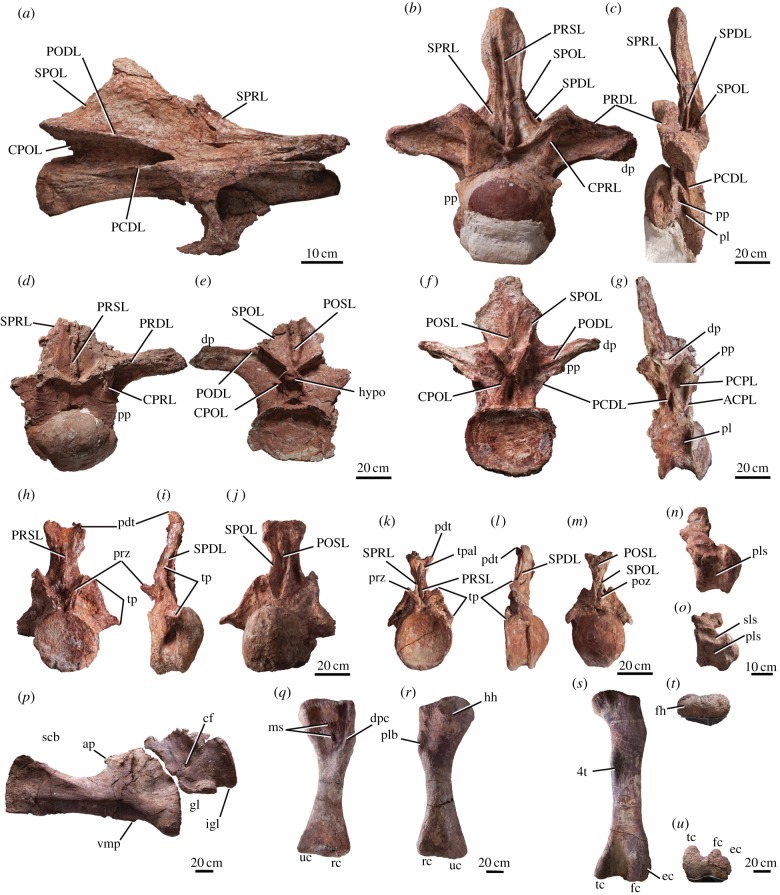
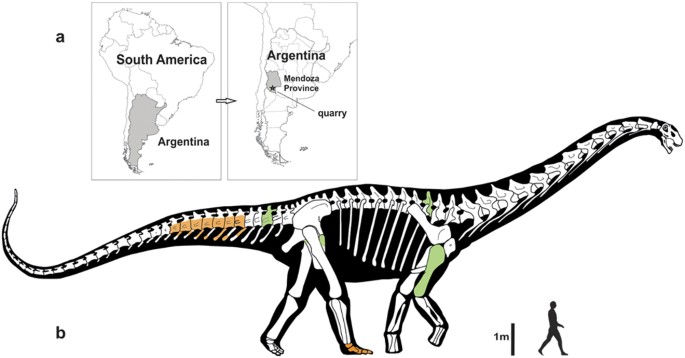
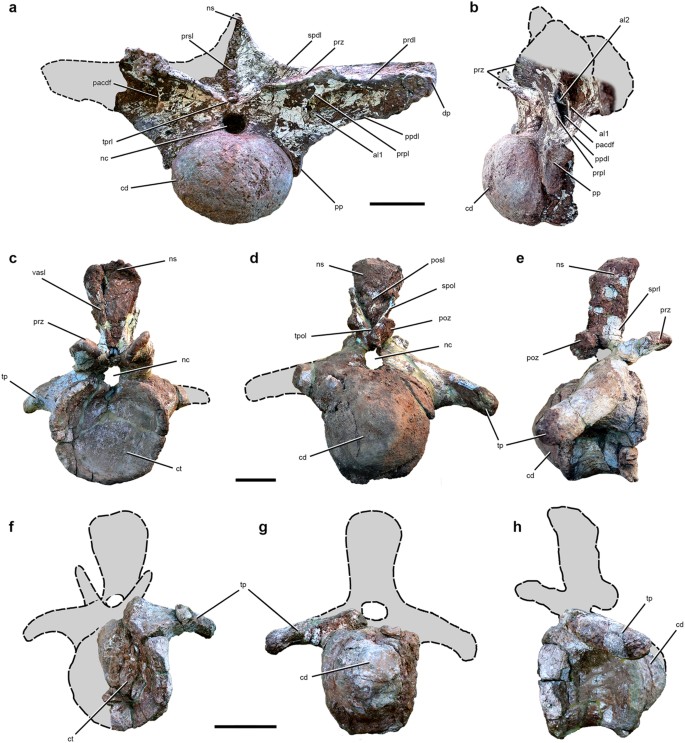
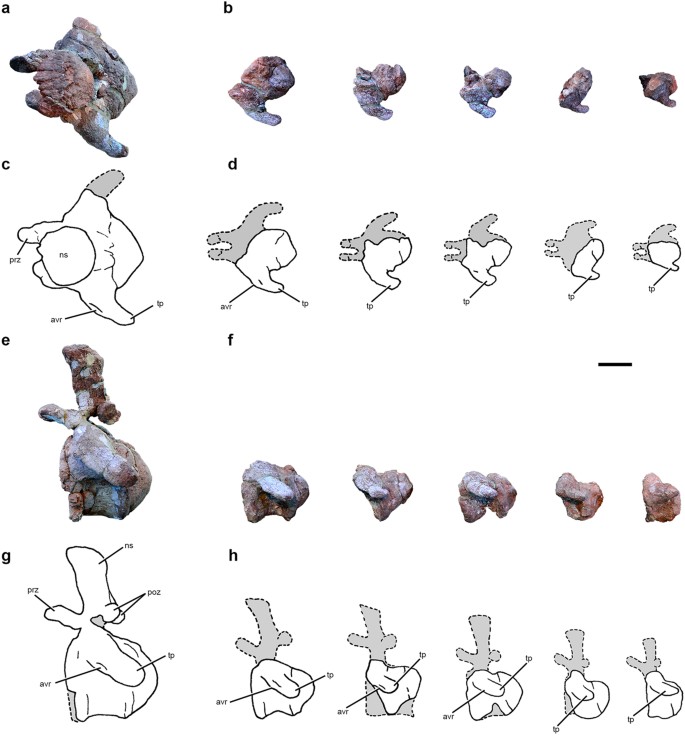
González Riga and colleagues describe Notocolossus gonzalezparejasi, a colossal titanosaur from the Plottier Formation of Mendoza, with a 1.76-meter humerus, one of the largest known. Phylogenetic analysis with 33 taxa and 350 characters positions Argentinosaurus and Epachthosaurus as basal members of Lithostrotia. The paper demonstrates that Notocolossus's complete foot shows a compact metatarsus and truncated unguals, adaptations for bearing extraordinary mass, morphology that may have similarly developed in Argentinosaurus. Published open-access in Scientific Reports.


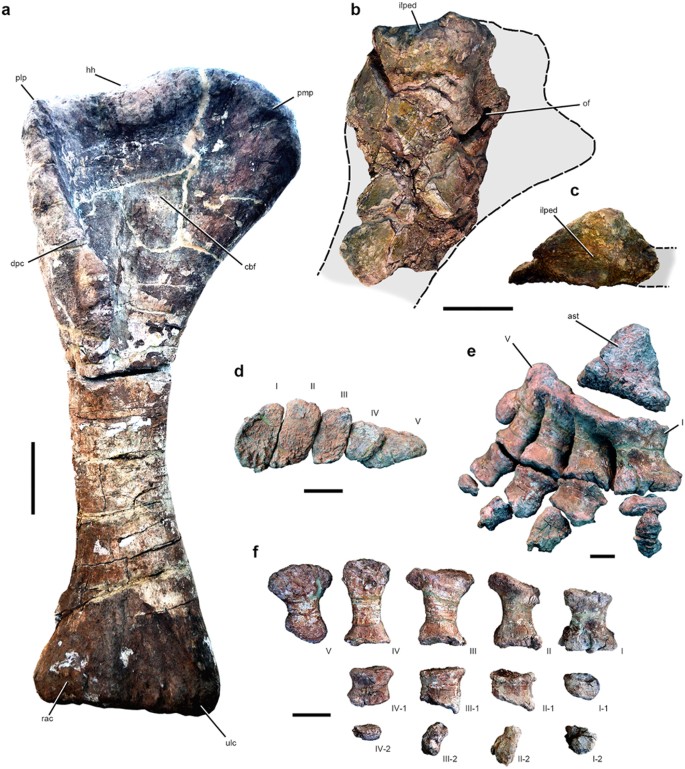
Biology of the sauropod dinosaurs: the evolution of gigantism
Sander, P.M., Christian, A., Clauss, M., Fechner, R., Gee, C.T., Griebeler, E.M., Gunga, H.C., Hummel, J., Mallison, H., Perry, S.F., Preuschoft, H., Rauhut, O.W.M., Remes, K., Tütken, T., Wings, O. e Witzel, U. · Biological Reviews
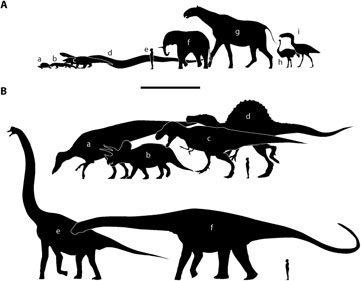
Sander and colleagues present the most comprehensive review ever published on sauropod biology, explaining how extreme gigantism was possible. The authors identify six main adaptations: long neck expanding feeding range without body movement; pneumatized skeleton reducing mass; small head with simple teeth enabling rapid vegetation harvesting; avian-style respiratory system with air sacs; elevated metabolism evidenced by bone histology; and oviparous reproduction with numerous offspring. This combination of features explains why sauropods like Argentinosaurus could reach 70-80 tonnes without equivalent in vertebrate history.

Sauropod gigantism
Sander, P.M. e Clauss, M. · Science
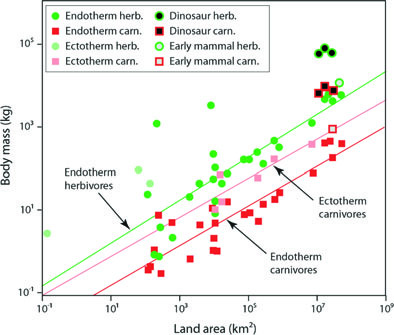
Sander and Clauss synthesize in Science review format the main evolutionary factors permitting sauropod gigantism. The paper highlights that oviparous reproduction, with eggs of only 2-5 kg produced in large numbers, allowed sauropods to grow from tiny hatchlings to 70-80 tonne giants without the reproductive bottleneck limiting mammals. Fibrolamellar bone histology, with continuous growth without arrest lines, evidences endothermic metabolism. This unique combination of avian physiology with reptilian reproduction explains why only sauropods reached the mass level of Argentinosaurus.
Sauropod dinosaur phylogeny: critique and cladistic analysis
Wilson, J.A. · Zoological Journal of the Linnean Society
Wilson presents a comprehensive sauropod phylogenetic analysis that became the fundamental reference for the group's systematics. The paper critically reviews characters used in previous analyses, eliminates problematic characters and adds new ones, generating a matrix with 234 characters for 36 sauropod taxa. Argentinosaurus is positioned within Titanosauria as a basal member, related to Andesaurus. This analysis established the phylogenetic framework that enabled all subsequent revisions, including the discovery of Lognkosauria as a subclade of giant titanosaurs. It is one of the most cited phylogenetic analyses in sauropod paleontology.

The Sauropods: Evolution and Paleobiology
Curry Rogers, K. e Wilson, J.A. · University of California Press
Curry Rogers and Wilson edit the most comprehensive reference volume on sauropod evolution and paleobiology, gathering contributions from the leading specialists. Chapters relevant to Argentinosaurus include bone histology analyses demonstrating rapid growth, locomotion biomechanics studies in giants, and ecological reviews of how 70-80 tonne herbivores obtained sufficient energy to survive. The volume became the standard reference for sauropod research, including giant titanosaurids from South America.

A new Cretaceous terrestrial ecosystem from Gondwana with the description of a new sauropod dinosaur
Calvo, J.O., Porfiri, J.D., González-Riga, B.J. e Kellner, A.W.A. · Anais da Academia Brasileira de Ciências
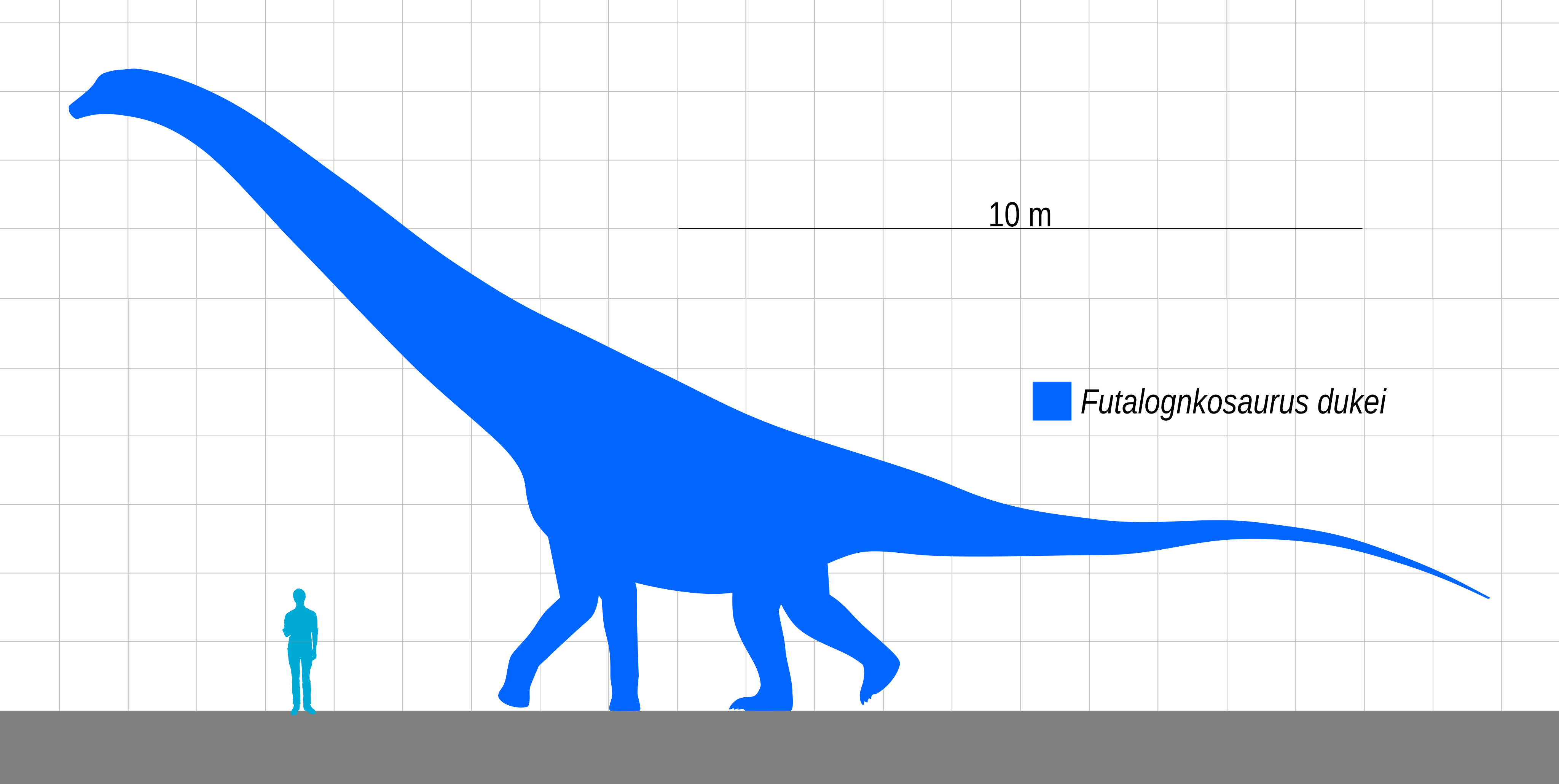
Calvo and colleagues describe Futalognkosaurus dukei from the Portezuelo Formation, Argentina, and propose the clade Lognkosauria to group this new titanosaur with Mendozasaurus. Subsequent studies (Carballido 2017, González Riga 2018) would expand Lognkosauria to include Argentinosaurus and Patagotitan, making this clade the repository of the largest land animals ever. The paper also describes the terrestrial ecosystem where these giants lived, with associated fauna of theropods, crocodilians, and pterosaurs. Published open-access in Anais da Academia Brasileira de Ciências.

A new carcharodontosaurid (Dinosauria, Theropoda) from the Upper Cretaceous of Argentina
Coria, R.A. e Currie, P.J. · Geodiversitas
Coria and Currie describe Mapusaurus roseae from the Huincul Formation, the same geological deposit that preserved Argentinosaurus huinculensis. Mapusaurus was a carcharodontosaurid of 10-12 meters, potentially capable of attacking young Argentinosaurus in groups. The study identifies an accumulation of bones from at least eight Mapusaurus individuals at the same site, suggesting gregarious behavior. The coexistence of Mapusaurus and Argentinosaurus in the same formation is one of the most spectacular predator-prey associations in the fossil record, with the largest carnivore and largest herbivorous prey of South American Cretaceous sharing the same ecosystem.
An early trend towards gigantism in Triassic sauropodomorph dinosaurs
Apaldetti, C., Martínez, R.N., Cerda, I.A., Pol, D. e Alcober, O. · Nature Ecology and Evolution
Apaldetti and colleagues analyze Triassic sauropodomorphs from Argentina using bone histology, demonstrating that the tendency for rapid growth and gigantism began already in the Late Triassic, 30 million years before the Jurassic and Cretaceous peak. The growth rate of Triassic sauropodomorphs was three times greater than modern reptiles. This study provides evolutionary context for understanding how Argentinosaurus, at the far end of this trajectory, could reach 70-80 tonnes. The tendency for gigantism was thus established early in the lineage, not a late evolutionary novelty.


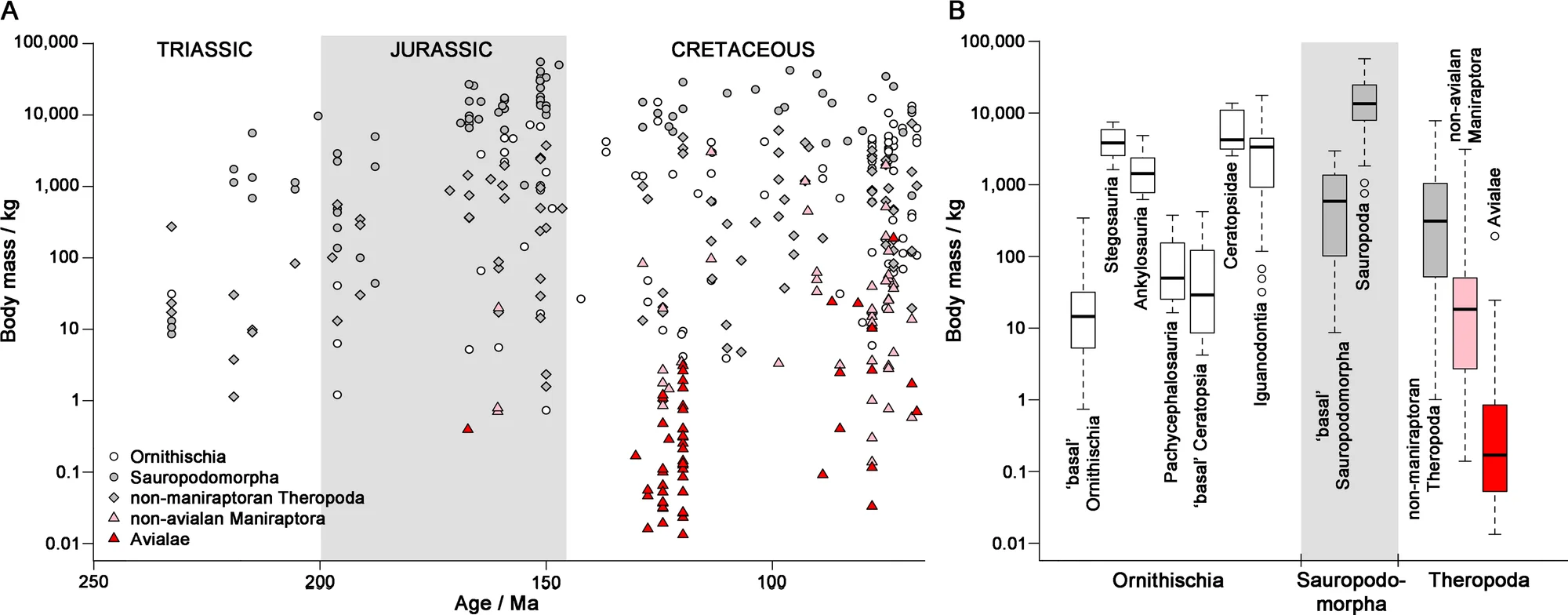
Rates of dinosaur body mass evolution indicate 170 million years of sustained ecological innovation on the avian stem lineage
Benson, R.B.J., Campione, N.E., Carrano, M.T., Mannion, P.D., Sullivan, C., Upchurch, P. e Evans, D.C. · PLOS Biology
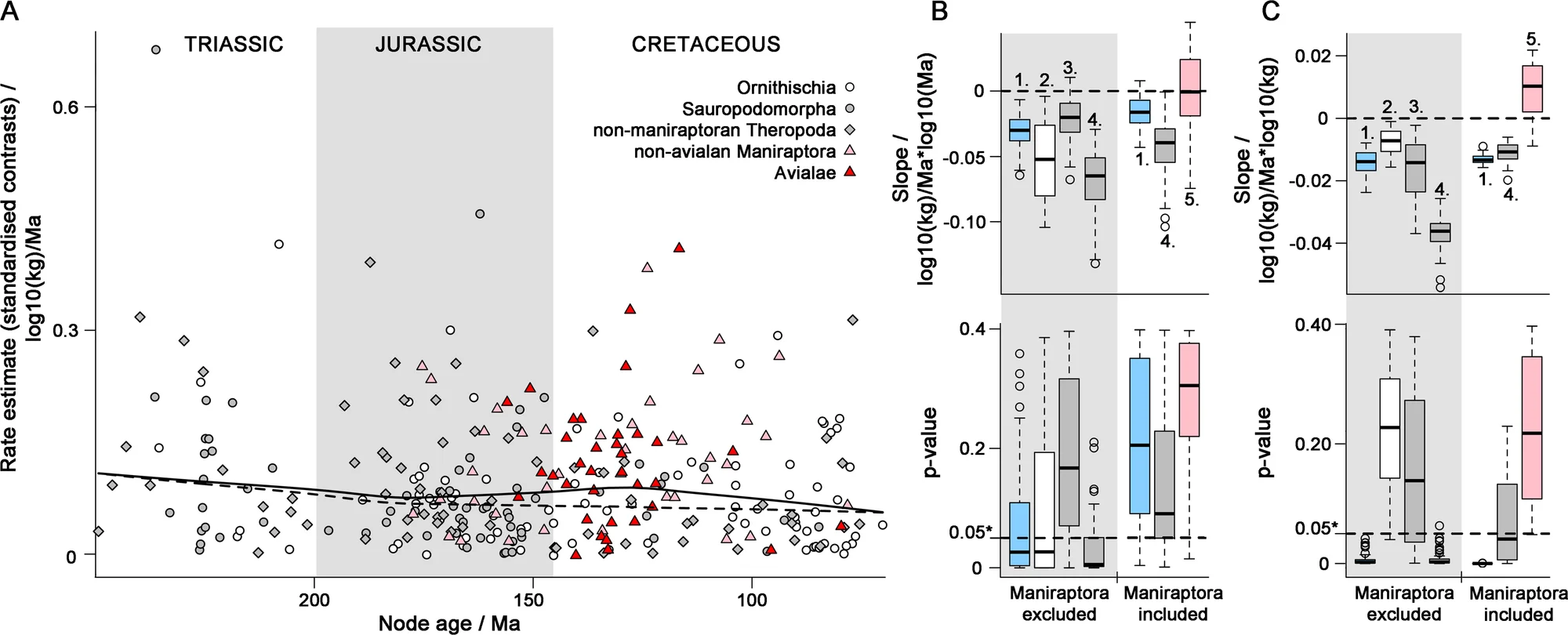
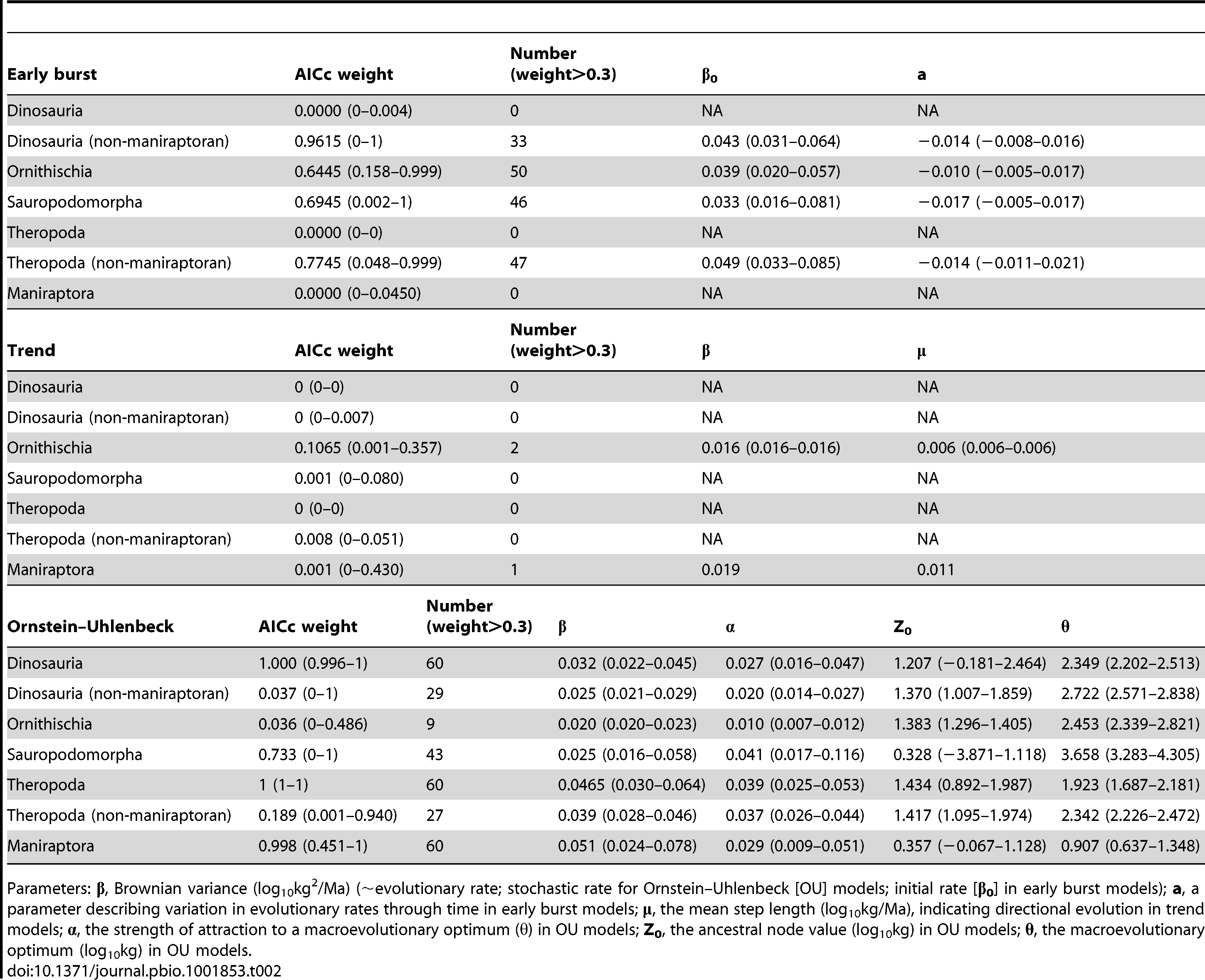
Benson and colleagues analyze body mass evolution rates in 426 dinosaur species over 170 million years, using phylogeny and comparative methods. Argentinosaurus appears as an extreme data point in the analysis, with mass estimate of 90-95 tonnes (with large error range). The study demonstrates that the avian dinosaur lineage (birds) maintained consistently high mass evolution rates for 170 Ma, while sauropods like Argentinosaurus reached their size maxima in specific diversification pulses. Published open-access in PLOS Biology.


![Table 1. Estimated masses in kilograms of smaller- and larger-bodied adult representatives of major dinosaur groups, given to two significant figures. The standard error of all mass estimates is 0.135 log 10 (kg) [40] .](/images/species/argentinosaurus-huinculensis/papers/f0d5769d9d-01.png)
Osteology of Eoraptor lunensis (Dinosauria, Sauropodomorpha)
Sereno, P.C., Martinez, R.N. e Alcober, O.A. · Journal of Vertebrate Paleontology Memoirs
Sereno, Martinez, and Alcober describe in detail the osteology of Eoraptor lunensis from the Triassic of Argentina, the earliest known representative of sauropodomorphs. The paper provides the comparative anatomical baseline for understanding the evolution of the group that would lead, 130 million years later, to giants like Argentinosaurus huinculensis. Analysis of morphological transformations from the small Eoraptor (4-5 kg) to the colossal Argentinosaurus (73,000 kg) represents one of the greatest size ranges in a single phylogenetic lineage in vertebrate history.


Famous museum specimens
MCF-PVPH 1 (Holótipo)
Museo Municipal Carmen Funes, Plaza Huincul, Neuquén, Argentina
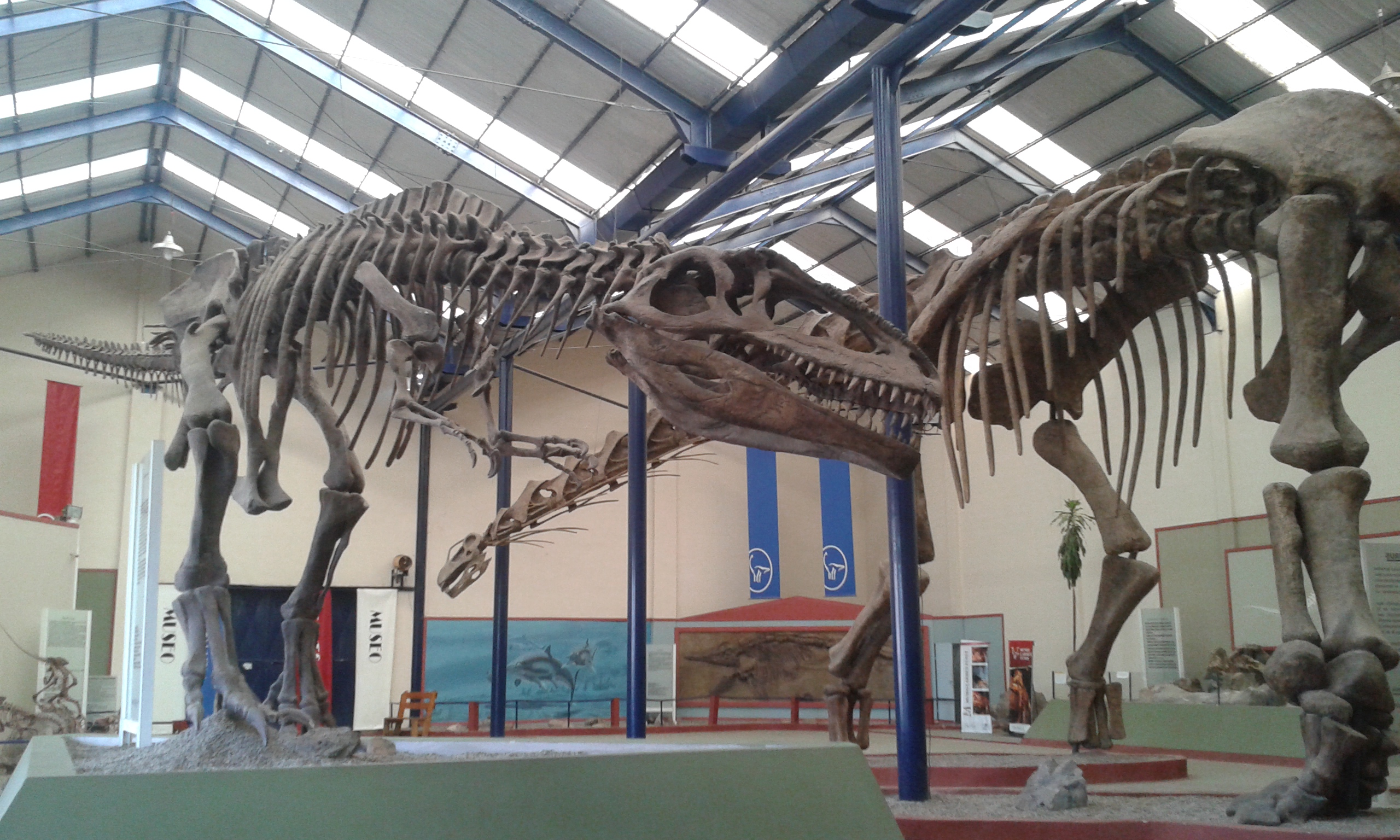
Holotype consisting of seven dorsal vertebrae, sacral vertebrae, sacral ribs, and additional fragments. The museum also exhibits a complete skeletal reconstruction of Argentinosaurus alongside a Giganotosaurus carolinii, in the largest dinosaur exhibit in Patagonia.
Molde de vértebra dorsal (LACM)
Natural History Museum of Los Angeles County, Los Angeles, EUA
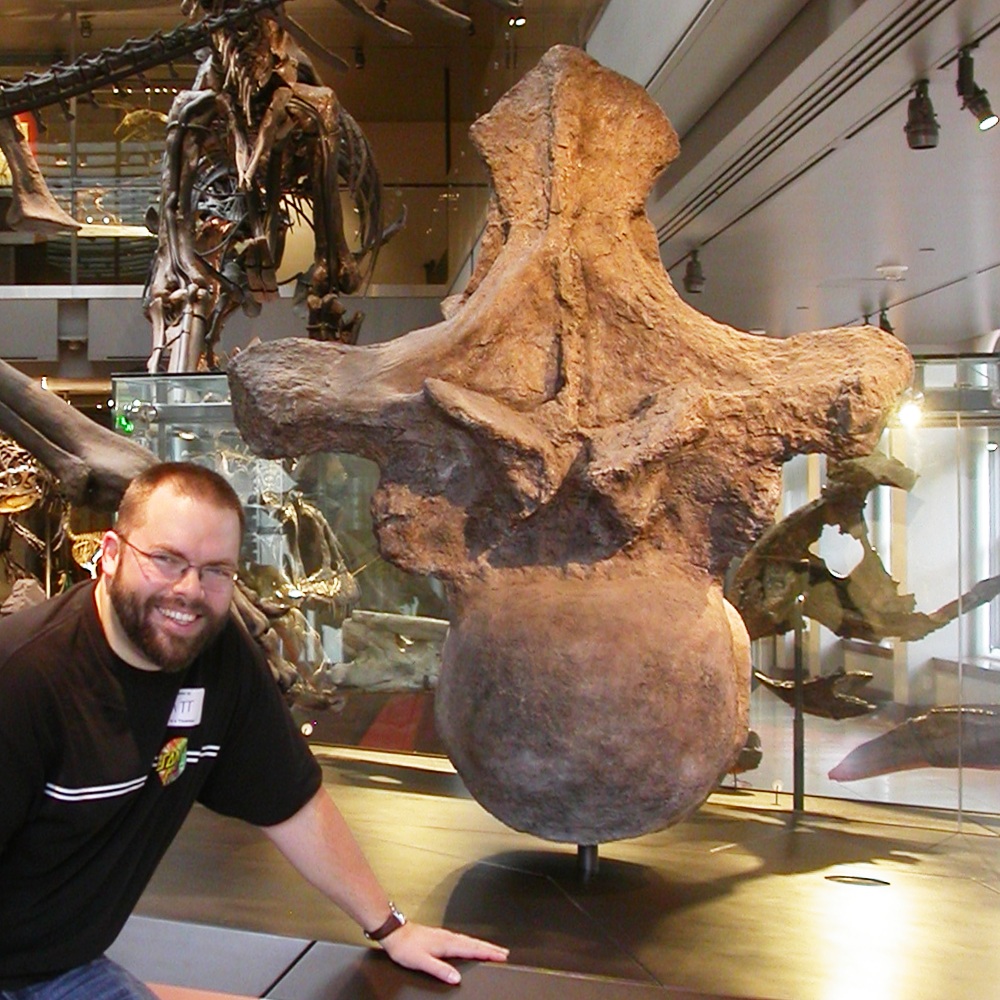
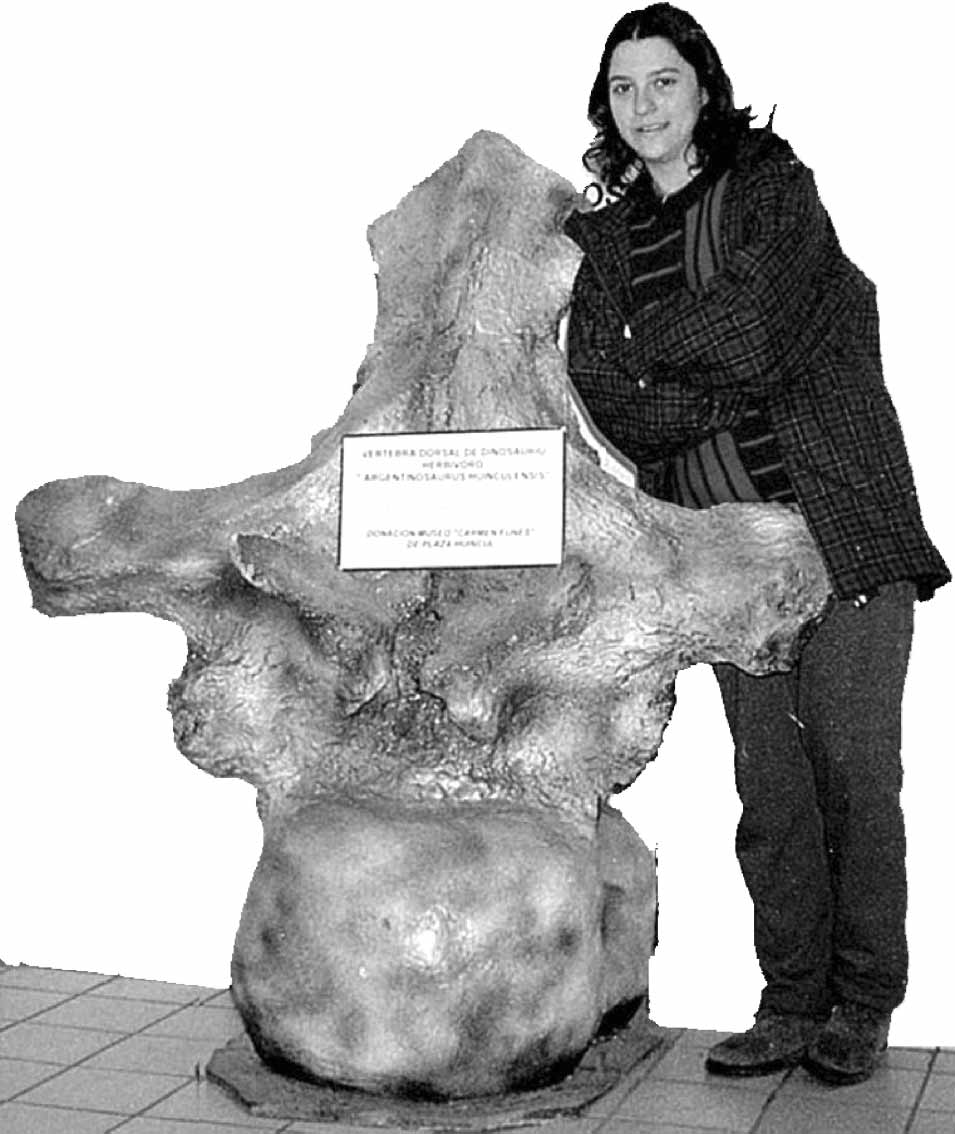
Cast of an Argentinosaurus huinculensis dorsal vertebra on permanent exhibit. The museum displays this cast to demonstrate the colossal dimensions of the animal. The original dorsal vertebra is preserved at the Museo Carmen Funes, Argentina.
In cinema and popular culture
Argentinosaurus huinculensis is a paleontology superstar, frequently presented as the largest land animal ever, but its presence in film and television is surprisingly modest for its fame. The most relevant documentary dedicated to the species was produced by National Geographic in 2014, using data from Sellers et al.'s (2013) biomechanical study. In BBC's Planet Dinosaur (2011), Argentinosaurus appears as prey for Mapusaurus in one of the most epic scenes ever filmed about dinosaurs. In Prehistoric Planet (Apple TV+, 2022), South American titanosaurs appear with reconstructions based on the most recent data. The lack of a complete skeleton has prevented more detailed appearances in fiction films, but Argentinosaurus remains the supreme measure of size against which all other cinema giants are compared, from Godzilla to science fiction characters. Its encounter with Giganotosaurus in the Huincul Formation is frequently cited as the most spectacular predator-prey interaction in the history of life.
Classification
Discovery
Fun fact
Argentinosaurus was discovered by a rancher who initially thought he had found a petrified tree trunk. When he realized the 'wood' was actually bone, he called paleontologists. The vertebra he found measured more than 1.5 meters tall, taller than most adult humans!
Last reviewed: April 24, 2026