
Anchiornis
Anchiornis huxleyi
"Near bird (of Huxley)"
About this species
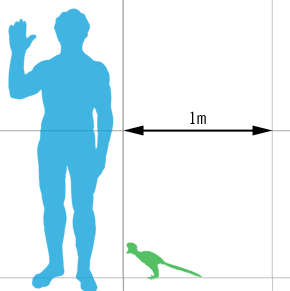
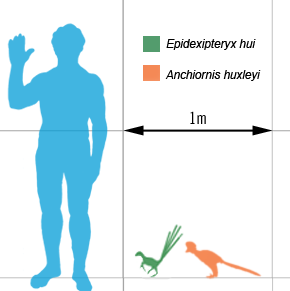
Anchiornis huxleyi is one of the smallest and most completely known dinosaurs in science, living approximately 160 million years ago in what is now northeastern China. At just 34 cm long and weighing between 110 and 250 grams, it had four feathered wings: two on the forelimbs and two on the hindlimbs. It became the first Mesozoic dinosaur to have its complete coloration reconstructed from direct fossil evidence: a red head, black and gray body, and white wing feathers with black tips. Its phylogenetic position as a basal anchiornithid places it centrally in debates about the origin of avian flight.
Geological formation & environment
The Tiaojishan Formation is a Middle to Upper Jurassic geological formation (Callovian-Oxfordian, 164-157 Ma) distributed across Hebei and Liaoning provinces in China. The depositional environment was dominated by volcanic lakes and gymnosperm forests in a subtropical to temperate, warm, and humid climate. The rocks are pyroclastic, composed of volcanic and sedimentary elements that favored exceptional preservation of soft-tissue fossils. The fauna is dominated by small-bodied paravians and anchiornithids, along with mammals, pterosaurs, salamanders, and insects.
Image gallery


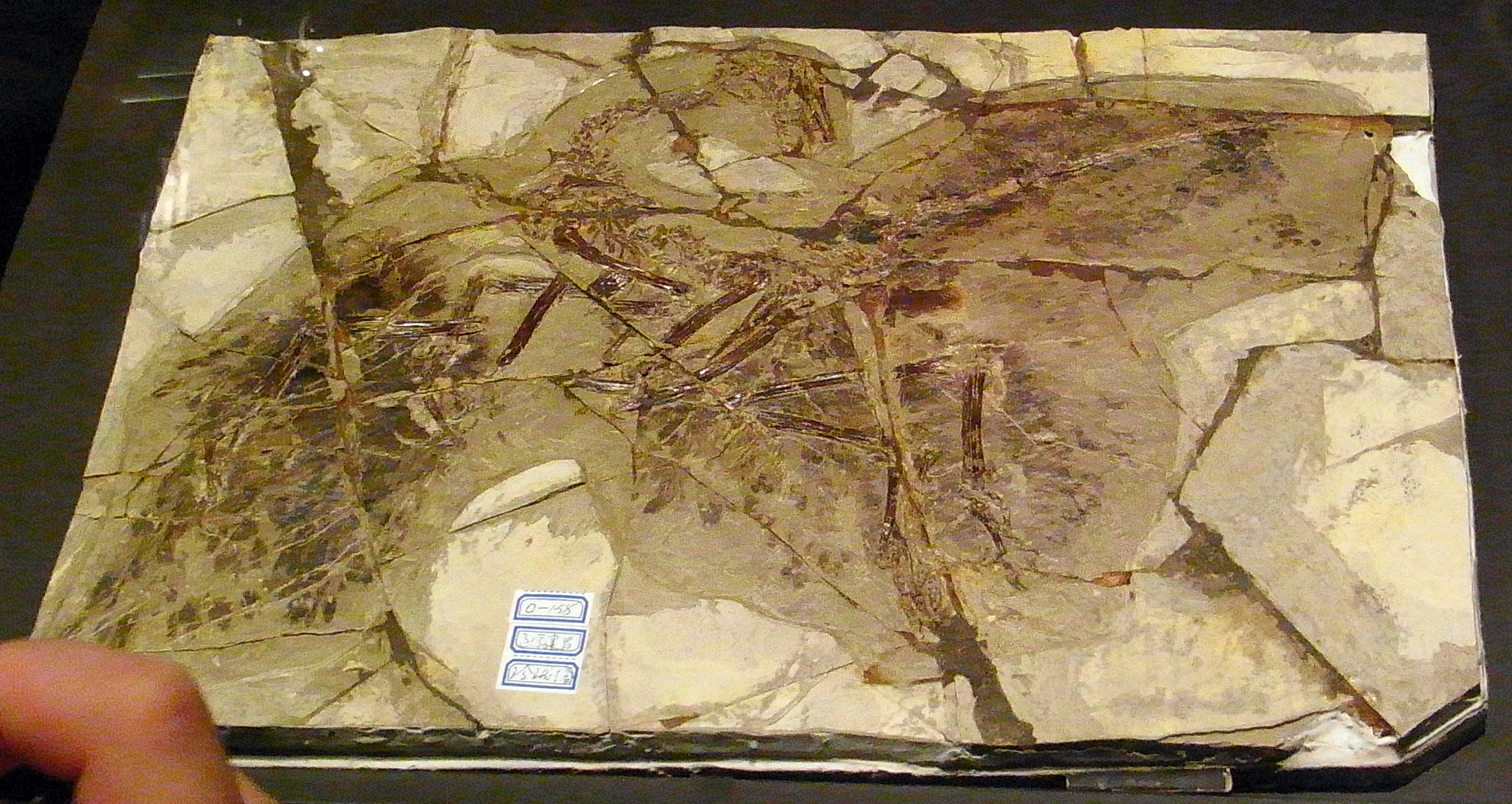
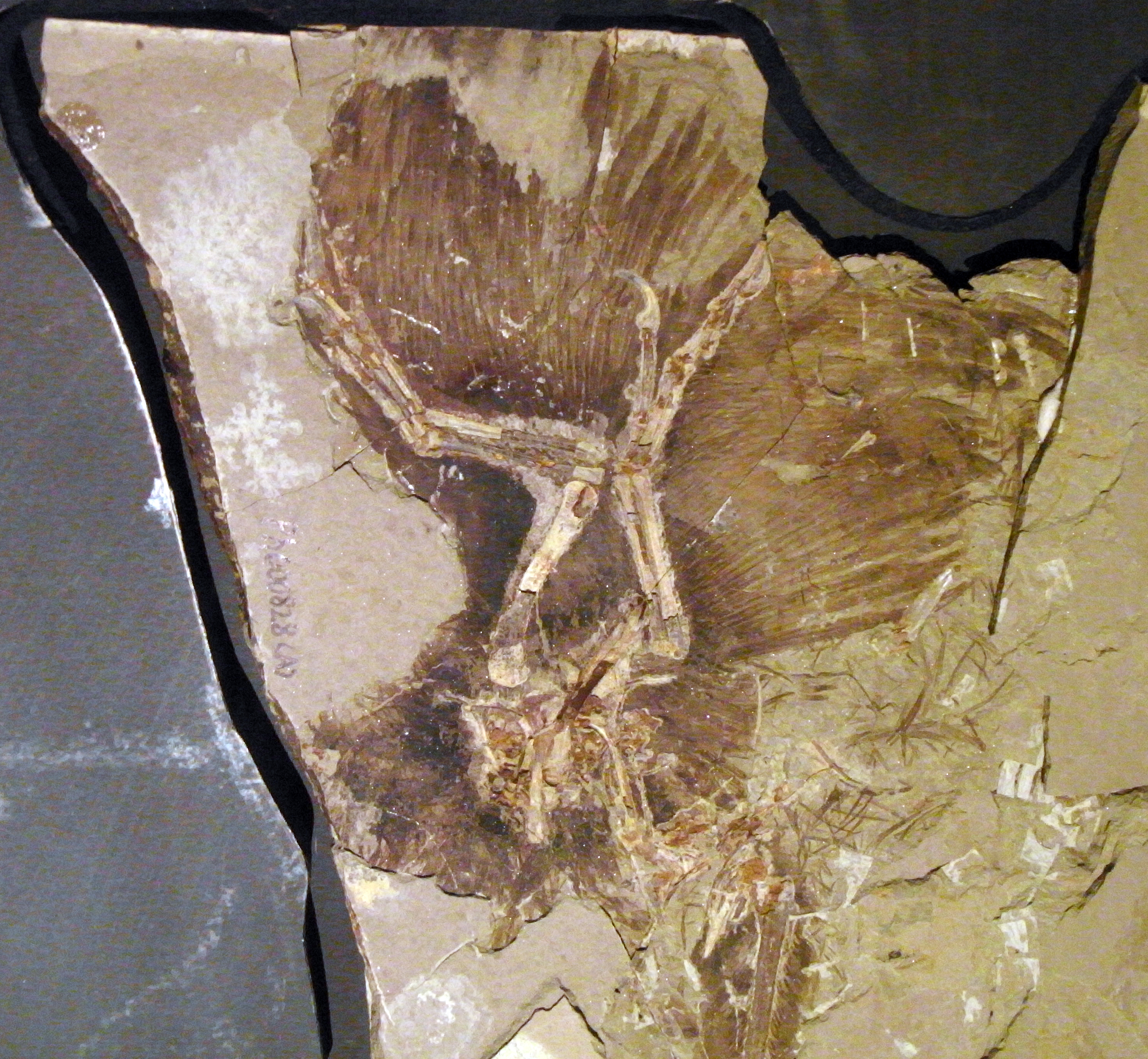




Holotype IVPP V14378 of Anchiornis huxleyi, on display at the Shanghai Natural History Museum. It is the official taxonomic reference specimen of the species, described by Xu et al. in 2009.
纳瓦拉的亨利, 2025 — CC BY-SA 4.0
Ecology and behavior
Habitat
Anchiornis huxleyi inhabited subtropical to temperate forests of northeastern China during the Late Jurassic, approximately 160 million years ago. The Tiaojishan Formation preserves a lacustrine and volcanic environment, with gymnosperm forests along the shores of lakes and rivers. The climate was warm and humid, favoring dense vegetation. The ecosystem included other paravians such as Xiaotingia and Aurornis, pterosaurs, salamanders, and insects.
Feeding
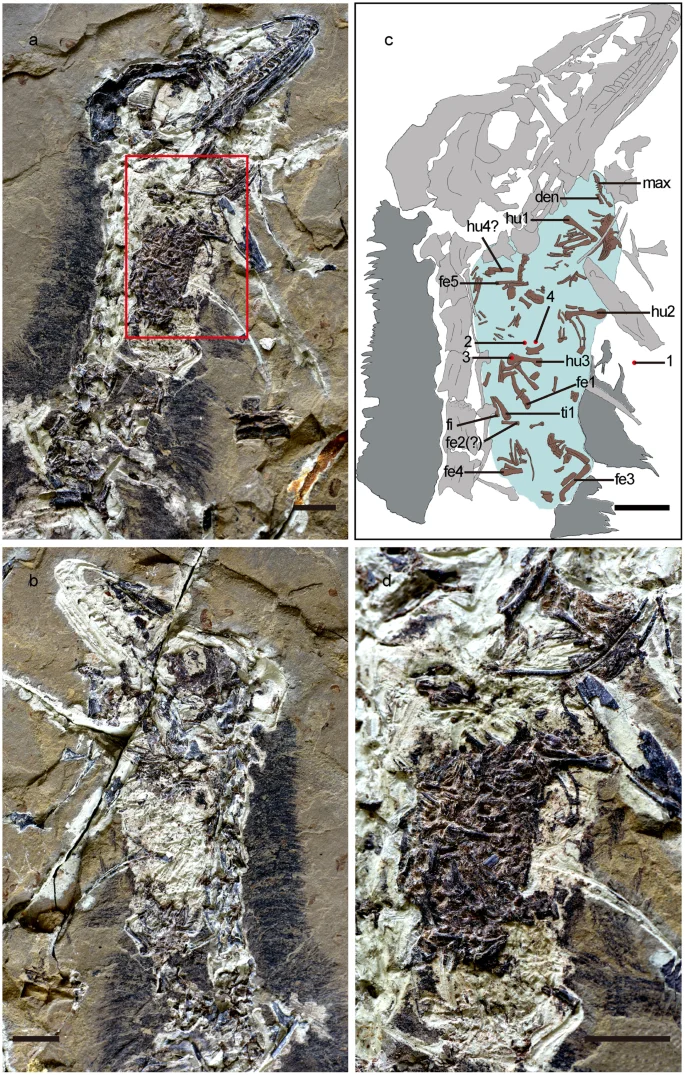
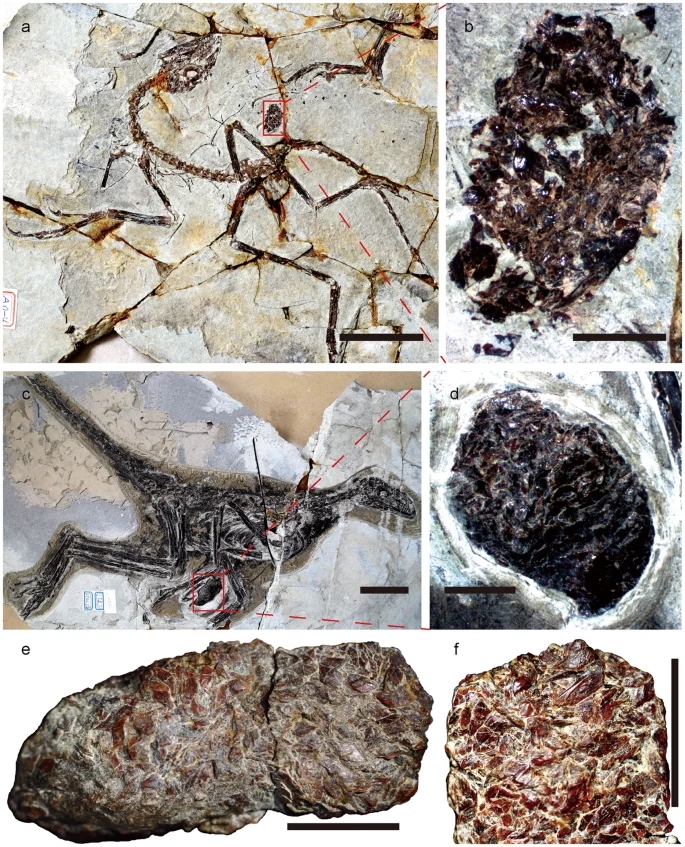
The gastric pellets described by Zheng et al. (2018) revealed that Anchiornis was an opportunistic generalist predator. It consumed terrestrial lizards and freshwater fish (ptycholepid scales), and possibly insects and other small vertebrates. The presence of three lizard skeletons in a single pellet indicates the capacity for rapid ingestion of multiple prey items. Its small, numerous teeth were well-suited for capturing small to medium-sized live prey.
Behavior and senses
Anchiornis behavior is inferred from fossil evidence and comparison with modern relatives. The contrasting black and white wing feathers, plus the rufous crown, suggest a role in visual communication, possibly for territorial or reproductive display. The four-wing morphology combined with relatively long legs indicates a likely arboreal or semi-arboreal animal capable of climbing trunks and gliding between trees. The production of gastric pellets similar to modern owls suggests active hunting behavior.
Physiology and growth
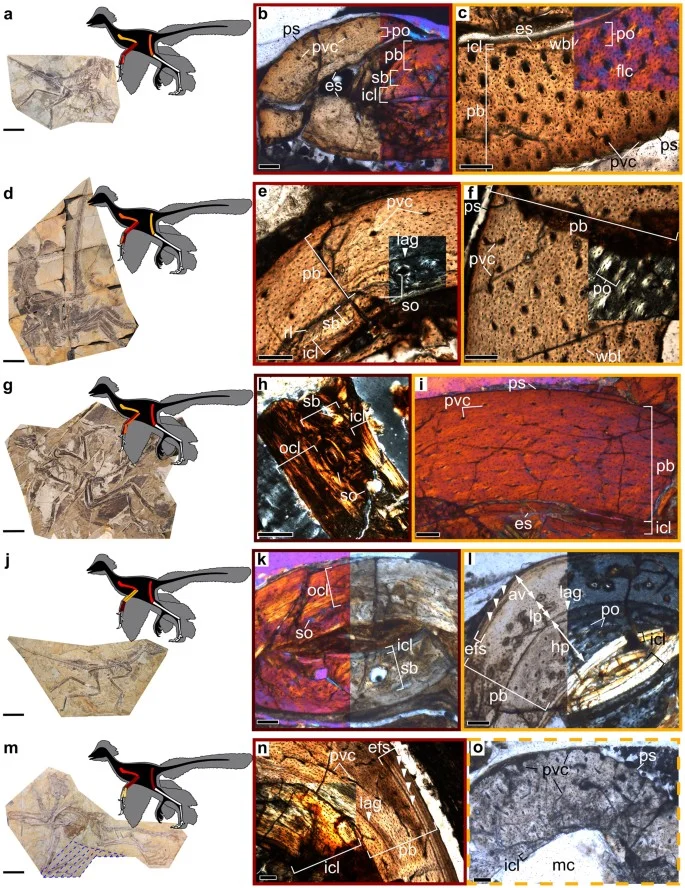
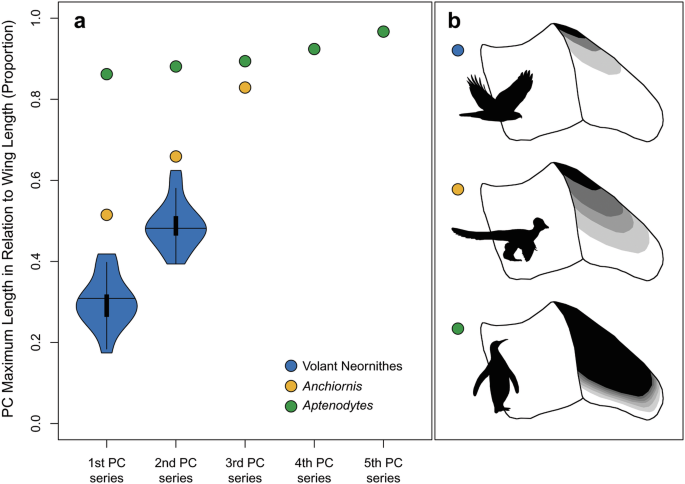
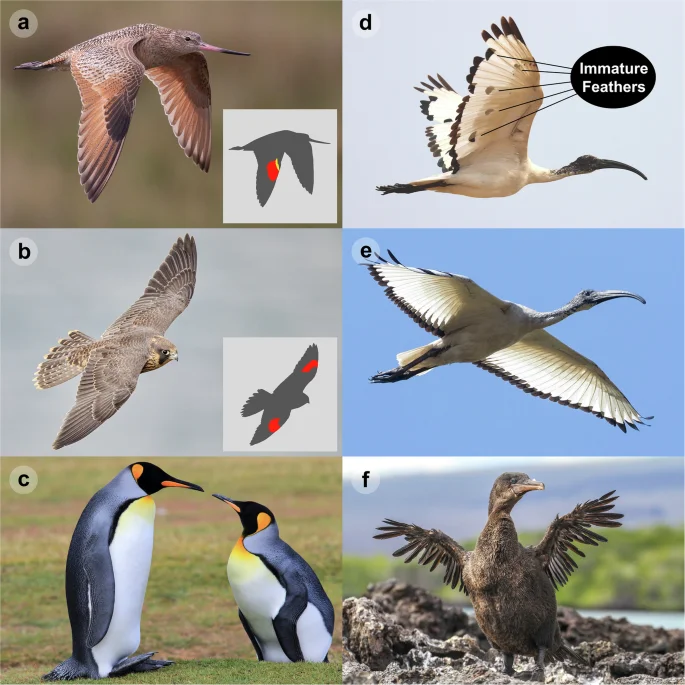
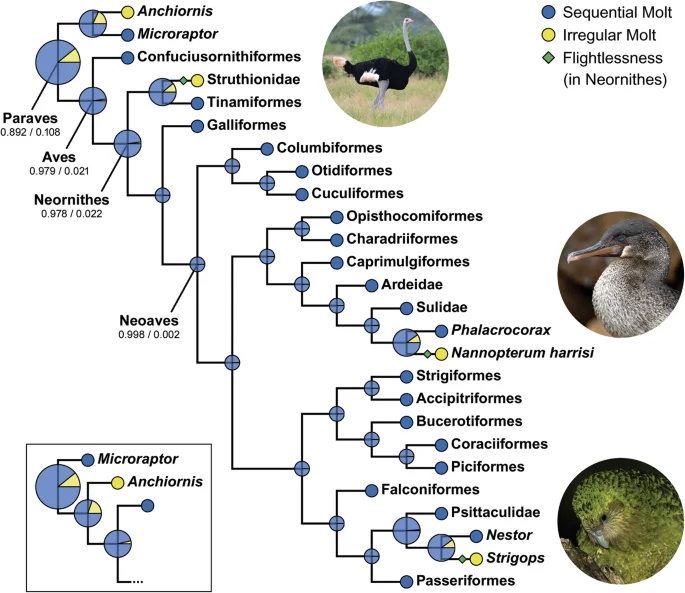
As an advanced paravian, Anchiornis likely had endothermic (warm-blooded) metabolism, like modern birds. The abundance of high-quality feathers throughout the body indicates efficient thermoregulation. Accelerated growth documented by Prondvai et al. (2018) in subadult specimens suggests elevated metabolic rate. Kiat et al.'s (2025) molt analysis revealed an irregular molt pattern, similar to secondarily flightless birds, indicating Anchiornis may have lost flight capability from a flying ancestor.
Paleogeography
Continental configuration

Scotese & Vérard · CC BY 4.0 · Jurassic, ~155 Ma
Fossil sites
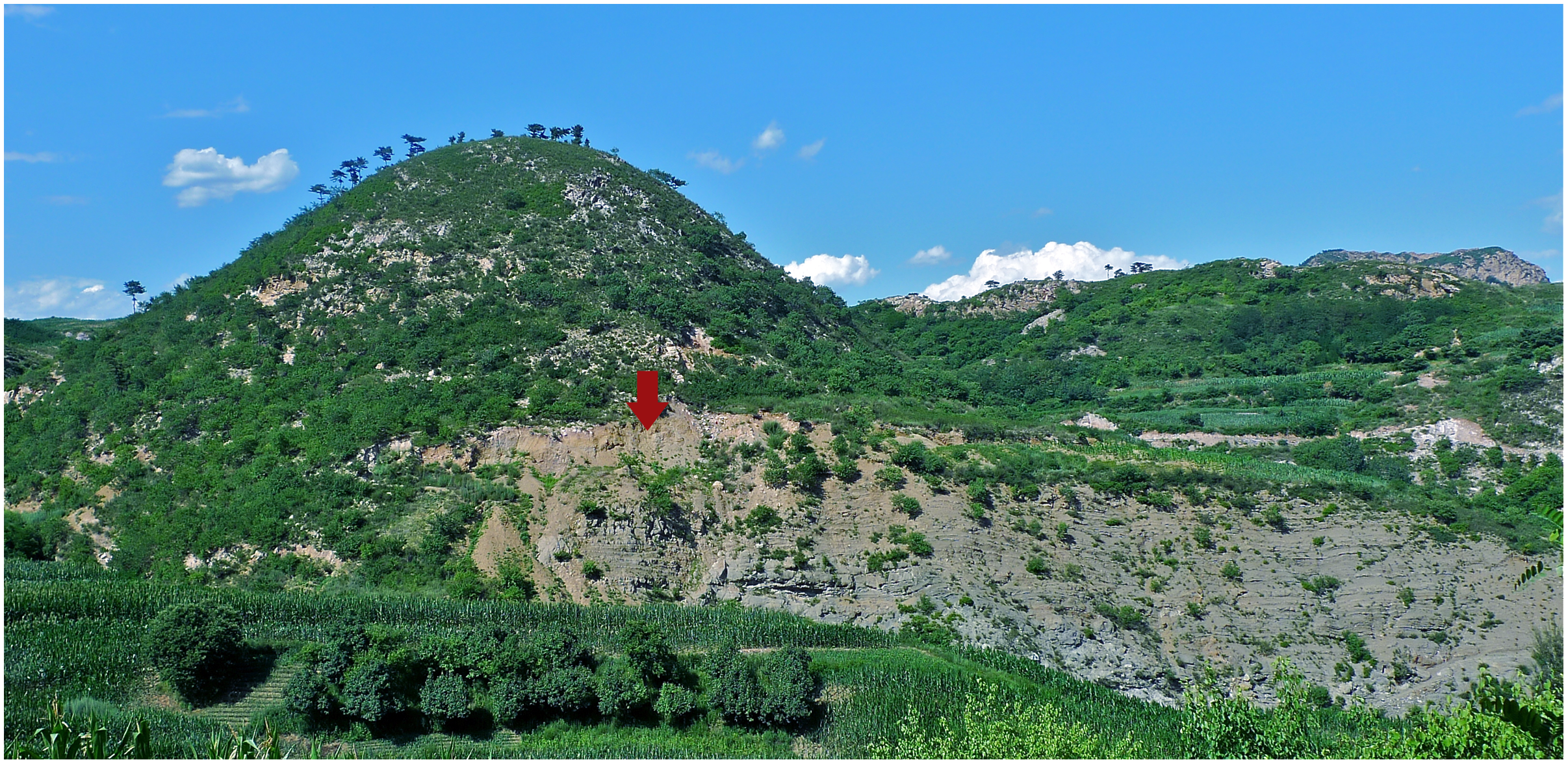
Jia Jia e Ke-Qin Gao (PLoS ONE) — CC BY 4.0
During the Oxfordiano (~160.89–160.25 Ma), Anchiornis huxleyi inhabited the fragmenting Pangea. North America and Europe were still close, and the North Atlantic was just beginning to open. Climate was warm and humid globally, with no polar ice caps.
Bone Inventory
Known from over 200 specimens, many preserving feather impressions and soft tissue outlines. Specimen BMNHC PH828 is nearly complete and was used for coloration reconstruction. Specimen STM 0-214 preserves visible color patterns. The abundance of fossil material makes Anchiornis one of the most completely known paravians.
Found elements
Inferred elements
Scientific Literature
15 papers in chronological order — from the original description to recent research.
A new feathered maniraptoran dinosaur fossil that fills a morphological gap in avian origin
Xu, X., Zhao, Q., Norell, M. et al. · Chinese Science Bulletin
Original description of Anchiornis huxleyi by Xu Xing and colleagues in Chinese Science Bulletin. The holotype IVPP V14378, from the Tiaojishan Formation of Liaoning, China, is an articulated skeleton of a small Late Jurassic feathered theropod. Xu et al. identified the animal as a feathered maniraptoran filling a critical morphological gap in avian origins. The initial phylogenetic analysis classified the specimen as a basal avialan, though later work revised this position to Anchiornithidae. The name huxleyi honors Thomas Henry Huxley, the Victorian biologist who first formally proposed the evolutionary connection between dinosaurs and birds.
A pre-Archaeopteryx troodontid theropod from China with long feathers on the metatarsus
Hu, D., Hou, L., Zhang, L. et al. · Nature
Second paper on Anchiornis published in Nature, based on a new specimen more complete than the holotype. Hu et al. reclassified the animal as a basal troodontid, not an avialan, resolving the temporal paradox by demonstrating that troodontids already existed before Archaeopteryx. The specimen revealed long feathers on the metatarsals, making Anchiornis a genuine four-winged dinosaur. This work established that all major groups of derived theropods had already originated in the early Late Jurassic. The presence of long hind limb feathers generated intense debate about their role in locomotion and flight.
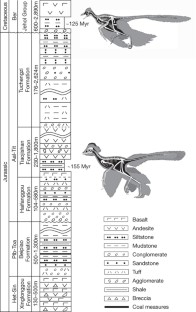
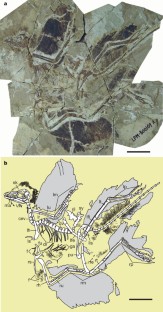
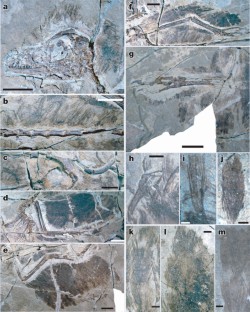
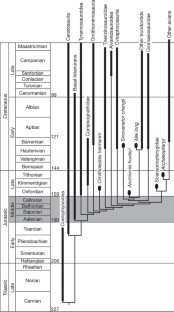
Plumage Color Patterns of an Extinct Dinosaur
Li, Q., Gao, K.-Q., Vinther, J. et al. · Science
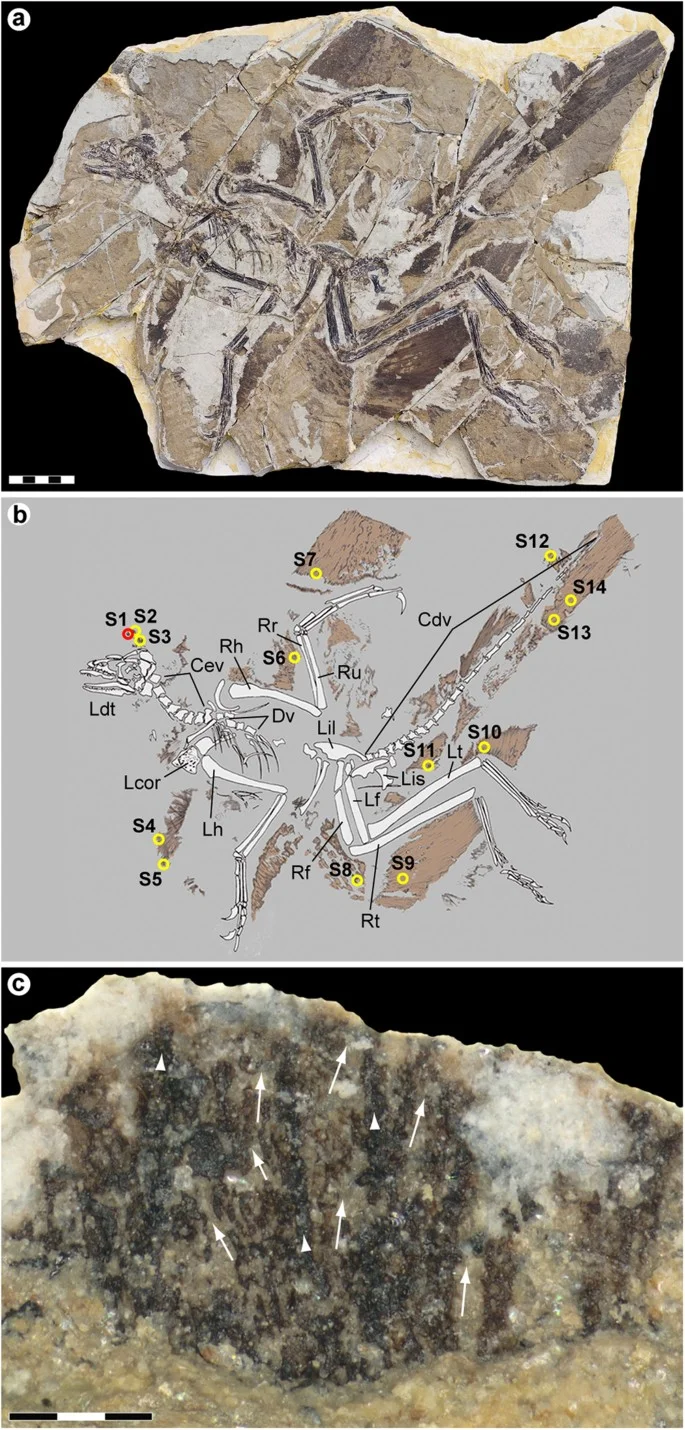
Historic paper published in Science that revealed the complete coloration of Anchiornis huxleyi, the first determined for any Mesozoic dinosaur. The team led by Quanguo Li collected 29 samples from different parts of specimen BMNHC PH828 and compared the preserved melanosomes with those of modern bird feathers. The result showed dark gray body feathers, a rufous crown, rufous facial speckles, and white wing feathers with black tips. This work revolutionized paleontology by demonstrating that animal coloration can be preserved through fossilized melanosomes.
Primitive Wing Feather Arrangement in Archaeopteryx lithographica and Anchiornis huxleyi
Longrich, N.R., Vinther, J., Meng, Q. et al. · Current Biology
Longrich et al. analyzed the flight feather arrangement in Anchiornis and Archaeopteryx, revealing a primitive configuration shared by both. Anchiornis had 11 primary and 10 secondary feathers with rounded, symmetrical quills, unlike the asymmetric feathers of modern flying birds. This configuration indicates limited or absent aerodynamic capability. The work was fundamental in understanding how the feathered wing evolved: the primitive configuration likely served more for visual communication than for lift. It also established that the basic feathered wing pattern was already present before Archaeopteryx.

Molecular composition and ultrastructure of Jurassic paravian feathers
Lindgren, J., Sjövall, P., Carney, R.M. et al. · Scientific Reports
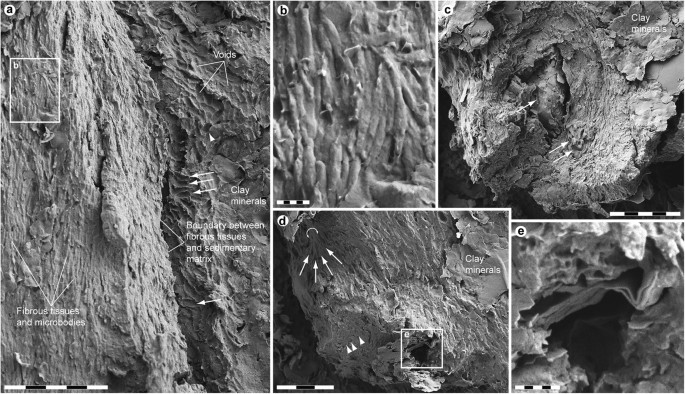
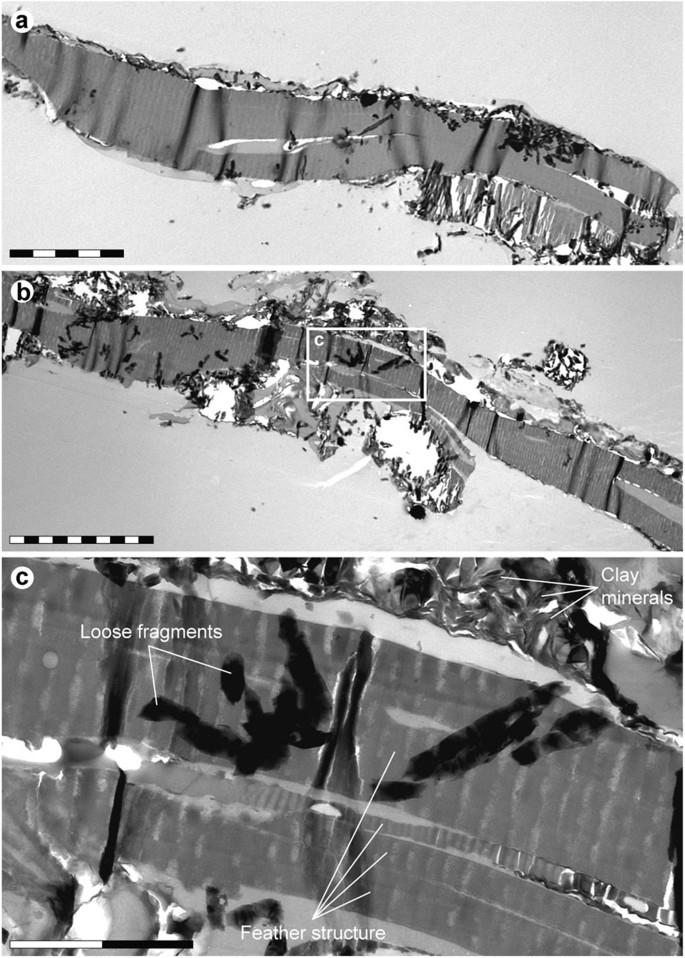
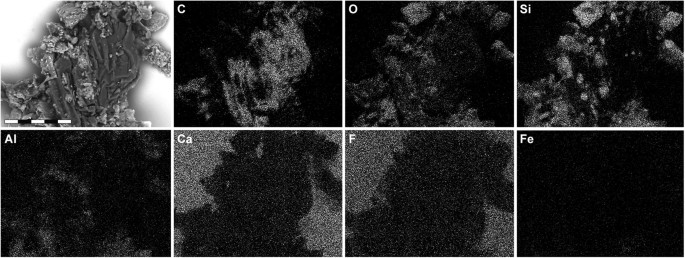
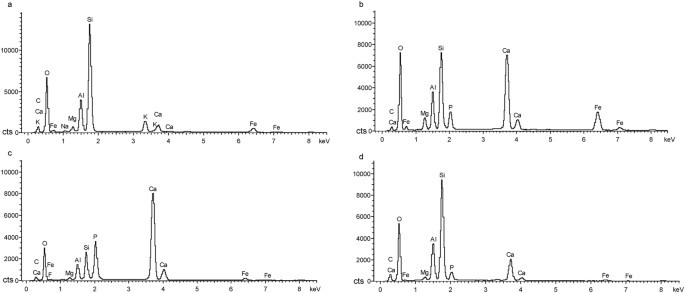
Lindgren et al. applied advanced molecular imaging techniques to Anchiornis specimen YFGP-T5199 to investigate the chemical composition of feathers. Using time-of-flight secondary ion mass spectrometry and infrared reflectance spectroscopy, they identified remnant eumelanosomes and fibril-like microstructures preserved as endogenous eumelanin and calcium phosphate. The study revealed that keratin, unlike melanin, is not preserved in Anchiornis feathers. An important finding: the analyzed specimen showed only gray-black melanosomes, unlike the rufous-colored specimen of Li et al. (2010), raising the possibility of intraspecific coloration variation.
The wings before the bird: an evaluation of flapping-based locomotory hypotheses in bird antecedents
Dececchi, T.A., Larsson, H.C.E. & Habib, M.B. · PeerJ
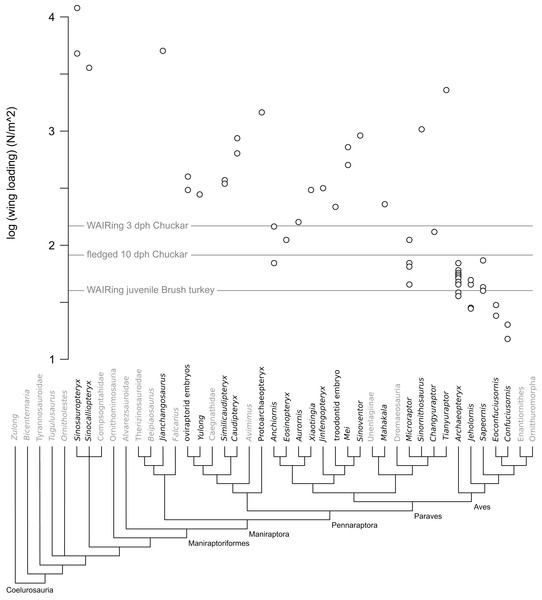
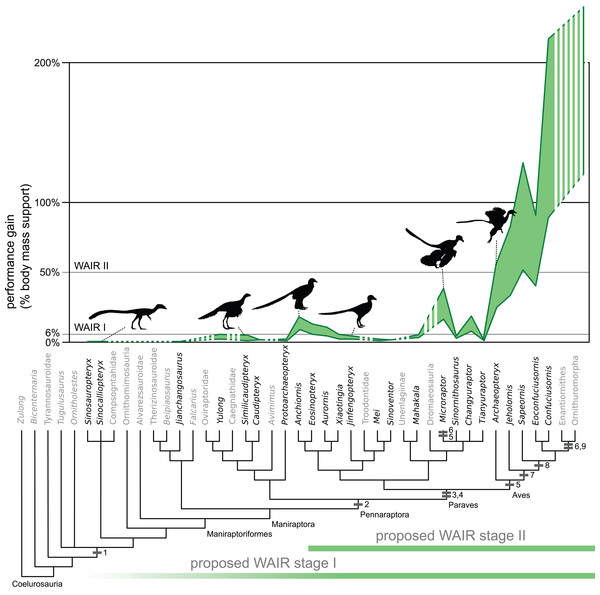
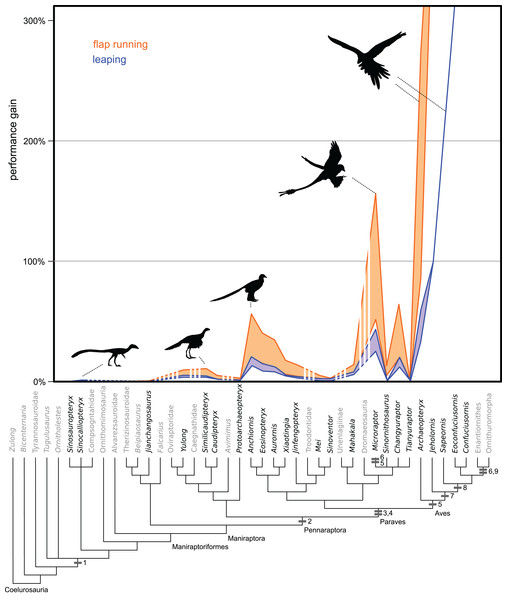
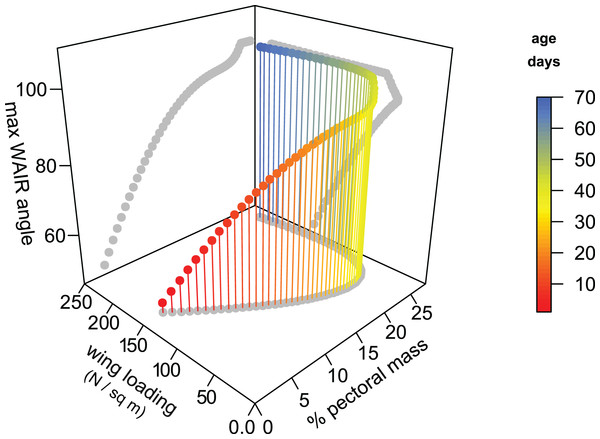
Dececchi et al. evaluated three hypotheses for flight evolution in bird antecedents: flap running, Wing Assisted Incline Running (WAIR), and wing-assisted leaping. Results showed that none of these behaviors met the required biomechanical thresholds before Paraves. For Anchiornis specifically, adults likely had no aerodynamic benefit from their wings, but juveniles may have been capable of WAIR and of increasing jump height and distance with wing flapping. The paper contributed decisively to the flight origin debate, suggesting Anchiornis occupies an intermediate stage before the full acquisition of powered flight.
Re-evaluation of the Haarlem Archaeopteryx and the radiation of maniraptoran theropod dinosaurs
Foth, C. & Rauhut, O.W.M. · BMC Ecology and Evolution
Foth and Rauhut conducted a phylogenetic reevaluation of the Haarlem Archaeopteryx specimen, concluding it is not a true Archaeopteryx but an anchiornithid named Ostromia crassipes. As a result, they formalized Anchiornithidae as an independent family within Paraves, closer to avialans than to troodontids. This work is fundamental to the systematic position of Anchiornis huxleyi: by establishing Anchiornithidae as a valid and distinct family, it consolidated the classification of the genus outside Troodontidae, where it had initially been placed in 2009.


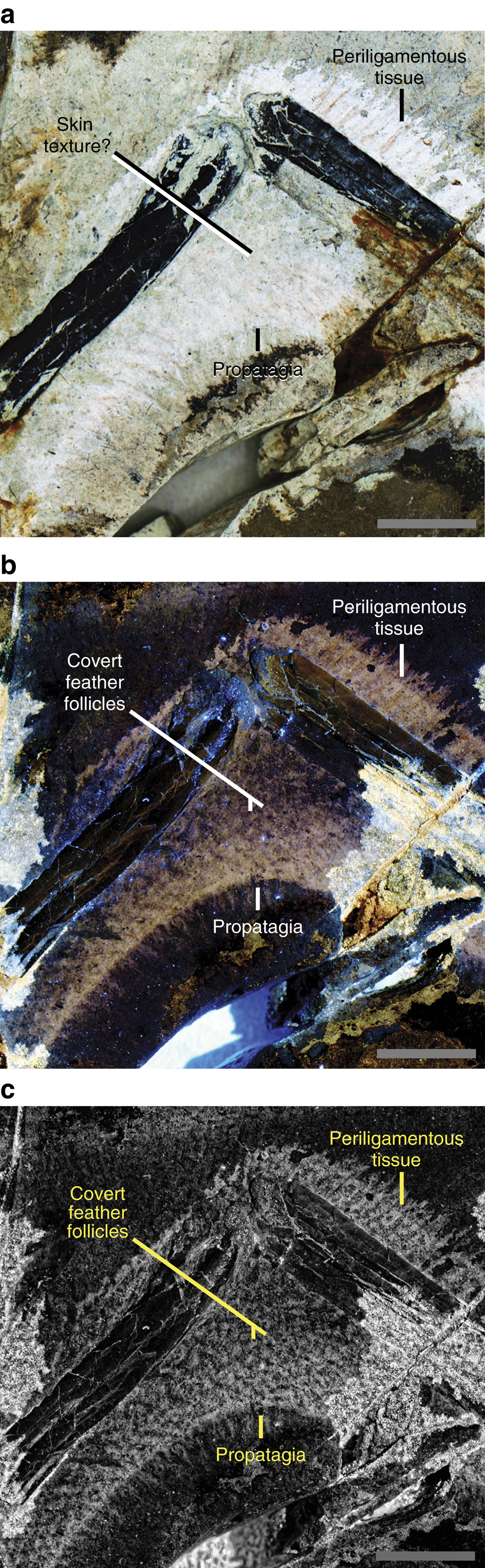
Basal paravian functional anatomy illuminated by high-detail body outline
Wang, X., Pittman, M., Zheng, X. et al. · Nature Communications
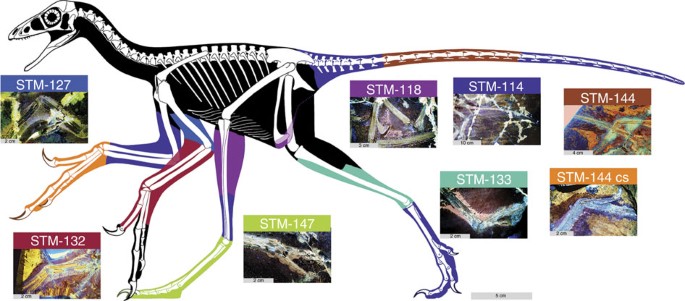
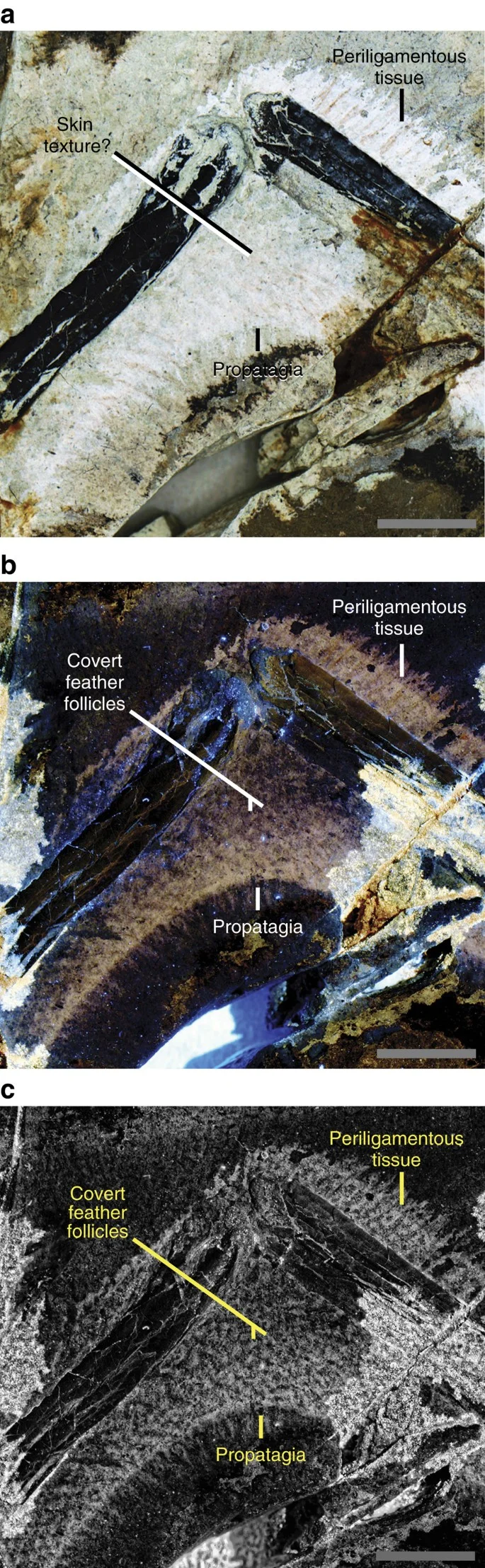
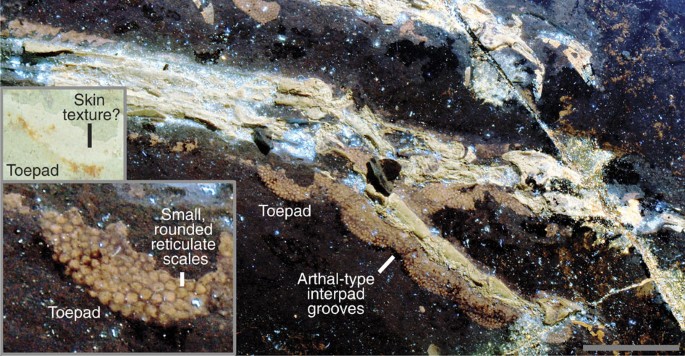
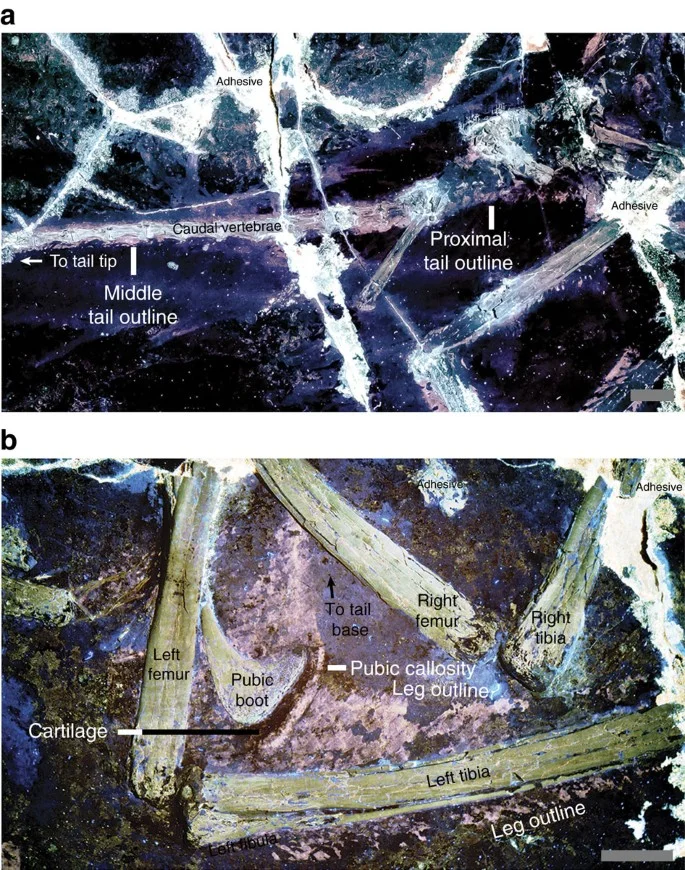
Wang et al. used laser-stimulated fluorescence (LSF) imaging on Anchiornis specimen STM 0-144 to reveal the complete soft tissue body outline. The method illuminated anatomical details invisible under normal light: patagia-bearing arms, drumstick-shaped legs, and a slender tail. Structures such as the propatagium and foot pads, previously known only in modern birds, were documented in the Late Jurassic for the first time. The work also revealed the foot profile, showing that the toes were covered with soft tissue similar to flying birds. This paper transformed the understanding of basal paravian functional anatomy.


New Specimens of Anchiornis huxleyi (Theropoda: Paraves) from the Late Jurassic of Northeastern China
Pei, R., Li, Q., Meng, Q. et al. · Bulletin of the American Museum of Natural History
Pei et al. described four new nearly complete specimens of Anchiornis huxleyi from the Tiaojishan Formation. The study extensively revised the genus's diagnostic character list and the refined phylogenetic analysis updated Anchiornis's position in the paravian tree. This 67-page monograph became the definitive anatomical reference for the genus, serving as the basis for all subsequent biomechanical and phylogenetic studies.

Morphological and Phylogenetic Study Based on New Materials of Anchiornis huxleyi (Dinosauria, Theropoda) from Jianchang, Western Liaoning, China
Guo, X., Xu, L. & Jia, S. · Acta Geologica Sinica
Guo, Xu, and Jia described new specimens of Anchiornis huxleyi from Jianchang, western Liaoning, which showed slightly different morphological characters from previously reported specimens. The study revised the genus diagnosis and concluded that these characters indicate a different phylogenetic position from prior analyses. The work is important for demonstrating morphological variability within the species and for contributing high-quality anatomical data, especially regarding cranial and limb anatomy.


Exceptional dinosaur fossils reveal early origin of avian-style digestion
Zheng, X., Wang, X., Sullivan, C. et al. · Scientific Reports
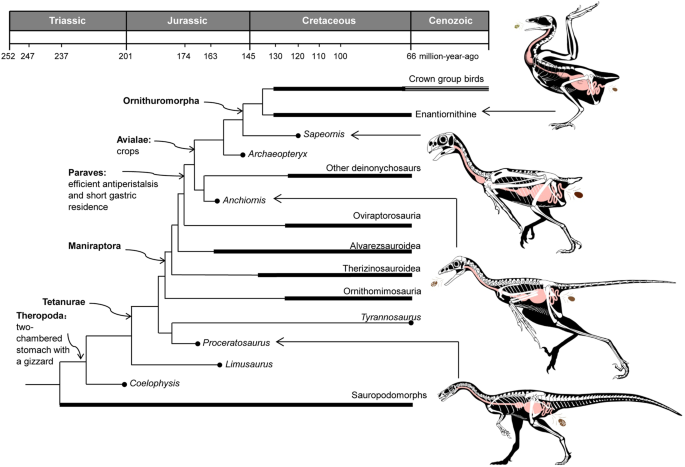
Zheng et al. documented six gastric pellets from Anchiornis huxleyi specimens, containing lightly acid-etched lizard bones and ptycholepid fish scales, some preserved within the oesophagus. This study demonstrated that a digestive system similar to modern birds, including the production of regurgitated pellets as owls do, was already present in basal Paraves during the Late Jurassic. Anchiornis is thus the oldest and most basal theropod known to have produced gastric pellets. Its diet included terrestrial lizards and aquatic fish, suggesting an opportunistic generalist hunter.

Intraskeletal histovariability, allometric growth patterns, and their functional implications in bird-like dinosaurs
Prondvai, E., Godefroit, P. & Adriaens, D. · Scientific Reports
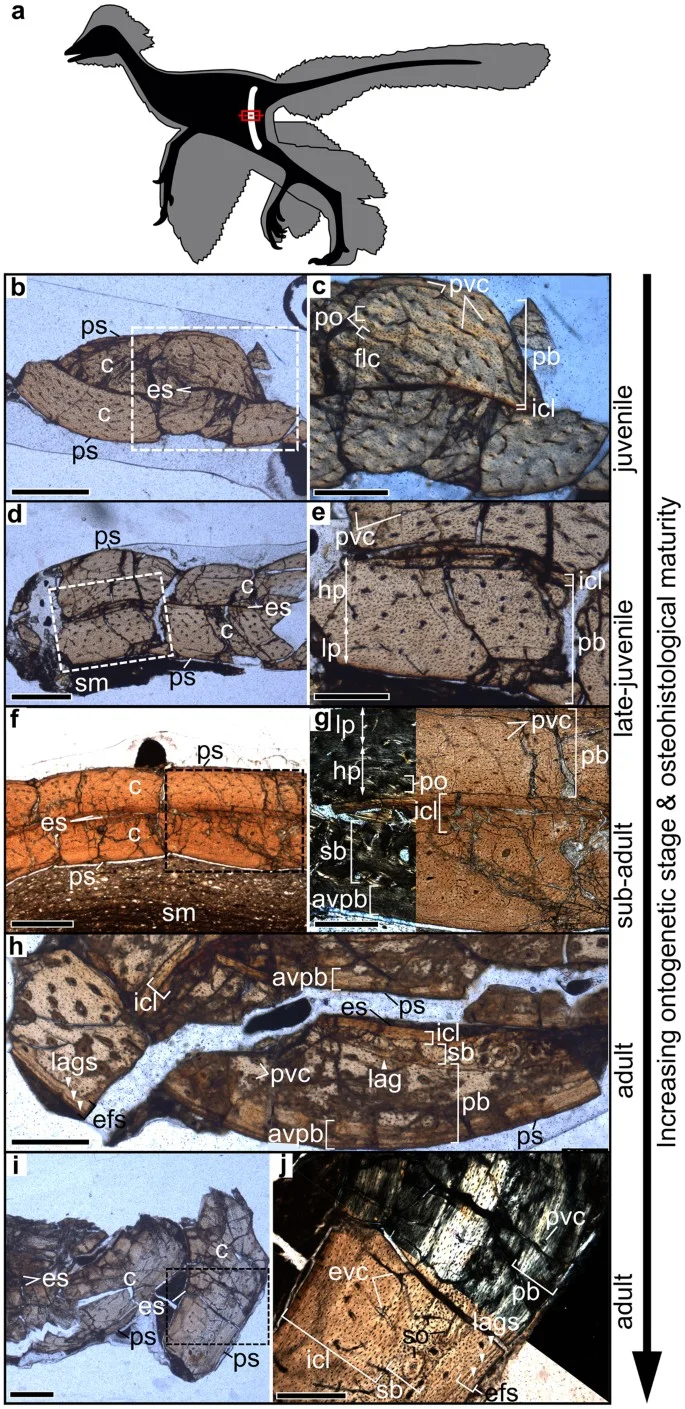
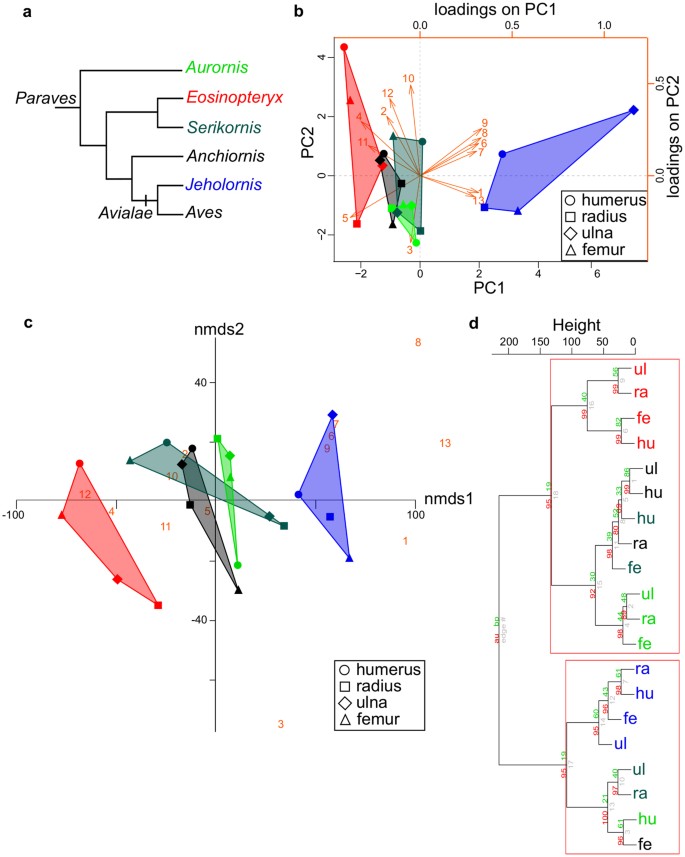
Prondvai et al. integrated qualitative and quantitative osteohistological approaches to examine intraskeletal growth dynamics in five paravian taxa: Anchiornis, Aurornis, Eosinopteryx, Serikornis, and Jeholornis. For Anchiornis, the subadult specimen exhibited moderately allometric intraskeletal growth patterns. Extensive bone remodeling indicated earlier functional maturation of the femur, which reached its subadult dimensions growing faster than most other elements. The study provided essential data on the growth biology and life history of Anchiornis huxleyi.
Chemical preservation of tail feathers from Anchiornis huxleyi, a theropod dinosaur from the Tiaojishan Formation (Upper Jurassic, China)
Cincotta, A., Yans, J., Dejax, J. et al. · Palaeontology
Cincotta et al. investigated the taphonomic preservation of tail feathers from Anchiornis huxleyi (specimen YFGP-T5199) using a suite of geochemical techniques. Results confirmed that melanin is preserved in Anchiornis fossil feathers, but keratin is not, contradicting previous hypotheses. The feathers underwent calcium phosphate mineralization. The work demonstrated that the distribution of melanosomes along the tail feathers was uniform, consistent with a dark coloration. This study is important for understanding fossilization mechanisms of soft structures in feathered dinosaurs.


Cranial anatomy of Anchiornis huxleyi (Theropoda: Paraves) sheds new light on bird skull evolution
Wang, M., Wang, X.-L., Zheng, X.-T. & Zhou, Z.-H. · Vertebrata PalAsiatica
Wang et al. (2025) presented a detailed digital reconstitution of the skull of Anchiornis huxleyi (specimen STM 0-47) from Jianchang, Liaoning, based on computed tomography. The study revealed a diapsid akinetic skull retaining the plesiomorphic dinosaurian condition, lacking the cranial kinesis adaptations of modern birds. The mixture of cranial characters shared with dromaeosaurids, troodontids, and stemward avialans demonstrated that the evolutionary history of the bird skull is more complex than previously believed.


Wing morphology of Anchiornis huxleyi and the evolution of molt strategies in paravian dinosaurs
Kiat, Y., Wang, X., Zheng, X. et al. · Communications Biology
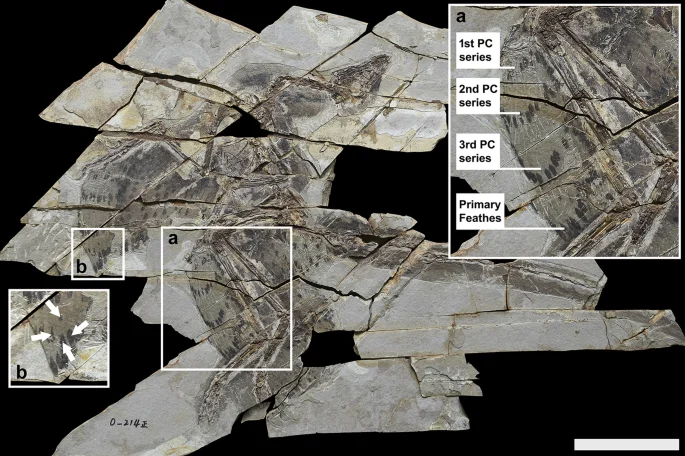
Kiat et al. (2025) examined nine Anchiornis huxleyi specimens with retained feather coloration, revealing for the first time evidence of irregular molt in a non-avian pennaraptoran. The irregular molt strategy, combined with the unique wing structure, indicates the plumage of an animal incapable of flight, similar to secondarily flightless birds today. The most surprising implication: molt strategy responds rapidly to secondary loss of flight, suggesting Anchiornis may have lost flight capability from a flying ancestor, making the evolution of flight in dinosaurs far more complex and iterative than previously thought.


Famous museum specimens
BMNHC PH828
Beijing Museum of Natural History (Museu de História Natural de Pequim), Pequim, China
Nearly complete specimen and the primary source for Li et al.'s (2010) coloration reconstruction. Preserves feather impressions throughout the body, with melanosomes that allowed determination of complete coloration: the first Mesozoic dinosaur with total coloration reconstructed. The rufous crown and white wing feathers with black tips were determined from this specimen.
IVPP V14378 (holótipo)
Institute of Vertebrate Paleontology and Paleoanthropology (IVPP), Pequim, China
Official type specimen of the species, described by Xu et al. in 2009. It is an articulated skeleton from the Yaolugou area, Jianchang County, Liaoning. Missing the skull, part of the tail, and the right forelimb. Despite being incomplete compared to other specimens, it is the definitive taxonomic reference for the species.
YFGP-T5199
Yizhou Fossil and Geology Park, Yizhou, China
Nearly complete specimen and subject of molecular composition studies by Lindgren et al. (2015) and Cincotta et al. (2020). Unlike BMNHC PH828, this specimen showed only gray-black melanosomes, raising the possibility of intraspecific coloration variation. It is one of the primary sources of data on the fossilization chemistry of dinosaur feathers.
In cinema and popular culture
Anchiornis huxleyi gained popular culture prominence mainly after 2010, when its complete coloration was reconstructed for the first time for any Mesozoic dinosaur. The discovery that it had a red head and black and white wing feathers transformed the animal into a visual symbol of the new paleontology, one that depicts dinosaurs as living, colorful creatures. On television, it appeared in Netflix's Life on Our Planet (2023), produced with high scientific accuracy, including a scene where it escapes from a Sinraptor. In 2026, it returned in The Dinosaurs, a Netflix series, where it is portrayed as incapable of active flight, aligned with the latest research by Kiat et al. (2025). David Attenborough's Rise of Animals series from 2013 also included it. Unlike Velociraptor or T. rex, Anchiornis is not a character in science fiction franchises, but has become an indispensable icon of any serious scientific discussion about the origin of birds and the evolution of feathers.
Classification
Discovery
Fun fact
Anchiornis huxleyi was the first Mesozoic dinosaur to have its complete coloration reconstructed from direct fossil evidence, in 2010. Using melanosomes preserved in the feathers, scientists determined it had a bright red head, dark gray body, and white wing feathers with black tips, resembling a kind of Jurassic woodpecker. Over 200 specimens are known, making it one of the best-represented Jurassic dinosaurs in the fossil record.
Last reviewed: April 24, 2026