
Shunosaurus
Shunosaurus lii
"Li's lizard of Shu"
About this species
Shunosaurus lii is a medium-sized basal eusauropod from the Middle Jurassic (Bathonian to Callovian, about 168 to 161 million years ago) of the Lower Shaximiao Formation, Sichuan Basin, southwestern China. It was described by Dong Zhiming, Zhou Shiwu and Zhang Yihong in 1983, based on holotype IVPP V.9065 collected at the Dashanpu locality in Zigong municipality. It reached about 9.5 metres in length and three tonnes in body mass. It had a relatively short neck for a sauropod, with 12 or 13 cervical vertebrae, a low elongated skull with a truncated snout, cylindrical to spatulate teeth and jaws strongly curved upwards. Its most remarkable feature is a bony tail club formed by fused distal caudal vertebrae and topped by two pairs of conical osteoderms, the only sauropod known to possess such a structure. About twenty additional specimens have been collected at Dashanpu, including complete skeletons, skulls and juveniles, making Shunosaurus one of the best anatomically known sauropods, with roughly 94% of skeletal elements identified. The species dominates the Dashanpu fauna, accounting for about 90% of sauropod fossils at the site.
Geological formation & environment
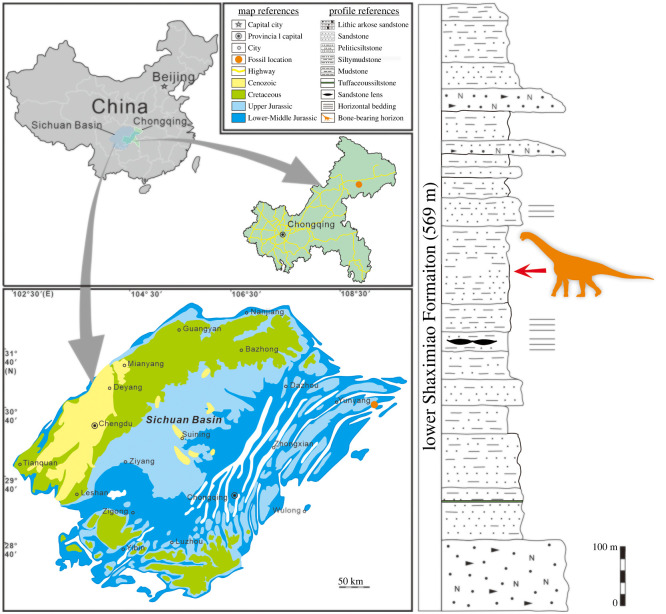
Lower Shaximiao Formation (Xiashaximiao), Middle Jurassic (Bathonian to Callovian, about 168 to 161 Ma, with a maximum depositional age at Yunyang of 166.0 +/- 1.5 Ma after Wang et al. 2022). The unit crops out in the Sichuan Basin (Sichuan and Chongqing provinces, southwestern China) and is composed mainly of purple-red mudstones and siltstones with intercalated sandstones, deposited in alluvial plains and lake margins under a humid subtropical climate. The Lower Shaximiao fauna is dominated by sauropods (Shunosaurus lii, Omeisaurus spp., Datousaurus bashanensis, Dashanpusaurus dongi, Protognathosaurus oxyodon), stegosaurs (Huayangosaurus taibaii), ornithopods (Xiaosaurus dashanpensis, Agilisaurus louderbacki, Hexinlusaurus multidens) and theropods (Gasosaurus constructus, Xuanhanosaurus qilixiaensis, Szechuanosaurus zigongensis), alongside crocodylomorphs, turtles and the pterosaur Angustinaripterus longicephalus. Shunosaurus accounts for about 90% of the sauropod fossils at the Dashanpu site.
Image gallery
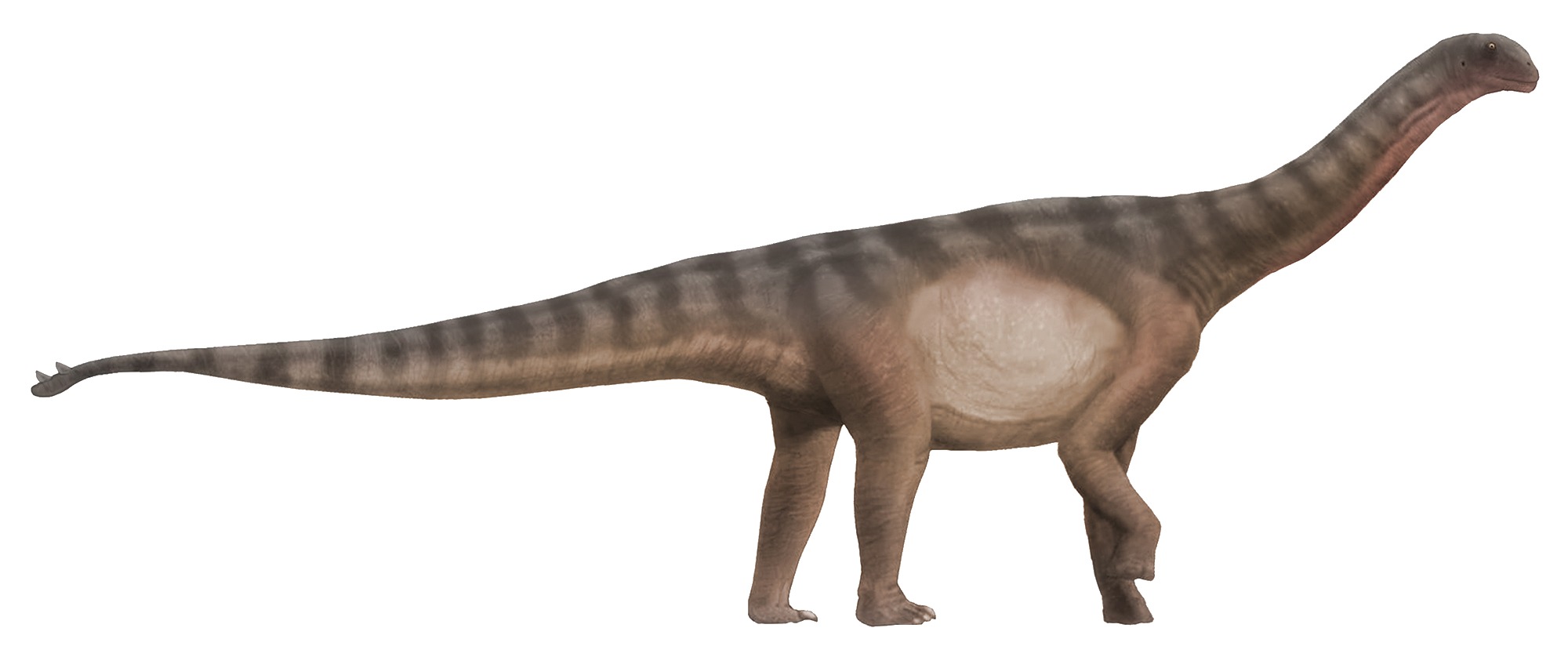





Life reconstruction of Shunosaurus lii by Smokeybjb (edited by Paleocolour), a short-necked Middle Jurassic sauropod from China with its characteristic tail club.
Smokeybjb / Paleocolour, Wikimedia Commons, CC BY-SA 3.0
Ecology and behavior
Habitat
Humid subtropical floodplains and lake margins of the Sichuan Basin during the Middle Jurassic, with marked seasonality and a warm and humid climate (approximate palaeolatitude 25 to 30 N). The Lower Shaximiao Formation consists of red mudstones and siltstones with sandstone intercalations, deposited in meandering rivers and floodplains. Vegetation was dominated by conifers, cycads, bennettitaleans, ginkgos, ferns and horsetails, in a grass-free environment, since grasses only diversified in the Cretaceous.
Feeding
Low-browsing herbivore. The combination of short skull, jaws strongly curved upwards into a garden-shears profile, cylindrical to spatulate teeth up to 8 cm in crown height and a relatively short neck indicates near-ground feeding, processing large amounts of coarse foliage (Chatterjee and Zheng 2002). Teeth show continuous replacement, as in other basal sauropods. Niche partitioning with Omeisaurus, which has a much longer neck and was a high browser, is evident in the same formation.
Behavior and senses
Taphonomic evidence at Dashanpu, with massive concentration of articulated skeletons, suggests that Shunosaurus lii formed herds, at least seasonally. The presence of individuals of multiple ages at the same site points to intergenerational grouping. The tail club, unique among sauropods, suggests active defence against large contemporary theropods such as Gasosaurus constructus and Xuanhanosaurus qilixiaensis, both known from the same formation. The Dashanpu fauna also included Omeisaurus, Datousaurus, Dashanpusaurus, Huayangosaurus, Agilisaurus, Xiaosaurus and the pterosaur Angustinaripterus.
Physiology and growth
Shunosaurus lii is one of the sauropods whose histology was incorporated by Sander et al. (2004) and Klein and Sander (2008) into the formulation of Histological Ontogenetic Stages. The dominant bone tissue is plexiform fibrolamellar in the primary cortex, with secondary remodelling by osteons in adults. The arrangement indicates fast and continuous growth up to the subadult phase, a pattern consistent with the hypothesis of sauropod gigantism acquired by acceleration rather than longevity, defended by Sander and collaborators.
Paleogeography
Continental configuration

Scotese & Vérard · CC BY 4.0 · Jurassic, ~155 Ma
During the Batoniano-Caloviano (~168–161 Ma), Shunosaurus lii inhabited the fragmenting Pangea. North America and Europe were still close, and the North Atlantic was just beginning to open. Climate was warm and humid globally, with no polar ice caps.
Bone Inventory
The holotype IVPP V.9065 is a partial skeleton with skull. About twenty additional specimens were excavated at Dashanpu between 1979 and the mid-1980s, including complete articulated skeletons, ontogenetic series (juveniles to adults) and skulls. Most are housed at the Zigong Dinosaur Museum, opened on top of the quarry itself in 1987, and at the IVPP in Beijing. This abundance makes Shunosaurus one of the anatomically best known sauropods in the world, with about 94% of skeletal elements identified.

Found elements
Inferred elements
Scientific Literature
15 papers in chronological order — from the original description to recent research.
Dinosaurs from the Jurassic of Sichuan
Dong, Z., Zhou, S. e Zhang, Y. · Palaeontologia Sinica, New Series C, 162(23): 1 a 136 (em chinês, resumo em inglês)
Original description of the genus and species Shunosaurus lii based on holotype IVPP V.9065 and referred material from Dashanpu (Zigong, Sichuan). Published in Chinese, the monograph established the taxon, outlined preliminary osteology and placed it as a basal sauropod close to Cetiosaurinae. It is the obligatory nomenclatural reference for the species.
The Middle Jurassic dinosaur fauna from Dashanpu, Zigong, Sichuan. Vol. 1: Sauropod dinosaur (I): Shunosaurus
Zhang, Y. · Journal of the Chengdu College of Geology, monografia especial (89 p., 15 pranchas)
Detailed osteological monograph of Shunosaurus lii, covering skull, mandible, vertebral column and limbs. Foundation of all subsequent anatomical literature and of the cranial description published by Chatterjee and Zheng (2002). Published in Chinese.
The discovery of the bony tail club of sauropods
Dong, Z., Peng, G. e Huang, D. · Vertebrata PalAsiatica, 27: 219 a 224 (em chinês, resumo em inglês)
Description of the bony tail club of Shunosaurus lii based on material at the Zigong Dinosaur Museum. Demonstrates that distal caudal vertebrae fuse into an expanded mass, topped by two successive pairs of conical osteoderms about 5 cm tall. It is the first and, so far, the only such structure known in a sauropod.
Early evolution and higher-level phylogeny of sauropod dinosaurs
Wilson, J.A. e Sereno, P.C. · Journal of Vertebrate Paleontology, Memoir 5, 18(suppl. 2): 1 a 68
First modern cladistic analysis of the base of sauropod phylogeny. Resolves Shunosaurus as a basal eusauropod and formalises the concept of Eusauropoda. It is the most cited anatomical reference for the basal position of Shunosaurus within sauropods.


Sauropod dinosaur phylogeny: critique and cladistic analysis
Wilson, J.A. · Zoological Journal of the Linnean Society, 136: 217 a 276
Wide cladistic analysis that corroborates the basal position of Shunosaurus within Eusauropoda and dismantles the idea of a monophyletic Euhelopodidae grouping Jurassic Chinese sauropods. The topology resolves Shunosaurus, Omeisaurus and Mamenchisaurus as a paraphyletic series of basal eusauropods.

Cranial anatomy of Shunosaurus, a basal sauropod dinosaur from the Middle Jurassic of China
Chatterjee, S. e Zheng, Z. · Zoological Journal of the Linnean Society, 136(1): 145 a 169
Detailed cranial description of Shunosaurus lii based on material at the Zigong Dinosaur Museum. The skull is akinetic and monimostylic, the brain is small, narrow and primitively designed, and the combination of cylindrical and spatulate teeth indicates an animal adapted to low browsing. The paper enumerates numerous cranial autapomorphies.
Sauropoda
Upchurch, P., Barrett, P.M. e Dodson, P. · The Dinosauria, 2nd edition (Weishampel, Dodson & Osmólska, eds., University of California Press, pp. 259 a 322)
Reference chapter on Sauropoda in the second edition of The Dinosauria. Reanalyses sauropod phylogeny and places Shunosaurus at the base of Eusauropoda, in a topology compatible with Wilson (2002). Synthesises the anatomy, biogeography and temporal distribution of Shunosaurus in comparison with other Jurassic Chinese sauropods.

Adaptive radiation in sauropod dinosaurs: bone histology indicates rapid evolution of giant body size through acceleration
Sander, P.M., Klein, N., Buffetaut, E., Cuny, G., Suteethorn, V. e Le Loeuff, J. · Organisms Diversity & Evolution, 4(3): 165 a 173
Comparative histological analysis of sauropod long bones, including Shunosaurus. Concludes that the acquisition of giant body size in the lineage occurred via acceleration of osteogenic growth rather than by extension of lifespan. Shunosaurus data serve as a basal reference.
Ontogenetic stages in the long bone histology of sauropod dinosaurs
Klein, N. e Sander, M. · Paleobiology, 34(2): 247 a 263
Establishes the Histological Ontogenetic Stages (HOS) concept from long bones of several sauropod taxa. Shunosaurus is included in the comparative set as a basal reference within Eusauropoda and helps calibrate growth stages. The methodological framework is now standard in sauropod palaeobiology studies.
A new species of Mamenchisaurus from the Middle Jurassic of southern Sichuan, China
Xing, L., Miyashita, T., Wang, D., Ye, Y. e Currie, P.J. · Vertebrata PalAsiatica, 53(1): 13 a 42
Although focused on Mamenchisaurus, the paper and the Ye Yong research programme at the Zigong Dinosaur Museum provided the stratigraphic and faunal context of the Lower Shaximiao Formation in which Shunosaurus lii dominates. Serves as a reference for the coexistence and niche partitioning of Middle Jurassic Sichuan sauropods.


Osteology of Klamelisaurus gobiensis (Dinosauria, Eusauropoda) and the evolutionary history of Middle to Late Jurassic Chinese sauropods
Moore, A.J., Upchurch, P., Barrett, P.M., Clark, J.M. e Xing, X. · Journal of Systematic Palaeontology, 18(16): 1299 a 1393
Comprehensive revision of the phylogeny of Middle to Late Jurassic Chinese eusauropods. The analysis recovers Shunosaurus as a basal eusauropod outside Mamenchisauridae, corroborating the paraphyly of Jurassic Chinese sauropods and anatomically differentiating Shunosaurus from Mamenchisauridae. A key reference for modern placements of the taxon.

New Shunosaurus (Dinosauria: Sauropoda) material from the Middle Jurassic Lower Shaximiao Formation of Yunyang, Chongqing, China
Mo, J., Xu, Y., Xing, L., Xu, X., Zhang, X., Shu, C., Zhang, F., Li, N. e Zhao, D. · Historical Biology, 34(6): 1085 a 1099
Description of the smallest and best preserved Shunosaurus lii specimen then known, collected at Yunyang (Chongqing) in the same unit as the type locality. Includes bone histology analyses that clarify juvenile ontogenetic stages and refine the ratio between distal and midshaft widths of the radius and fibula. Reinforces the broad geographic distribution of the genus in the Middle Jurassic of the Sichuan and Chongqing basins.


Zircon geochronology of the new dinosaur fauna in the Middle Jurassic Lower Shaximiao Formation in Chongqing, SW China
Wang, P., Li, D., Li, N., Shu, C., Wei, G., Peng, G. e Tan, C. · Palaeogeography, Palaeoclimatology, Palaeoecology, 590: 110865
Geochronological study of detrital zircons from the Lower Shaximiao Formation at Yunyang (Chongqing), with a maximum depositional age of 166.0 +/- 1.5 Ma (late Middle Jurassic, Bathonian to Callovian). The result revises the age previously assigned to the Oxfordian and establishes the modern geochronological framework for Shunosaurus lii and the Dashanpu fauna.
New macronarian from the Middle Jurassic of Chongqing, China: phylogenetic and biogeographic implications for neosauropod dinosaur evolution
Dai, H., Tan, C., Xiong, C., Ma, Q., Li, N., Yu, H., Wei, Z., Wang, P., Yi, J., Wei, G., You, H. e Ren, X. · Royal Society Open Science, 9(11): 220794
Description of a macronarian from the Lower Shaximiao Formation. Contains direct comparisons with Shunosaurus lii and a phylogenetic analysis that places the new taxon as a basal neosauropod. The paper is fully open access (PMC) with cladograms that include Eusauropoda and contextualise the basal position of Shunosaurus.


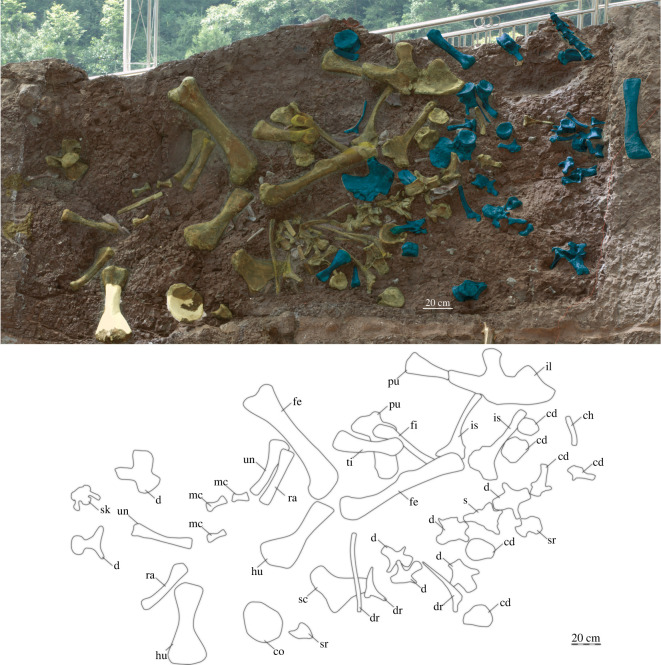
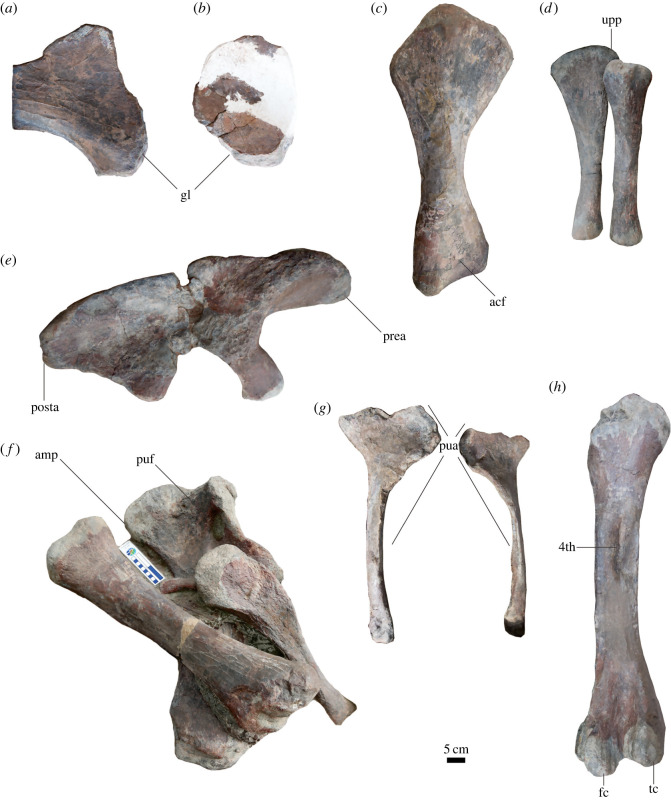
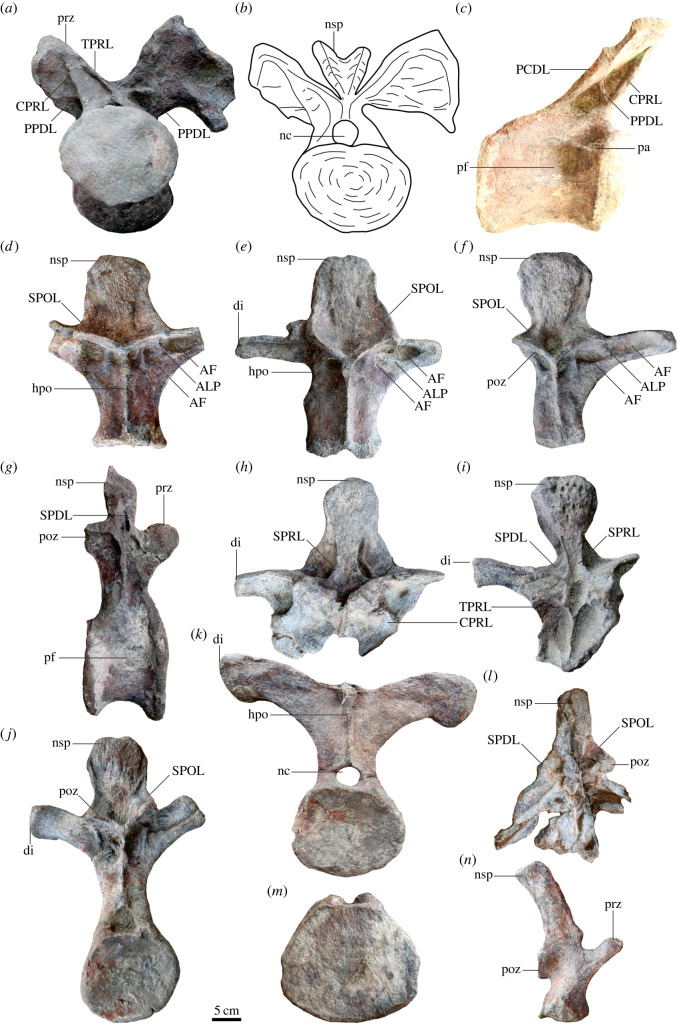
A new mamenchisaurid from the Upper Jurassic Suining Formation of the Sichuan Basin in China and its implication on sauropod gigantism
Wei, X., Tan, Y., Jiang, S. et al. · Scientific Reports, 15: 24808
Description of the mamenchisaurid Tongnanlong zhimingi, with an extensive Eusauropoda phylogenetic analysis that includes Shunosaurus lii as a basal taxon and contextualises its position relative to Mamenchisauridae. The paper is open access (PMC) and provides the full cladogram with up-to-date nomenclature. Important for understanding the evolutionary succession of the Middle to Late Jurassic Sichuan Basin sauropod fauna.


Famous museum specimens
IVPP V.9065 (holótipo)
Institute of Vertebrate Paleontology and Paleoanthropology (IVPP), Chinese Academy of Sciences, Pequim, China
Holotype collected at the Dashanpu locality, Zigong municipality, Sichuan, in strata of the Lower Shaximiao Formation (Middle Jurassic, Bathonian to Callovian). Housed at IVPP in Beijing, it is the obligatory type specimen of the species and genus.
Espécimes referidos (ZDM)
Zigong Dinosaur Museum, Dashanpu, Zigong, Sichuan, China
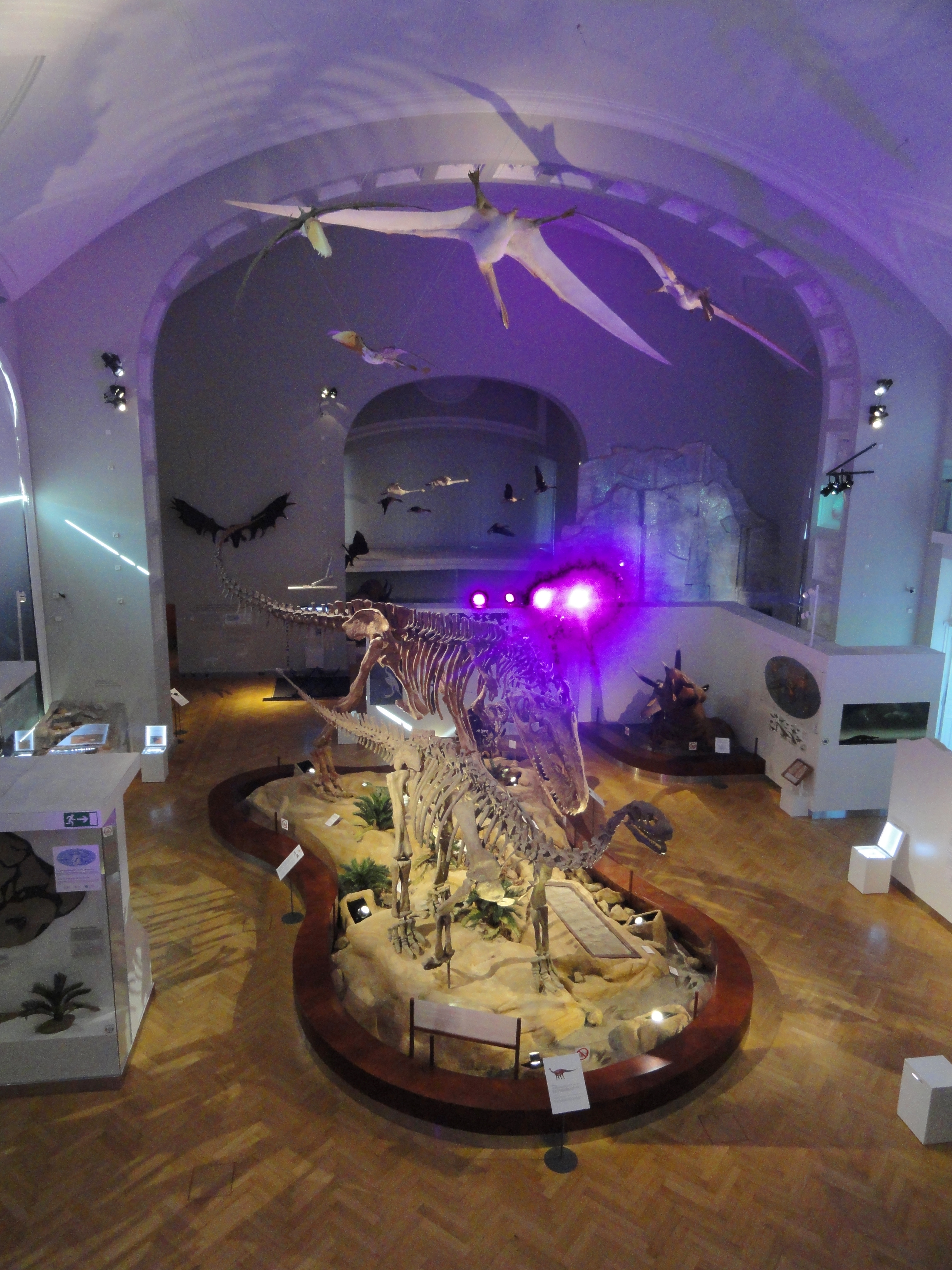
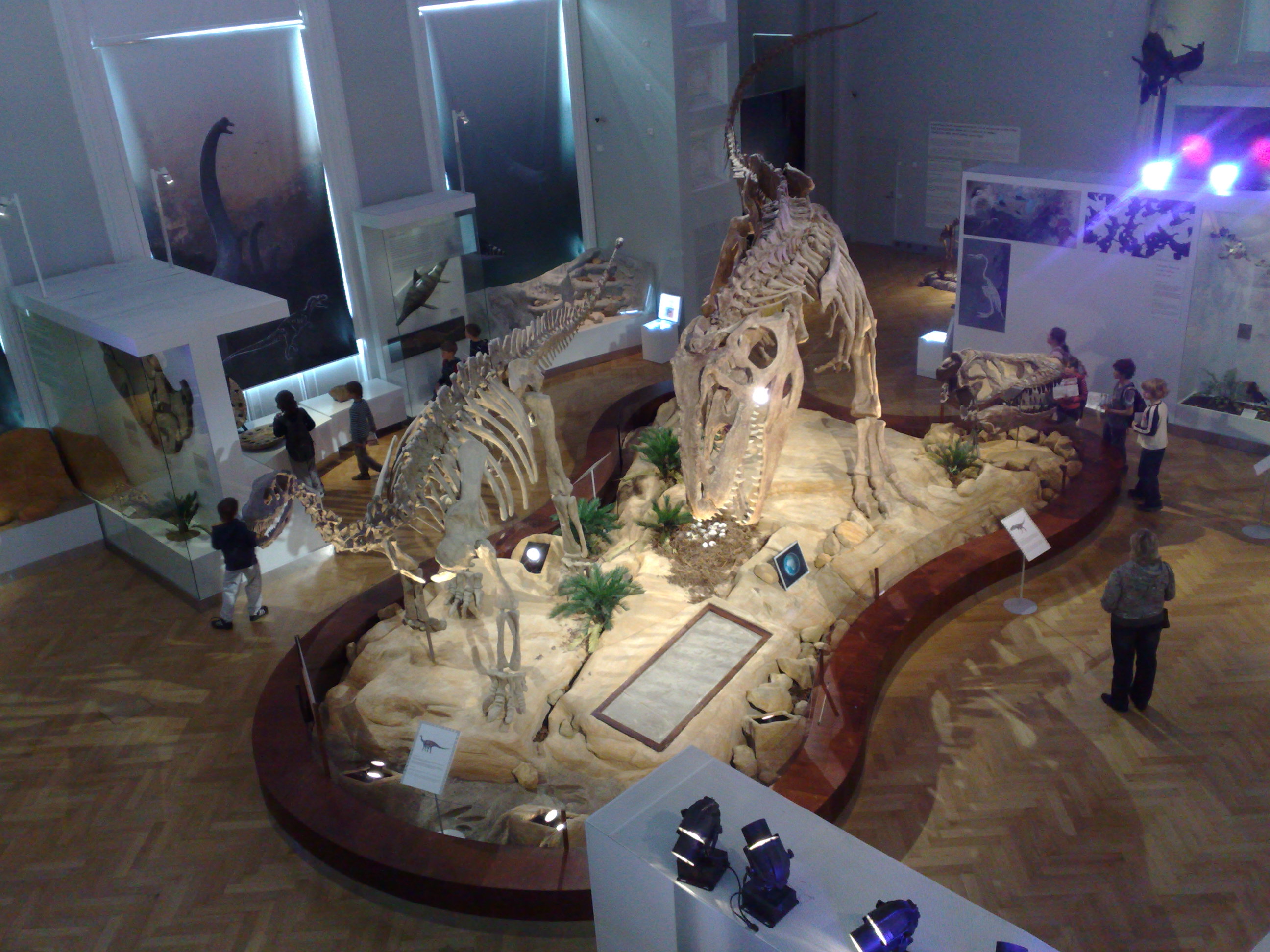
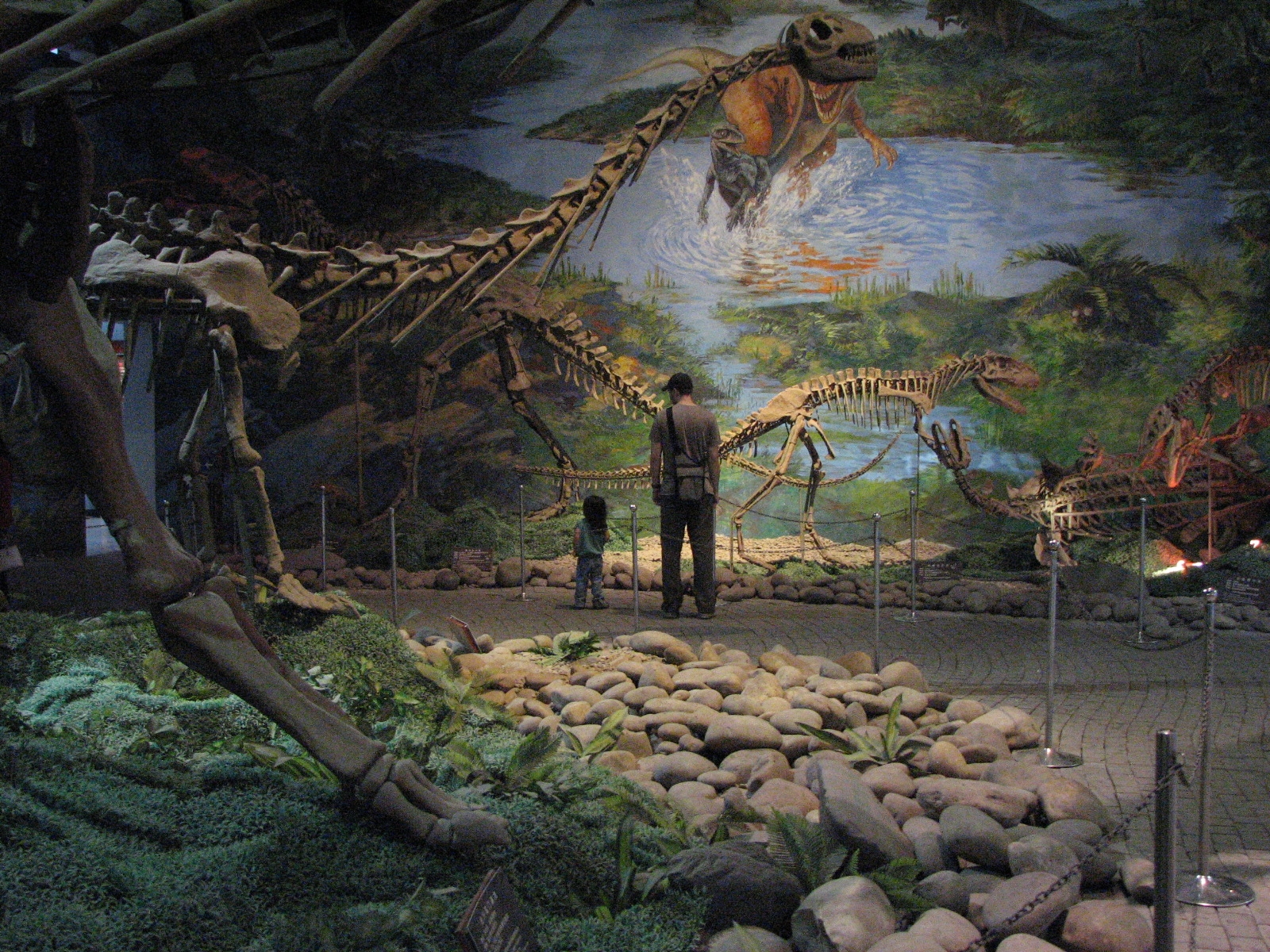
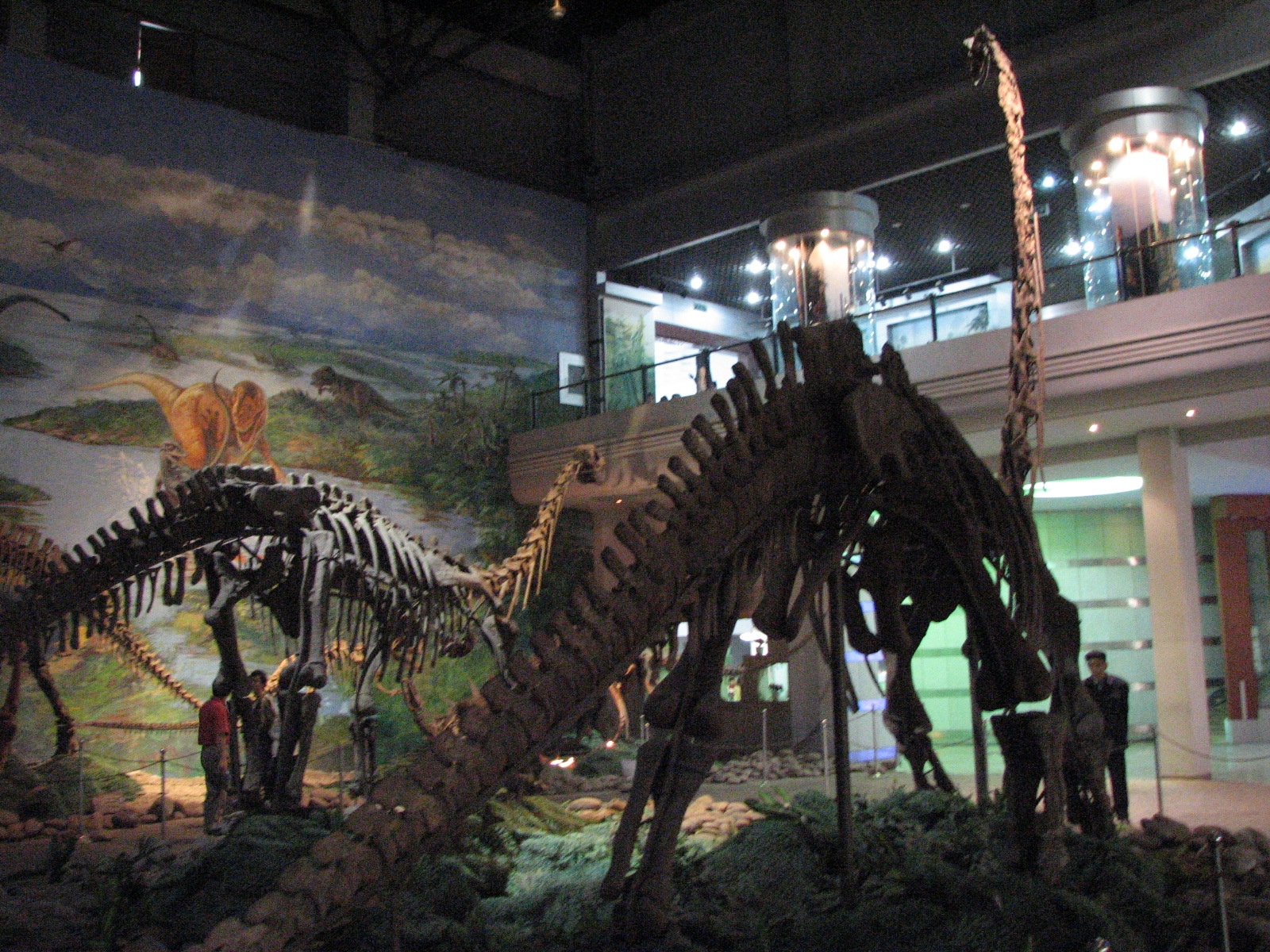
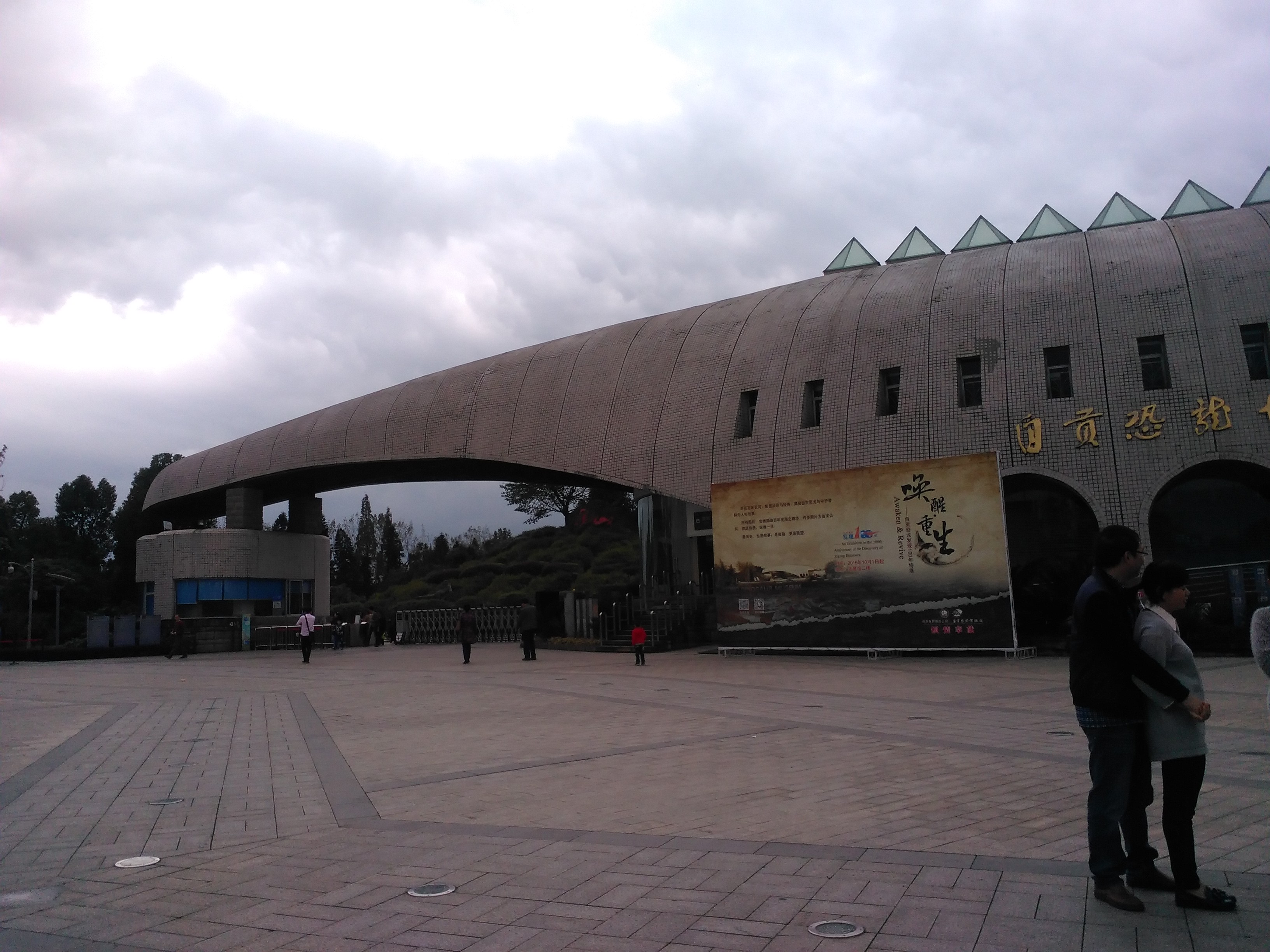
The Zigong Dinosaur Museum was built directly over the Dashanpu quarry and opened in 1987. It is the first museum in Asia dedicated primarily to dinosaurs, integrates the Zigong UNESCO Global Geopark and houses about twenty skeletons of Shunosaurus lii, including articulated mounts on permanent display.
Montagem do Tianjin Natural History Museum
Tianjin Natural History Museum, Tianjin, China
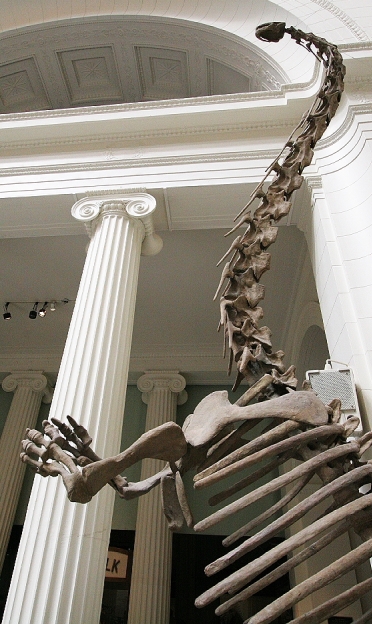
One of the most photographed mounted skeletons of Shunosaurus lii is on display at the Tianjin Natural History Museum, widely reproduced in Chinese textbooks and encyclopedias.
Montagem do Finnish Museum of Natural History
Finnish Museum of Natural History, University of Helsinki, Finlândia
The Helsinki museum displays one of the two best-known articulated Shunosaurus skeletons outside China, loaned under an international cooperation agreement.
Material de Yunyang (Chongqing)
Chongqing Natural History Museum e instituições locais de Yunyang, China
With the discovery of the Yunyang site in 2014 to 2015 and the description of new materials by Mo et al. (2021), the genus gained representation in the eastern Sichuan Basin, confirming its broad geographic distribution in the Chinese Middle Jurassic.
In cinema and popular culture
Shunosaurus has a clearly documented appearance in Dinosaur Revolution (Discovery Channel, 2011), a miniseries in which a herd forages on a hilly prairie in Middle Jurassic China. The story follows a juvenile that eats toxic mushrooms, is attacked by two Sinraptor, and ends up defending itself with the tail club, killing one of the predators. Producers admitted to exaggerating the club size for dramatic effect. Walking with Dinosaurs (BBC, 1999), Chased by Dinosaurs (2002), Walking with Monsters (2005) and Planet Dinosaur (BBC, 2011) do not feature the genus, despite popular rumours. In Chinese documentaries dedicated to Dashanpu and the Zigong UNESCO Global Geopark, Shunosaurus lii is a central figure, with CCTV programmes and Zigong Dinosaur Museum materials. Its absence from major franchises such as Jurassic Park and Jurassic World, combined with the cultural prominence of Dashanpu, fixes Shunosaurus as a national dinosaur of southwestern China.
Classification
Discovery
Fun fact
Shunosaurus lii is the only sauropod known to possess a bony tail club, formed by the fusion of the last caudal vertebrae and covered by two pairs of conical osteoderms about 5 cm tall each. It is an evolutionary solution analogous to, but completely independent from, the tail clubs of Cretaceous ankylosaurids such as Ankylosaurus and Euoplocephalus. The relatively small body mass of the animal, about three tonnes, and the local abundance of predatory theropods such as Gasosaurus suggest the structure worked as an active defence rather than as a display device.
Last reviewed: April 24, 2026