
SuperCroc
Sarcosuchus imperator
"Emperor flesh crocodile"
About this species
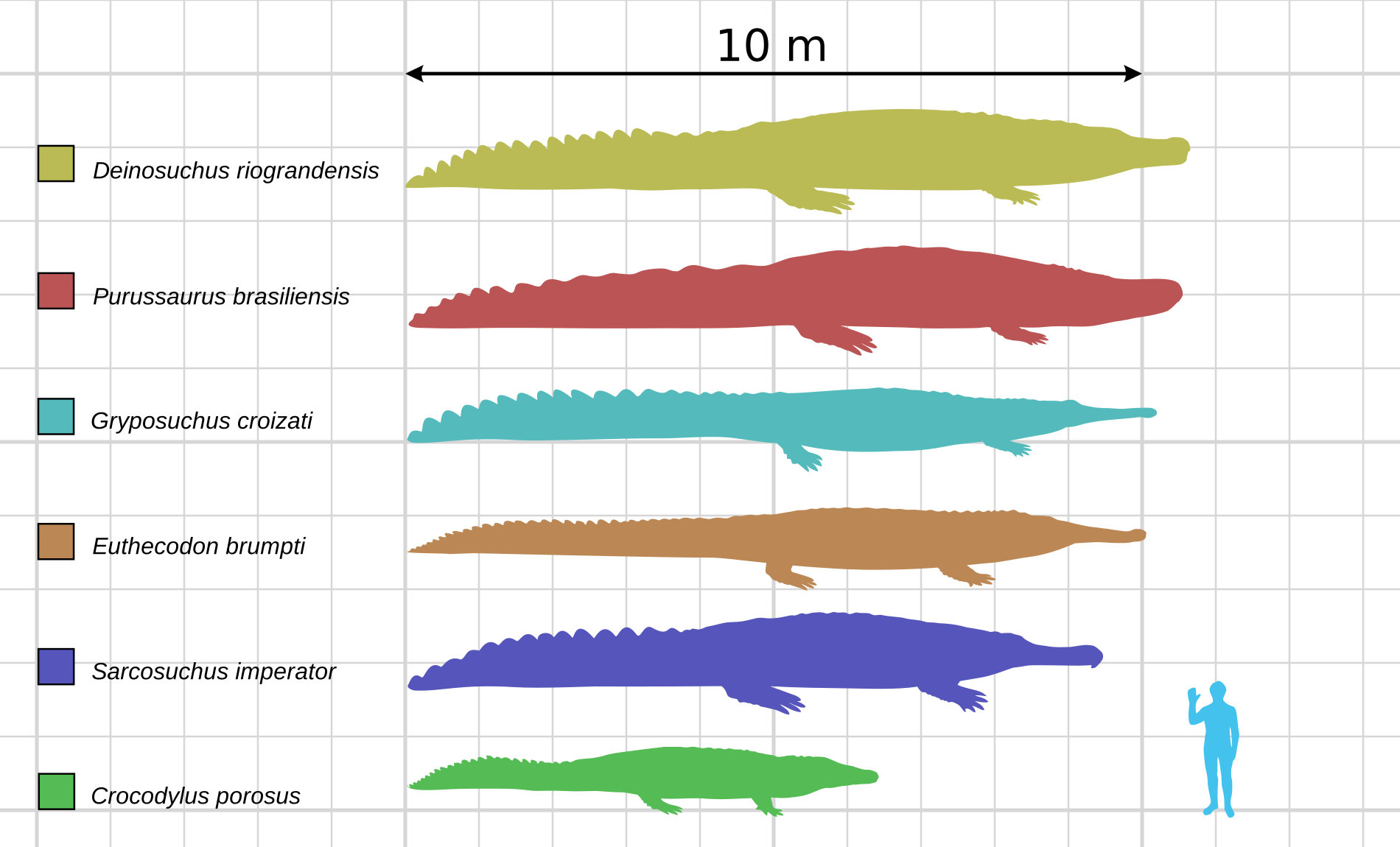
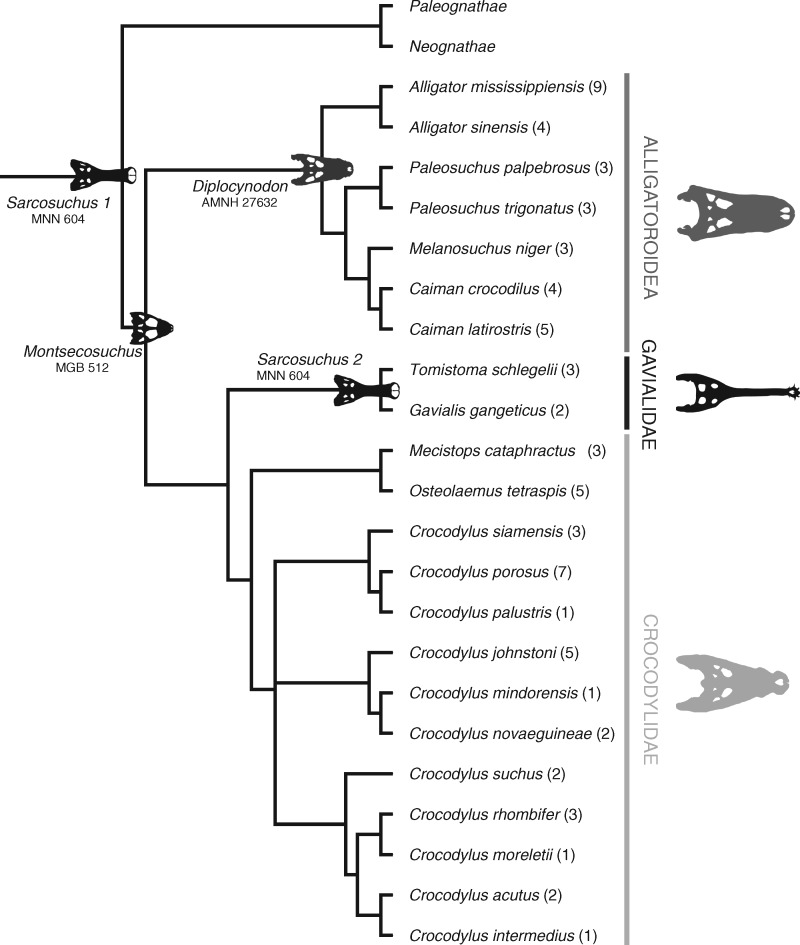
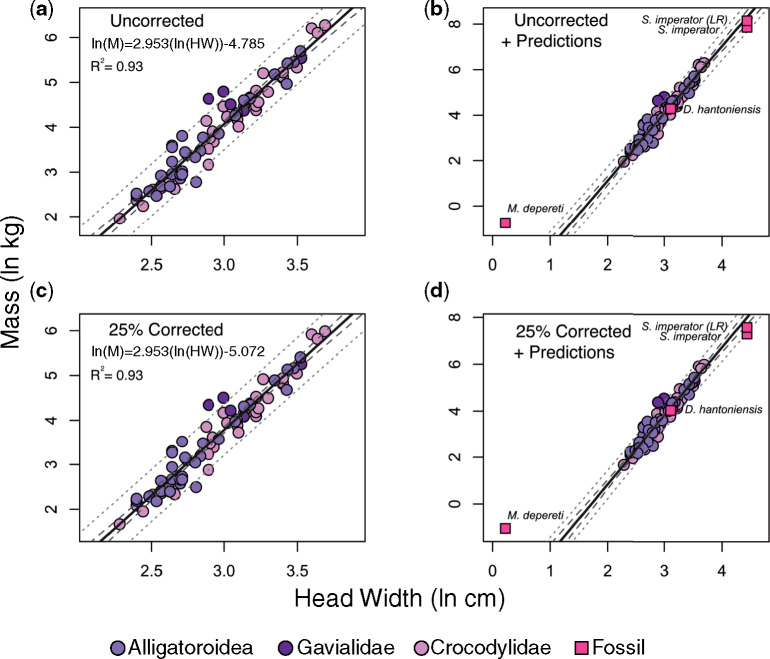
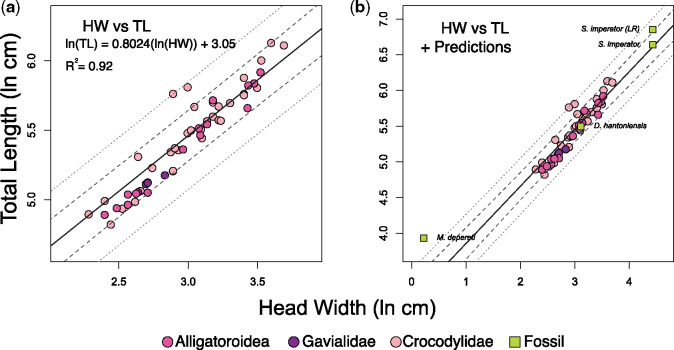
Sarcosuchus imperator was a giant crocodyliform of the family Pholidosauridae that inhabited rivers and humid plains of subcontinental Africa during the Aptian-Albian, around 133 to 112 million years ago. The nearly complete specimen collected in 1964 at Gadoufaoua, in present-day Niger, and formally described by de Broin and Taquet in 1966 provided the first skull of more than one and a half meters of the genus. Sereno and colleagues, in 2001, estimated that adults reached 11 to 12 meters in length and 8 tonnes based on cranial allometry, figures later revised downward by O'Brien and colleagues in 2019, who proposed about 9.5 meters and 4,300 kilos from a phylogenetically informed regression of head width. The name combines the Greek words for flesh, crocodile and emperor, reflecting the exceptional size. It had a wide, robust snout, conical non-interlocking teeth, thick dorsal osteoderms and a hollow bone structure at the tip of the snout called a bulla, present in all adult specimens and still of no clearly established function.
Geological formation & environment
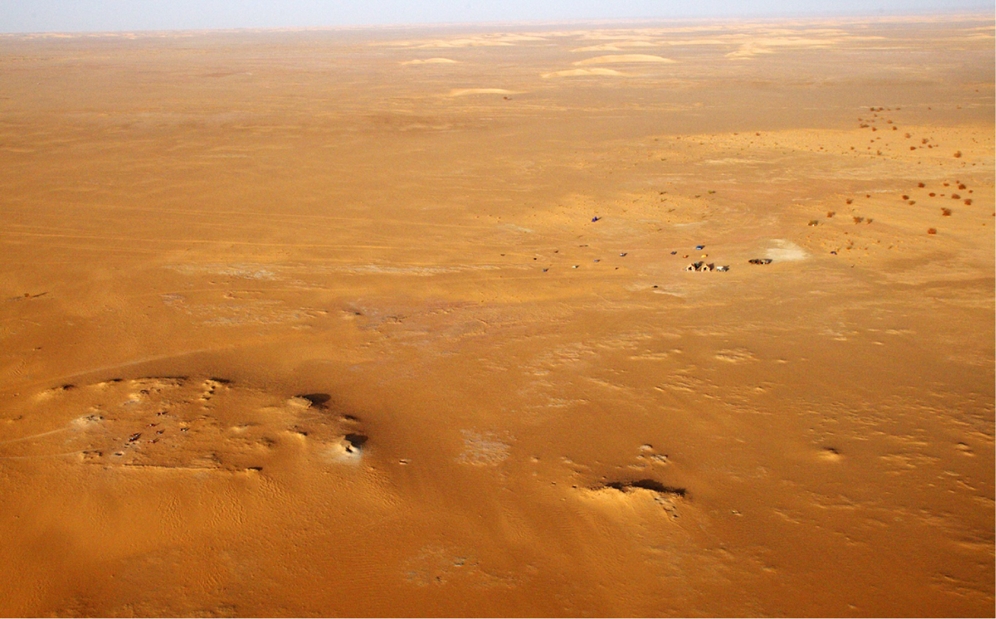
The Elrhaz Formation, part of the Tegama Group in central-eastern Niger, is a fluvial and lacustrine sequence of Aptian-Albian age (around 120 to 112 million years ago) deposited on a humid tropical plain. The type locality is Gadoufaoua, in the Ténéré desert, Agadez Region. Associated fauna includes the dinosaurs Suchomimus tenerensis, Nigersaurus taqueti, Ouranosaurus nigeriensis, Eocarcharia dinops and Kryptops palaios; the fishes Lepidotus and Mawsonia; and other crocodyliforms such as Anatosuchus minor, Araripesuchus wegeneri and Stolokrosuchus lapparenti. The most detailed paleoenvironmental description is in Sereno et al. (2007), which documents a braided fluvial system with channels and floodplains.
Image gallery
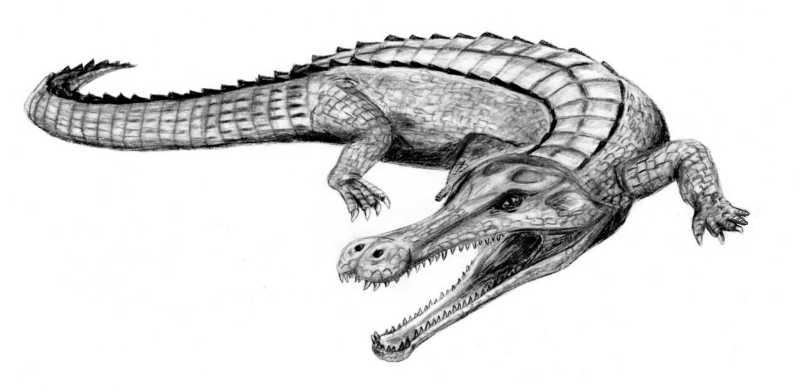

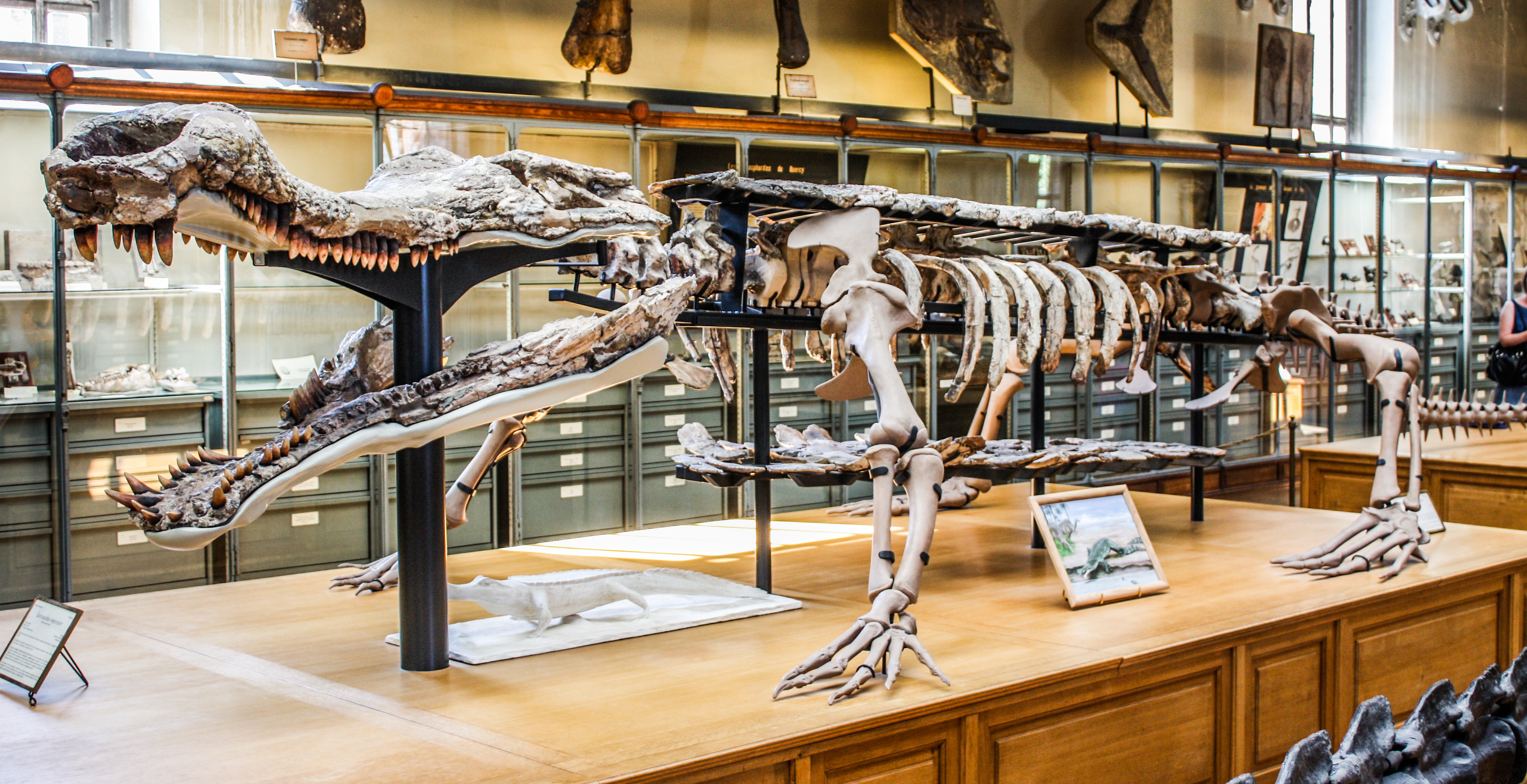

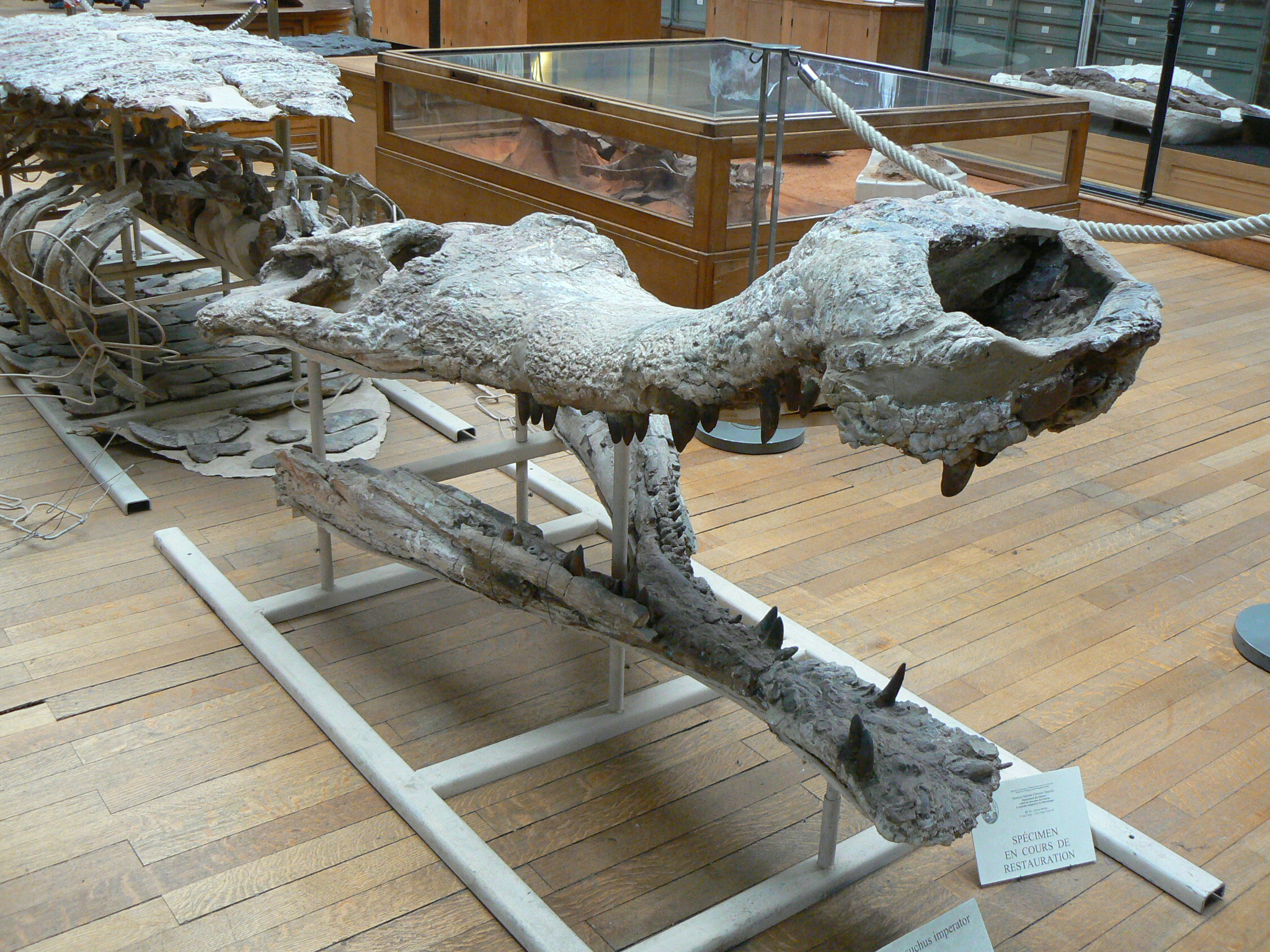


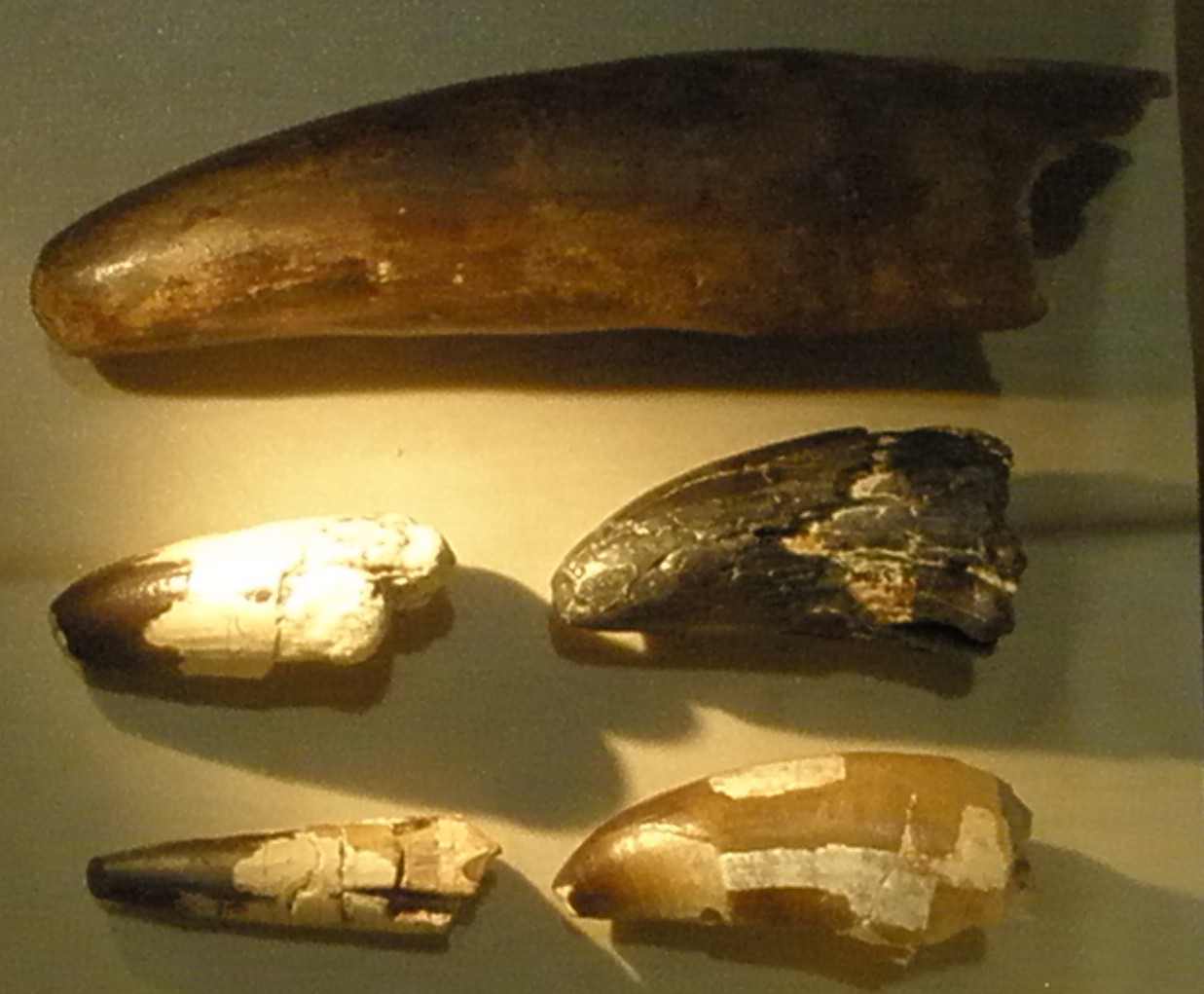


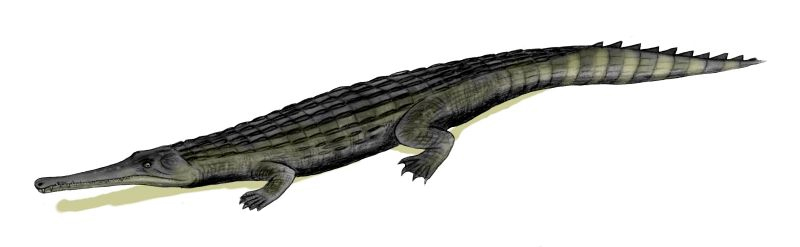
Life reconstruction of Sarcosuchus imperator by Nobu Tamura, in lateral view. The paleoart synthesizes the anatomy described by Sereno and colleagues in 2001, with the wide snout, terminal bulla and dorsal osteoderms visible along the back.
Nobu Tamura / Wikimedia Commons, CC BY-SA 3.0
Ecology and behavior
Habitat
Sarcosuchus imperator inhabited humid tropical fluvial and lagoonal plains of subcontinental Africa during the Aptian-Albian. The environment of the Elrhaz Formation, where the most complete material was collected, was a braided fluvial system with floodplains, dense vegetation and freshwater to brackish channels. Associated fauna includes the spinosaurid theropod Suchomimus tenerensis, the rebbachisaurid sauropod Nigersaurus taqueti, the ornithopod Ouranosaurus nigeriensis, coelacanth fishes such as Mawsonia and ginglymodans such as Lepidotus, all components of the paleocommunity described by Sereno et al. (2007).
Feeding
The diet of Sarcosuchus was generalist, with a strong piscivorous component. The calcium isotope analysis of Hassler et al. (2018) recovered about 58 per cent fish and 42 per cent other vertebrates, mainly small to medium-sized dinosaurs. The conical, non-interlocking dentition of the genus differed from the pincers of modern longirostrine crocodilians, and the relatively wide snout base allowed the capture of larger terrestrial prey at the river margins. Sarcosuchus ecologically coexisted with spinosaurids like Suchomimus, with resource partitioning in the aquatic niche.
Behavior and senses
Sarcosuchus imperator hunted by ambush on river margins, attacking prey that approached the water to drink. The biomechanical analysis of Blanco et al. (2014) indicates that the genus probably did not perform the death roll typical of modern crocodilians, given the longirostrine geometry and inferred cranial strength. The histological reading of osteoderms by Sereno et al. (2001), following the Erickson and Brochu (1999) method, points to prolonged growth, with adult individuals reaching ages between 50 and 60 years. Social behavior probably involved territoriality around water points, as in living crocodilians.
Physiology and growth
The most singular anatomical feature of Sarcosuchus is the bulla, a hollow bone structure at the tip of the snout, present in all known adult specimens of the genus. Its function remains open after more than two decades since Sereno et al. (2001), with hypotheses including vocal resonance, thermoregulation, olfactory role and display function. The presence in all skulls indicates that it is not sexual dimorphism. The extensive osteoderms provided thermal insulation and structural support, and the mass estimates of O'Brien et al. (2019) indicate conservative metabolism, consistent with the prolonged growth typical of giant crocodyliforms.
Paleogeography
Continental configuration

Ron Blakey · CC BY 3.0 · Cretáceous, ~90 Ma
During the Aptiano-Albiano (~133–112 Ma), Sarcosuchus imperator inhabited Laramidia, the western half of present-day North America, separated from the east by the Western Interior Seaway, a shallow sea dividing the continent. The continents were in very different positions: India was drifting toward Asia, Antarctica was still connected to Australia, and South America was an isolated island.
Bone Inventory
Sarcosuchus imperator is known from relatively abundant material collected at Gadoufaoua, Niger, especially the nearly complete skull discovered in 1964 by the CEA team. It includes skulls and mandibles in various preservation states, vertebrae, ribs, hindlimb and forelimb long bones, scapulae and hundreds of dorsal osteoderms. Buffetaut and Taquet (1977) described additional material from Brazil then assigned to S. hartti, later reassessed by Souza and colleagues in 2019. The bulla at the snout tip is preserved in multiple specimens, allowing the conclusion that it was a fixed, non-dimorphic feature.
Found elements
Inferred elements
Scientific Literature
15 papers in chronological order — from the original description to recent research.
Les Dinosauriens du 'Continental Intercalaire' du Sahara central
Lapparent, A.F. de · Mémoires de la Société Géologique de France 88A
Albert-Félix de Lapparent published the first systematic synthesis of the Continental Intercalaire paleofauna of the central Sahara, based on field campaigns in Niger, Algeria and neighboring regions between 1946 and 1959. Among the described materials are cranial fragments, teeth and osteoderms of an exceptionally large crocodyliform, still without formal name, that would form the basis of the genus Sarcosuchus erected by de Broin and Taquet in 1966. The work established the first stratigraphic coordinates of the material and opened the way for the subsequent expeditions in Gadoufaoua that would reveal the nearly complete skull of the animal. It remains a required reference for the history of Saharan paleontology.

Découverte d'un Crocodilien nouveau dans le Crétacé inférieur du Sahara
de Broin, F. & Taquet, P. · Comptes Rendus de l'Académie des Sciences Paris 262(D)
France de Broin and Philippe Taquet erected the genus Sarcosuchus from the nearly complete skull collected two years earlier at Gadoufaoua, in the Ténéré desert, by the Commissariat à l'Énergie Atomique expedition coordinated by Albert-Félix de Lapparent. The name combines the Greek roots for flesh and crocodile, and the epithet imperator highlights the exceptional size of the animal. The authors immediately recognized the wide snout, the bulla at the tip of the rostrum and the conical dentition as diagnostic characters, and proposed affinity with pholidosaurids from the Early Cretaceous of the Old World. The work is the founding publication of the species and served as the basis for the broader Buffetaut and Taquet monograph of 1977.
The Giant Crocodilian Sarcosuchus in the Early Cretaceous of Brazil and Niger
Buffetaut, E. & Taquet, P. · Palaeontology 20(1)
Eric Buffetaut and Philippe Taquet published the first comparative monograph of Sarcosuchus, describing in detail the S. imperator material from Niger and proposing the attribution of Brazilian cranial elements, previously designated Goniopholis hartti, to the same genus, under the combination Sarcosuchus hartti. The work documents skulls, teeth, vertebrae, ribs and osteoderms, establishes diagnostic characters of the genus and discusses the paleobiogeography of the animal, then still compatible with the western Gondwana unit before the definitive opening of the South Atlantic. The combination proposed by Buffetaut and Taquet remained standard for four decades, until the systematic revision of Souza and colleagues in 2019, which once again separated the Brazilian material from the genus Sarcosuchus.
Die biogeographische Geschichte der Krokodilier, mit Beschreibung einer neuen Art Araripesuchus
Buffetaut, E. · Geologische Rundschau 70(2)
Eric Buffetaut published a wide-ranging synthesis on the historical biogeography of Mesozoic Crocodyliformes, with emphasis on Gondwanan lineages. The paper discusses the affinities of the pholidosaurids, the position of Sarcosuchus within the group and the paleobiogeographic significance of the genus for the configuration of fragmenting Pangaea during the Early Cretaceous. Buffetaut argues that the presence of related taxa in Africa and South America is consistent with a fauna still integrated through the Aptian, before the definitive isolation of the two continents by the expansion of the South Atlantic. The work is a classic reference for later biogeographic discussions involving Sarcosuchus and its close relatives, and established part of the vocabulary that would come to be used in more formal phylogenetic revisions.

How the 'terror crocodile' grew so big
Erickson, G.M. & Brochu, C.A. · Nature 398
Gregory Erickson and Christopher Brochu published in Nature the histological study that established the protocol for reading growth rings in osteoderms to infer age and growth curve of giant extinct crocodyliforms. The paper deals directly with Deinosuchus, but the method was quickly applied to Sarcosuchus by Sereno and colleagues in 2001, who recovered about 50 to 60 years for adult individuals from Niger. The inference of prolonged growth, instead of extraordinarily high rates, became the paradigm of gigantothermy in Mesozoic crocodyliforms. The work is a required citation in any paleobiological study of the genus Sarcosuchus that discusses longevity, growth or ecological parallels with modern crocodilians.
The Giant Crocodyliform Sarcosuchus from the Cretaceous of Africa
Sereno, P.C., Larsson, H.C.E., Sidor, C.A. & Gado, B. · Science 294(5546)
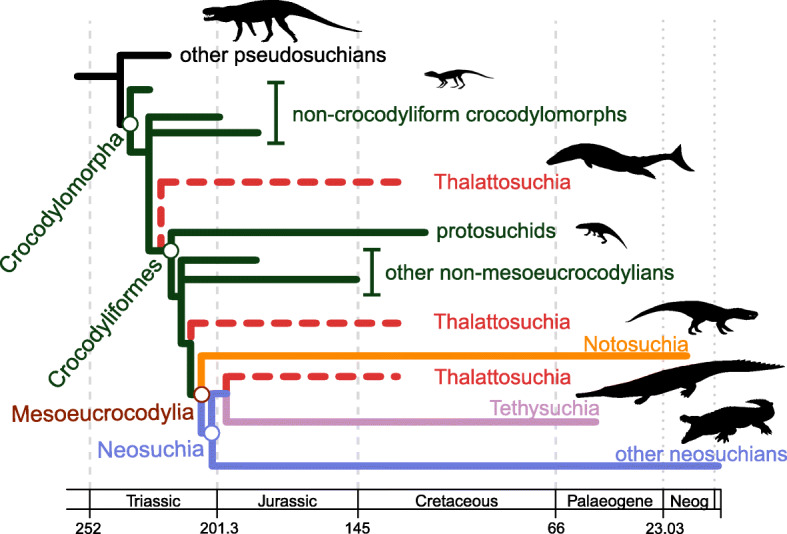
Paul Sereno and colleagues published in Science the most complete anatomical description ever produced of Sarcosuchus imperator, integrating skulls, mandibles, vertebrae and osteoderms collected during recent expeditions to Gadoufaoua, Niger. The authors estimated body length between 11 and 12 meters and mass around 8 tonnes based on allometry from the roughly 1.6 meter skull, and adult age between 50 and 60 years through histological reading of osteoderm growth rings, following the Erickson and Brochu (1999) method. The phylogenetic analysis placed the genus as a basal pholidosaurid, close to Terminonaris and to the Tethysuchia clade. This paper is the canonical and seminal reference for modern knowledge of Sarcosuchus, and introduced the animal as Supercroc into scientific and popular culture.
Structural Extremes in a Cretaceous Dinosaur
Sereno, P.C., Wilson, J.A., Witmer, L.M., Whitlock, J.A., Maga, A., Ide, O. & Rowe, T.A. · PLOS ONE 2(11)
Paul Sereno and colleagues described in PLOS ONE the detailed anatomy of the rebbachisaurid sauropod Nigersaurus taqueti, from the Elrhaz Formation. Although the focus is on the dinosaur, the part of the work dedicated to the paleoenvironment is the most complete reference published in open access for the fauna and sedimentology of the formation that hosts Sarcosuchus imperator. The authors discuss in depth the Cretaceous fluvial system of Gadoufaoua, with braided channels, floodplains and humid tropical vegetation, and list the associated vertebrate community that includes Suchomimus, Ouranosaurus, Eocarcharia, Kryptops, Lepidotus and Mawsonia fishes, and Sarcosuchus itself as the dominant aquatic predator. The paper is a required paleoenvironmental reference for any study on the ecology of the giant African crocodyliform.


Basal abelisaurid and carcharodontosaurid theropods from the Lower Cretaceous Elrhaz Formation of Niger
Sereno, P.C. & Brusatte, S.L. · Acta Palaeontologica Polonica 53(1)
Paul Sereno and Stephen Brusatte described two new theropods from the Elrhaz Formation, the abelisaurid Kryptops palaios and the carcharodontosaurid Eocarcharia dinops, based on fragmentary material collected at Gadoufaoua. The paper devotes extensive sections to the paleocommunity of the formation, listing Sarcosuchus imperator as the giant crocodyliform with predominantly aquatic habits that occupied the fluvial and lagoonal margins of the system. The integration of the new theropods into the record allowed the reconstruction of a trophic chain in which large predatory dinosaurs and the giant crocodyliform shared the top, with prey partitioning later estimated by isotopes in Hassler et al. (2018). The work is one of the most frequently cited references for the complete Gadoufaoua ecosystem and for the position of Sarcosuchus in the trophic chain.
Oxygen and carbon isotope compositions of middle Cretaceous vertebrates from North Africa and Brazil
Amiot, R., Buffetaut, E., Lécuyer, C., Wang, X., Boudad, L., Ding, Z., Fourel, F., Hutt, S., Martineau, F., Medeiros, M.A., Mo, J., Simon, L., Suteethorn, V., Sweetman, S., Tong, H., Zhang, F. & Zhou, Z. · Palaeogeography, Palaeoclimatology, Palaeoecology 297(2)
Romain Amiot and a wide international team analyzed the oxygen and carbon isotope composition of phosphate in teeth of middle Cretaceous vertebrates from North Africa and Brazil, including Sarcosuchus imperator. The results show that Sarcosuchus presents values consistent with predominantly aquatic habits in fresh water, in agreement with the classic ecological interpretation of the genus. The analysis reinforces that the animal inhabited tropical rivers and floodplains and participated in the fluvial food chain, in contrast to spinosaurid theropods such as Suchomimus, which show a mixed isotopic signal between freshwater and terrestrial. The paper is one of the few direct geochemical lines of evidence on the paleoecology of Sarcosuchus and supports the interpretive framework upheld by Sereno and colleagues.


Redescription and phylogenetic relationships of Meridiosaurus vallisparadisi, a pholidosaurid from the Late Jurassic of Uruguay
Fortier, D.C., Perea, D. & Schultz, C.L. · Zoological Journal of the Linnean Society 163(S1)
Daniel Fortier, Daniel Perea and Cesar Schultz redescribed the pholidosaurid Meridiosaurus vallisparadisi from the Late Jurassic of Uruguay and conducted a phylogenetic analysis that gathered virtually all known pholidosaurids, including Sarcosuchus imperator. The result supports the monophyly of the family and identifies two main lineages, one articulated around Pholidosaurus and another around Elosuchus and Meridiosaurus. Sarcosuchus appears in a relatively derived position within the group, with affinities to Terminonaris and other longirostrine taxa of the Early Cretaceous. The analysis is the topological basis most frequently used by later works that address the phylogenetic position of Sarcosuchus in paleobiological and biogeographic studies.

The 'death roll' of giant fossil crocodyliforms (Crocodylomorpha: Neosuchia): Allometric and skull strength analysis
Blanco, R.E., Jones, W.W. & Villamil, J. · Historical Biology 27(5)
Ernesto Blanco, Washington Jones and Jorge Villamil applied allometric analysis and cranial strength modeling to assess whether extinct giant crocodyliforms such as Sarcosuchus could perform the death roll typical of modern crocodilians. The work concludes that the relatively long snout and cranial geometry of Sarcosuchus make the death roll unlikely or at least much less efficient than in more robust forms like Deinosuchus. The inference implies that Sarcosuchus captured prey with a single bite and held them until death, without the torsional dismemberment that characterizes modern wide-snouted crocodilians. The paper is a fundamental reference for discussions on the predatory behavior of the genus and contradicts the popular depiction of the animal pulling dinosaurs into the water in Nile crocodile style.
Calcium isotopes offer clues on resource partitioning among Cretaceous predatory dinosaurs
Hassler, A., Martin, J.E., Amiot, R., Tacail, T., Godet, F.A., Allain, R. & Balter, V. · Proceedings of the Royal Society B 285(1876)
Auguste Hassler and colleagues applied calcium isotope analysis to bones and teeth of Cretaceous predators from North Africa, including Sarcosuchus imperator, spinosaurid theropods such as Suchomimus and abelisaurids. The results indicate that Sarcosuchus had a mixed diet, with about 58 per cent fish and 42 per cent other vertebrates, mainly small to medium-sized dinosaurs. The composition reveals viable ecological coexistence with spinosaurids, which showed an isotopic signal even more skewed toward fish, and with terrestrial theropods such as abelisaurids. The work is one of the most robust geochemical lines of evidence on the actual diet of the giant African crocodyliform and refines the paleobiological picture by showing that the animal was neither an exclusive predator of fish nor of dinosaurs, but a generalist with a strong piscivorous component.

New fossils of the giant pholidosaurid genus Sarcosuchus from Early Cretaceous Tunisia
Dridi, J. · Journal of African Earth Sciences 147
Jihed Dridi described new cranial fragments, teeth and osteoderms assignable to the genus Sarcosuchus in Early Cretaceous deposits of Tunisia, significantly expanding the known geographic distribution of the genus in North Africa. The material, although incomplete, presents diagnostic characters consistent with S. imperator, in particular snout morphology and osteoderm texture. The discovery reinforces the interpretation of Sarcosuchus as an aquatic predator distributed along fluvial and estuarine margins of North Africa during the Aptian-Albian, on a scale of thousands of kilometers, with populations connected by hydrological systems now vanished. The work is the most recent reference on the paleobiogeography of the genus and opens the possibility of new discoveries in contemporaneous Saharan deposits.


Crocodylian Head Width Allometry and Phylogenetic Prediction of Body Size in Extinct Crocodyliforms
O'Brien, H.D., Lynch, L.M., Vliet, K.A., Brueggen, J., Erickson, G.M. & Gignac, P.M. · Integrative Organismal Biology 1(1)
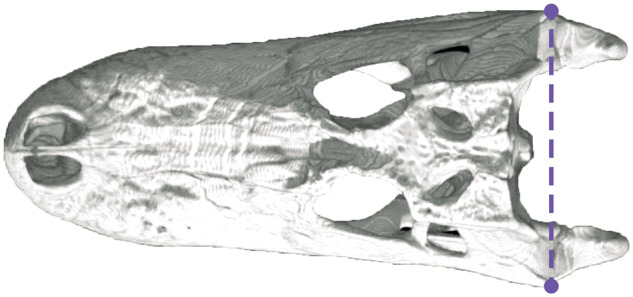
Haley O'Brien and colleagues developed a phylogenetically informed allometric model to estimate body size in extinct crocodyliforms from head width, calibrated on a wide sample of living crocodilians. Applied to Sarcosuchus imperator, the model recovers a length of about 9.5 meters and mass around 4,300 kilos for the largest known individuals, values significantly smaller than the 11 to 12 meters and 8 tonnes estimated by Sereno and colleagues in 2001. The downward revision is consistent with the general trend observed for giant Mesozoic and Cenozoic crocodyliforms, which tend to be overestimated when inferred only by linear extrapolation of cranial measurements. The paper is the current and most conservative reference on the size of the genus, and the estimate adopted in most post-2019 literature.

Systematic revision of Sarcosuchus hartti (Crocodyliformes) from the Recôncavo Basin (Early Cretaceous) of Bahia, north-eastern Brazil
Souza, R.G., Figueiredo, R.G., Azevedo, S.A.K., Carvalho, I.S. & Kellner, A.W.A. · Zoological Journal of the Linnean Society 188(2)
Rafael Gomes de Souza and colleagues published the most detailed systematic revision of the Brazilian crocodyliform material from the Recôncavo Basin, in the state of Bahia, previously assigned by Buffetaut and Taquet (1977) to the combination Sarcosuchus hartti. The phylogenetic analysis based on an expanded matrix of characters recovered the Brazilian material in a distinct position within Tethysuchia, close to Dyrosauridae, and separated it from the genus Sarcosuchus, restricting S. imperator from Niger as the only valid species of the genus. The reassessment has relevant biogeographic implications by undoing the traditional interpretation of Sarcosuchus present on both sides of the nascent South Atlantic. This paper is the current and required taxonomic reference on the limits of the genus and the phylogenetic position of the Brazilian material originally assigned to it.

Famous museum specimens
Holótipo Gadoufaoua (crânio quase completo)
Muséum national d'histoire naturelle (MNHN), Paris, França
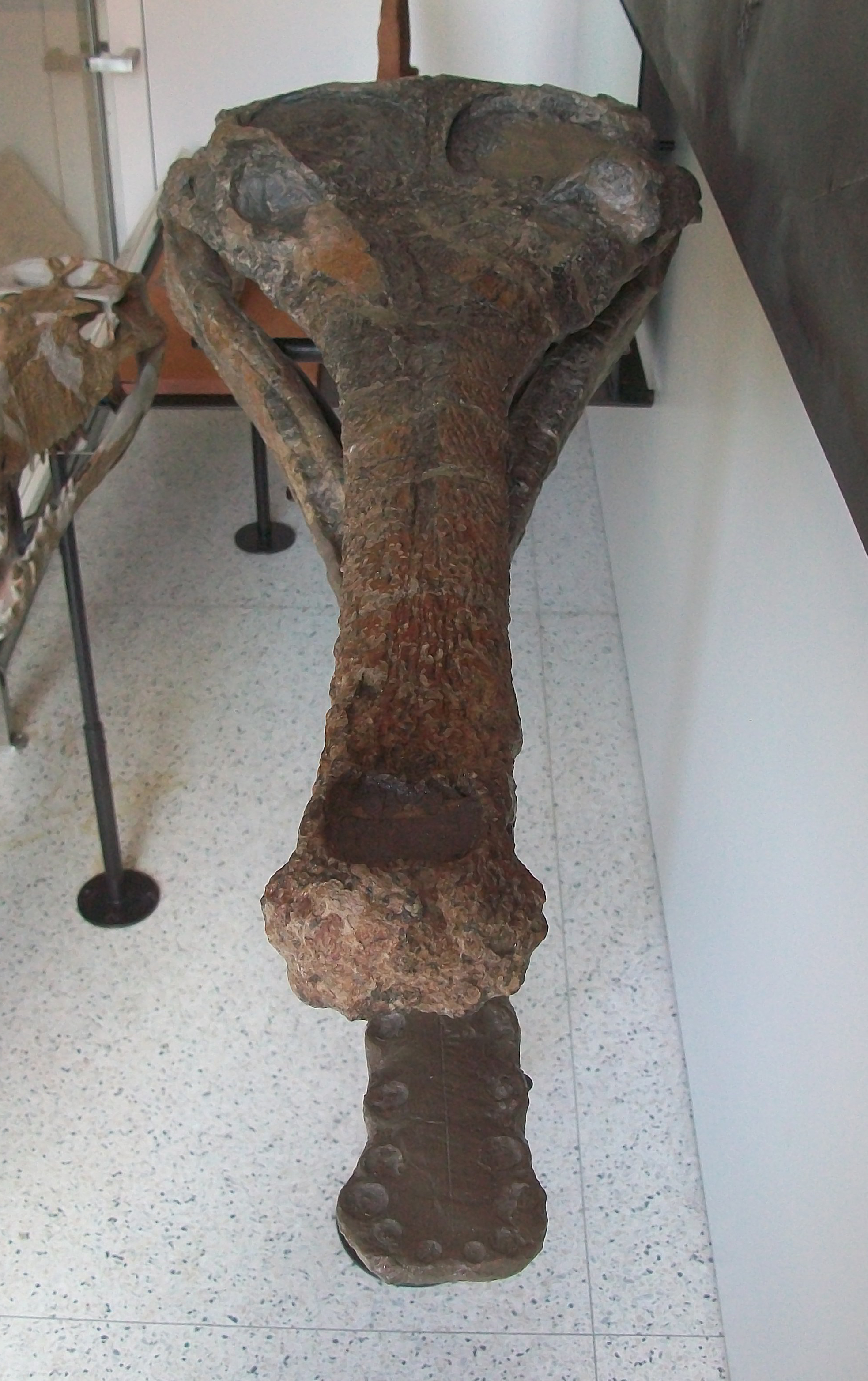
Nearly complete skull of Sarcosuchus imperator collected in 1964 at Gadoufaoua, Niger, during the CEA expeditions, and formally described by de Broin and Taquet in 1966. More than one and a half meters long, it was the first material to allow the detailed anatomical reconstruction of the genus. The specimen underpinned both the comparative monograph of Buffetaut and Taquet (1977) and the modern description of Sereno and colleagues in 2001, and remains the diagnostic reference of S. imperator.
Material brasileiro PV R 3423 (antigo S. hartti)
Natural History Museum, Londres, Reino Unido
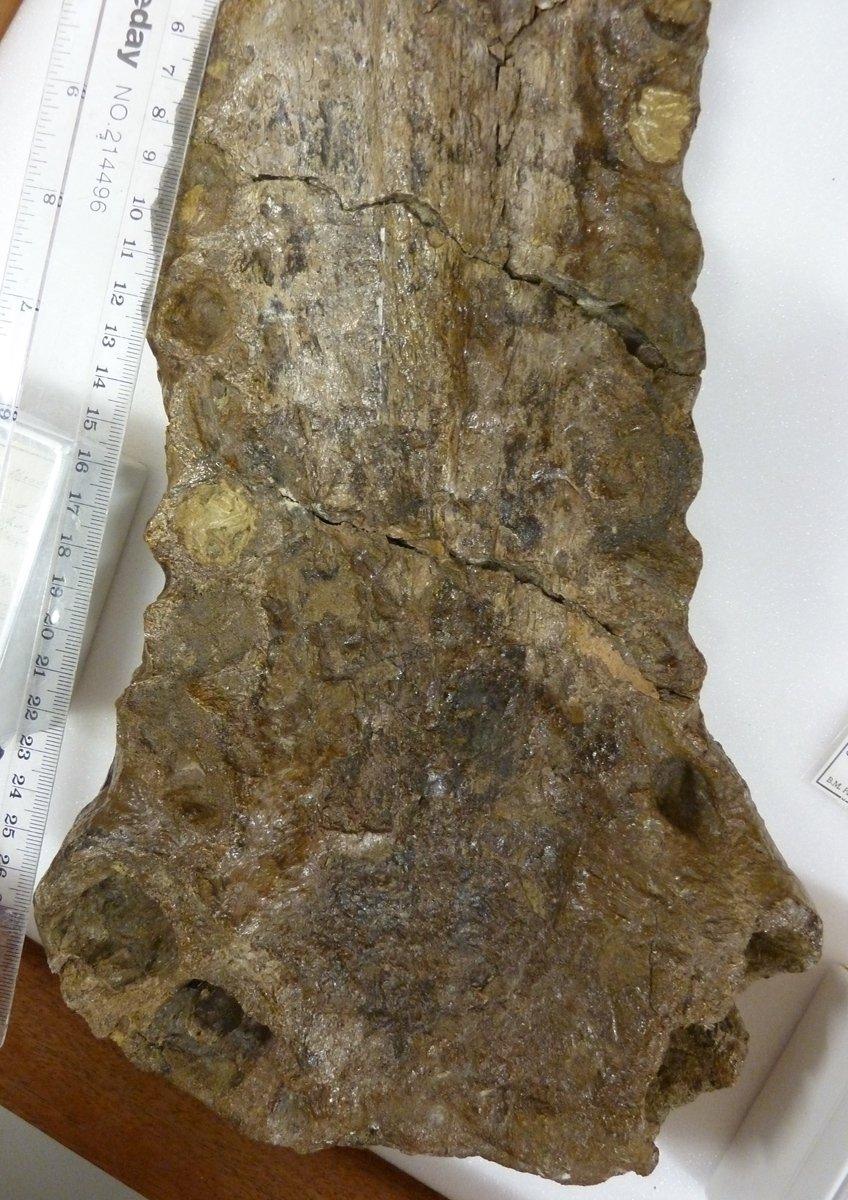
Fossil mandibular symphysis PV R 3423, collected in the Recôncavo Basin, Bahia, in the 19th century, and originally described by Marsh as Goniopholis hartti. Buffetaut and Taquet (1977) assigned it to the genus Sarcosuchus under the combination S. hartti, but Souza and colleagues (2019) reanalyzed the material and relocated it phylogenetically within Tethysuchia, outside Sarcosuchus proper. The specimen remains on display in London as a historical representative of the former S. hartti.
Réplica SuperCroc em escala completa
Itinerante (Project Exploration / National Geographic), exposta inicialmente no National Geographic Society Headquarters, Washington
Full-scale replica of Sarcosuchus imperator, about 12 meters long, assembled by Paul Sereno and the Project Exploration team from the material described in 2001. The piece was the centerpiece of a touring exhibition through United States museums under the title SuperCroc, fixing the genus in popular culture. The proportions reflect the Sereno (2001) estimate, prior to the downward revision by O'Brien et al. (2019).
In cinema and popular culture
Sarcosuchus reached popular culture in 2001 with the National Geographic documentary SuperCroc, narrated by Sam Neill and centered on Paul Sereno and the expedition that described the nearly complete skull from Niger. The full-scale replica of about 12 meters traveled on a touring exhibition through United States museums and fixed the image of the animal in the public imagination. The BBC included the genus in Chased by Dinosaurs, Land of Giants in 2002, a spinoff of the Walking with Dinosaurs series, and in Planet Dinosaur in 2011, in episodes about the African Cretaceous. National Geographic also produced When Crocs Ate Dinosaurs in 2008, with Sarcosuchus as protagonist. Most of these productions use the 11 to 12 meters and 8 tonnes estimate from Sereno in 2001, without reflecting the downward revision by O'Brien and colleagues in 2019, which proposed about 9.5 meters and 4,300 kilos. The 12 meter model remains dominant in popular culture, although recent technical literature already uses the more conservative figures.
Classification

Discovery
Fun fact
All adult skulls of Sarcosuchus imperator have a hollow bone structure at the tip of the snout called a bulla. The function of this structure remains a mystery after more than two decades since the modern description of Sereno and colleagues in 2001. Proposed hypotheses include vocal resonance, thermoregulation, expanded olfactory role and display function. Since the bulla is present in all individuals, it cannot be sexual dimorphism.
Last reviewed: April 25, 2026