
Qianzhousaurus
Qianzhousaurus sinensis
"Chinese lizard of Qianzhou"
About this species
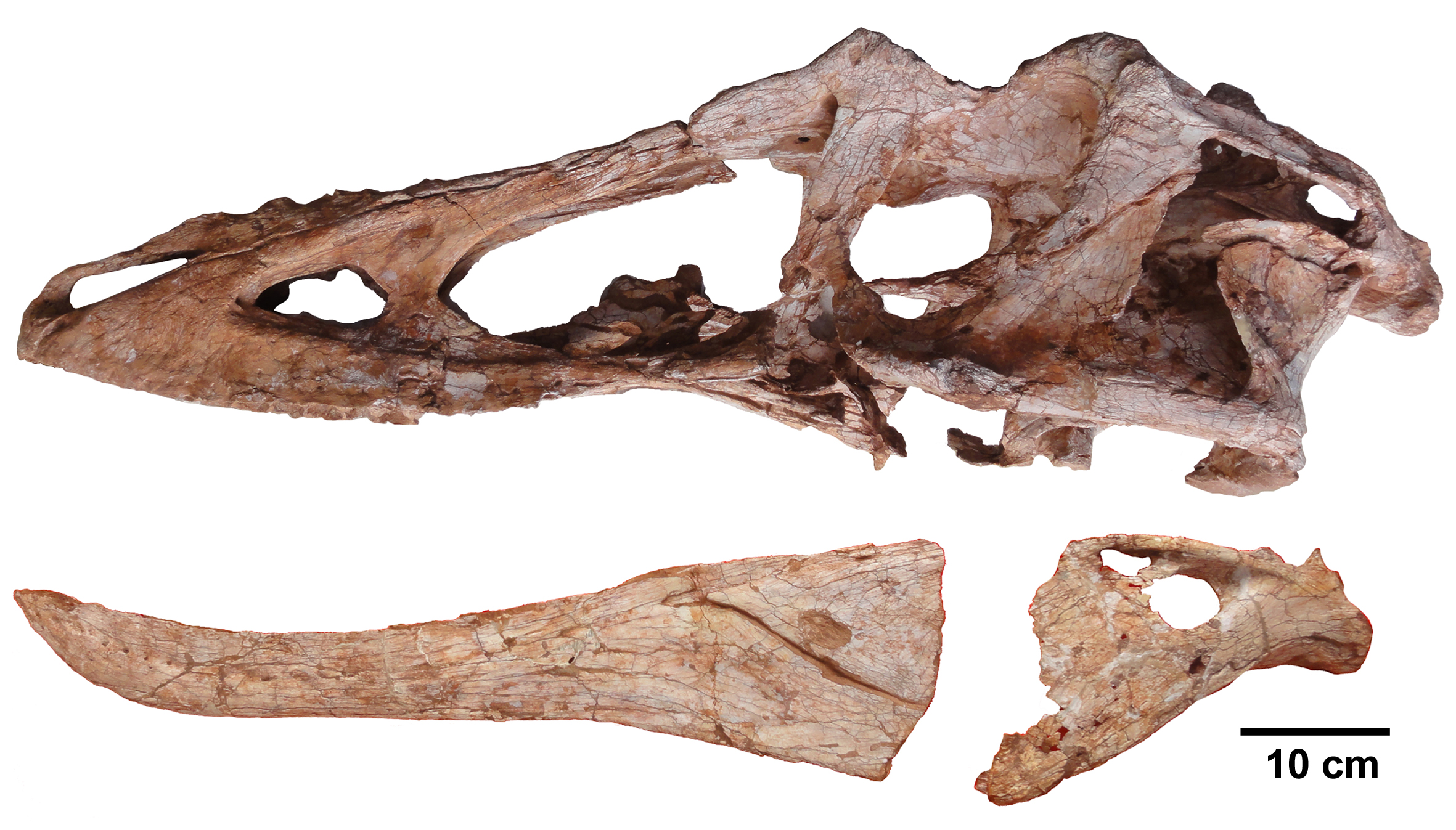
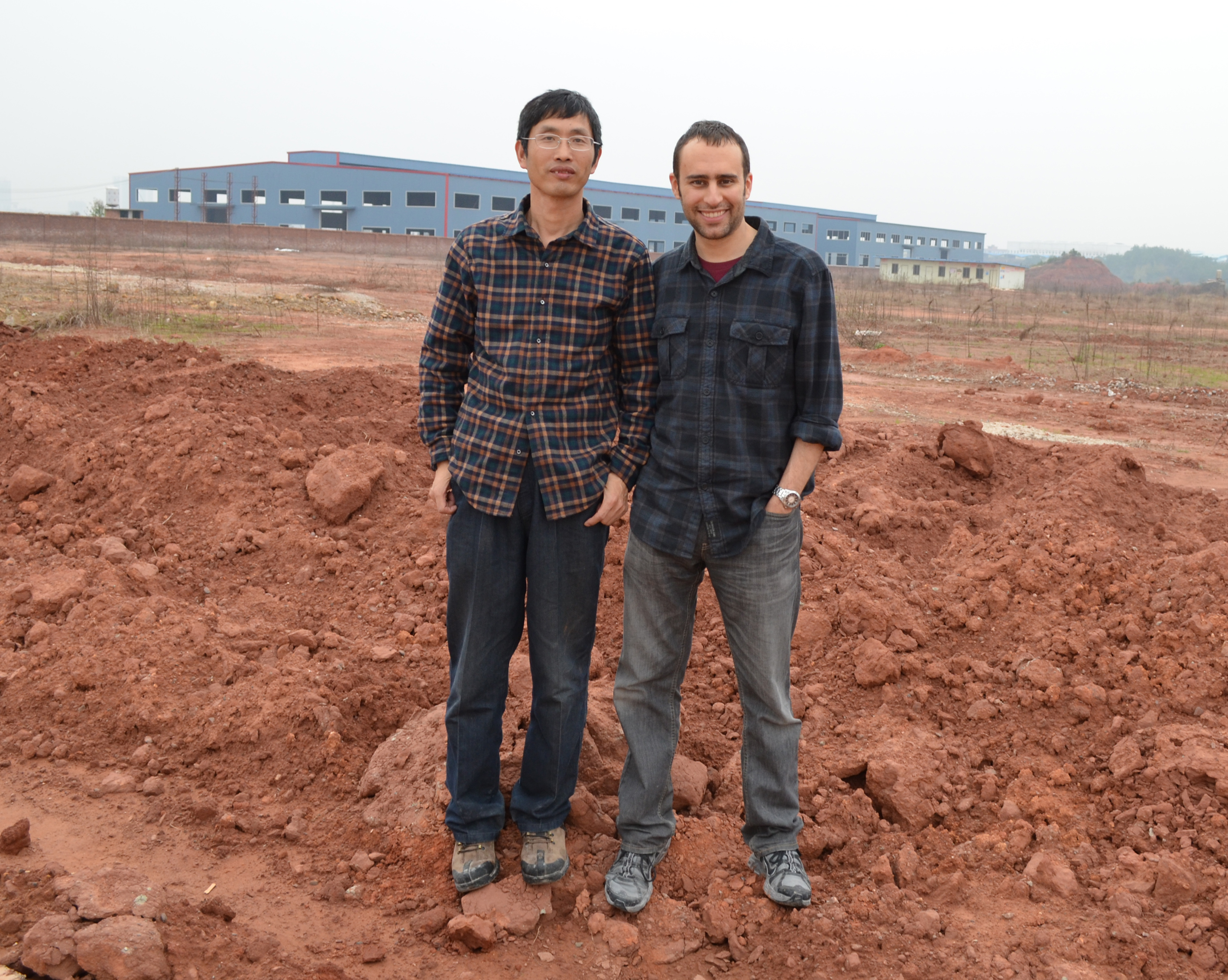
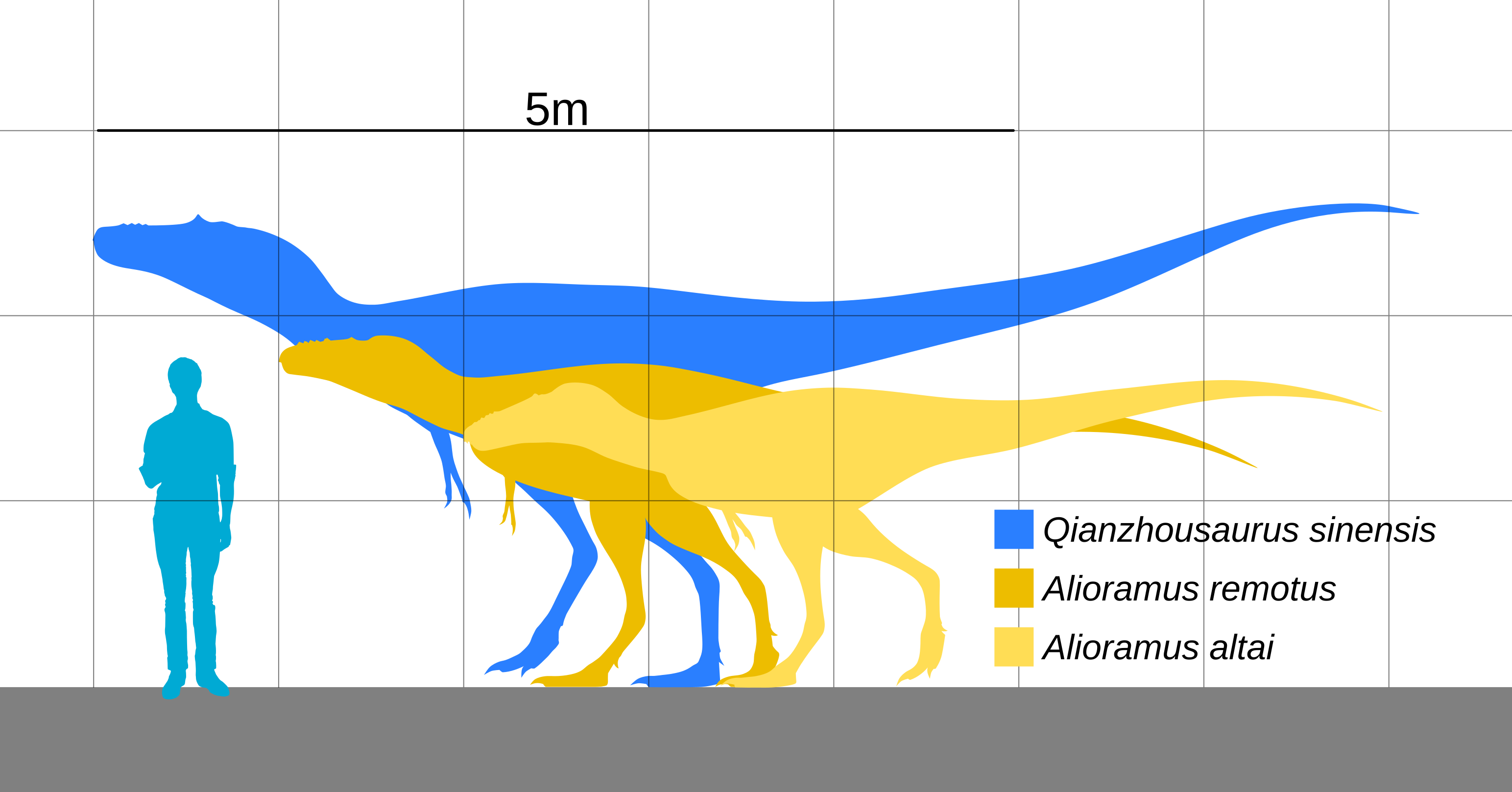
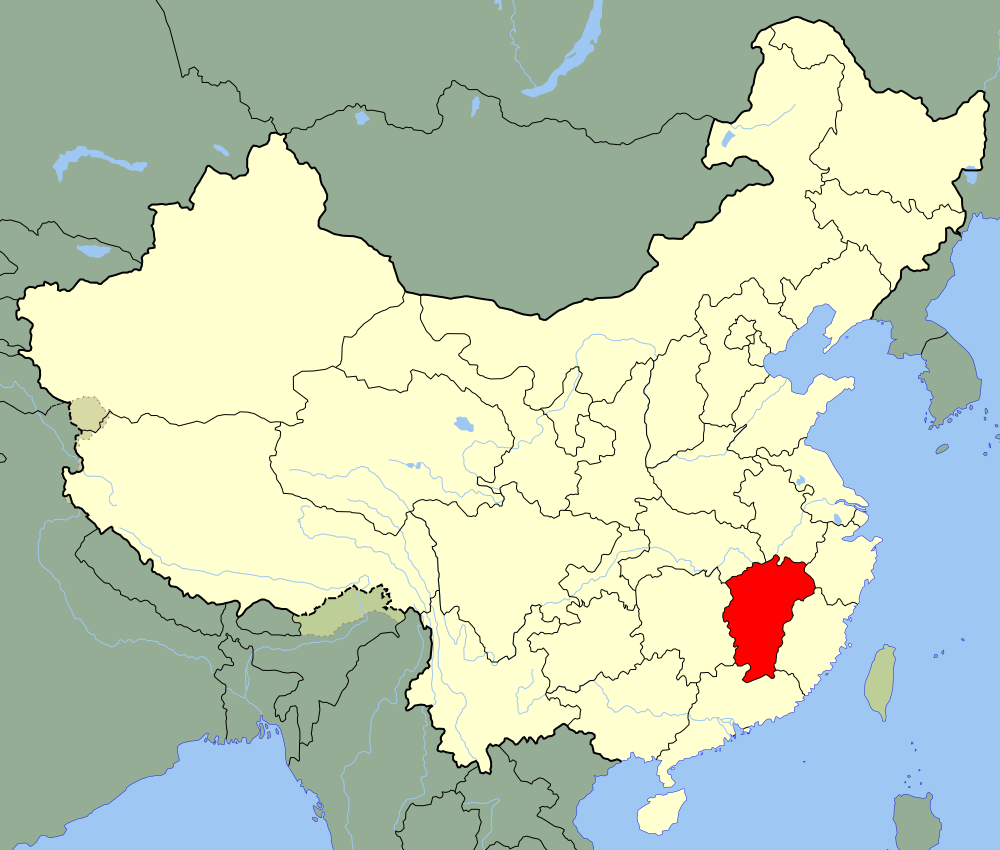
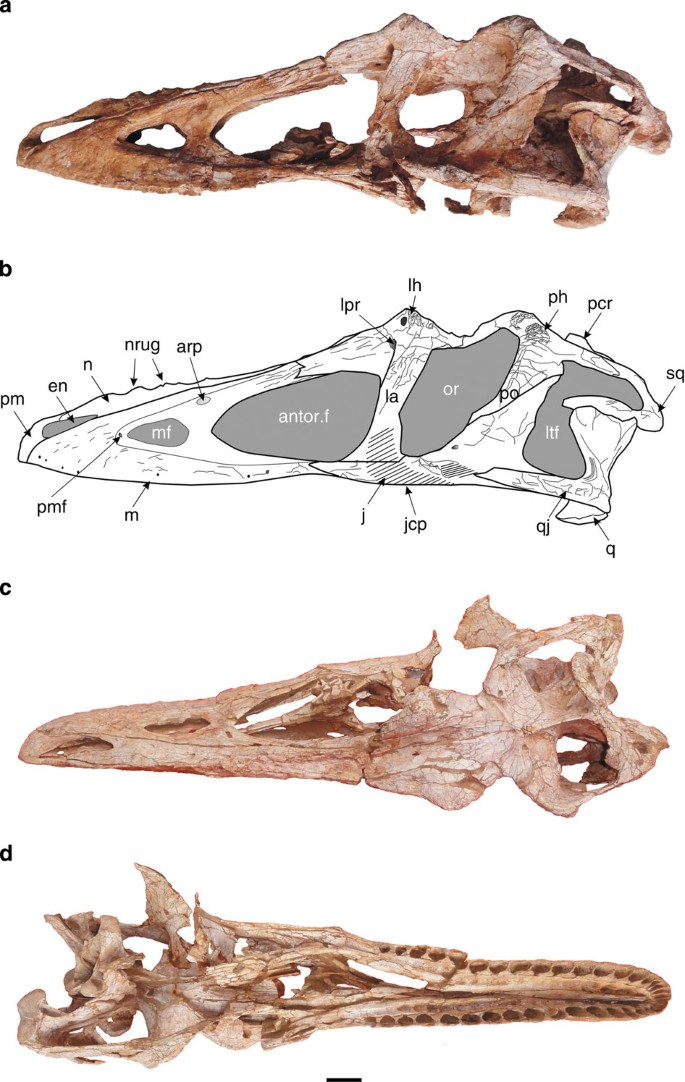
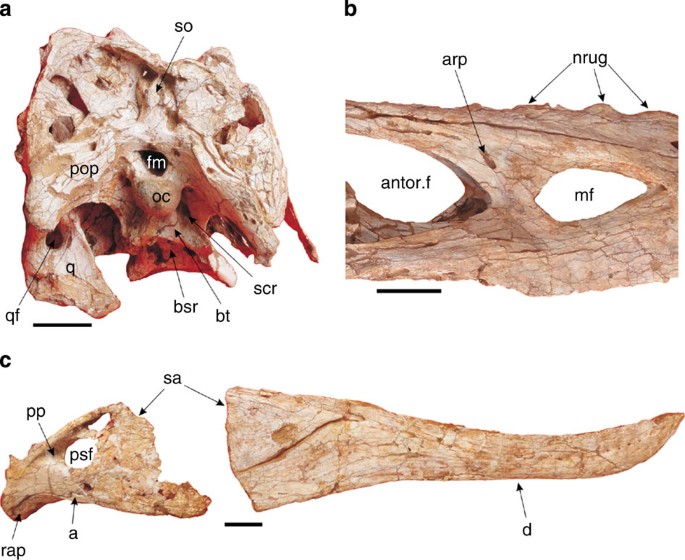
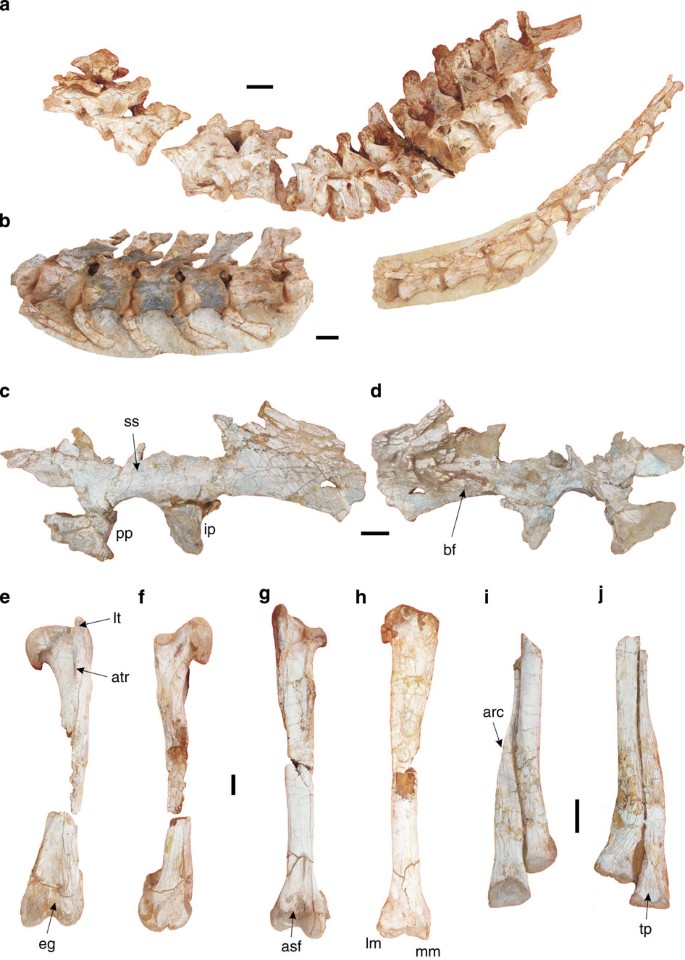
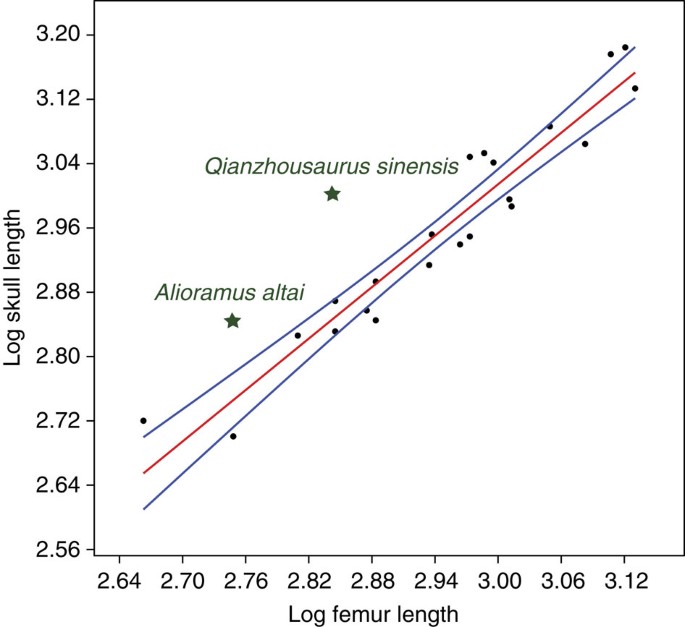
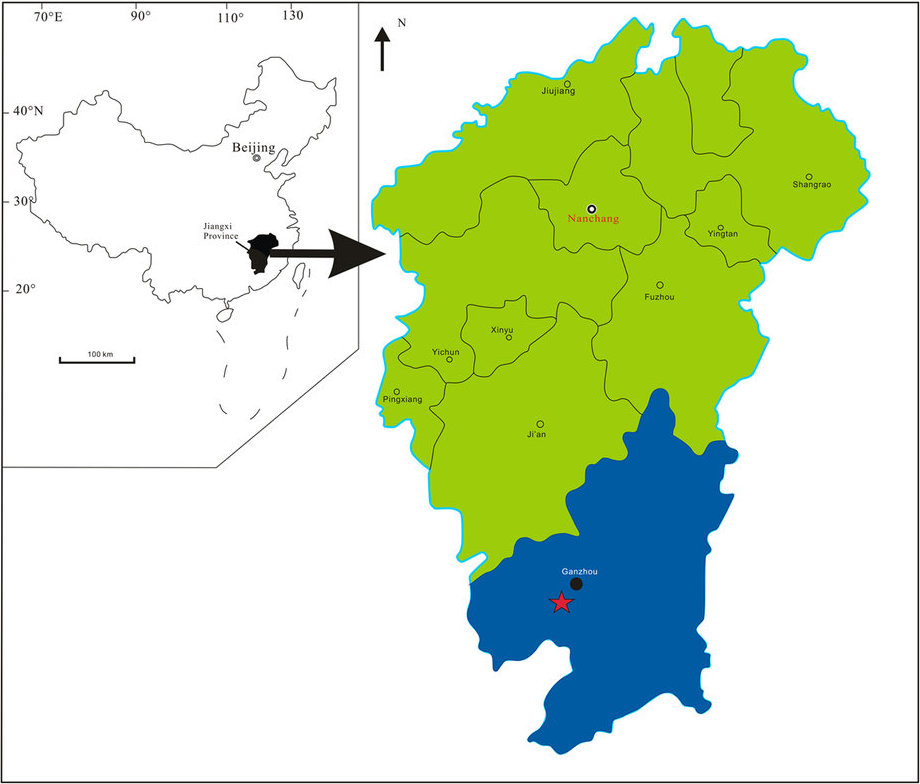
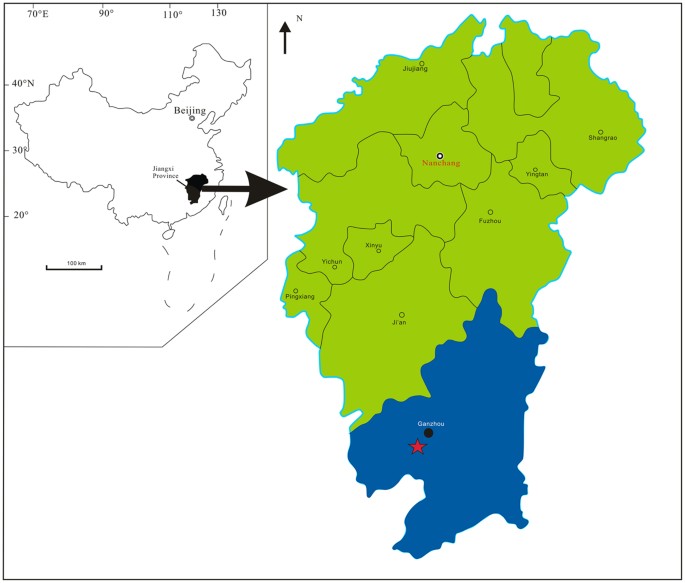
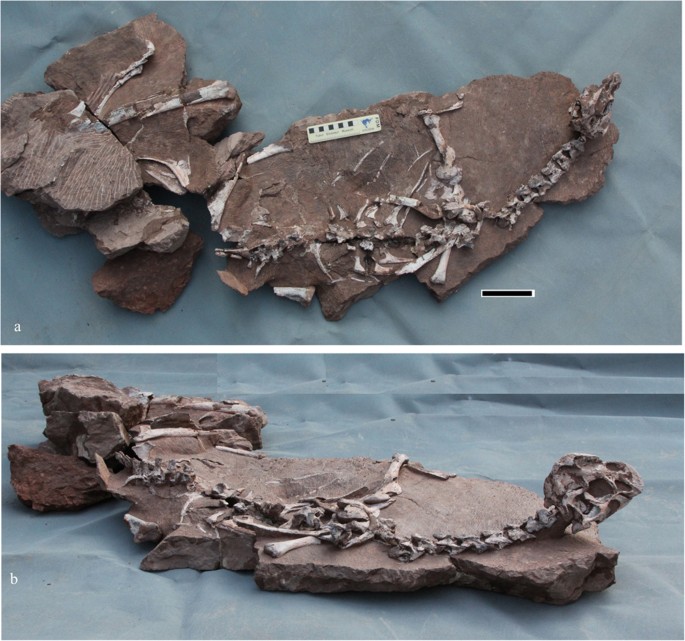
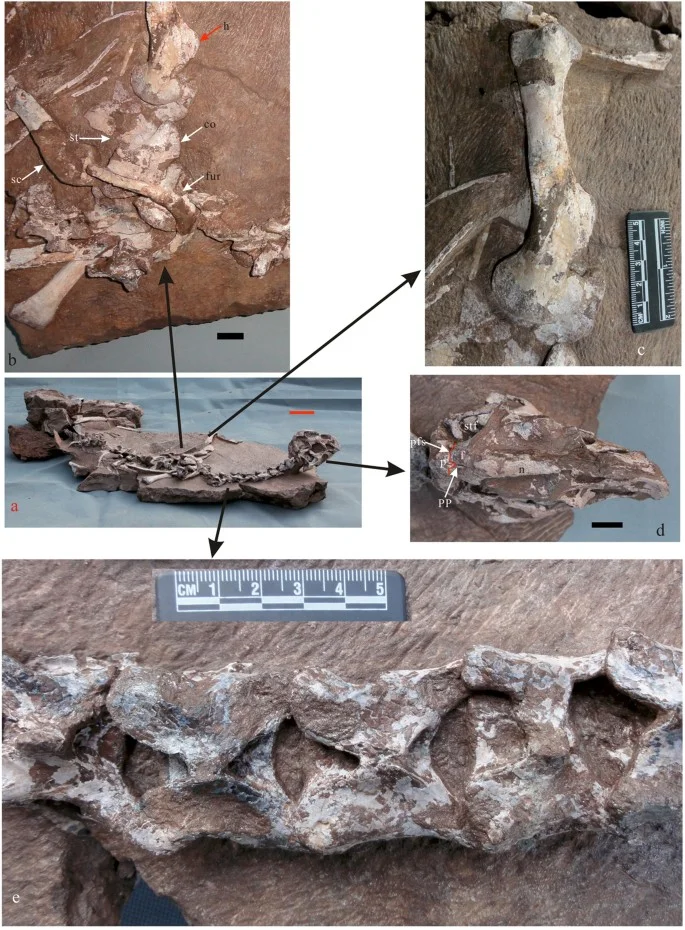
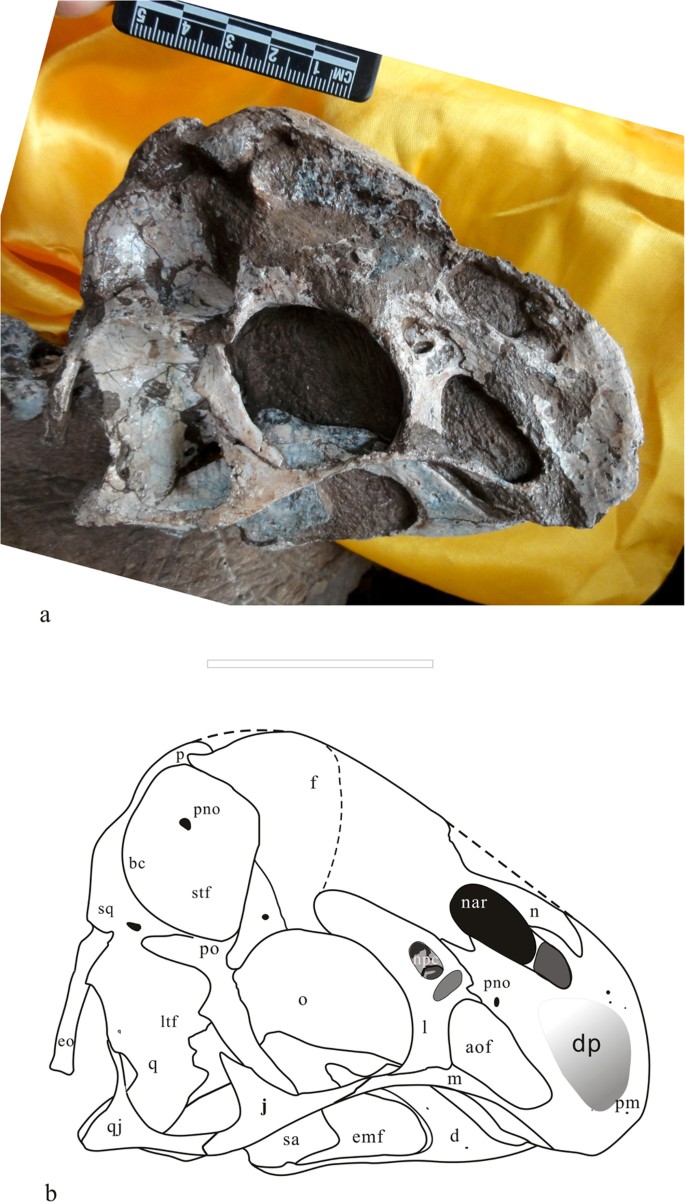
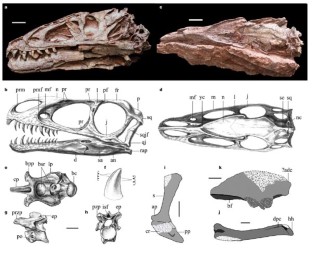
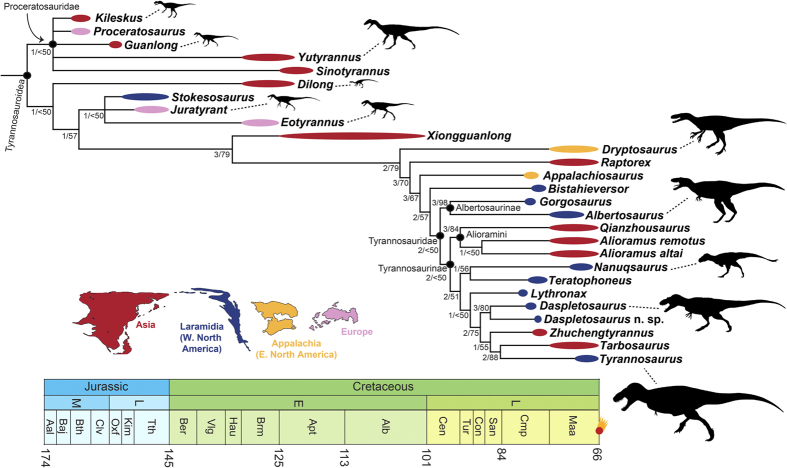
Qianzhousaurus sinensis is a long-snouted tyrannosaurid from the end of the Cretaceous, recovered in 2010 during excavation at a construction site near the city of Ganzhou, in Jiangxi Province, southern China. The species was formally described in 2014 by Lü Junchang, Yi Laiping, Stephen L. Brusatte, Yang Ling, Hu Hailu and Chen Liu, in a paper published in Nature Communications. The type material, catalogued as GM F10004 and housed at the Ganzhou Museum, includes a nearly complete skull and part of the postcranial skeleton, comprising cervical, sacral and caudal vertebrae, along with hindlimb elements. The holotype individual, still a subadult, reached about 6.3 metres in length and approximately 2 metres in hip height, with an estimated mass between 750 and 757 kilograms; estimates based on allometric comparison with Tarbosaurus bataar and Alioramus suggest that full adults could have reached 7.5 or even 9 metres, although this figure is inferred and not directly supported by fossils. The animal's most striking feature is its extremely elongated and shallow skull, with a narrow premaxilla, rows of long banana-shaped teeth, paired nasal crests forming bumps on top of the snout and a pneumatic opening on the maxilla, features that clearly distinguish it from short-snouted tyrannosaurines such as Tyrannosaurus and Tarbosaurus. Lü et al. 2014 erected the tribe Alioramini to group Qianzhousaurus, Alioramus altai and Alioramus remotus, all gracile long-snouted tyrannosaurines from the Late Cretaceous of Asia. The phylogenetic analysis of Brusatte and Carr 2016, published in Scientific Reports, confirmed this grouping and placed Alioramini as the sister lineage to the massive tyrannosaurines represented by Tarbosaurus and Tyrannosaurus, showing that there was significant ecological diversity among Asian apex predators at the end of the Cretaceous. The set of dental features, with 18 or more teeth in the dentary and narrower teeth than those of the robust tyrannosaurines, suggests a differentiated diet, possibly focused on smaller, nimbler or softer-bodied prey, in contrast to the bone-crushing strategy documented in Tarbosaurus. The animal lived at the same time and broadly in the same region as Tarbosaurus bataar in Mongolia, which supports the hypothesis of ecological niche partitioning between long-snouted and short-snouted tyrannosaurines. The Nanxiong Formation, where the holotype was recovered, also preserves dinosaur eggs, tracks and a rich fauna of oviraptorosaurs, titanosaurs and small theropods, suggesting warm humid fluvial plains in a continental setting of southern China. The nickname 'Pinocchio rex', coined by the international press, popularly summarises the anatomical difference between the slender snout of Qianzhousaurus and the massive snout of its North American cousins. The discovery also reinforced the view that Tyrannosauridae was an ecologically diverse clade, with lineages specialised in different predation strategies, and not only in bone-crushing bites. As of 2026, no referred specimens have been published in peer-reviewed literature, so all known anatomy of the taxon derives exclusively from the holotype, which makes new discoveries in southern China particularly relevant for testing estimates of maximum size and ontogenetic variation of Qianzhousaurus sinensis.
Geological formation & environment
Nanxiong Formation, Upper Cretaceous (Maastrichtian, approximately 72 to 66 Ma), exposed mainly in the Nanxiong Basin, on the border between Guangdong and Jiangxi provinces, southern China, with extensions in Ganzhou. The unit consists of fluvial and floodplain deposits with reddish sandstones, siltstones and mudstones, a warm semi-humid continental environment. The formation is famous for its abundance of dinosaur eggs and embryos, tracks and skeletons, notably oviraptorosaurs such as Corythoraptor, Banji, Ganzhousaurus, Huanansaurus, Nankangia and Shixinggia, plus titanosaurs such as Gannansaurus and Jiangxisaurus, small theropods, ornithopods and non-dinosaurian vertebrates (crocodylians, turtles, mammals). The Nanxiong fauna is considered comparable to that of the Nemegt Formation in Mongolia, reinforcing the interpretation of Alioramini as a lineage widely distributed across eastern Asia at the end of the Cretaceous.
Image gallery




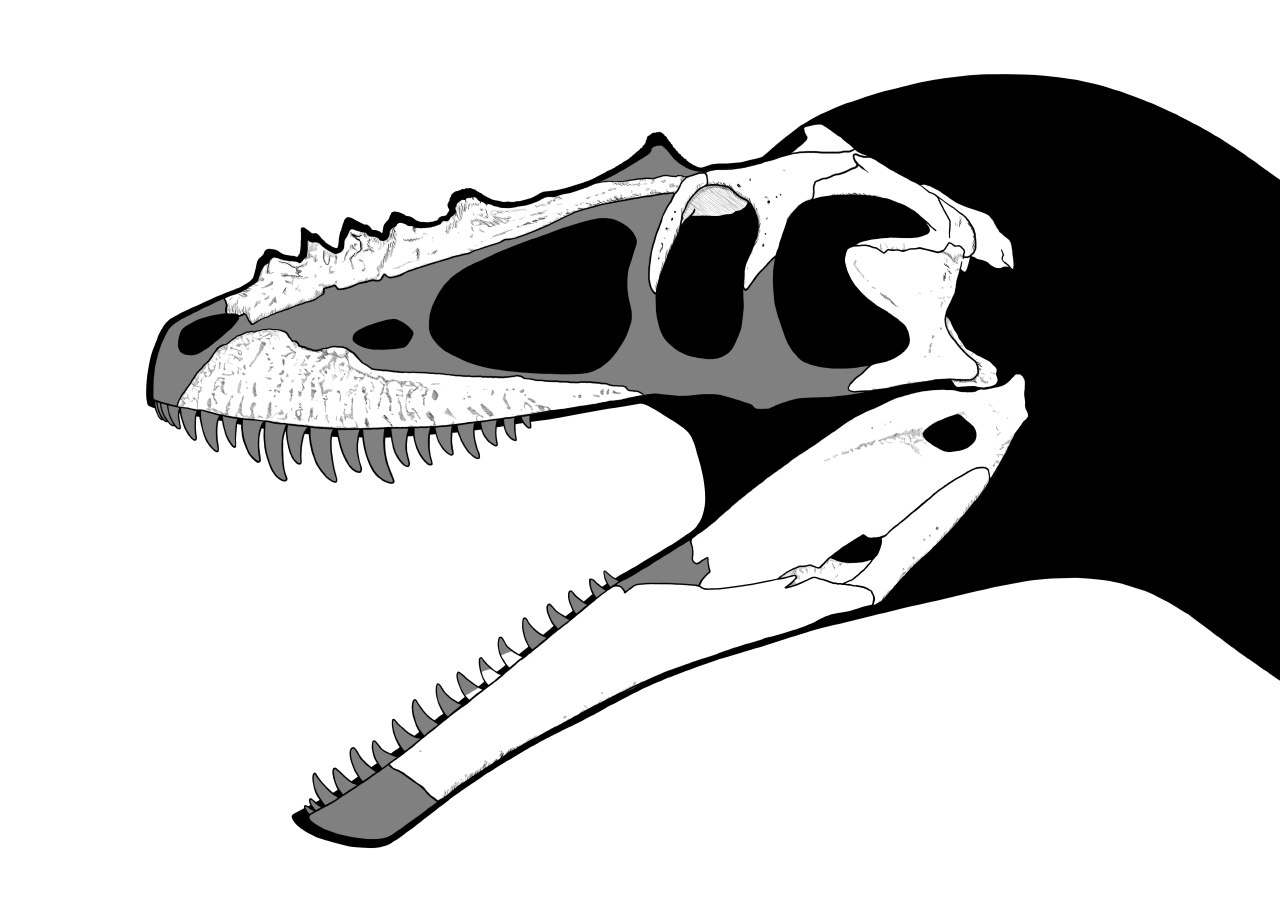


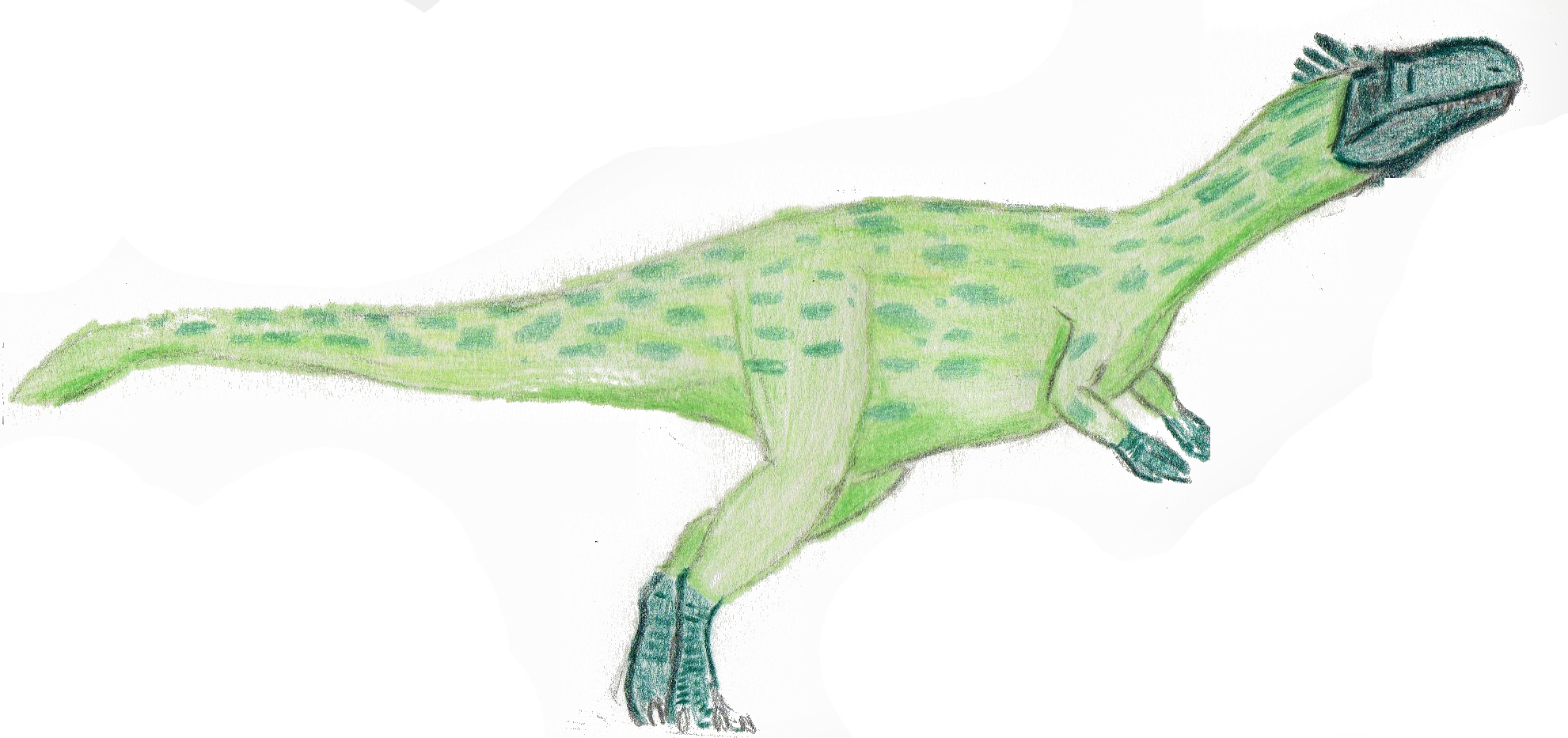

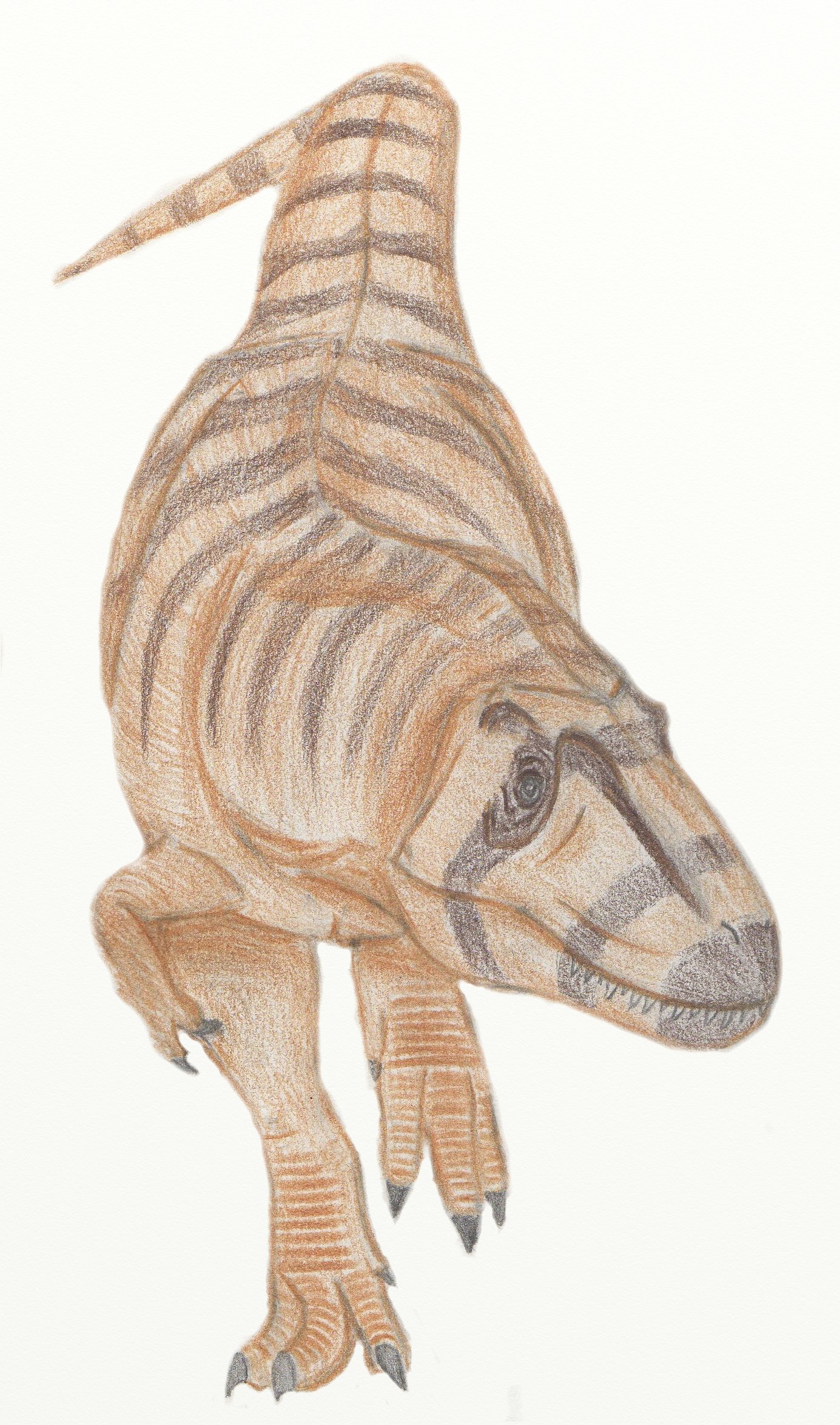
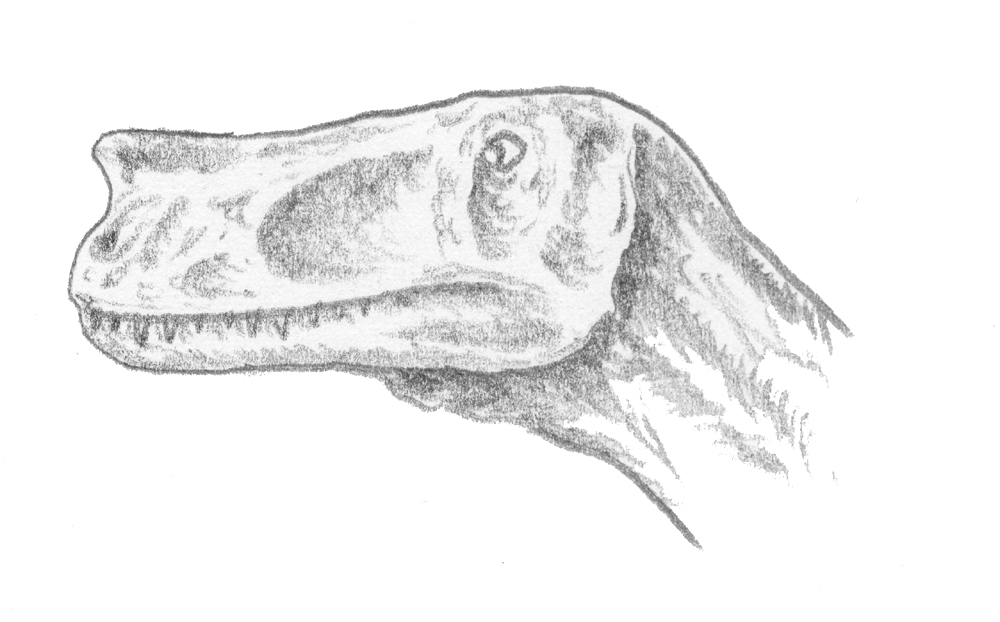
Life reconstruction of Qianzhousaurus sinensis by PaleoGeek, on white background, showing the long shallow snout and the paired nasal crests, diagnostic marks of Alioramini.
Wikimedia Commons (PaleoGeek)
Ecology and behavior
Habitat
Warm humid fluvial plains of southern China during the Maastrichtian, drained by rivers crossing mixed forests with conifers, palms and angiosperms. The Nanxiong Formation, where the holotype was recovered, preserves continental fluvial deposits rich in dinosaur tracks and eggs, plus crocodylians, turtles and small ornithopods. The associated fauna includes large titanosaurs such as Gannansaurus and Jiangxisaurus, oviraptorosaurs such as Corythoraptor, Banji, Ganzhousaurus and Huanansaurus, small theropods and small-bodied ornithopods. The environment was recurrent across nearby localities in China and Mongolia, and is interpreted as comparable to contemporaneous ecosystems of the Nemegt Formation.
Feeding
Active mid-sized predator, with diet inferred from cranial and dental morphology. The long shallow snout, narrow premaxilla, long banana-shaped teeth and high tooth count, with 18 or more teeth in the dentary, are features that Lü et al. 2014 interpret as adaptations to capture agile prey, smaller or soft-bodied, possibly including oviraptorosaurs, small ornithopods and juveniles of larger dinosaurs. Qianzhousaurus likely lacked the bone-crushing bite documented in Tarbosaurus bataar, occupying a niche complementary to that of the massive tyrannosaurines that lived in the same region and age.
Behavior and senses
No tracks or sites are directly attributable to Qianzhousaurus, and the only known specimen is the subadult holotype. By analogy with other tyrannosaurines, it is plausible that it was a solitary predator or that it interacted in occasional small groups. The gracile build and relatively long hindlimbs suggest greater cursorial capacity compared to Tarbosaurus, a hypothesis compatible with a hunting strategy based on rapid pursuit of smaller prey. The elongated snout limits absolute bite force, reinforcing the role of a predator specialised in less resistant prey.
Physiology and growth
Qianzhousaurus combines derived Tyrannosauridae features with a surprisingly long and low skull that distinguishes it from the family's typical robust pattern. The narrow premaxilla, nasals with paired crests and high cranial pneumaticity point to a light bony architecture, possibly associated with agile hunting behaviour. The holotype is interpreted as a subadult, which suggests that adult individuals could have reached a larger size, although estimates above 7 metres are inferred allometrically and are not yet supported by additional fossils. No bone histology specific to the taxon has been published as of 2026.
Paleogeography
Continental configuration

Scotese & Vérard · CC BY 4.0 · Cretaceous, ~105 Ma
During the Maastrichtiano (~72–66 Ma), Qianzhousaurus sinensis inhabited Laramidia, the western half of present-day North America, separated from the east by the Western Interior Seaway, a shallow sea dividing the continent. The continents were in very different positions: India was drifting toward Asia, Antarctica was still connected to Australia, and South America was an isolated island.
Bone Inventory
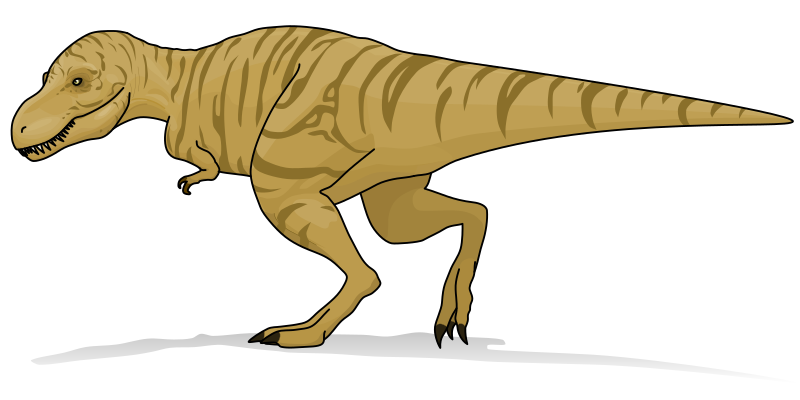
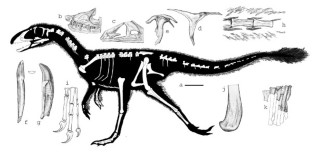
Holotype GM F10004 preserves a nearly complete skull, which is remarkable for a tyrannosaurid and makes Qianzhousaurus one of the best anatomical references for Alioramini, alongside Alioramus altai. The postcranium is partial, with cervical, sacral and caudal vertebrae plus some hindlimb elements, but the forelimbs and most of the trunk were not preserved. Overall completeness is estimated at about 45 per cent of the skeleton, concentrated in the cranial portion. As of 2026, no referred specimens have been published in peer-reviewed literature, so all anatomy of the taxon derives from the holotype described by Lü et al. 2014.
Found elements
Inferred elements
Scientific Literature
15 papers in chronological order — from the original description to recent research.
A new clade of Asian Late Cretaceous long-snouted tyrannosaurids
Lü, J., Yi, L., Brusatte, S.L., Yang, L., Hu, H. e Chen, L. · Nature Communications 5: 3788
Original description of Qianzhousaurus sinensis from holotype GM F10004, a nearly complete skull and partial postcranium recovered from the Nanxiong Formation, Jiangxi, China. The paper formally erects the tribe Alioramini, grouping Qianzhousaurus, Alioramus altai and Alioramus remotus as gracile long-snouted tyrannosaurines from the Late Cretaceous of Asia. The authors propose that the cranial differences reflect ecological niche partitioning between long-snouted and short-snouted tyrannosaurines.
The phylogeny and evolutionary history of tyrannosauroid dinosaurs
Brusatte, S.L. e Carr, T.D. · Scientific Reports 6: 20252
Comprehensive phylogenetic analysis of Tyrannosauroidea combining morphological data with parsimony and Bayesian techniques. The study confirms Alioramini (Qianzhousaurus plus Alioramus) as a valid clade, sister to the massive tyrannosaurines such as Tarbosaurus and Tyrannosaurus. It provides the reference phylogenetic framework for placing Qianzhousaurus within Tyrannosauridae and discusses the biogeography of Asian and North American lineages.
Dentary groove morphology does not distinguish 'Nanotyrannus' as a valid taxon of tyrannosauroid dinosaur
Brusatte, S.L., Carr, T.D., Williamson, T.E., Holtz, T.R., Hone, D.W.E. e Williams, S.A. · Scientific Reports 6: 35780
Study of dentary groove morphology in tyrannosauroids, using Qianzhousaurus, Alioramus and other Asian tyrannosauroids as comparative references to discuss the validity of 'Nanotyrannus'. Relevant because it includes figures of the Qianzhousaurus skull in a broad phylogenetic context.
A long-snouted, multihorned tyrannosaurid from the Late Cretaceous of Mongolia
Brusatte, S.L., Carr, T.D., Erickson, G.M., Bever, G.S. e Norell, M.A. · Proceedings of the National Academy of Sciences 106(41): 17261 a 17266
Description of Alioramus altai, the closest sister species of Qianzhousaurus within Alioramini. The paper details the long low skull, the multiple nasal horns and the gracile build of the animal, establishing the anatomical model that would be recognised as the hallmark of the clade when Qianzhousaurus was described in 2014.
A new Late Cretaceous carnosaur from Nogon-Tsav, Mongolia
Kurzanov, S.M. · Joint Soviet-Mongolian Paleontological Expedition Transactions 3: 93 a 104
Original description of Alioramus remotus, the first recognised member of the group later formalised as Alioramini by Lü et al. 2014. Kurzanov identified the elongated low snout, a feature now considered diagnostic of the clade that includes Qianzhousaurus sinensis.

The braincase anatomy of the Late Cretaceous dinosaur Alioramus (Theropoda: Tyrannosauroidea)
Bever, G.S., Brusatte, S.L., Carr, T.D., Xu, X., Balanoff, A.M. e Norell, M.A. · Bulletin of the American Museum of Natural History 376: 1 a 72
Monograph on the braincase anatomy of Alioramus altai based on computed tomography. It describes the endocranium, bony labyrinth and pneumaticity, providing a detailed pattern for interpreting homologous regions in Qianzhousaurus and other Alioramini.
The osteology of Alioramus, a gracile and long-snouted tyrannosaurid (Dinosauria: Theropoda) from the Late Cretaceous of Mongolia
Brusatte, S.L., Carr, T.D. e Norell, M.A. · Bulletin of the American Museum of Natural History 366: 1 a 197
Nearly 200-page monograph on the osteology of Alioramus altai, establishing the most detailed anatomical reference for the clade that hosts Qianzhousaurus. Discusses ontogenetic variation, phylogenetic characters and ecological hypotheses later applied to Qianzhousaurus in 2014.

The cranial osteology of Bistahieversor sealeyi (Dinosauria: Theropoda) from the Late Cretaceous of North America, and its relevance to understanding evolution of Tyrannosauroidea
Foster, W., Brusatte, S.L., Carr, T.D., Williamson, T.E., Yi, L. e Lü, J. · Journal of Vertebrate Paleontology 41(5): e2020140
Cranial redescription of Bistahieversor sealeyi in the context of North American tyrannosauroids. The updated phylogenetic matrix recovers Alioramini (including Qianzhousaurus) as a cohesive clade within Tyrannosaurinae and discusses biogeographic distribution between Asia and North America during the Late Cretaceous.
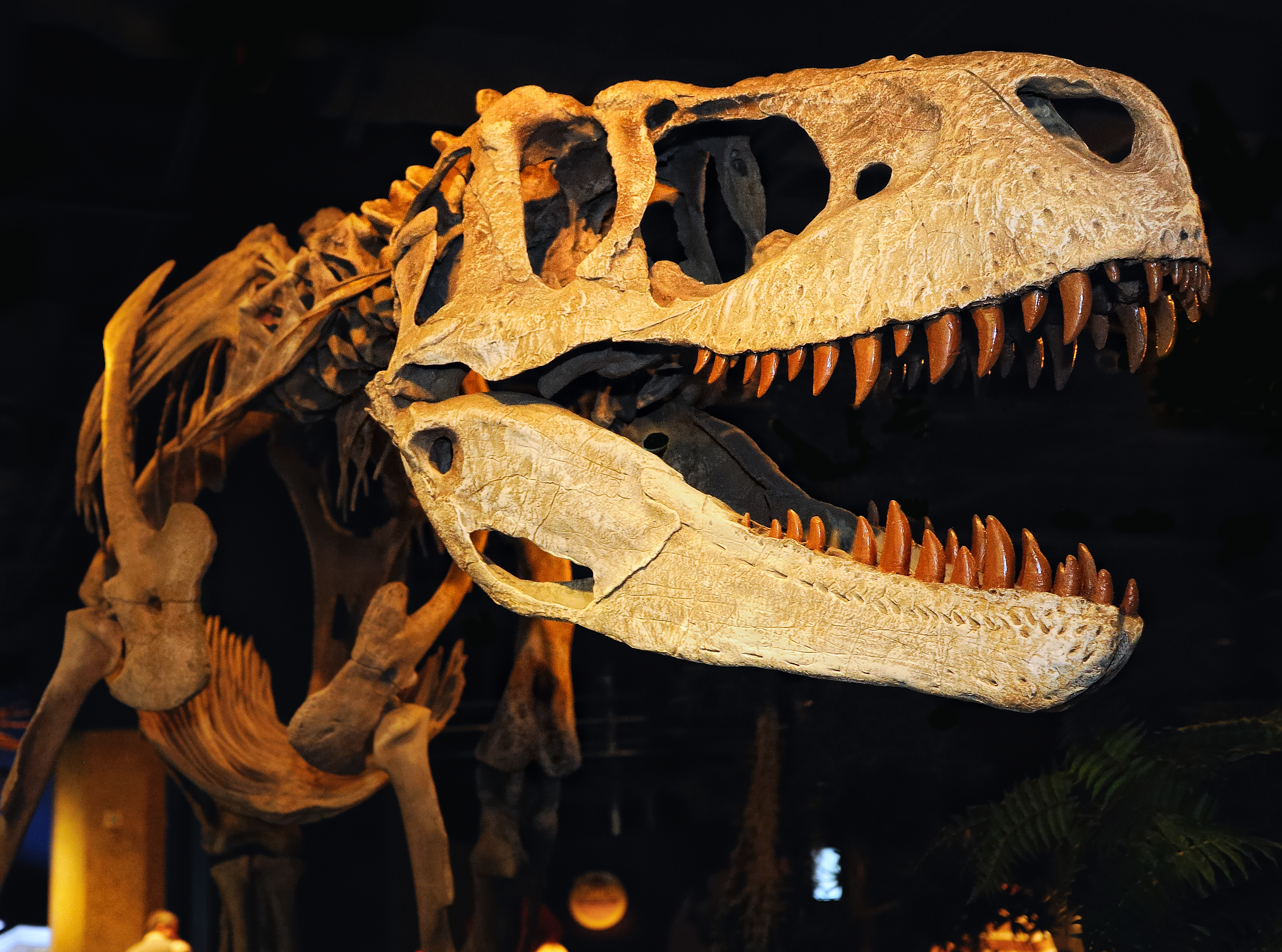
A high-resolution growth series of Tyrannosaurus rex obtained from multiple lines of evidence
Carr, T.D. · PeerJ 8: e9192
High-resolution growth series of Tyrannosaurus rex, a reference for assessing the ontogenetic stage of the Qianzhousaurus holotype, considered subadult by the original authors, and for interpreting the possible maximum size of the adult animal.
Diversity of late Maastrichtian Tyrannosauridae (Dinosauria: Theropoda) from western North America
Carr, T.D. e Williamson, T.E. · Zoological Journal of the Linnean Society 142: 479 a 523
Review of the diversity of late Maastrichtian Tyrannosauridae in North America. The ontogenetic and taxonomic framework proposed by the authors was used by Lü et al. 2014 to evaluate the maturity state of the Qianzhousaurus holotype and to place it within Tyrannosaurinae.
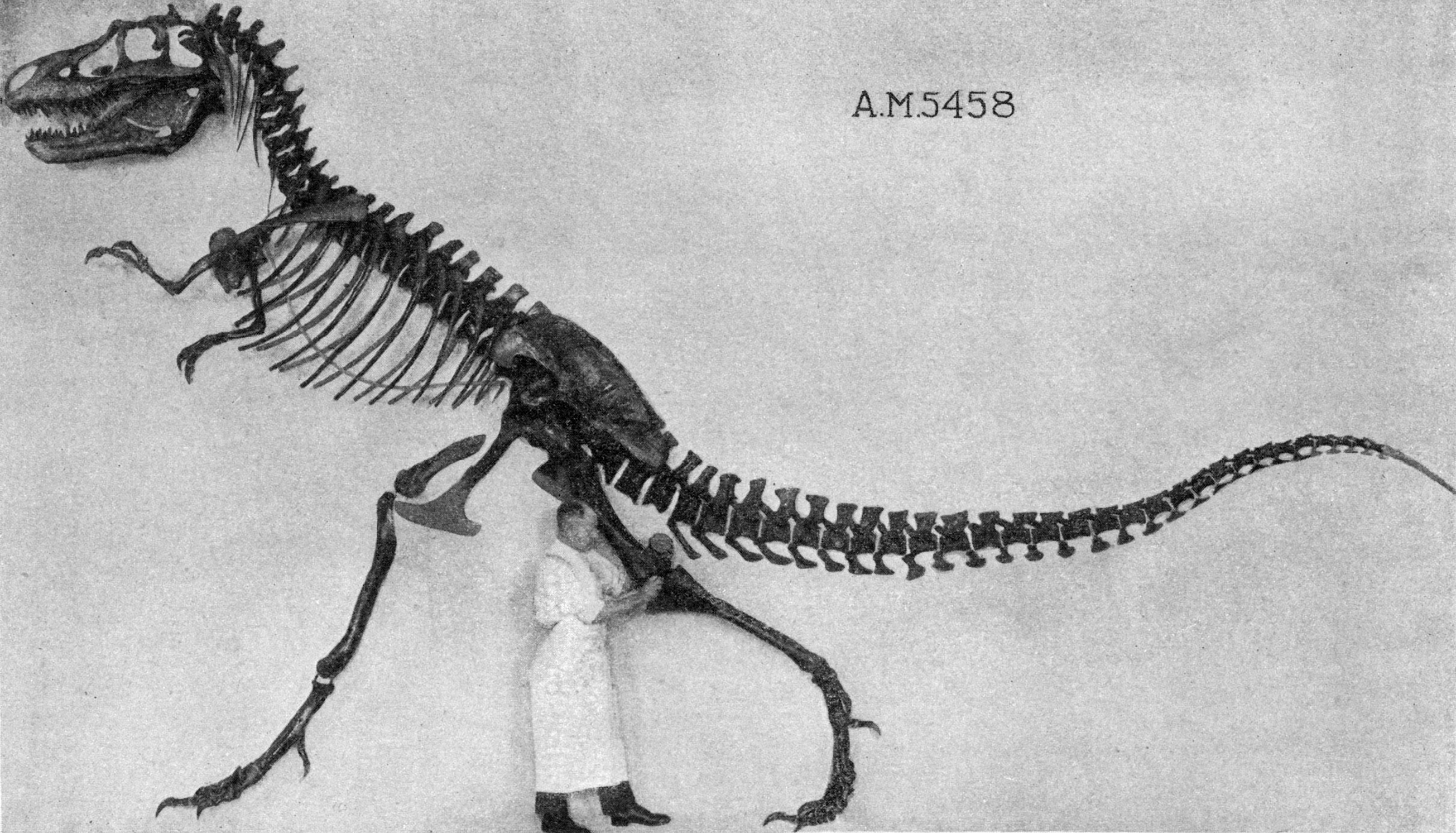
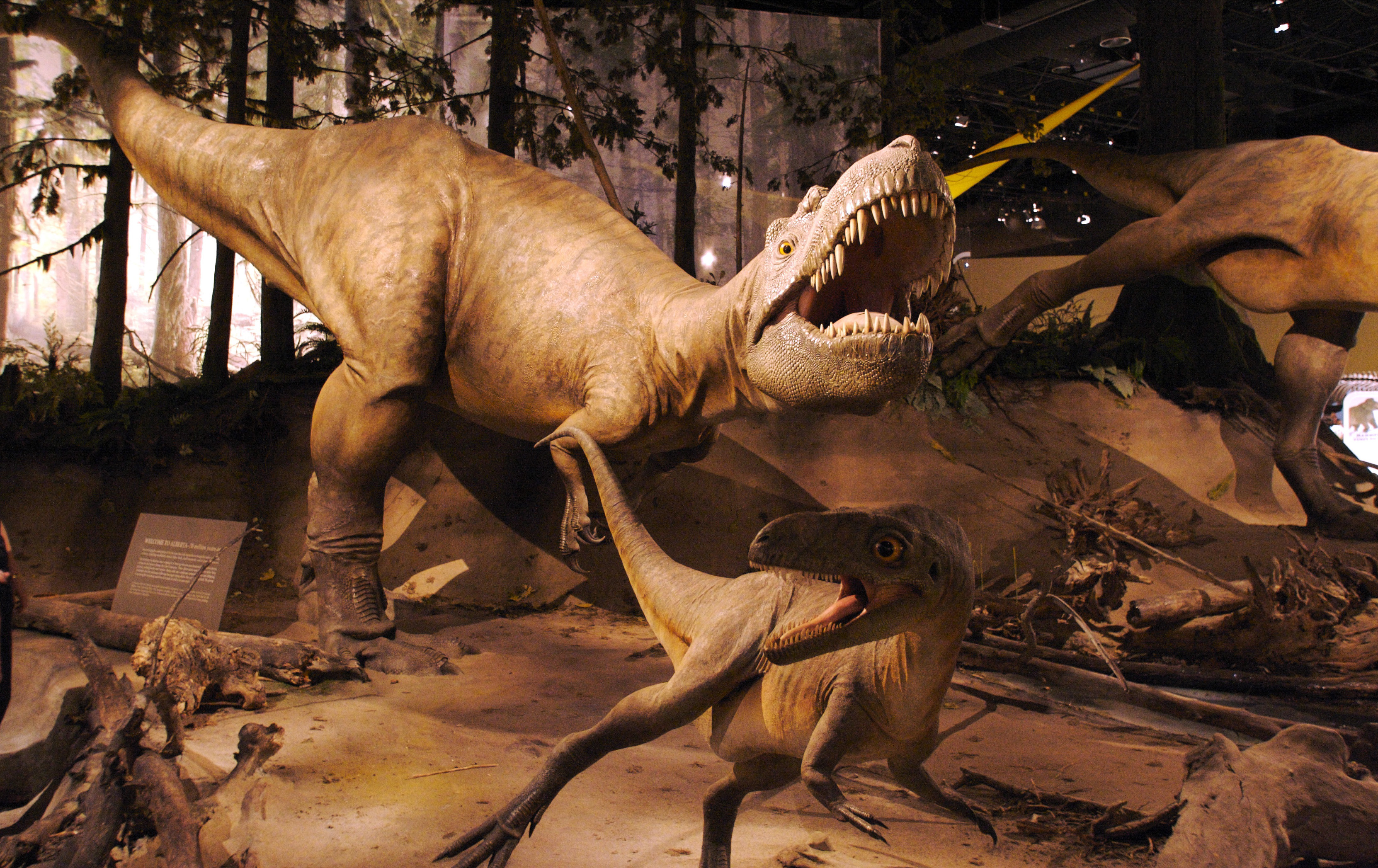
A new, large tyrannosaurine theropod from the Upper Cretaceous of China
Hone, D.W.E., Wang, K., Sullivan, C., Zhao, X., Chen, S., Li, D., Ji, S., Ji, Q. e Xu, X. · Cretaceous Research 32(4): 495 a 503
Description of Zhuchengtyrannus magnus, a massive tyrannosaurine from the Upper Cretaceous of Shandong Province, China. Direct context for the coexistence of long-snouted forms (Alioramini, including Qianzhousaurus) and short-snouted robust forms in the ecosystems of eastern Asia.

A gigantic feathered dinosaur from the Lower Cretaceous of China
Xu, X., Wang, K., Zhang, K., Ma, Q., Xing, L., Sullivan, C., Hu, D., Cheng, S. e Wang, S. · Nature 484: 92 a 95
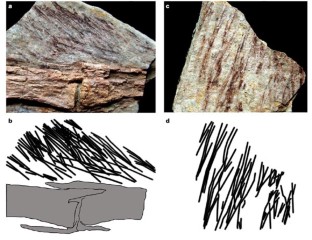
Description of Yutyrannus huali, a basal tyrannosauroid from the Lower Cretaceous of China with preserved filamentous plumage. Provides evolutionary context for understanding how the lineage leading to Qianzhousaurus arose from smaller and possibly feathered Asian tyrannosauroids.


Basal tyrannosauroids from China and evidence for protofeathers in tyrannosauroids
Xu, X., Norell, M.A., Kuang, X., Wang, X., Zhao, Q. e Jia, C. · Nature 431: 680 a 684
Description of Dilong paradoxus, a basal Chinese tyrannosauroid from the Lower Cretaceous with direct evidence of protofeathers. Essential reference for framing the evolution of Asian tyrannosauroids that would lead to derived forms such as Qianzhousaurus.

A basal tyrannosauroid dinosaur from the Late Jurassic of China
Xu, X., Clark, J.M., Forster, C.A., Norell, M.A., Erickson, G.M., Eberth, D.A., Jia, C. e Zhao, Q. · Nature 439: 715 a 718
Description of Guanlong wucaii, a basal tyrannosauroid from the Upper Jurassic of China. One of the earliest members of the clade, it extends the evolutionary history culminating in Qianzhousaurus at the end of the Cretaceous by more than one hundred million years.
Giant theropod dinosaurs from Asia and North America: skulls of Tarbosaurus bataar and Tyrannosaurus rex compared
Hurum, J.H. e Sabath, K. · Acta Palaeontologica Polonica 48(2): 161 a 190
Comparative study of the skulls of Tarbosaurus bataar and Tyrannosaurus rex. Provides the reference anatomical framework for massive end-Cretaceous tyrannosaurines, a direct contrast to the long low skull of Qianzhousaurus and of Alioramini in general.

Famous museum specimens
GM F10004
Ganzhou Museum, Jiangxi
Holotype of Qianzhousaurus sinensis, recovered in 2010 at a construction site near Ganzhou, Jiangxi Province, in sediments of the Nanxiong Formation. The material includes a nearly complete skull, with premaxilla, maxilla, nasals with paired crests, lacrimal, postorbital, squamosal, quadrate, jugal and dentaries, plus cervical, sacral and caudal vertebrae and hindlimb elements. As of 2026, this is the only known specimen of the taxon, so all described anatomy derives from GM F10004.
In cinema and popular culture
Because it was described in 2014, Qianzhousaurus sinensis does not appear in classic major dinosaur productions predating that date, such as Walking with Dinosaurs (1999) and Planet Dinosaur (2011). The only verifiable appearance of the taxon in a mainstream documentary is in the first season of Prehistoric Planet (Apple TV+ and BBC Studios Natural History Unit, 2022), in episode 5 'Forests', where it is portrayed hunting the oviraptorosaur Corythoraptor in autumn forests of the Late Cretaceous. There is no record of the animal in fiction franchises such as Jurassic Park or Jurassic World up to 2026, nor in popular animated productions. The Prehistoric Planet depiction, under scientific consultancy of Darren Naish, highlights the long snout and the agile hunting behaviour typical of the reconstruction proposed by the original describers.
Classification
Discovery
Fun fact
Qianzhousaurus sinensis earned from the public and the international press the nickname 'Pinocchio rex' because of its extremely long, low and narrow snout, very different from the short and robust snout of Tyrannosaurus rex. The contrast between the two Asian cousins is so striking that Lü and colleagues, in 2014, used the find to propose that there were two distinct ecological strategies among the great end-Cretaceous tyrannosaurines: short-snouted bone-crushers such as Tarbosaurus, and long-snouted hunters of agile prey such as Qianzhousaurus and Alioramus. What looks like a mere journalistic nickname in fact summarises one of the most important ecological discoveries about the group in the last two decades.
Last reviewed: April 24, 2026