
Mosasaurus
Mosasaurus hoffmannii
"Hoffmann's Meuse River lizard"
About this species
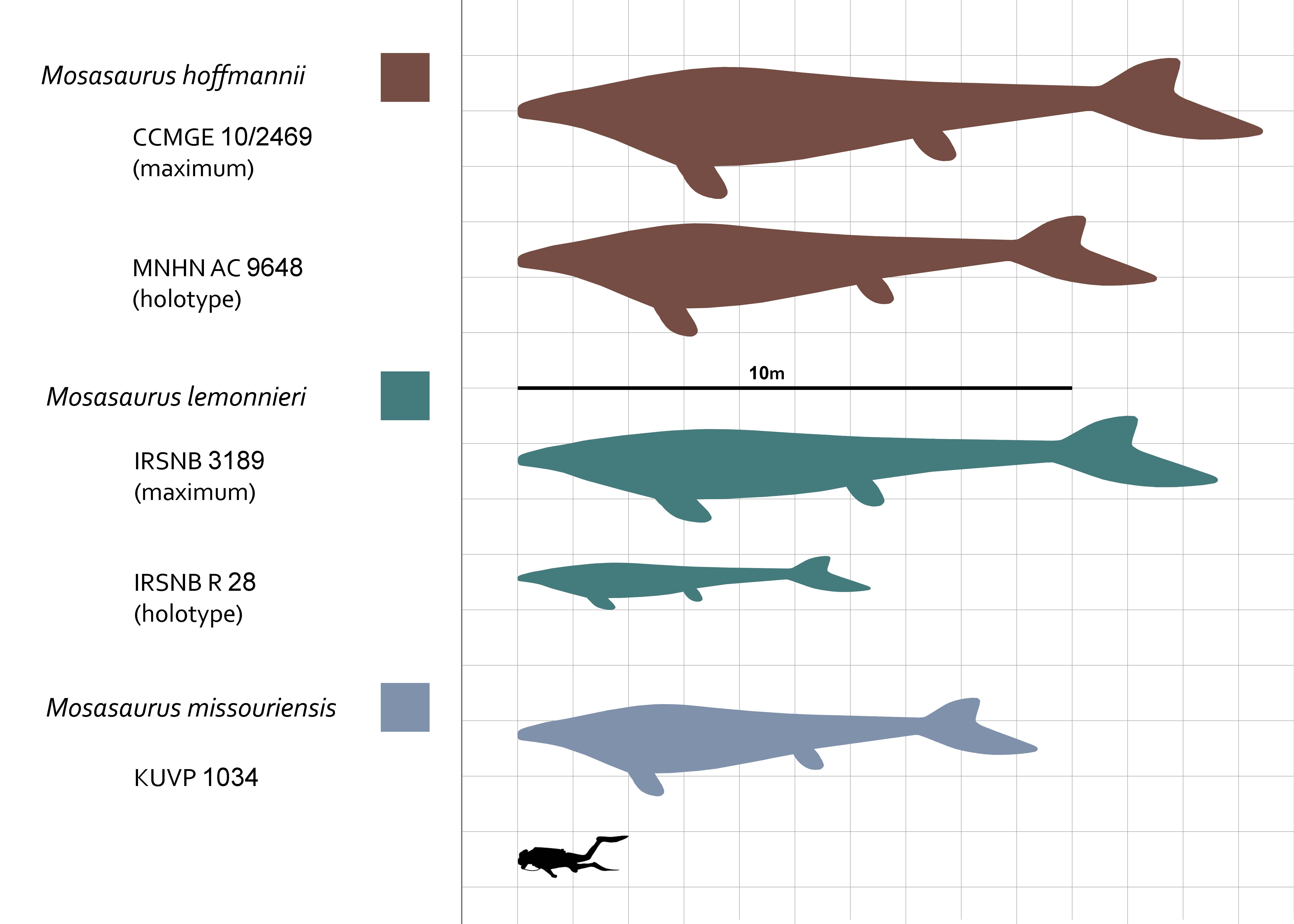
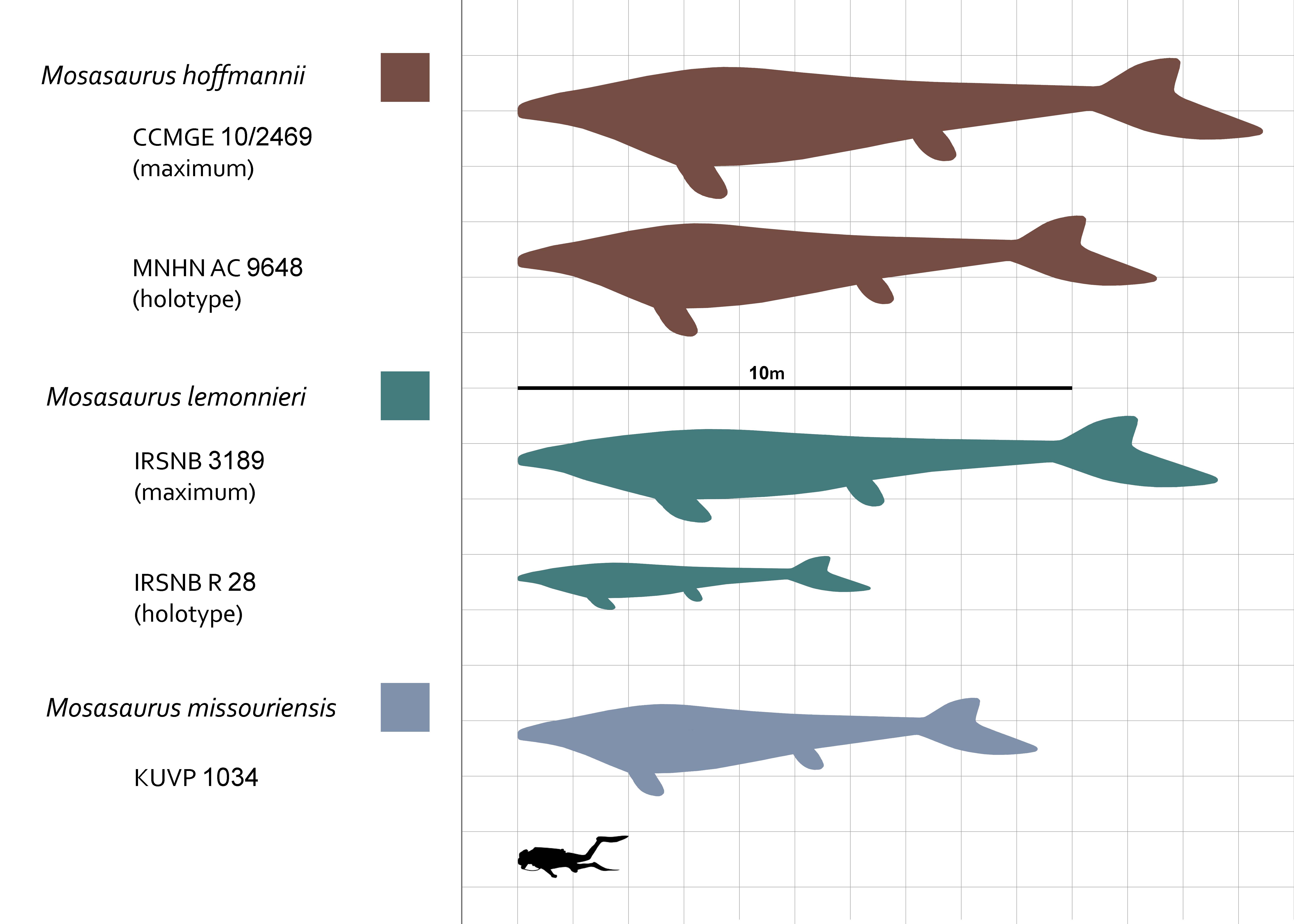
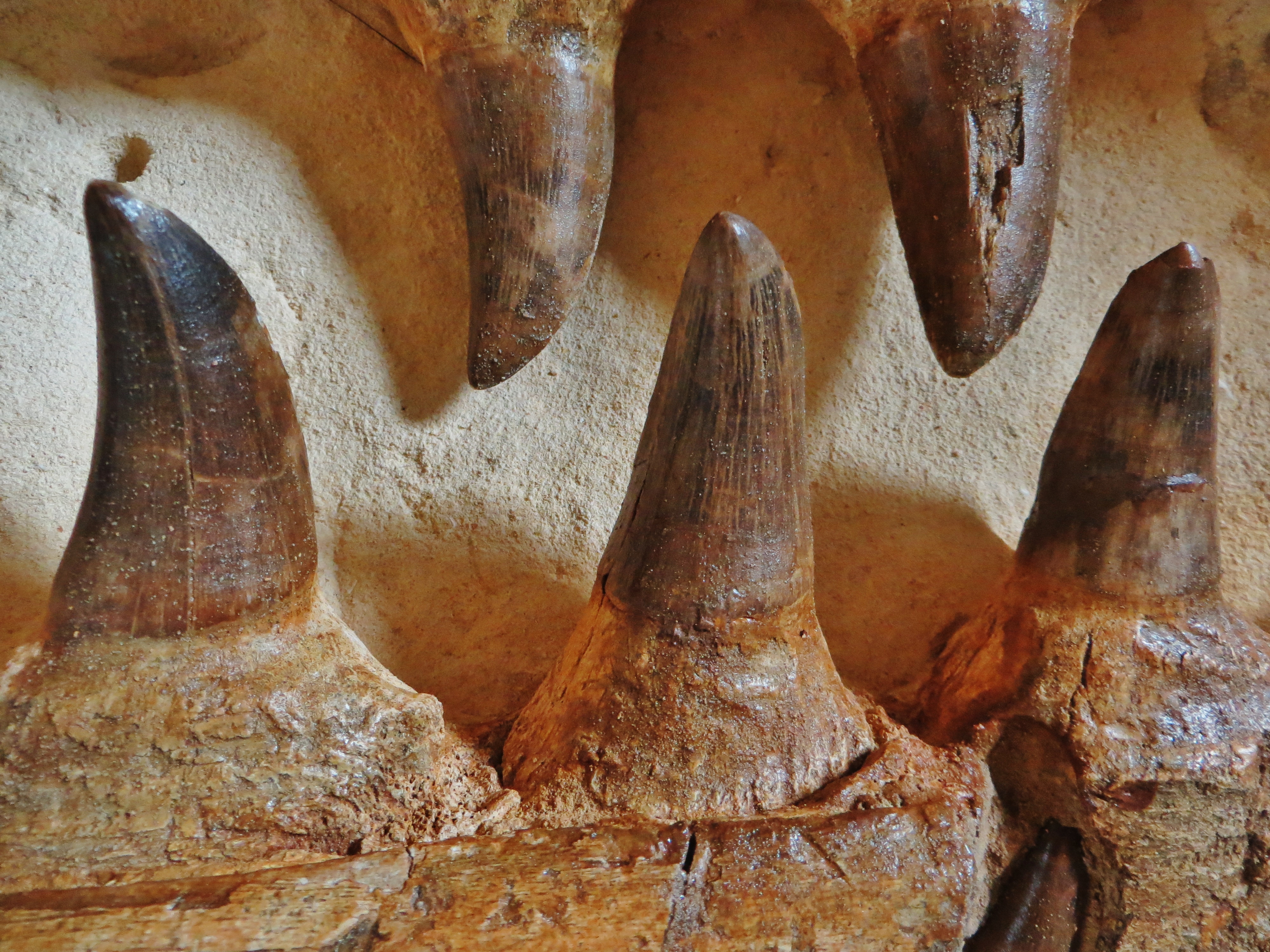
Mosasaurus hoffmannii was the largest known mosasaur and one of the greatest marine predators of all time. At up to 13 meters long (recent estimates revised from earlier 17-meter values) and an estimated weight of 10 tonnes, it dominated the oceans of the Late Cretaceous. It was not a dinosaur but a squamate reptile (Squamata), closely related to monitor lizards and snakes. It possessed a double-hinged jaw similar to snakes, allowing it to swallow large prey. Its robust, conical teeth were adapted for a generalist diet: fish, sharks, cephalopods, sea turtles, seabirds, and other mosasaurs. The first Mosasaurus fossil, found in Maastricht (Netherlands) in 1764, was one of the first giant marine reptiles described by science, even before Darwin. The holotype skull was confiscated by French soldiers during the Siege of Maastricht in 1794 and taken to Paris, where Georges Cuvier used it as evidence that species could go extinct, a revolutionary concept at the time.
Geological formation & environment
The Maastricht Formation is a sedimentary unit from the Upper Maastrichtian to lower Danian (~70 to 66 Ma), located in the southern Netherlands and Belgium. Named by Andre Dumont in 1849, with type locality at the ruins of Lichtenberg castle on Mount Saint Peter, Maastricht. Composed of soft, sandy shallow marine limestone (locally called 'mergel'), with flint concretions in lower sections. Thickness of 30 to 90 meters. It is the type formation for the Maastrichtian stage and the source of the first Mosasaurus fossils. Besides M. hoffmannii, it contains fossils of plesiosaurs, turtles, fish, and the bird Asteriornis.
Image gallery
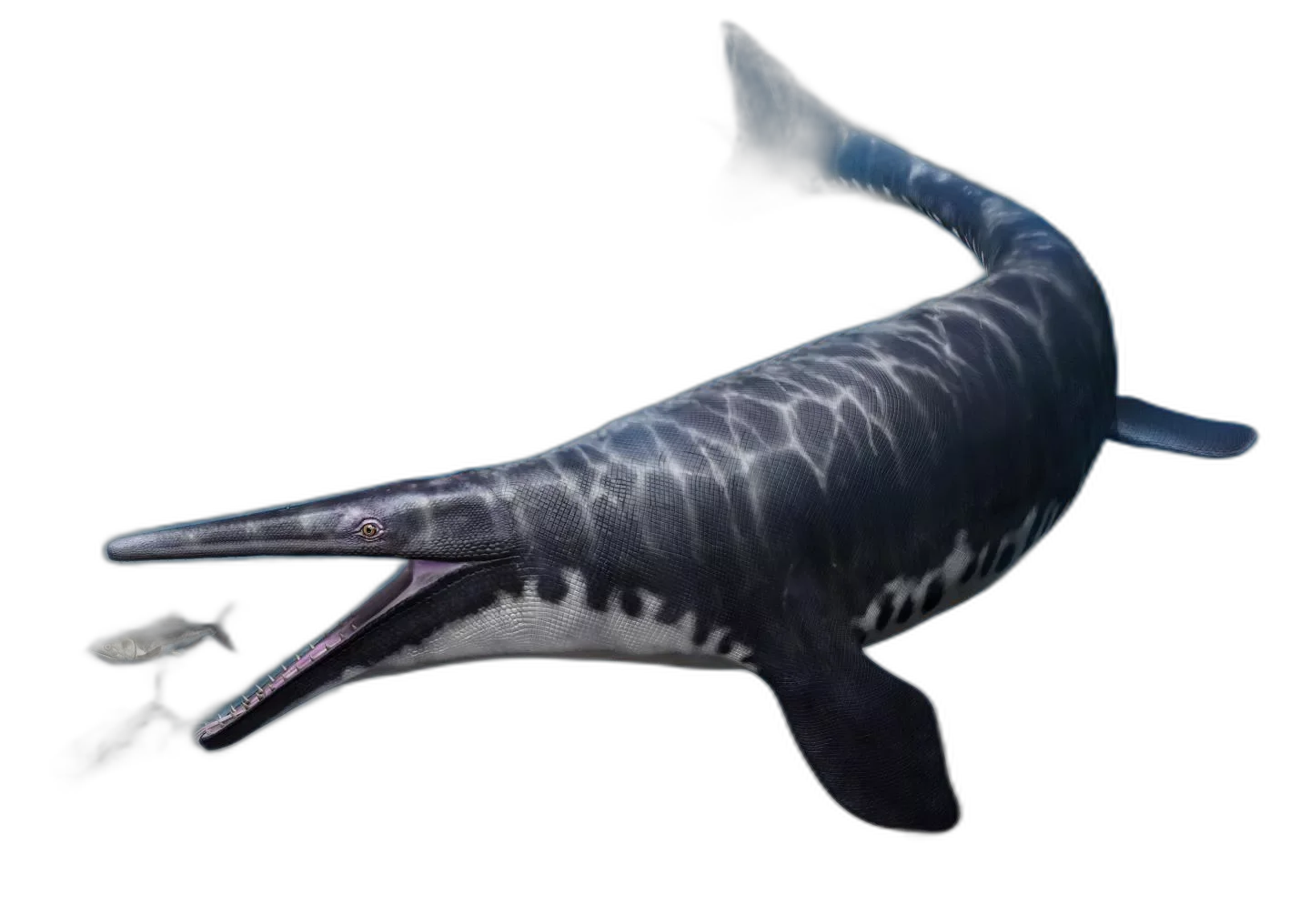
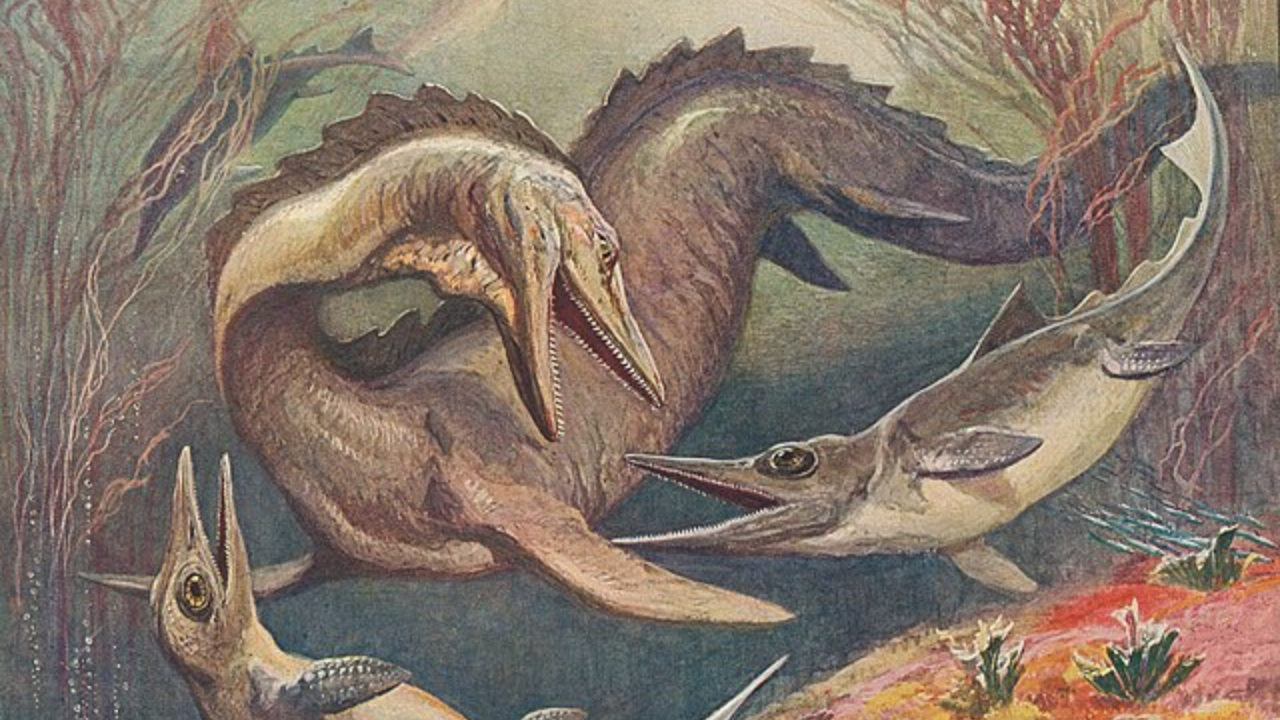
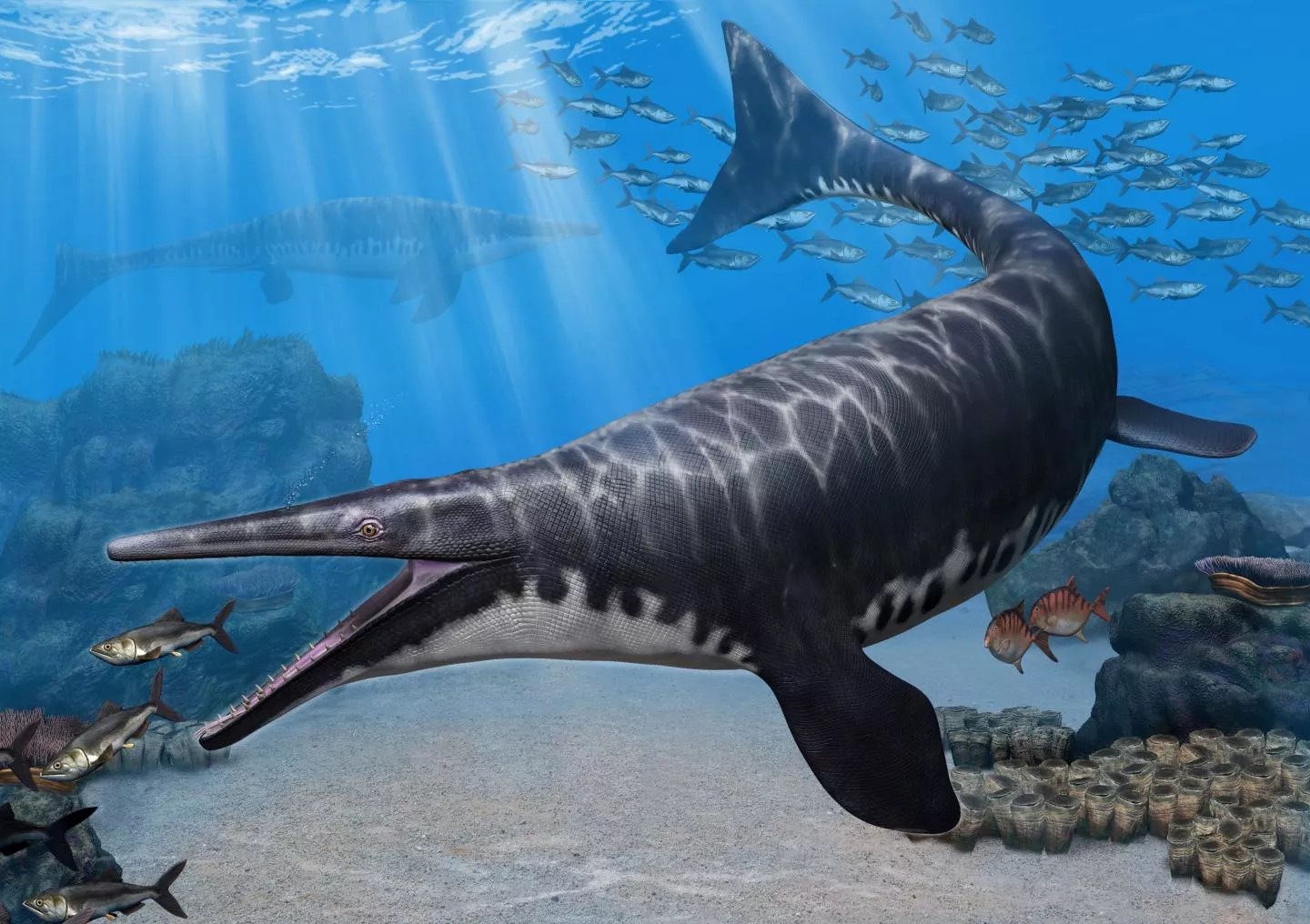
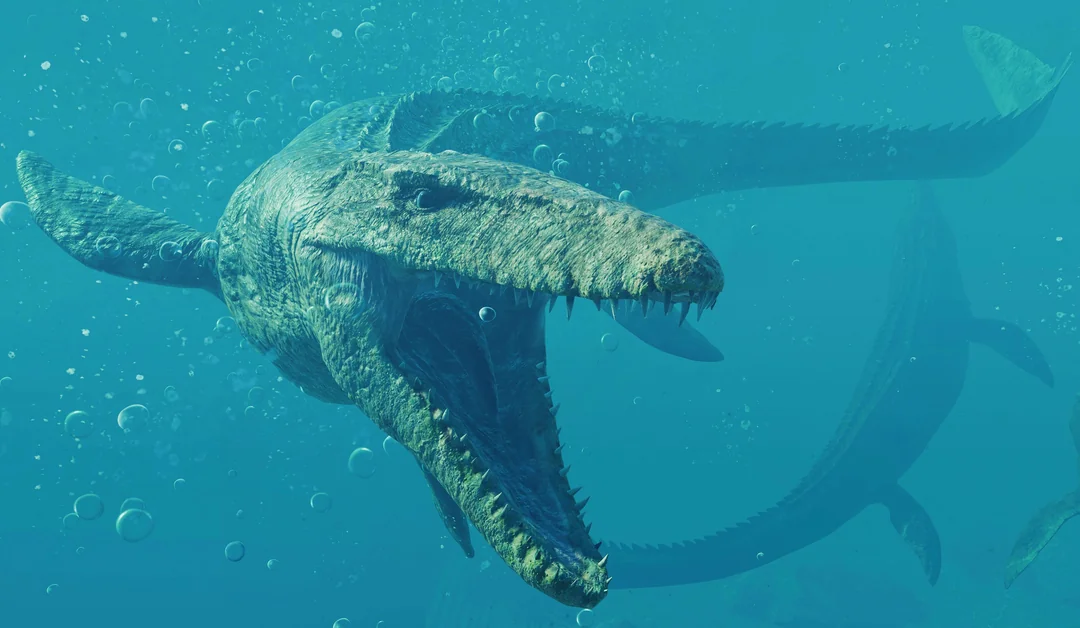
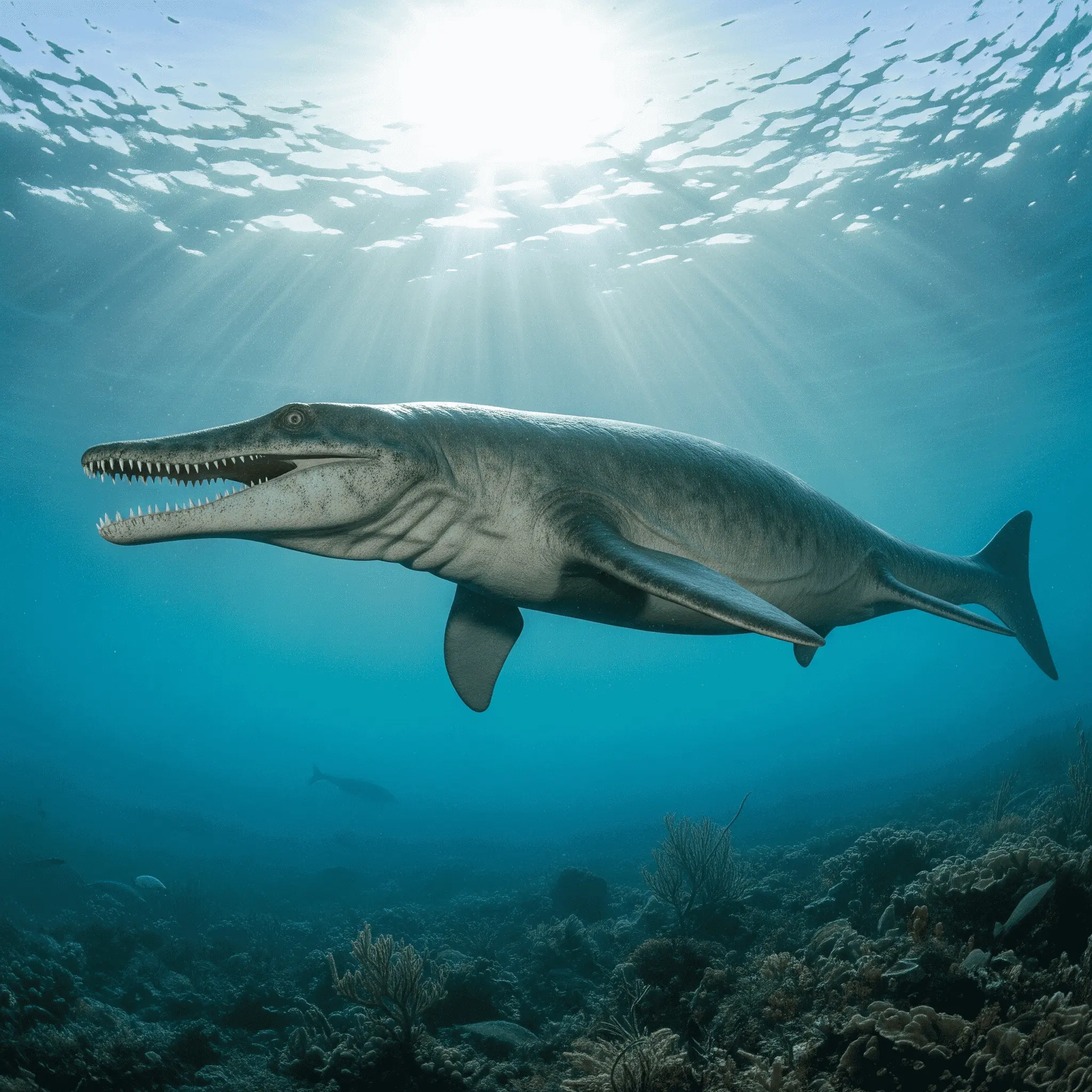
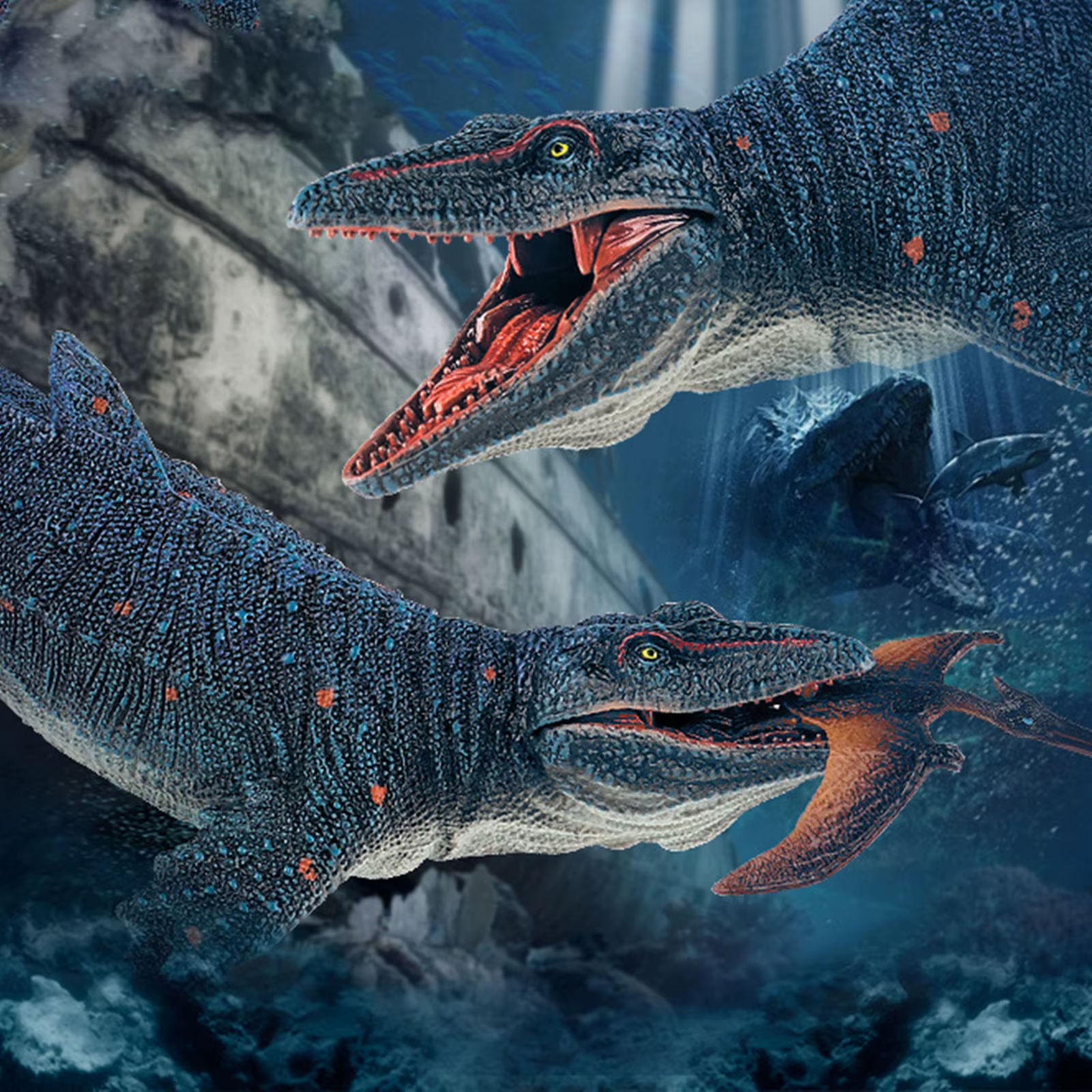


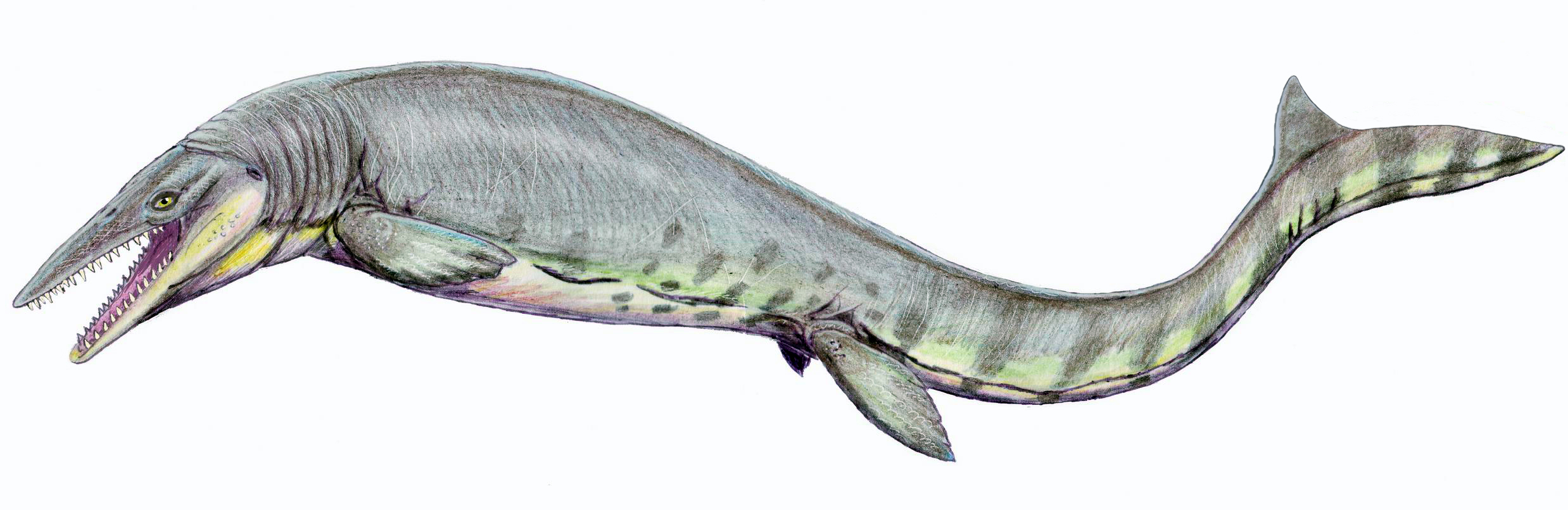
Mosasaurus hoffmannii reconstruction in its Late Cretaceous marine environment, with isolated background.
Paleoart
Ecology and behavior
Habitat
Mosasaurus hoffmannii inhabited nearshore to pelagic waters of Late Cretaceous oceans, typically between 40 and 50 meters depth. Its morphology indicates a pelagic surface lifestyle. Geographic distribution was global: fossils have been found in the Netherlands, Belgium, Russia, Morocco, United States (South Dakota), and possibly Brazil. During the Maastrichtian, the Atlantic was narrower, Europe was partially submerged with shallow epicontinental seas, and the Western Interior Seaway divided North America. Mosasaurus coexisted with other mosasaurs (Tylosaurus, Prognathodon), plesiosaurs, sea turtles, and sharks.
Feeding
Apex predator with a generalist diet. The rigid skull with three-pivot geometry enabled powerful biting. The double-hinged jaw, similar to snakes, allowed swallowing large prey. Robust, conical teeth with wear facets indicate varied feeding: bony fish, sharks, cephalopods (ammonites), sea turtles (bite marks documented on Allopleuron), seabirds, and other mosasaurs. Feeding strategy was inertial: the animal thrust its head and neck to manipulate prey before swallowing. Isotope analyses on teeth confirm apex predator position.
Behavior and senses
Ambush predator near the ocean surface. Evidence of intraspecific combat has been documented: snout-to-snout grappling, similar to crocodilians. Interspecific predation is also recorded, with Tylosaurus attacking Mosasaurus. Binocular vision with ~28.5 degree overlap provided excellent depth perception for locating prey. Smell was poorly developed, with reduced olfactory bulb and vomeronasal organ, suggesting primary dependence on vision. No evidence of social behavior or parental care; mosasaurs were viviparous (live birth in open water).
Physiology and growth
Oxygen isotope analyses (Harrell et al., 2016) demonstrate that mosasaurs maintained body temperatures closer to modern endothermic seabirds than to ectothermic fish or turtles. They were warm-blooded (endothermic), which would explain their ability to dominate oceans globally, including cold waters. Swimming was sub-carangiform, powered by a tail with downward bend and two-lobed fluke, similar to mackerels. Bone texture was similar to modern whales, indicating high aquatic adaptation and neutral buoyancy. Eyes had large scleral rings, suggesting vision adapted to low-light environments. Respiration was pulmonary: the trachea with bronchi branched below the lower jaw.
Paleogeography
Continental configuration

Scotese & Vérard · CC BY 4.0 · Cretaceous, ~105 Ma
Fossil sites

Ron Blakey / Mannion 2013 · CC BY 3.0
During the Campaniano-Maastrichtiano (~82–66 Ma), Mosasaurus hoffmannii inhabited Laramidia, the western half of present-day North America, separated from the east by the Western Interior Seaway, a shallow sea dividing the continent. The continents were in very different positions: India was drifting toward Asia, Antarctica was still connected to Australia, and South America was an isolated island.
Bone Inventory
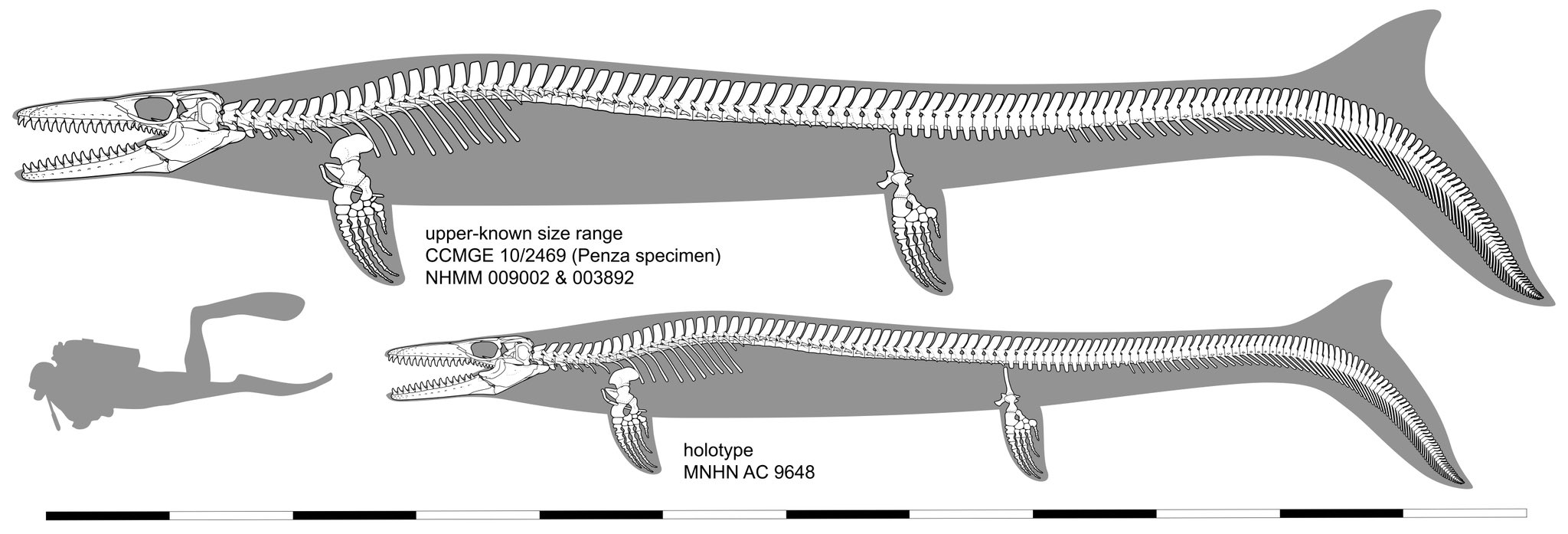
The holotype MNHN AC 9648, confiscated by the French in 1794, is only a partial skull. No single M. hoffmannii specimen preserves a complete skeleton. The ~35% completeness is based on the composite of all known specimens, including the Penza specimen (CCMGE 10/2469, the largest known jaw at 171 cm) and material from the Natuurhistorisch Museum Maastricht. Congener species like M. lemonnieri (~85% complete) and M. missouriensis (~75%) provide supplementary anatomical information.

Found elements
Inferred elements
Scientific Literature
15 papers in chronological order — from the original description to recent research.
Systematics and morphology of American mosasaurs (Reptilia, Sauria)
Russell, D.A. · Peabody Museum of Natural History, Yale University Bulletin
Russell's foundational monograph on American mosasaurs. Proposes lineage divergence from a Clidastes-like ancestor and systematically documents the morphology of all known genera in North America. The work was the primary systematic reference for mosasaurs for decades, establishing the classification and phylogenetic relationships that would be the foundation for all subsequent research. Russell also proposes ecological models for the adaptive radiation of mosasaurs in the Late Cretaceous.


Anatomy and functional morphology of the largest marine reptile known, Mosasaurus hoffmanni (Mosasauridae, Reptilia) from the Upper Cretaceous, Upper Maastrichtian of The Netherlands
Lingham-Soliar, T. · Philosophical Transactions of the Royal Society B
Comprehensive analysis of M. hoffmannii anatomy and functional morphology. Lingham-Soliar describes head musculature, bite mechanics, feeding strategy, and swimming adaptations. Estimated maximum length of 17.6 meters (a value now considered overestimated). The work details how the skull was rigid with three-pivot geometry, enabling powerful biting. Swimming was sub-carangiform, powered by a two-lobed tail, similar to mackerels. This remained the standard anatomical reference for the species for two decades.

A phylogenetic revision of North American and Adriatic Mosasauroidea
Bell, G.L. Jr. · In: Callaway, J.M. & Nicholls, E.L. (eds.), Ancient Marine Reptiles, Academic Press
First cladistic analysis of North American mosasaurs, incorporating species of Mosasaurus, Clidastes, Globidens, and Prognathodon. Bell proposed that Mosasaurus descended from a Clidastes-like ancestor and that M. conodon was the most basal species in the genus. The work recovered Mosasaurus as sister group to a clade containing Globidens and Prognathodon. Bell's (1997) character matrix became the foundation for virtually all subsequent mosasaur phylogenetic analyses for over two decades.

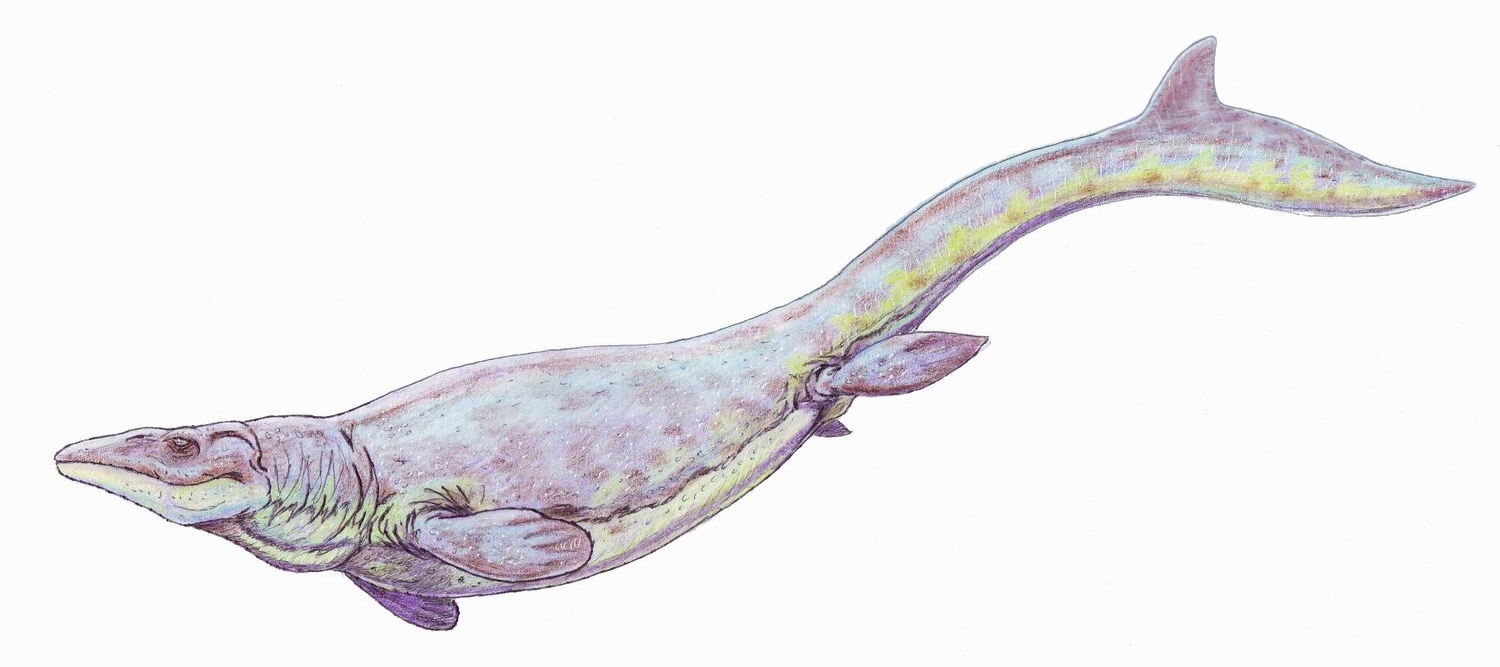
Transatlantic latest Cretaceous mosasaurs (Reptilia, Lacertilia) from the Maastrichtian type area and New Jersey
Mulder, E.W.A. · Geologie en Mijnbouw
Comparative study of mosasaur faunas from the Maastrichtian type locality (Netherlands) and the Late Cretaceous of New Jersey (USA). Mulder documents transatlantic faunal similarities, including the presence of Mosasaurus hoffmannii on both sides of the Atlantic. The work provides detailed biostratigraphic correlations and discusses the shallow marine paleoenvironment of the Maastricht Formation, with its diverse fauna of mosasaurs, plesiosaurs, sea turtles, and fish.

Palaeopathology and injury in the extinct mosasaurs (Lepidosauromorpha, Squamata) and implications for modern reptiles
Lingham-Soliar, T. · Lethaia
Lingham-Soliar describes healed fractures in mosasaur dentaries as evidence of intraspecific combat. Three fossilized dentaries reveal callus formation and bone remodeling after jaw injuries. The facial lesions are interpreted as resulting from aggression between individuals of the same species, possibly related to territorial disputes or mate competition. The study has implications for understanding bone healing in modern reptiles.
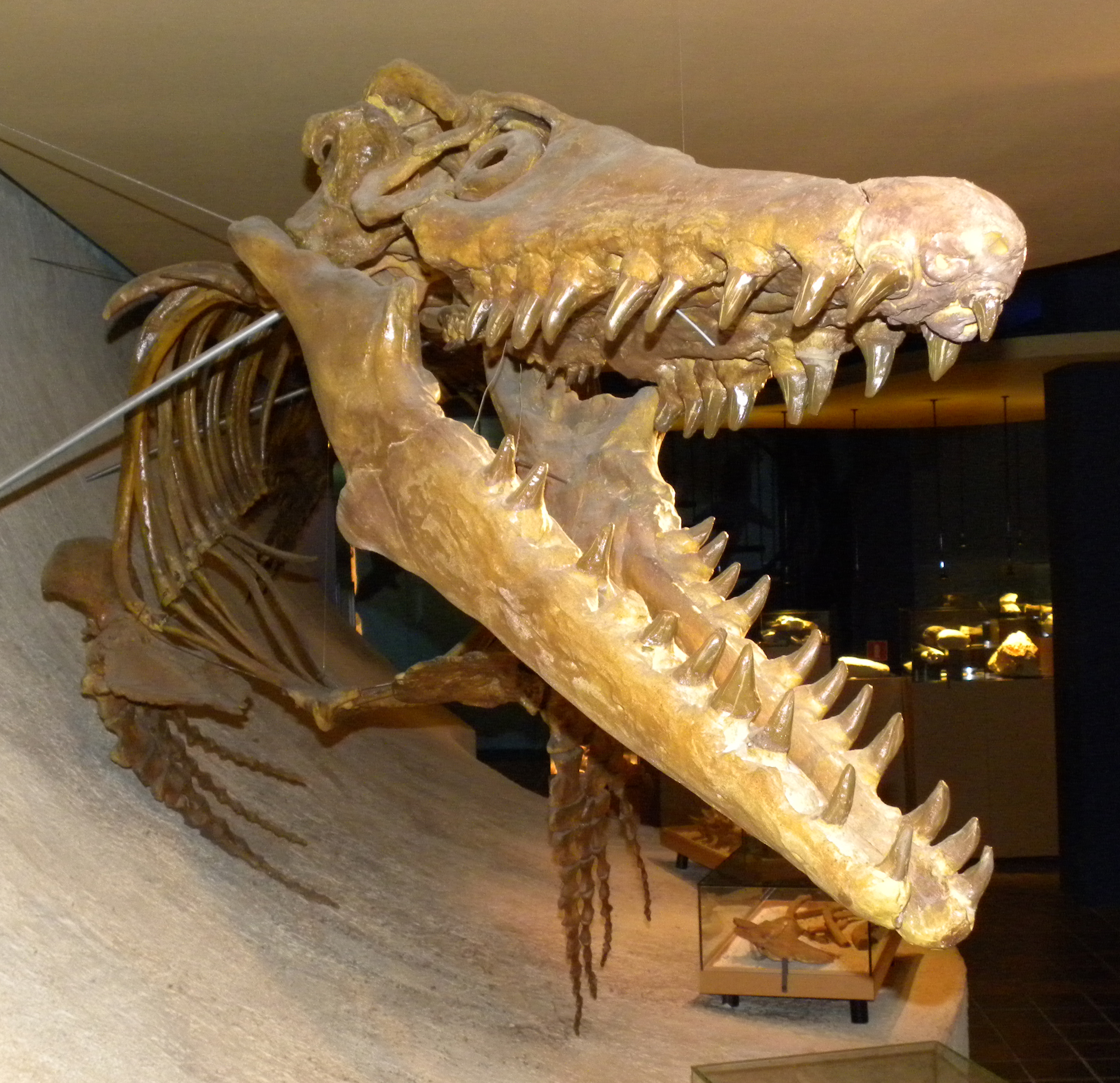
Convergent evolution in aquatic tetrapods: insights from an exceptional fossil mosasaur
Lindgren, J., Caldwell, M.W., Konishi, T. & Chiappe, L.M. · PLoS ONE
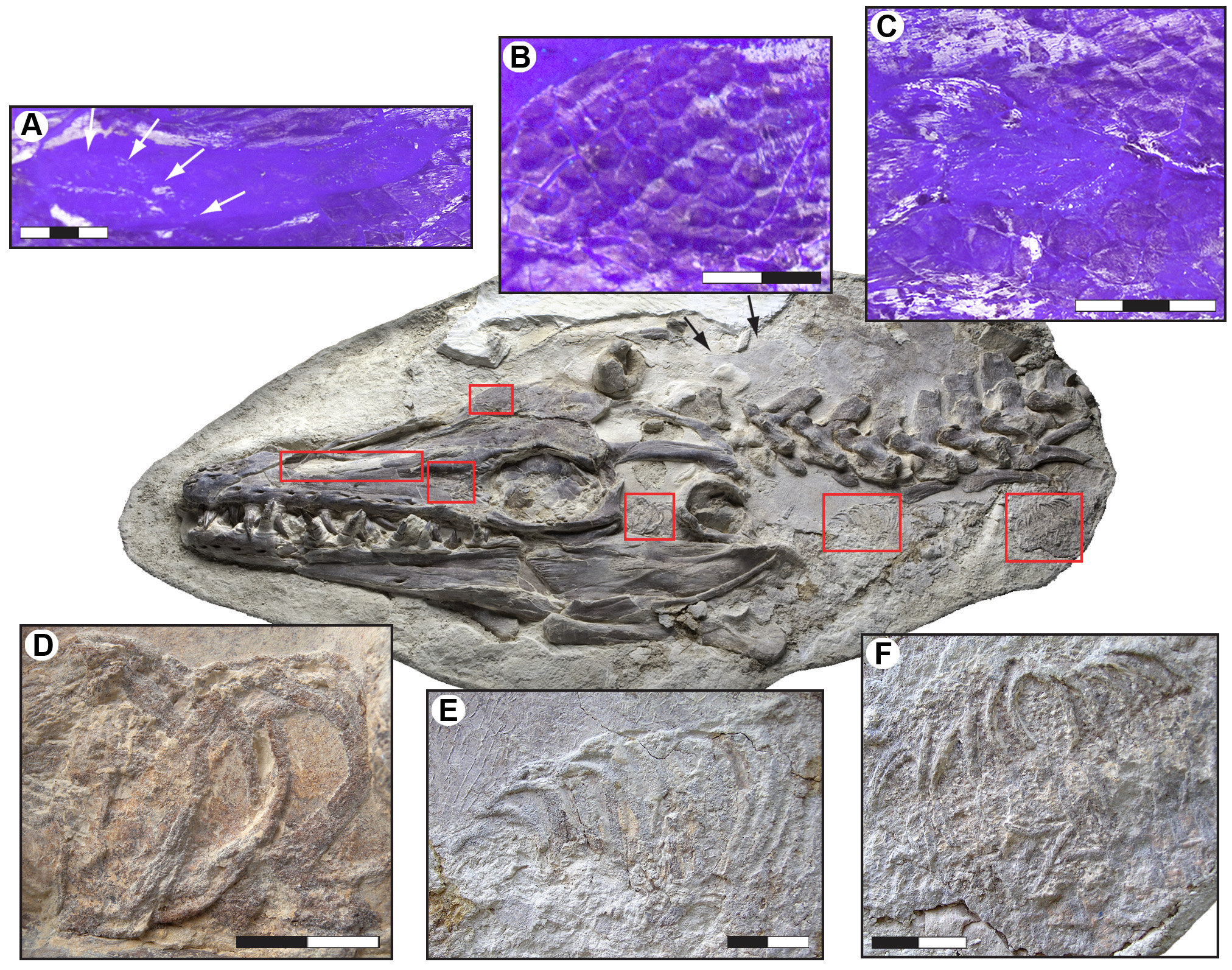
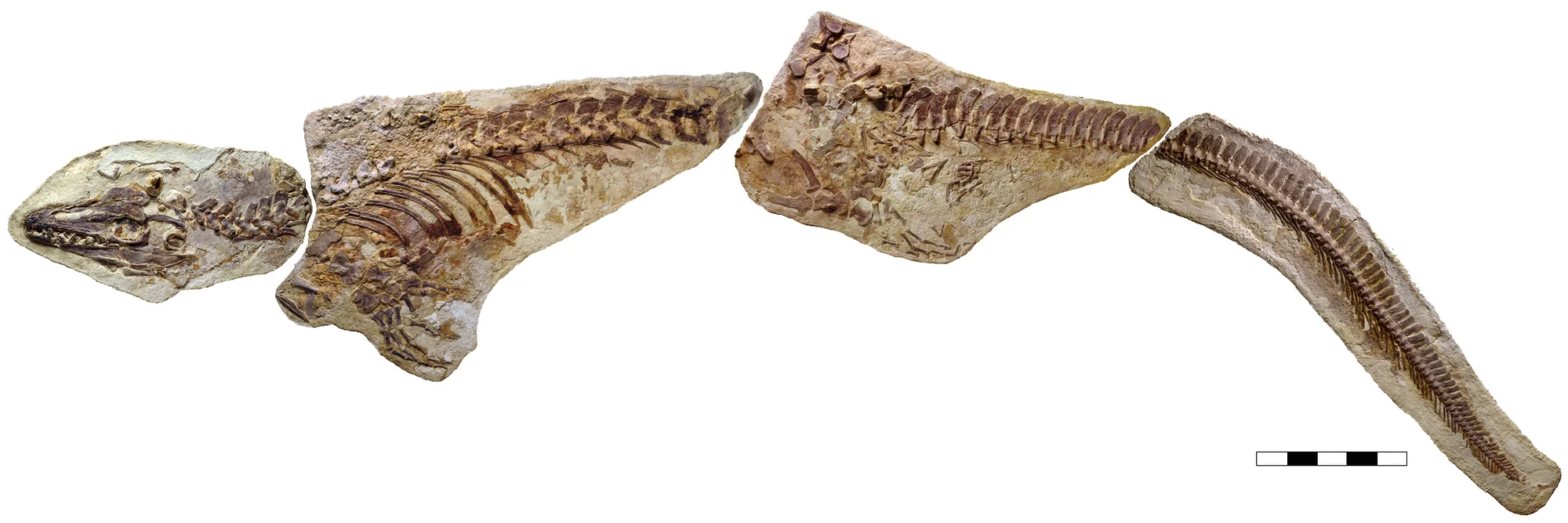
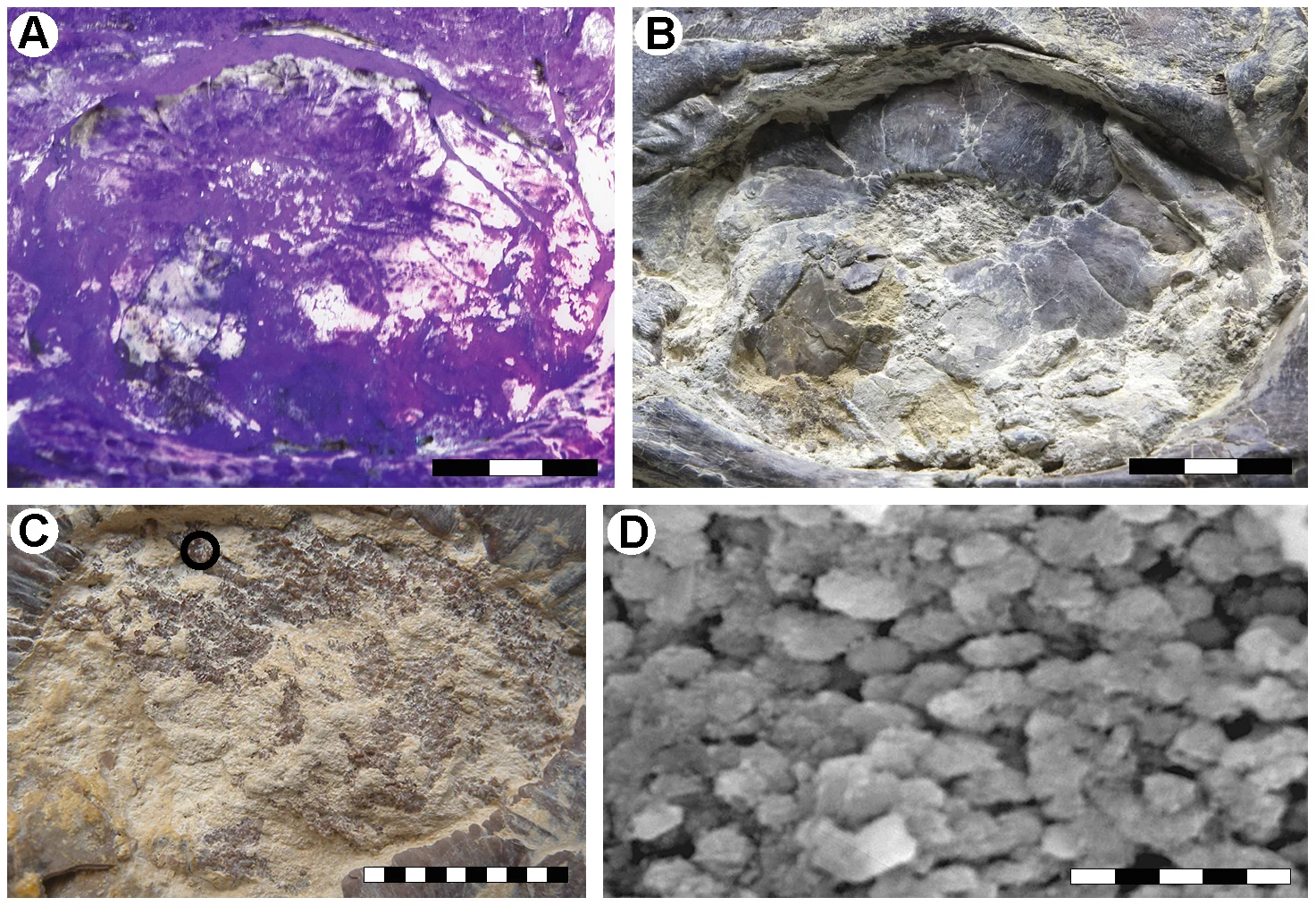
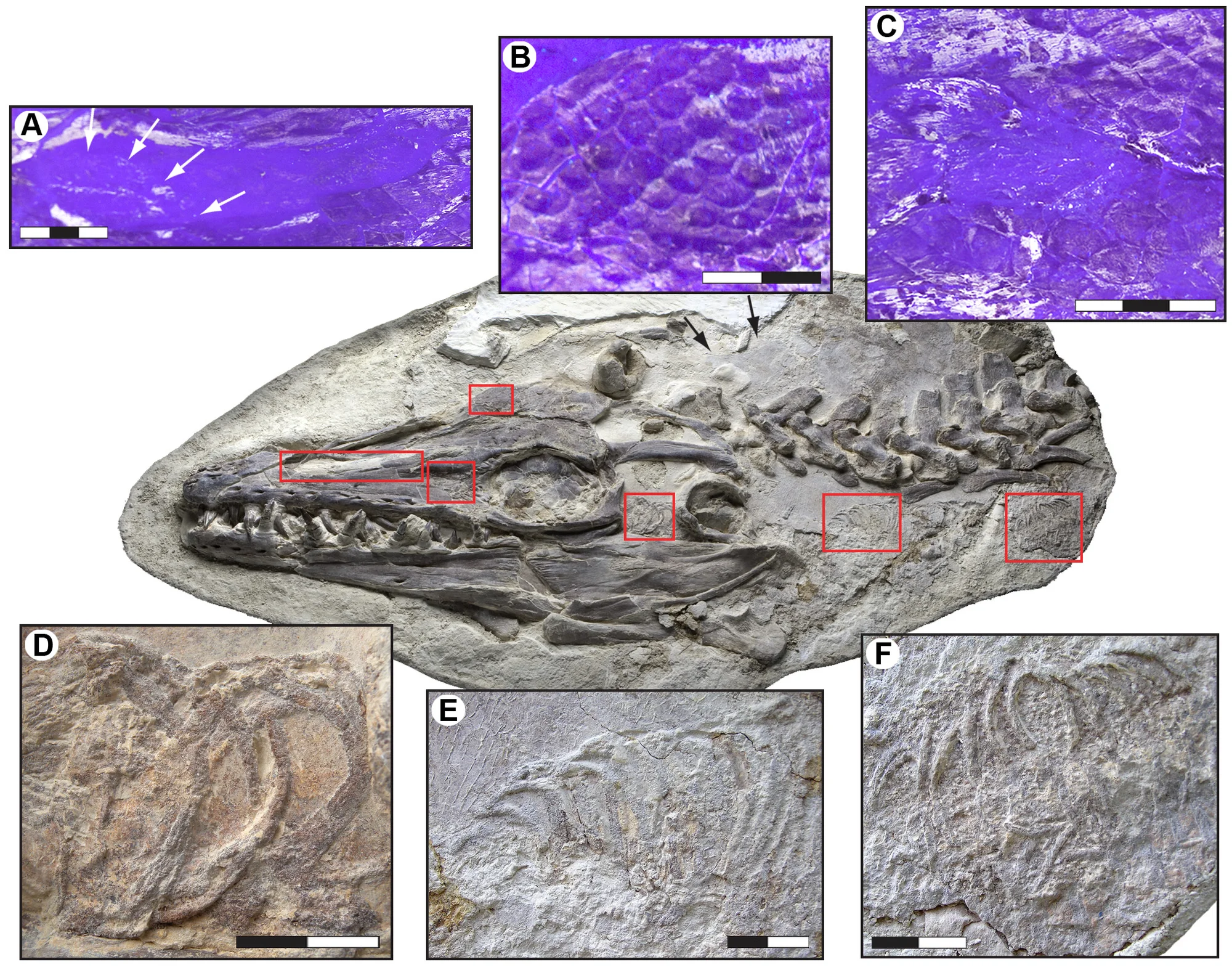
Description of an exceptionally preserved Platecarpus specimen (LACM 128319) with soft tissue impressions, demonstrating that a streamlined body plan and crescent-shaped caudal fin were already established in mosasaurs. The study revealed remarkable convergent evolution among mosasaurs, ichthyosaurs, whales, and sharks. The presence of a hypocercal tail with expanded ventral lobe indicates swimming was far more efficient than earlier estimates suggested, with direct implications for Mosasaurus.

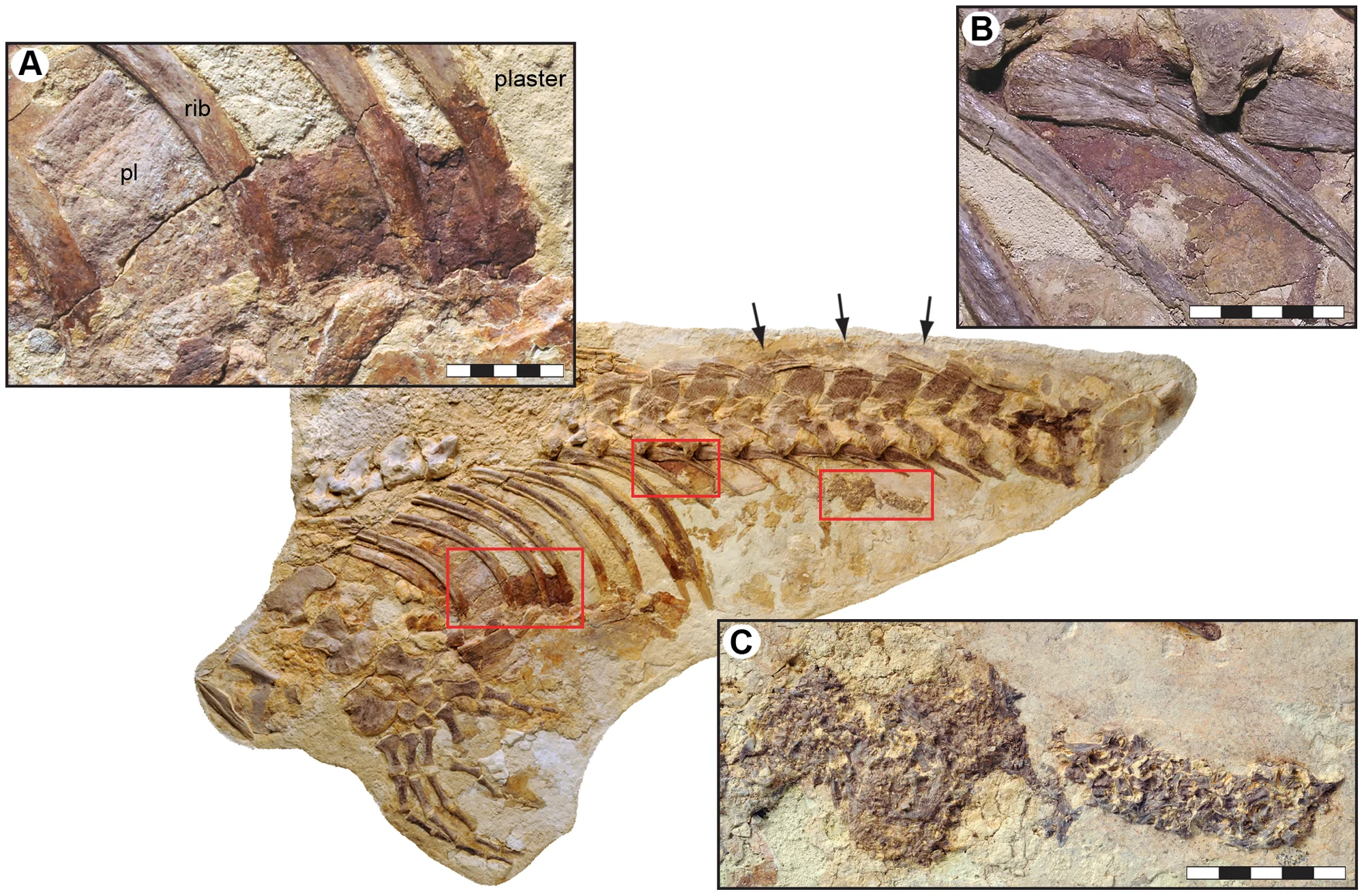
Microanatomical and histological features in the long bones of mosasaurine mosasaurs (Reptilia, Squamata): implications for aquatic adaptation and growth rates
Houssaye, A., Lindgren, J., Pellegrini, R., Lee, A.H., Germain, D. & Polcyn, M.J. · PLoS ONE
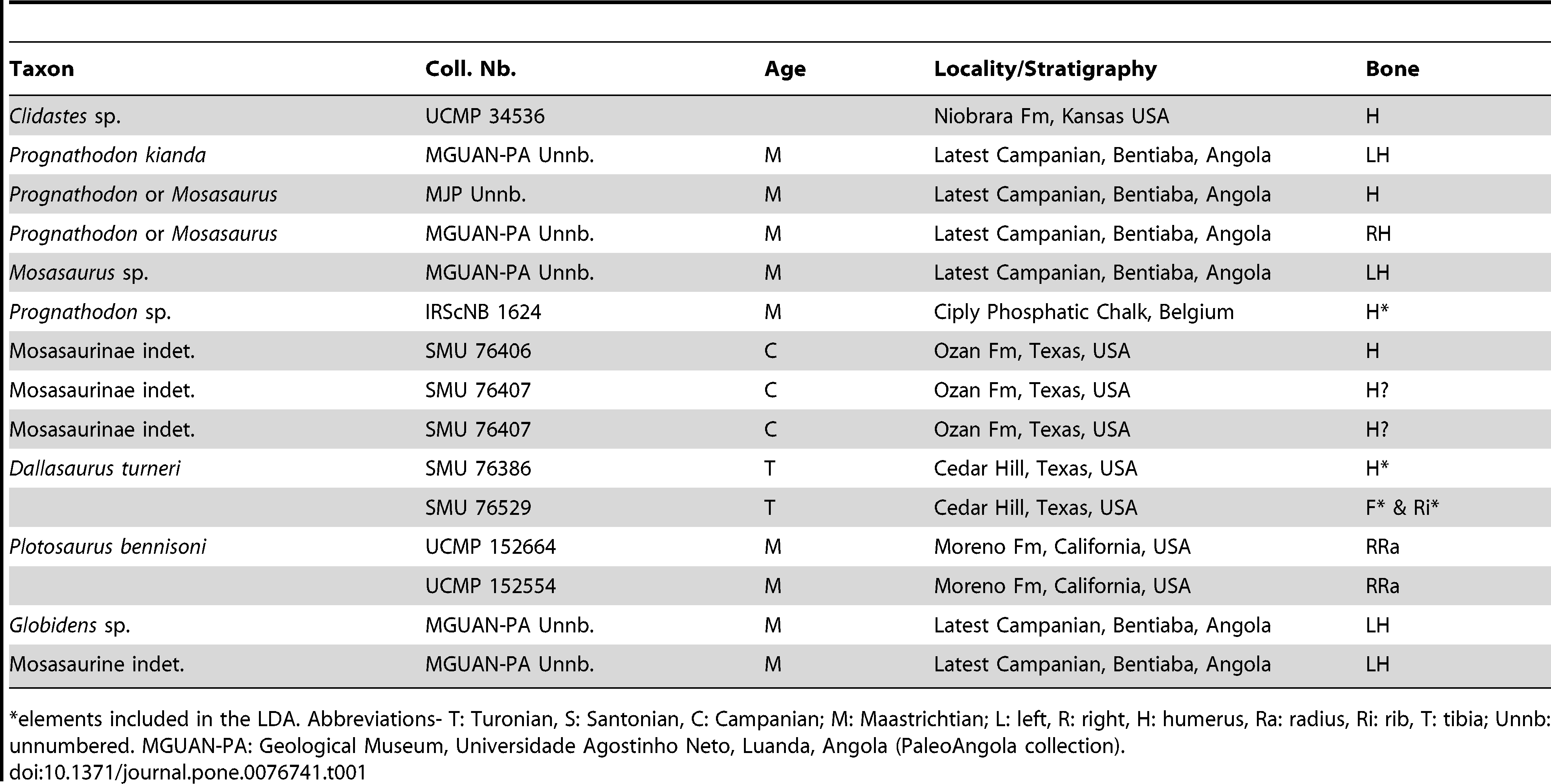
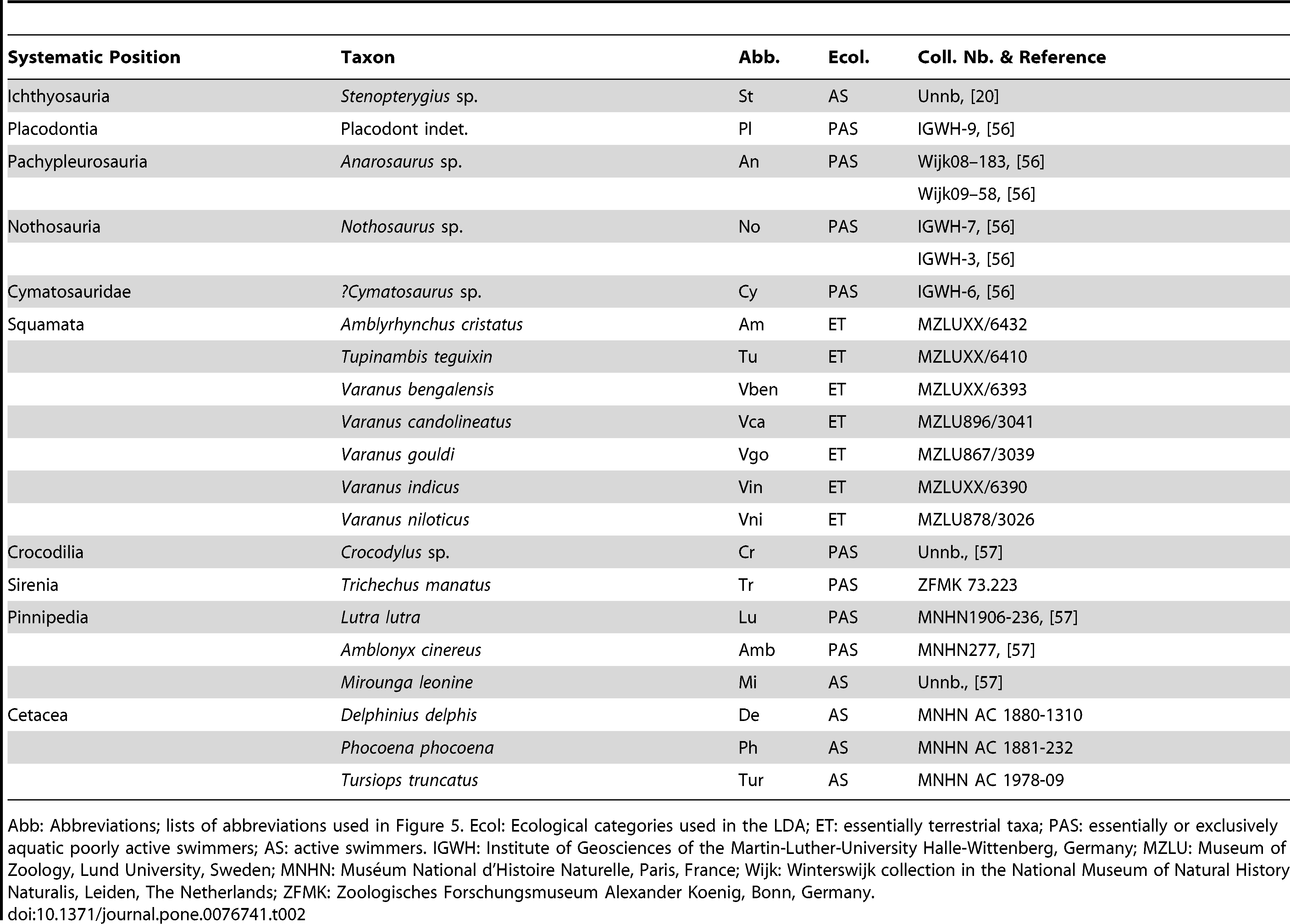
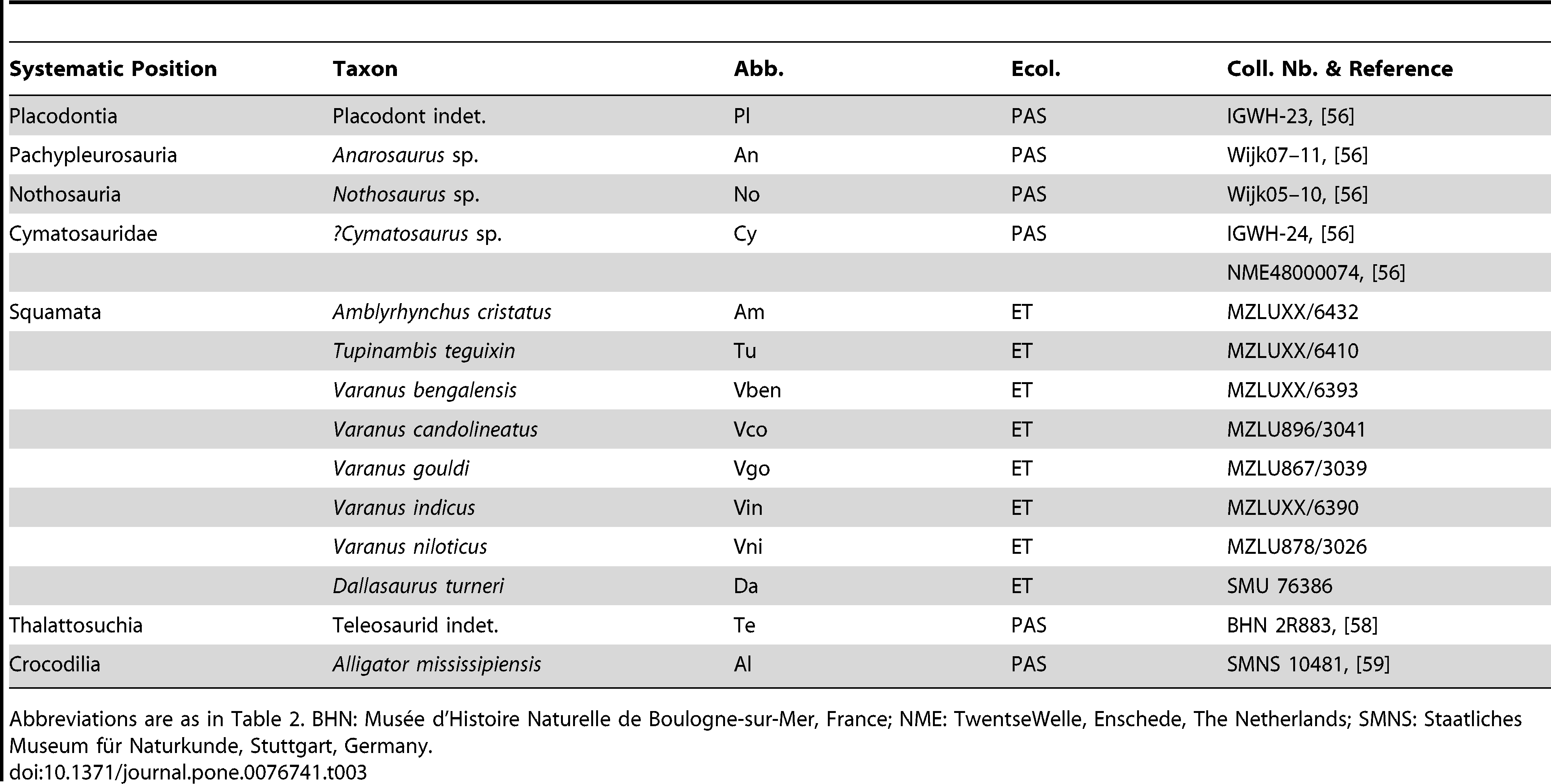
First comprehensive osteohistological study of mosasaurine long bones, analyzing six genera: Dallasaurus, Clidastes, Globidens, Mosasaurus, Plotosaurus, and Prognathodon. The predominant bone tissue was unusual parallel-fibered bone, suggesting growth rates and basal metabolic rates intermediate between those of the leatherback turtle and those of plesiosaurs and ichthyosaurs. Microanatomy showed thick compacta without medullary cavity, similar to modern whales, indicating high aquatic adaptation and neutral buoyancy.


On diving and diet: resource partitioning in type-Maastrichtian mosasaurs
Schulp, A.S., Vonhof, H.B., van der Lubbe, J.H.J.L., Janssen, R. & van Baal, R.R. · Netherlands Journal of Geosciences
Carbon isotope analysis of tooth enamel from all five mosasaur taxa in the type Maastrichtian (southeast Netherlands, northeast Belgium). Differences in delta-13C values between taxa suggest resource partitioning: Mosasaurus hoffmannii fed predominantly in deeper pelagic waters, while Plioplatecarpus and Carinodens occupied shallow neritic niches. The study demonstrates that these marine predators coexisted through habitat and dietary segregation.


Giant Mosasaurus hoffmanni (Squamata, Mosasauridae) from the Late Cretaceous (Maastrichtian) of Penza, Russia
Grigoriev, D.V. · Proceedings of the Zoological Institute RAS
Grigoriev describes the Penza specimen (CCMGE 10/2469), a fragmentary skull with the largest known M. hoffmannii lower jaw at 171 cm. Estimated total body length at approximately 17 meters using traditional skull-to-body ratios (1:10). This value was later revised to ~12 meters by Gayford et al. (2024) using updated ratios (1:7). The specimen demonstrates that M. hoffmannii reached exceptional sizes in the Maastrichtian of Russia, expanding the species' geographic distribution.

Osteology and taxonomy of Mosasaurus conodon Cope 1881 from the Late Cretaceous of North America
Ikejiri, T. & Lucas, S.G. · Netherlands Journal of Geosciences
Description of two well-preserved Mosasaurus conodon skeletons from the Pierre Shale (late Campanian, Colorado) and Bearpaw Shale (Campanian-Maastrichtian, Montana). The specimens provide new osteological information on the skull, jaws with teeth, and forelimbs. M. conodon teeth are unique in combining a slender, gently recurved shape with no serration on the carinae. The study confirms M. conodon as a valid nominal species, distinguishing it from M. hoffmannii and M. lemonnieri.


A mosasaur from the Maastrichtian Fox Hills Formation of the northern Western Interior Seaway of the United States and the synonymy of Mosasaurus maximus with Mosasaurus hoffmanni
Harrell, T.L. Jr. & Martin, J.E. · Netherlands Journal of Geosciences
Description of a large mosasaur skull from the Fox Hills Formation (South Dakota), the first articulated mosasaur skull from the Trail City Member and the first definitive M. hoffmannii occurrence from this formation. Dated between 68.3 and 67.6 Ma based on associated invertebrate fauna. Detailed anatomical comparison between European M. hoffmannii and American M. maximus specimens revealed no diagnostic differences, corroborating the synonymy of M. maximus as a junior synonym of M. hoffmannii.

Endothermic mosasaurs? Possible thermoregulation of Late Cretaceous mosasaurs (Reptilia, Squamata) indicated by stable oxygen isotopes in fossil bioapatite in comparison with coeval marine fish and pelagic seabirds
Harrell, T.L., Perez-Huerta, A. & Suarez, C. · Palaeontology
Harrell and colleagues used oxygen isotope analysis on fossil bioapatite to demonstrate that mosasaurs maintained body temperatures closer to modern endothermic seabirds than to ectothermic fish or turtles. The study provides strong evidence that mosasaurs were warm-blooded (endothermic), which would explain their ability to dominate oceans globally, including cold waters. Estimated metabolic rate was between that of leatherback sea turtles and ichthyosaurs.


Rediagnosis and redescription of Mosasaurus hoffmannii (Squamata: Mosasauridae) and an assessment of species assigned to the genus Mosasaurus
Street, H.P. & Caldwell, M.W. · Geological Magazine
First formal diagnosis and redescription of the M. hoffmannii holotype (MNHN AC 9648). Street and Caldwell performed a major taxonomic cleanup, confirming five valid species within Mosasaurus: M. hoffmannii, M. missouriensis, M. conodon, M. lemonnieri, and M. beaugei. They resolved decades of nomenclatural confusion and established clear diagnostic characters to distinguish the type species from others. Essential work for any subsequent research on the genus.


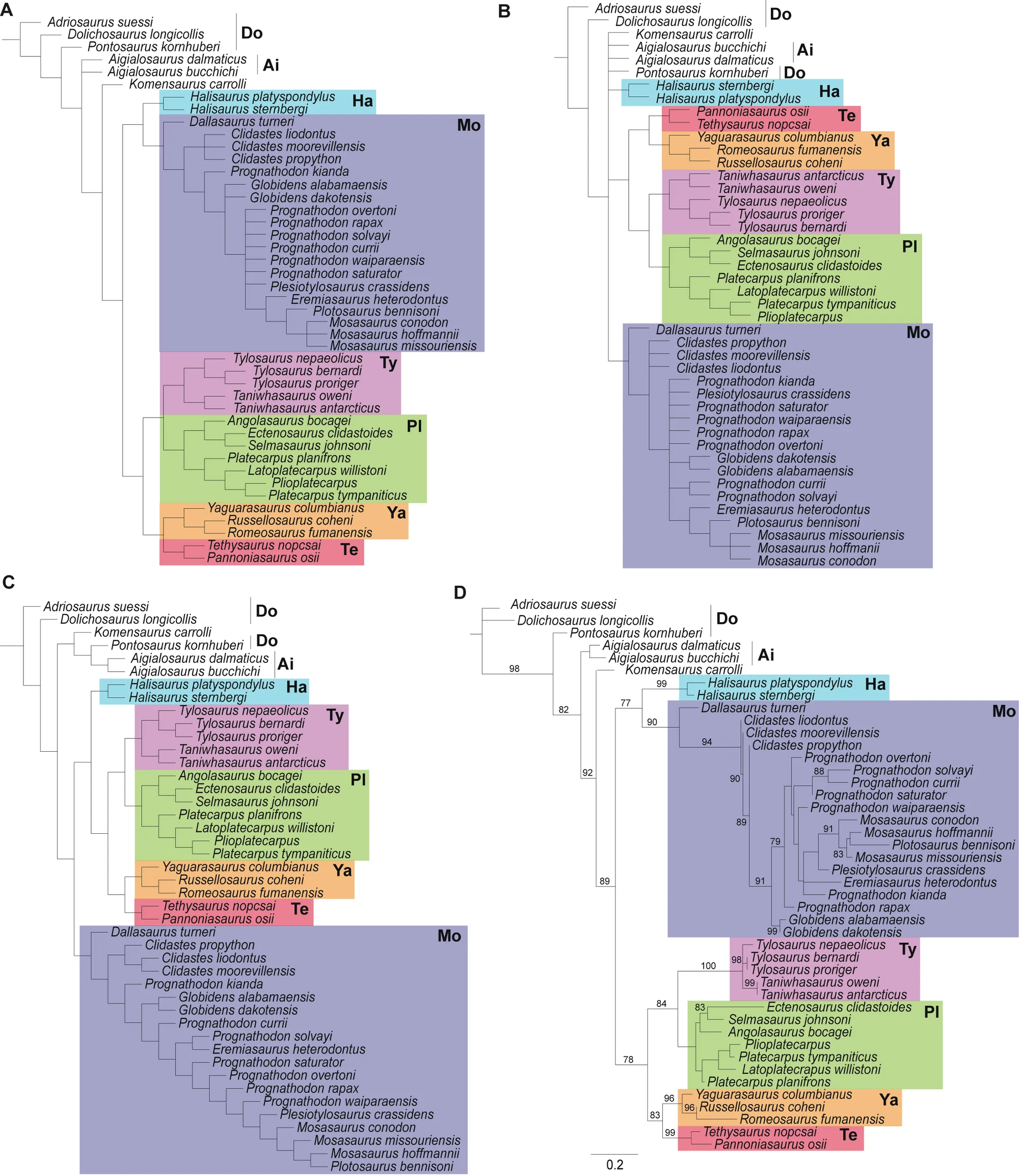
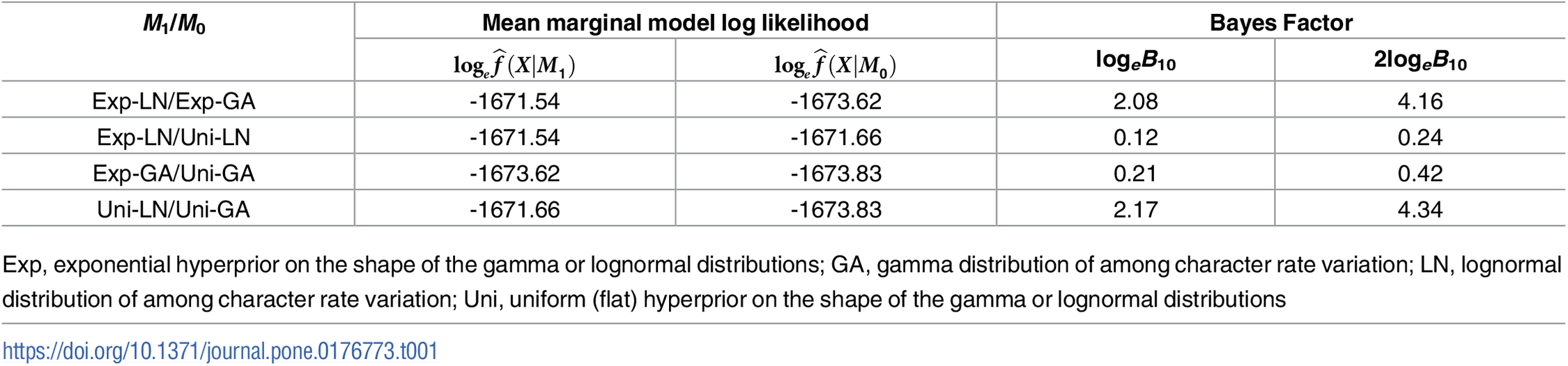
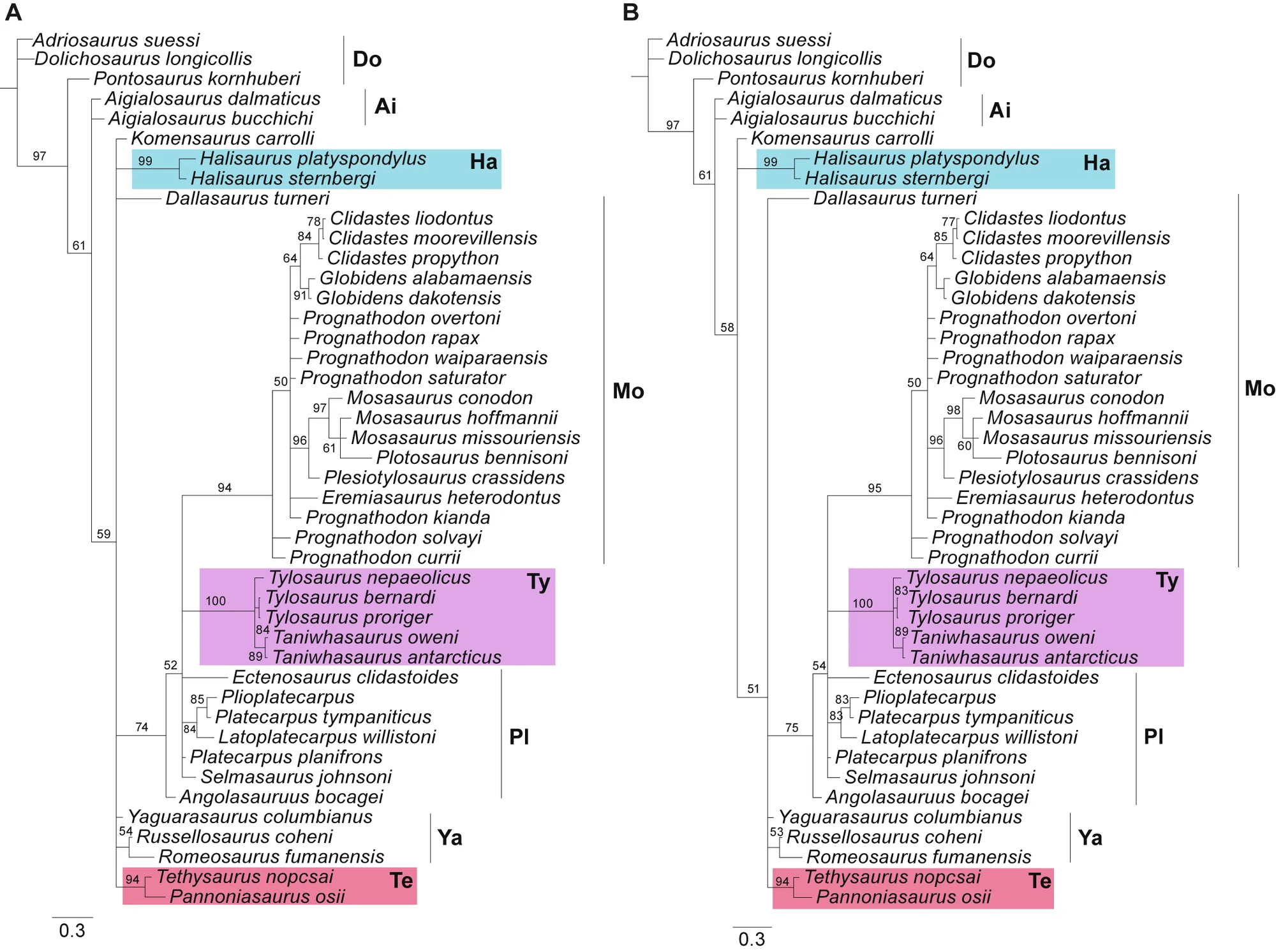
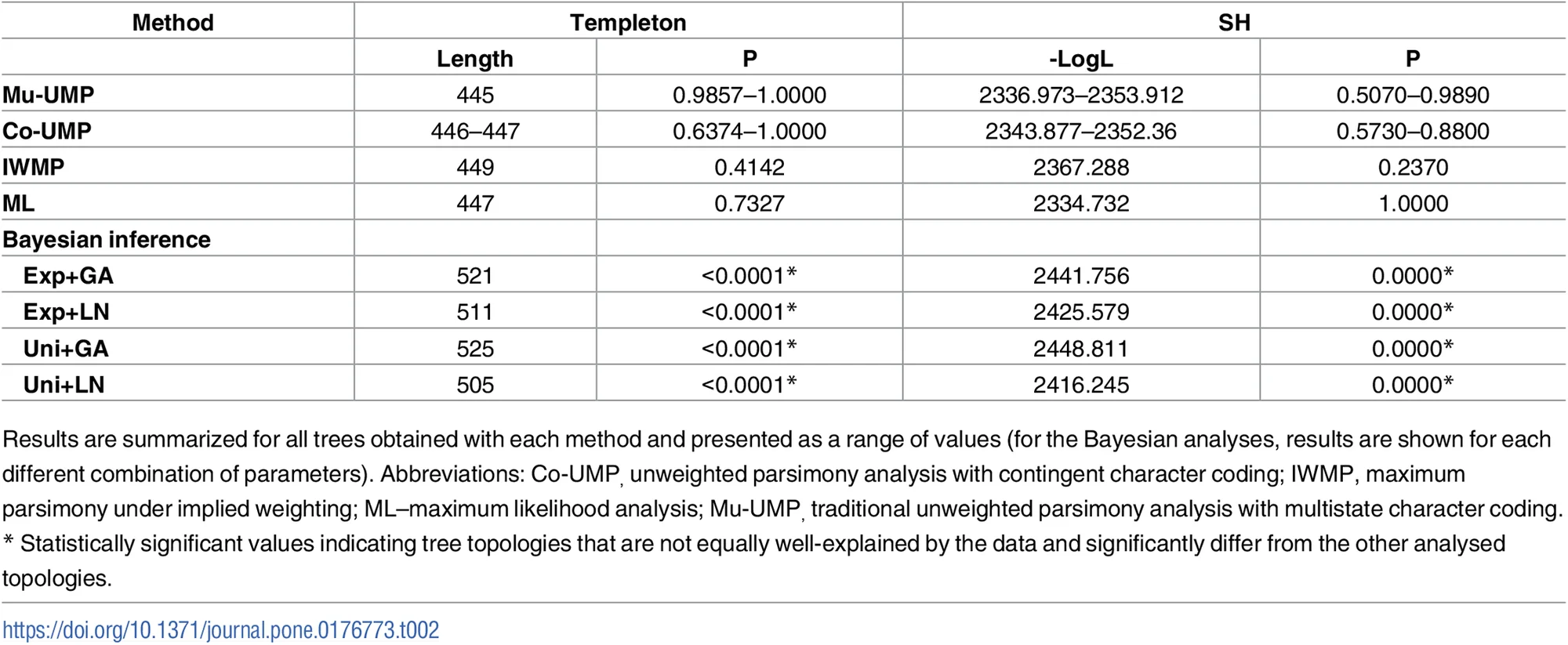
Mosasauroid phylogeny under multiple phylogenetic methods provides new insights on the evolution of aquatic adaptations in the group
Simões, T.R., Vernygora, O., Paparella, I., Jimenez-Huidobro, P. & Caldwell, M.W. · PLoS ONE
First mosasauroid phylogenetic analysis performed under multiple methods: maximum likelihood, Bayesian inference, and implied weighting parsimony. Results indicate that hydropelvic and hydropedal adaptations evolved only once in early Mosasauridae history, with subsequent reversals in some groups. The study positions Mosasaurus within Mosasaurinae as one of the most derived genera. Aigialosaurs were recovered as basal mosasauroids, confirming the gradual transition from semi-aquatic to fully marine forms.
Cranial palaeopathologies in a Late Cretaceous mosasaur from the Netherlands
Bastiaans, D., Kroll, J.J.F., Cornelissen, D., Schulp, A.S. & Jagt, J.W.M. · Cretaceous Research
Documentation of an upper Maastrichtian mosasaur (NHMM 2012 072, Prognathodon cf. sectorius) from the Gulpen Formation near Maastricht that survived a bite to the snout by a large, possibly conspecific mosasaur. The specimen shows partial premaxilla amputation, bone infection, and ongoing pathological processes at time of death. The study represents rare evidence of agonistic interactions among mosasaurs and demonstrates these animals' capacity for recovery after severe cranial injuries.

Famous museum specimens
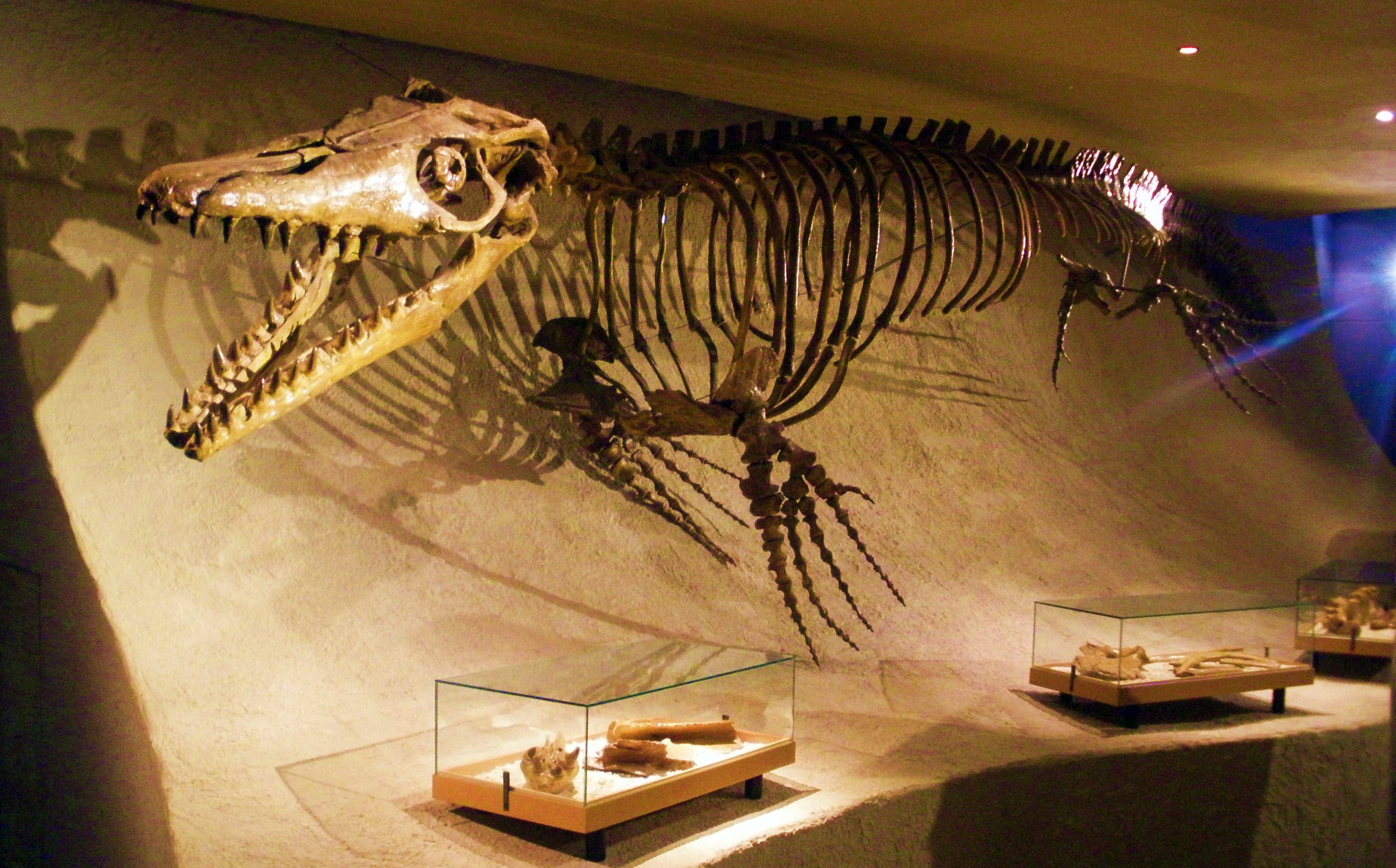
Holotipo MNHN AC 9648
Museum national d'Histoire naturelle, Paris, França
The most famous skull in paleontology. Found in the Mount Saint Peter quarry in Maastricht, confiscated by French soldiers during the Siege of Maastricht in 1794. According to legend, the French offered 600 bottles of wine as a reward for the fossil's recovery. Georges Cuvier used it as evidence of species extinction.
Especime de Penza CCMGE 10/2469
Central Scientific Research Geological Exploration Museum, São Petersburgo, Rússia
Largest known M. hoffmannii jaw: 171 cm long. Described by Grigoriev (2014). Total length estimate revised from 17m to ~12m by Gayford et al. (2024).
In cinema and popular culture
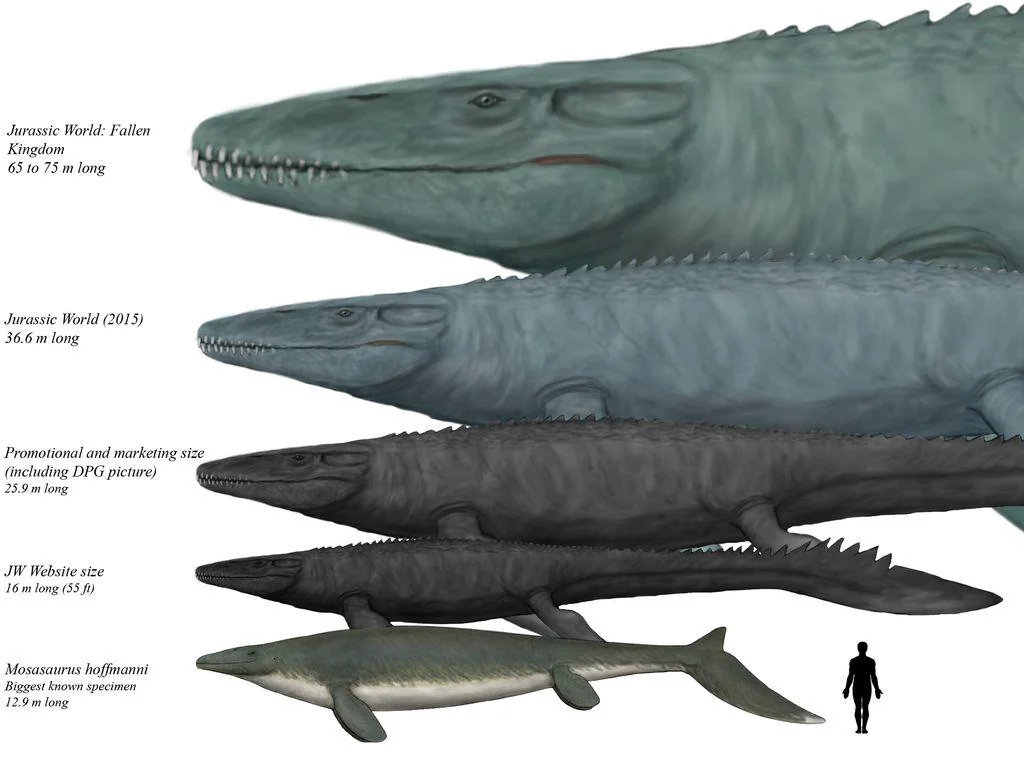
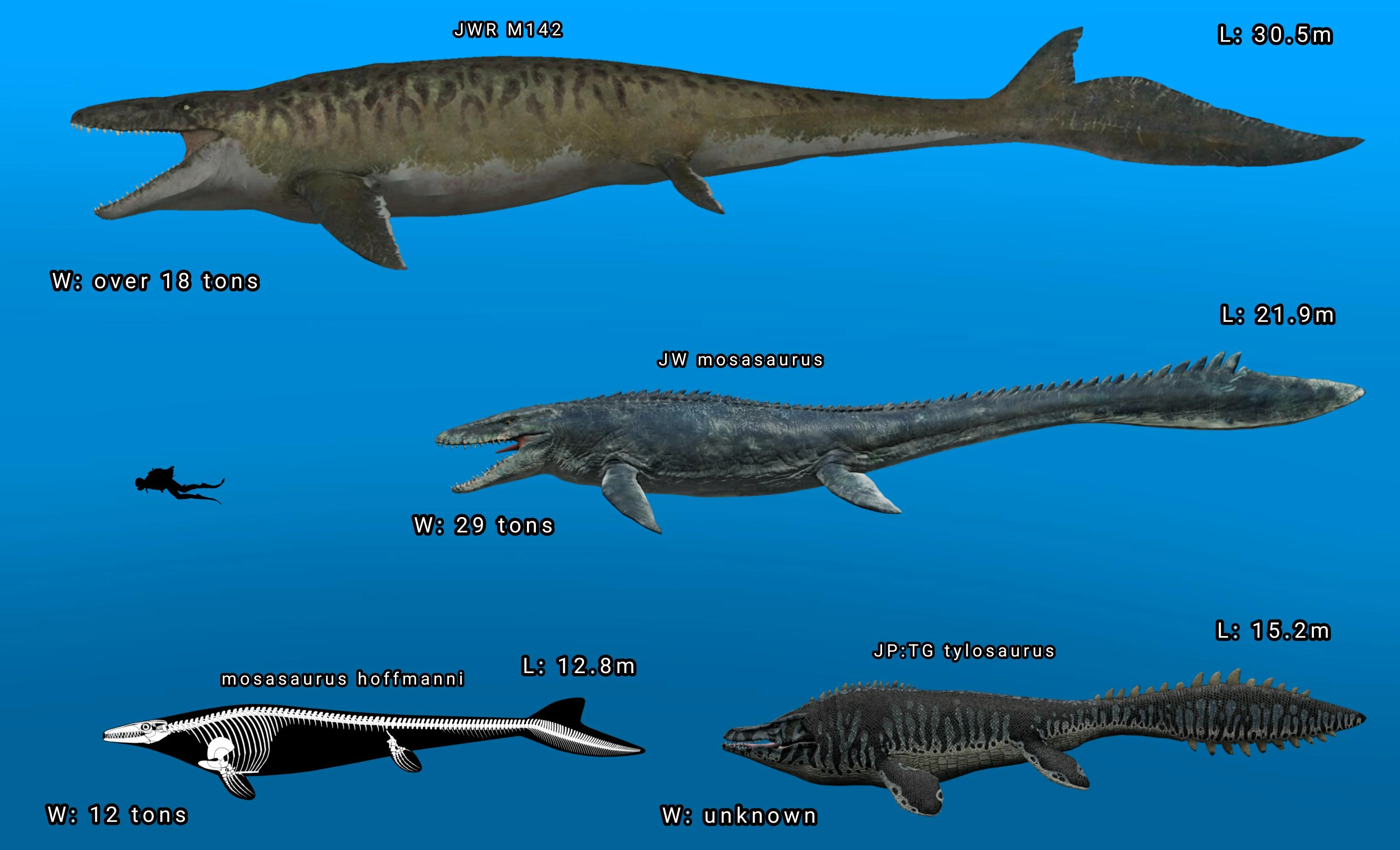
Mosasaurus gained enormous popularity through the Jurassic World franchise, where it appears as one of the most impressive creatures. In Jurassic World (2015), it stars in the 'Mosasaurus Feeding Show', leaping from the water to devour a great white shark and, in the climax, dragging the Indominus Rex into the lagoon. In Fallen Kingdom (2018), it escapes into the open ocean. In the franchise, Mosasaurus is depicted at 25 to 30 meters, roughly double the actual species size. Despite the inaccuracy, the film is responsible for popularizing mosasaurs among the general public, elevating them to T. rex levels of recognition.
Classification
Discovery
Fun fact
The holotype skull of Mosasaurus hoffmannii was famously seized by French Revolutionary soldiers during the 1794 Siege of Maastricht. According to popular legend, the French offered 600 bottles of wine as a reward for the skull's recovery. While historians consider this story exaggerated, the confiscation is well-documented. The skull was transported to Paris, where it became a central piece in Georges Cuvier's revolutionary argument that species could go extinct, a radical and controversial concept at the time. Thus, a single stolen skull from a Dutch quarry helped reshape our entire understanding of life on Earth.
Last reviewed: April 24, 2026