
Chilesaurus
Chilesaurus diegosuarezi
"Chilean lizard of Diego Suárez"
About this species
Chilesaurus diegosuarezi is a small dinosaur from the Tithonian (Late Jurassic, about 148.7 to 147 million years ago) of the Toqui Formation, Aysén Region, southern Chile. The animal became famous for combining anatomical characters from very different groups: a narrow skull and theropod-like forelimbs, an opisthopubic pelvis (pubis directed backwards) similar to that of ornithischians and birds, spatulate teeth adapted to herbivory as in prosauropods, and a tetradactyl foot with four functional ground-contacting toes. For this reason it was nicknamed the 'platypus of dinosaurs' in popular media. The holotype (SNGM-1935) is a nearly complete articulated skeleton of a juvenile about 1.6 m long; paratypes and referred specimens (SNGM-1936, 1937, 1938, 1888 and seven isolated bones) show that the adult reached about 3.2 m. It was a small to medium-sized bipedal herbivore with a moderately elongated neck and hands with only two fully developed fingers. Its phylogenetic position is debated: Novas et al. (2015) proposed a basal tetanuran theropod, Baron & Barrett (2017, 2018) recovered the taxon as the most basal ornithischian within the Ornithoscelida framework, and recent reanalyses (Baiano et al. 2022; Fonseca et al. 2023) returned to the basal tetanuran scenario. The genus is known from a single species.
Geological formation & environment
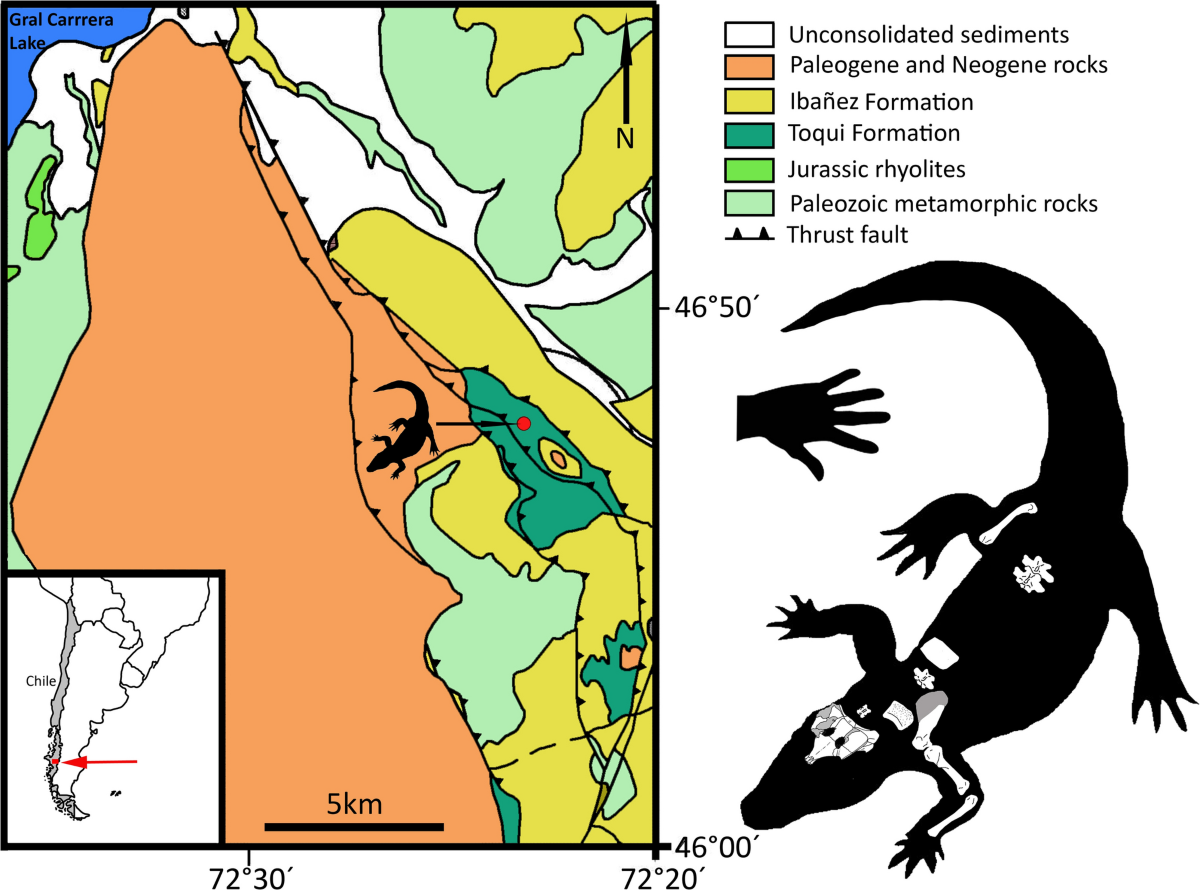
Toqui Formation, basal member of the Coyhaique Group, Upper Jurassic (late Tithonian, 148.7 ± 1.4 Ma to 147 ± 1.0 Ma by SHRIMP U to Pb zircon geochronology in volcanic tuffs). It crops out in the central Chilean Patagonian Cordillera, Aysén Region (~46° S), between General Carrera Lake and the Mayo River. Lithologically it is a mixed succession of sandstones, conglomerates, volcanic tuffs and ignimbrites deposited in a synvolcanic fluvio-deltaic environment associated with the initial transgressive phase of the Aysén Basin. The fauna includes Chilesaurus diegosuarezi, the crocodylomorph Burkesuchus mallingrandensis and indeterminate diplodocoid sauropods (Salgado et al. 2015). Glauconite in some beds indicates shallow marine influence.
Image gallery


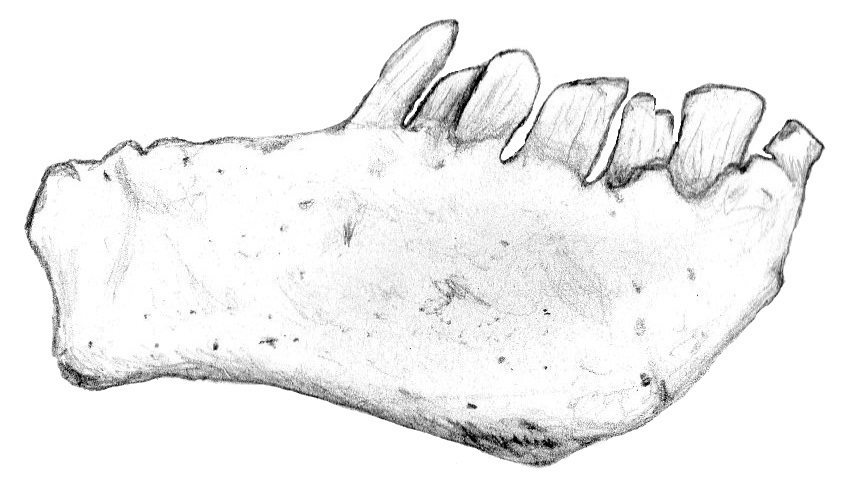


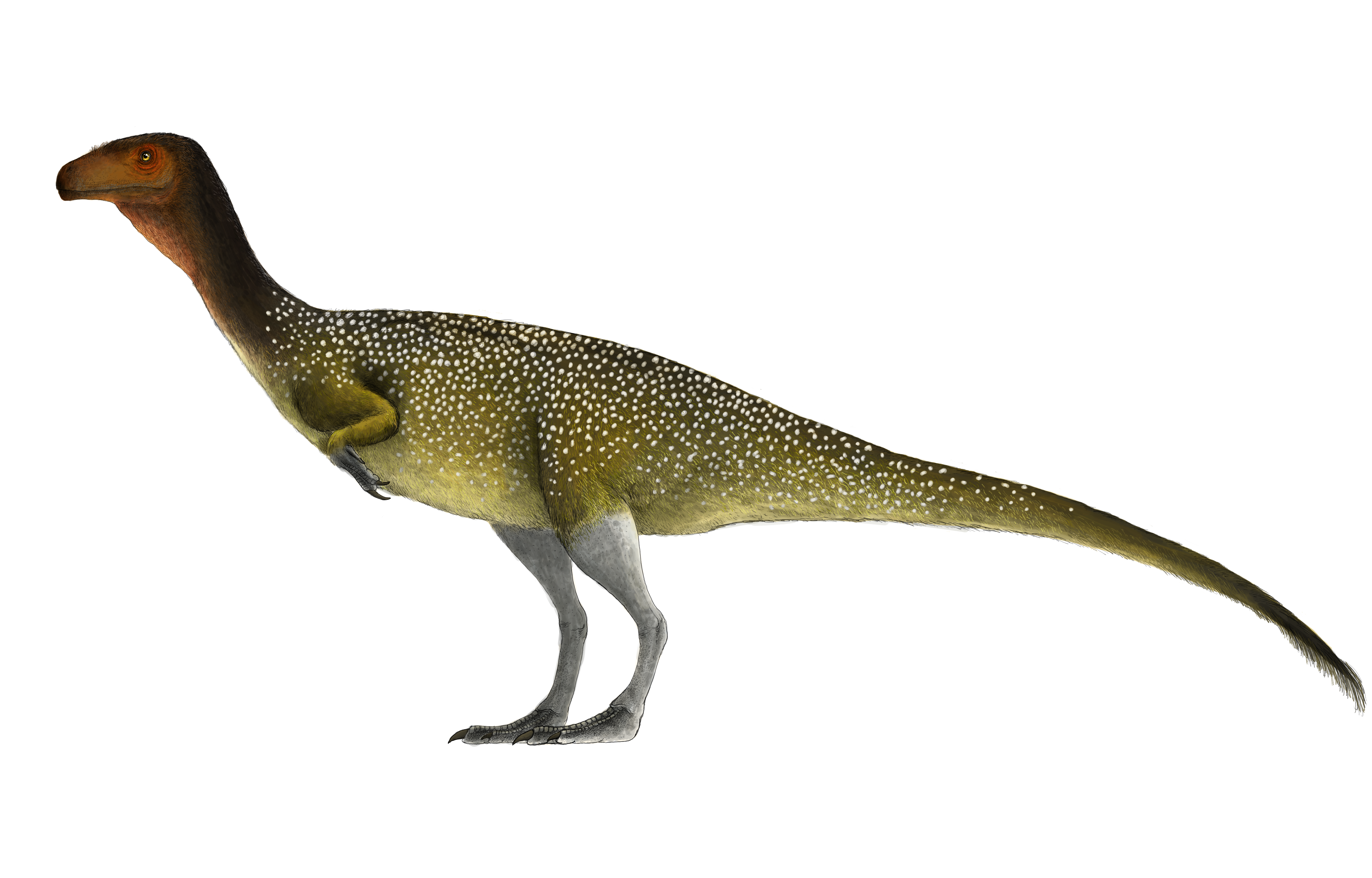


Cast of holotype SNGM-1935 on display at the National Museum of Natural History of Chile. The nearly complete articulated juvenile skeleton made Chilesaurus one of the best preserved Jurassic South American dinosaurs.
Wikimedia Commons
Ecology and behavior
Habitat
Coastal deltaic plain with fluvial channels and synvolcanic fan deltas reaching a shallow marine basin. The Toqui Formation records the initial transgression of the Aysén Basin in the Tithonian, with interbedded sandstones, conglomerates and volcanic tuffs deposited in a fluvio-deltaic setting within an intra-arc volcanic belt. Vegetation included conifers, cycadophytes and ferns typical of the South Pacific Late Jurassic; grasses were absent.
Feeding
Small bipedal herbivore. The spatulate teeth and mandible bones suggest feeding on low foliage and possibly soft shoots, comparable to inferences for prosauropods and basal ornithischians. The Gabriel Lío 2015 reconstruction showed the animal grazing in Jurassic Patagonian vegetation. Novas et al. (2015) highlight that Chilesaurus is the first well-documented case of herbivory within the traditional Tetanurae scheme.
Behavior and senses
Chimento et al. (2017) showed that the four articulated specimens preserve a resting posture with ventrally flexed arms and hands facing backwards, indicating passive activity at the time of burial. The presence of multiple individuals at the same locality suggests possible group coexistence or exposure to a rapid burial event (volcanic ash from a fan delta). The opisthopubic pelvis is compatible with a more upright posture during feeding, analogous to basal ornithischians.
Physiology and growth
Small body size (juveniles ~1.6 m; adults ~3.2 m), obligate biped, with a tetradactyl foot that probably reduced running efficiency. No long-term histological study has been published yet; growth inferences rely on comparison between juvenile and adult specimens.
Paleogeography
Continental configuration

Scotese & Vérard · CC BY 4.0 · Jurassic, ~155 Ma
During the Titoniano (Jurássico Superior) (~148.7–147 Ma), Chilesaurus diegosuarezi inhabited the fragmenting Pangea. North America and Europe were still close, and the North Atlantic was just beginning to open. Climate was warm and humid globally, with no polar ice caps.
Bone Inventory
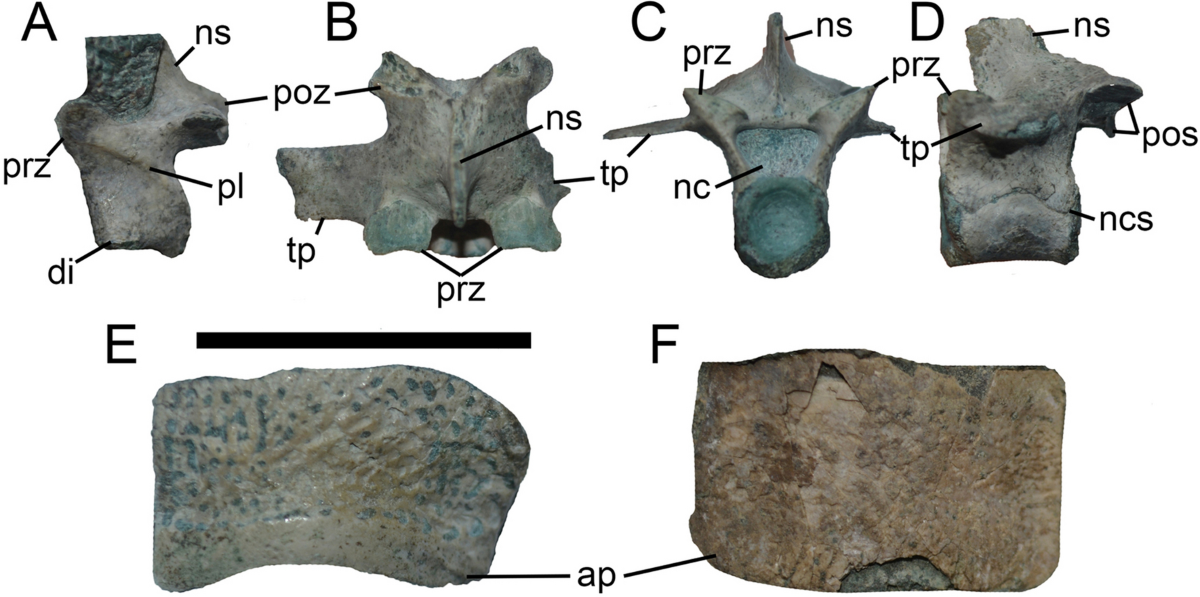
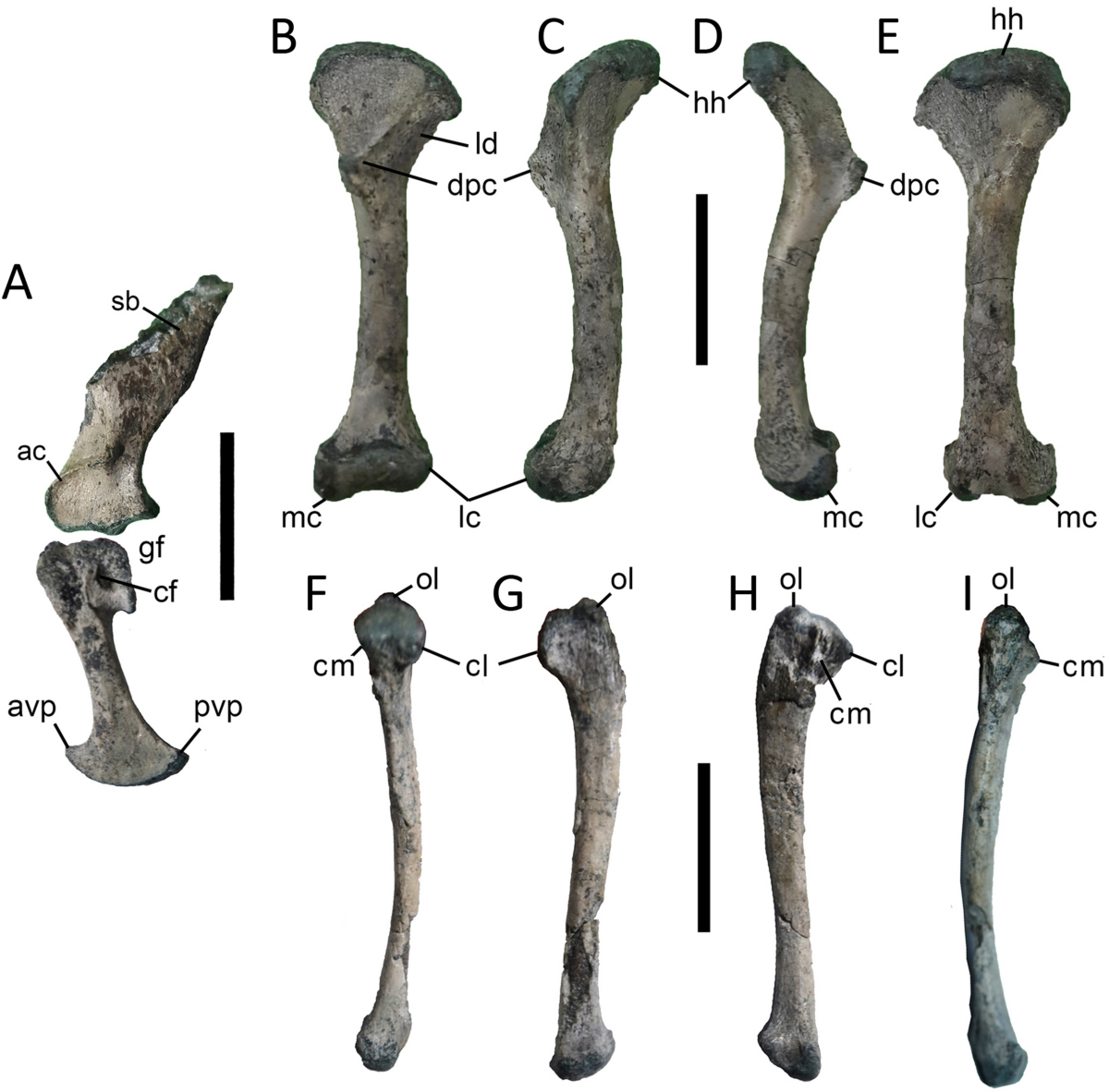
Holotype SNGM-1935 is a nearly complete articulated juvenile skeleton lacking only the feet and most of the tail. Four paratype partial skeletons (SNGM-1937, 1936, 1938 and 1888) and seven additional isolated bones (SNGM-1889, 1895, 1901, 1894, 1898, 1900, 1903) complete virtually all skeletal elements of the animal, representing both juvenile and adult individuals. In 2017 the holotype was transferred from SERNAGEOMIN to the National Museum of Natural History of Chile in Santiago, where it is curated. Exceptional preservation includes resting postures with ventrally flexed arms, described by Chimento and colleagues in 2017.
Found elements
Inferred elements
Scientific Literature
15 papers in chronological order — from the original description to recent research.
An enigmatic plant-eating theropod from the Late Jurassic period of Chile
Novas, F.E., Salgado, L., Suárez, M., Agnolín, F.L., Ezcurra, M.D., Chimento, N.R., de la Cruz, R., Isasi, M.P., Vargas, A.O. e Rubilar-Rogers, D. · Nature
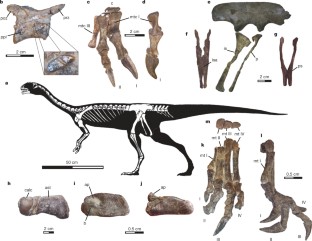
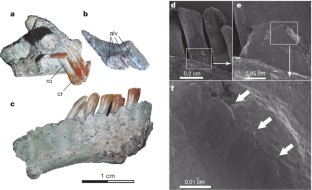
Original description of the genus and species based on holotype SNGM-1935 (nearly complete articulated juvenile) and paratypes from the Toqui Formation, Aysén, Chile. The authors recognise the animal's chimeric anatomy (theropod skull and forelimbs, pelvis with retroverted pubis, spatulate herbivore teeth, tetradactyl foot) and propose that Chilesaurus is a basal tetanuran theropod that independently acquired several characters normally associated with ornithischians and sauropodomorphs, representing the first clear case of herbivory within Tetanurae.
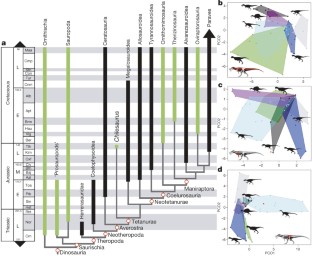
Depicting Chilesaurus diegosuarezi (Dinosauria, Theropoda): Paleoart and the Chilean public
Chávez, M., Ocampo-Cornejo, C. e Manzanero, C. · Journal of Science Communication (ResearchGate preprint)
Study on artistic reconstructions of Chilesaurus, in particular the illustrations by Gabriel Lío (Argentine palaeoartist) used in the original Novas et al. (2015) Nature paper. Discusses how the media image of the 'dinosaur platypus' was formed in the Chilean and international press between 2015 and 2017.
Forelimb posture in Chilesaurus diegosuarezi (Dinosauria, Theropoda) and its behavioral and phylogenetic implications
Chimento, N.R., Agnolín, F.L., Novas, F.E., Ezcurra, M.D., Salgado, L., Isasi, M.P., Suárez, M., de la Cruz, R., Rubilar-Rogers, D. e Vargas, A.O. · Ameghiniana
Analysis of forelimb posture in four articulated specimens of Chilesaurus. All show strongly ventrally flexed arms with hands oriented backwards, a pattern similar to the resting posture known in Mei long, Sinornithoides youngi and Albinykus baatar. The authors interpret that the animals were rapidly buried during passive activity. The ventral flexion is an early indication of the muscular structures associated with the acquisition of flight control in advanced maniraptorans, and it reinforces the tetanuran position defended by the Argentine school.
A new hypothesis of dinosaur relationships and early dinosaur evolution
Baron, M.G., Norman, D.B. e Barrett, P.M. · Nature
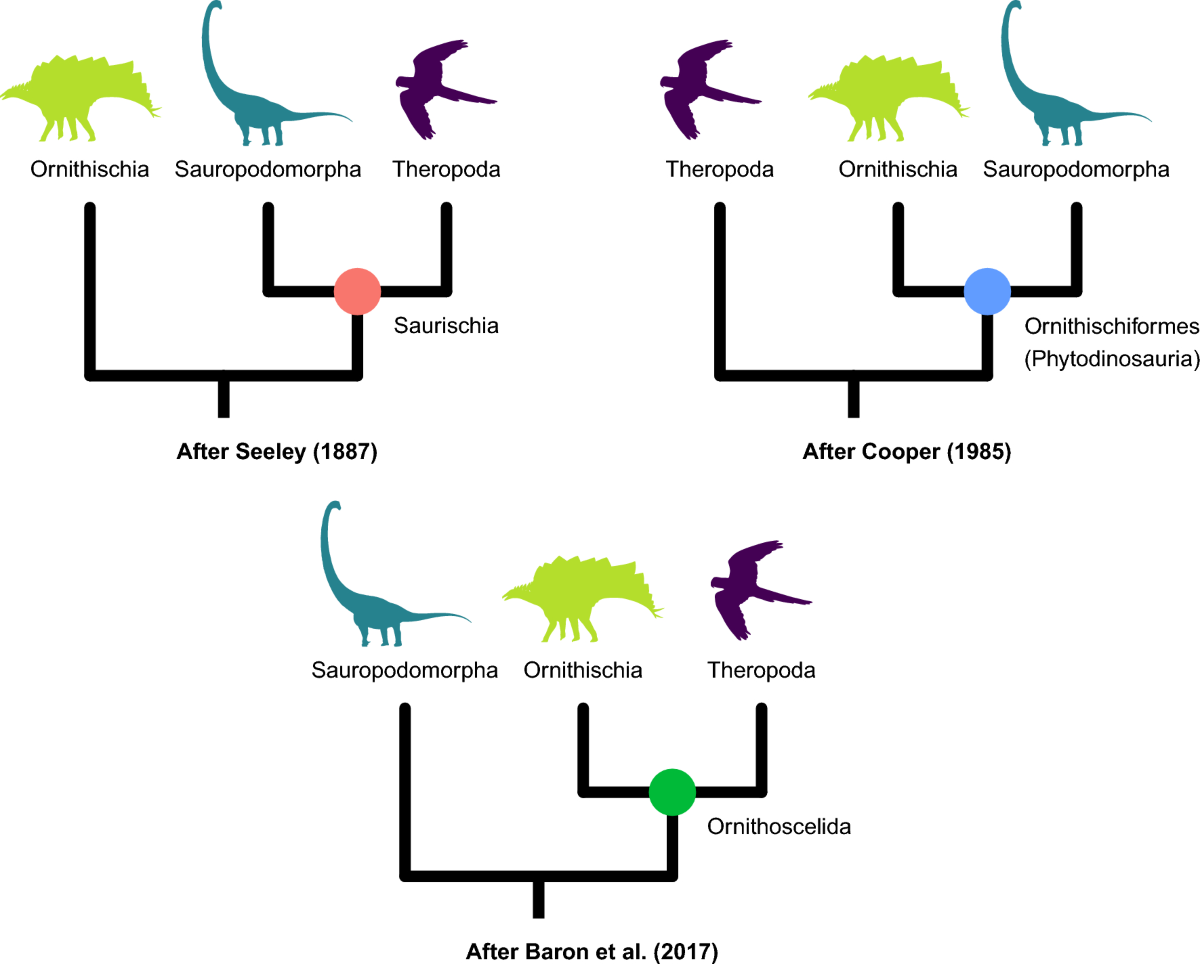
Comprehensive phylogenetic reanalysis of basal dinosaurs using 74 taxa and 457 characters. Proposes the clade Ornithoscelida (Ornithischia + Theropoda) in opposition to the traditional Saurischia/Ornithischia dichotomy, with Sauropodomorpha and Herrerasauridae forming a redefined Saurischia. The work paves the way for Chilesaurus's reallocation to Ornithischia in the companion paper by Baron & Barrett (2017).
A dinosaur missing-link? Chilesaurus and the early evolution of ornithischian dinosaurs
Baron, M.G. e Barrett, P.M. · Biology Letters
Phylogenetic reanalysis of Chilesaurus within the Baron, Norman & Barrett (2017) framework. Recovers Chilesaurus as the most basal ornithischian, united to Ornithischia by several characters: anteriorly edentulous premaxilla, loss of tooth recurvature, anterior iliac process, distinct brevis fossa, postacetabular process and retroverted pubis. The authors argue that Chilesaurus is a 'transitional' taxon that bridges morphological gaps between Theropoda and Ornithischia, suggesting that opisthopuby preceded craniodental modifications such as the ornithischian predentary.


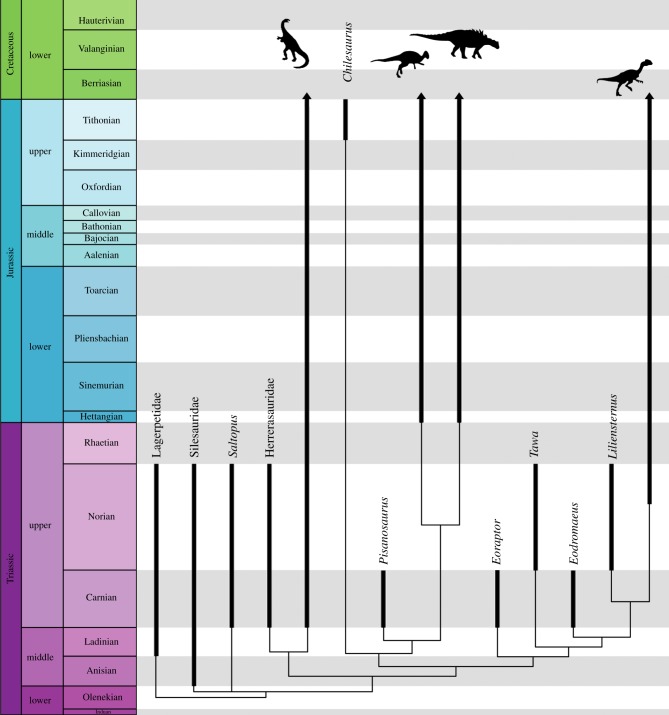
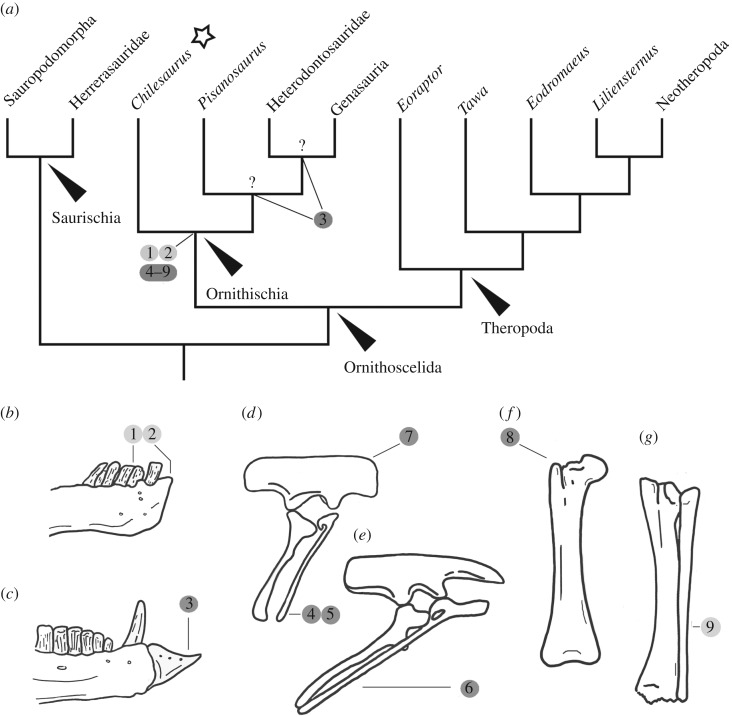
Untangling the dinosaur family tree
Langer, M.C., Ezcurra, M.D., Rauhut, O.W.M., Benton, M.J., Knoll, F., McPhee, B.W., Novas, F.E., Pol, D. e Brusatte, S.L. · Nature
Formal Nature reply to the Ornithoscelida hypothesis of Baron, Norman & Barrett (2017). The authors recode the original matrix, add nine taxa and recover the traditional Saurischia/Ornithischia dichotomy, albeit with weak statistical support. They also argue that quantitative biogeographic analysis points to a Gondwanan origin for dinosaurs. Relevant to Chilesaurus because it attacks the phylogenetic framework used by Baron & Barrett (2017) to reallocate it to Ornithischia.
Comment on 'A dinosaur missing-link? Chilesaurus and the early evolution of ornithischian dinosaurs'
Müller, R.T., Langer, M.C., Bronzati, M., Pacheco, C.P., Cabreira, S.F. e Dias-da-Silva, S. · Biology Letters
Attempting to replicate Baron & Barrett (2017) results with the published matrix, Müller and colleagues recovered Chilesaurus within Sauropodomorpha as sister taxon to a clade formed by Efraasia minor and more derived sauropodomorphs. The comment questioned the ornithischian results, but the controversy was later attributed by Baron & Barrett (2018) to a matrix upload error: the published version was a draft with incorrect scorings.
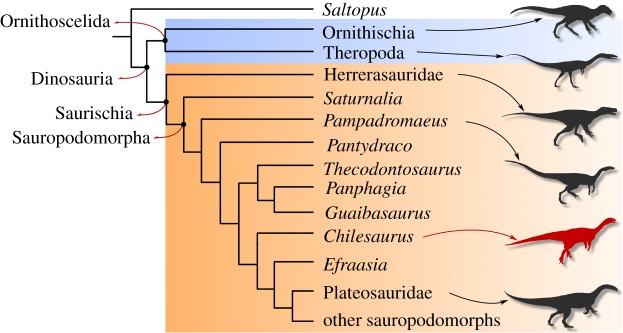
Support for the placement of Chilesaurus within Ornithischia: a reply to Müller et al.
Baron, M.G. e Barrett, P.M. · Biology Letters
Baron and Barrett acknowledge that an outdated dataset was mistakenly published alongside the 2017 paper, which explained the divergent results obtained by Müller et al. (2018). They provide the corrected matrix, and Müller et al. themselves confirmed that with it they also recover Chilesaurus as a basal ornithischian. This reply consolidates the ornithischian hypothesis of Baron & Barrett (2017) within the Ornithoscelida framework.

![Strict consensus tree produced using the correct dataset from Baron & Barrett [ 1 ], which places Chilesaurus within Ornithischia. Sa., Saurischia; A, Ornithoscelida; B, Dinosauria.](/images/species/chilesaurus-diegosuarezi/papers/616f9af24c-10.jpg)
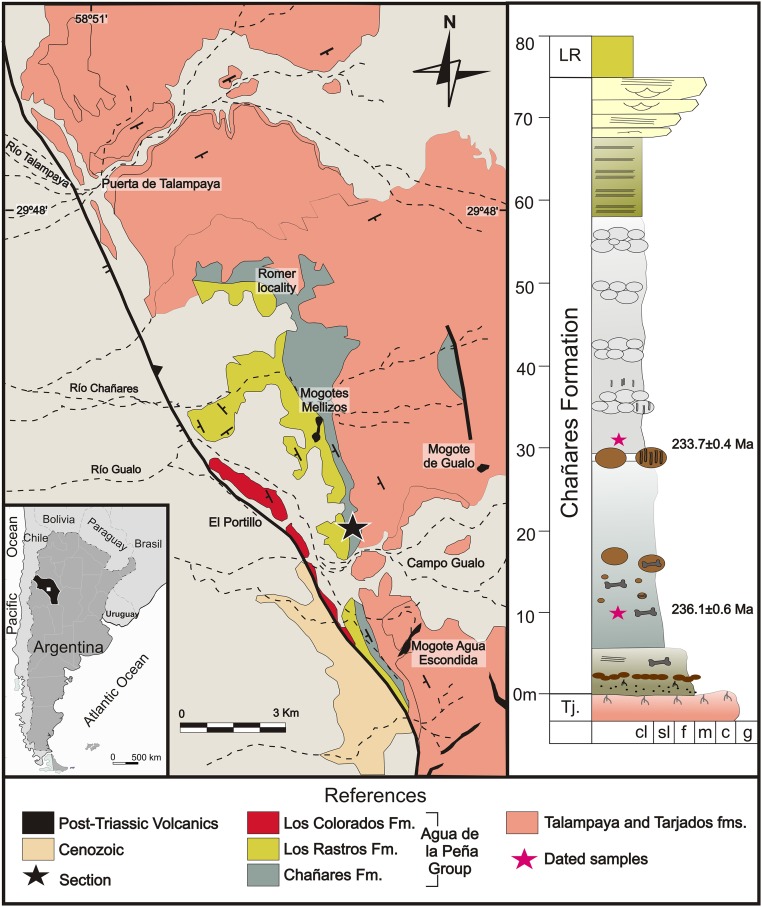
Tithonian age of dinosaur fossils in central Patagonian, Chile: U to Pb SHRIMP geochronology
Suárez, M., de la Cruz, R., Novas, F.E., Salgado, L. e colaboradores · International Journal of Earth Sciences
SHRIMP U to Pb zircon dating of volcanic tuffs interbedded in the Toqui Formation, Aysén Region, Chile. Provides ages of 148.7 ± 1.4 Ma and 147 ± 1.0 Ma, placing the Chilesaurus fauna in the late Tithonian (Upper Jurassic). It is the primary geochronological reference for all subsequent work on Chilesaurus and Burkesuchus.


Late Jurassic sauropods in Chilean Patagonia
Salgado, L., Canudo, J.I., Garrido, A.C. e Carballido, J.L. · Ameghiniana
Description of diplodocoid sauropods from the Toqui Formation, contemporaries of Chilesaurus diegosuarezi. Important for characterising the fauna associated with Chile's most famous dinosaur and for understanding South Pacific biogeography in the Late Jurassic.
Evolution of the carnivorous dinosaurs during the Cretaceous: the evidence from Patagonia
Novas, F.E., Agnolín, F.L., Ezcurra, M.D., Porfiri, J.D. e Canale, J.I. · Cretaceous Research
Synthesis of South American theropod evolution, discussing the context in which Chilesaurus would be described two years later. Relevant for positioning the Chilesaurus fauna in relation to other Gondwanan theropods known at the time.
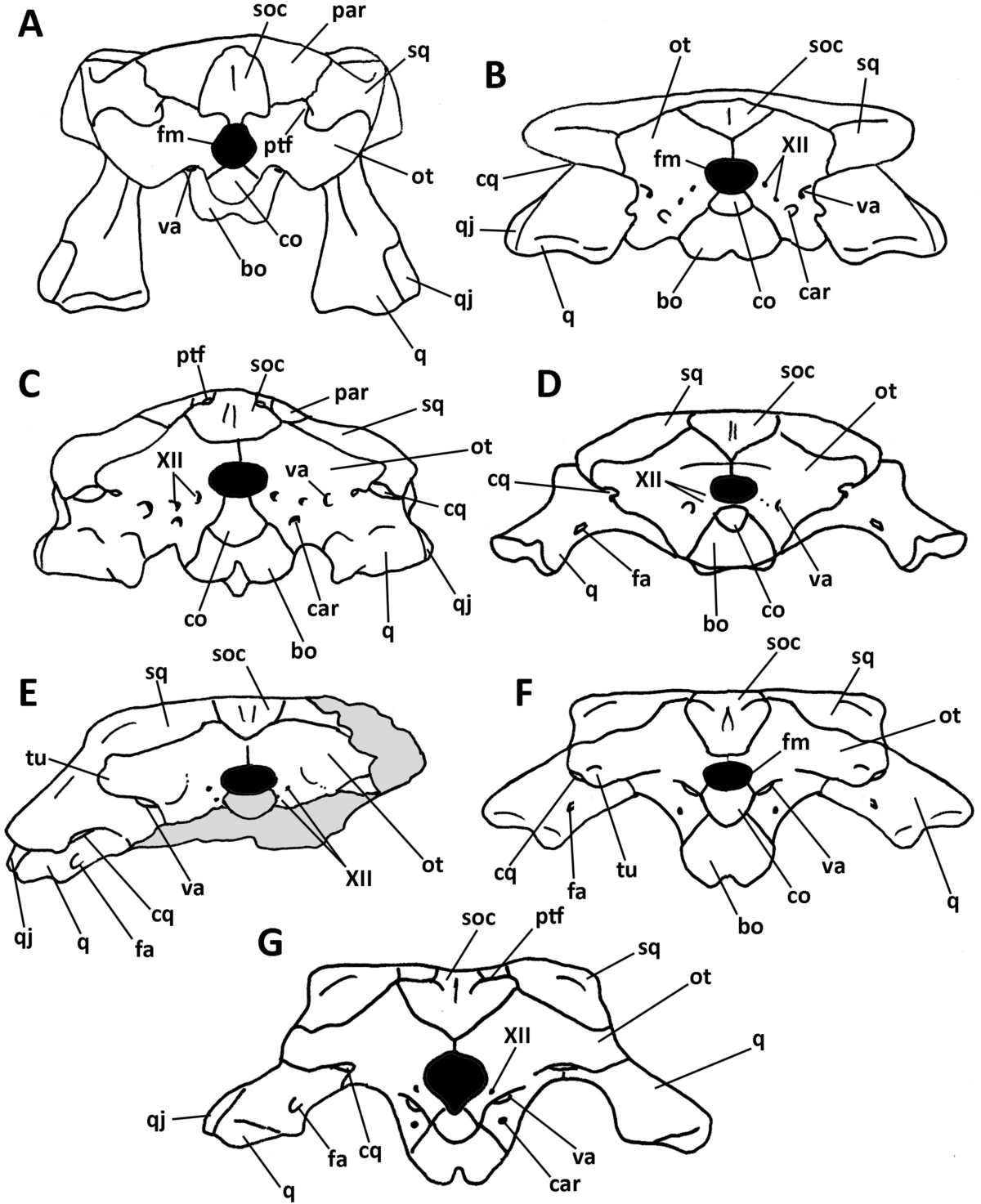
The precise temporal calibration of dinosaur origins
Marsicano, C.A., Irmis, R.B., Mancuso, A.C., Mundil, R. e Chemale, F. · PNAS
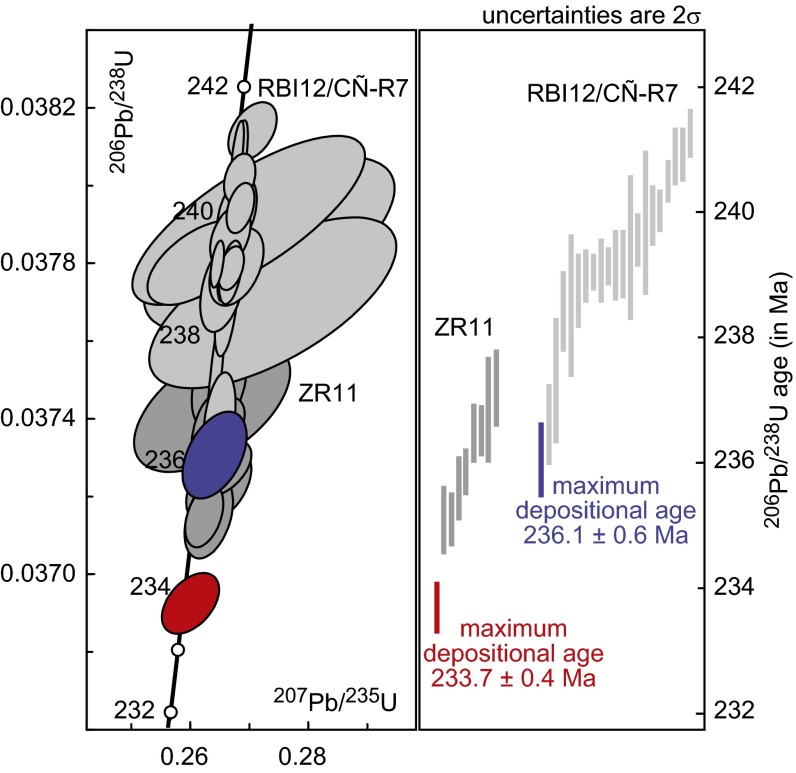
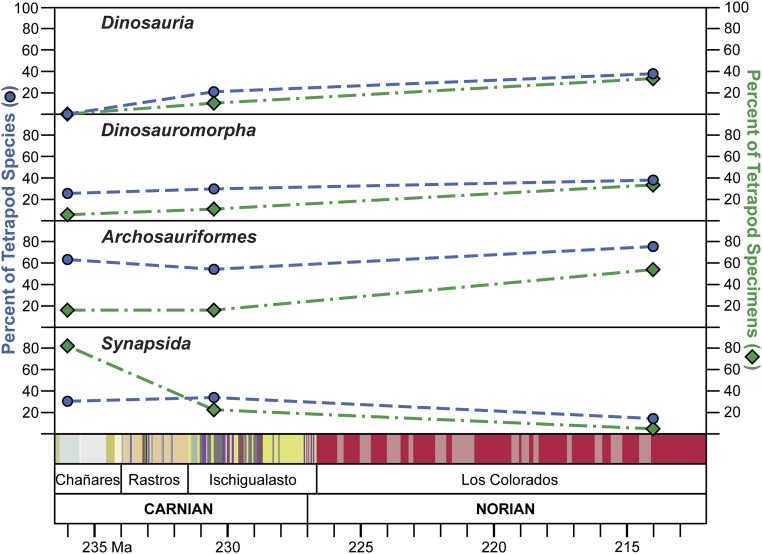
Precise temporal calibration for dinosaur origins. Although not directly on Chilesaurus, it is an anchor reference for contextualising the Tithonian and the Jurassic interval in which Chilesaurus lived, and one of the chronological bases cited in the Ornithoscelida debates.
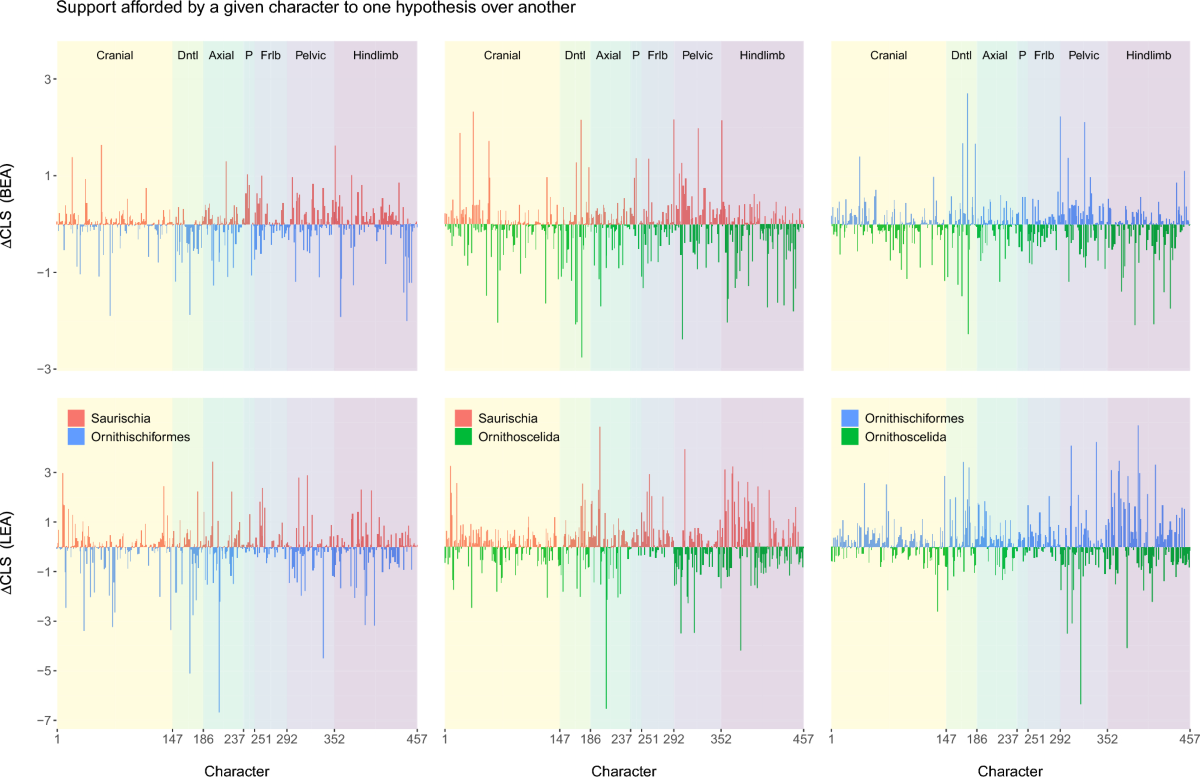
The novel archosauriform Burkesuchus mallingrandensis gen. et sp. nov. reveals the unique diversification of the Late Jurassic Patagonian archosaur fauna
Leardi, J.M., Pol, D., Novas, F.E. e Suárez Riglos, M. · Scientific Reports
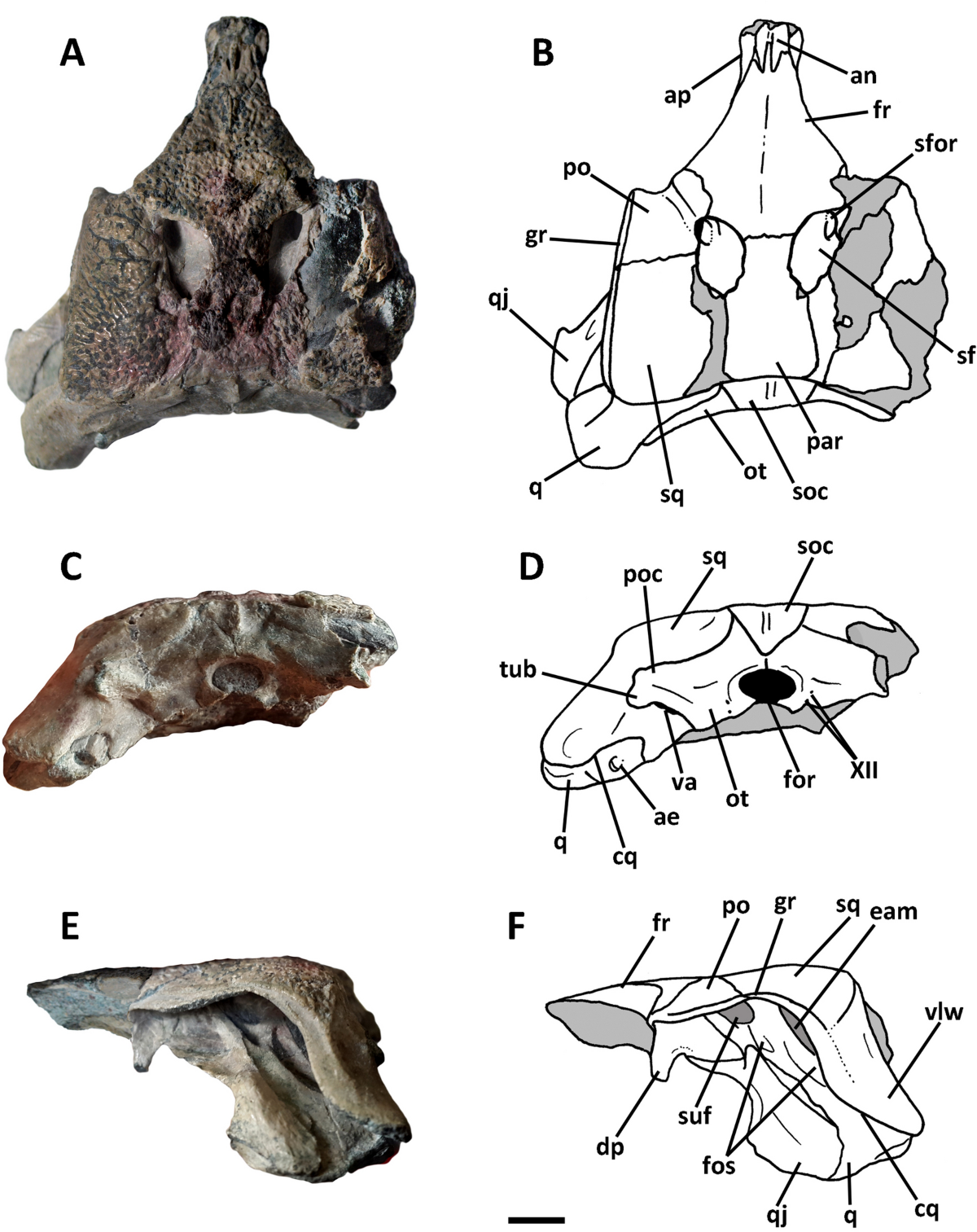
Description of Burkesuchus mallingrandensis, a crocodylomorph found alongside Chilesaurus in the Toqui Formation near Mallín Grande. Provides additional data on the associated fauna and the palaeobiogeography of the Late Jurassic of Chilean Patagonia, reinforcing the uniqueness of the community in which Chilesaurus lived.
The effect of character and outgroup choice on the phylogenetic position of the Jurassic dinosaur Chilesaurus diegosuarezi
Baiano, M.A., Pol, D., Bellardini, F., Windholz, G.J., Cerda, I.A., Garrido, A.C. e Coria, R.A. · Palaeoworld
Systematic assessment of the effect of character and outgroup choice on the phylogenetic position of Chilesaurus. It shows that outgroup choice is the primary source of instability; depending on the matrix, Chilesaurus appears as basal tetanuran, basal ornithischian or sauropodomorph. The work favours its recovery as a theropod in scenarios with the best basal tetanuran sampling.
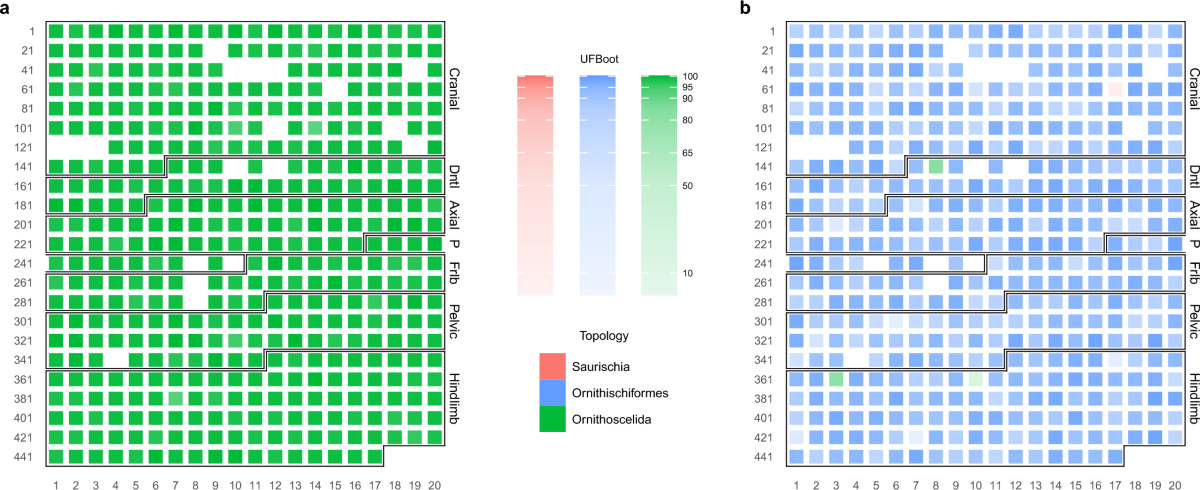
Statistical evaluation of character support reveals the instability of higher-level dinosaur phylogeny
Fonseca, A.O., Reid, I.J., Venner, A., Duncan, R.J., Garcia, M.S. e Müller, R.T. · Scientific Reports
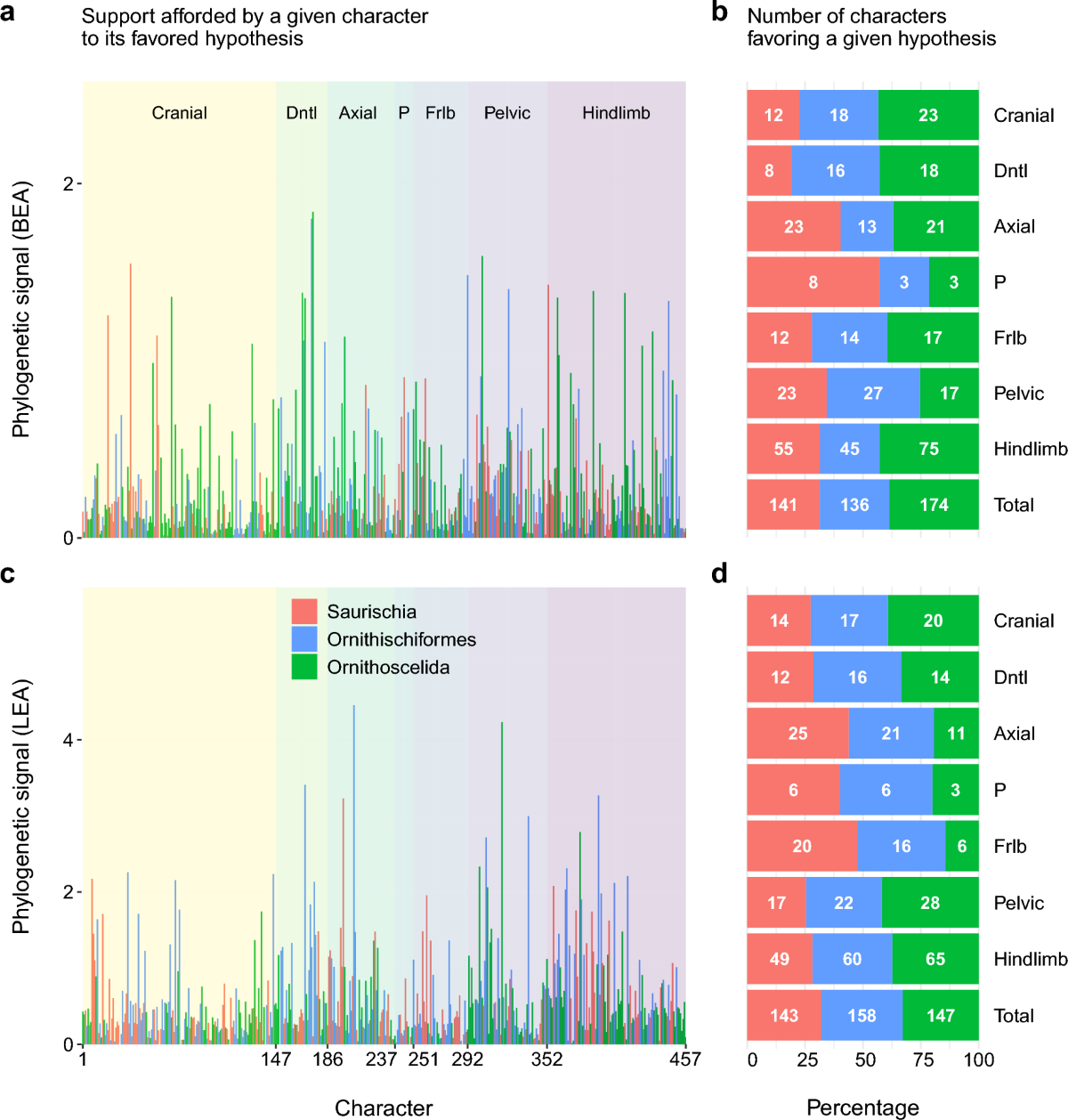
Statistical evaluation of character support in the main basal dinosaur phylogenetic matrices. Concludes that the higher-level phylogeny of Dinosauria remains unstable, and that Chilesaurus continues to be a 'rogue' taxon whose placement depends strongly on the matrix. Provides a modern impartial view of the Saurischia/Ornithoscelida debate in which Chilesaurus is central.
Famous museum specimens
SNGM-1935 (holótipo)
Museu Nacional de História Natural do Chile (MNHN), Santiago, Chile
Holotype originally deposited at the Servicio Nacional de Geología y Minería (SERNAGEOMIN) in Santiago. In September 2017 it was permanently transferred to the National Museum of Natural History of Chile, where it is part of the 'Dinosaurs, Beyond Extinction!' exhibition. Preparation was carried out between 2008 and 2013 at the MACN laboratories in Buenos Aires.
Parátipos SNGM-1936, 1937, 1938, 1888
Museu Nacional de História Natural do Chile (MNHN), Santiago, Chile
The paratypes are the basis for the resting-posture analysis by Chimento et al. (2017), who identified ventrally flexed arms in all four articulated specimens. Housed at the MNHN after the return from Buenos Aires in 2017.
Ossos isolados SNGM-1889, 1895, 1901, 1894, 1898, 1900, 1903
Museu Nacional de História Natural do Chile (MNHN), Santiago, Chile
Additional isolated bones used as referred material. They represent different individuals and add ontogenetic variation to the sample.
Molde em exposição, Museu Regional de Aysén (Coyhaique)
Museo Regional de Aysén, Coyhaique, Chile
In October 2018 a complete Chilesaurus cast was displayed at the Museo Regional de Aysén in Coyhaique, bringing the emblematic fossil closer to the community where it was found. The cast results from cooperation between MNHN and MACN.
Moldes em exposição internacional (Japão)
Exposições itinerantes no Japão e outros países
Mounted casts of the Chilesaurus skeleton have featured in itinerant exhibitions, notably in Japan (2017 onward), contributing to the international popularisation of the 'platypus dinosaur'.
Classification
Discovery
Fun fact
Chilesaurus earned the nickname 'platypus of dinosaurs' because it combines anatomical traits from very distinct groups: a theropod skull and forelimbs (relatives of T. rex), a backward-facing pelvis like that of ornithischians and birds, spatulate teeth typical of herbivores such as prosauropods, and a foot with four functional toes. The first bone was found on 4 February 2004 by seven-year-old Diego Suárez while walking with his geologist parents near General Carrera Lake, in Chilean Patagonia. The species epithet diegosuarezi honours the young discoverer.
Last reviewed: April 24, 2026