← Back to catalog
🇧🇷 Espécie Brasileira
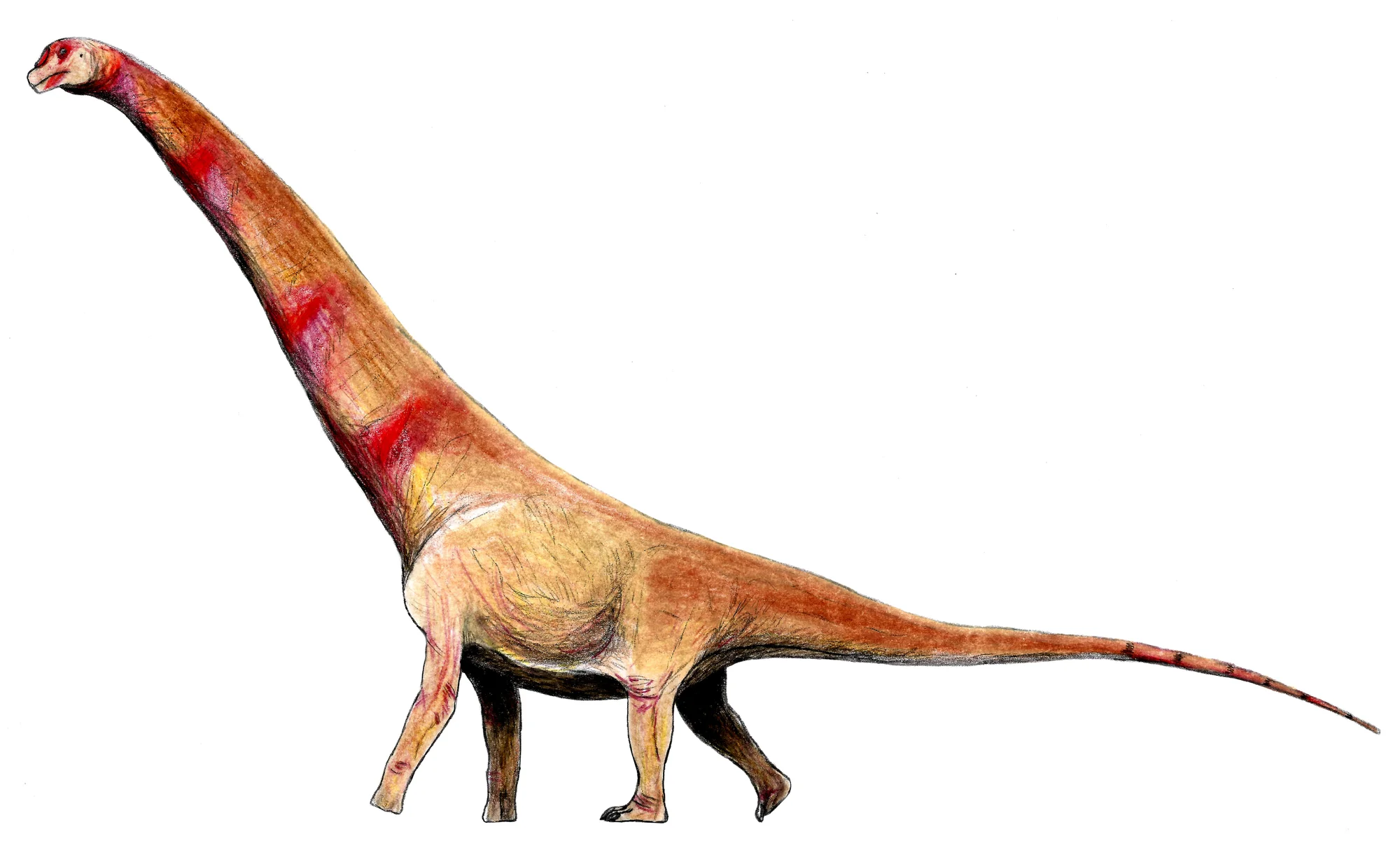
Austroposeidon magnificus
Cretaceous Herbivore

Austroposeidon

Austroposeidon magnificus

"Magnificent southern Poseidon"

Period
Cretaceous · Campaniano-Maastrichtiano
Lived
83–72 Ma
Length
up to 25 m
Estimated weight
40.0 t
Country of origin
Brasil
Described in
2016 by Kamila L.N. Bandeira, Felipe M. Simbras, Elaine B. Machado, Diogenes A. Campos, Gustavo R. Oliveira e Alexander W.A. Kellner

Austroposeidon magnificus is the largest dinosaur ever described from Brazil, a titanosaur roughly 25 metres long that inhabited the Late Cretaceous Bauru Basin in western São Paulo State. Its holotype MCT 1628-R was collected in 1953 by Brazilian palaeontologist Llewellyn Ivor Price on the outskirts of Presidente Prudente (SP) and sat in storage at the Museum of Earth Sciences in Rio de Janeiro for over 60 years before being formally described in 2016 by Bandeira and colleagues. The original phylogenetic analysis placed it as the sister group of Lognkosauria, while later work (Navarro et al. 2022) recovered it within Lognkosauria itself, alongside Argentinian giants such as Argentinosaurus and Patagotitan. CT scans of the cervical vertebrae revealed, for the first time in any sauropod, an internal structure alternating pneumatic camellae with dense growth rings.

Presidente Prudente Formation, part of the Bauru Group, Bauru Basin. Campanian to early Maastrichtian age (~83 to 72 Ma). Lithology dominated by fine to medium sandstones with mudstone lenses, carbonate cementation and calcrete-bearing palaeosols. The depositional environment combines meandering fluvial systems and alluvial fans in a semi-arid climate with strong seasonality. Associated fauna includes titanosaurs, abelisaurid theropods, crocodyliforms, testudines and podocnemidid eggs.

🌿

Habitat

Semi-arid fluvio-alluvial plains of the inner Bauru Basin, with meandering rivers, alluvial fans and calcrete-bearing palaeosols. Climate marked by strong rainfall seasonality and high temperatures, with vegetation dominated by shrub-like gnetophytes and small conifers.

🦷

Feeding

High-browsing herbivore, reaching conifer canopies inaccessible to other herbivores. By analogy with better-known titanosaurs, it likely ingested large volumes of barely-chewed foliage, with digestion supported by gastroliths and prolonged fermentation.

🧠

Behavior and senses

Likely gregarious like most titanosaurs, moving in groups that reshaped local vegetation. No direct evidence (tracks, nests) is associated with Austroposeidon, but the broader South American titanosaur record supports an interpretation of herd living and colonial nesting in open areas.

Physiology and growth

CT scans by Bandeira et al. (2016) revealed a unique internal vertebral structure, with pneumatic camellae alternating with dense growth rings. This pattern suggests prolonged and possibly irregular growth, consistent with sauropod gigantism strategies.

Continental configuration

Mapa paleogeográfico do Cretáceous (~90 Ma)

Ron Blakey · CC BY 3.0 · Cretáceous, ~90 Ma

During the Campaniano-Maastrichtiano (~83–72 Ma), Austroposeidon magnificus inhabited Laramidia, the western half of present-day North America, separated from the east by the Western Interior Seaway, a shallow sea dividing the continent. The continents were in very different positions: India was drifting toward Asia, Antarctica was still connected to Australia, and South America was an isolated island.

Estimated completeness 10%

Only portions of the vertebral column were recovered (posterior cervicals, dorsals and a sacral), enough to diagnose four autapomorphies but not to reconstruct precise body proportions. Length estimates of ~25 m are inferred by comparison with more complete titanosaurs.

Found (5)
Inferred (6)
Esqueleto de dinossauro — sauropod
Bandeira et al. 2016, PLOS ONE, CC BY 2.5 CC BY 2.5

Found elements

2 vértebras cervicais posteriores (Cv12 e Cv13)1 costela cervical1 vértebra dorsal anterior completa (D1)7 fragmentos de vértebras dorsais médias a posteriores1 fragmento de vértebra sacral

Inferred elements

crâniocintura escapular e membros anteriorespelve completamembros posteriorescaudamaioria das costelas dorsais

15 papers in chronological order — from the original description to recent research.

2016

A new giant Titanosauria (Dinosauria: Sauropoda) from the Late Cretaceous Bauru Group, Brazil

Bandeira, K.L.N., Simbras, F.M., Machado, E.B., Campos, D.A., Oliveira, G.R. e Kellner, A.W.A. · PLOS ONE

Original description of Austroposeidon magnificus as a new giant titanosaur (~25 m), sister group to Lognkosauria. First description of a Brazilian dinosaur rivalling Patagonian giants in size. CT scans reveal a previously unrecorded pattern of growth rings alternating with pneumatic camellae in cervical vertebrae.
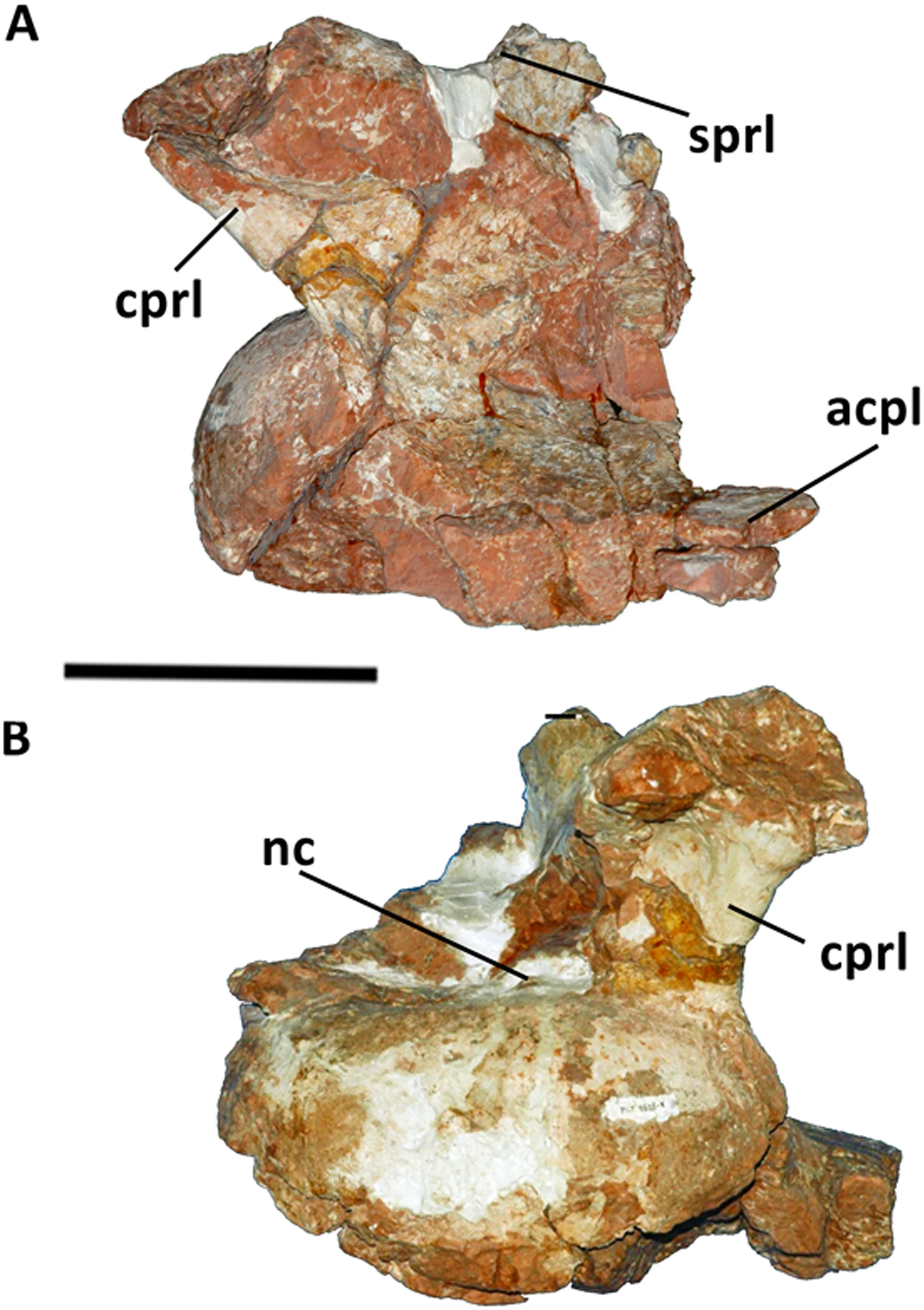
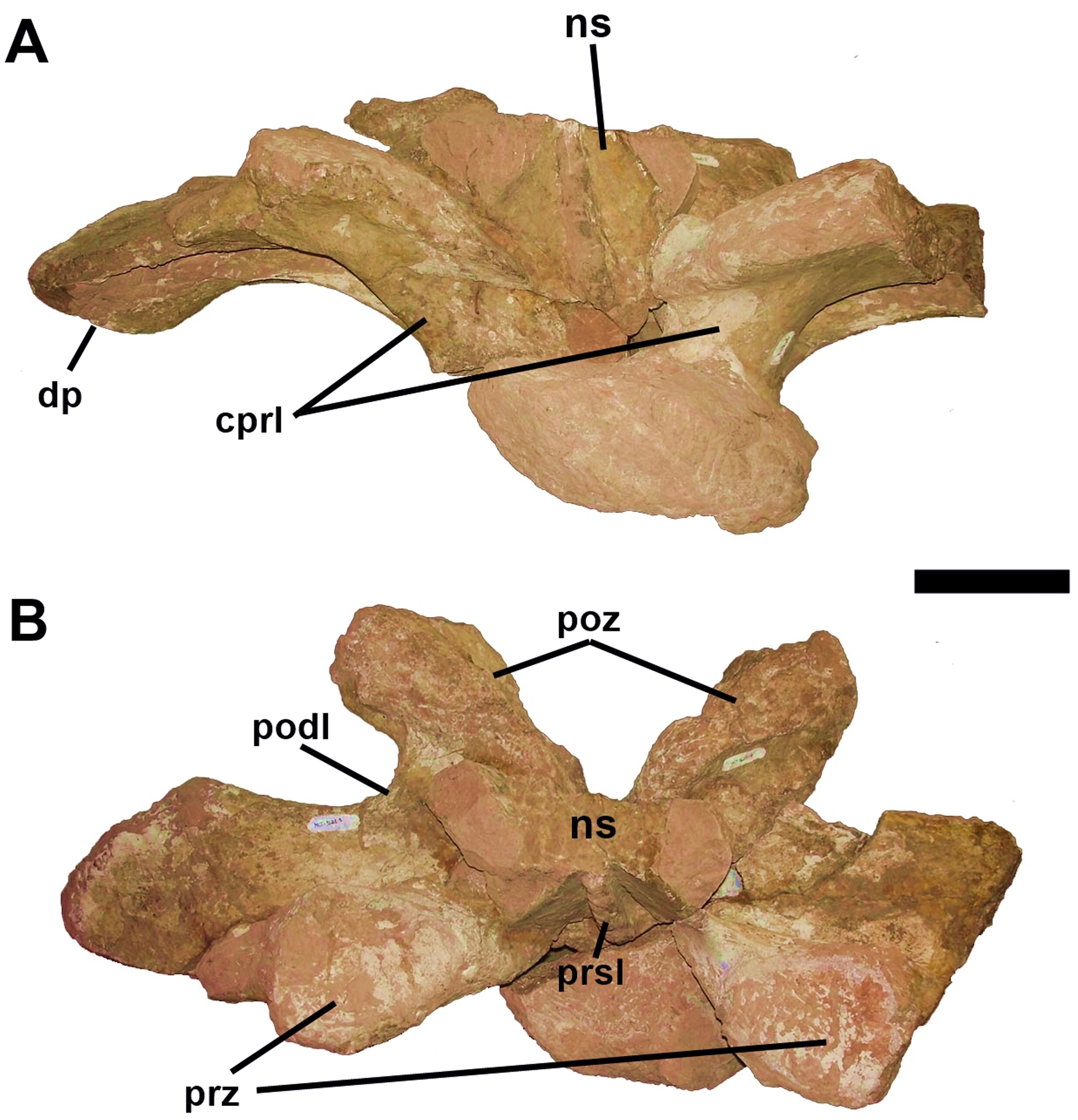
Cervical vertebra Cv12 of holotype MCT 1628-R in lateral and anterior views, showing the unique laminae used to diagnose the species.

Cervical vertebra Cv12 of holotype MCT 1628-R in lateral and anterior views, showing the unique laminae used to diagnose the species.

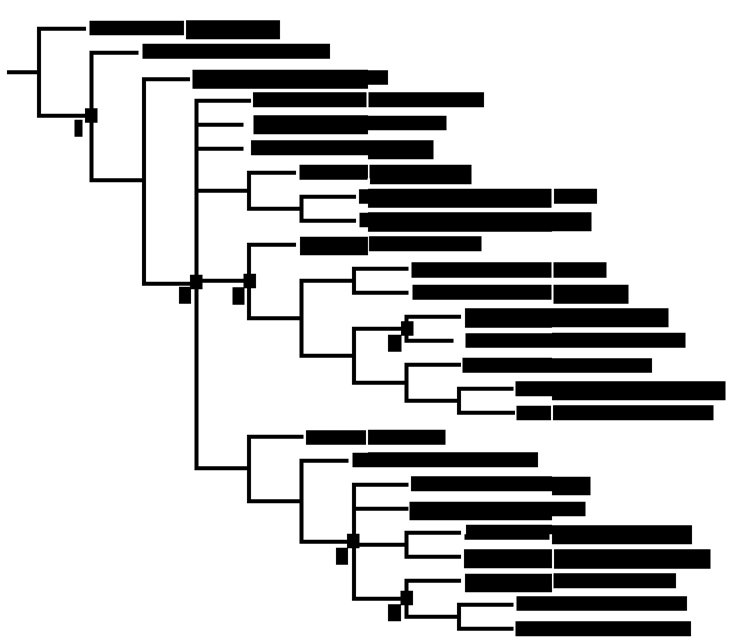
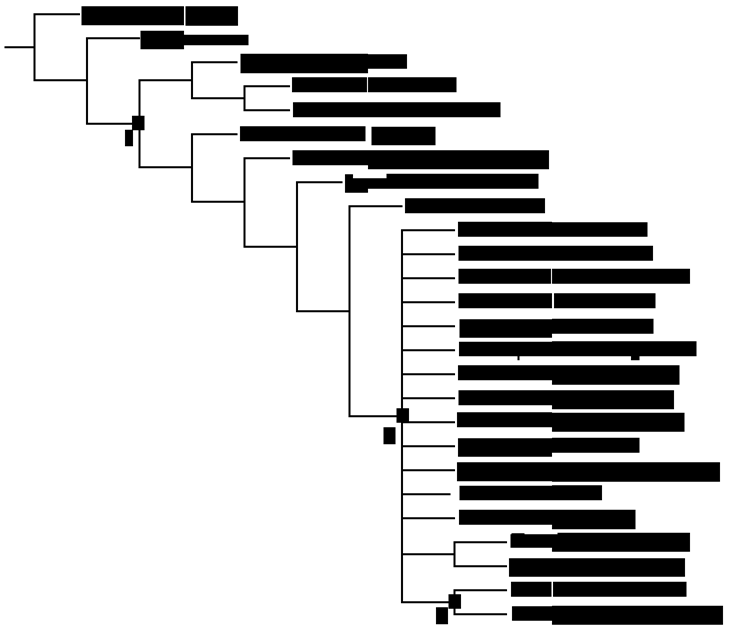
Strict-consensus cladogram placing Austroposeidon as the sister group of Lognkosauria within Lithostrotia.

Strict-consensus cladogram placing Austroposeidon as the sister group of Lognkosauria within Lithostrotia.

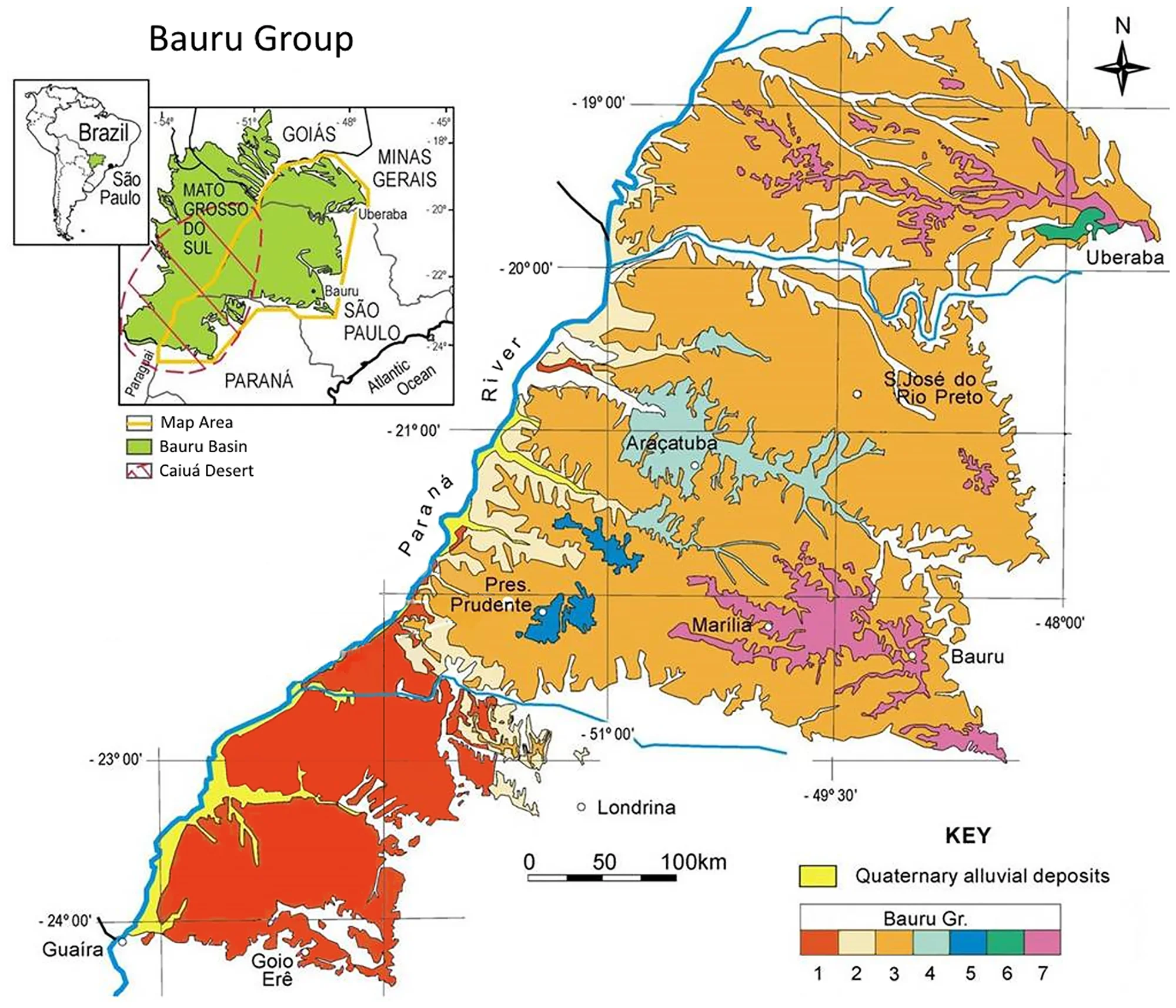
Fig 1. Map showing the location of the Bauru Group (modified from Fernandes et al ., 2007).

Fig 1. Map showing the location of the Bauru Group (modified from Fernandes et al ., 2007).

Fig 2. Cervical vertebra (Cv 12) of Austroposeidon magnificus gen. et nov. sp.

Fig 2. Cervical vertebra (Cv 12) of Austroposeidon magnificus gen. et nov. sp.

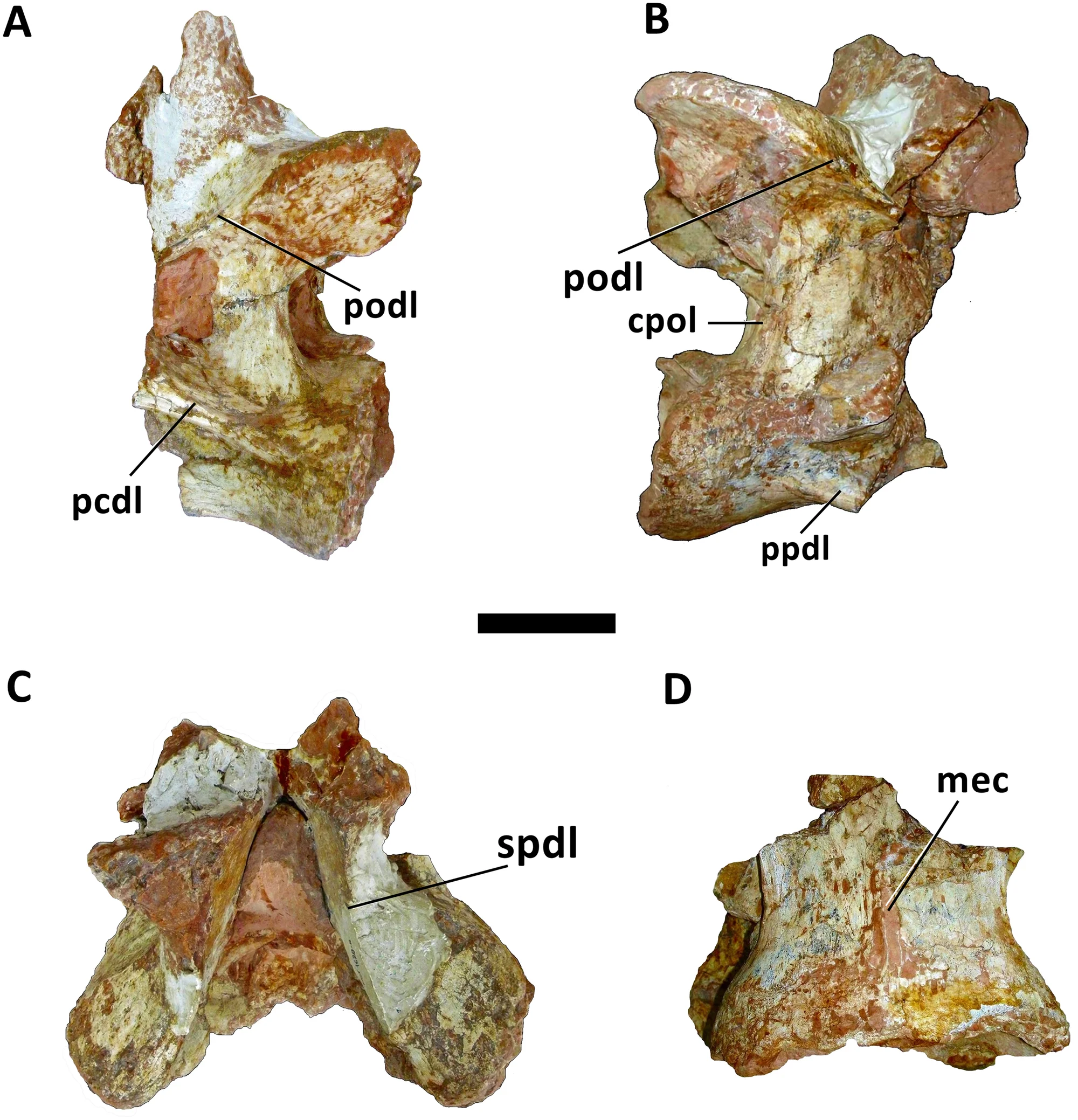
Fig 3. Cervical vertebra (Cv 13) of Austroposeidon magnificus gen. et sp. nov.

Fig 3. Cervical vertebra (Cv 13) of Austroposeidon magnificus gen. et sp. nov.

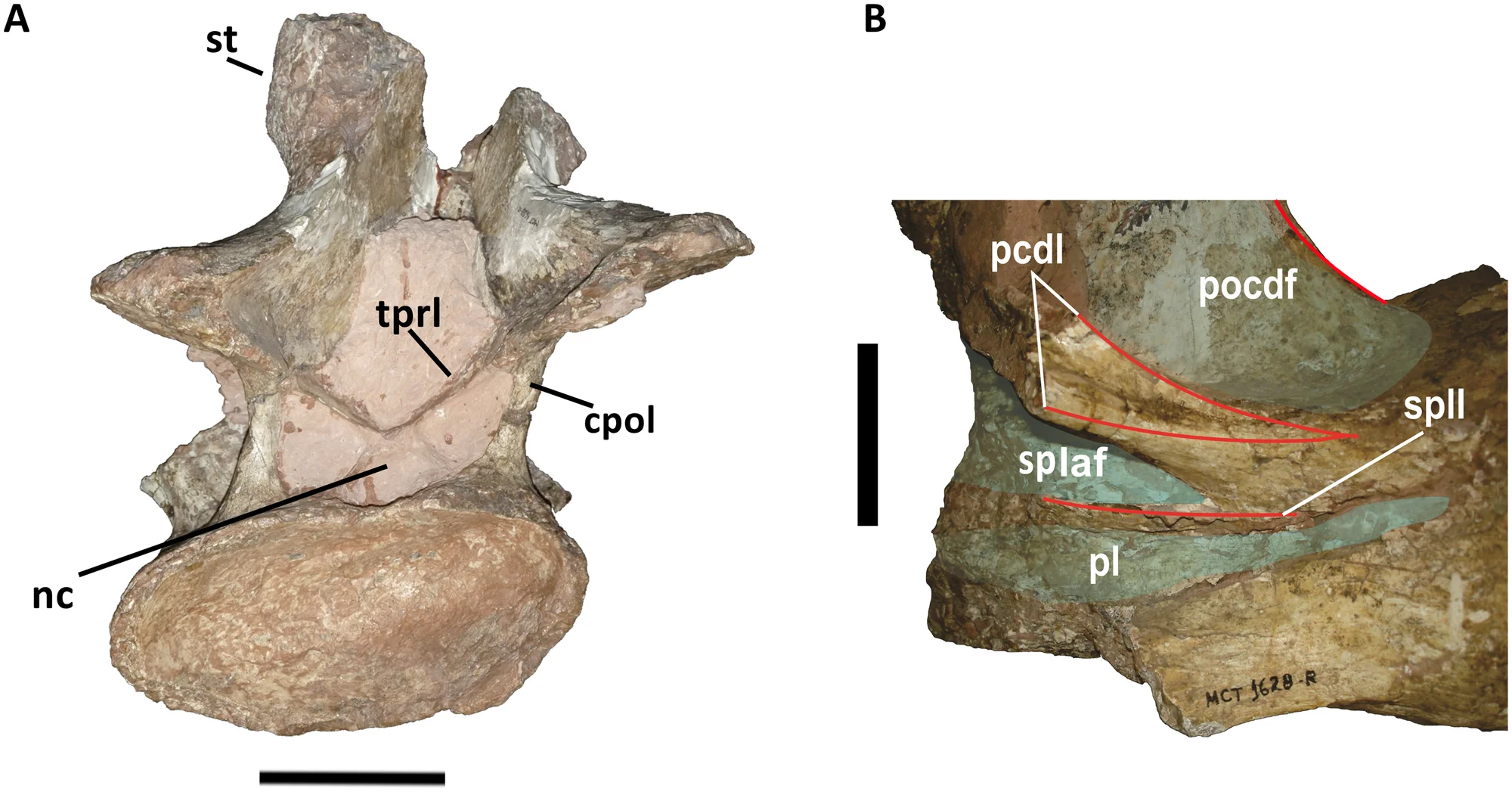
Fig 4. Detail of the cervical vertebra (Cv 13) of Austroposeidon magnificus gen. et sp. nov.

Fig 4. Detail of the cervical vertebra (Cv 13) of Austroposeidon magnificus gen. et sp. nov.

2016

Internal vertebral structure of Austroposeidon (cervical CT scans)

Bandeira, K.L.N., Simbras, F.M., Machado, E.B., Campos, D.A., Oliveira, G.R. e Kellner, A.W.A. · PLOS ONE

Figure dedicated to CT-reconstructed internal structure, showing the unprecedented intercalation of pneumatic camellae with dense growth rings, interpreted as a possible marker of sustained gigantism.

CT reconstruction of the internal structure of a cervical vertebra, revealing growth rings (dark) alternating with camellae (light).

CT reconstruction of the internal structure of a cervical vertebra, revealing growth rings (dark) alternating with camellae (light).

2016

Austroposeidon locality map

Bandeira, K.L.N., Simbras, F.M., Machado, E.B., Campos, D.A., Oliveira, G.R. e Kellner, A.W.A. · PLOS ONE

Geological map of the Bauru Group showing the holotype locality in the Presidente Prudente Formation, near the city of Presidente Prudente (São Paulo).

Geological map of the Bauru Group showing the MCT 1628-R holotype locality.

Geological map of the Bauru Group showing the MCT 1628-R holotype locality.

2022

A new nanoid titanosaur (Dinosauria: Sauropoda) from the Upper Cretaceous of Brazil

Navarro, B.A., Ghilardi, A.M., Aureliano, T., Díez Díaz, V., Bandeira, K.L.N. et al. · Ameghiniana

Description of Ibirania parva, the smallest known Brazilian titanosaur. The updated phylogenetic analysis recovers Austroposeidon within Lognkosauria, revising its 2016 position as sister group.

Map of sauropod-bearing localities in the Bauru Basin, including the Austroposeidon site at Presidente Prudente.

Map of sauropod-bearing localities in the Bauru Basin, including the Austroposeidon site at Presidente Prudente.

2005

On a titanosaurid (Dinosauria, Sauropoda) vertebral column from the Bauru Group, Late Cretaceous of Brazil

Campos, D.A., Kellner, A.W.A., Bertini, R.J. e Santucci, R.M. · Arquivos do Museu Nacional

Description of Trigonosaurus pricei based on the 'Series B' (MCT 1488-R) specimens from Peirópolis (Minas Gerais), part of the same collection in which the Austroposeidon holotype was stored for decades.

Holotype of Trigonosaurus pricei (MCT 1488-R), cervical and dorsal vertebrae. Both taxa were collected by Llewellyn Ivor Price and catalogued at the Museum of Earth Sciences.

Holotype of Trigonosaurus pricei (MCT 1488-R), cervical and dorsal vertebrae. Both taxa were collected by Llewellyn Ivor Price and catalogued at the Museum of Earth Sciences.

2006

On a new titanosaur sauropod from the Bauru Group, Late Cretaceous of Brazil

Kellner, A.W.A., Campos, D.A., Trotta, M.N.F., Azevedo, S.A.K., Craik, M.M.T. e Silva, H.P. · Boletim do Museu Nacional (Geologia)

Description of Maxakalisaurus topai (MN 5013-V), a ~13 m Brazilian titanosaur from the Adamantina Formation in Minas Gerais, referred to Aeolosaurini. One of the most complete close relatives of Austroposeidon.

Holotype of Maxakalisaurus topai (MN 5013-V). Though smaller than Austroposeidon, it is among the most complete Brazilian titanosaurs.

Holotype of Maxakalisaurus topai (MN 5013-V). Though smaller than Austroposeidon, it is among the most complete Brazilian titanosaurs.

1999

A new sauropod dinosaur (Titanosauria) from the Late Cretaceous of Brazil

Kellner, A.W.A. e Azevedo, S.A.K. · Proceedings of the Second Gondwanan Dinosaur Symposium, NSM Monographs

Description of Gondwanatitan faustoi, a titanosaur from São Paulo State known from a partial skeleton. The first well-documented São Paulo titanosaur, preceding Austroposeidon in the same sedimentary basin.

Size comparison between Gondwanatitan and an adult human. São Paulo titanosaurs such as Gondwanatitan were far smaller than Austroposeidon.

Size comparison between Gondwanatitan and an adult human. São Paulo titanosaurs such as Gondwanatitan were far smaller than Austroposeidon.

2008

Uberabatitan ribeiroi, a new titanosaur from the Marília Formation (Bauru Group, Upper Cretaceous), Minas Gerais, Brazil

Salgado, L. e Carvalho, I.S. · Palaeontology

Original description of Uberabatitan ribeiroi, a titanosaur from the Marília Formation at Uberaba (Minas Gerais), Maastrichtian. Together with Austroposeidon it represents the late apex of the Brazilian titanosaurian lineage.

Profile reconstruction of Uberabatitan ribeiroi from the Triângulo Mineiro. These Maastrichtian titanosaurs shared with Austroposeidon an adaptation to the semi-arid Bauru climate.

Profile reconstruction of Uberabatitan ribeiroi from the Triângulo Mineiro. These Maastrichtian titanosaurs shared with Austroposeidon an adaptation to the semi-arid Bauru climate.

2005

Description of a titanosaurid caudal series from the Bauru Group, Late Cretaceous of Brazil

Kellner, A.W.A., Campos, D.A. e Trotta, M.N.F. · Arquivos do Museu Nacional

Description of Baurutitan britoi (MCT 1490-R), a titanosaur known from sacrum and caudals from Peirópolis (Minas Gerais), Serra da Galga/Marília Formation. Anatomical comparisons support Austroposeidon's distinction as a separate taxon.

Holotype of Baurutitan britoi (MCT 1490-R) showing caudals and sacrum. Comparison with these vertebrae was used by Bandeira et al. (2016) to justify Austroposeidon as a new genus.

Holotype of Baurutitan britoi (MCT 1490-R) showing caudals and sacrum. Comparison with these vertebrae was used by Bandeira et al. (2016) to justify Austroposeidon as a new genus.

2019

Osteology and systematics of Uberabatitan ribeiroi (Dinosauria; Sauropoda): a Late Cretaceous titanosaur from Minas Gerais, Brazil

Silva Junior, J.C.G., Marinho, T.S., Martinelli, A.G. e Langer, M.C. · Zootaxa

Complete osteological redescription of Uberabatitan ribeiroi, providing comparative context for Austroposeidon and clarifying relationships among Brazilian Maastrichtian titanosaurs.
Profile reconstruction of Trigonosaurus pricei, a Brazilian titanosaur similar in age to Austroposeidon. The family Aeolosaurini is ubiquitous in the Bauru Group.

Profile reconstruction of Trigonosaurus pricei, a Brazilian titanosaur similar in age to Austroposeidon. The family Aeolosaurini is ubiquitous in the Bauru Group.

2022

New specimens of Baurutitan britoi and a taxonomic reassessment of the titanosaur dinosaur fauna (Sauropoda) from the Serra da Galga Formation (Late Cretaceous) of Brazil

Silva Junior, J.C.G., Martinelli, A.G., Iori, F.V., Marinho, T.S., Hechenleitner, E.M. e Langer, M.C. · PeerJ

Reassessment of the Serra da Galga Formation titanosaur fauna (Triângulo Mineiro). Expands the comparative context for interpreting Austroposeidon within the broader landscape of Campanian-Maastrichtian Brazilian titanosaurs.
Lower jaw and teeth referred to Maxakalisaurus topai. Aeolosaurine dental architecture contrasts with the absence of cranial material for Austroposeidon.

Lower jaw and teeth referred to Maxakalisaurus topai. Aeolosaurine dental architecture contrasts with the absence of cranial material for Austroposeidon.

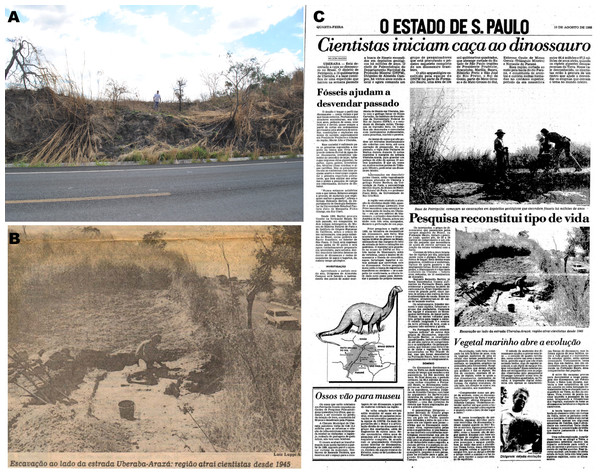
Figure 1: (A) “Rodovia” quarry in 2012 (photo by AGM). (B and C) News article depicting the field works in 1988 (from the archives of Beethoven Teixeira). Download full-size image DOI: 10.7717/peerj.14333/fig-1

Figure 1: (A) “Rodovia” quarry in 2012 (photo by AGM). (B and C) News article depicting the field works in 1988 (from the archives of Beethoven Teixeira). Download full-size image DOI: 10.7717/peerj.14333/fig-1

Figure 2: (A) Map of the Bauru Basin detailing the Uberaba region. (B) Map of “Ponto 1” quarry made by Price, detailing positions of Series B (Purple) and C (Yellow). It is noteworthy that MCT 1719-R cannot be located on the map (From the archives of CPPLIP). Download full-size image DOI: 10.7717/peerj.14333/fig-2

Figure 2: (A) Map of the Bauru Basin detailing the Uberaba region. (B) Map of “Ponto 1” quarry made by Price, detailing positions of Series B (Purple) and C (Yellow). It is noteworthy that MCT 1719-R cannot be located on the map (From the archives of CPPLIP). Download full-size image DOI: 10.7717/peerj.14333/fig-2

Figure 3: Middle cervical vertebrae of the BR-262 specimens. CPPLIP-035 in (A) right lateral; (B) left lateral; (C) anterior; (D) dorsal; (E) ventral and (F) posterior views. CPPLIP-039 in (G) right lateral; (H) left lateral; (I) posterior; (J) dorsal and (K) ventral views. Abbreviations: acl, accessory lamina; pcdl, posterior centrodiapophyseal lamina; pocdf, postzygapophyseal centrodiapophyseal fossa; podl, postzygodiapophyseal lamina; prdl, prezygodiapophyseal lamina; sdf, spinodiapophyseal f

Figure 3: Middle cervical vertebrae of the BR-262 specimens. CPPLIP-035 in (A) right lateral; (B) left lateral; (C) anterior; (D) dorsal; (E) ventral and (F) posterior views. CPPLIP-039 in (G) right lateral; (H) left lateral; (I) posterior; (J) dorsal and (K) ventral views. Abbreviations: acl, accessory lamina; pcdl, posterior centrodiapophyseal lamina; pocdf, postzygapophyseal centrodiapophyseal fossa; podl, postzygodiapophyseal lamina; prdl, prezygodiapophyseal lamina; sdf, spinodiapophyseal f

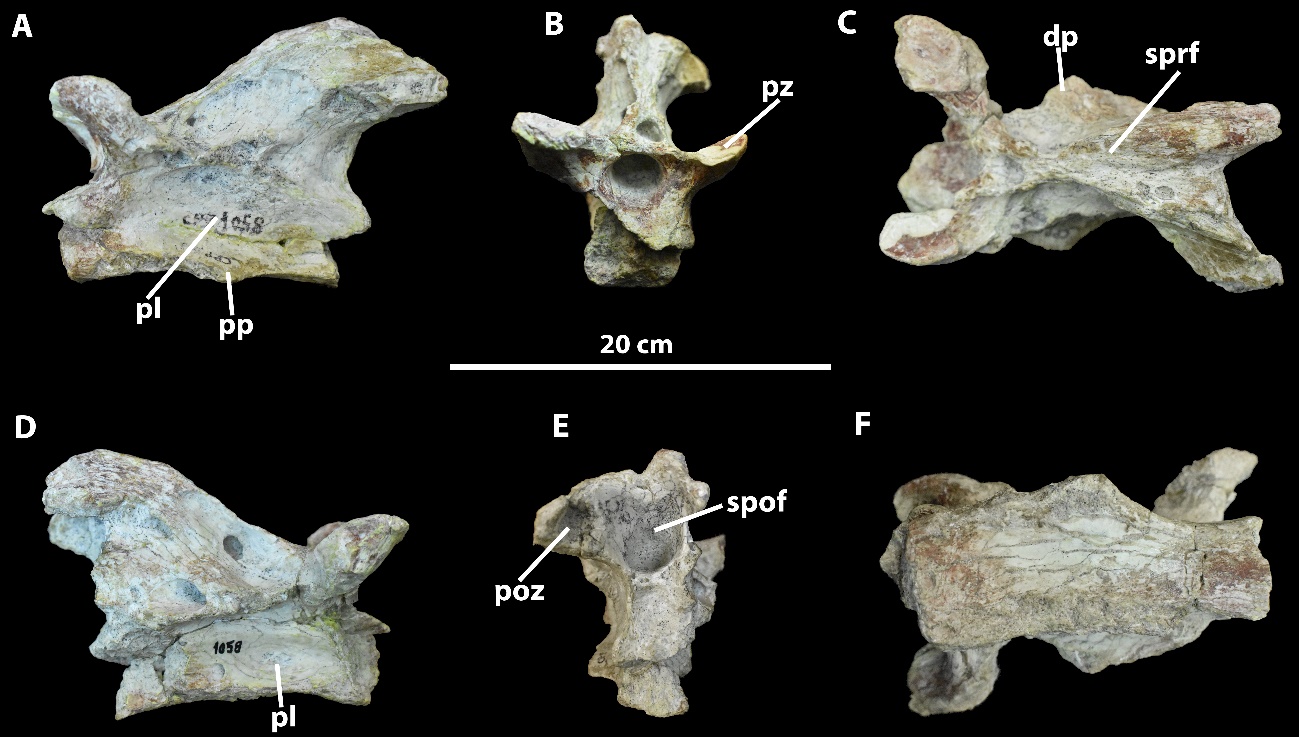
Figure 4: Posterior cervical vertebrae of the BR-262 specimens. CPPLIP-040 in (A) right lateral; (B) anterior and (C) dorsal views. CPPLIP-049 in (D) right lateral; (E) anterior and (F) dorsal views. Abbreviations: eprl, epipophyseal-prezygapophyseal laminae; le, longitudinal excavation; prz, prezygapophyses; sprl, spinoprezygapophyseal lamina; tprl, interprezygapophyseal lamina. Download full-size image DOI: 10.7717/peerj.14333/fig-4

Figure 4: Posterior cervical vertebrae of the BR-262 specimens. CPPLIP-040 in (A) right lateral; (B) anterior and (C) dorsal views. CPPLIP-049 in (D) right lateral; (E) anterior and (F) dorsal views. Abbreviations: eprl, epipophyseal-prezygapophyseal laminae; le, longitudinal excavation; prz, prezygapophyses; sprl, spinoprezygapophyseal lamina; tprl, interprezygapophyseal lamina. Download full-size image DOI: 10.7717/peerj.14333/fig-4

2016

New lower jaw and teeth referred to Maxakalisaurus topai (Titanosauria: Aeolosaurini) and their implications for the phylogeny of titanosaurid sauropods

França, M.A.G., Marsola, J.C.A., Riff, D., Hsiou, A.S. e Langer, M.C. · PeerJ

New dental material of Maxakalisaurus and phylogenetic analysis of aeolosaurines. Context for the lineage to which Austroposeidon approaches in the most recent analyses (Navarro et al. 2022).
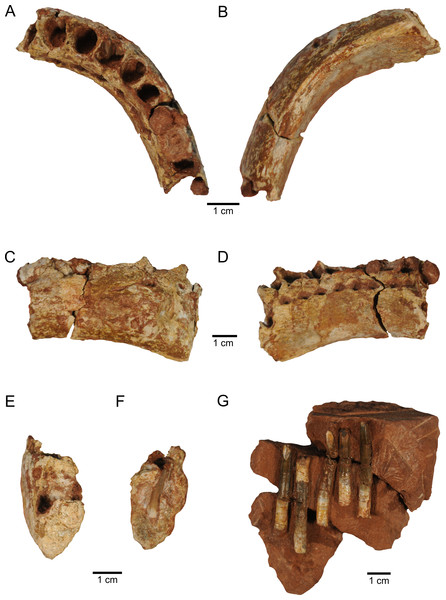
Dental material referred to Maxakalisaurus. The dentition of Brazilian titanosaurs remains poorly documented, which hampers skull-based phylogenetic analyses.

Dental material referred to Maxakalisaurus. The dentition of Brazilian titanosaurs remains poorly documented, which hampers skull-based phylogenetic analyses.

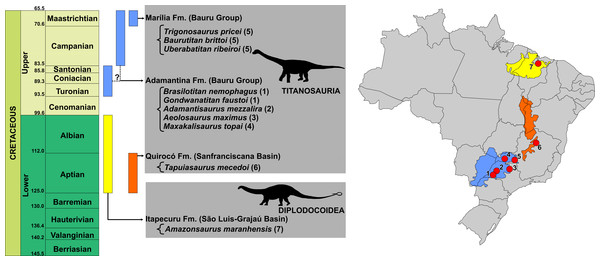
Figure 1: Temporal and geographic distribution of Brazilian Cretaceous Sauropods. Blue: Bauru Basin - Adamantina (1, Presidente Prudente and Alvarez Machado, São Paulo; 2, Flórida Paulista, São Paulo; 3, Monte Alto, São Paulo; 4, Campina Verde, Minas Gerais) and Marília (5, Peirópolis, Minas Gerais) formations. Orange: Sanfranciscana Basin - Quirocó Formation (6, Coração de Jesus, Minas Gerais). Yellow: São Luis-Grajaú Basin - Itapecuru Formation (7, Itapecuru-Mirim, Maranhão). Download full-siz

Figure 1: Temporal and geographic distribution of Brazilian Cretaceous Sauropods. Blue: Bauru Basin - Adamantina (1, Presidente Prudente and Alvarez Machado, São Paulo; 2, Flórida Paulista, São Paulo; 3, Monte Alto, São Paulo; 4, Campina Verde, Minas Gerais) and Marília (5, Peirópolis, Minas Gerais) formations. Orange: Sanfranciscana Basin - Quirocó Formation (6, Coração de Jesus, Minas Gerais). Yellow: São Luis-Grajaú Basin - Itapecuru Formation (7, Itapecuru-Mirim, Maranhão). Download full-siz

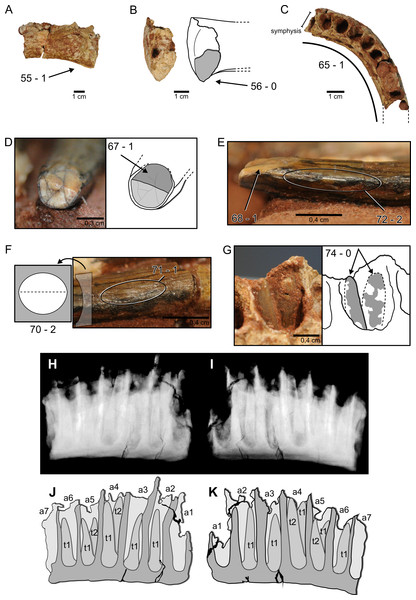
Figure 2: New material of M. topai . (A–F), MBC-42-PV, right dentary in dorsal (A), ventral (B), lingual (C), labial (D), and symphyseal (E) views; (F), cross section at the level of the seventh alveolus, showing one replacement tooth. (G), MBC-38-PV, functional teeth as found in the bearing rock. Download full-size image DOI: 10.7717/peerj.2054/fig-2

Figure 2: New material of M. topai . (A–F), MBC-42-PV, right dentary in dorsal (A), ventral (B), lingual (C), labial (D), and symphyseal (E) views; (F), cross section at the level of the seventh alveolus, showing one replacement tooth. (G), MBC-38-PV, functional teeth as found in the bearing rock. Download full-size image DOI: 10.7717/peerj.2054/fig-2

Figure 3: Nine characters newly scored for M. topai . (A), Right dentary in labial view. (B), Right dentary in symphyseal view, drawing depicts the outline of its medial portion with preserved part of the symphysis highlighted in gray. (C), Right dentary in dorsal view, dashes outline the missing portions of the ramus. (D), Functional tooth in apical view; light gray indicates broken portion of the tooth, dark gray highlight wear facet. (E), Mesial or distal view of the apical portion of a funct

Figure 3: Nine characters newly scored for M. topai . (A), Right dentary in labial view. (B), Right dentary in symphyseal view, drawing depicts the outline of its medial portion with preserved part of the symphysis highlighted in gray. (C), Right dentary in dorsal view, dashes outline the missing portions of the ramus. (D), Functional tooth in apical view; light gray indicates broken portion of the tooth, dark gray highlight wear facet. (E), Mesial or distal view of the apical portion of a funct

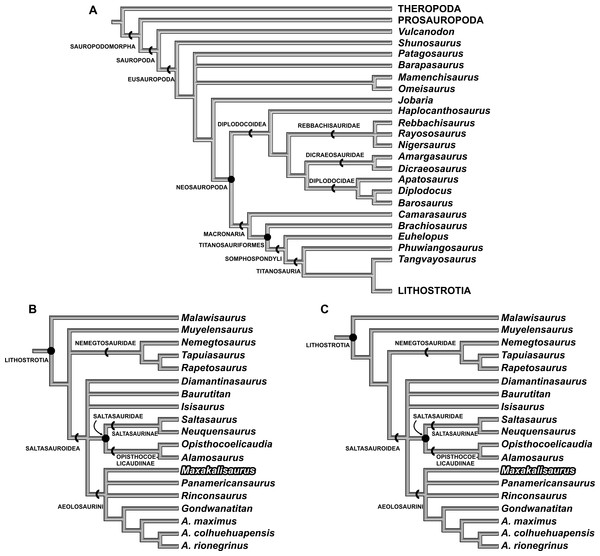
Figure 4: Results of Cladistic Analysis. (A), Strict consensus tree of the two analyses, with the same topology for early sauropodomorphs and macronarians. (B), Strict consensus of 20 most parsimonious tree, with 479 steps, based only on previous scores for M. topai . (C), Strict consensus of 8 most parsimonious tree, with 479 steps, based on previous and newly scored characters for M. topai . Download full-size image DOI: 10.7717/peerj.2054/fig-4

Figure 4: Results of Cladistic Analysis. (A), Strict consensus tree of the two analyses, with the same topology for early sauropodomorphs and macronarians. (B), Strict consensus of 20 most parsimonious tree, with 479 steps, based only on previous scores for M. topai . (C), Strict consensus of 8 most parsimonious tree, with 479 steps, based on previous and newly scored characters for M. topai . Download full-size image DOI: 10.7717/peerj.2054/fig-4

2000

Revisão estratigráfica da parte oriental da Bacia Bauru (Neocretáceo)

Fernandes, L.A. e Coimbra, A.M. · Revista Brasileira de Geociências

Stratigraphic redefinition of the eastern Bauru Basin, splitting the former Adamantina Formation into Vale do Rio do Peixe, São José do Rio Preto and Presidente Prudente. It is under this revised framework that the Austroposeidon holotype is placed stratigraphically.

Map of the Bauru Basin showing the main sauropod-bearing localities. The Presidente Prudente Formation is Campanian-Maastrichtian in age.

Map of the Bauru Basin showing the main sauropod-bearing localities. The Presidente Prudente Formation is Campanian-Maastrichtian in age.

2023

Sauropod dinosaurs from the Late Cretaceous Bauru Basin: a review and taxonomic update

Nascimento, L.R.S.F., Candeiro, C.R.A., Vidal, L.S., Oliveira, A.M., Dias, L.F.F. e Brusatte, S.L. · Historical Biology

Comprehensive review of Bauru Basin sauropods integrating Austroposeidon, Trigonosaurus, Baurutitan, Uberabatitan, Gondwanatitan, Maxakalisaurus and Ibirania. Confirms Austroposeidon as the largest nominally described Brazilian dinosaur.

Geographical distribution of Bauru Basin sauropods. Austroposeidon stands out for its westernmost position (Presidente Prudente) and its exceptional size.

Geographical distribution of Bauru Basin sauropods. Austroposeidon stands out for its westernmost position (Presidente Prudente) and its exceptional size.

1955

Novos achados de répteis Permianos e Cretáceos no Brasil

Price, L.I. · Anais da Academia Brasileira de Ciências

Short note by Llewellyn Ivor Price on new Cretaceous fossils collected in inland São Paulo, including the vertebrae later recognised as the Austroposeidon holotype. Historical record of the fieldwork that produced the specimen.

Map published by Bandeira et al. (2016) showing the locality near Presidente Prudente where Price collected the holotype in 1953.

Map published by Bandeira et al. (2016) showing the locality near Presidente Prudente where Price collected the holotype in 1953.

MCT 1628-R (holótipo) — Museu de Ciências da Terra (CPRM/DNPM), Rio de Janeiro, Brasil

Bandeira et al. 2016, PLOS ONE, CC BY 2.5

MCT 1628-R (holótipo)

Museu de Ciências da Terra (CPRM/DNPM), Rio de Janeiro, Brasil

Completeness: Vértebras cervicais posteriores, 1 dorsal completa, 7 fragmentos dorsais, 1 fragmento sacral (~10% do esqueleto)
Found in: 1953
By: Llewellyn Ivor Price

Holotype collected by Price on the outskirts of Presidente Prudente (São Paulo) along the Raposo Tavares road (BR-374), near the junction with the Assis Chateaubriand road (SP-425). It remained in storage for 63 years before being formally described in 2016. It is on public display at the Museum of Earth Sciences alongside a life-size forelimb reconstruction.

Austroposeidon has a single but memorable pop-culture appearance: it opens the episode 'Forests' (S1E5) of Apple TV+'s Prehistoric Planet series in 2022. The scene depicts a herd of the titanosaur feeding and pushing over trees in a Late Cretaceous South American forest, narrated by David Attenborough. Beyond this appearance, the animal remains absent from films, documentaries or games — a common fate for Brazilian dinosaurs, rarely represented in international mass media.

Animatrônico do T-rex da franquia Jurassic Park com o Jeep característico da série

Full-size T-rex animatronic from the Jurassic Park franchise, with the iconic red Jeep — Amaury Laporte · CC BY 2.0

2022 📹 Prehistoric Planet (S1E5: Forests) — Jon Favreau (showrunner) e Mike Gunton Wikipedia →
Dinosauria
Saurischia
Sauropoda
Titanosauria
Lithostrotia
First fossil
1953
Discoverer
Llewellyn Ivor Price
Formal description
2016
Described by
Kamila L.N. Bandeira, Felipe M. Simbras, Elaine B. Machado, Diogenes A. Campos, Gustavo R. Oliveira e Alexander W.A. Kellner
Formation
Formação Presidente Prudente (Grupo Bauru, Bacia Bauru)
Region
São Paulo
Country
Brasil
📄 Original description paper

Fun fact

The Austroposeidon holotype sat in storage for 63 years at the Museum of Earth Sciences in Rio de Janeiro before being formally described. Collected in 1953 by Llewellyn Ivor Price, the material was only recognised as a new species in 2016, when Bandeira and colleagues first noticed a unique pattern of pneumatic camellae alternating with dense growth rings, visible only through CT scanning. It remains the largest named dinosaur from Brazil.