
Who ruled, when, and what ended their reign
A reading of the Mesozoic as a sequence of apex regimes. Each moment is a turnover, a co-existence, a rise or an extinction. Read top to bottom from 246 Ma to 66 Ma.
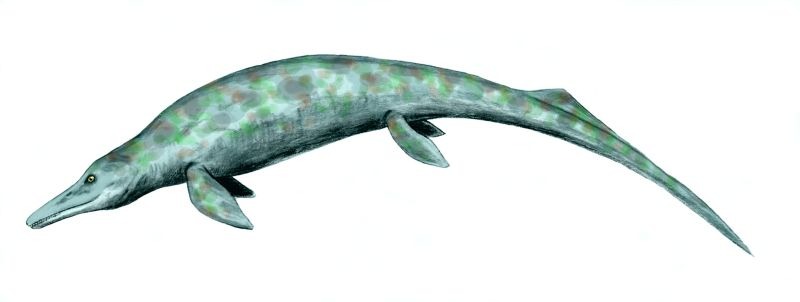
Giant ichthyosaurs patrol the Panthalassic Ocean
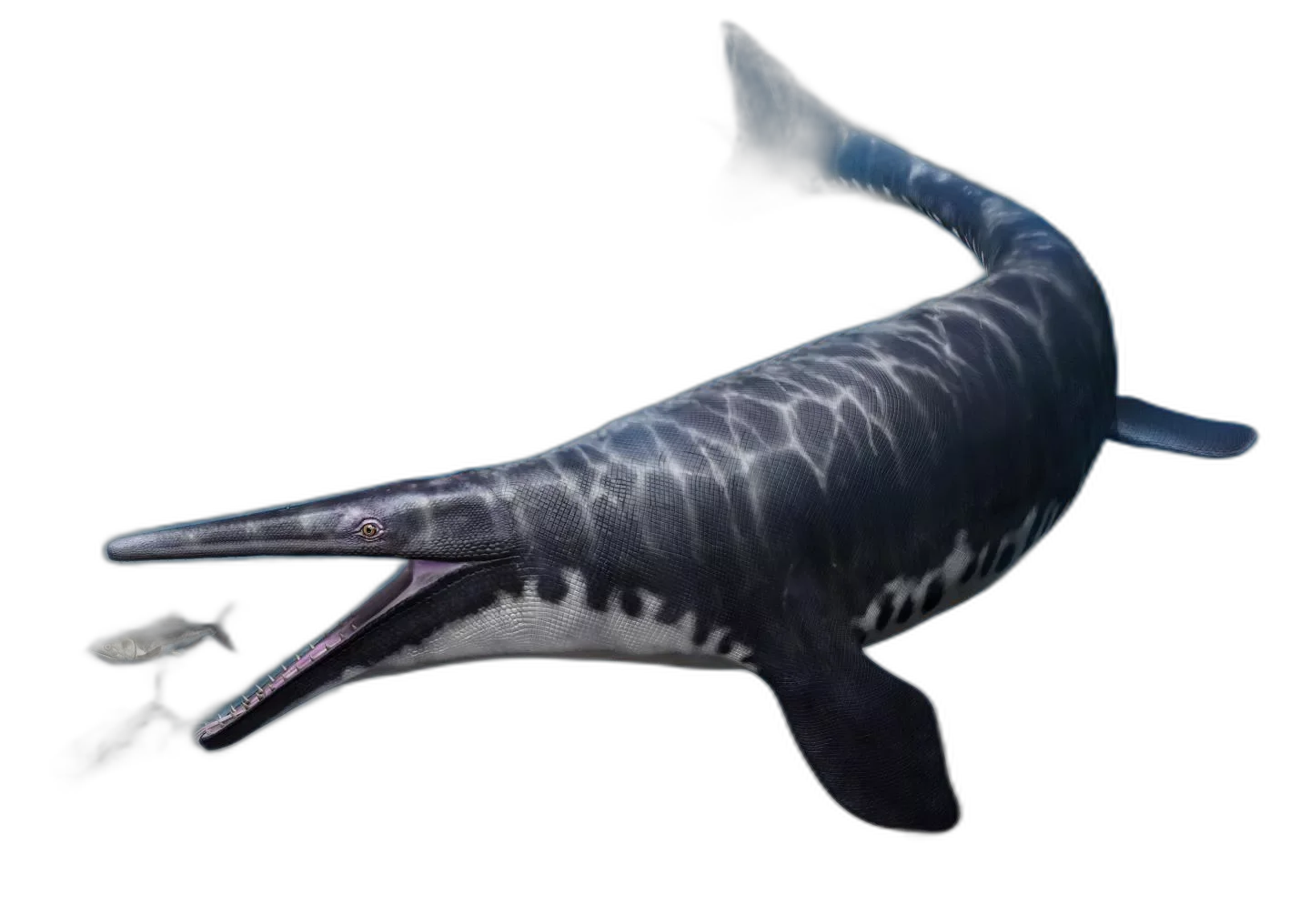
Cymbospondylus youngorum reaches ~17 m — the first truly gigantic marine apex after the Permian extinction. Reptilian whales, in effect, appear only eight million years after the world's ecosystems collapsed.
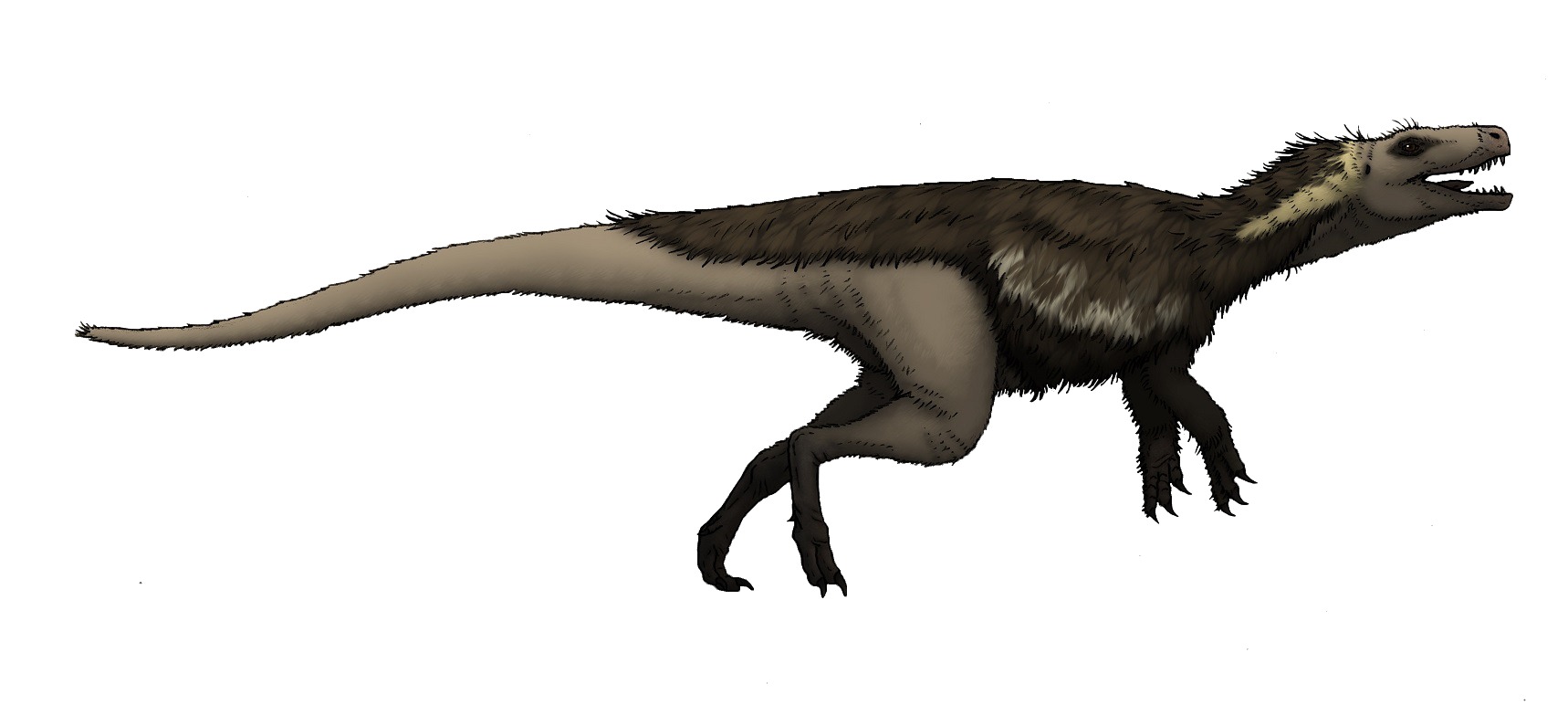
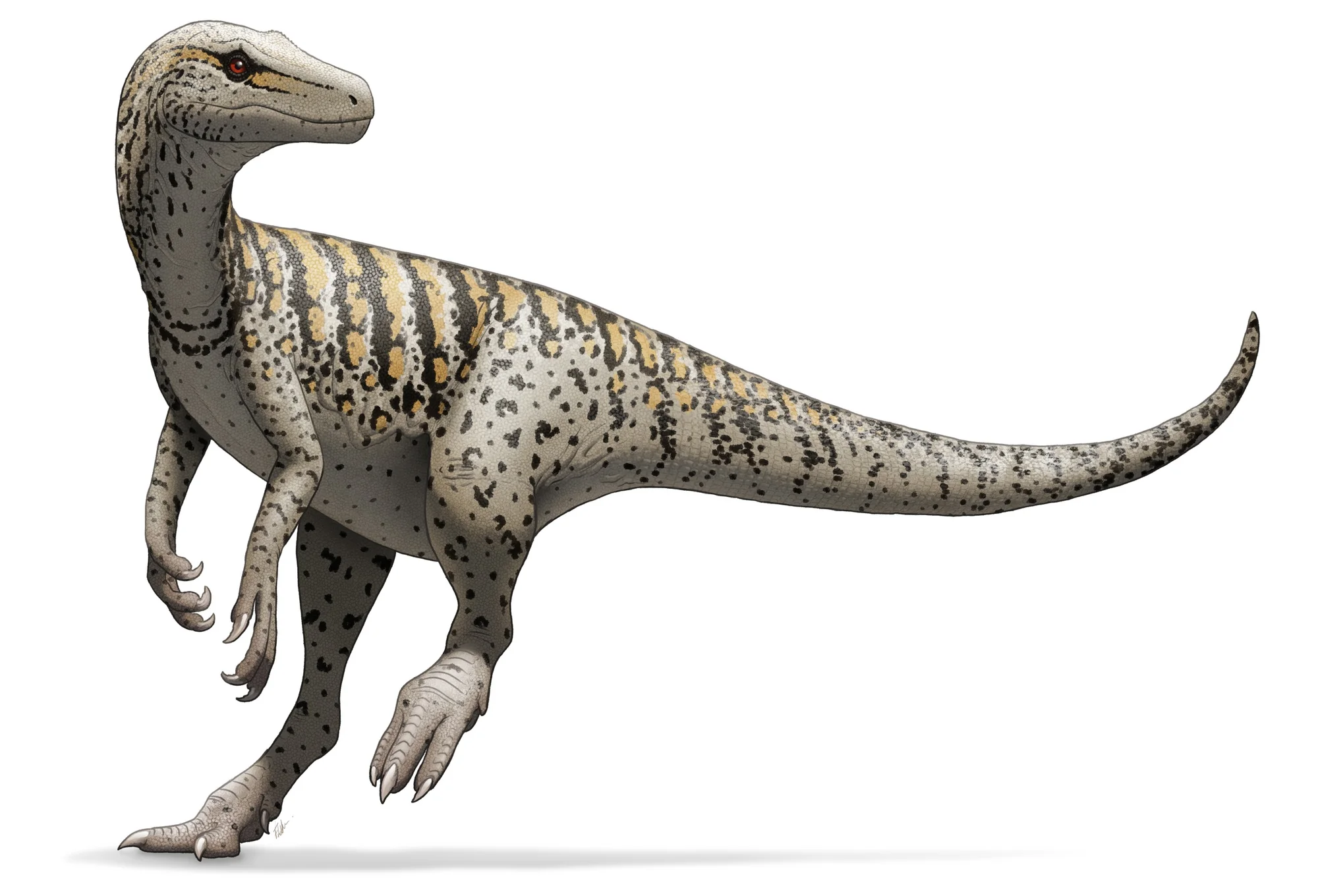
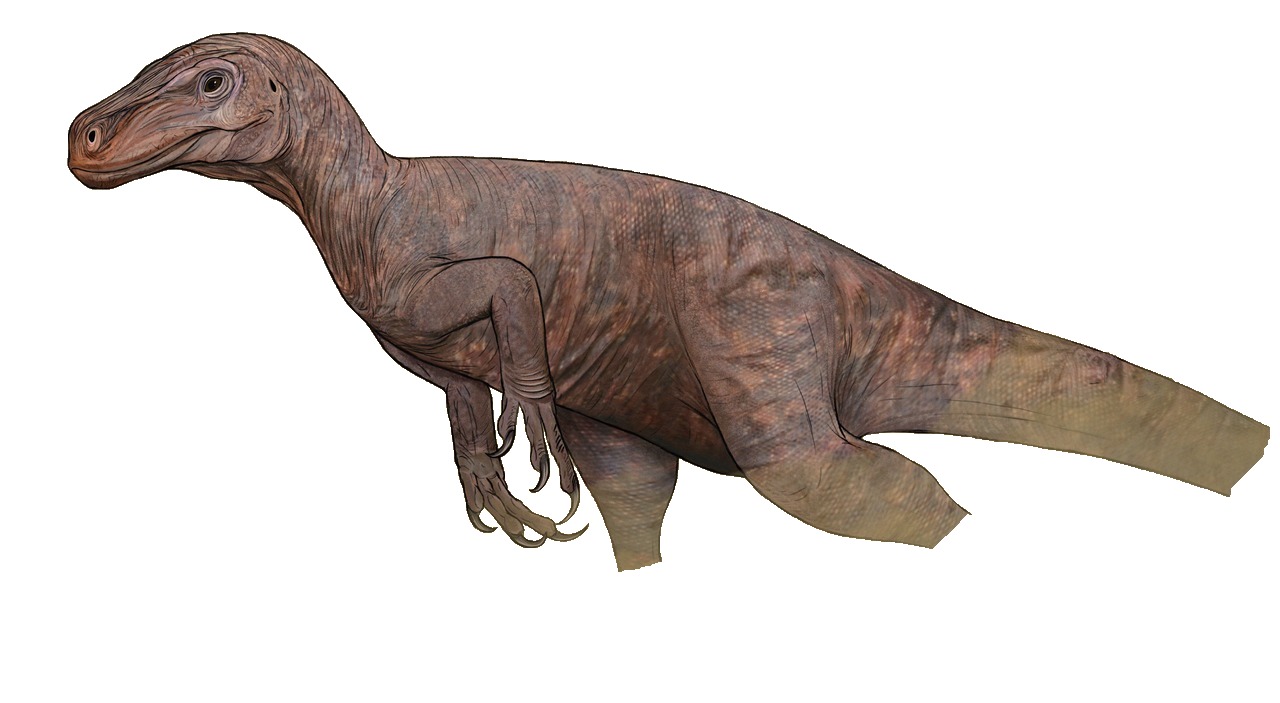
First apex dinosaurs appear
Herrerasaurids rise in the Ischigualasto and Santa Maria basins — Gnathovorax, Herrerasaurus, Staurikosaurus. They share the landscape with larger pseudosuchian apex: rauisuchians and phytosaurs still hold the top.
Pseudosuchian dominance peaks
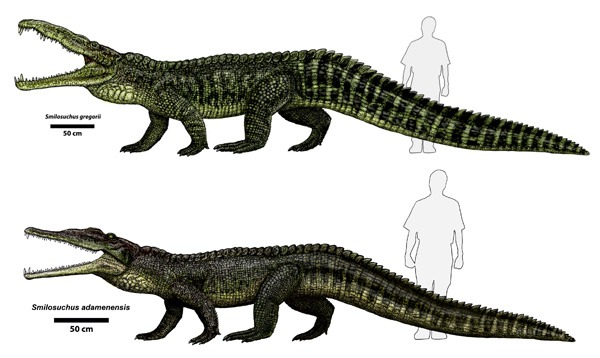
Postosuchus kirkpatricki rules inland North America; phytosaurs like Smilosuchus are semi-aquatic megapredators. Dinosaurs exist but are not yet the apex lineage.

Triassic-Jurassic extinction
The CAMP volcanic eruptions (~201.5 Ma) devastate most pseudosuchian lineages. The terrestrial apex slot empties — and dinosaurs inherit it within a few million years.
Theropods take the apex slot
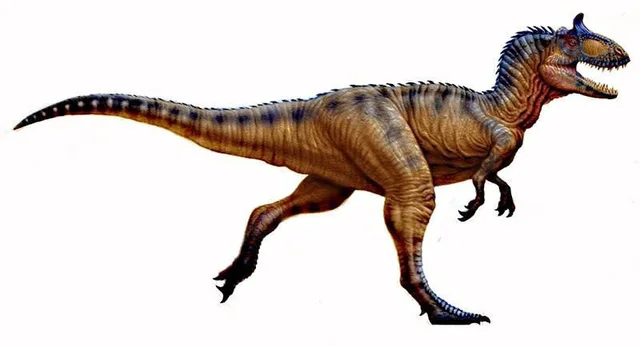
Dilophosaurus wetherilli in North America, Cryolophosaurus ellioti in Antarctica — crested, slender early theropods, the first dinosaur apex predators of the Jurassic. In the oceans, Temnodontosaurus and early Rhomaleosaurus occupy the top of marine food webs.

Megalosaurids and early tetanurans
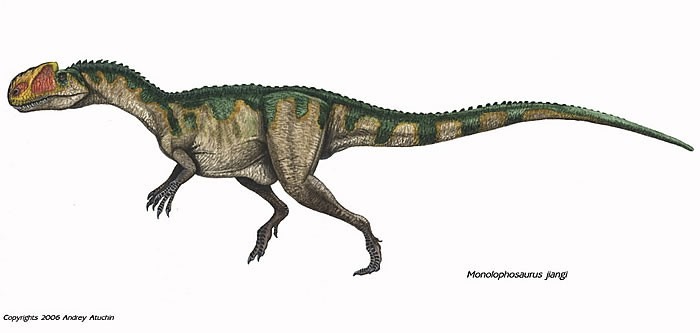
Monolophosaurus in China, Megalosaurus in Europe — the first "modern-body" apex tetanurans. In the oceans, Liopleurodon takes over as the dominant pliosaur.
Morrison apex triad
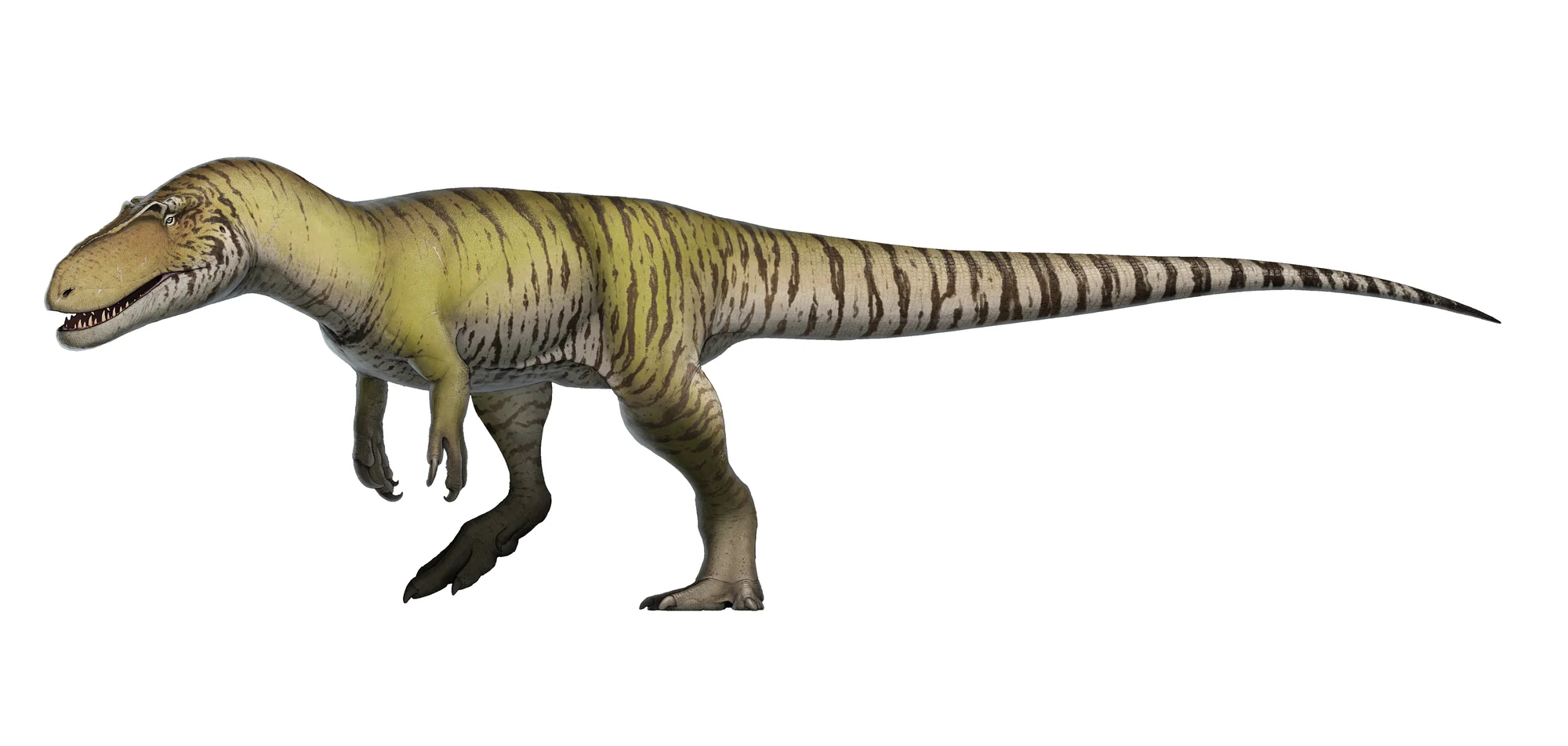
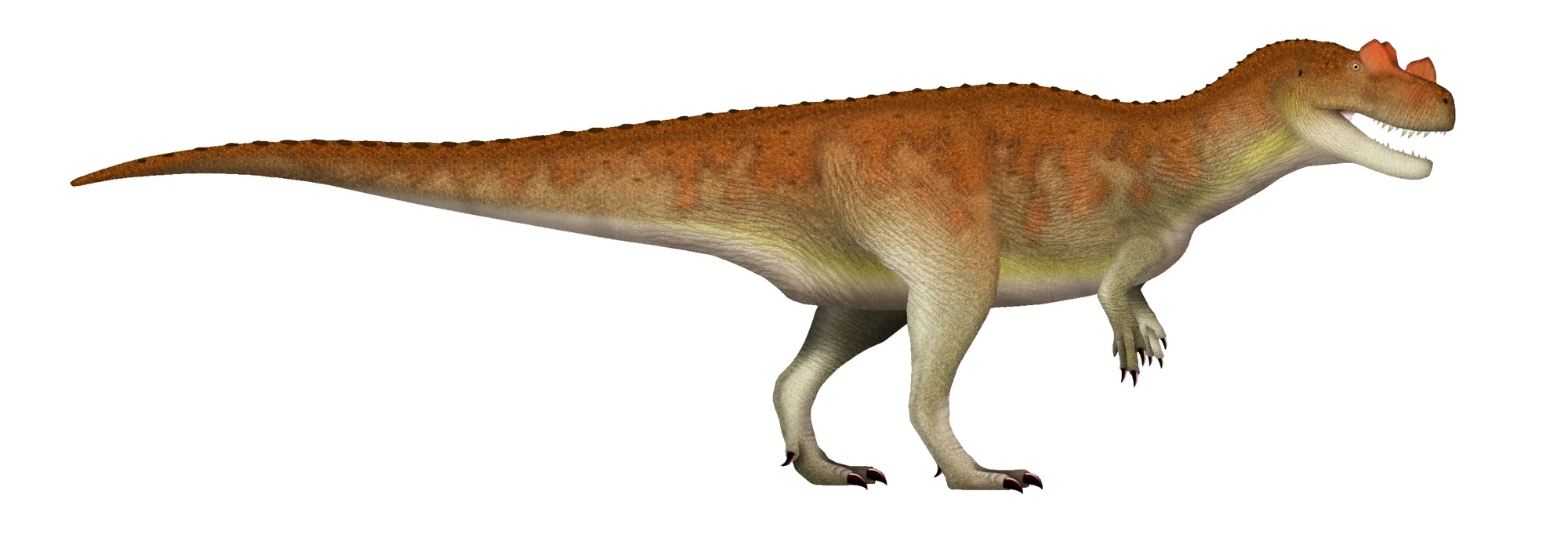
Allosaurus, Torvosaurus and Ceratosaurus coexist in the Morrison Formation — three large theropods partitioning prey by body size, skull shape and habitat. One of the best-documented examples of apex niche partitioning in the fossil record.

Pliosaur megapredators peak
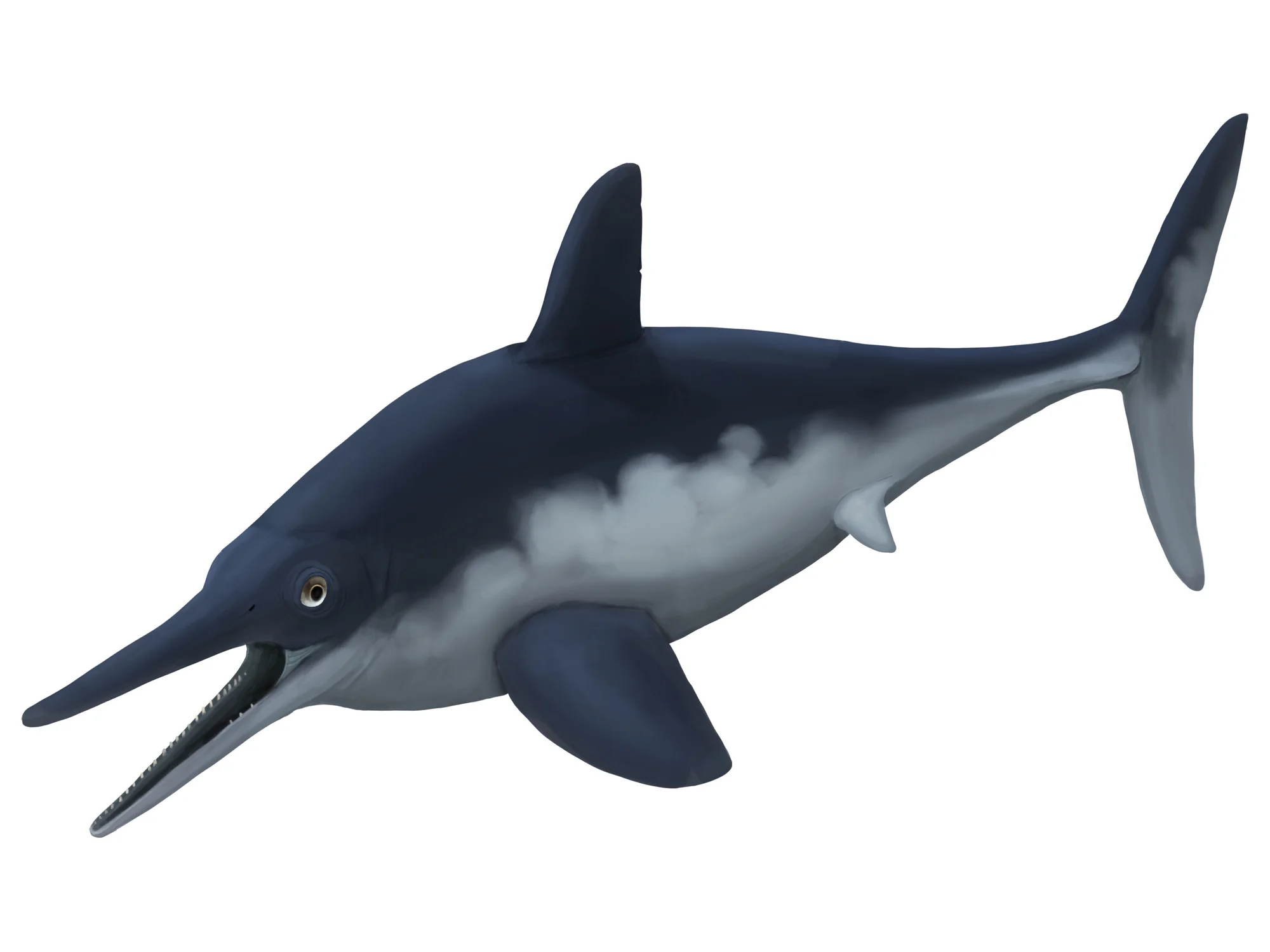
Pliosaurus funkei ("Predator X") reaches 10–12 m. Dakosaurus patrols European seas as a fully marine crocodyliform. Ophthalmosaurus still hunts with enormous eyes. Marine apex slots are crowded and diverse.

Spinosaurids and carcharodontosaurids split
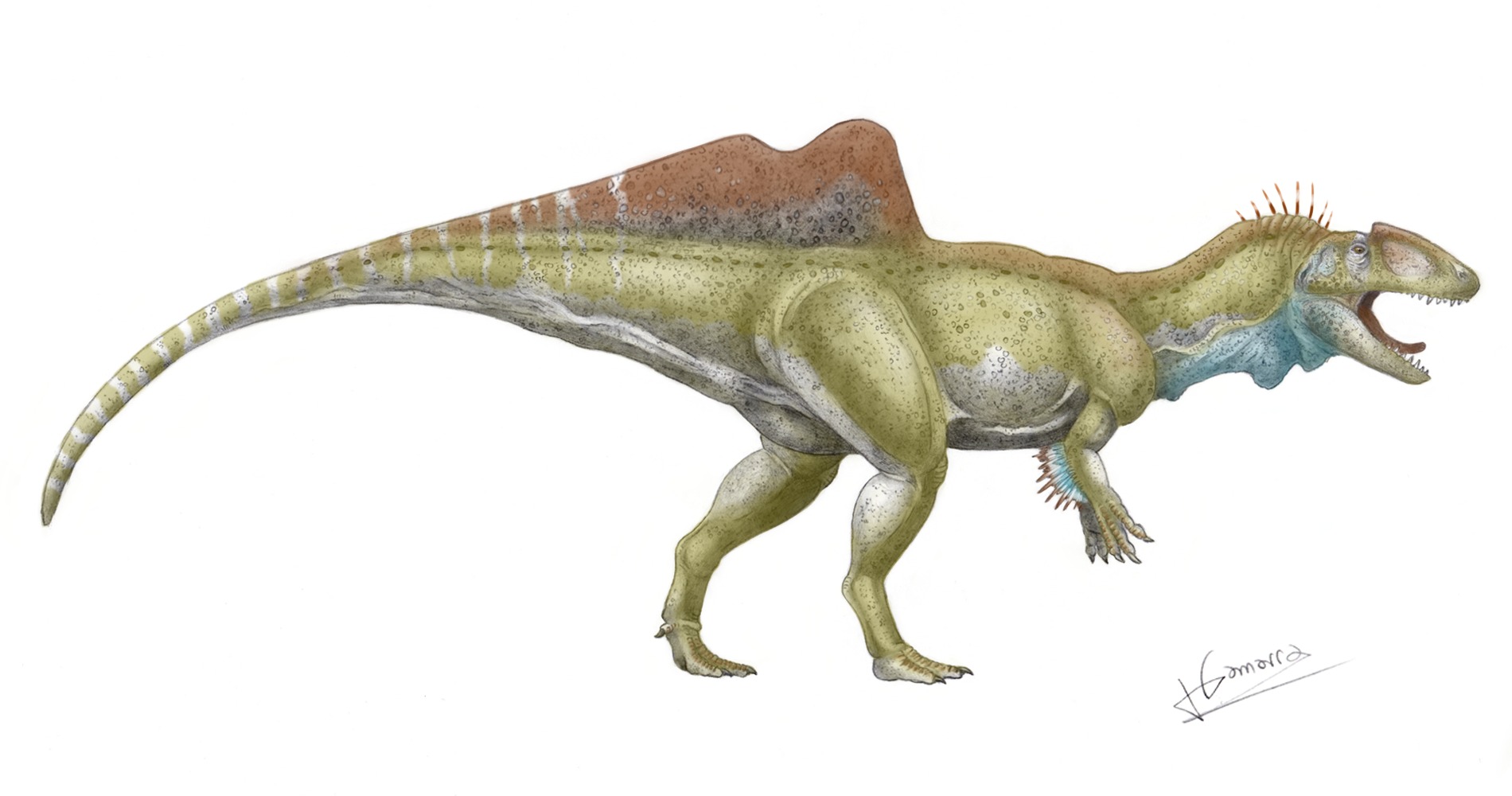
Baryonyx in Europe carves out a piscivorous apex niche. Concavenator is among the first carcharodontosaurids. Neovenator patrols the Wealden. The two lineages that will dominate the Cretaceous begin to diverge.

Acrocanthosaurus takes Laramidia
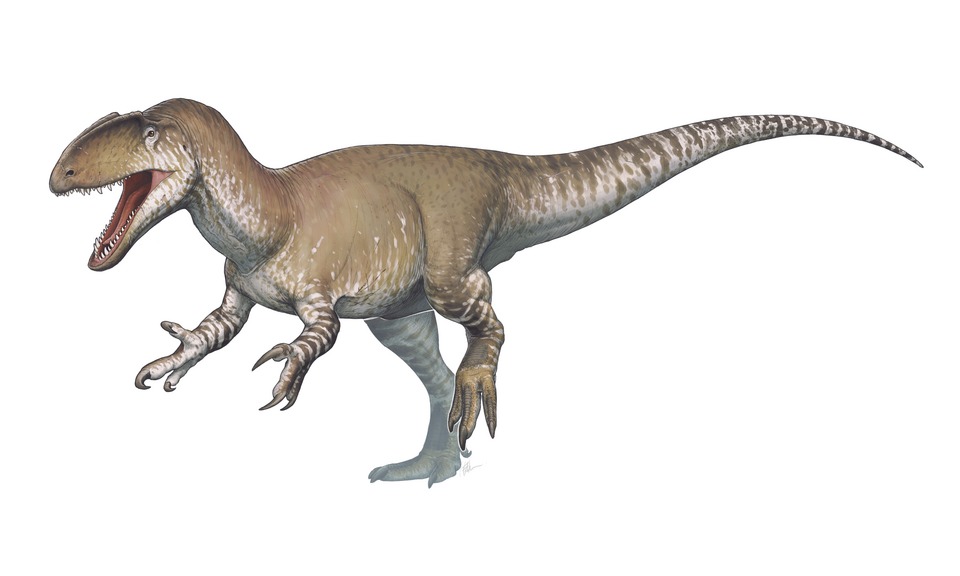
A carcharodontosaurid sits atop North America — long before any tyrannosaur rises. Suchomimus is the African spinosaurid counterpart. Kronosaurus dominates the Australian Eromanga Sea.
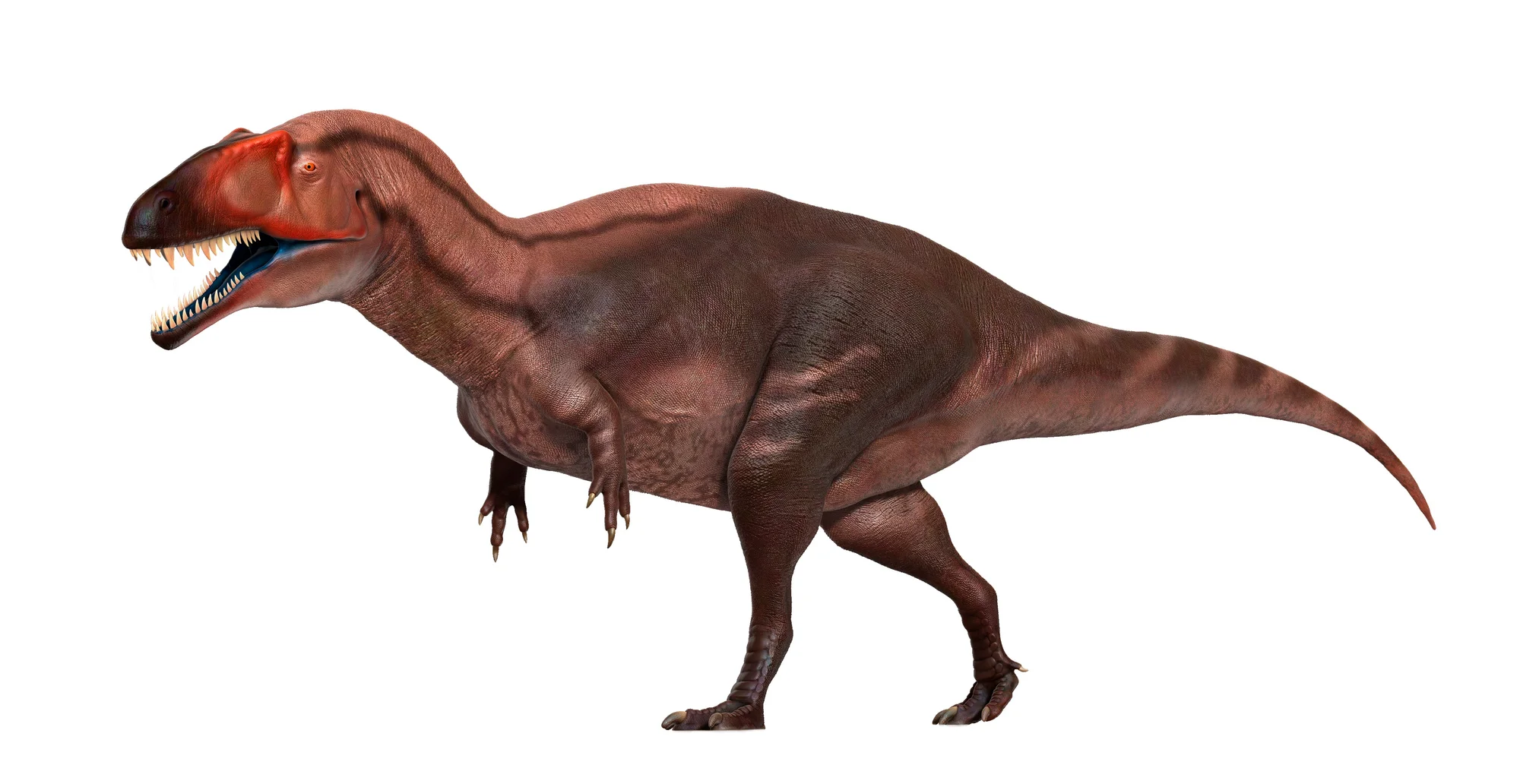
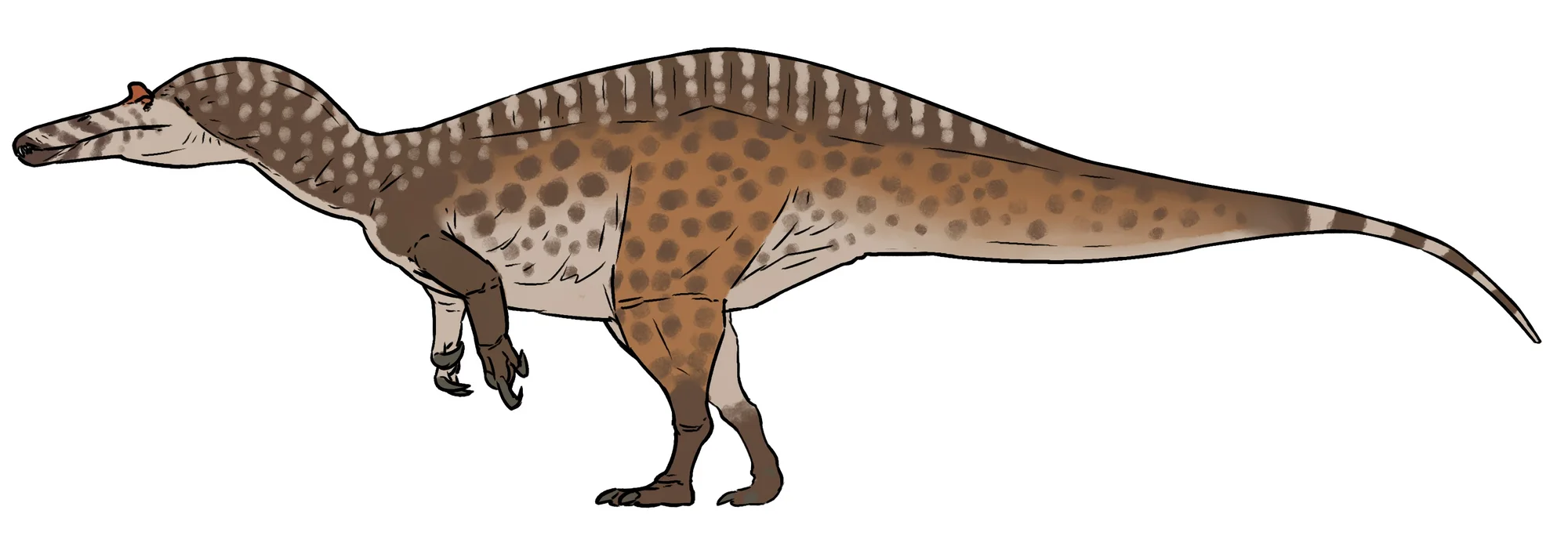

Cretaceous Thermal Maximum — the age of giants
The hottest stretch of the Mesozoic. Sea surface temperatures run 4–6 °C warmer than today, the poles are ice-free, shallow seas flood much of the continents, and dense forests cover every landmass. This warm, high-productivity window is the stage on which the gigantic carcharodontosaurids and the gigantic sauropods — Argentinosaurus and Patagotitan, 30+ m and 70+ tonnes — evolved together. Abundant plant biomass fed gigantic herbivores, and gigantic herbivores fed gigantic apex predators. The largest terrestrial animals that ever lived appear inside this narrow climatic window, not by coincidence.
Gigantic carcharodontosaurids in the south
Giganotosaurus in Patagonia, Carcharodontosaurus in North Africa, Mapusaurus in pack-like aggregations. Some of the largest land predators ever known — and all carcharodontosaurids, not tyrannosaurs.
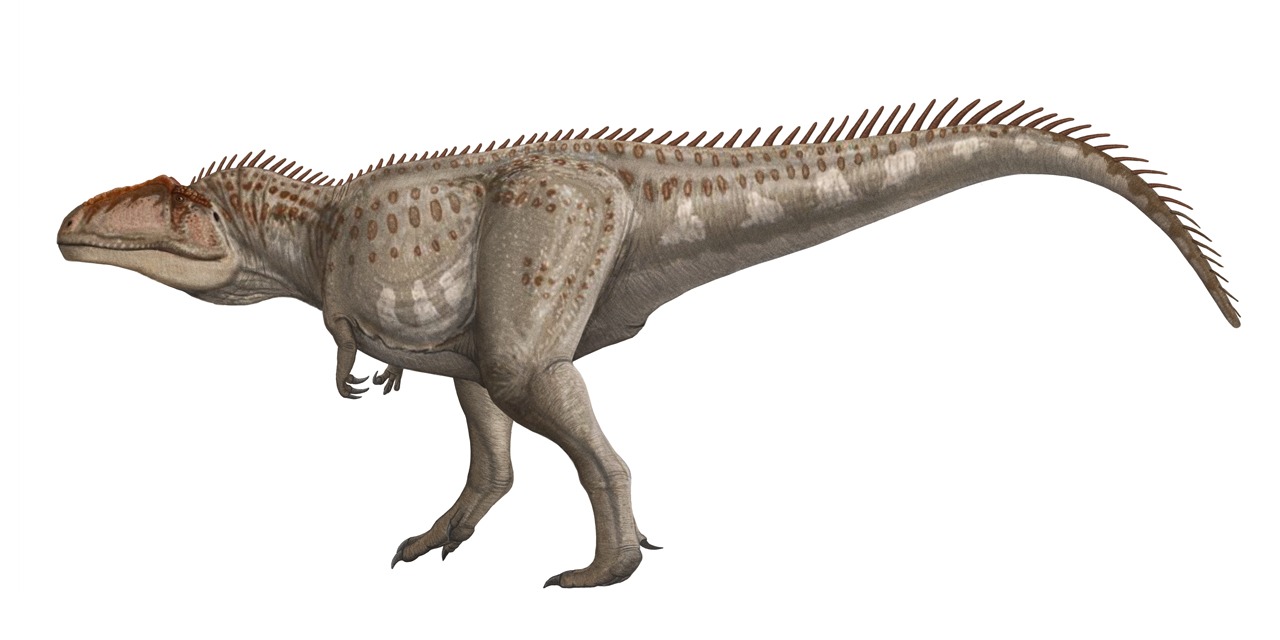
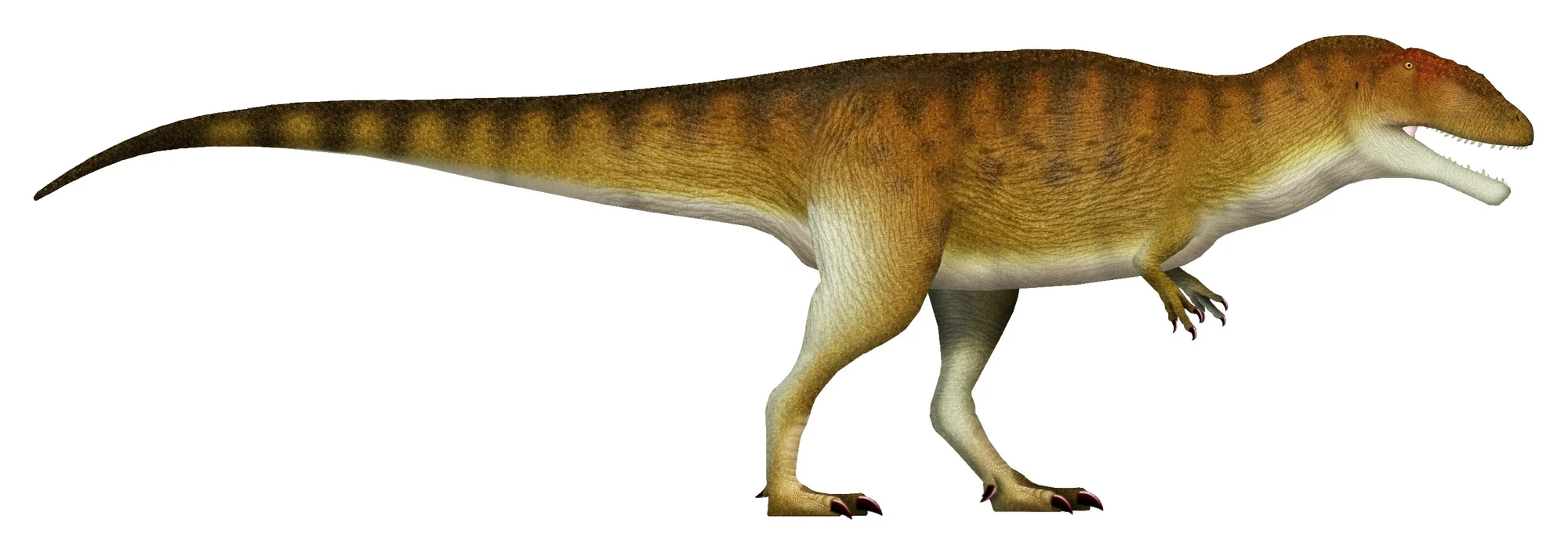
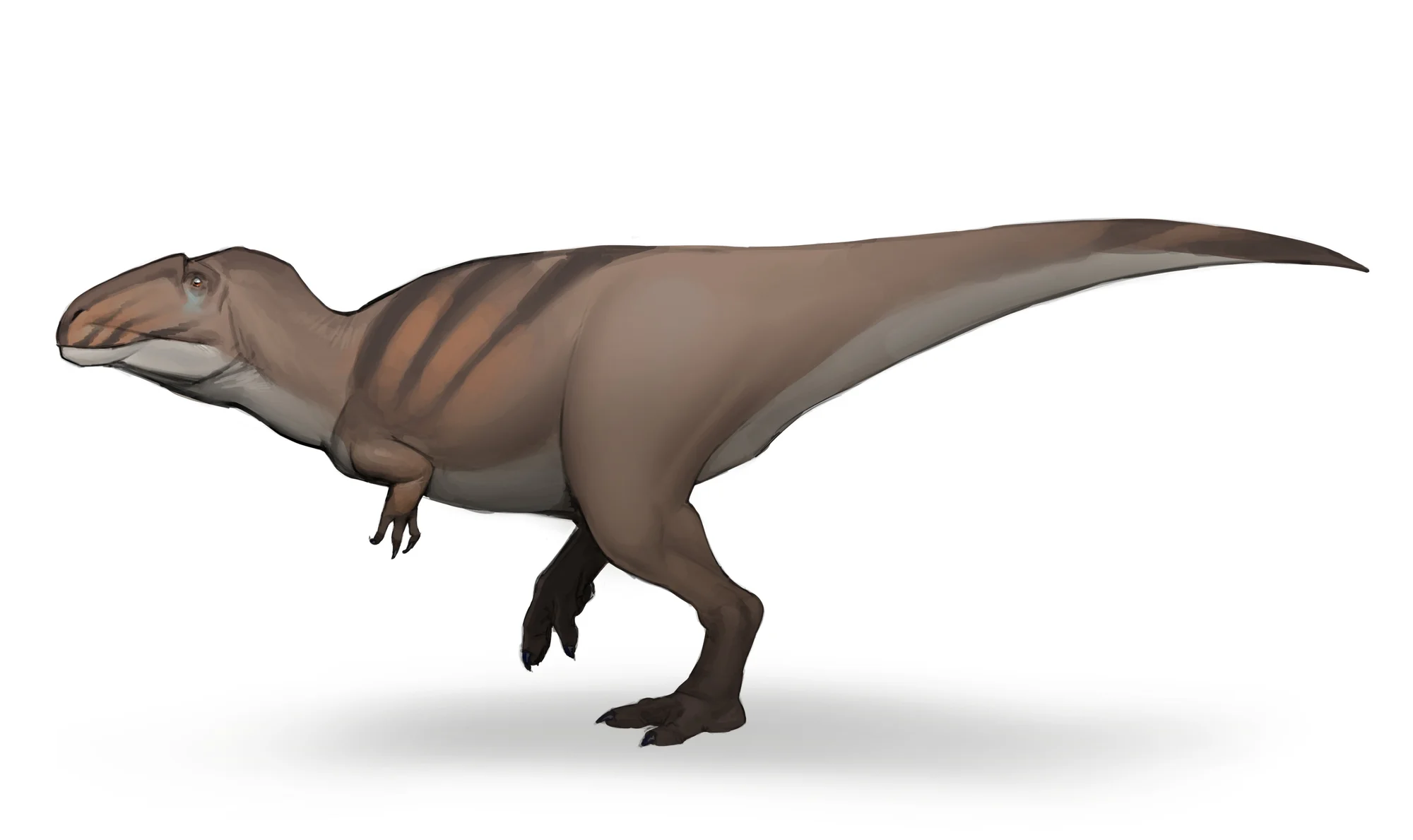
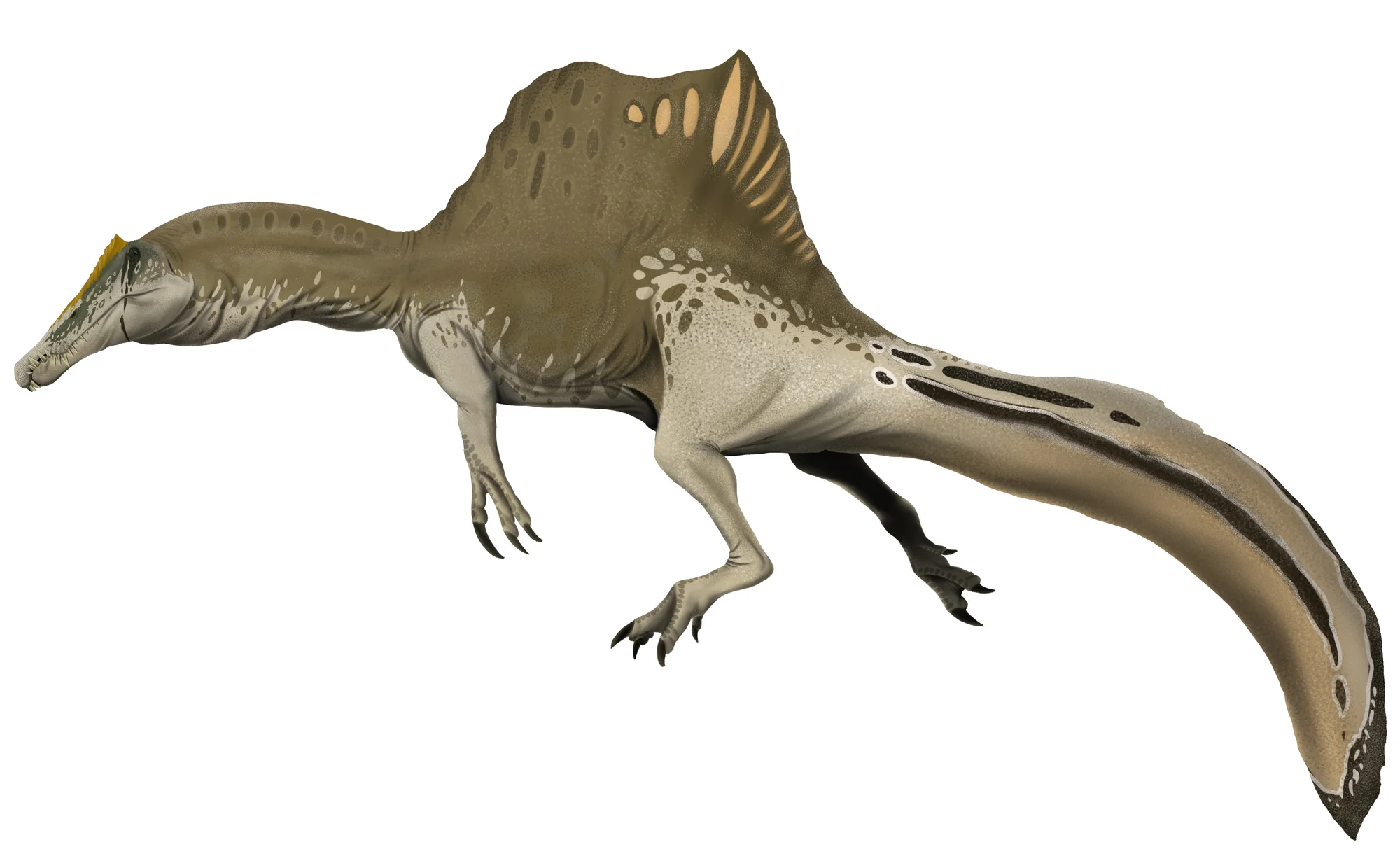
Spinosaurus and Carcharodontosaurus co-apex
Two apex body plans share the Kem Kem river systems: Spinosaurus targets aquatic prey with crocodile-like jaws, Carcharodontosaurus hunts on land. A rare documented case of apex predator co-existence through habitat partitioning.
Cenomanian-Turonian reshuffle
Carcharodontosaurids disappear from Laurasia and decline in Gondwana. The apex slot opens again. Abelisaurids consolidate their grip on the south; tyrannosauroids grow larger in the north. The modern apex map of the Cretaceous starts to form.
Tyrannosaurid empire
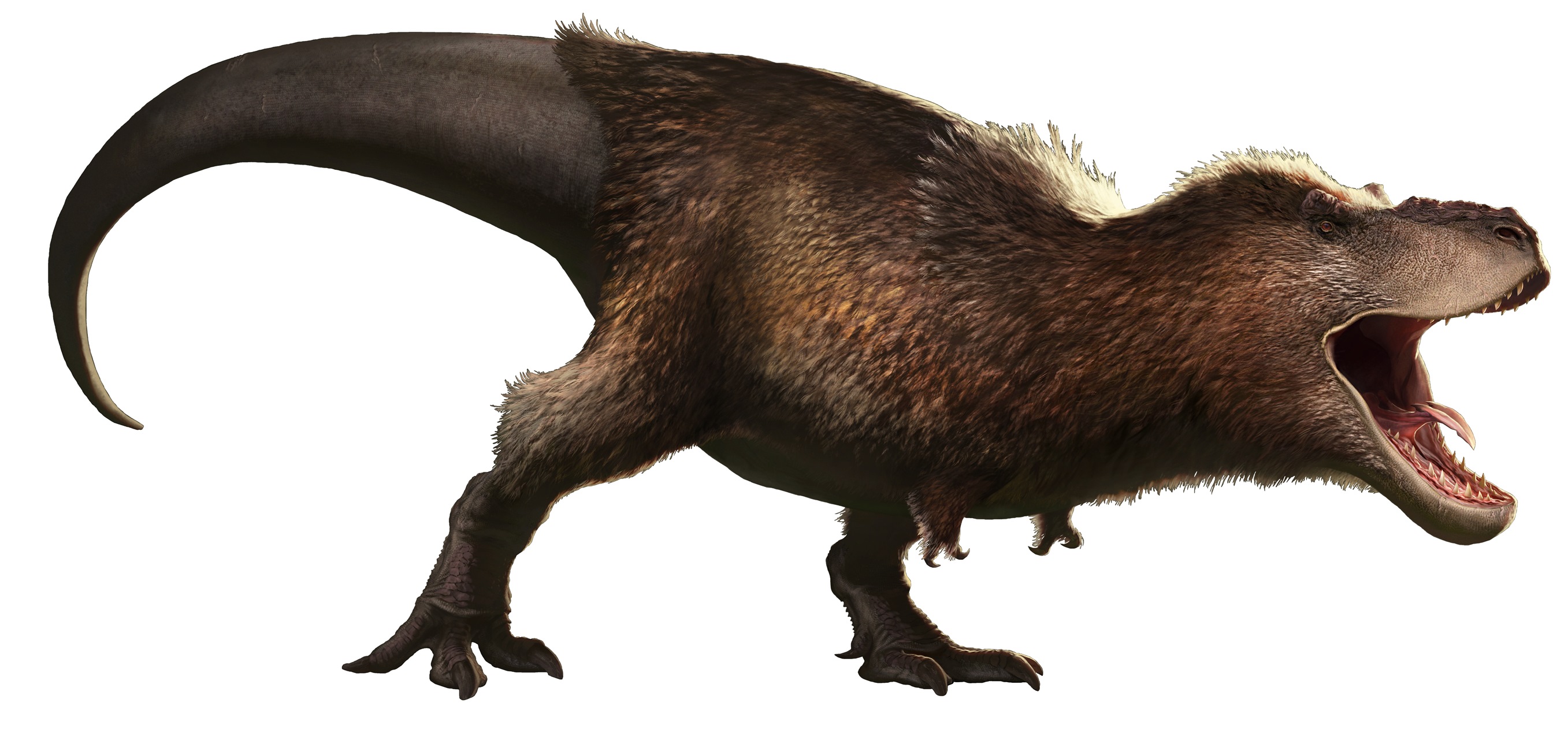
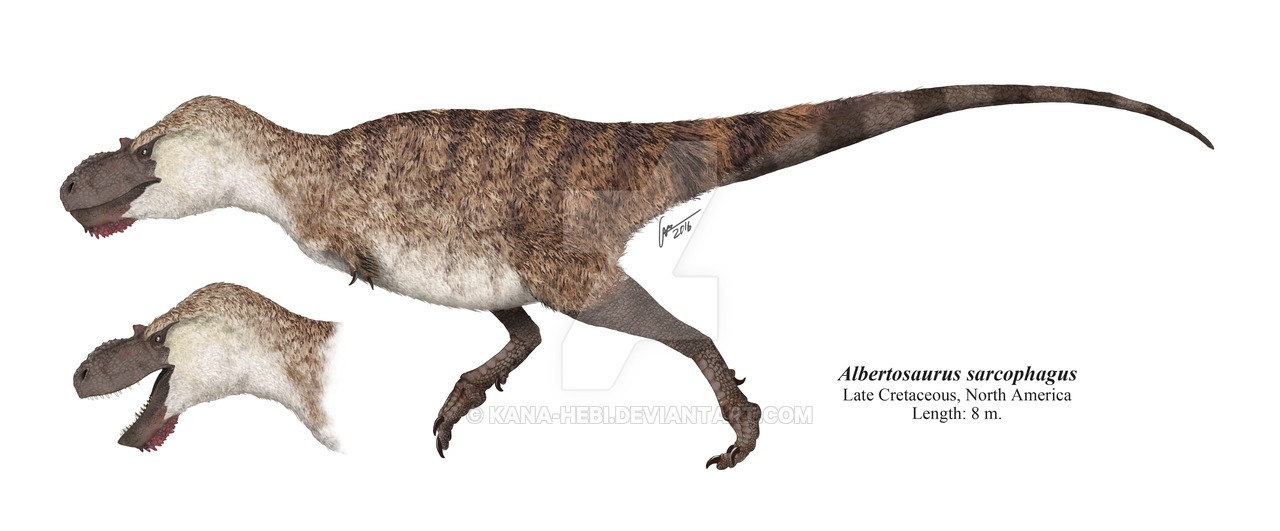
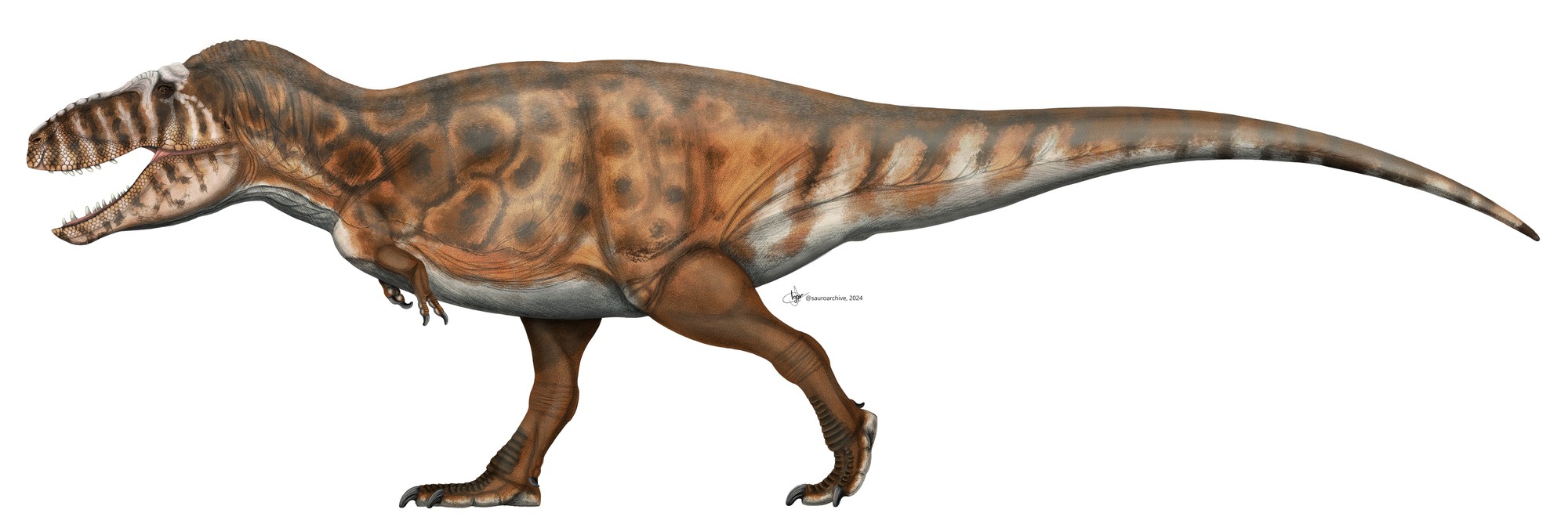
Daspletosaurus, Gorgosaurus, then Albertosaurus and Tyrannosaurus rex in Laramidia. Tarbosaurus bataar holds Mongolia; Qianzhousaurus is the long-snouted southern Chinese apex. Bulky skulls, binocular vision, bone-crushing bites.
Abelisaurid monopoly in the south
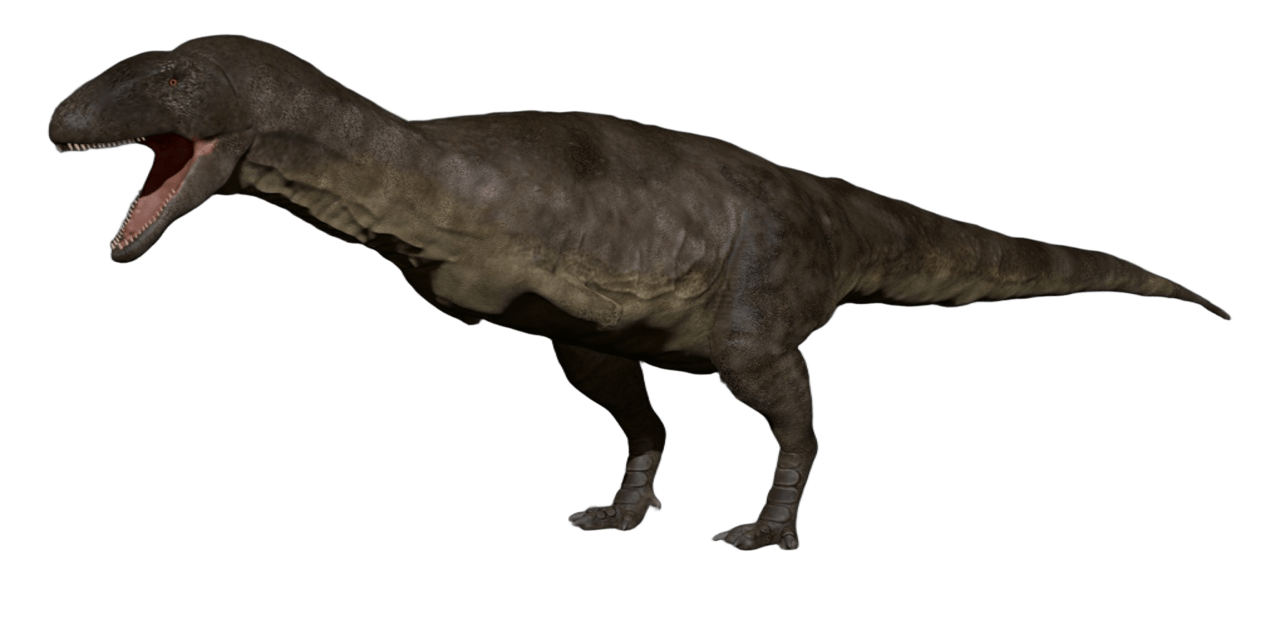
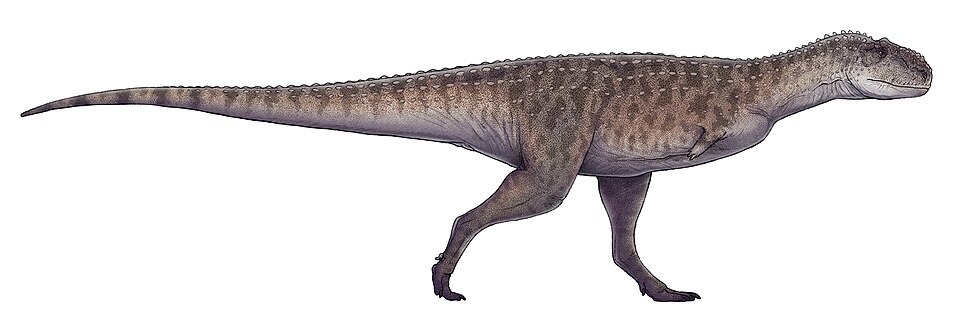
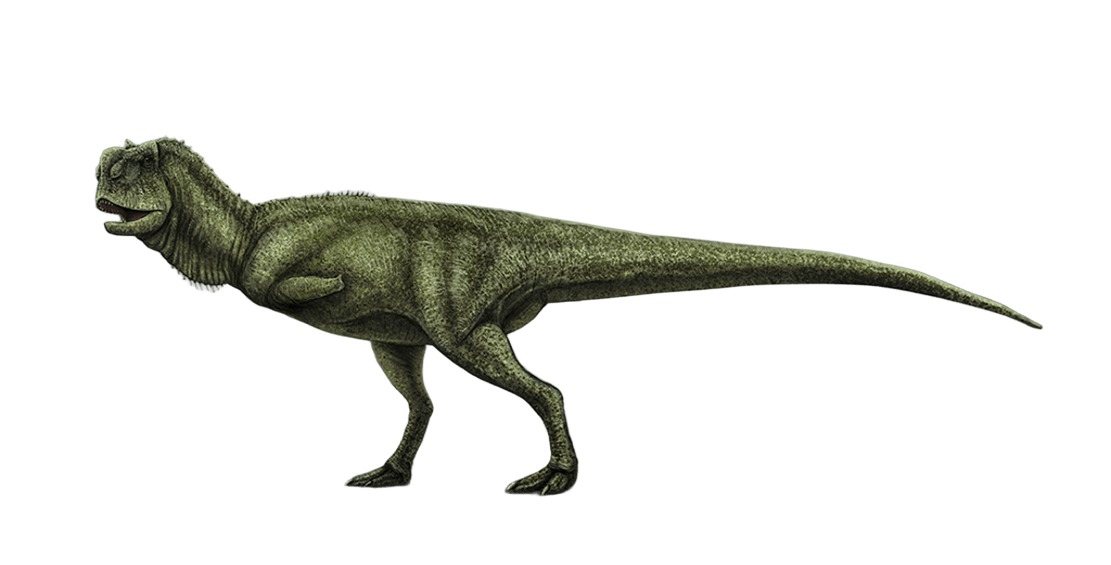
Carnotaurus in Patagonia, Majungasaurus in Madagascar, Rajasaurus in India, Pycnonemosaurus in Brazil. Short-faced, deep-skulled abelisaurids dominate across the fragmented southern continents. Gondwana goes its own way.

Mosasaurs rule the seas
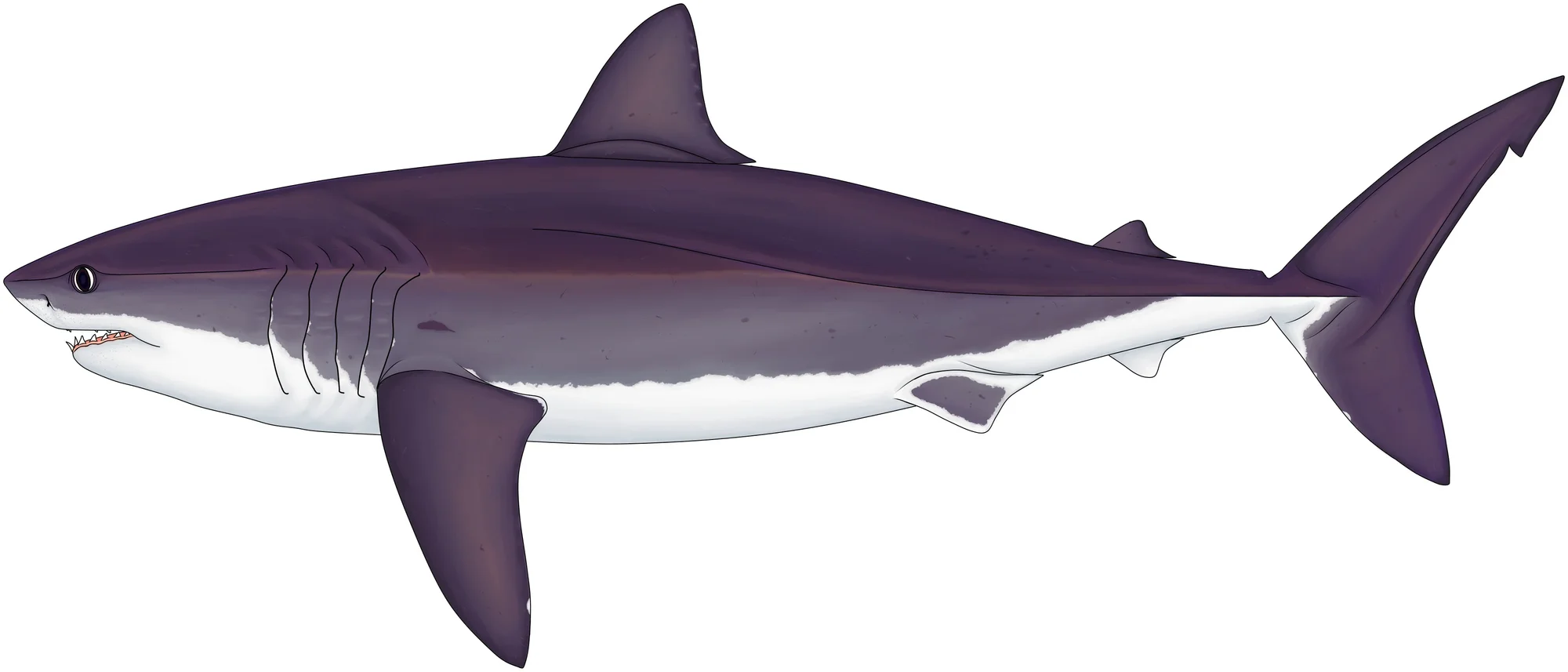
Mosasaurus hoffmannii and kin take the marine apex slot left by ichthyosaurs and pliosaurs. Elasmosaurus still glides the Western Interior Seaway; sharks like Cretoxyrhina and Squalicorax are now secondary predators.

K-Pg extinction
The Chicxulub impact ends the Mesozoic. Non-avian dinosaurs, mosasaurs, plesiosaurs and most large marine reptiles vanish. The apex slot, after ~170 million years of reptilian dominance, passes to mammals and birds.